Survival skills feel solid when practiced in comfort, but the wilderness has a way of stripping confidence fast. Extreme conditions test more than knowledge. They expose decision-making, emotional control, and physical limits at the same time. These survival tests are not about showing toughness. They are about revealing weak habits that quietly become dangerous when conditions turn harsh. Each challenge below reflects real scenarios people face when things go wrong, far from help. They push endurance, patience, and awareness in ways most training never fully prepares you for. Understanding these tests before you face them can mean the difference between lasting through hardship and making mistakes that spiral fast.
1. Navigating Without Trails or Clear Landmarks

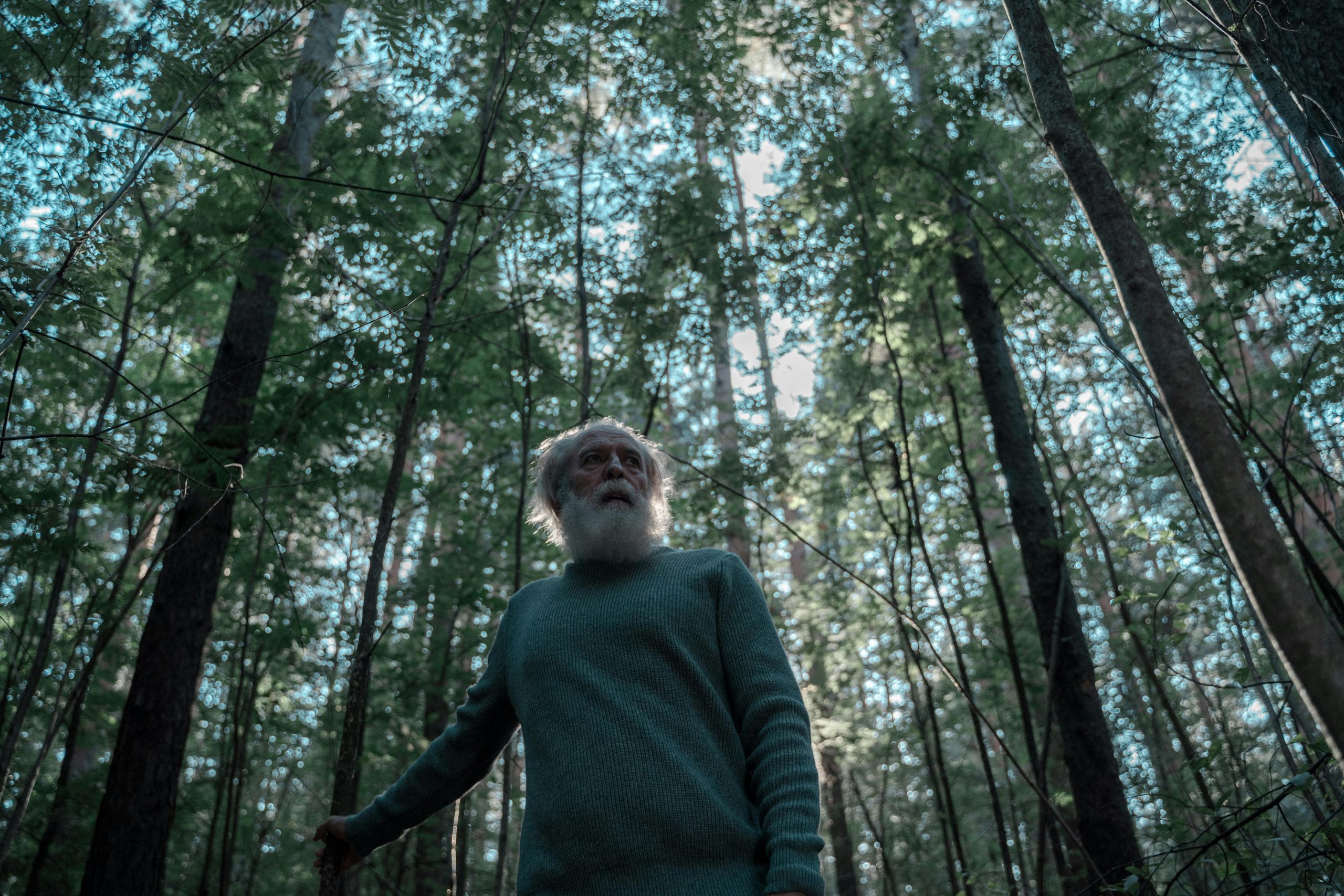
Being dropped into terrain without trails forces immediate mental strain. Forests, deserts, and tundra often look repetitive, making distance hard to judge. Without landmarks, people tend to walk in subtle circles, burning energy while feeling confident they are moving forward. Panic builds quietly as familiar reference points disappear. Successful navigation requires slowing down, using sun position, terrain shape, and wind direction instead of rushing. Many fail this test by overcorrecting every doubt, which leads to confusion. The wilderness rewards deliberate movement and patience. Those who pause to reassess regularly conserve strength and direction. This test exposes how quickly confidence collapses when certainty disappears.
2. Enduring Extended Cold With Limited Shelter
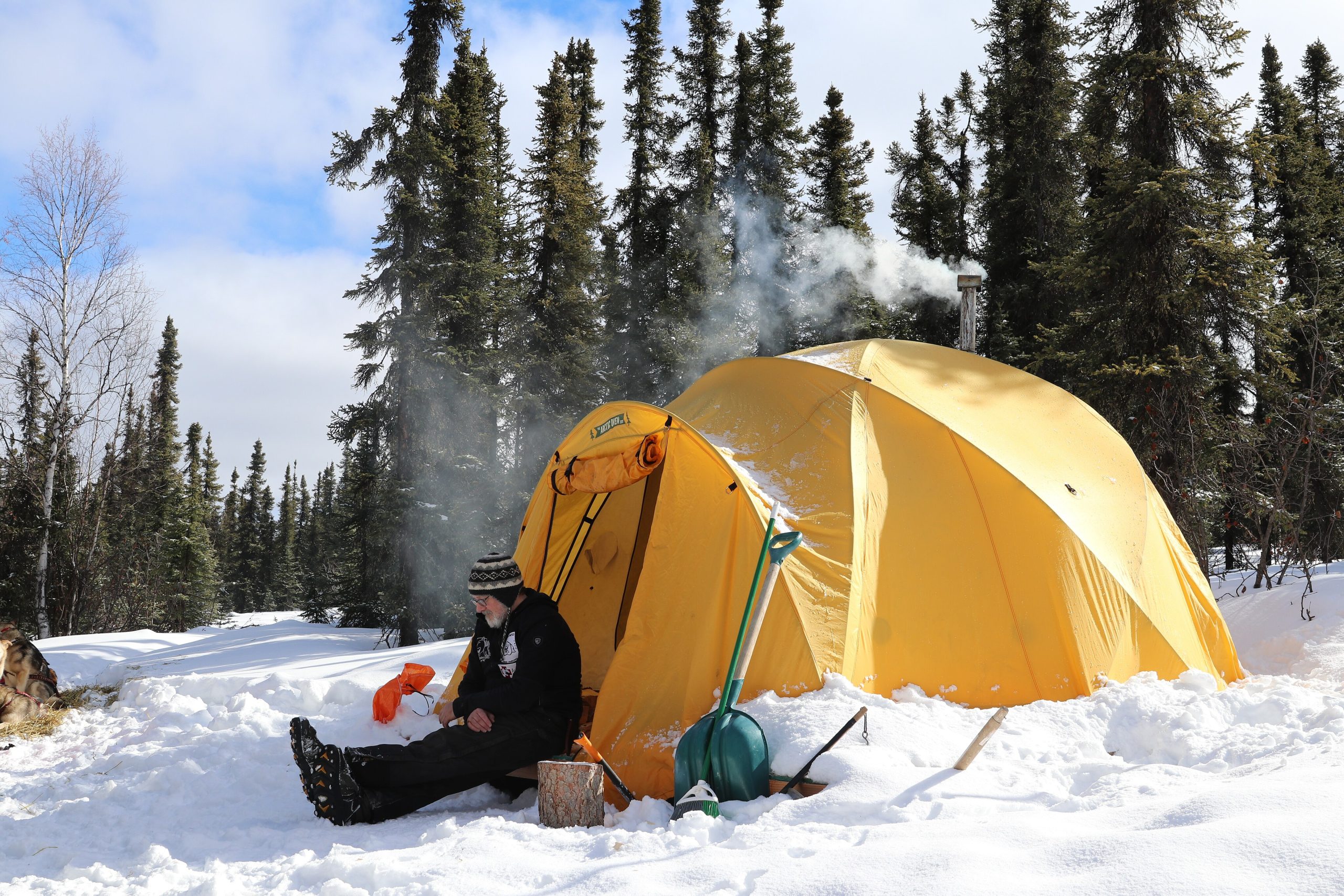
Cold survival is not about toughness. It is about heat management. This test pushes the body as small mistakes multiply fast. Wet clothing, poor insulation, or wind exposure can drain warmth without obvious warning signs. People often underestimate how quickly energy loss reduces decision-making. Fingers stiffen, tasks take longer, and simple choices feel overwhelming. The challenge is maintaining routine under stress. Building shelter early, managing layers, and eating regularly keep heat production steady. Many fail by delaying shelter construction or ignoring early shivering. Cold environments punish hesitation more than effort. The test reveals who respects preparation over optimism.
3. Managing Severe Dehydration Pressure
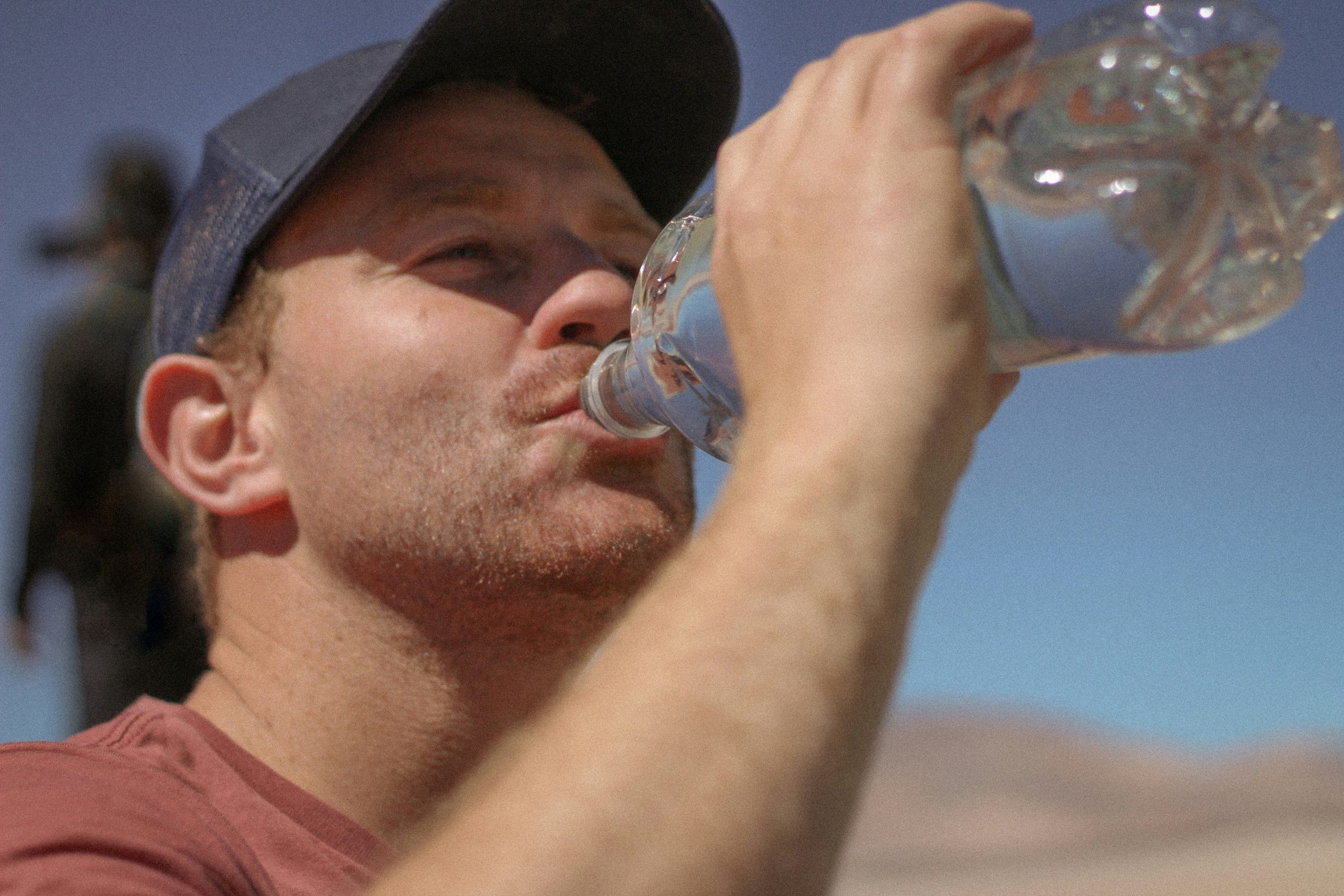
Thirst creates desperation that clouds judgment. This test pushes people to chase unreliable water sources or waste energy digging or walking farther than planned. Dry landscapes magnify this stress, but dehydration can happen anywhere with exertion. Successful survival means resisting panic and conserving fluids through shade, slow movement, and reduced talking. The mind often exaggerates urgency, making poor decisions feel logical. Many fail by assuming water must be found immediately. In reality, staying calm and visible for rescue often works better. This test exposes how emotional pressure, not physical limits, causes dangerous choices.
4. Staying Put When Every Instinct Says Move
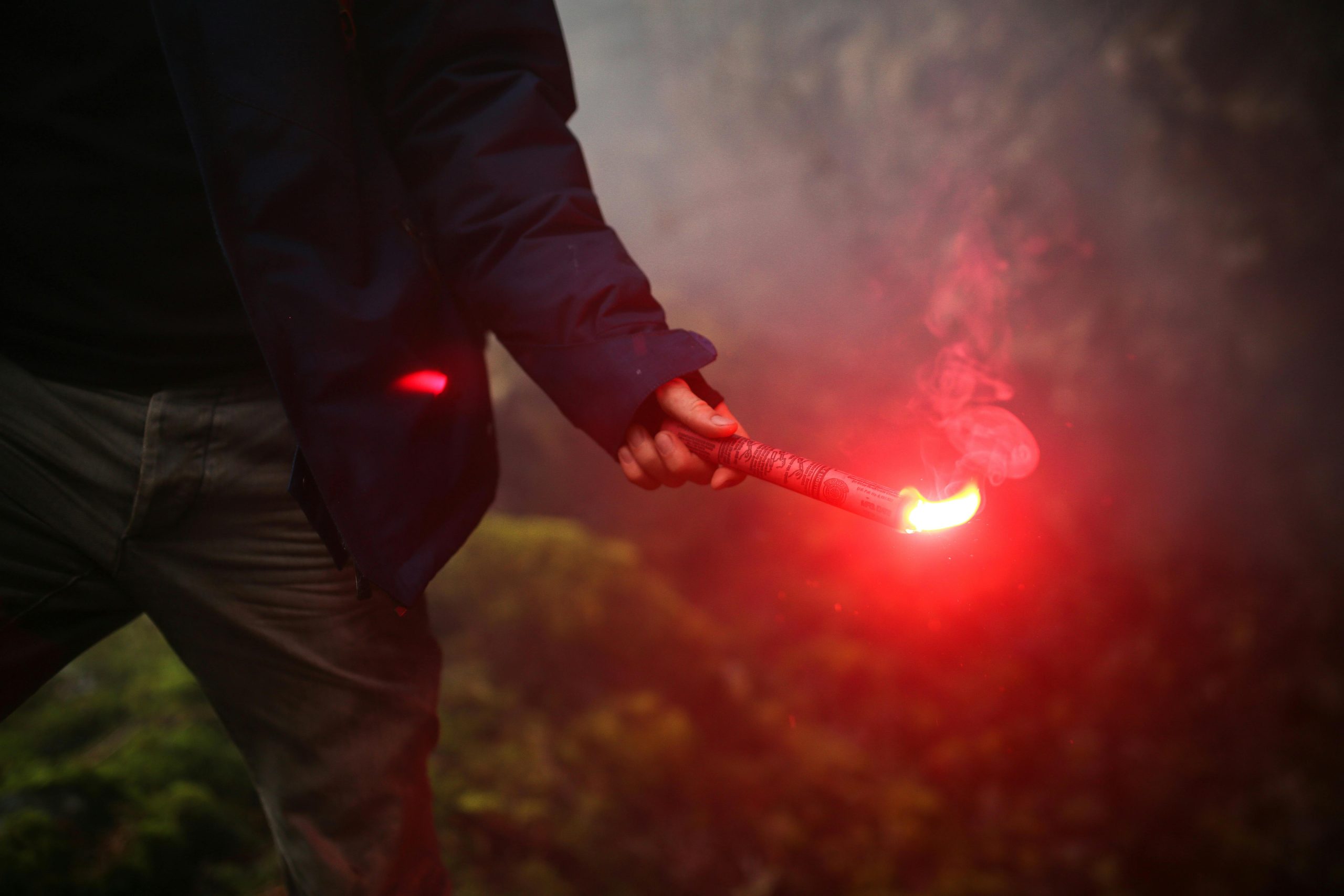
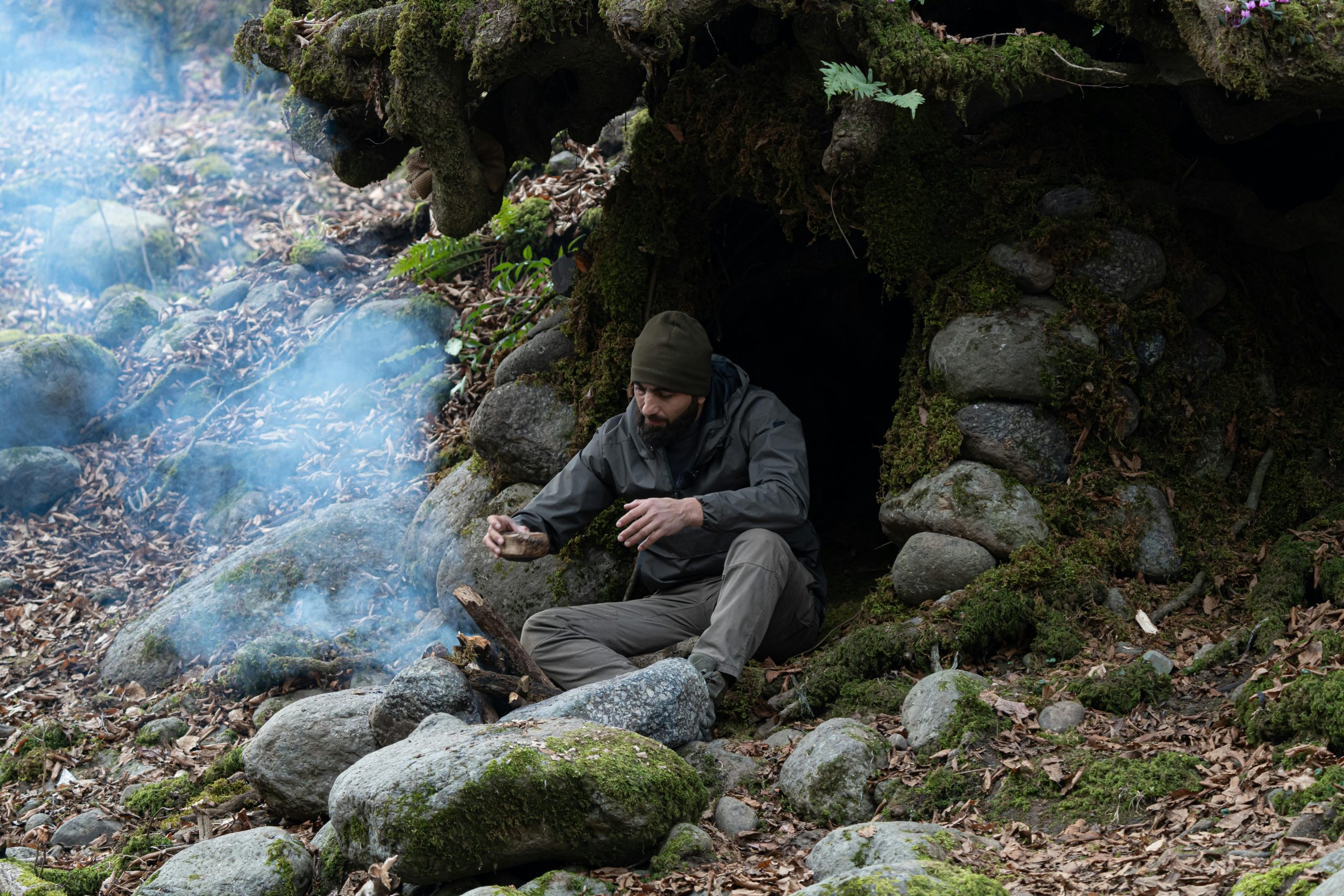
Remaining in one place feels wrong when fear sets in. This test challenges emotional control more than physical ability. People equate movement with progress, even when lost. Wandering increases injury risk and makes rescue harder. Staying put requires discipline, shelter building, and signaling patience. The hardest part is ignoring internal pressure to act. Successful survivors establish routine tasks like improving shelter or signal placement to maintain purpose. Many fail by chasing imagined escape routes. The wilderness often favors those who become easy to find rather than hard to track. This test reveals who can override instinct with logic.
5. Functioning While Injured or Exhausted

Injury changes everything. This test strips away comfort and efficiency. A twisted ankle, deep cut, or muscle strain slows movement and increases exposure time. Pain drains focus and patience, leading to rushed decisions. Survival depends on realistic self-assessment and adjusting goals immediately. Those who succeed stabilize injuries, reduce movement, and shift priorities toward shelter and signaling. Many fail by pretending injury is minor and pushing forward. Fatigue compounds mistakes quickly. This test exposes how the ego can become more dangerous than the injury itself.
6. Handling Isolation Without Mental Breakdown
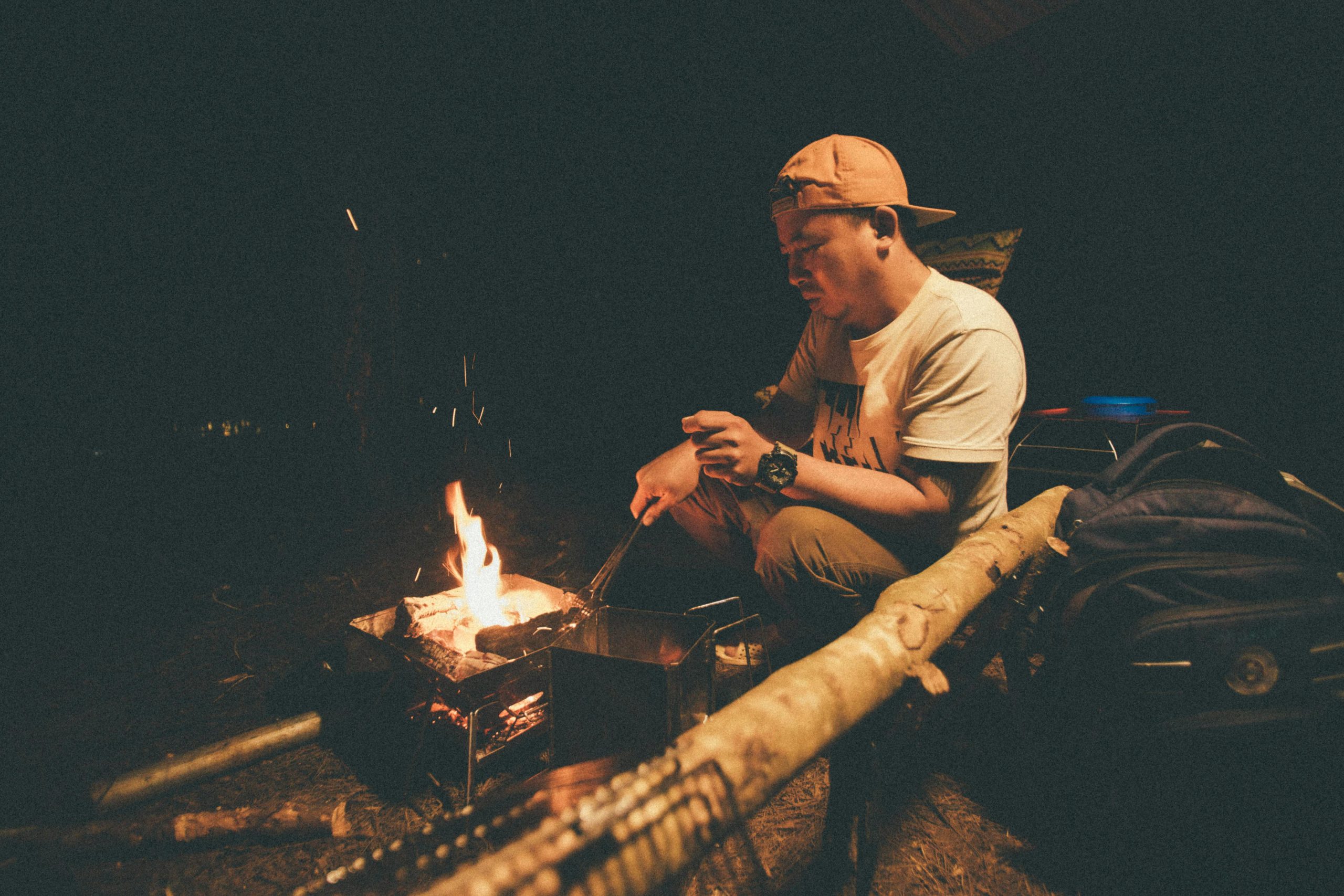
Extended isolation is an invisible threat. Without human feedback, time perception warps, and small problems feel enormous. The mind fills silence withworst-casee scenarios. This test challenges emotional regulation and routine building. Successful survivors create structure through scheduled tasks, observation, and self-communication. Talking out loud or keeping track of days helps maintain clarity. Many fail by spiraling into fear or hopelessness. Mental resilience often matters more than physical skill. The wilderness does not attack the body first. It wears down focus and optimism quietly.
7. Making Decisions With Incomplete Information
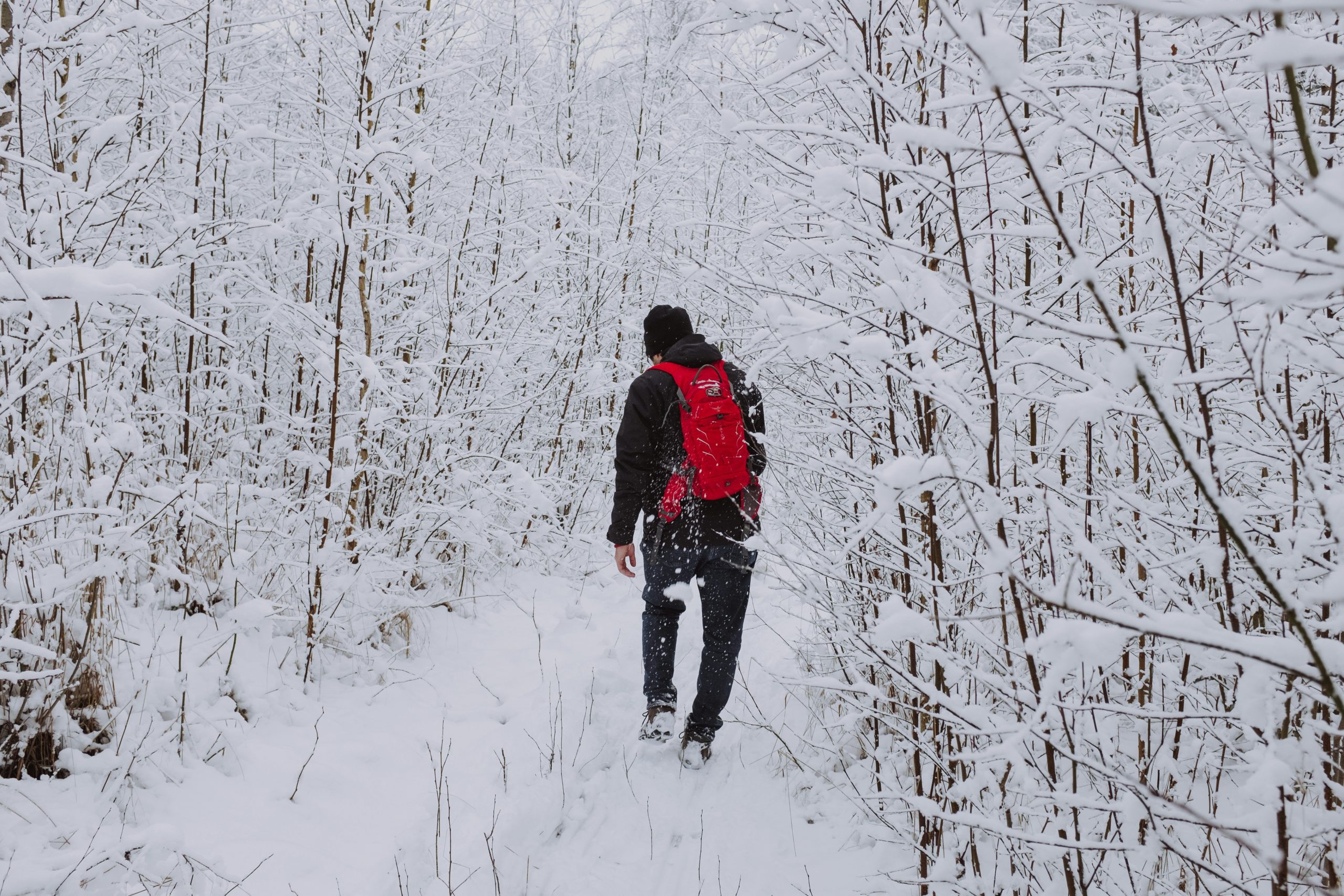
Survival rarely offers clear answers. Weather shifts, terrain surprises, and equipment failures create uncertainty. This test pushes decision-making under pressure with limited facts. Waiting too long or acting too fast both carry risks. Successful survivors gather small clues and commit cautiously, ready to adapt. Many fail by locking into one plan emotionally. Flexibility matters more than certainty. The wilderness rewards calm evaluation over stubborn confidence. This test reveals who can accept uncertainty without freezing or panicking.