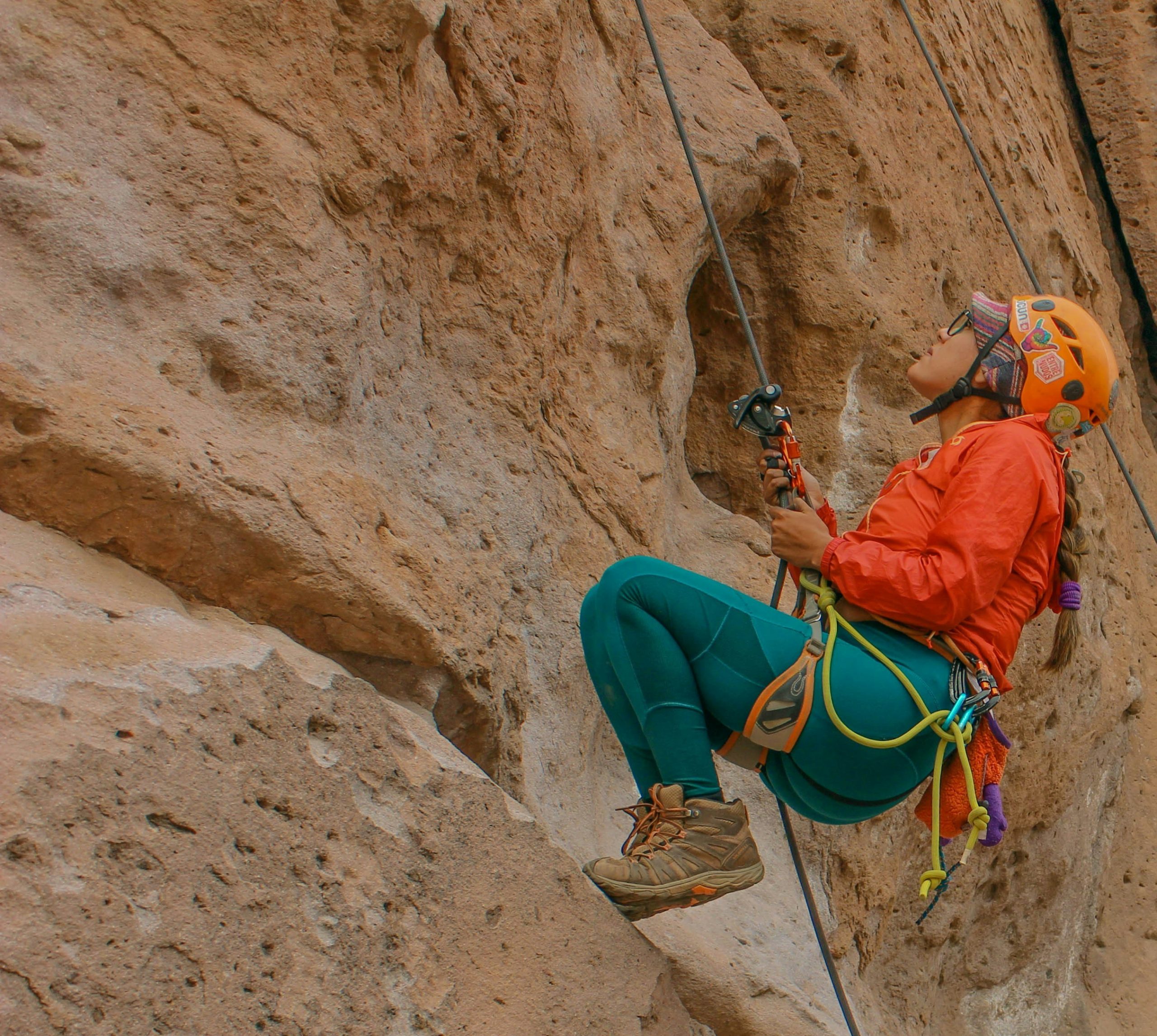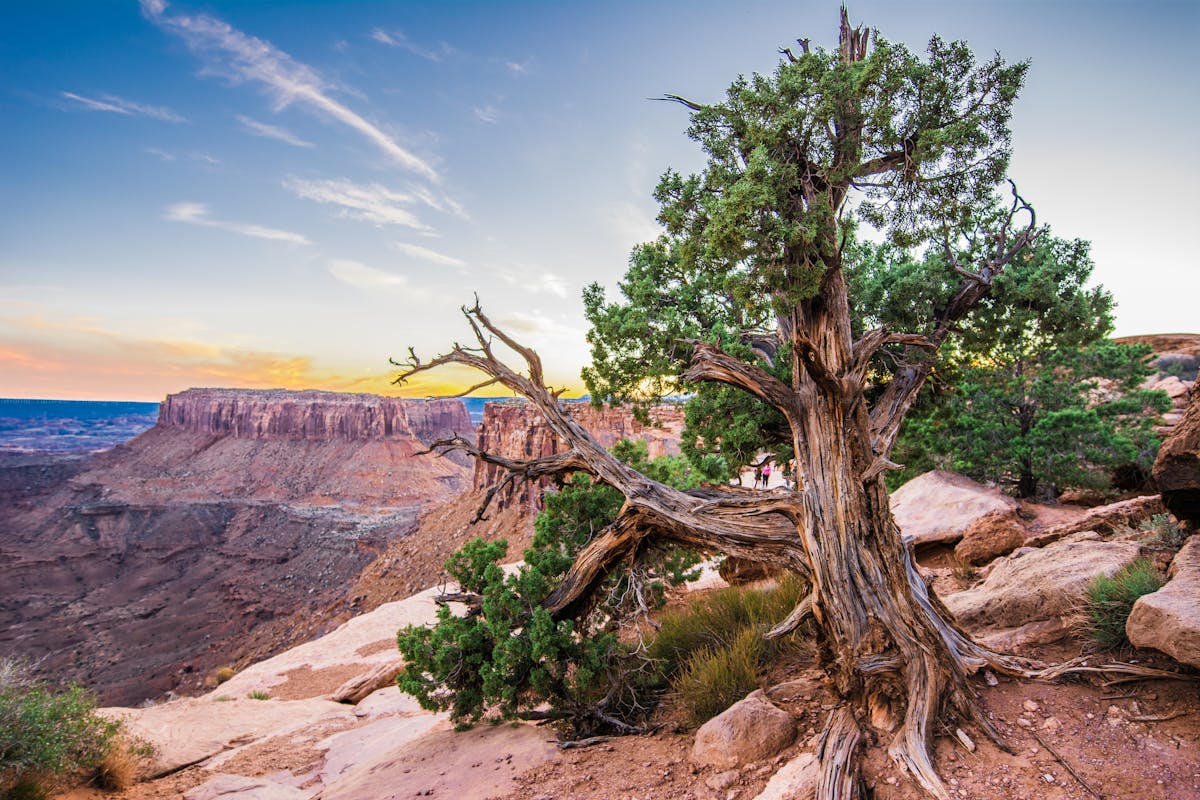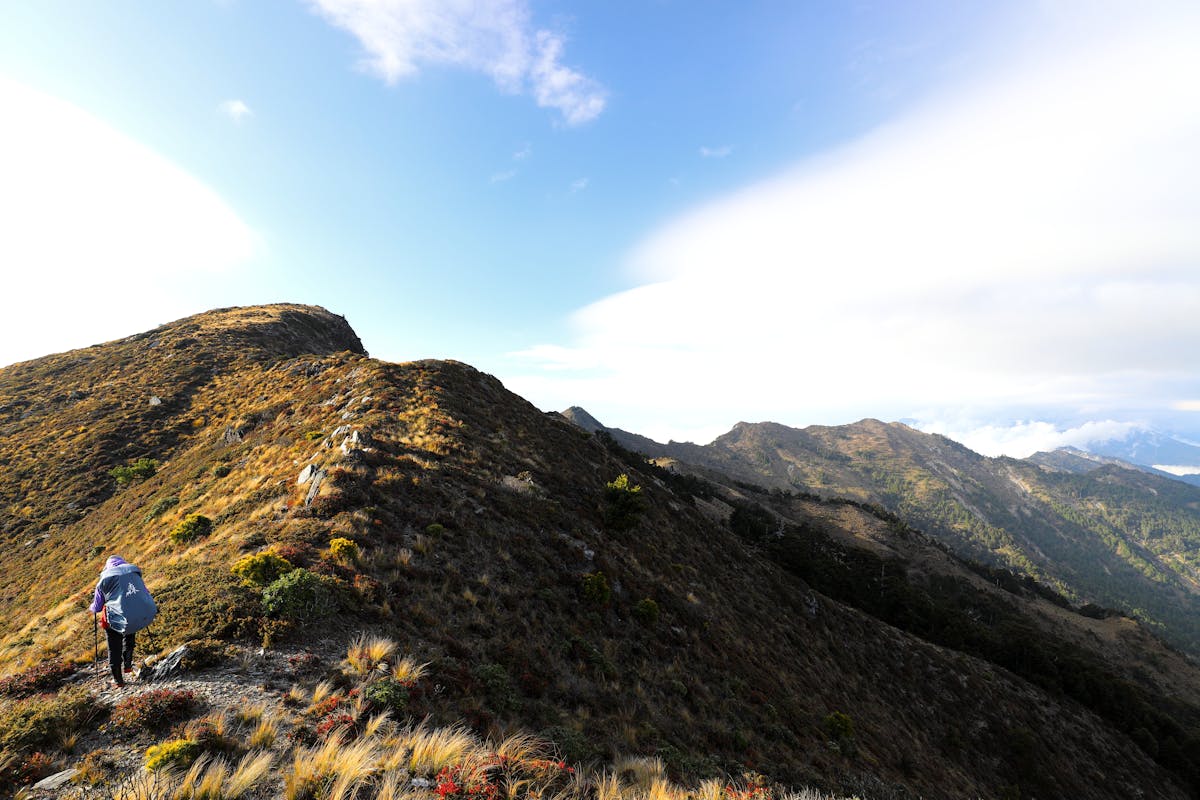
Montana’s steep mountain ridges continue to shape a distinct set of outdoor skills that reflect the state’s rugged landscape and unpredictable weather patterns. High points across the Absaroka, Beartooth, and Bitterroot ranges demand awareness, balance, and confidence as travelers move through narrow passes and exposed slopes. Instructors focus on practical techniques that help people work with the terrain rather than against it. Each steep route reinforces the value of learning methods grounded in the realities of Montana’s dramatic alpine environments.
Precision Footwork in the Absaroka Range near Livingston
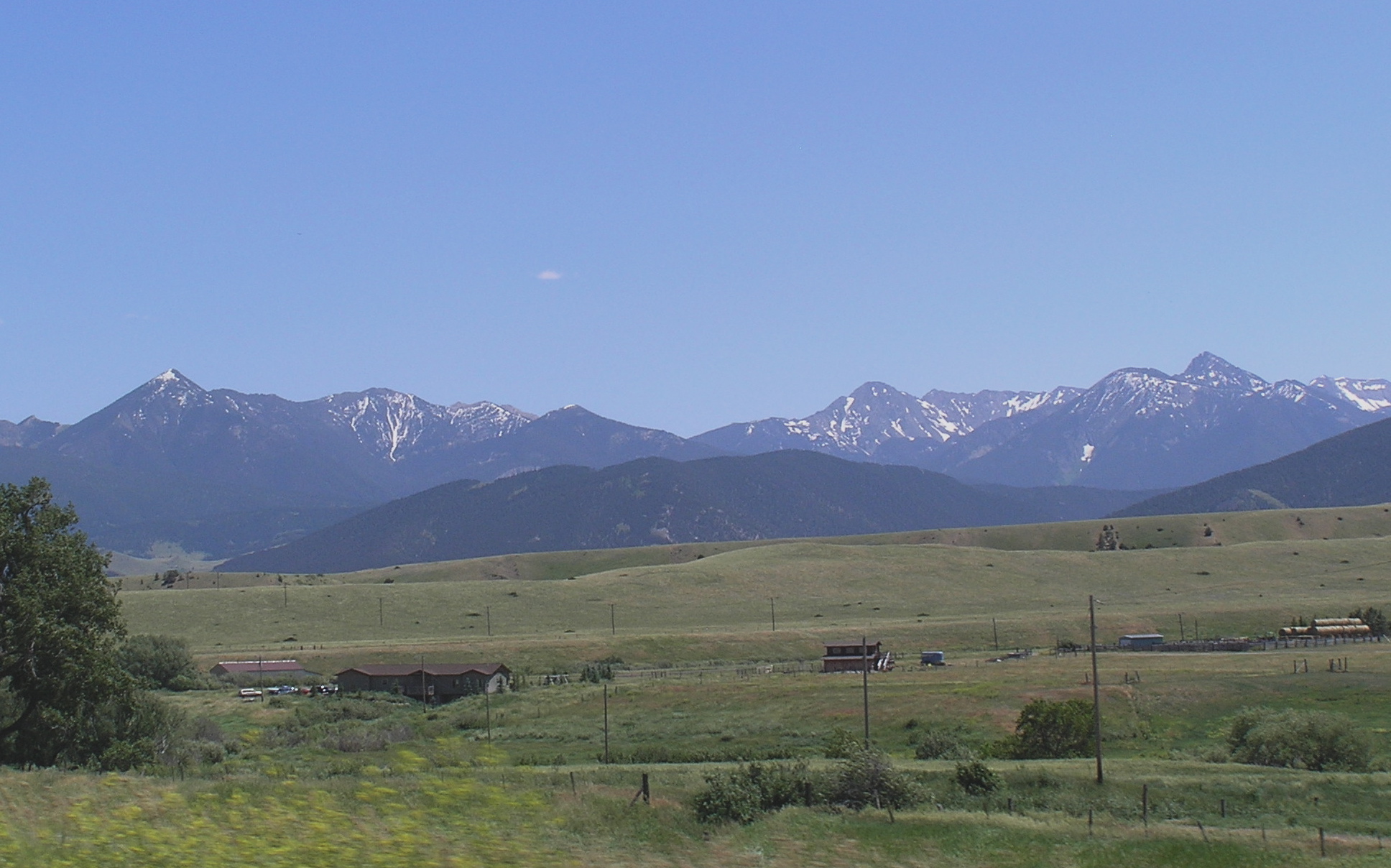
The Absaroka Range east of Livingston features steep volcanic slopes where loose scree requires careful attention to foot placement. Training sessions often take place along ridgelines above Mill Creek, where small rocks shift easily under pressure. Instructors encourage short, controlled steps that help distribute weight evenly across the surface. Practicing this skill reduces slips on unstable terrain and strengthens confidence while navigating the sharp, uneven contours characteristic of the Absarokas.
Controlled Descents on the Beartooth Plateau above Red Lodge
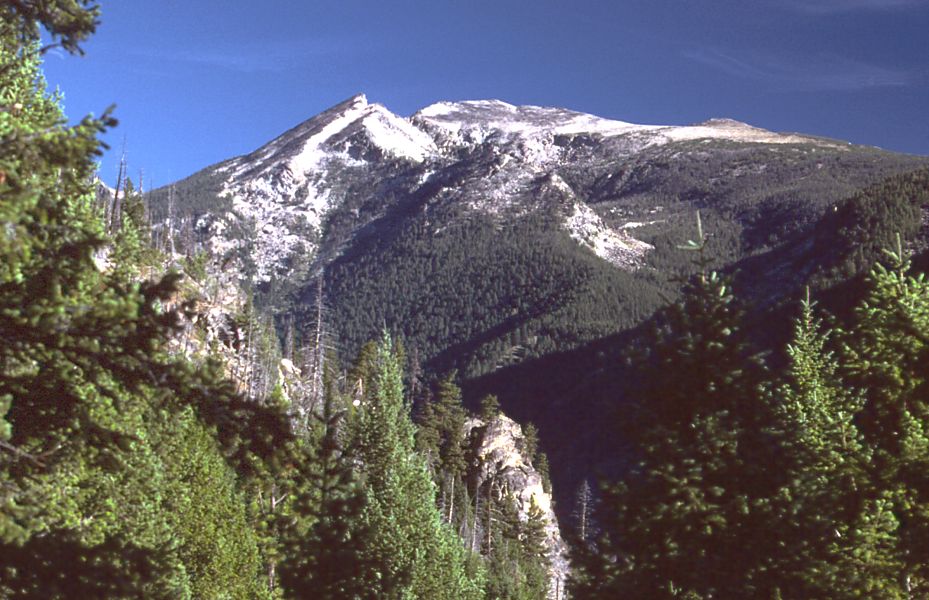
The Beartooth Plateau south of Red Lodge offers high-elevation access to long, angled descents carved by ancient glaciers. Travelers learn to maintain a steady stance while crossing talus fields and broken rock shelves near Hellroaring Plateau. The emphasis remains on keeping the body centered to improve traction on steep declines. These techniques help manage sudden elevation changes that define the Beartooth region’s demanding terrain.
Ridgeline Navigation in the Bitterroot Mountains west of Hamilton
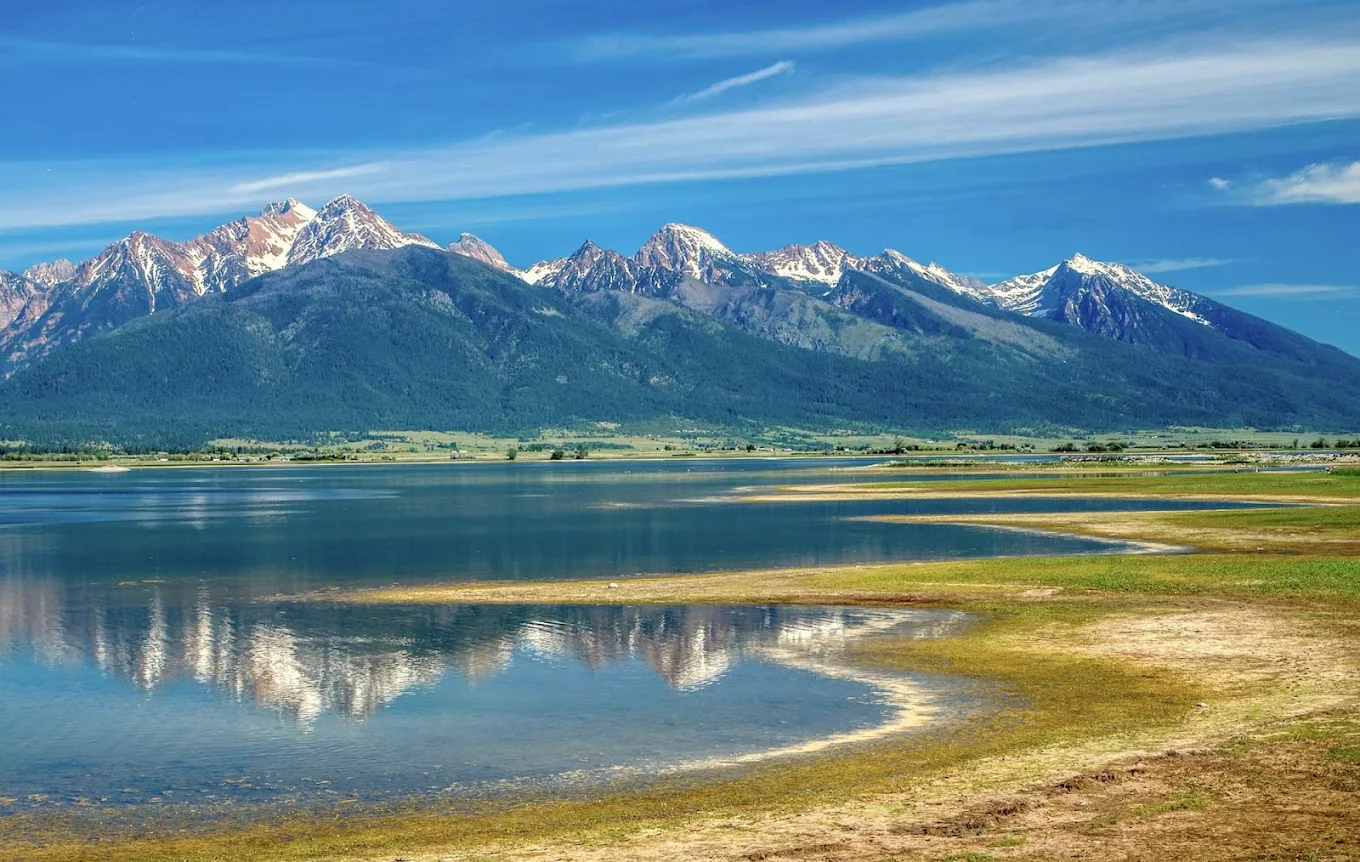
The Bitterroot Mountains rise sharply west of Hamilton, creating miles of narrow ridges shaped by deep valleys below. Navigation training takes place along the Sawtooth Ridge section, where strong crosswinds test balance and concentration. Instructors teach travelers to read ridgeline curves and use natural rock formations as visual guides when paths fade. This approach promotes confident movement along exposed stretches where missteps carry significant risk.
Snow Travel Techniques in the Mission Mountains near Seeley Lake
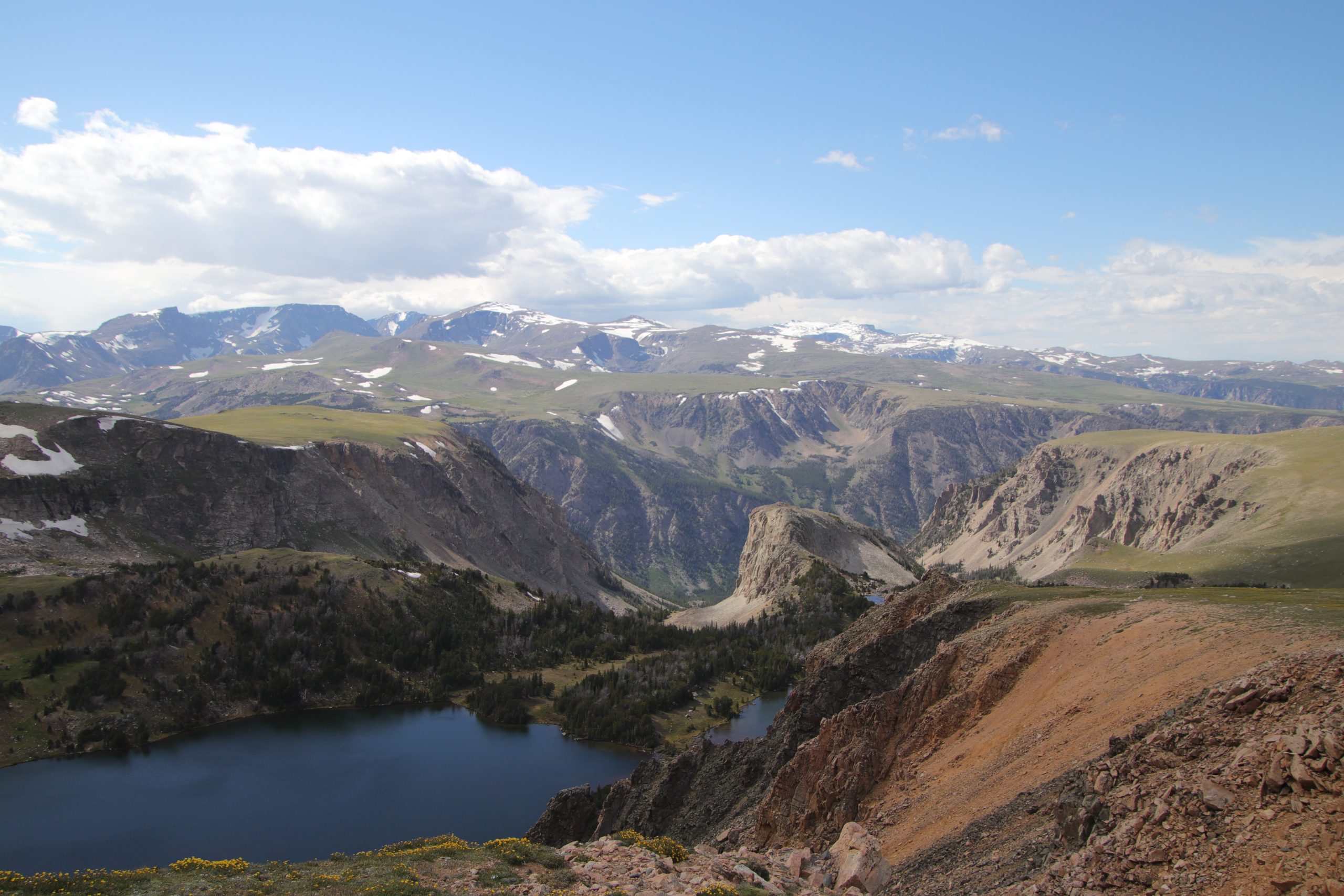
The Mission Mountains north of Seeley Lake retain snow well into early summer, making them ideal for learning essential snow travel skills. Routes near Glacier Lake provide a mix of compact snow and softer patches that require different approaches. Students practice cutting steps, probing snow layers for stability, and choosing safer lines along sloped faces. These techniques ensure controlled movement in conditions where buried obstacles and soft meltwater channels are common.
Ice Axe Use on the Madison Range Slopes outside Ennis
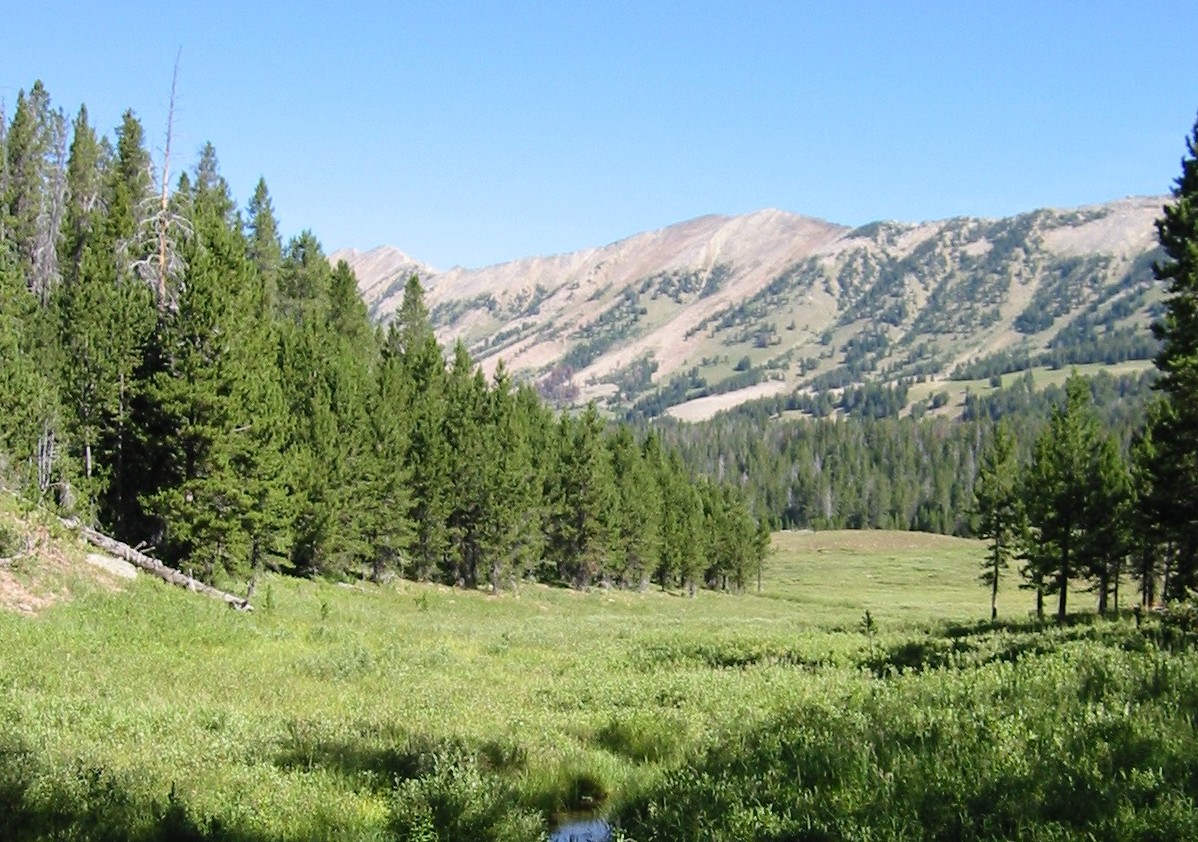
The Madison Range west of Ennis includes steep snowfields and icy sections where proper ice axe use becomes essential. Training areas near the Spanish Creek Trailhead expose travelers to firm, icy surfaces that demand secure anchoring. Lessons cover grip position, reliable swing technique, and self-arrest methods for stabilizing after a slip. Developing these skills prepares travelers for the frozen sections often encountered on the range’s higher routes.
Weather Awareness in the Cabinet Mountains near Libby
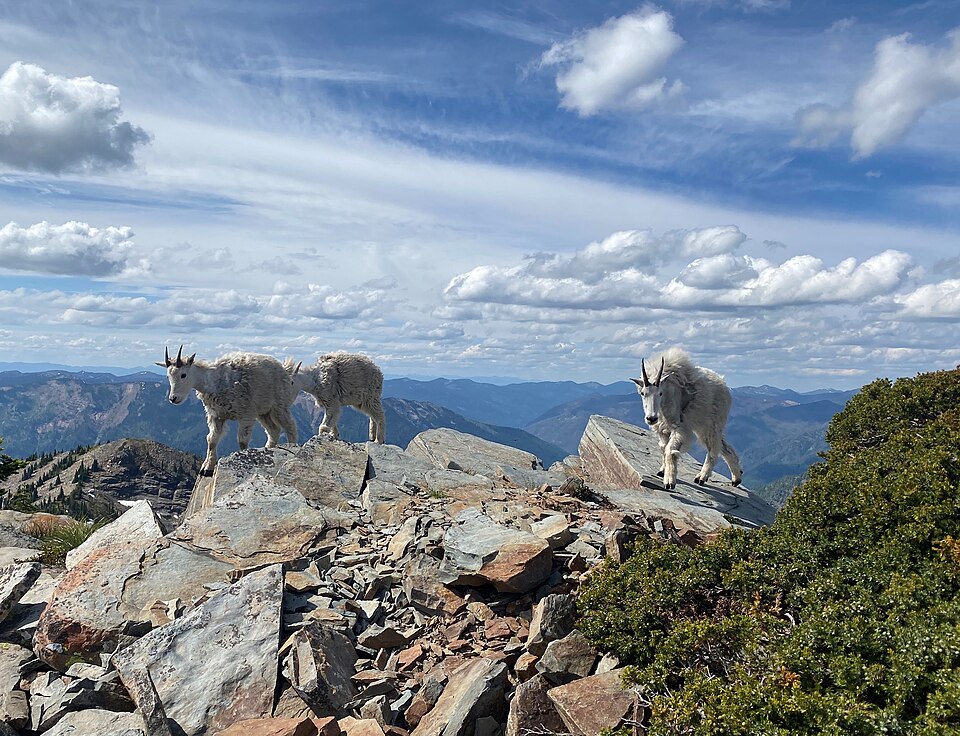
The Cabinet Mountains south of Libby are known for sudden weather shifts caused by moisture moving inland from the Idaho Panhandle. Instructors teach travelers to read early indicators such as cloud build-up above Snowshoe Peak or rising winds funneled through high basins. Recognizing these changes allows timely adjustments before storms settle between narrow valleys. This heightened environmental awareness supports safer navigation in a region prone to fast-moving fronts.
High-Altitude Endurance Training in the Gallatin Range near Bozeman
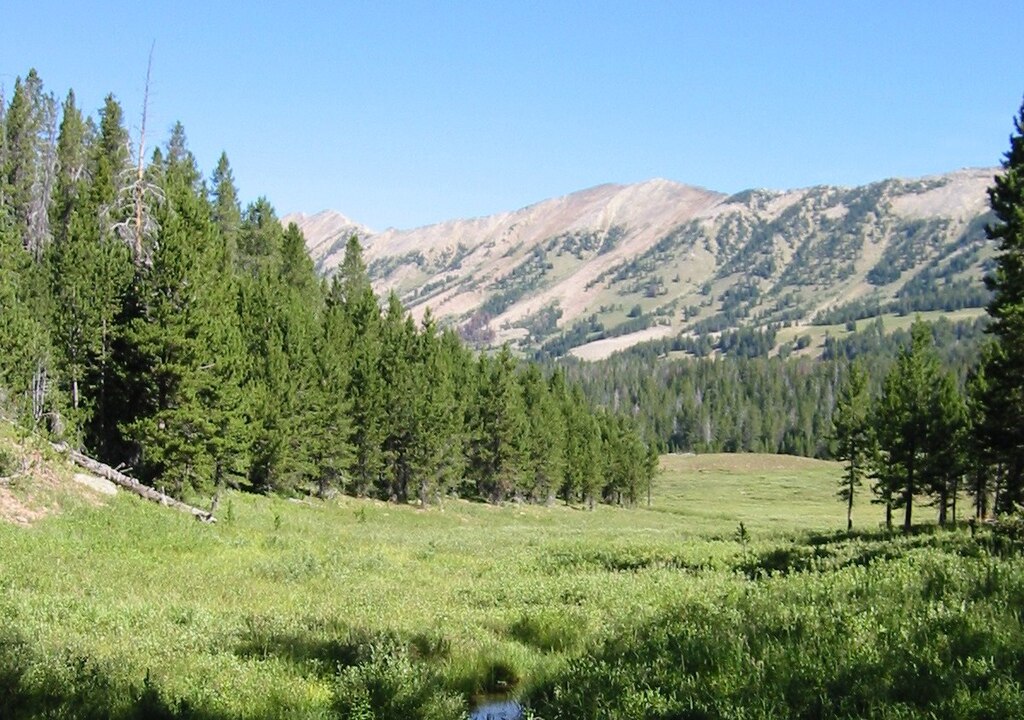
The Gallatin Range southeast of Bozeman features elevated trails where thin air challenges stamina during extended climbs. Endurance training often takes place along the Hyalite Peak Trail, where long ascents help travelers practice steady breathing and controlled pacing. Instructors focus on techniques that conserve energy without sacrificing awareness of footing on rocky sections. Developing this endurance improves overall performance in high-altitude terrain common across Montana’s steepest ridges.