National parks are celebrated for beauty, preservation, and escape, yet they also contain unsettling realities rarely discussed. Vast protected landscapes preserve not only scenery but also history, hazards, and behaviors shaped by isolation. Rangers and researchers document phenomena that feel eerie without being fictional. Extreme remoteness, powerful natural forces, and long human histories create conditions unfamiliar to many visitors. These factors do not negate the value of national parks, but they do complicate expectations. Exploring seven lesser known facts reveals why these places demand respect, preparation, and awareness beyond postcard images shared by millions each year.
Some National Parks Contain Vast Unmapped Wilderness
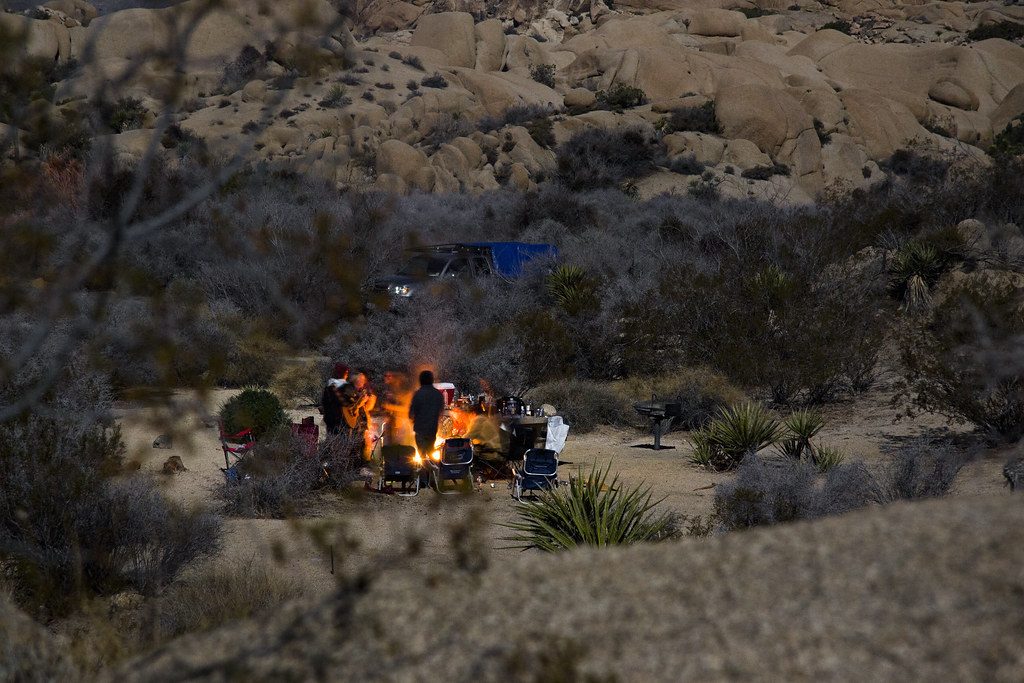
Several national parks contain immense backcountry areas that remain rarely traveled and only partially mapped. In parks like Alaska’s Gates of the Arctic or California’s Death Valley, terrain complexity limits detailed surveying. Dense forests, deep canyons, and harsh weather restrict access even for rangers. This scale creates conditions where people can disappear without immediate detection. Search operations become difficult and prolonged due to limited landmarks. The unsettling reality lies not in mystery, but in distance. Vastness itself becomes a risk factor, reminding visitors that rescue infrastructure thins dramatically beyond maintained trails during emergencies in remote regions.
Thermal Features Can Kill Within Minutes
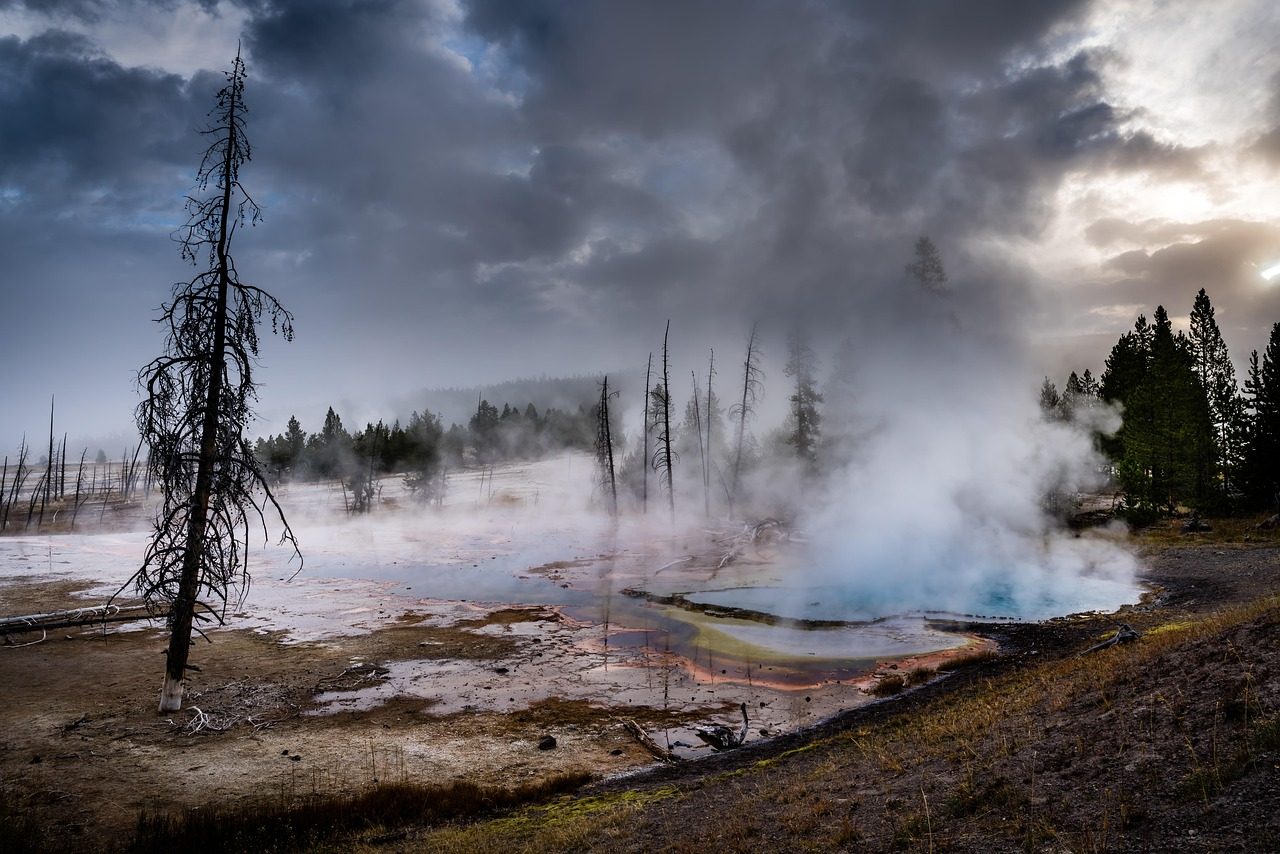
Geothermal areas in several national parks pose lethal dangers despite their beauty. Yellowstone National Park records extreme water temperatures and acidic pools capable of causing fatal injuries almost instantly. Thin crusts can conceal boiling water beneath, collapsing under body weight. These features shift over time, making past footprints unreliable. Steam vents also release gases that displace oxygen in low areas. Deaths documented by park authorities often involve brief missteps rather than recklessness. The danger feels unsettling because it appears calm and scenic, masking forces powerful enough to overwhelm human reaction time without warning signs present nearby.
Ancient Burial Sites Exist Beneath Popular Trails
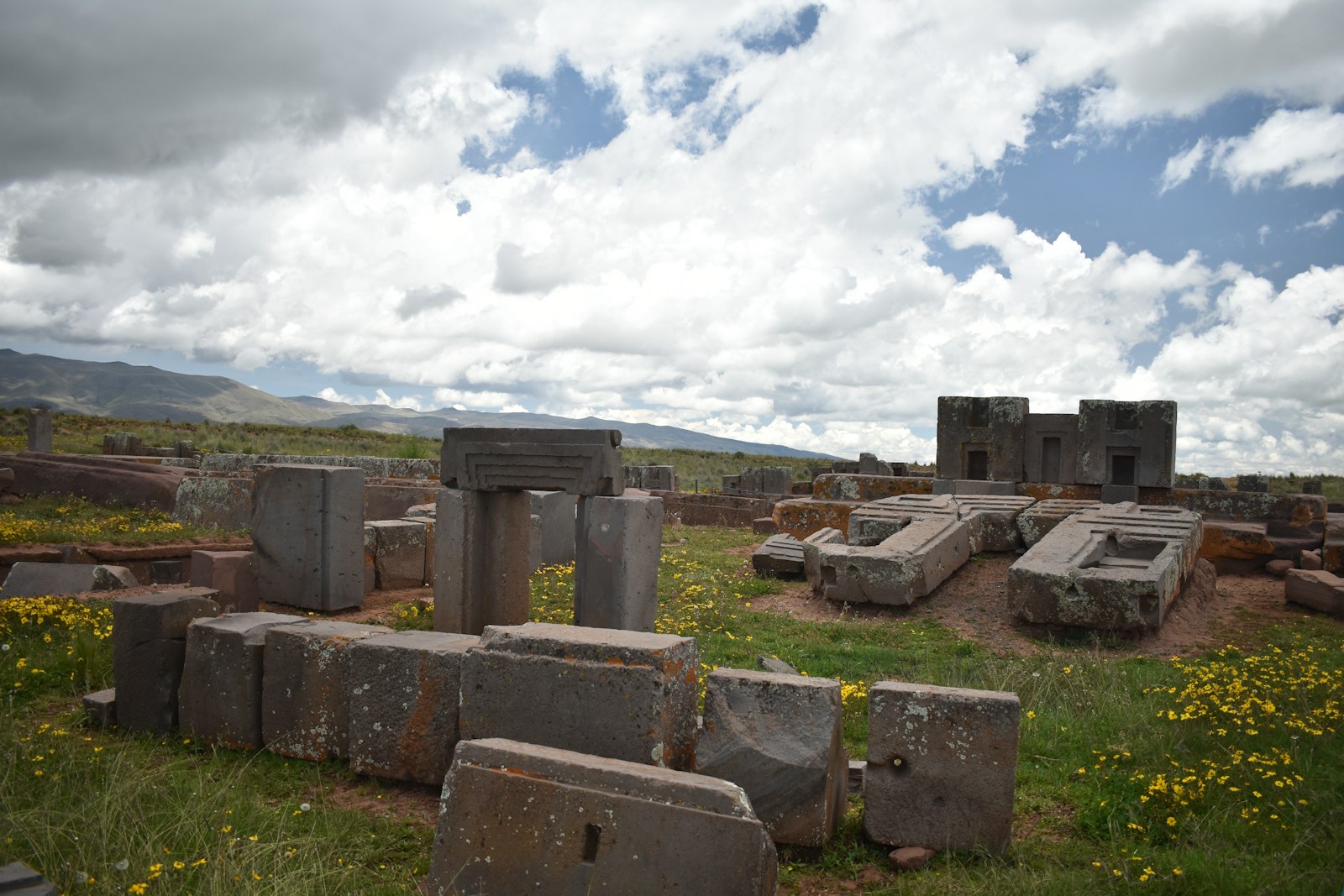
Many national parks protect landscapes that were sacred to Indigenous peoples long before modern boundaries existed. Archaeological evidence confirms burial sites, ceremonial grounds, and villages lie beneath or near popular trails. Federal law restricts disclosure of exact locations to prevent disturbance. This creates an eerie overlap between recreation and remembrance. Visitors may unknowingly walk above places of mourning and ritual. Park historians emphasize respect rather than fear, yet the knowledge alters perception. These parks function as cultural memorials as much as natural preserves, carrying human histories that remain largely unseen within protected public spaces nationwide today.
Infrasound and Natural Sounds Can Cause Unease
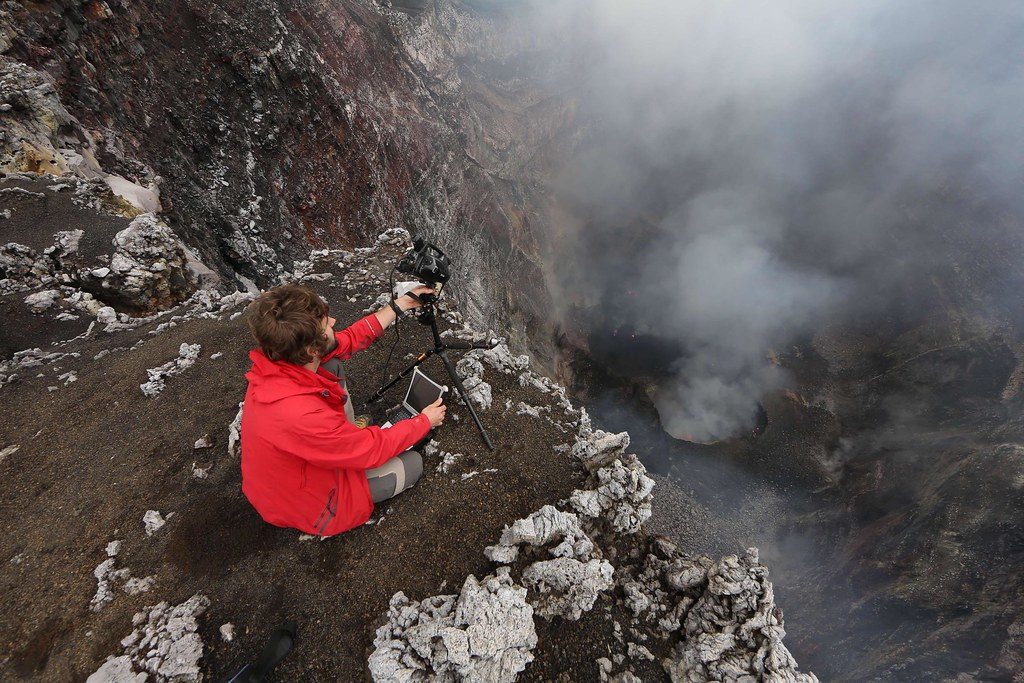
Certain natural environments produce low frequency sounds known as infrasound, which humans cannot consciously hear. Waterfalls, wind through canyons, and seismic activity generate these vibrations in some national parks. Research links infrasound exposure to feelings of anxiety, disorientation, and unease. Parks with dramatic geology and weather shifts can amplify these effects. Campers sometimes report discomfort without clear cause. Scientists emphasize that this response is physiological, not supernatural. The unsettling aspect arises from the body reacting to invisible stimuli, creating fear where no visible threat exists during prolonged exposure in isolated settings across remote landscapes overnight stays.
Abandoned Structures Still Stand in Remote Areas
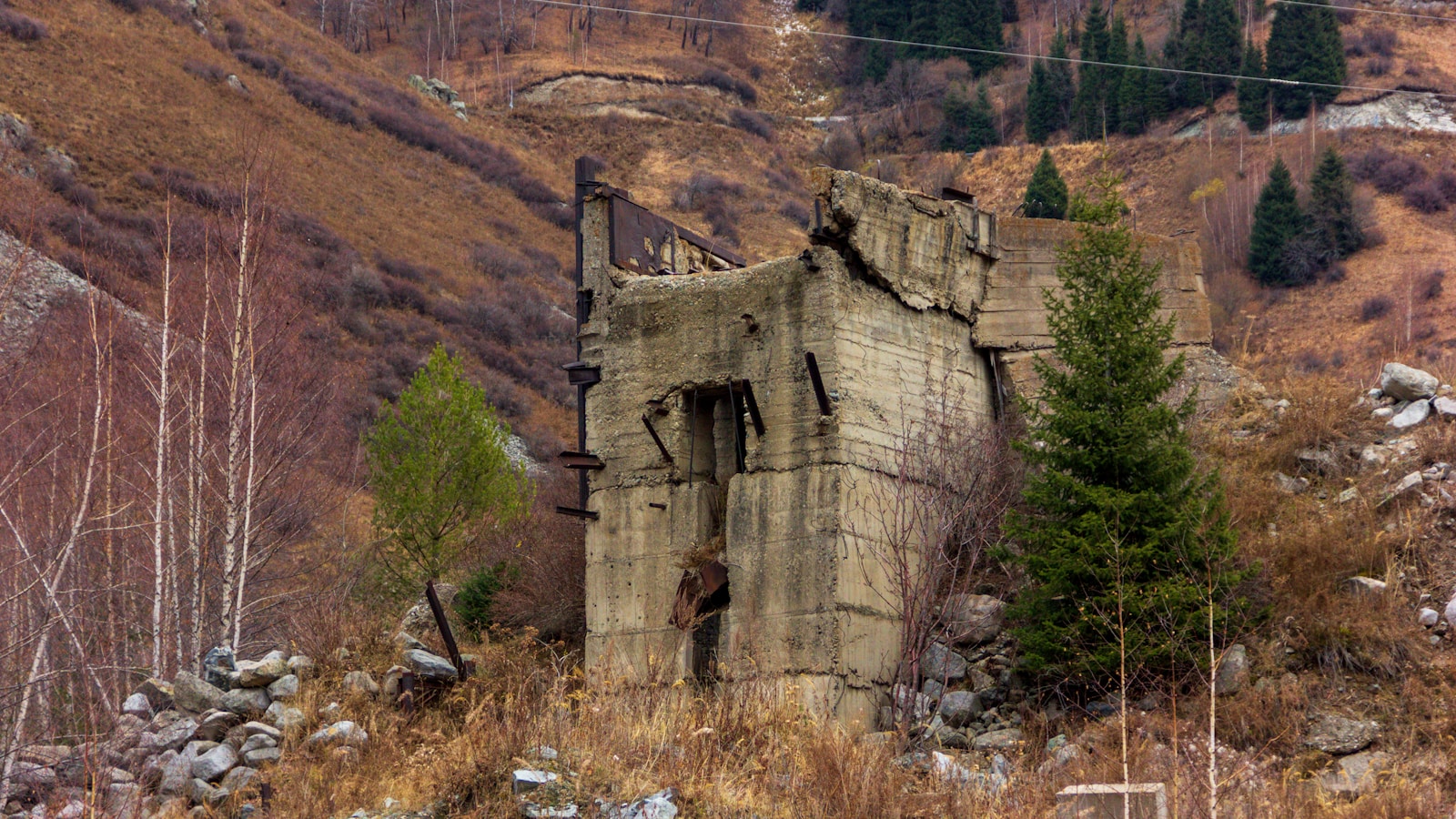
Across many national parks, abandoned cabins, mines, and military remnants remain hidden in backcountry areas. These structures date to mining booms, homesteads, or wartime projects. Time and weather have weakened them, making entry dangerous. Park services discourage exploration due to collapse risk and hazardous materials. Encountering a decaying building far from civilization can feel unsettling, especially when evidence of past lives remains visible. These remnants remind visitors that parks were once working landscapes. History lingers physically, creating unexpected encounters that contrast sharply with modern expectations of untouched wilderness preserved for safety reasons under federal management policies.
Wildlife Habituation Increases Risky Encounters
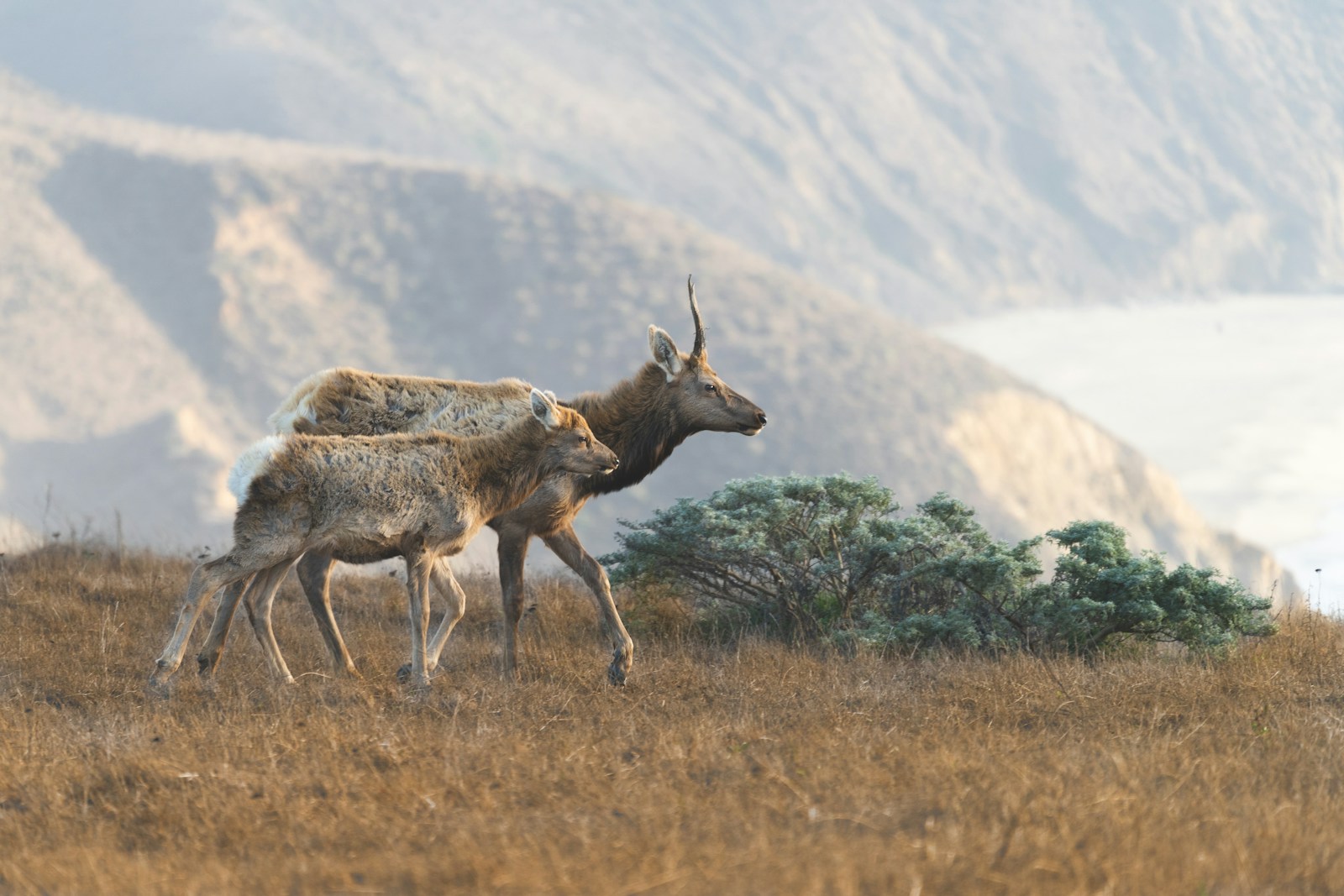
In some national parks, wildlife becomes habituated to human presence over time. Animals like bears, elk, and bison may lose natural fear due to repeated exposure. This does not mean aggression increases, but unpredictability does. Habituated animals approach roads, campgrounds, and trails more frequently. Park incident reports show that close encounters often involve food conditioning or improper storage. The unsettling aspect lies in false familiarity. Wildlife appears calm, yet retains full strength and instinct. This mismatch between perception and reality contributes to serious injuries each year across multiple heavily visited regions nationwide annually according to officials.
Nighttime Darkness Is Far More Complete Than Expected
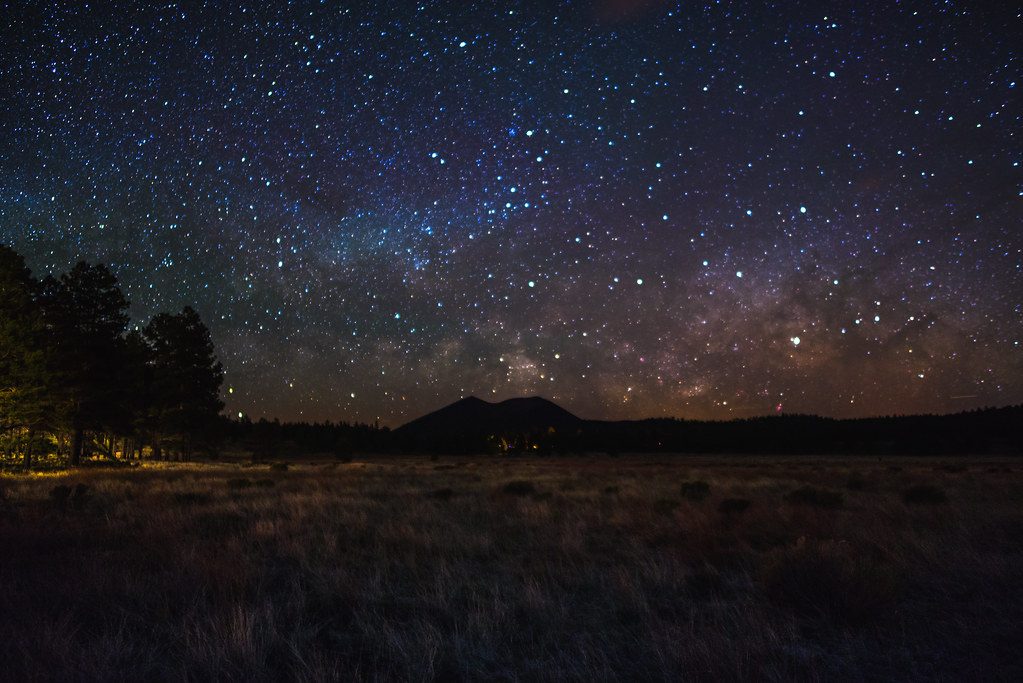
Many national parks protect some of the darkest night skies in the world. Far from urban light pollution, darkness becomes nearly absolute after sunset. This absence of light alters depth perception and amplifies sound. Campers often underestimate how disorienting total darkness can feel. Headlamp failure or cloud cover can remove visual reference entirely. Park safety studies note increased nighttime accidents related to navigation errors. The unsettling quality lies in sensory deprivation rather than danger itself. Darkness transforms familiar terrain into something unfamiliar, demanding caution and restraint after nightfall in remote backcountry camps and trails nationwide today.