Across the United States, some once-popular campgrounds have been quietly overtaken by the wilderness they once celebrated. Abandoned trails, overgrown fire pits, and moss-covered picnic tables now blend into thriving forests and meadows. Each forgotten site tells a story of nature’s power to restore balance when people step away. Visiting them feels like walking through history as the land reclaims its original rhythm, one tree and wildflower at a time.
Elkmont Ghost Camp, Tennessee
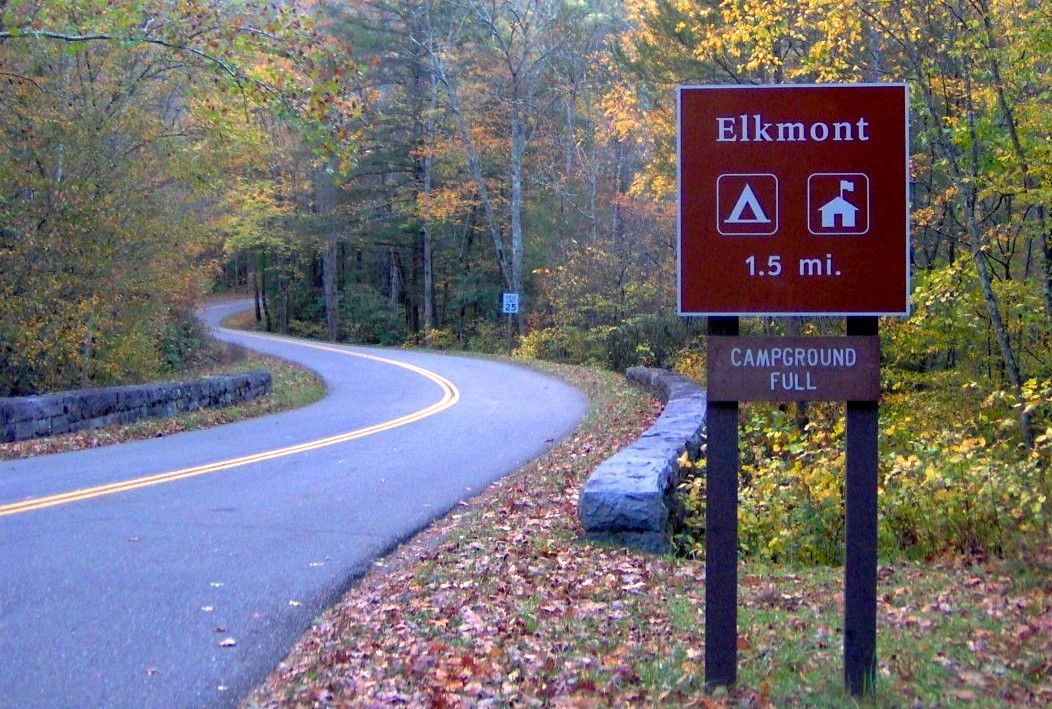
Nestled in the Great Smoky Mountains National Park, Elkmont was once a buzzing vacation retreat for early 20th-century families. When private leases ended in the 1990s, cabins and camps were abandoned, leaving them to the forest. Today, moss drapes over porches, and trees grow through floors as deer wander between crumbling stone chimneys. The quiet return of nature has made Elkmont one of the park’s most hauntingly beautiful spots.
Mineral King Camp, California
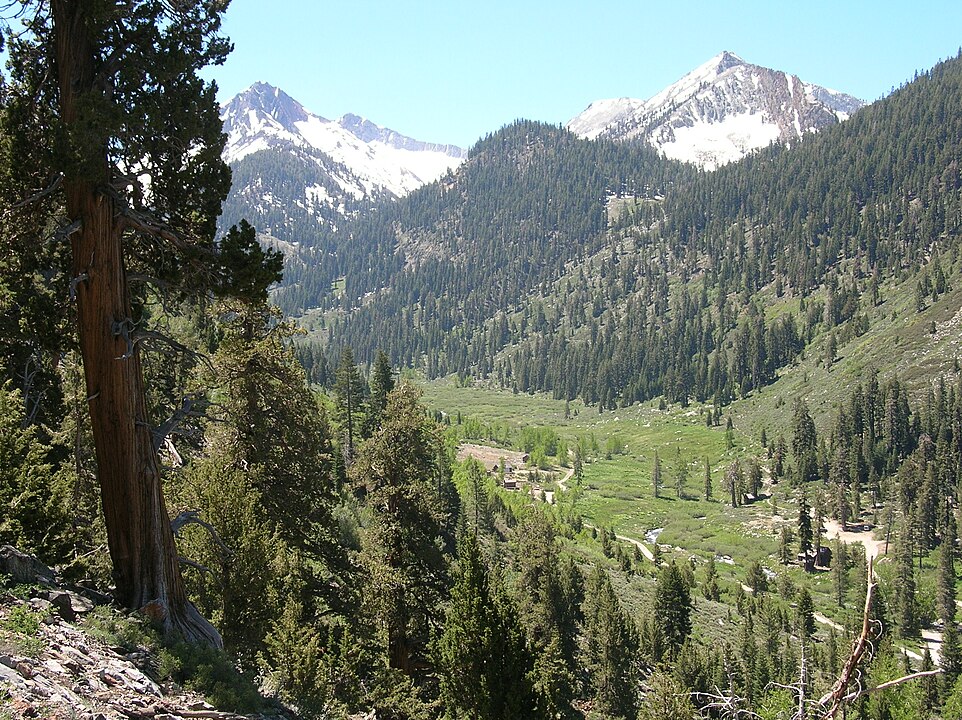
Located in Sequoia National Park, Mineral King was once a hub for miners and outdoor enthusiasts. After its closure to preserve fragile ecosystems, nature quickly took over. Meadows reclaimed tent sites, pines rose through parking areas, and wildlife flourished where cabins once stood. The area now feels more like a natural sanctuary than a campsite, showing how wilderness thrives when human footprints fade.
Camp Hale, Colorado
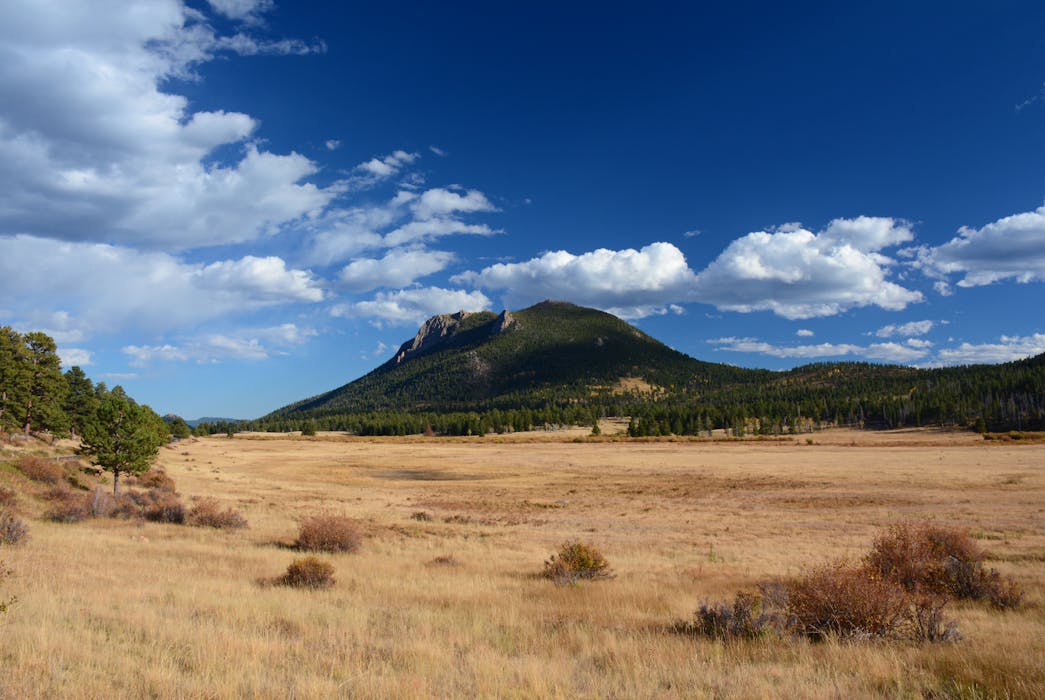
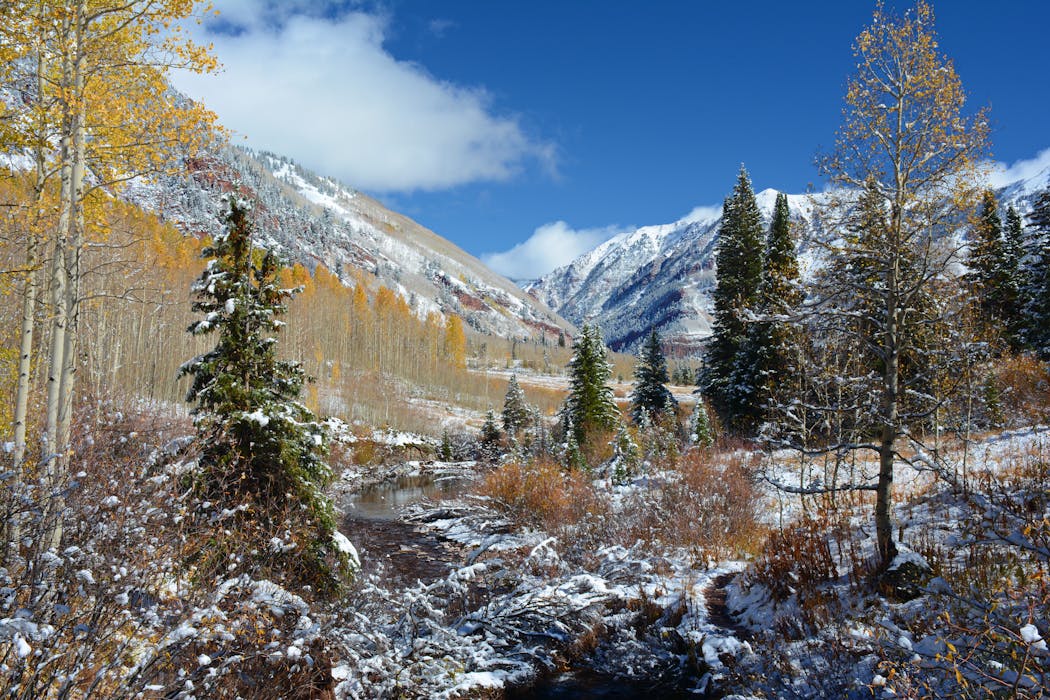
Once a bustling base for the U.S. Army’s 10th Mountain Division, Camp Hale later became a public camping area before being abandoned. Over the years, vegetation has swallowed roads and structures, leaving behind only traces of human presence. Aspen groves now sway where soldiers once trained, and elk graze freely across the meadows. The site stands as a powerful reminder of how time and nature erase even the most active landscapes.
Fraser Campground, Colorado
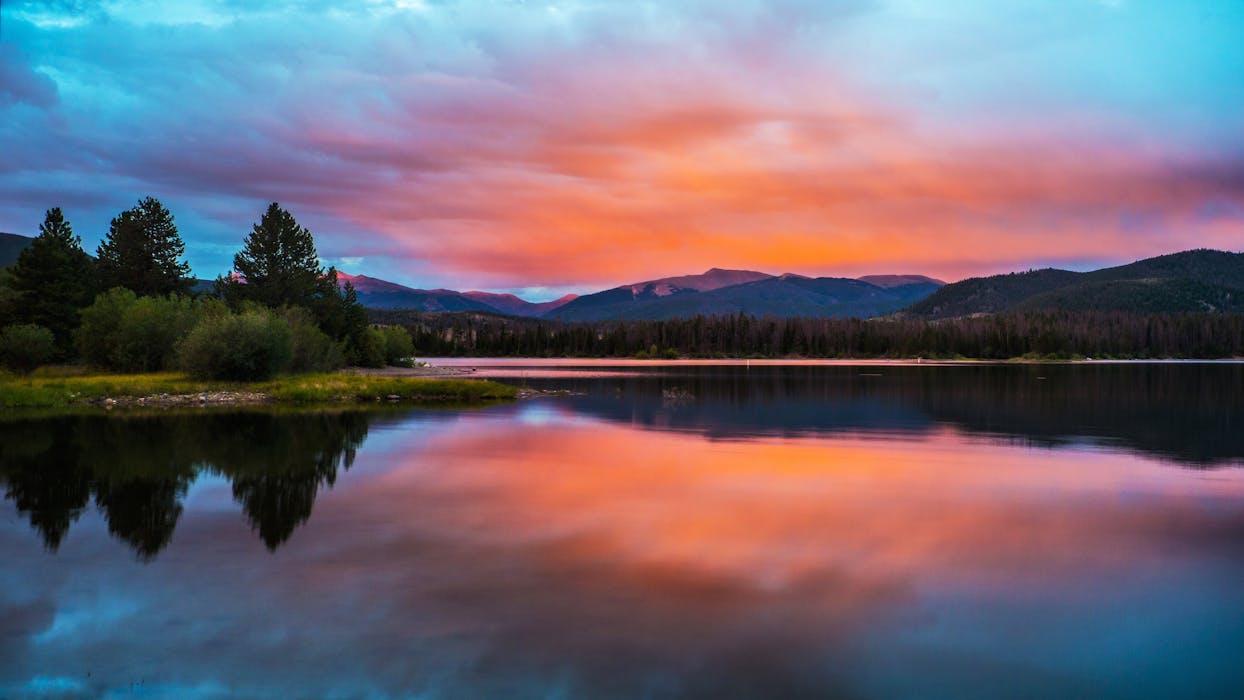
Located near the Fraser River, this campground was a favorite among anglers until repeated floods reshaped its terrain. Over the years, riverside willows and aspens covered former campsites, erasing signs of tents and vehicles. Birds nest in fallen logs, and fish once again fill the rejuvenated waters. The transformation highlights how easily nature reclaims space when left to heal naturally.
Camp Tulelake, California
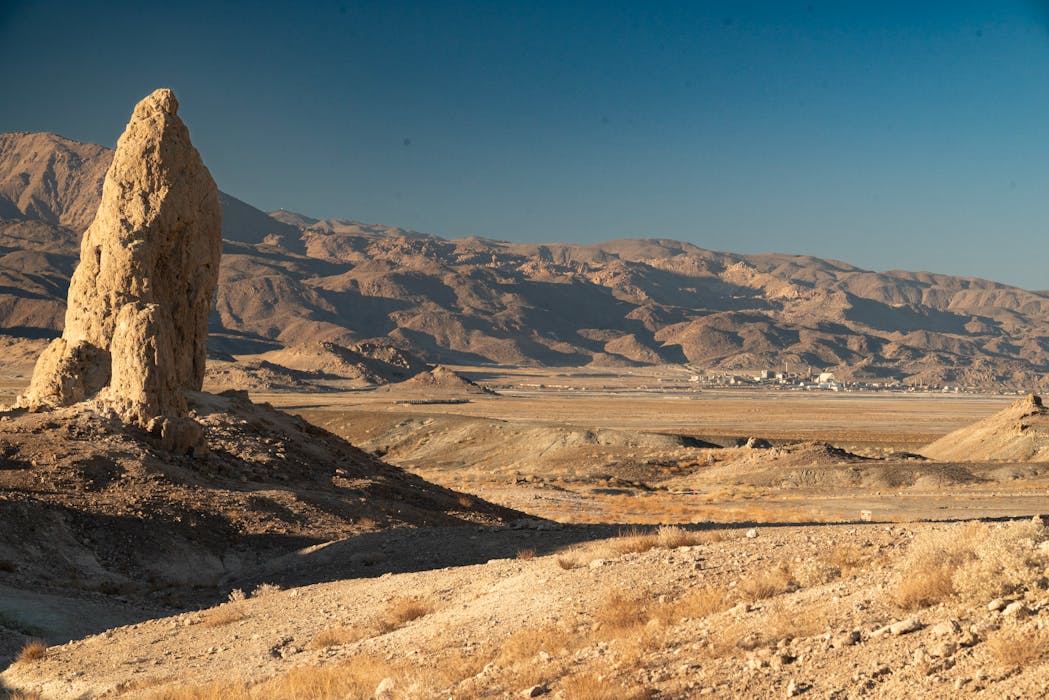
Originally built in the 1930s for Civilian Conservation Corps workers, Camp Tulelake later served as a World War II internment site before being closed. Over time, the surrounding wetlands reclaimed the area. Grass and reeds have covered former roads, and migratory birds now flock to the peaceful landscape. The site’s history remains visible only in small remnants, surrounded by the quiet hum of returning wildlife.
Timberline Camp, Oregon
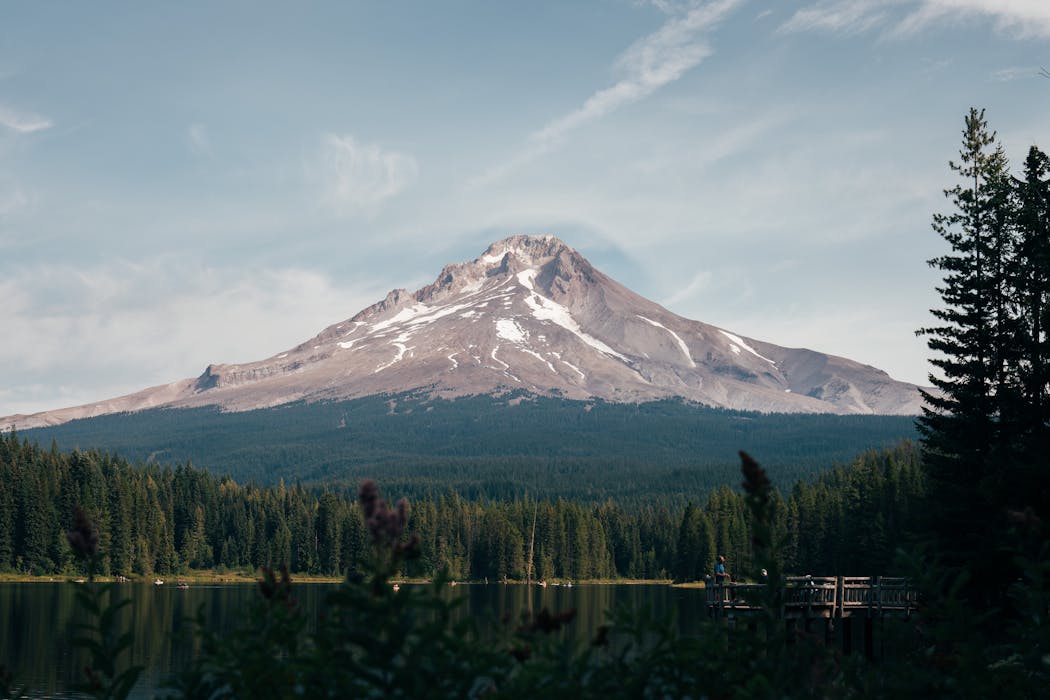
High in Oregon’s Cascade Range, Timberline Camp once hosted hikers exploring nearby trails. After harsh winters and isolation led to its abandonment, the forest began reclaiming it. Pine needles blanket the old paths, moss covers stone foundations, and wildflowers bloom where campfires once burned. Today, it’s a serene example of how the wilderness patiently restores what people leave behind.
Camp Copper Falls, Wisconsin
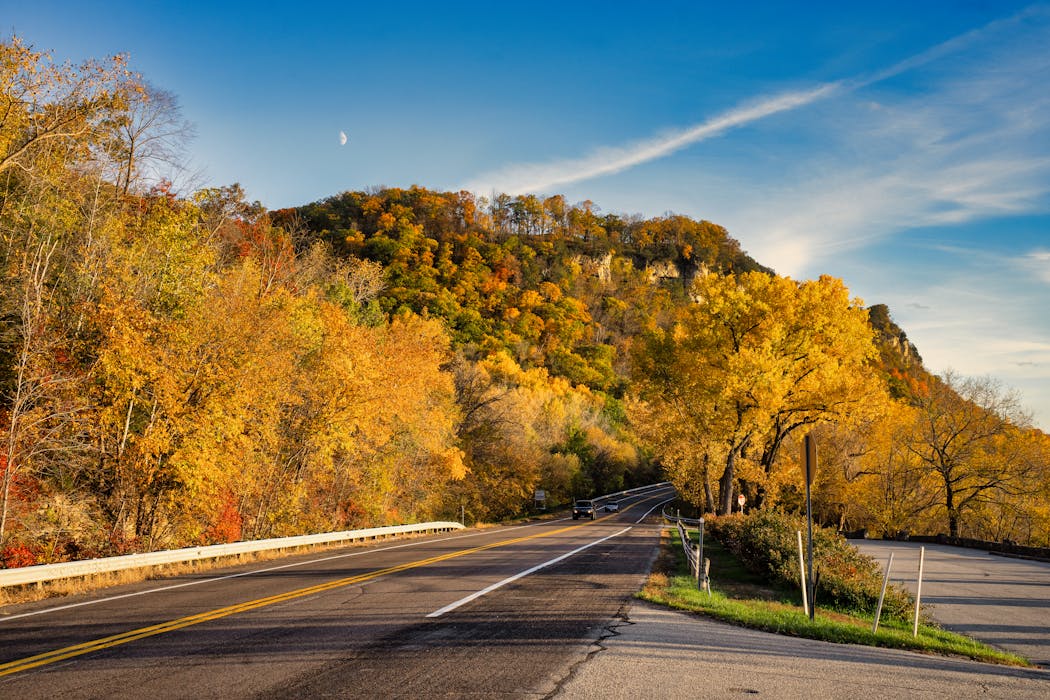
Once a family favorite near Copper Falls State Park, this campground was closed after severe flooding and erosion. Now, it feels like a natural extension of the forest itself. Ferns and saplings grow over old trails, and wildlife roams freely through forgotten campsites. The last traces of human life are fading as nature reclaims every inch, proving that time and resilience always belong to the wild.