The Henry AR-7 is best known as a lightweight survival rifle designed for portability and compact storage. Many hunters consider bringing it along for camp-based hunting trips where weight, space, and convenience matter. At first glance, it seems like a practical choice for small game around camp. However, extended use in a real hunting camp reveals limitations that are not obvious during casual handling or short-range testing. The rifle excels in specific roles, but camp-based hunting demands consistency, comfort, and reliability over multiple days. The following limitations highlight how the AR-7 performs when it becomes a daily tool rather than an emergency backup, helping hunters set realistic expectations before relying on it in camp.
1. Assembly and Disassembly Interrupt Hunting Rhythm
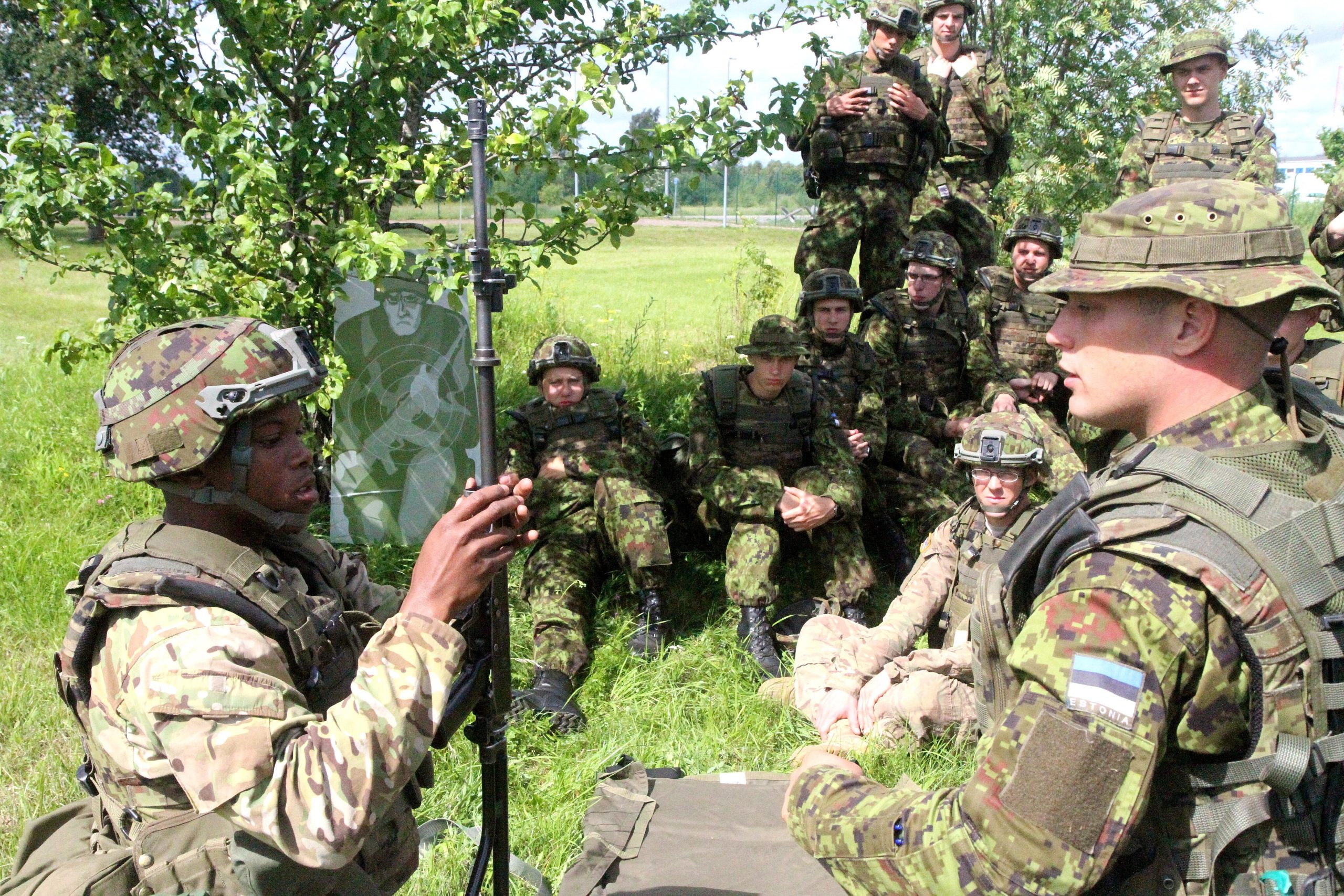
One of the defining features of the Henry AR-7 is its takedown design, but this can become a drawback in a camp environment. Each time the rifle is assembled or stored, it requires deliberate handling and attention. For hunters moving between camp and nearby hunting areas, this repeated process interrupts rhythm and focus. In early mornings or fading light, assembling the rifle can feel slow and awkward. Small components require special care to prevent dirt or moisture. Over several days, this routine becomes tiresome. Camp-based hunting often benefits from being ready and simple. A rifle that requires repeated setup can feel less convenient than expected when used daily rather than occasionally.
2. Limited Accuracy at Practical Camp Distances
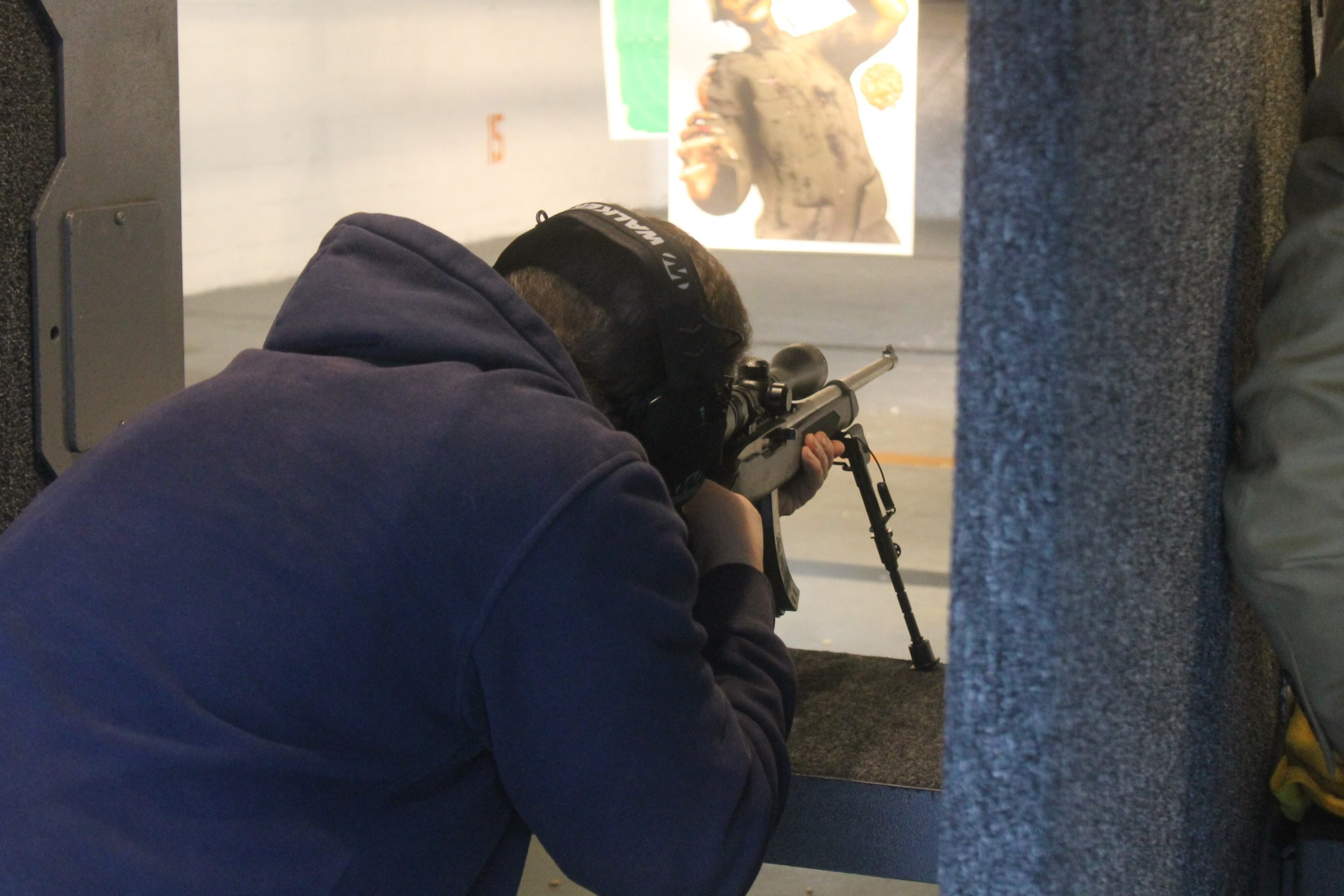
While the AR-7 is capable of acceptable accuracy, it is not built for consistent precision beyond modest distances. Camp-based hunting often involves small game taken at varying ranges, sometimes from improvised positions. The lightweight barrel and basic sights limit confidence when shots are not perfectly set up. Changes in temperature and handling can subtly affect consistency. Hunters may find themselves passing shots they would take confidently with other rifles. Over time, this reduces efficiency and satisfaction. The rifle performs best within narrow parameters, which can feel restrictive in a camp setting where conditions change daily, and opportunities are unpredictable.
3. Ergonomics Becomes Noticeable Over Multiple Days
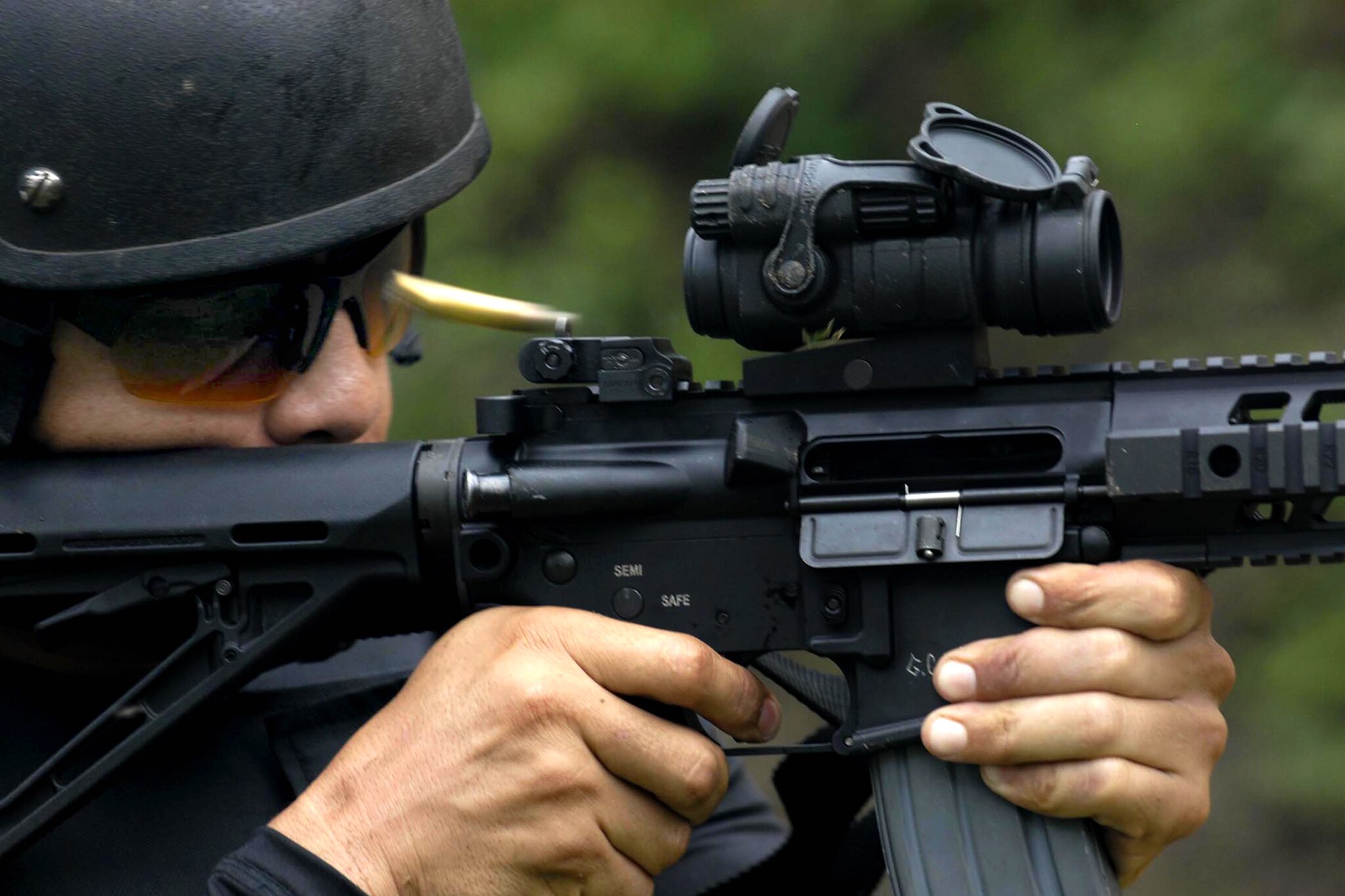
The AR-7 stock prioritizes storage rather than long-term comfort. During repeated days of hunting around camp, its straight lines and compact dimensions become more noticeable. The length of pull may feel short for some shooters, especially when wearing cold-weather layers. The grip angle and overall feel lack refinement, which contributes to hand and shoulder fatigue over time. What feels acceptable for a short outing becomes less pleasant during extended use. Camp-based hunting often involves frequent shouldering and carrying. The rifle’s ergonomics remind the user that comfort was secondary to portability in its design.
4. Magazine Reliability Requires Extra Attention
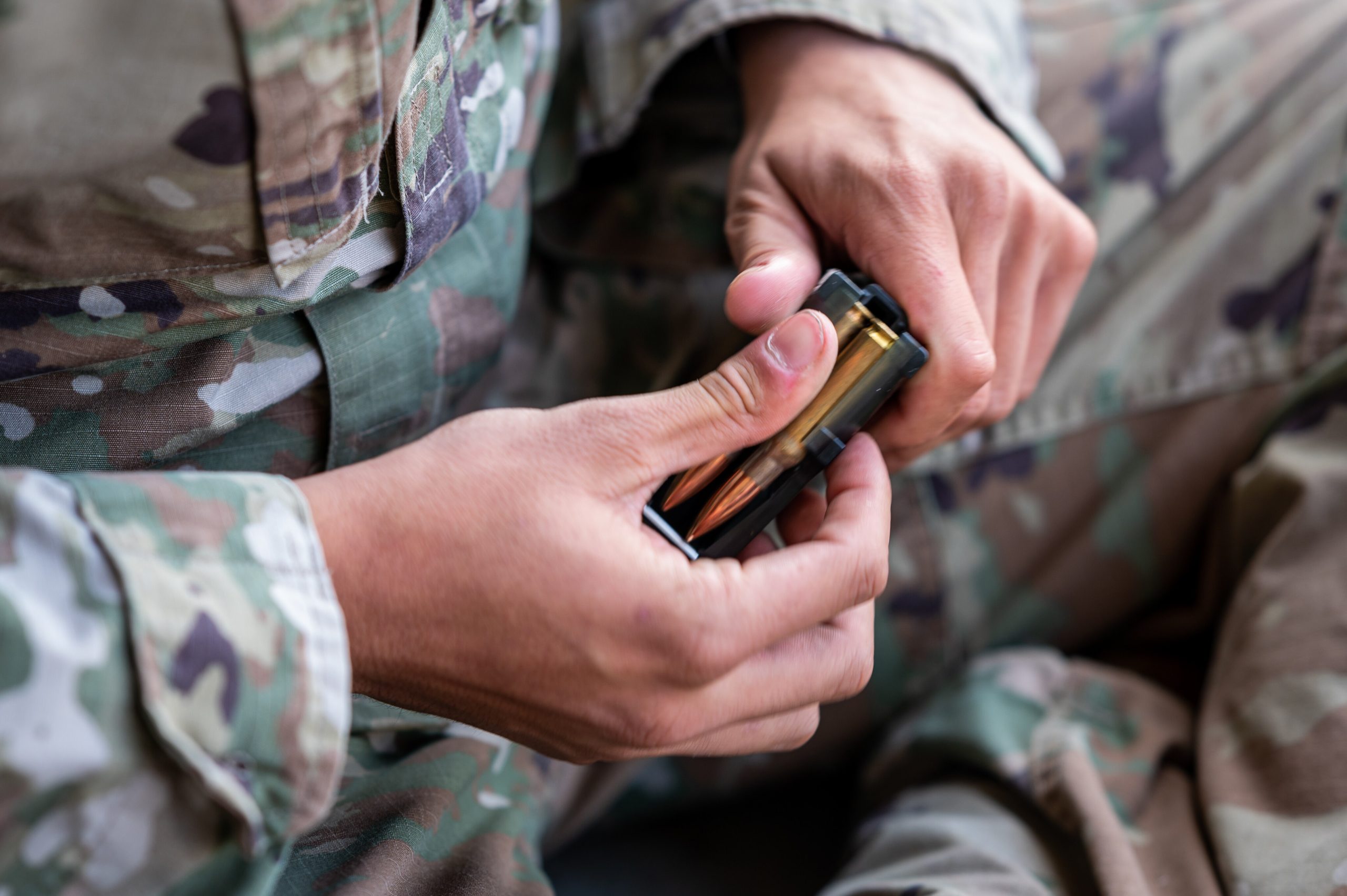
The AR-7 magazines are lightweight and compact, but they demand careful handling. In a camp environment, dirt, moisture, and repeated loading increase the chance of feeding issues. Hunters often need to inspect and clean magazines more frequently than expected. This adds maintenance tasks to camp routines. A hunting rifle should inspire confidence with minimal attention, but the AR-7 rewards careful management. Over multiple days, this requirement becomes noticeable. Time spent checking magazines is time not spent scouting or resting. While manageable, this limitation highlights the rifle’s survival-oriented origins rather than a design optimized for regular camp hunting use.
5. Trigger Feel Affects Field Confidence
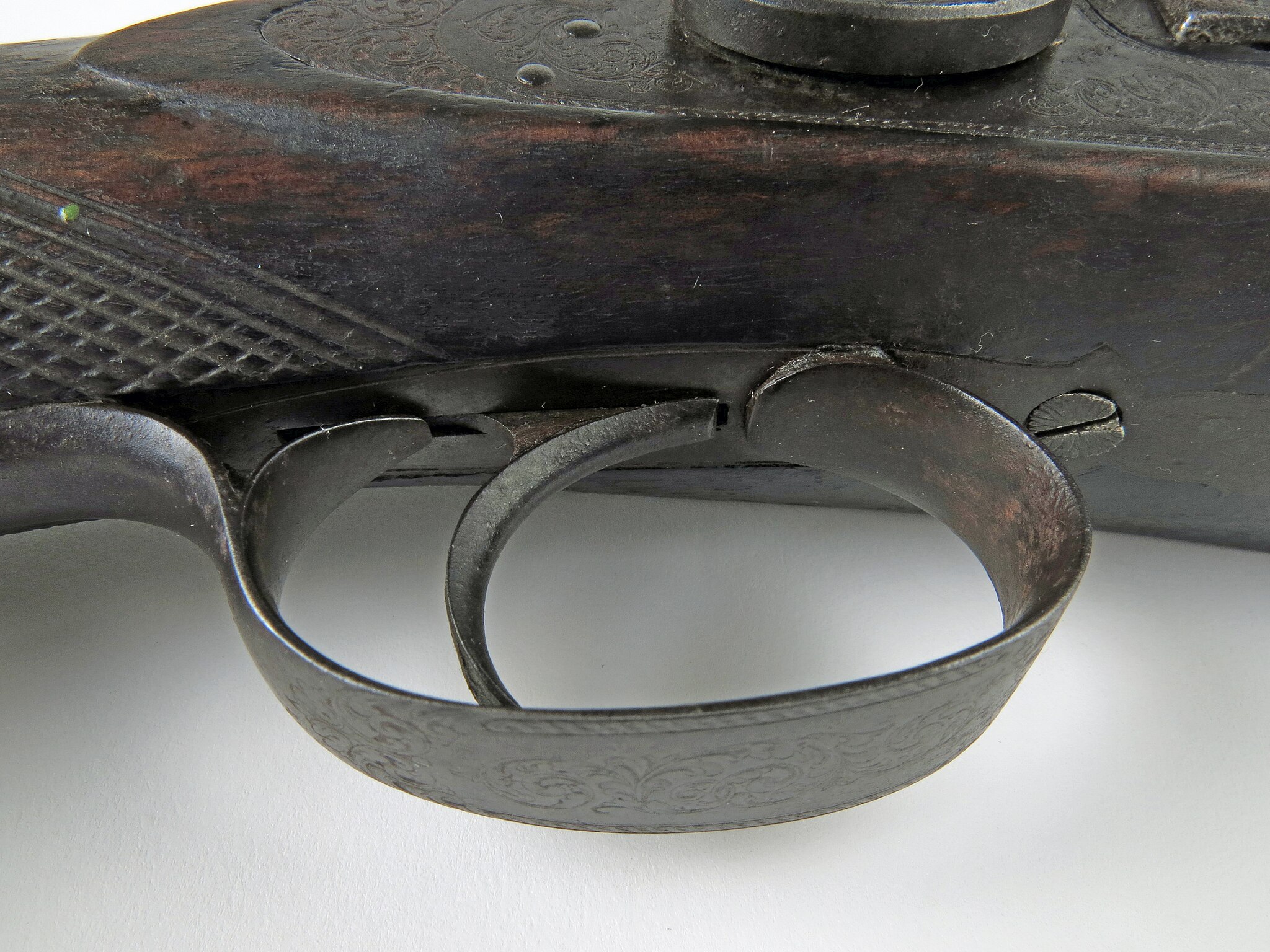
The trigger on the Henry AR-7 is functional but lacks refinement. During casual shooting, this may not matter much. Over repeated hunting days, however, the trigger feel becomes more apparent. The break can feel heavy and less predictable, which affects shot timing. In a camp setting where hunters may take quick opportunities at small game, confidence in trigger control matters. A less refined trigger introduces hesitation. This does not make the rifle inaccurate, but it changes how the shooter interacts with it. Over time, this subtle limitation influences enjoyment and effectiveness, especially for hunters accustomed to smoother trigger systems.
6. Lightweight Design Reduces Stability
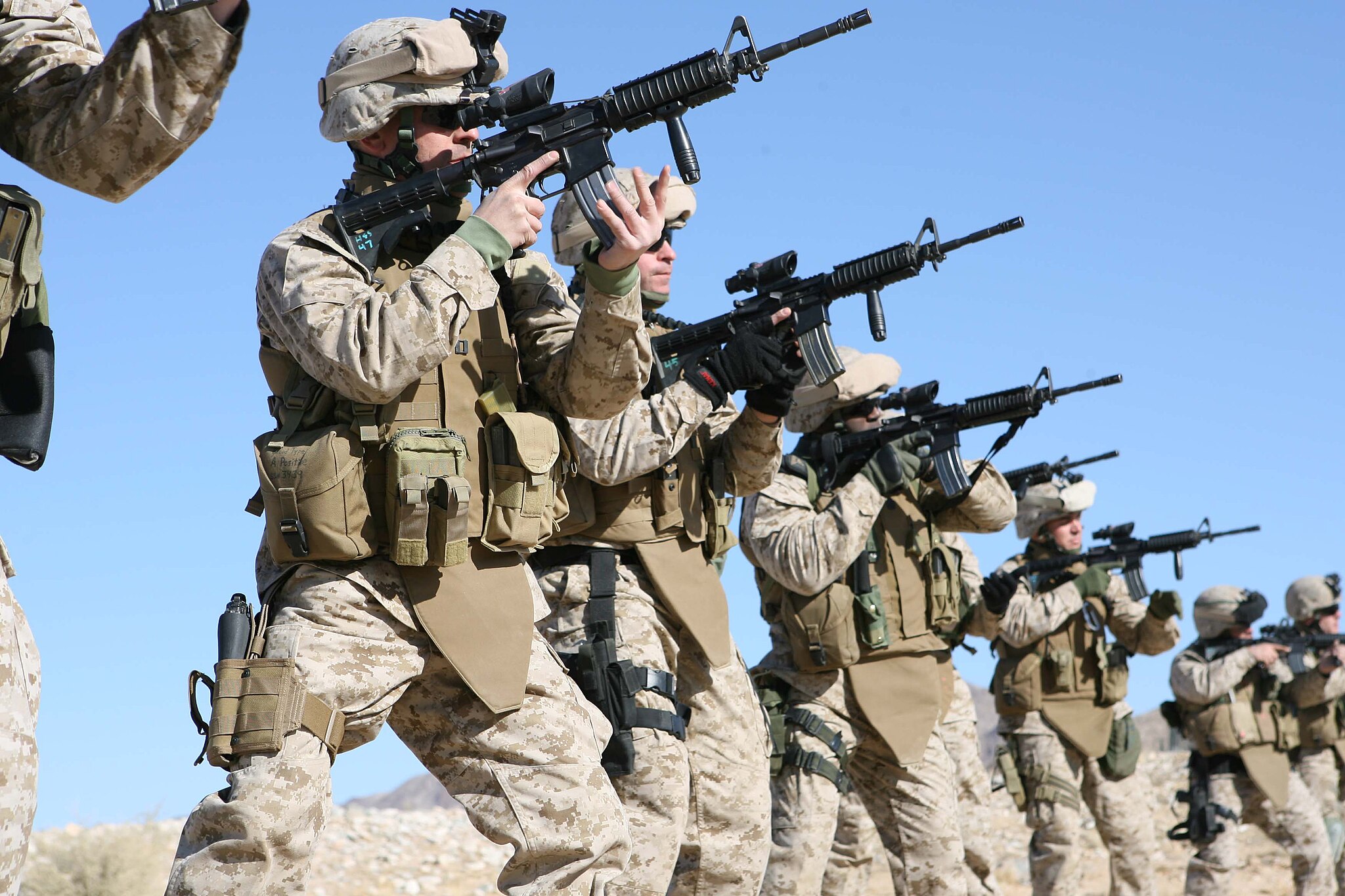
The extremely lightweight nature of the AR-7 is an advantage for transport, but it reduces stability during shooting. In camp-based hunting, shots are often taken from standing or kneeling positions. The lack of mass makes the rifle more sensitive to movement and breathing. Wind and uneven footing exaggerate this effect. Hunters must work harder to steady the rifle, especially during longer sessions. Over several days, this added effort becomes noticeable. While practice helps, the rifle never feels as settled as heavier alternatives. The design favors carrying ease over shooting stability, which shapes the overall hunting experience around camp.
7. Overall Role Feels Limited to Backup Use
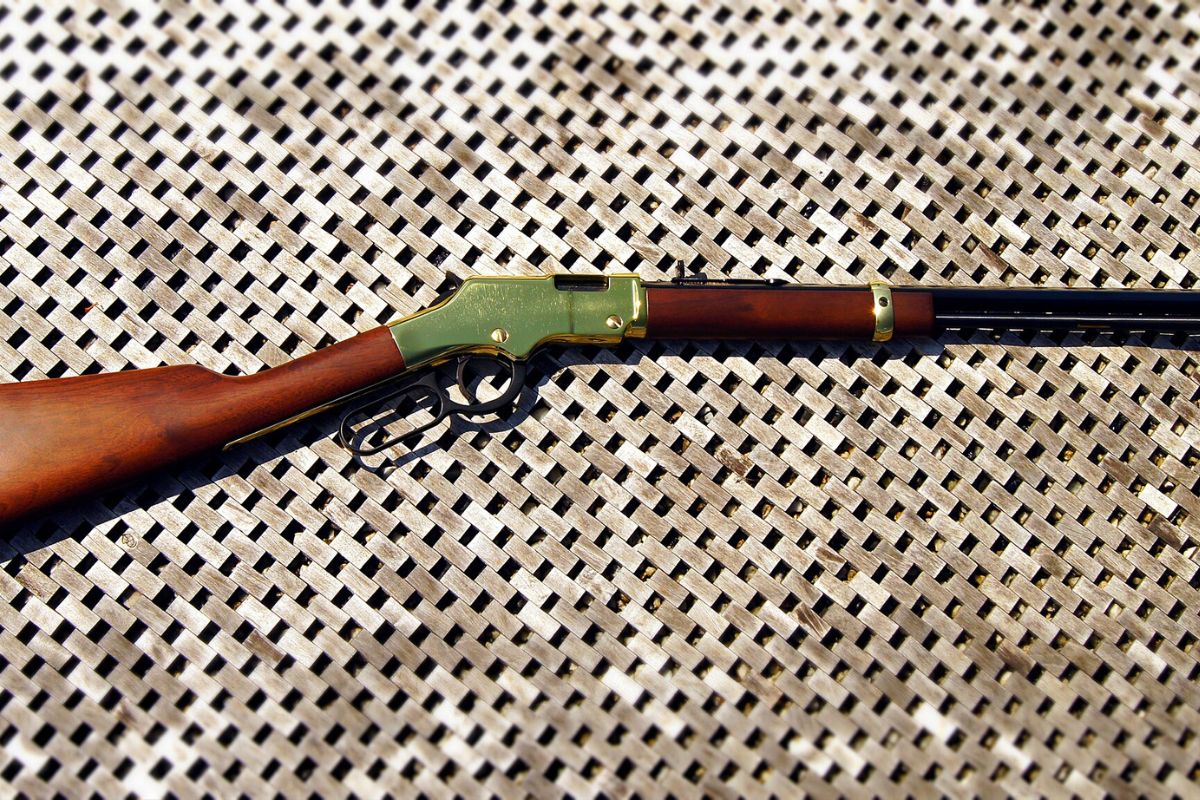
After several days of camp-based hunting, many users recognize that the AR-7 feels more like a backup than a primary hunting rifle. It performs reliably within its intended role, but its limitations stand out during sustained use. The balance, ergonomics, and shooting characteristics reinforce its identity as a compact survival tool. Hunters may find themselves wishing for a more traditional rifle for daily outings while keeping the AR-7 in reserve. This realization does not diminish its value, but it clarifies expectations. The rifle excels as a lightweight option, yet extended camp hunting highlights where compromises were made.