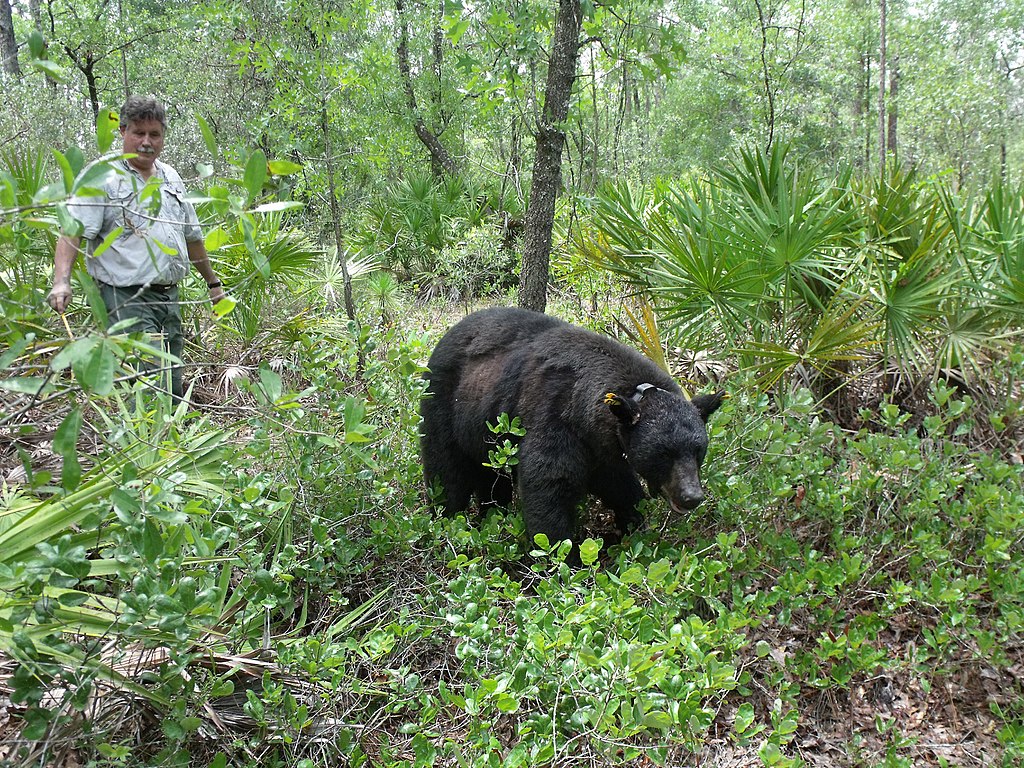
Tracking bears in thick cover demands restraint, awareness, and disciplined decision making. Dense vegetation limits visibility, compresses distance, and magnifies mistakes quickly. Choices that feel logical in open terrain often fail once brush, timber, and uneven ground restrict perception. Bears use cover to their advantage, changing pace, direction, and behavior subtly. Small tracking decisions can escalate risk or cause lost sign. Understanding how thick cover reshapes encounters helps avoid costly errors. These seven bear tracking decisions commonly backfire in dense environments, showing how patience, spacing, and context matter more than speed or confidence when visibility drops and terrain closes in.
Moving Too Quickly On Fresh Sign
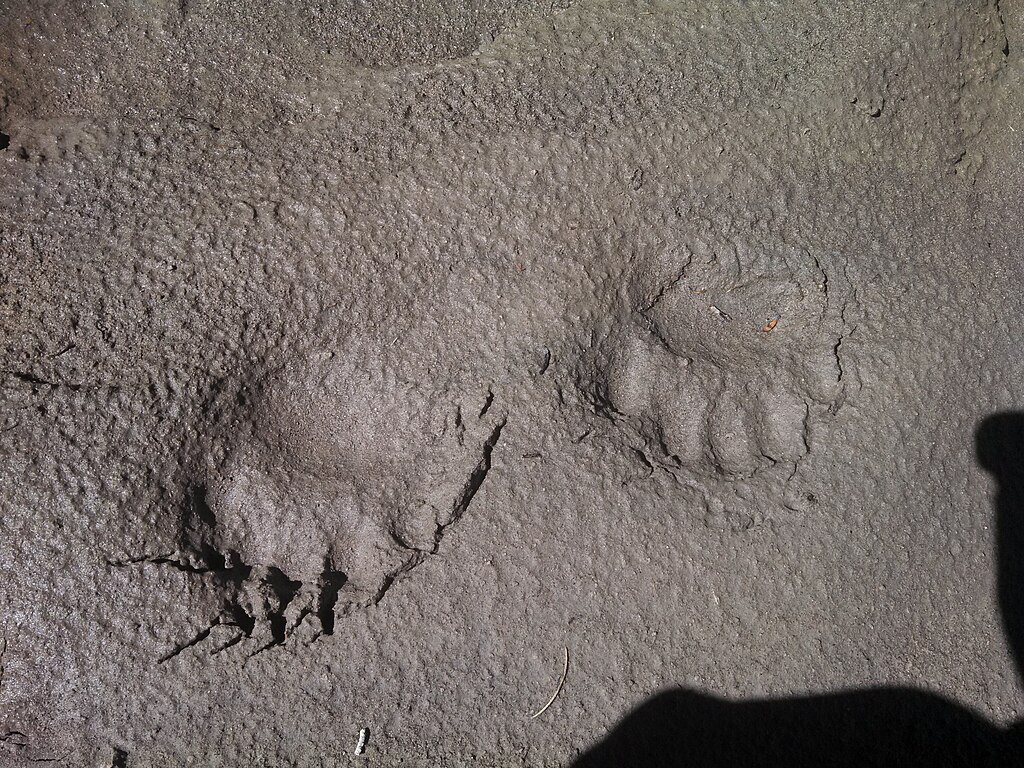
Moving too quickly on fresh sign often backfires in thick cover. Dense vegetation hides bears at close range. Speed reduces reaction time. Noise increases with hurried movement. Fresh tracks encourage urgency, but bears may be nearby and aware. Thick cover shortens visibility to seconds. Rushing increases the chance of surprise encounters. Bears may double back or stop silently. Slowing down allows listening and scanning. In tight terrain, distance closes faster than expected. Quick movement sacrifices safety for momentum. Tracking bears requires deliberate pacing. Moving too fast transforms promising sign into dangerous proximity without warning, increasing risk of sudden encounters when escape options are limited.
Fixating On Ground Tracks Alone
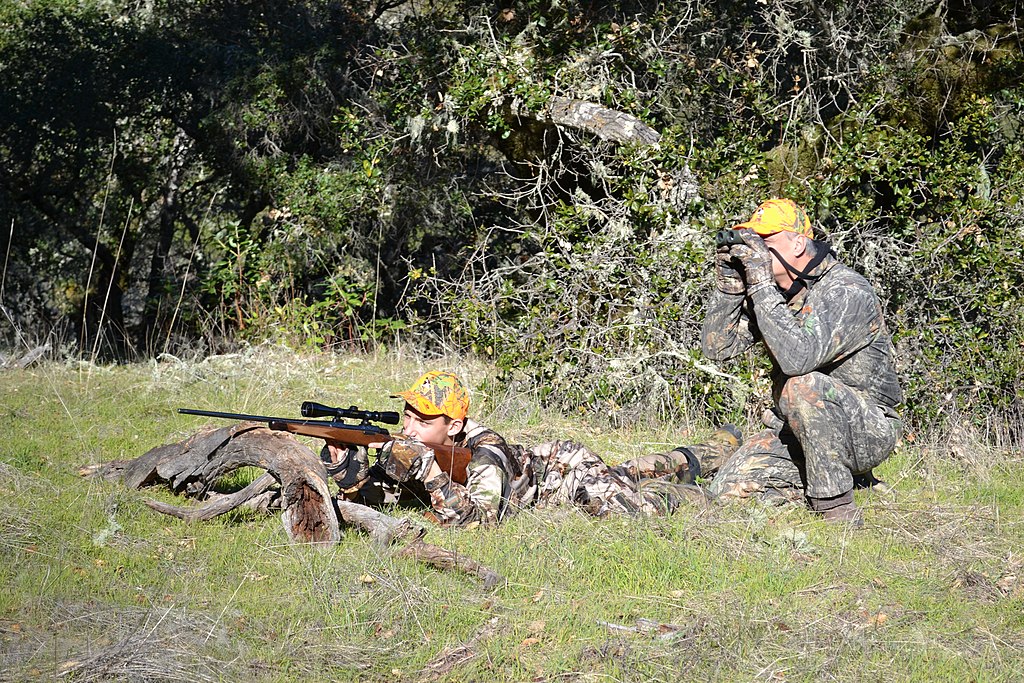
Fixating on ground tracks alone limits awareness in thick cover. Leaves, soil, and brush obscure clear sign. Bears often travel above ground level, breaking branches or bending saplings. Focusing downward narrows vision and delays detection. Thick cover hides movement at eye level. Bears may watch trackers approach. Ignoring surrounding clues misses changes in direction. Sound, scent, and disturbed vegetation matter. Tracking requires three dimensional awareness. Ground sign fades quickly in dense terrain. Fixation causes missed cues and sudden proximity. Balanced observation prevents tunnel vision. Relying solely on tracks increases risk of walking into unseen bears positioned just ahead in heavy cover.
Ignoring Wind Direction Changes

Ignoring wind direction changes often backfires when tracking bears in thick cover. Bears rely heavily on scent. Shifting winds carry human odor unpredictably through brush and draws. Thick vegetation traps and swirls air currents. A favorable wind can reverse quickly. Bears alerted by scent may circle, stop, or prepare defensively. Trackers focused on sign miss airflow changes. Downwind approaches increase encounter risk. Understanding wind protects distance. Thick cover magnifies scent impact. Ignoring wind removes early warning advantage. Successful tracking adjusts constantly to airflow. Failing to monitor wind turns tracking into a blind approach where bears detect humans long before visual contact occurs.
Following Directly Behind The Line Of Travel
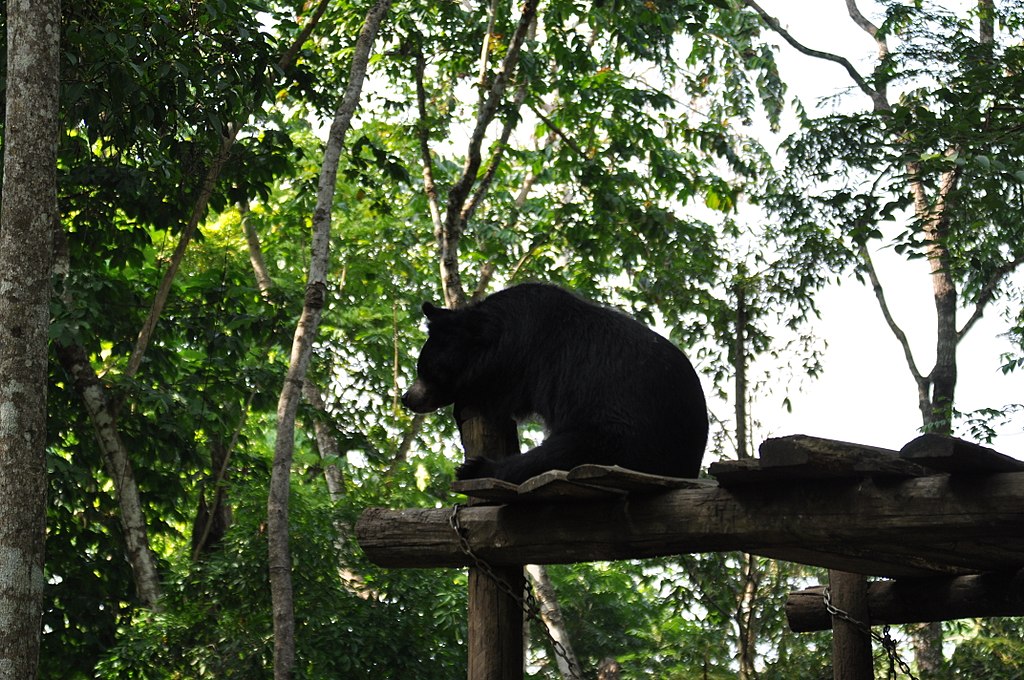
Following directly behind the line of travel often creates problems in thick cover. Bears may slow, stop, or bed ahead. Direct pursuit funnels trackers into narrow spaces. Thick brush limits escape routes. Bears can backtrack silently. Approaching head on reduces detection distance. Angled tracking allows observation from safer positions. Parallel movement maintains space. Direct following increases surprise risk. Thick cover shortens reaction time. Bears sense pressure behind them. Changing approach angles improves visibility and safety. Tracking directly behind assumes continued forward movement. In reality, bears use cover to reverse, pause, or observe, making straight line pursuit dangerous in dense environments.
Tracking Without Listening Frequently
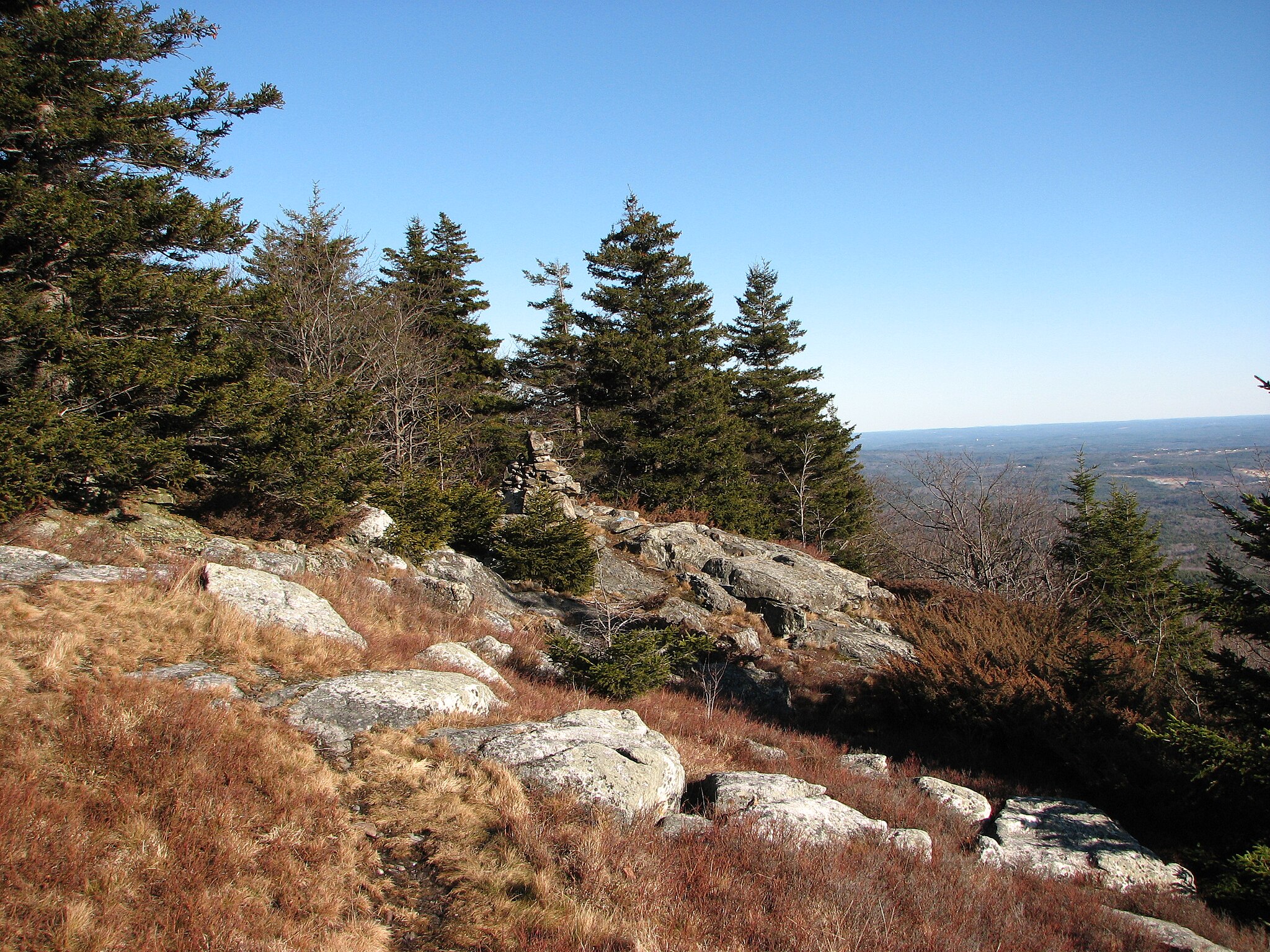
Tracking without listening frequently backfires in thick cover. Dense vegetation muffles sight but carries sound. Bears move quietly but still disturb brush, branches, or ground. Pausing to listen reveals presence. Constant movement masks subtle noises. Wind through leaves differs from animal movement. Listening restores situational awareness. Thick cover rewards stillness. Bears may breathe, step, or shift nearby. Failing to stop removes warning cues. Sound often precedes sight. Regular listening breaks improve safety. Tracking focused only on movement ignores auditory information. In thick cover, ears often detect bears sooner than eyes, preventing close encounters that occur when trackers advance continuously without pausing.
Assuming Bears Continue Straight
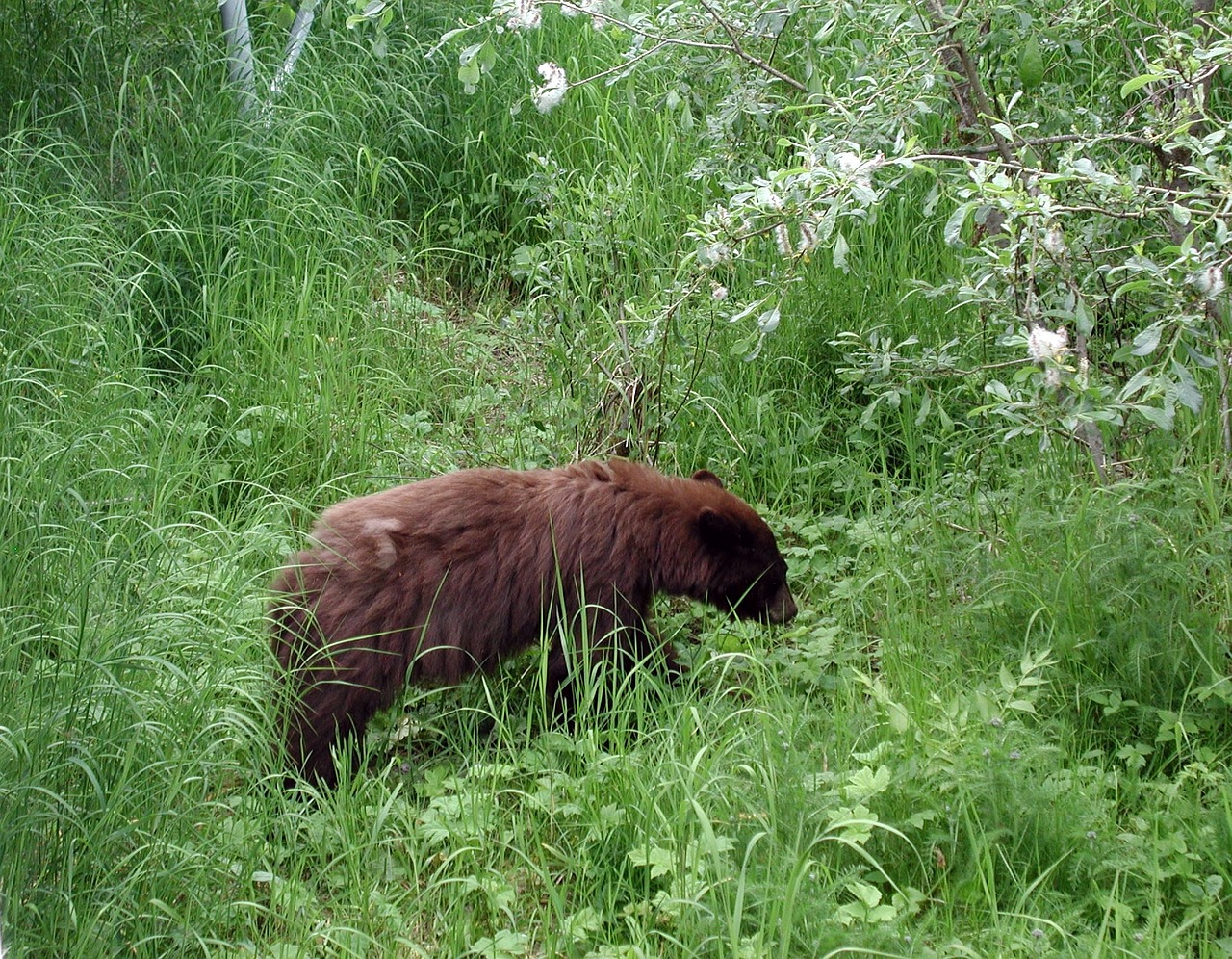
Assuming bears continue straight through thick cover often leads to lost sign or danger. Bears frequently change direction to monitor threats. Dense vegetation provides concealment for sharp turns. Tracks may vanish abruptly. Straight line assumptions overshoot actual location. Bears may angle downhill, sidehill, or double back. Thick cover hides these changes. Trackers expecting linear movement miss turns. Understanding bear behavior improves prediction. Casting slowly recovers direction safely. Assuming straight travel increases proximity risk. Bears exploit cover complexity. Thick environments encourage unpredictable movement. Tracking decisions based on straight line logic fail when bears use terrain to alter routes intentionally and remain unseen nearby.
Pressing Forward Without Reassessing
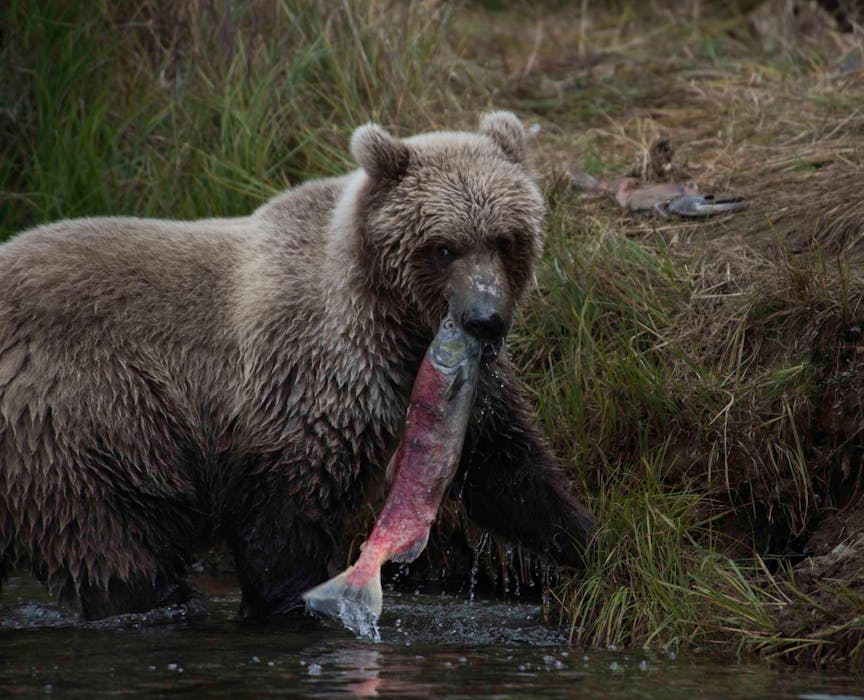
Pressing forward without reassessing conditions backfires in thick cover. Fatigue, noise, and environmental changes accumulate. Light shifts alter visibility. Wind direction changes. Terrain steepens unexpectedly. Bears respond to pressure dynamically. Stopping to reassess resets awareness. Pushing ahead assumes conditions remain constant. Thick cover magnifies small changes. Continuing without reassessment increases risk. Bears may bed, circle, or prepare defensively. Reassessment allows route adjustment. Safe tracking requires flexibility. Pressing forward prioritizes progress over safety. In dense terrain, conditions evolve rapidly. Failing to pause and reassess turns tracking into reactive movement, increasing chances of surprise encounters and lost situational control.