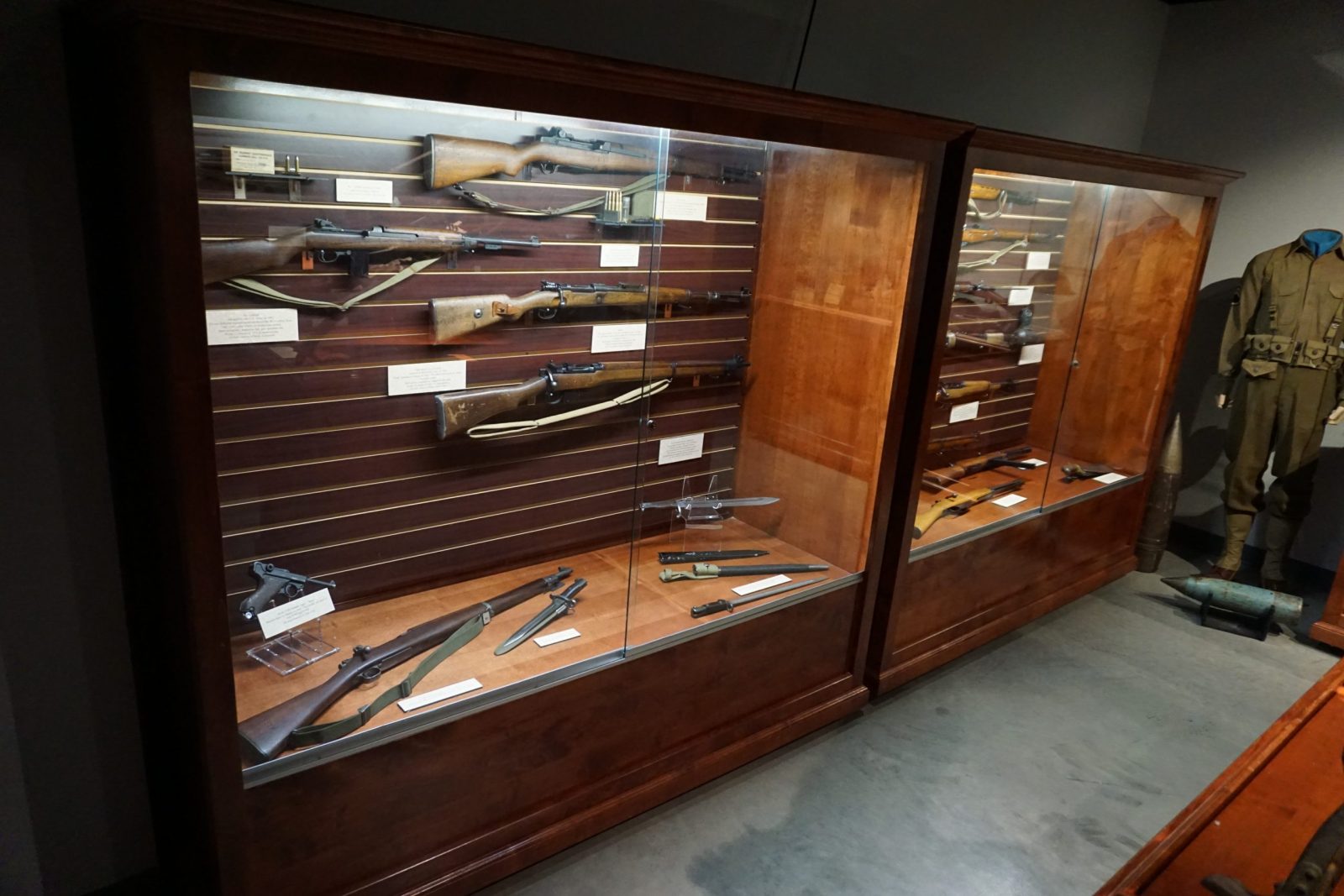
7 Battle rifles that defined World War II permanently altered military tactics across the globe. Infantry units relied on these rugged firearms to deliver firepower in the harshest conditions imaginable. From the frozen forests of Bastogne to the humid jungles of the Pacific, these weapons served as the primary tools for soldiers fighting on the front lines. The transition from bolt-action designs to semi-automatic capabilities marked a significant turning point in engineering history during this era. This guide explores the specific models that earned their legendary status through reliable service and mechanical innovation in combat.
M1 Garand
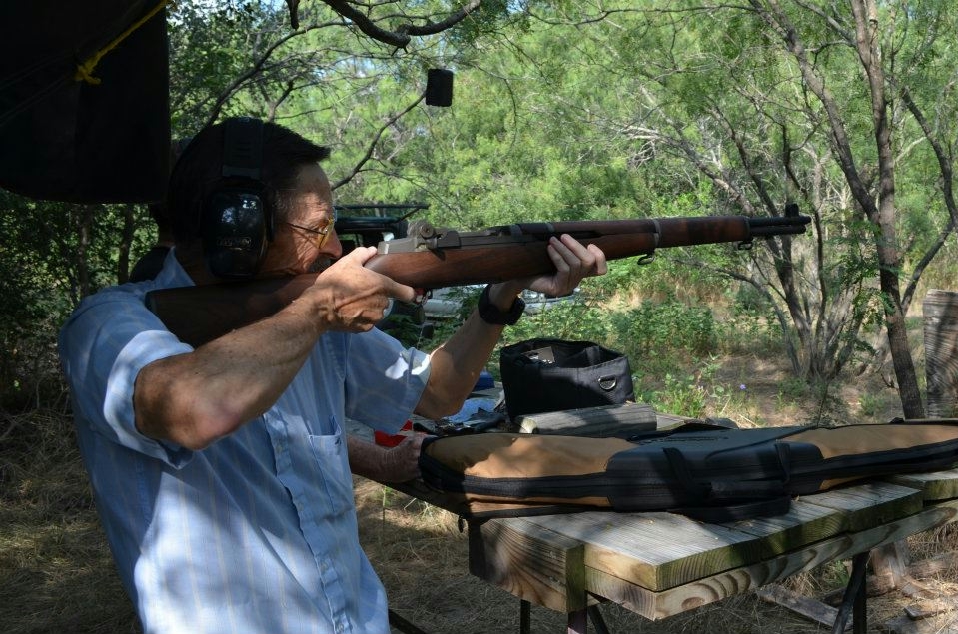
General George Patton famously praised this semi-automatic as the greatest battle implement ever devised by human minds. It gave American troops a distinct advantage by allowing them to fire eight rounds without breaking their sight picture. The distinct ping of the en bloc clip ejecting became a legendary sound on battlefields across Europe and the Pacific theater. Its reliable gas-operated system functioned flawlessly in sand, mud, and extreme cold when soldiers needed it most. This weapon forced enemy nations to rethink their reliance on slower bolt-action designs during the height of the global war.
Lee-Enfield No. 4
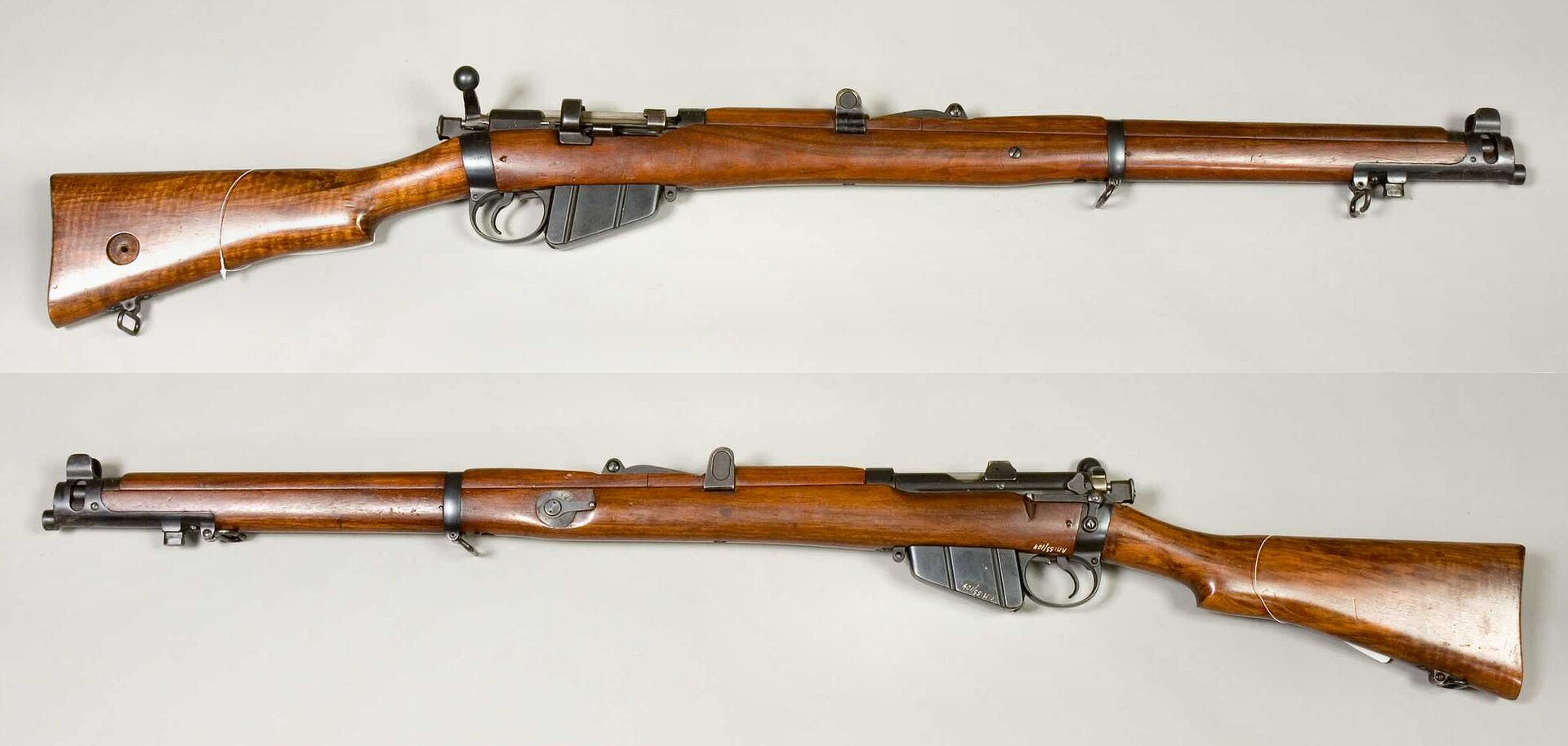
British forces relied on the Lee Enfield No 4 for its exceptionally smooth bolt action and large magazine capacity. Soldiers could fire ten rounds of powerful ammunition before needing to reload, which provided a superior volume of fire compared to their German counterparts. The rugged design proved incredibly durable in the deserts of North Africa and the jungles of Burma alike. Its distinct rear locking lugs allowed for a rapid rate of fire that trained infantrymen used to suppress enemy positions effectively. It remains one of the most respected bolt-action battle rifles in military history.
Kar98k
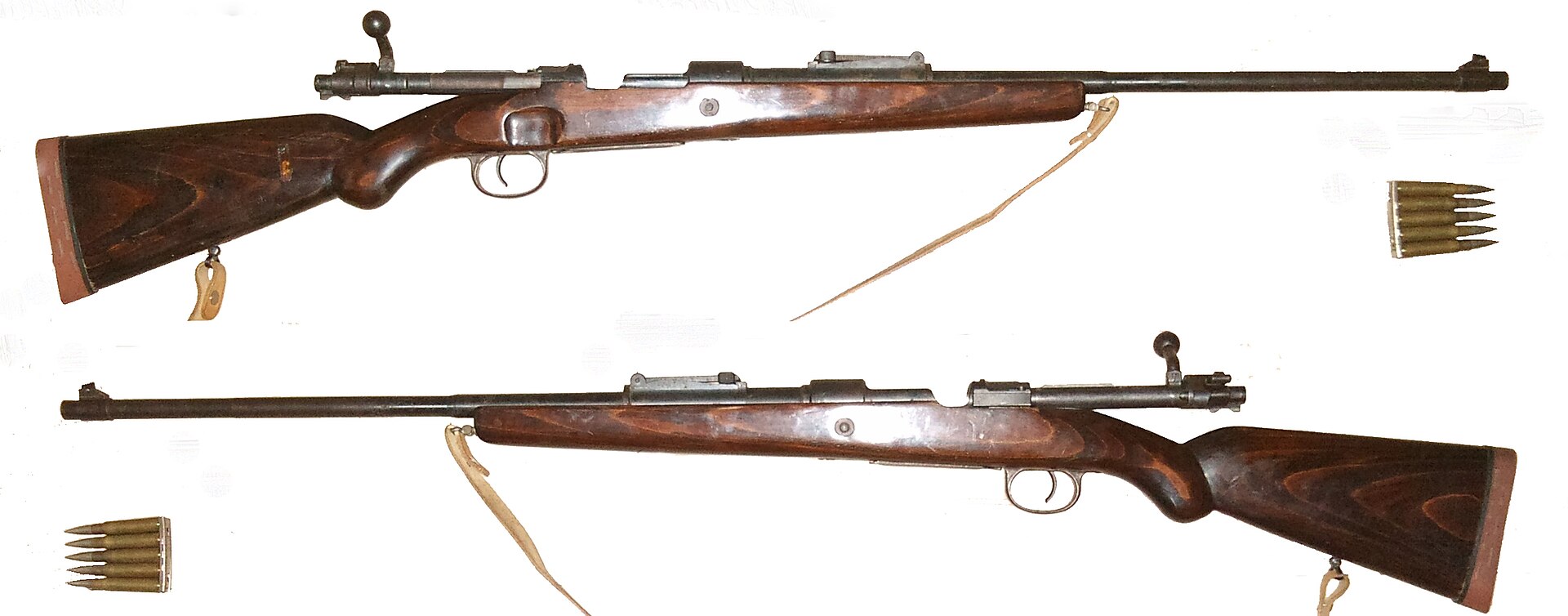
The Karabiner 98k served as the standard service rifle for the German Wehrmacht throughout the entire devastating global conflict. Built on the legendary Mauser action, this bolt-action rifle offered exceptional accuracy and strength that soldiers trusted implicitly. Its internal five-round magazine was loaded via stripper clips, which allowed for quick replenishment during heated firefights. Despite being technologically outpaced by American semi-automatics, it remained a potent and lethal weapon in the hands of disciplined troops. The controlled feed mechanism ensured reliability even when the rifle was dirty or operated under high-stress tactical conditions.
Mosin-Nagant M91/30
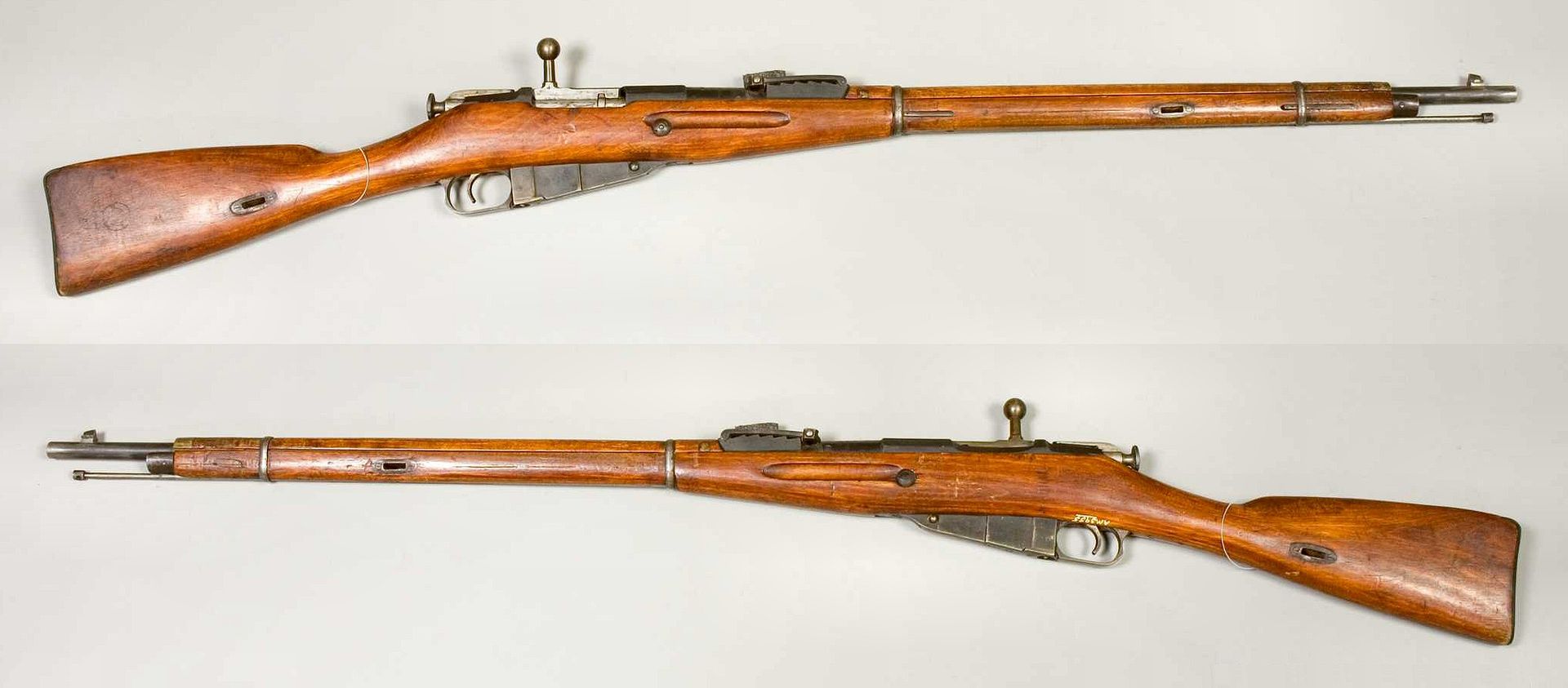
Soviet troops carried the robust Mosin-Nagant M91 30 into some of the most brutal battles in human history. Its simple construction allowed for mass production on a scale that few other nations could ever hope to match. The rifle functioned reliably in the freezing temperatures of the Eastern Front, where more complex weapons often froze solid and failed. Snipers utilized this platform to great effect during the siege of Stalingrad and instilled fear in the invading forces. It symbolizes the sheer industrial determination of the Soviet Union to repel the enemy at all costs.
Arisaka Type 99
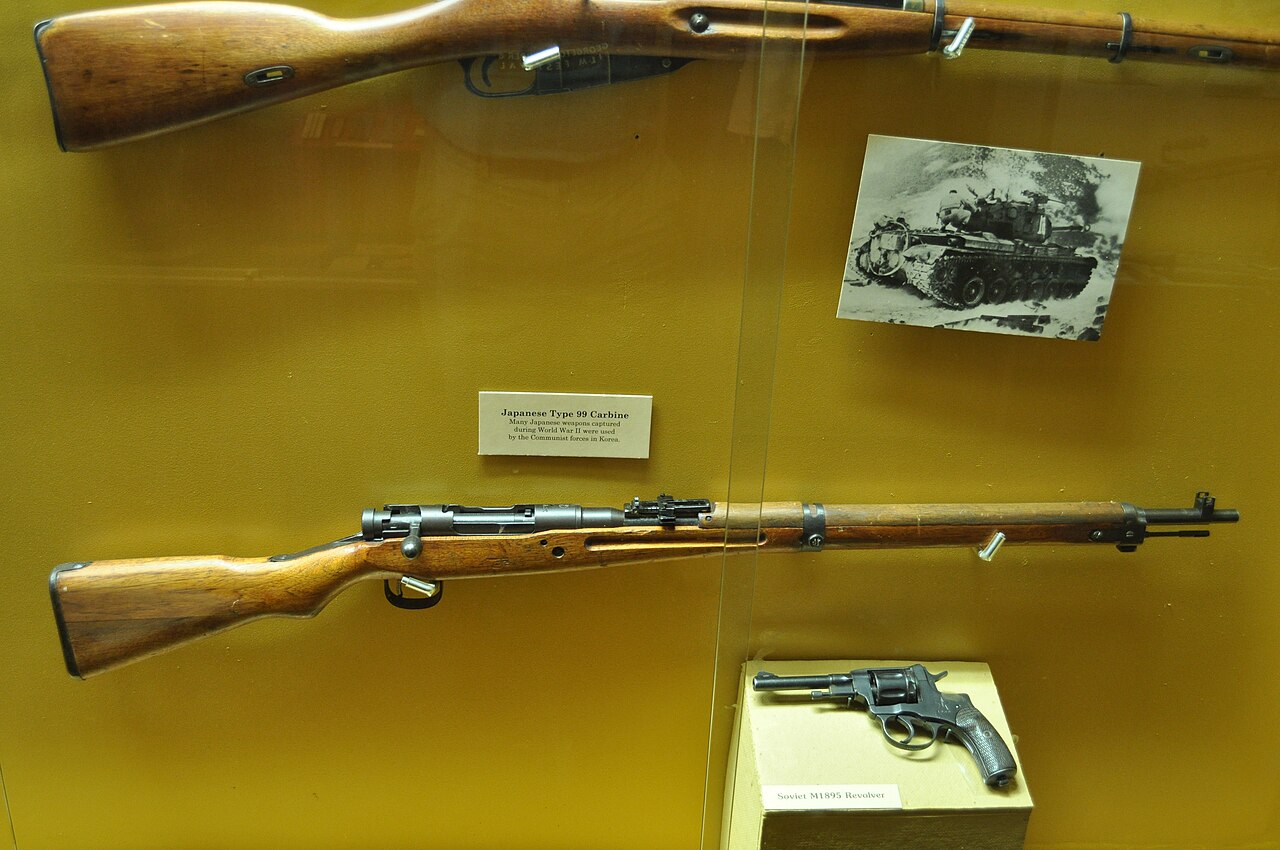
The Arisaka Type 99 became the primary battle rifle for Imperial Japanese forces as they modernized their infantry equipment. It featured a chrome-lined bore, which protected the barrel from corrosion caused by the humid tropical environments of the Pacific. A folding monopod and anti-aircraft sights were unique features that highlighted the ambitious design philosophy of Japanese engineers. The strong bolt action was chambered in a powerful seven millimeter cartridge that offered improved ballistics over previous models. American soldiers grew to respect the durability and tactical effectiveness of this weapon during the brutal island-hopping campaigns.
SVT-40
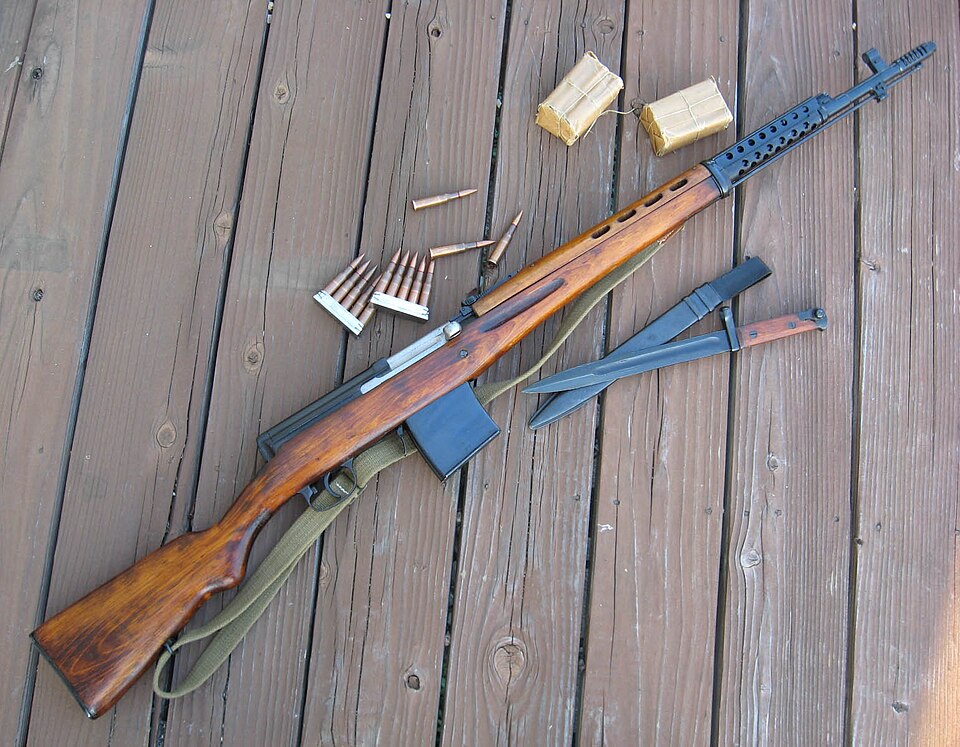
The SVT 40 represented the Soviet attempt to issue a self-loading rifle to every infantryman before the war escalated. This gas-operated semi-automatic provided a significant increase in firepower over standard bolt-action rifles of the time. While it required more maintenance than the Mosin Nagant, experienced soldiers valued its ability to engage multiple targets rapidly. German forces frequently captured and reused these rifles because they lacked a reliable semi-automatic of their own early on. It paved the way for future firearm developments that would dominate the entire post-war era.
Gewehr 43
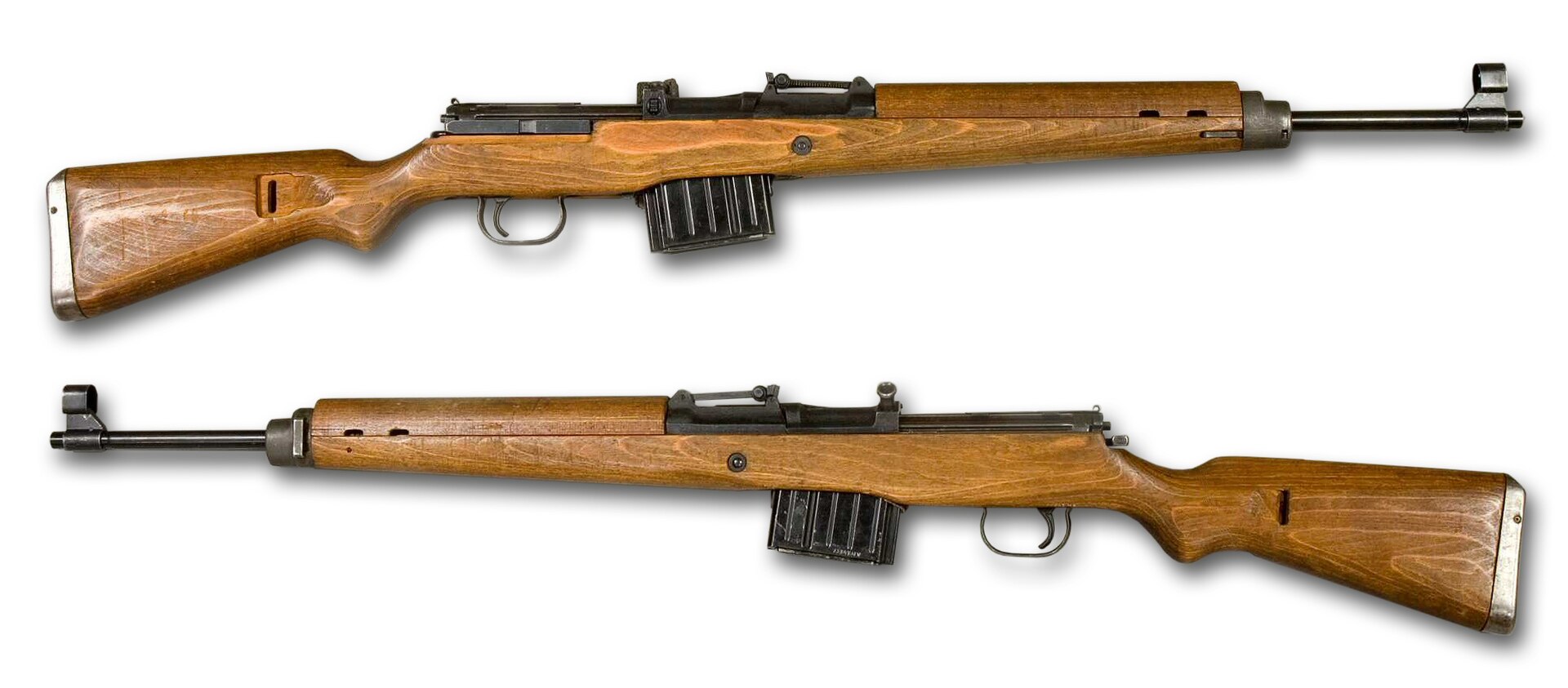
Germany developed the Gewehr 43 to counter the overwhelming firepower advantage of the American M1 Garand rifle. This semi-automatic weapon utilized a gas system inspired by captured Soviet designs to improve reliability in the field. It fed from a detachable ten-round box magazine, allowing faster reloading than many contemporary battle rifles. Snipers often equipped this model with optics to deliver precise shots without the need to manually cycle a bolt between rounds. It stands as a late-war testament to the rapid technological advancements driven by desperate operational combat needs.