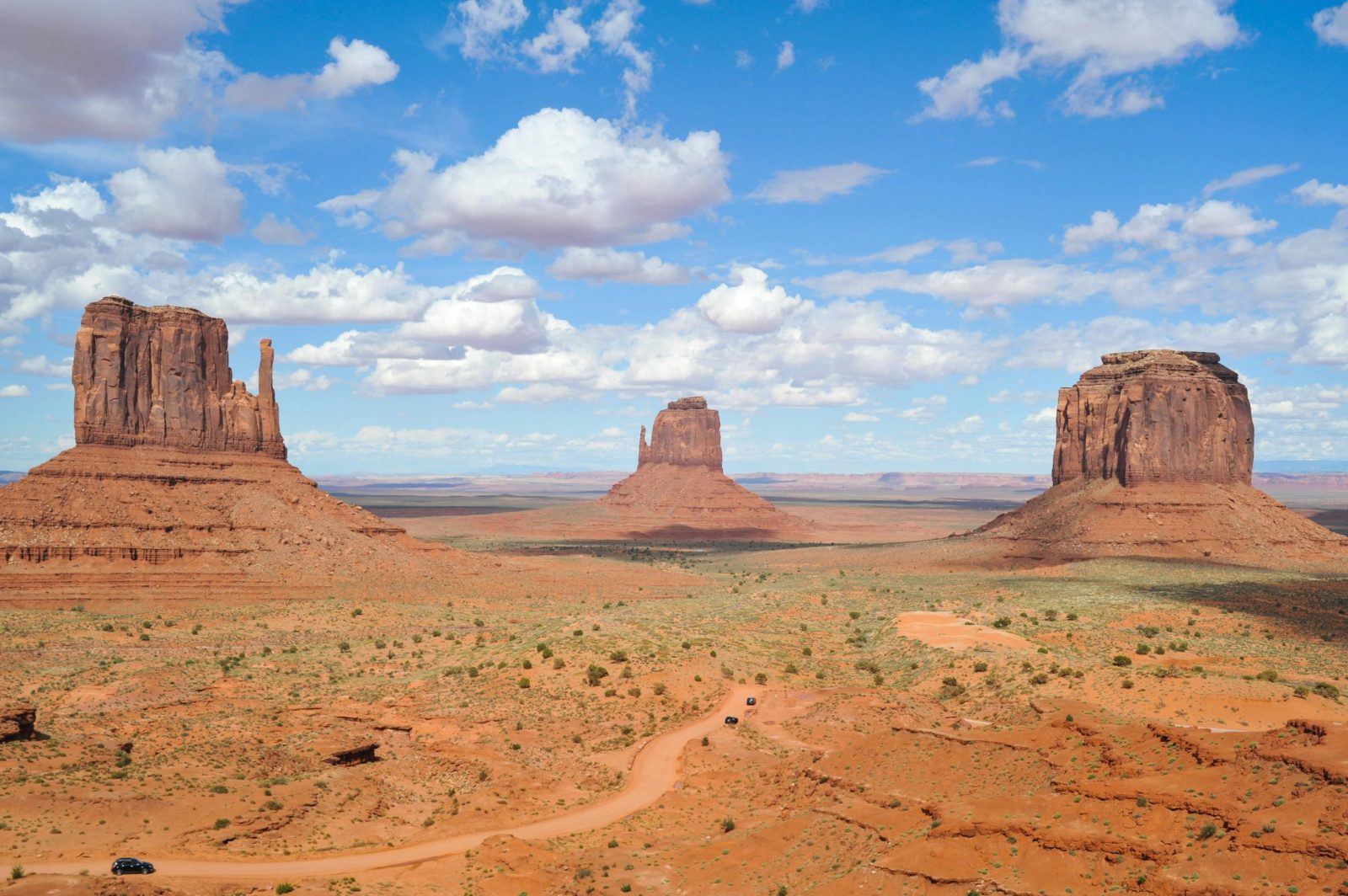
Arizona’s desert landscapes are world-renowned, and millions of hikers each year explore its trails for their dramatic views, unique geology, and rare flora. Data from the Arizona Office of Tourism and National Park Service visitation reports highlight that destinations like the Grand Canyon, Sedona, and Saguaro National Park are among the most visited hiking areas in the state. The following seven hikes represent the best of Arizona’s desert beauty, each offering distinct geological and ecological features.
Conquer Camelback Mountain – Phoenix
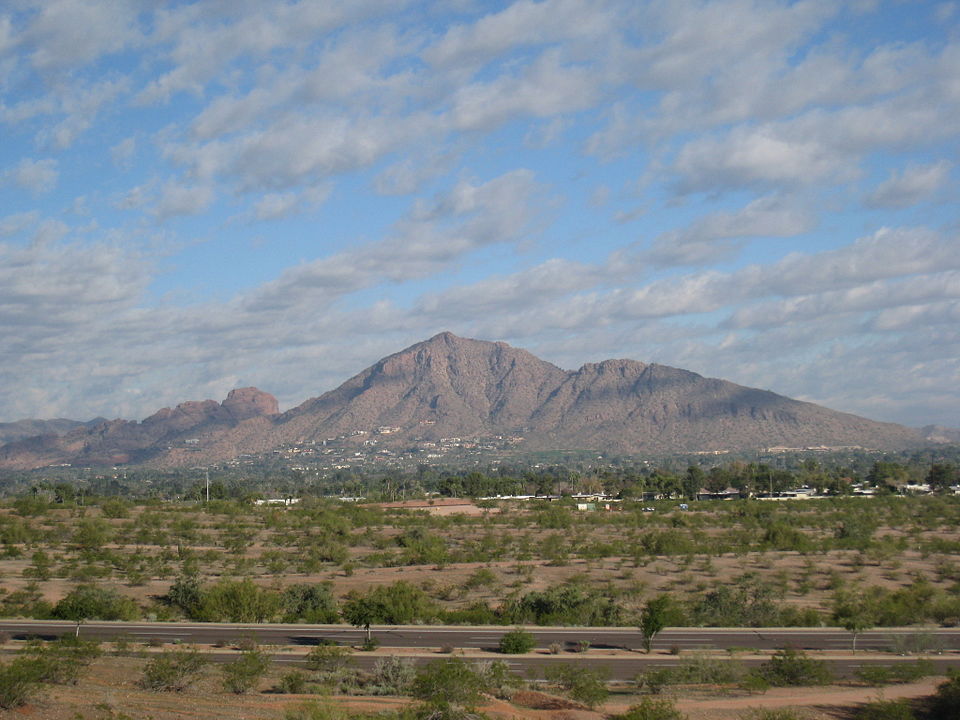
Rising 2,704 feet above Phoenix, Camelback Mountain is one of the most hiked urban summits in the United States, attracting over 300,000 visitors annually. The Echo Canyon and Cholla Trails, both under 1.5 miles one way, climb steep grades that gain nearly 1,200 feet in elevation. Hikers are rewarded with panoramic views of the Phoenix Valley’s desert basin and surrounding mountain ranges. This hike combines accessibility with challenging elevation gain, making it a flagship desert hike in Arizona.
Hike Cathedral Rock Trail – Sedona
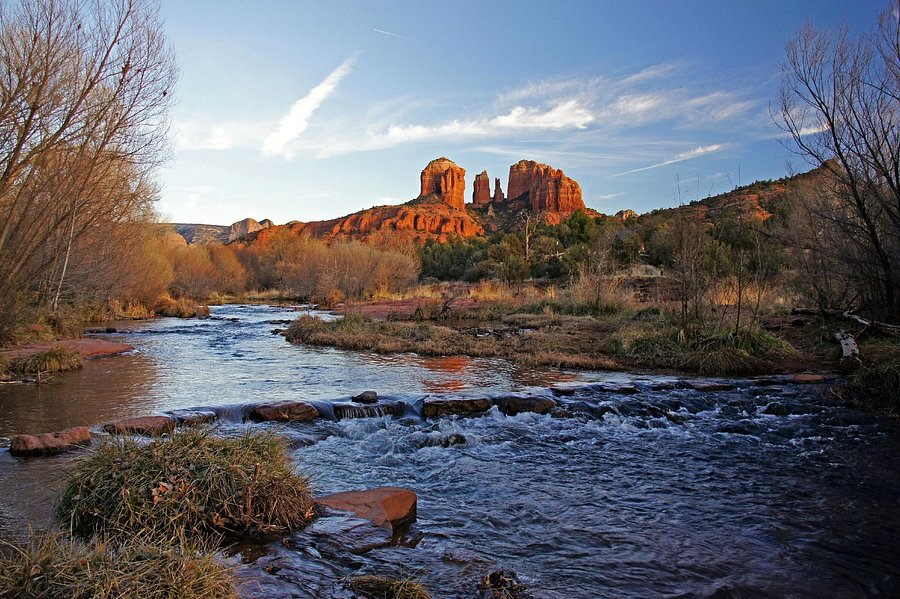
Sedona’s Cathedral Rock Trail, a 1.2-mile round trip, is one of the most iconic short hikes in the region. The trail ascends steep slickrock with a 740-foot elevation gain, offering breathtaking views of Sedona’s red sandstone formations. Cathedral Rock is also known for its vortex sites—areas where some visitors report heightened energy—which draw both hikers and spiritual seekers. According to Sedona tourism data, Cathedral Rock consistently ranks among the top three most photographed sites in Arizona.
Trek to Havasu Falls – Havasupai Reservation
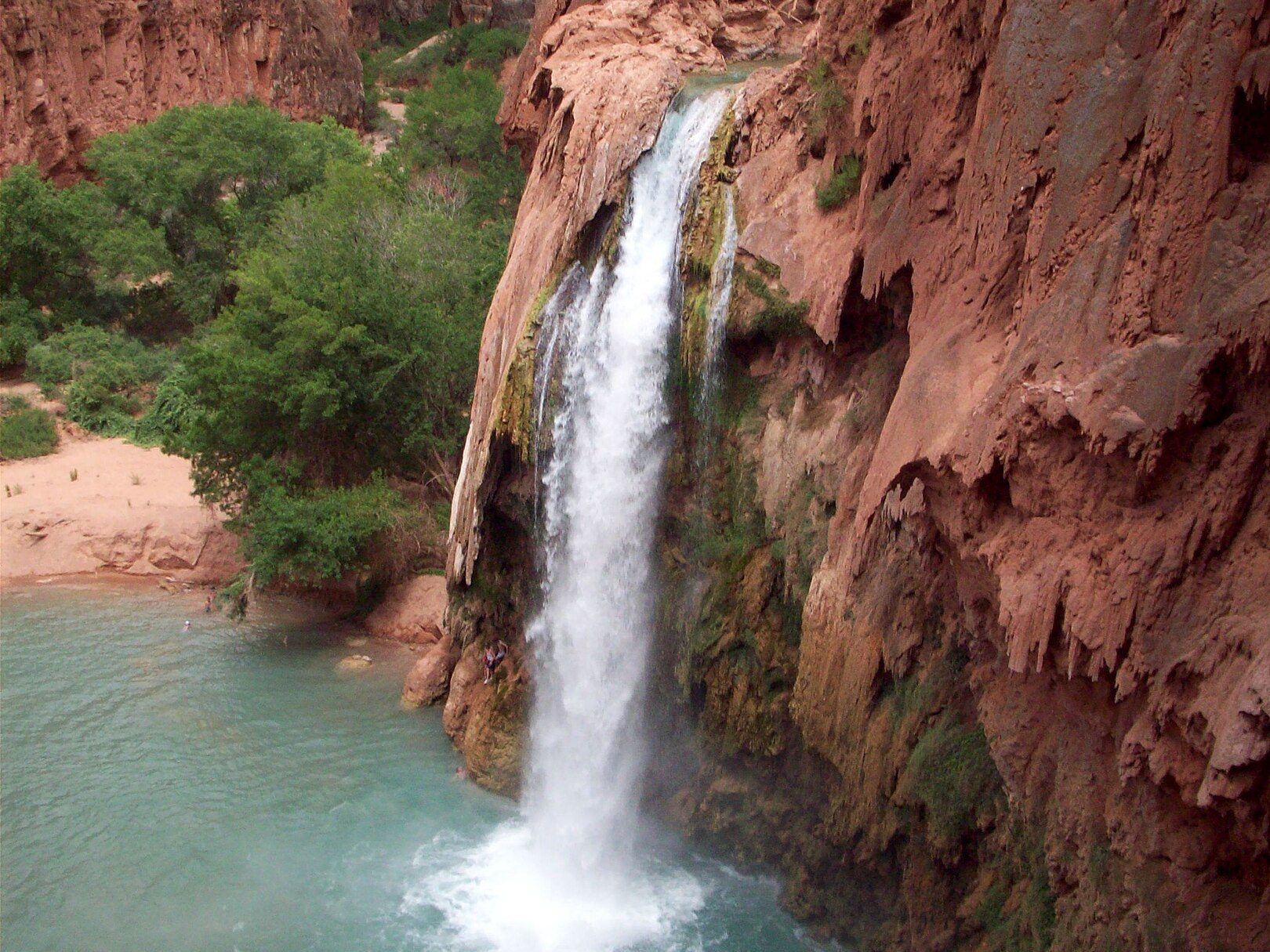
Located in the Havasupai Indian Reservation, Havasu Falls is a 10-mile hike from the trailhead at Hualapai Hilltop. The turquoise waters of Havasu Creek plunge nearly 100 feet into travertine pools, contrasting vividly with the surrounding red canyon walls. Only 300 permits are issued per day due to limited campground capacity, making access highly restricted. National Park visitation studies show that demand far exceeds availability, making this one of Arizona’s most exclusive desert hikes.
Explore Saguaro Trails – Saguaro National Park, Tucson
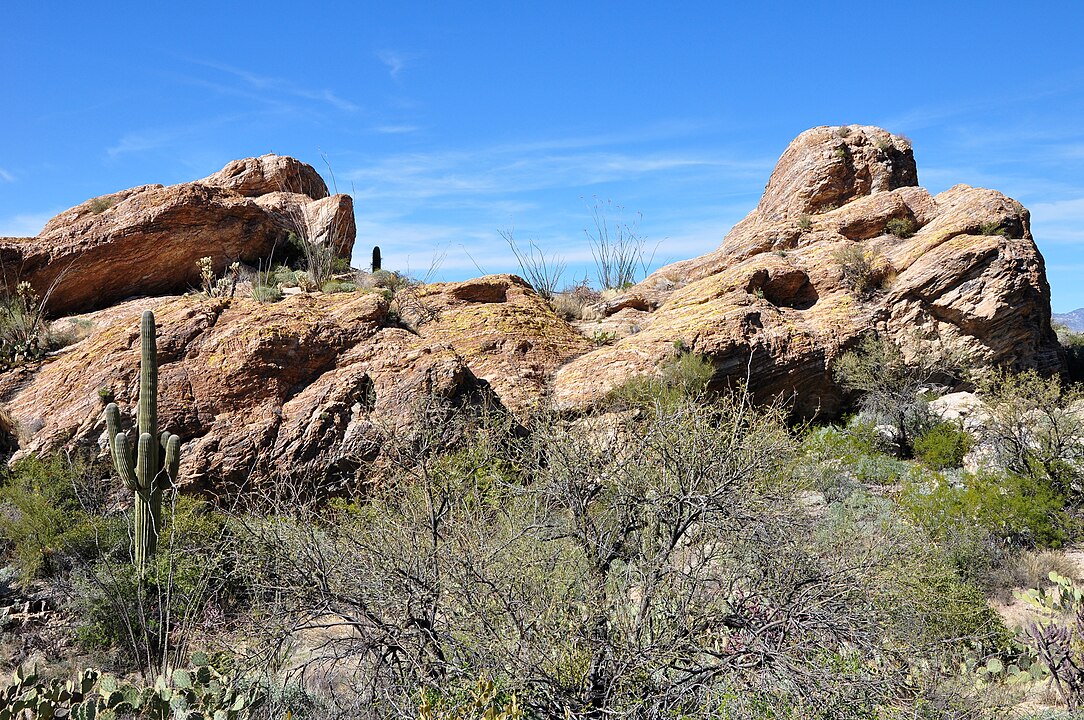
Saguaro National Park protects nearly 2 million giant saguaro cacti, some reaching heights over 40 feet and ages of 150 years. Popular trails like the Valley View Overlook and Signal Hill Petroglyphs range from 0.3 to 2 miles, showcasing both the desert flora and more than 200 ancient Hohokam petroglyphs. The park receives over 1 million visitors annually, with the Tucson Mountain District offering some of the densest saguaro forests accessible by maintained hiking paths.
Descend South Kaibab Trail – Grand Canyon National Park
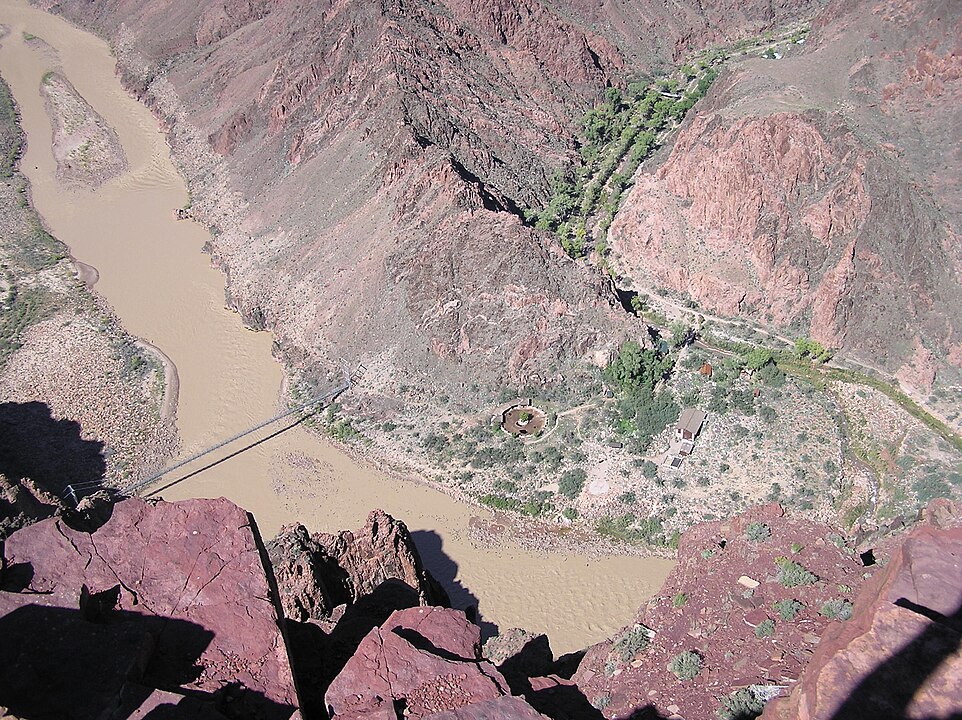
The South Kaibab Trail, maintained by the National Park Service, provides one of the fastest routes into the Grand Canyon, dropping 4,780 feet over 7 miles to the Colorado River. Shorter turnaround points, such as Ooh Aah Point (0.9 miles in) and Skeleton Point (3 miles), allow hikers to experience sweeping canyon views without committing to the full descent. The trail’s ridge-top path offers unobstructed views, making it one of the most photographed inner-canyon hikes.
Walk Through Antelope Canyon – Page
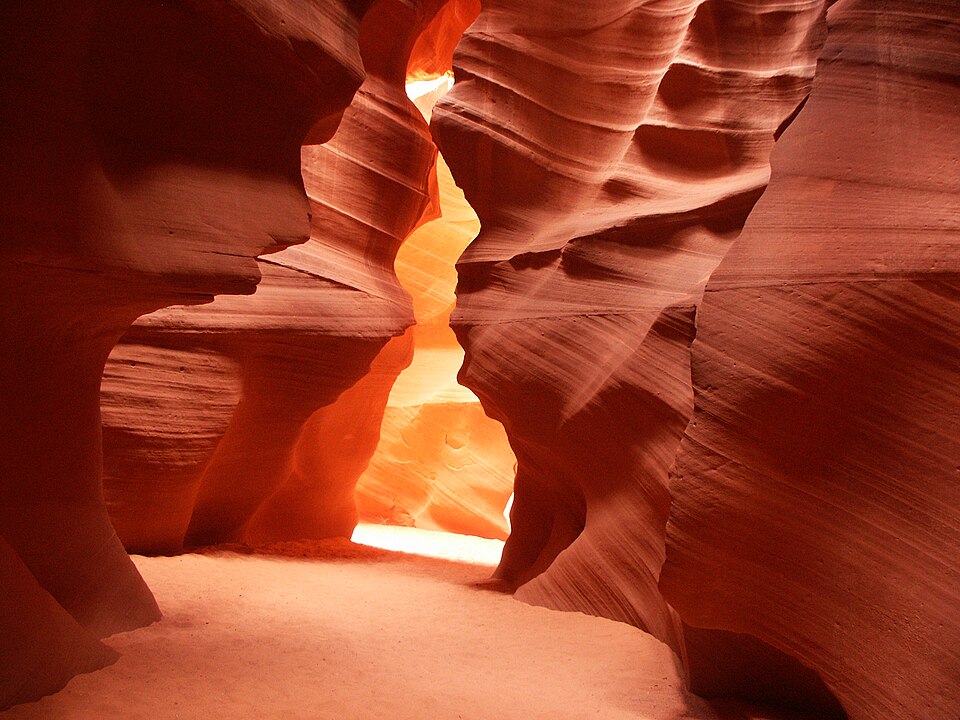
Antelope Canyon, located on Navajo Nation land near Page, is a slot canyon carved by flash floods through Navajo Sandstone. The canyon’s corridors measure only a few feet wide at points, with walls rising over 120 feet. Entry is restricted to guided tours, with permits issued through Navajo Parks and Recreation. Antelope Canyon attracts over 100,000 visitors each year, and its light beams—visible in summer months—are among the most photographed natural phenomena in the American Southwest.
Venture into the Superstition Mountains – Lost Dutchman State Park
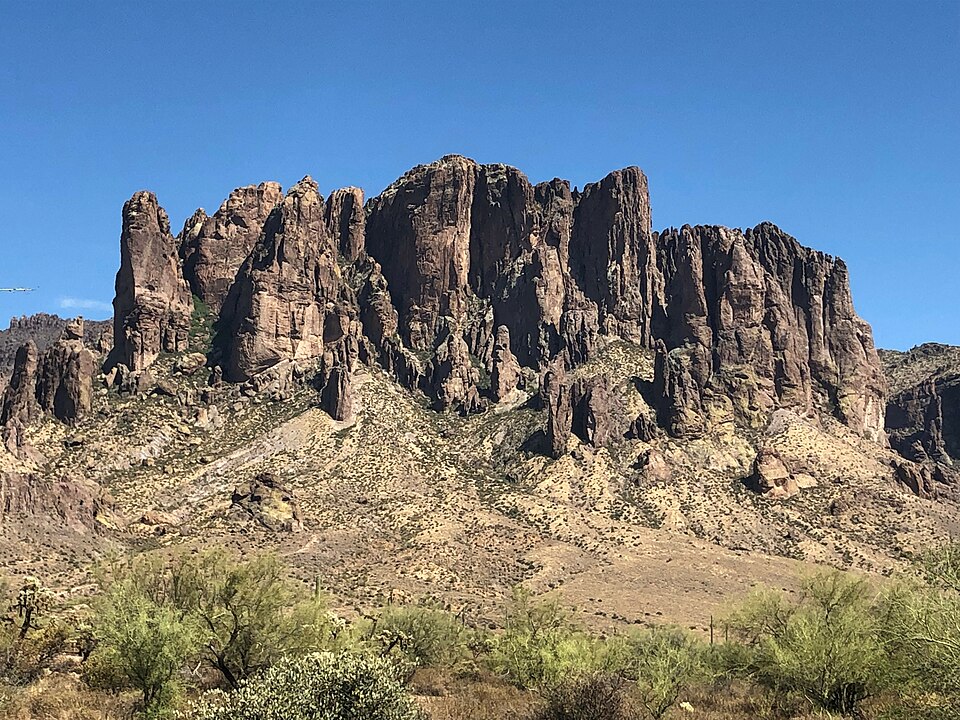
The Superstition Mountains east of Phoenix cover roughly 160,000 acres of rugged desert wilderness. Lost Dutchman State Park provides access to trails such as the 2.4-mile Siphon Draw Trail, which ascends into the heart of the mountains. The area is steeped in legend, most famously the tale of the “Lost Dutchman’s Gold Mine,” which has lured treasure hunters for over a century. Geological surveys note volcanic tuff and basalt formations, adding dramatic texture to the desert landscape.