Human beings rarely appear on the menu in the natural world, yet history shows that certain predators are capable of viewing people as prey under specific conditions. Habitat overlap, scarcity of natural food, territorial pressure, injury, or learned behavior can all influence these dangerous encounters. It is important to understand that such events are exceptional rather than typical, and most wildlife actively avoids human contact. Still, a small number of species possess the size, strength, and predatory instincts that make deliberate attacks possible. Studying these animals is less about fear and more about awareness, respect, and safety. Recognizing patterns behind rare predatory incidents helps explain how and why they occur, while reinforcing the importance of caution in wild environments.
1. Polar Bears
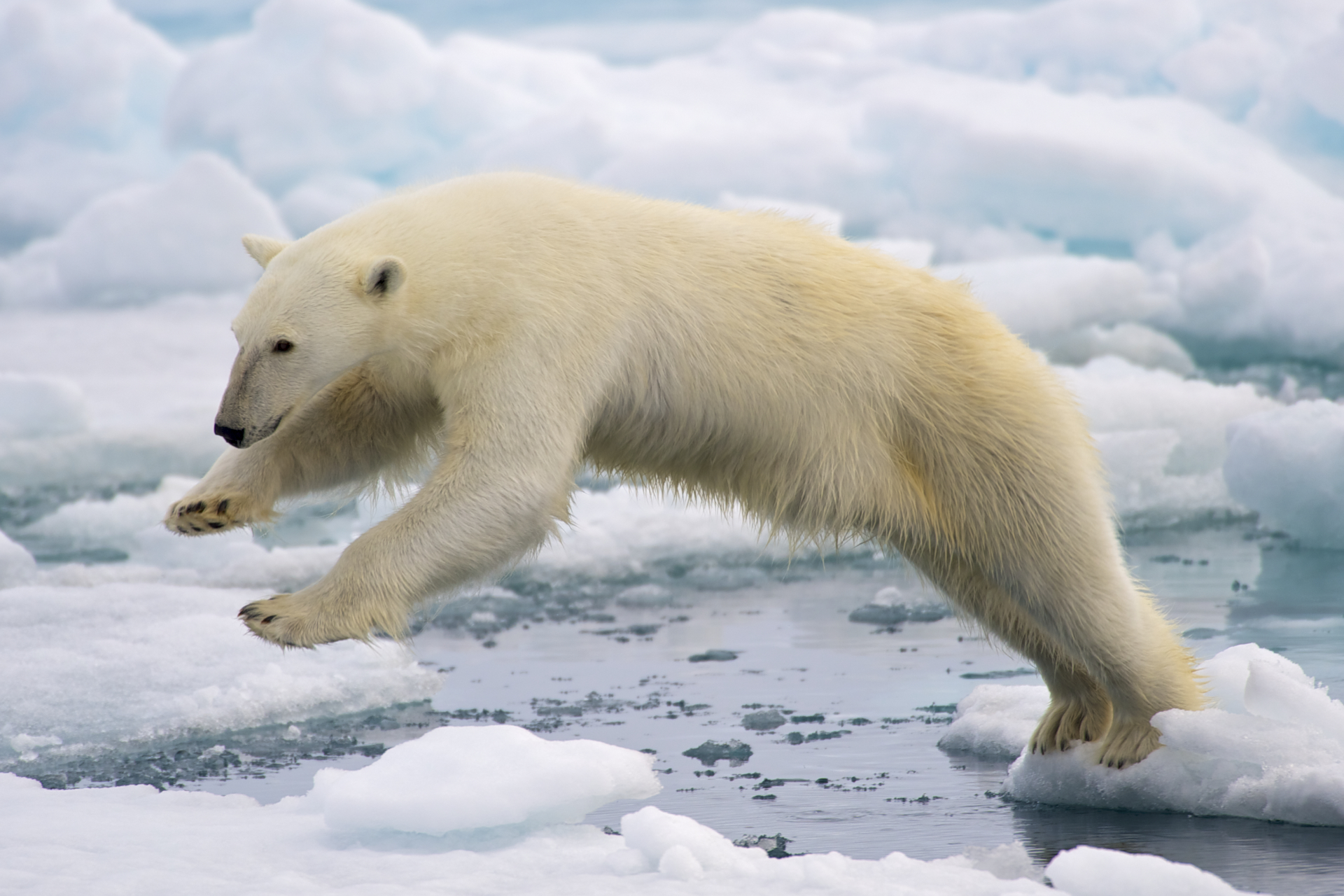
Among large terrestrial predators, polar bears stand out for their unusual willingness to investigate humans as potential prey. Living in harsh Arctic regions with limited food options, these bears are highly opportunistic hunters. Unlike many other bear species that primarily act defensively, polar bears are obligate carnivores that depend heavily on hunting. When hungry or curious, they may approach unfamiliar shapes or scents without hesitation. Their immense size, speed, and strength make any encounter extremely serious. Documented incidents suggest that predatory behavior, rather than territorial defense, sometimes drives attacks. Environmental pressures, particularly changing ice conditions, may also increase contact with human activity. While attacks remain rare, experts consistently regard polar bears as one of the few animals that may actively consider humans as prey.
2. Tigers
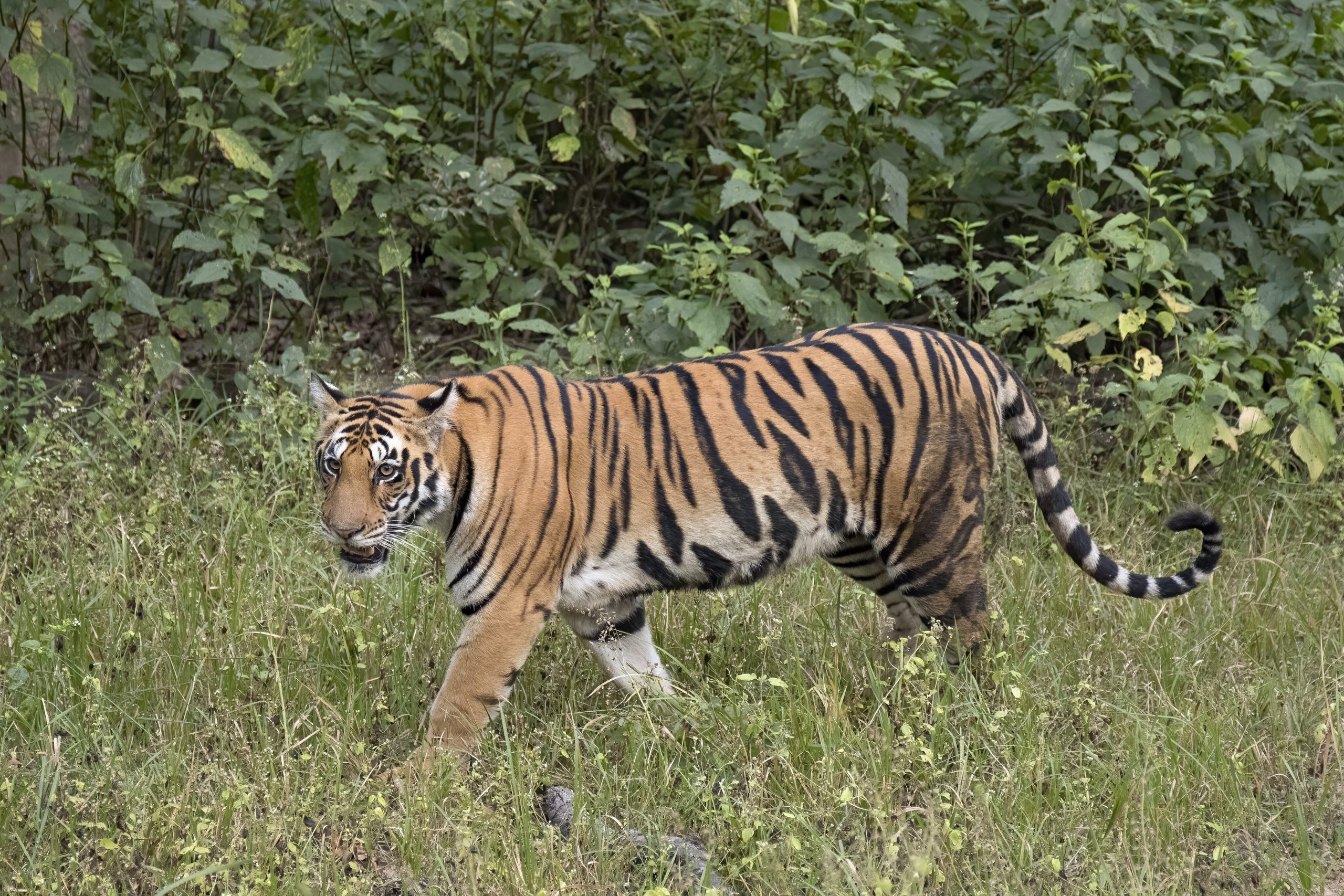
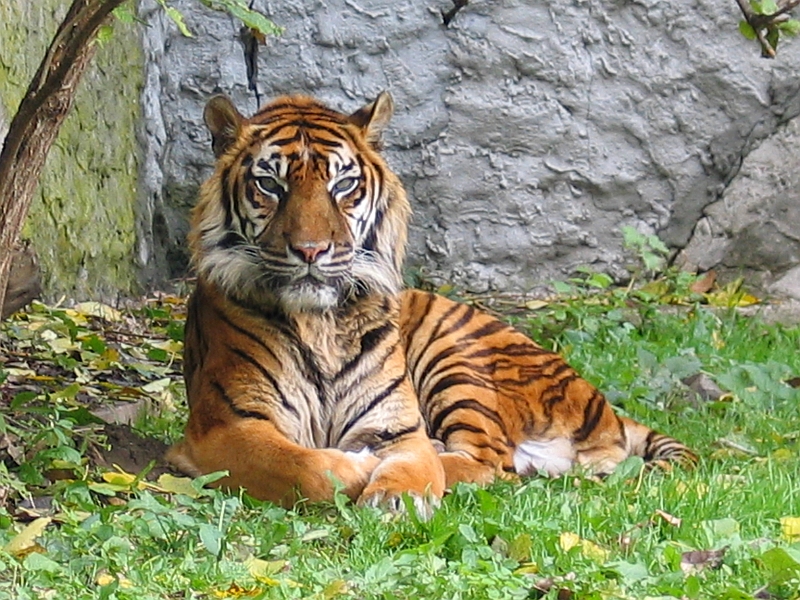
Tigers possess the stealth, patience, and physical capability associated with apex ambush predators. Although most tigers avoid humans, certain individuals have historically developed patterns of attacking people. These cases often involve injury, old age, or habitat disruption that reduces access to natural prey. A tiger’s hunting strategy relies on surprise, making humans vulnerable under the wrong circumstances. Dense vegetation and low-visibility environments increase risk. In regions where human settlements overlap with tiger territory, occasional predatory incidents have been recorded. Such animals typically become highly cautious and difficult to track. Despite these dangers, the vast majority of tigers do not display persistent aggression toward humans. The species’ reputation arises from isolated but dramatic events that highlight its formidable predatory efficiency and adaptability.
3. Nile Crocodiles
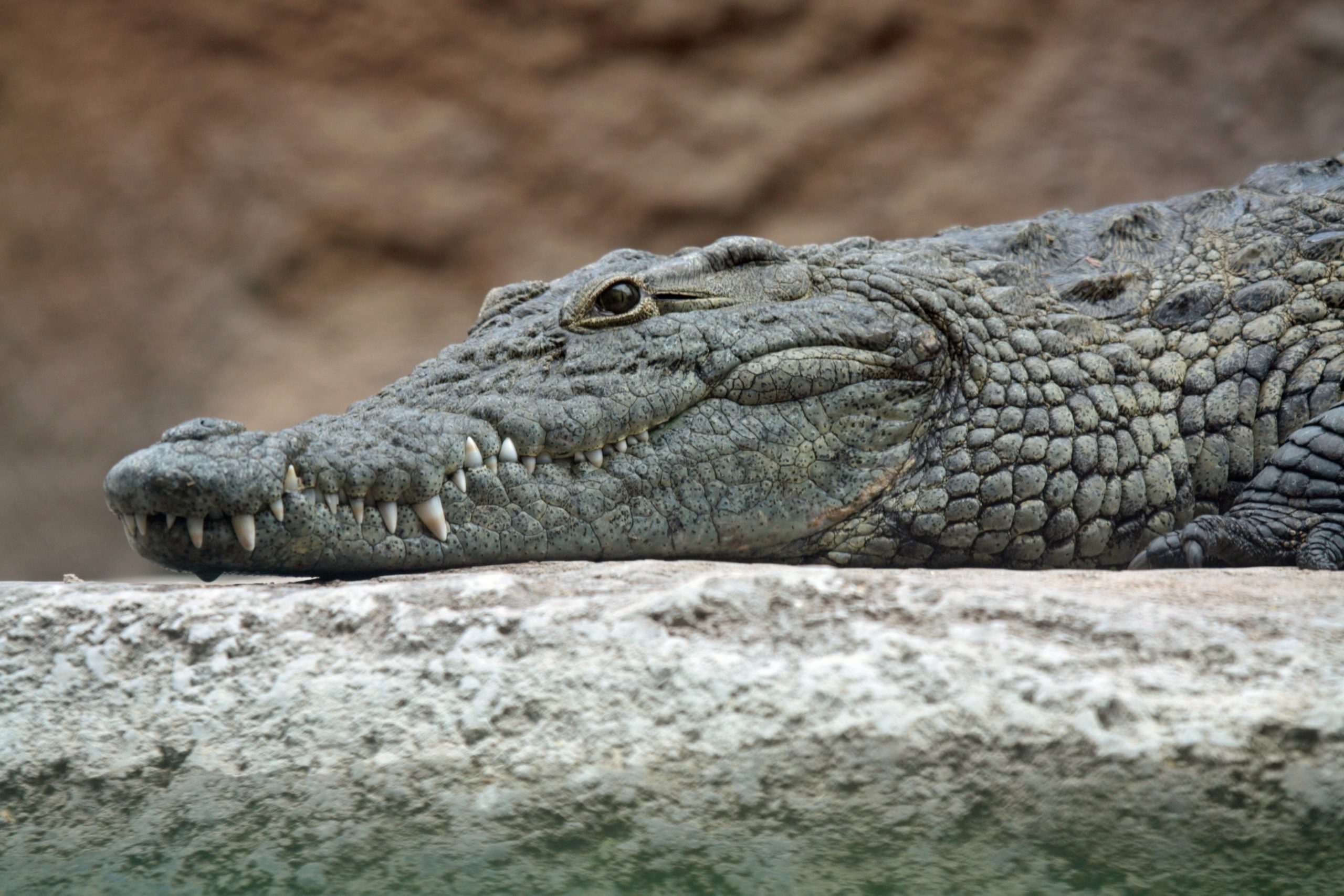
Nile crocodiles are responsible for more documented fatal attacks on humans than almost any other large predator. These reptiles are powerful ambush hunters perfectly adapted to aquatic environments. Their strategy involves patience, concealment, and explosive force. Humans near riverbanks or water sources may be perceived as prey, particularly when movements resemble those of natural targets. Crocodiles do not distinguish between typical wildlife and unfamiliar animals if opportunity presents itself. Their sensory abilities allow detection of vibrations and disturbances from surprising distances. Attacks can occur with little warning, emphasizing the importance of caution around crocodile habitats. While coexistence with human populations is common across Africa, risk remains significant in areas lacking protective infrastructure or awareness of crocodile behavior.
4. Lions
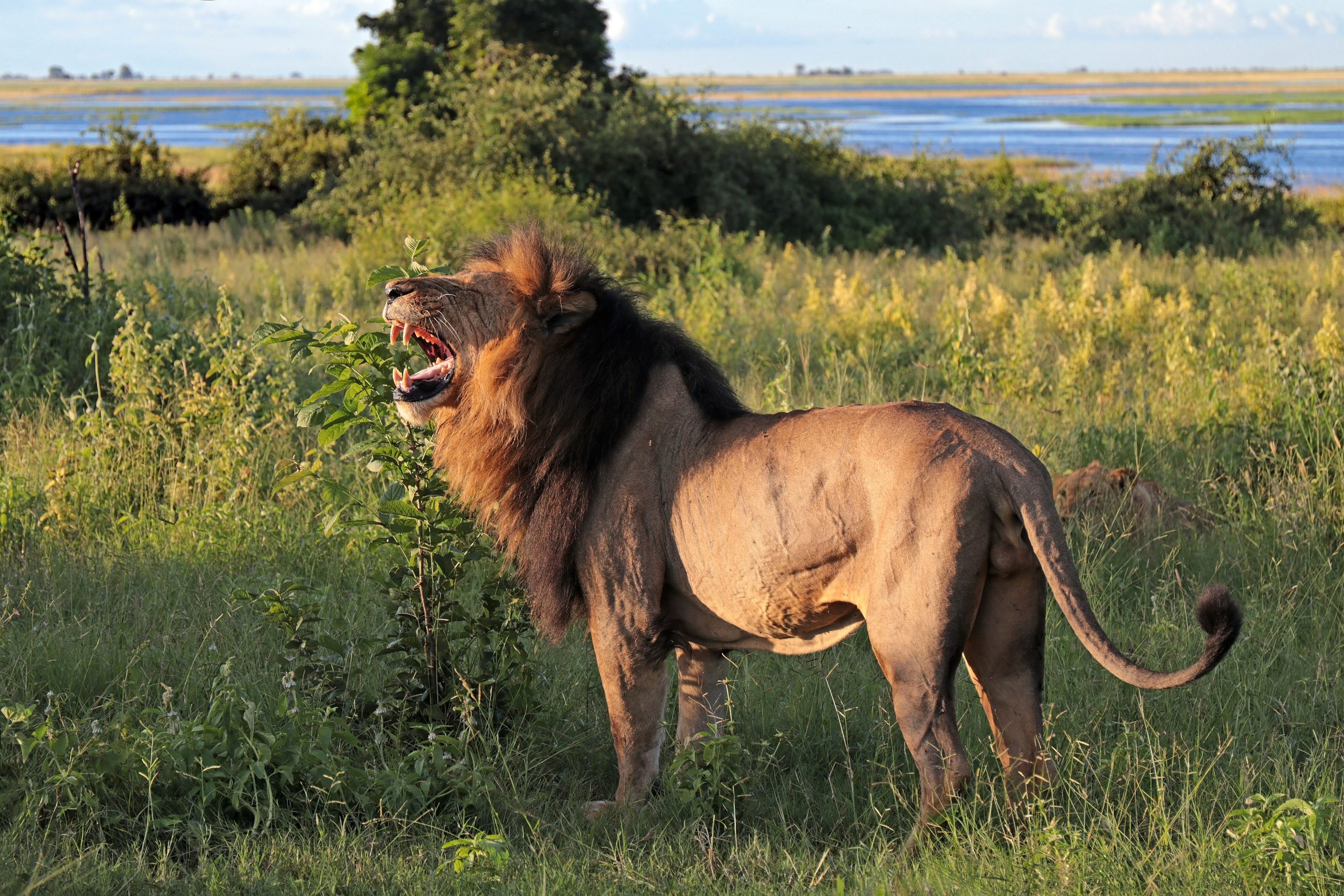
Lions are social predators with immense physical power and cooperative hunting instincts. Although they generally focus on traditional prey, history includes well-known cases of lions targeting humans. These rare events often correlate with environmental stress, injury, or unusual behavioral conditioning. Lions possess the confidence and strength to challenge large animals, including people. Encounters typically occur in regions where human presence intersects with hunting grounds. Nighttime activity increases vulnerability due to reduced visibility. Individual lions that develop predatory habits toward humans may repeat such behavior. Still, these incidents represent exceptions rather than norms. Lions remain primarily wildlife predators, yet their capacity for coordinated hunting and territorial dominance places them among species capable of dangerous predatory interactions.
5. Leopards
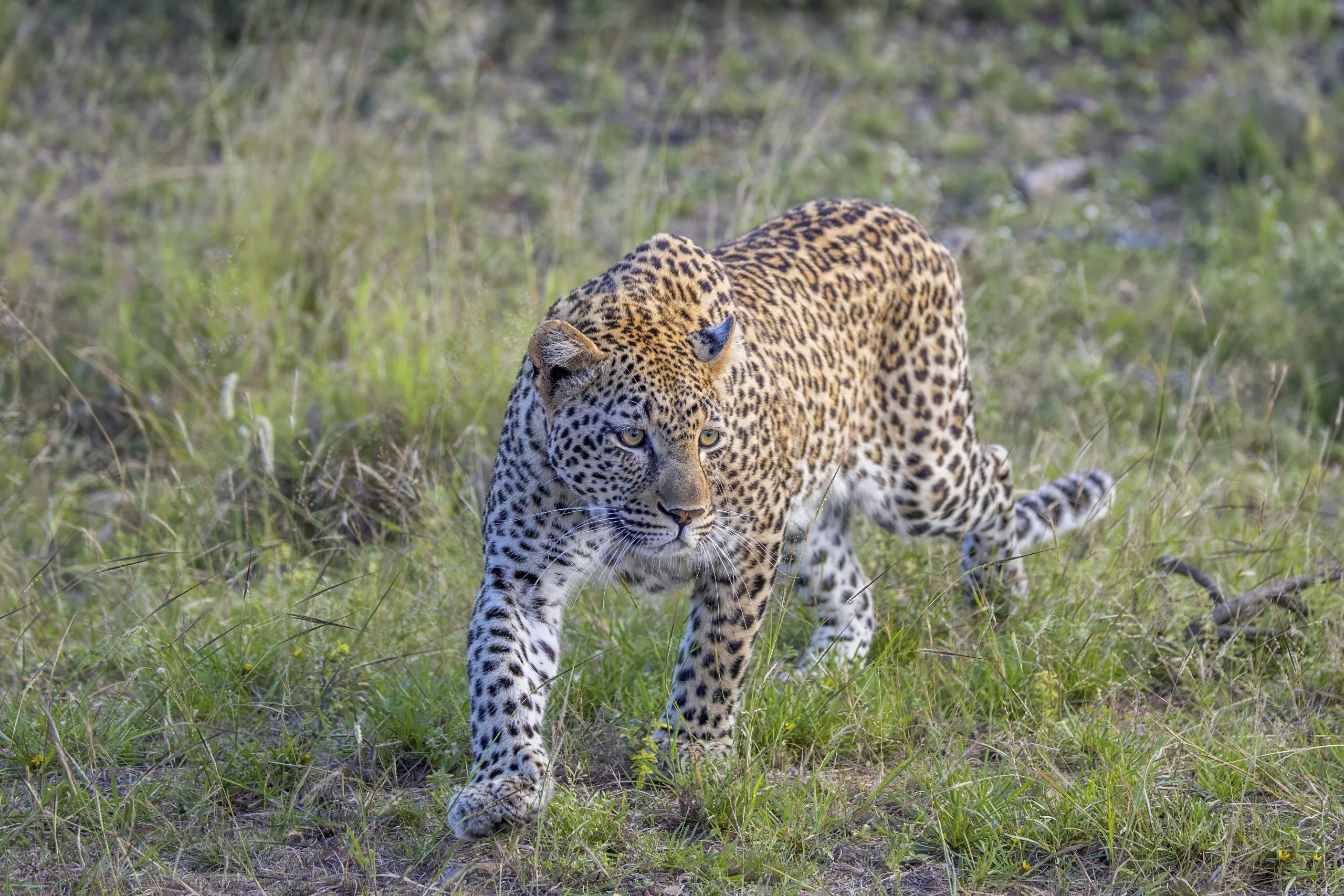
Leopards combine stealth, adaptability, and remarkable strength relative to their size. Their ability to thrive near human settlements increases the potential for conflict. Unlike more conspicuous predators, leopards are elusive and highly skilled at avoiding detection. Rare cases of repeated attacks on humans have been documented, sometimes linked to injury or scarcity of prey. Their ambush techniques allow a close approach without warning. Dense cover and nighttime conditions heighten risk. Leopards are exceptionally versatile hunters capable of targeting a wide range of animals. Most individuals avoid humans entirely, yet isolated incidents have shaped perceptions of their danger. The species’ secretive nature and proximity to human environments make awareness and precaution especially important in leopard-inhabited regions.
6. Saltwater Crocodiles
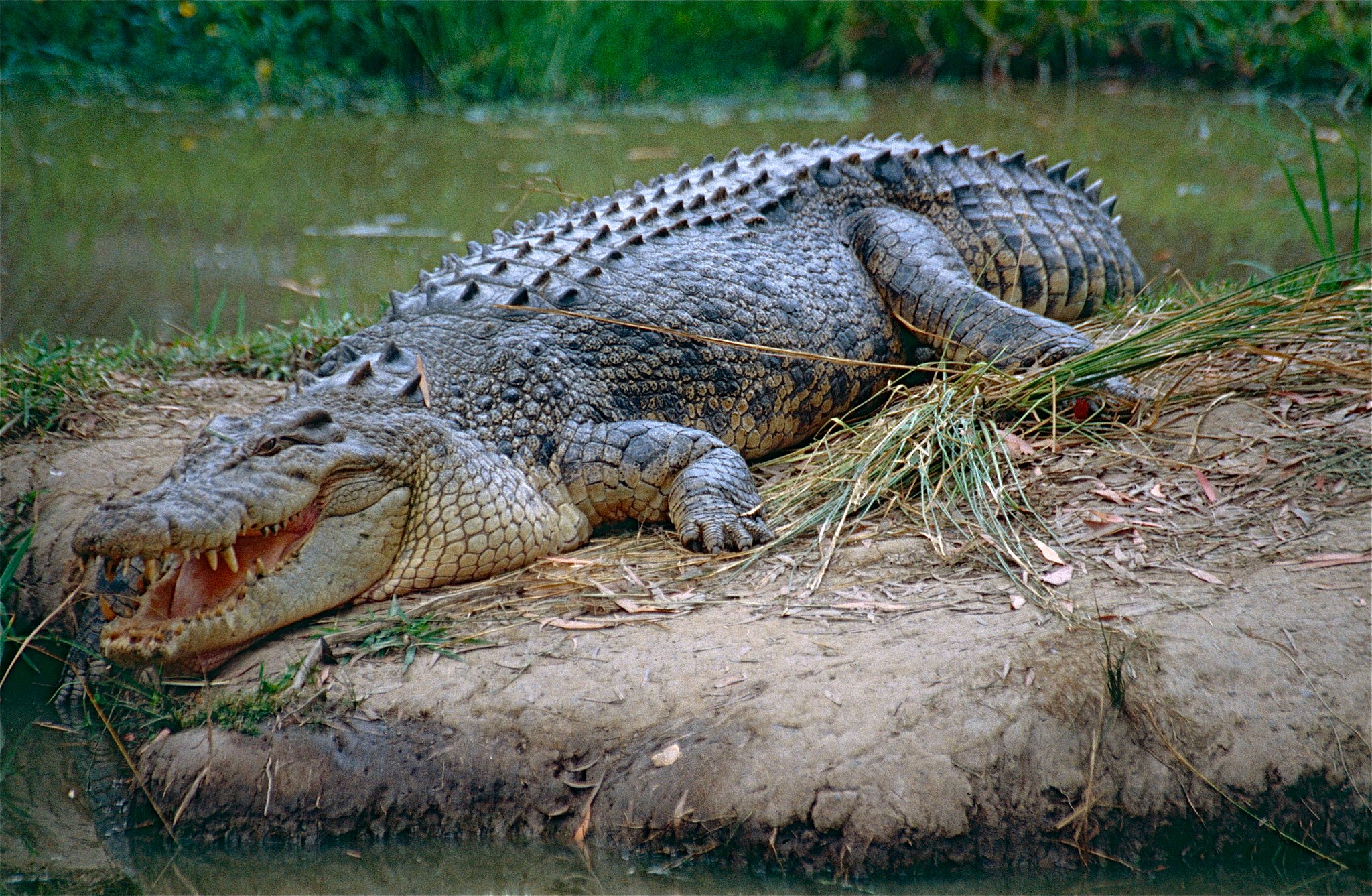
Saltwater crocodiles represent the largest living reptiles and among the most formidable aquatic predators. Their geographic range includes coastal regions and estuaries where human activity often occurs. These animals exhibit extreme territorial behavior and immense striking power. Opportunistic feeding patterns mean that humans entering the water may be perceived as potential prey. Their attacks are sudden, rapid, and overwhelmingly forceful. Visibility conditions frequently obscure danger until moments before contact. While many areas maintain safety measures, encounters still occur. Saltwater crocodiles illustrate how size, patience, and ambush capability combine to create serious risk. Respecting habitat boundaries remains the most effective strategy for reducing dangerous interactions with these powerful reptiles.
7. Great White Sharks
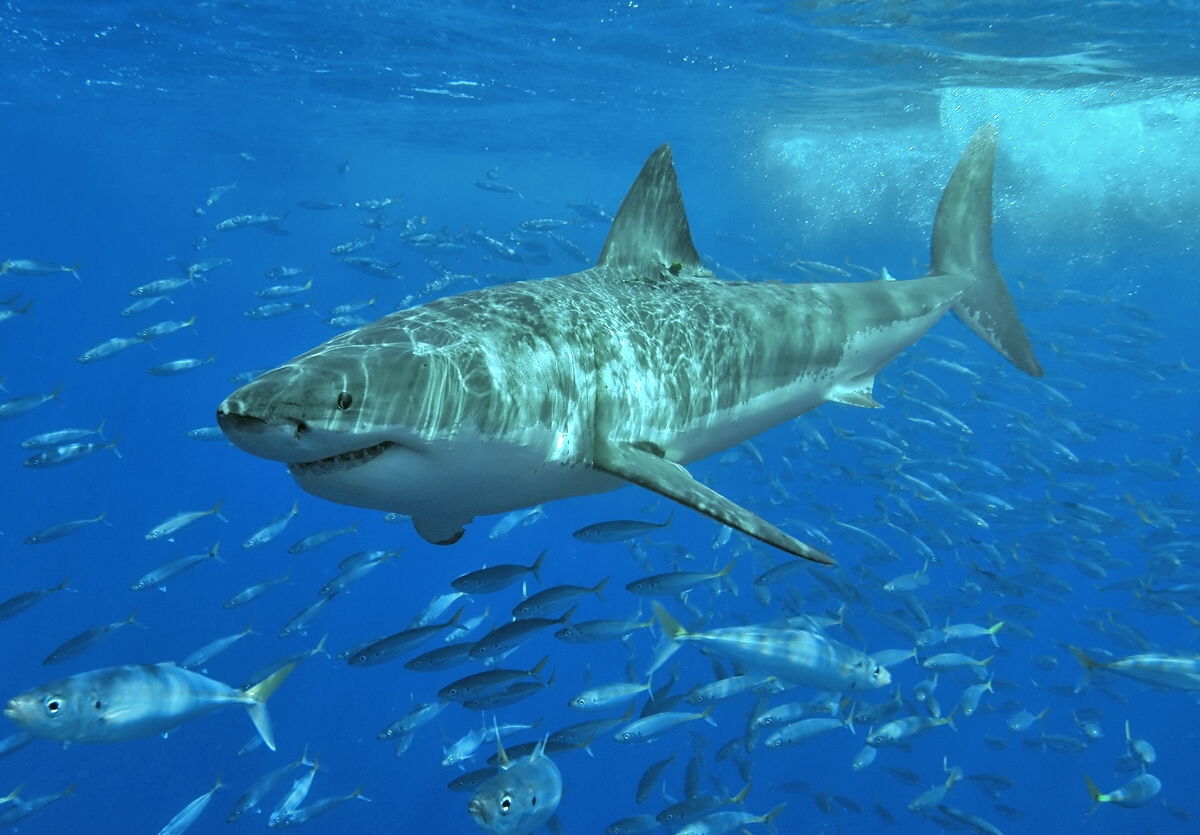
Great white sharks occupy a unique place in discussions of predatory wildlife. These ocean predators possess extraordinary sensory systems and powerful hunting instincts. While most interactions with humans appear exploratory rather than deliberate predation, rare fatal incidents do occur. Mistaken identity, curiosity, and environmental factors influence behavior. Their speed and strength make encounters inherently dangerous despite low overall probability. Coastal regions with seal populations often see higher shark activity. Attacks remain statistically uncommon relative to human ocean use, yet their unpredictability draws attention. Great whites do not specifically hunt humans as preferred prey, but their investigative bites can have severe consequences. Understanding shark behavior emphasizes respect for marine ecosystems rather than fear-driven conclusions.