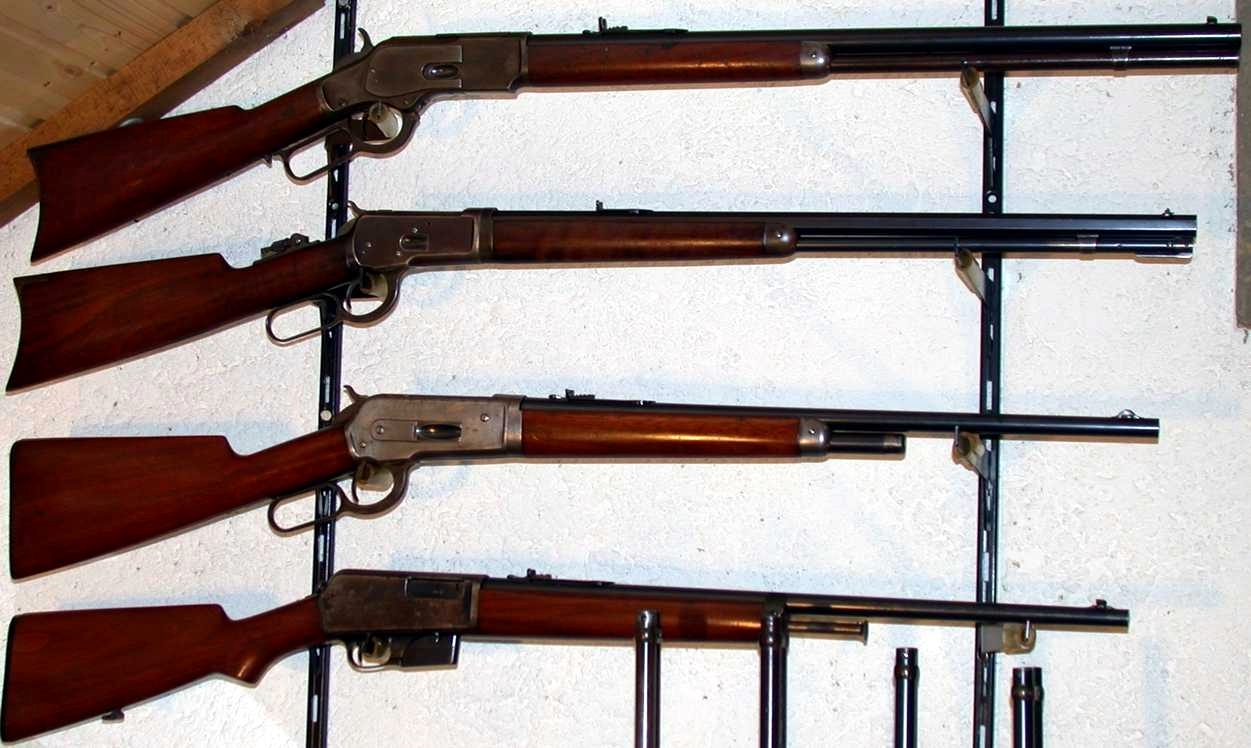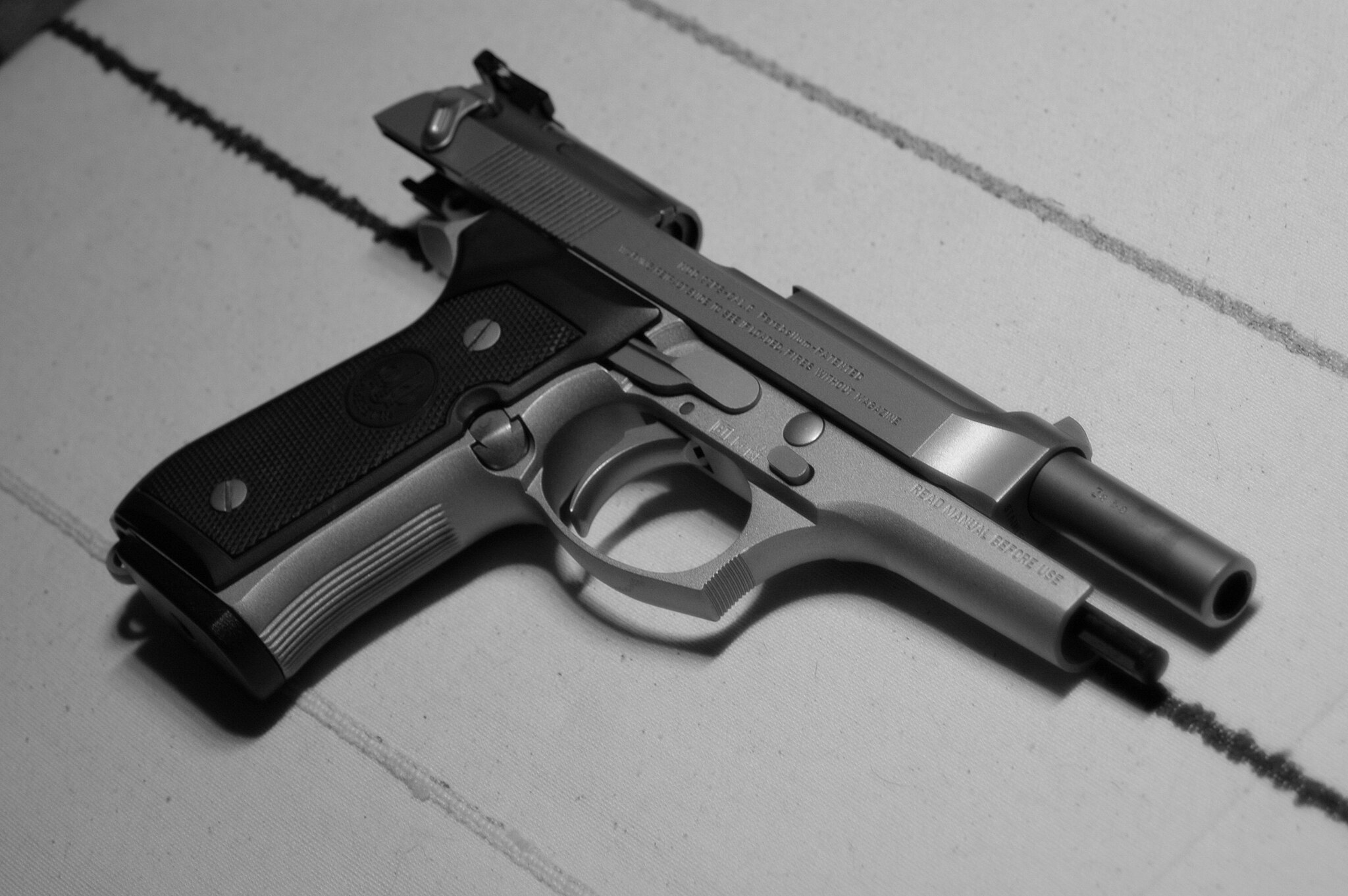
Firearm regulations rarely change, only paperwork, since they can also influence which models companies submit for state approval, how products get labeled, and what configurations ship to restricted markets. In places with strict requirements, manufacturers and distributors often lean on compliant variants or state-specific packages so buyers and dealers can follow local rules with less confusion. The result is a marketplace where the same family of pistols may appear under different names, with different catalog codes, or with different included accessories depending on jurisdiction. These six examples keep the focus on policy-driven product strategy, not modification details.
Glock Gen 3 Roster Models In California
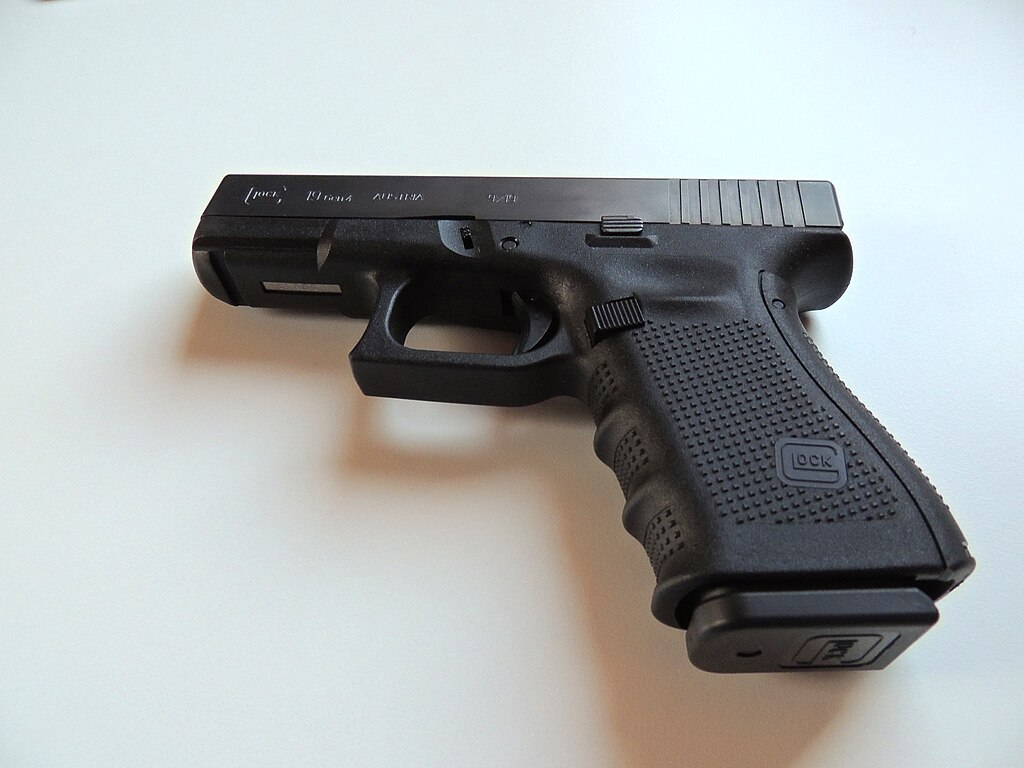
California maintains a roster of handguns certified for sale through licensed dealers, so roster status heavily shapes what appears in shops. Glock’s roster presence is widely associated with older-generation listings, which has made Gen 3 variants a commonly referenced example of a compliant lineup that remains available while newer versions often do not. The practical effect is less about mechanics and more about consumer-facing reality, since buyers typically look for roster-listed model names and exact SKU matchups. California’s Department of Justice publishes roster information, including recently added models, which underscores how approvals drive availability.
Smith And Wesson M&P Shield California Listings
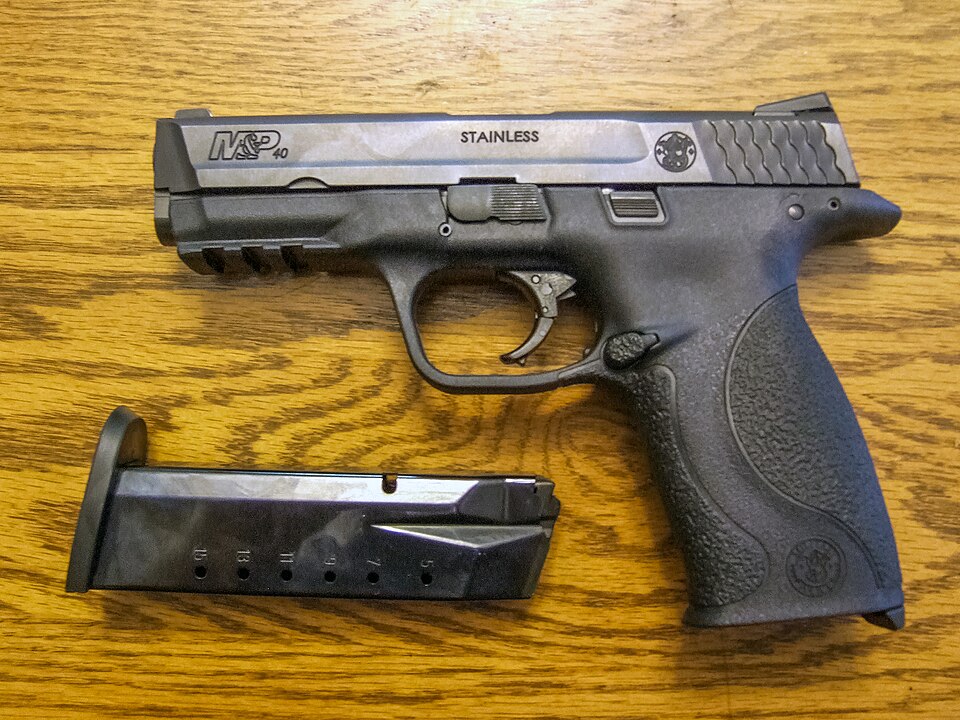
A second example comes from California roster listings that include specific pistol variants from major makers, including Smith and Wesson’s M&P Shield line. In roster states, companies often prioritize getting certain models certified, then keep those approved listings consistent so dealers can sell them through standard channels. That can lead to a clearly identified California-legal version that appears in product descriptions and dealer catalogs as roster-compliant. The key point is not a secret redesign but a compliance pathway, where exact model identification matters for lawful retail transfer. California’s roster framework makes those listings central to what consumers see.
Springfield Armory 1911 “CA” Packages
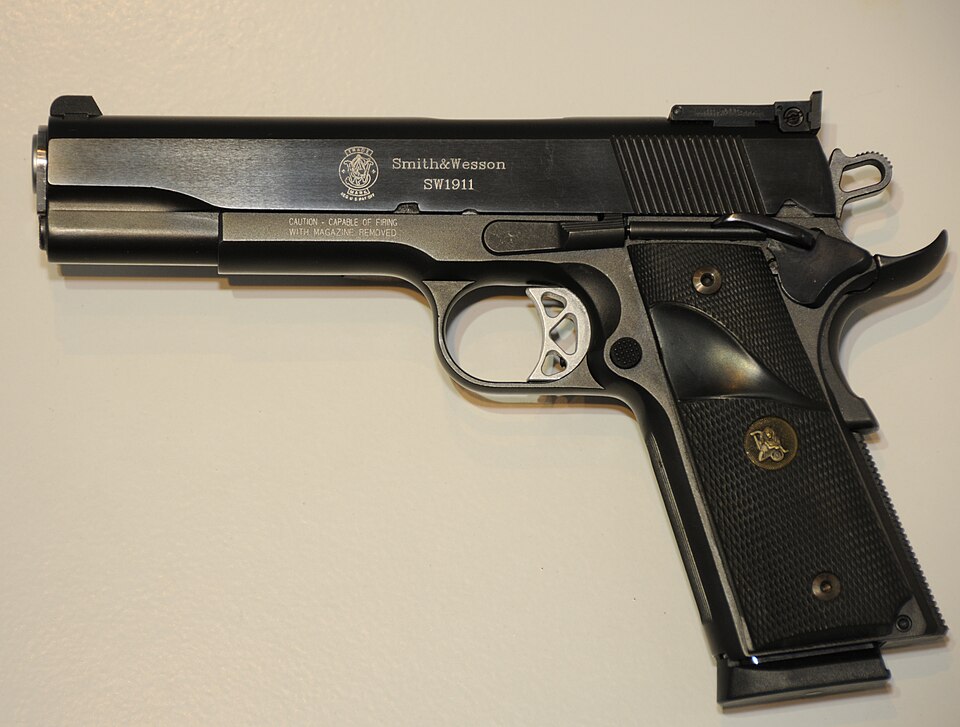
Some pistols appear as state-identified packages that simplify dealer compliance and buyer selection without relying on informal interpretations. Springfield Armory 1911 variants commonly show up in California-oriented catalogs with labeling that signals roster alignment, often paired with state-appropriate accessories like limited-capacity magazines where relevant. This approach treats compliance as a packaging and cataloging problem, ensuring the item shipped matches what a dealer can legally transfer in that market. The broader pattern shows how strict rules can lead to a distinct, state-recognizable offering even when the core model family exists nationwide in other versions.
Sig Sauer P226 California-Approved Variants
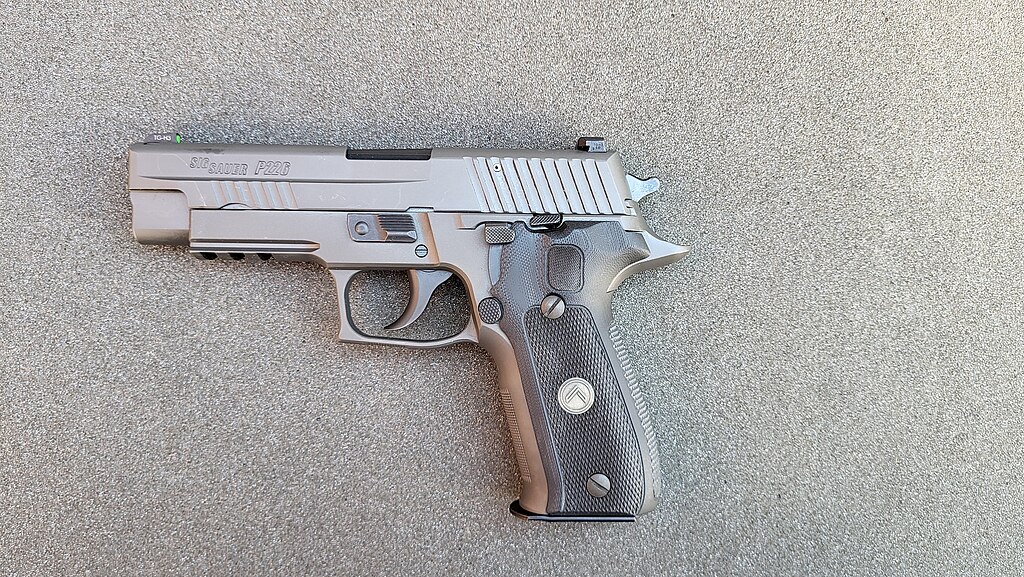
Sig Sauer models also illustrate how roster states can shape which versions are commonly encountered at retail. In Massachusetts, for example, the state publishes approved firearms rosters that supersede older versions, and dealers often rely on those lists when stocking handguns. That environment tends to favor clearly identified variants with consistent names and codes that match roster entries, reducing transaction risk. The dynamic resembles California’s approach in outcome, even if legal structures differ, since compliant variants become the practical “default” in that market. Official roster publication makes the compliance signal visible and checkable.
Ruger Mark IV California Roster Entries
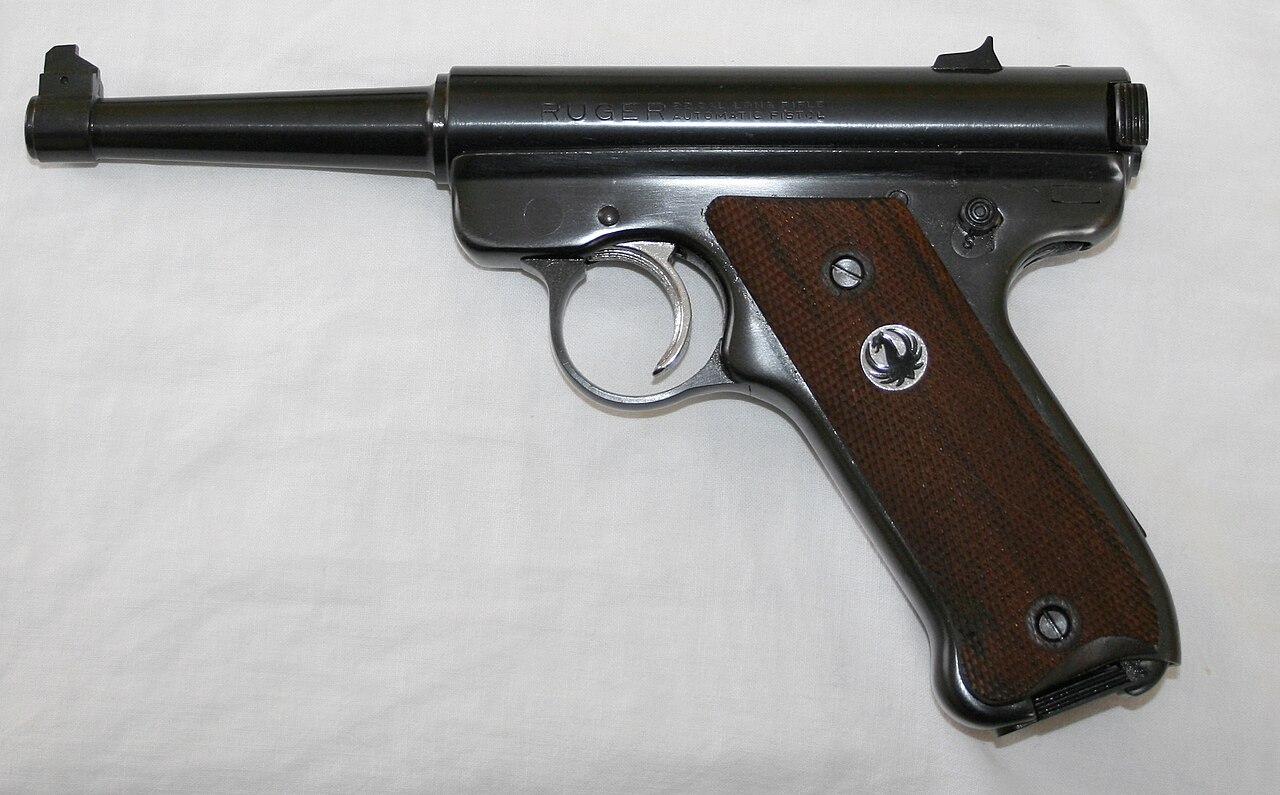
Ruger’s Mark series pistols provide another example of how roster systems influence market presence through published approvals and model specificity. When a state roster governs dealer sales, consumers often search for the exact roster-listed designation, not just the broader product family name. That pressure encourages manufacturers and distributors to treat certain variants as the ones worth keeping continuously available in restricted markets. California’s public roster updates reinforce the idea that legality can hinge on precise model identification rather than general brand recognition. In everyday terms, the roster functions as a filter that effectively curates which versions stay mainstream in that state.
Beretta 92FS Ten-Round State Packages
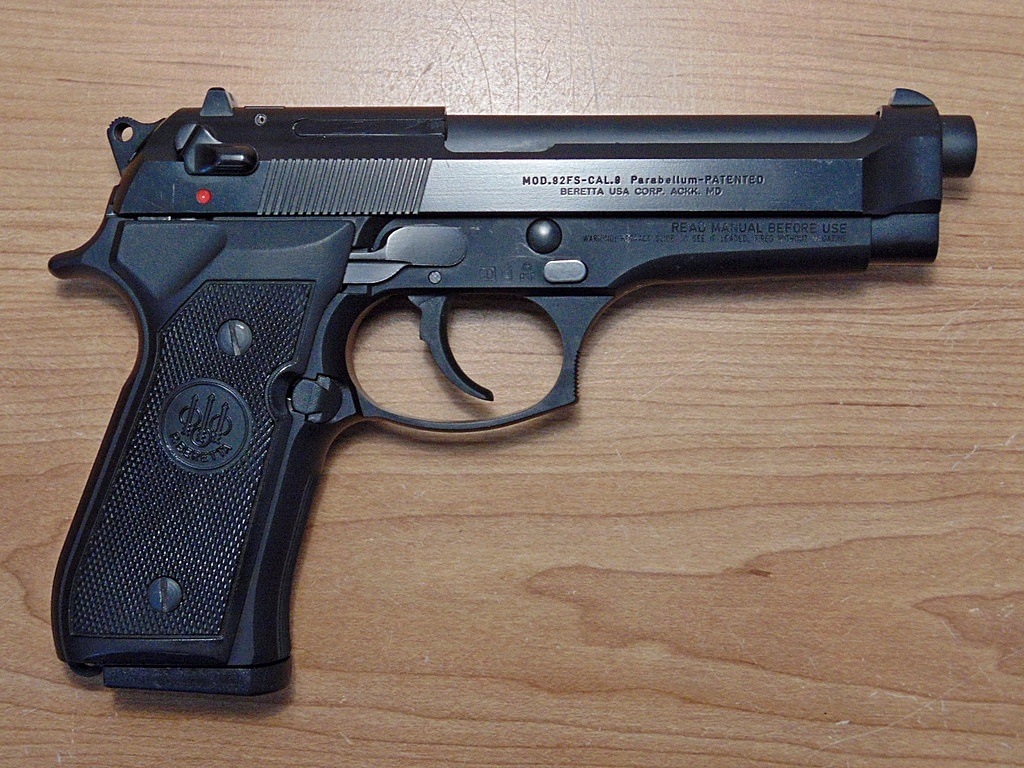
Magazine-capacity limits in several states have also shaped the way pistols are sold, often through factory or distributor packages that ship with compliant magazines. Beretta’s long-running 92FS platform frequently appears in listings that specify ten-round magazines for restricted jurisdictions, creating a clear, state-friendly retail package even when higher-capacity options exist elsewhere. The compliance signal shows up in product descriptions and SKU details, helping dealers avoid mismatches in regulated markets. Because magazine limits vary by state and can be legally consequential, owners often check current state rules before travel or purchase, keeping the emphasis on compliance clarity.