Switching ammunition types seems simple, yet it often introduces unexpected challenges that affect accuracy, safety, and overall hunting success. Different cartridges, bullet weights, and designs behave uniquely inside firearms, even when calibers appear similar. Hunters sometimes underestimate how small changes influence recoil, trajectory, and terminal performance in real conditions. These mistakes usually emerge from assumptions rather than carelessness. Understanding how ammunition interacts with rifles, optics, and environments helps prevent problems before they happen. By recognizing these common errors, hunters can adapt confidently, protect equipment, and maintain ethical, effective shots across varying game, distances, seasons, terrains, weather, expectations, habits, routines, skills, experience levels, and field conditions.
Ignoring Rifle Zero Changes
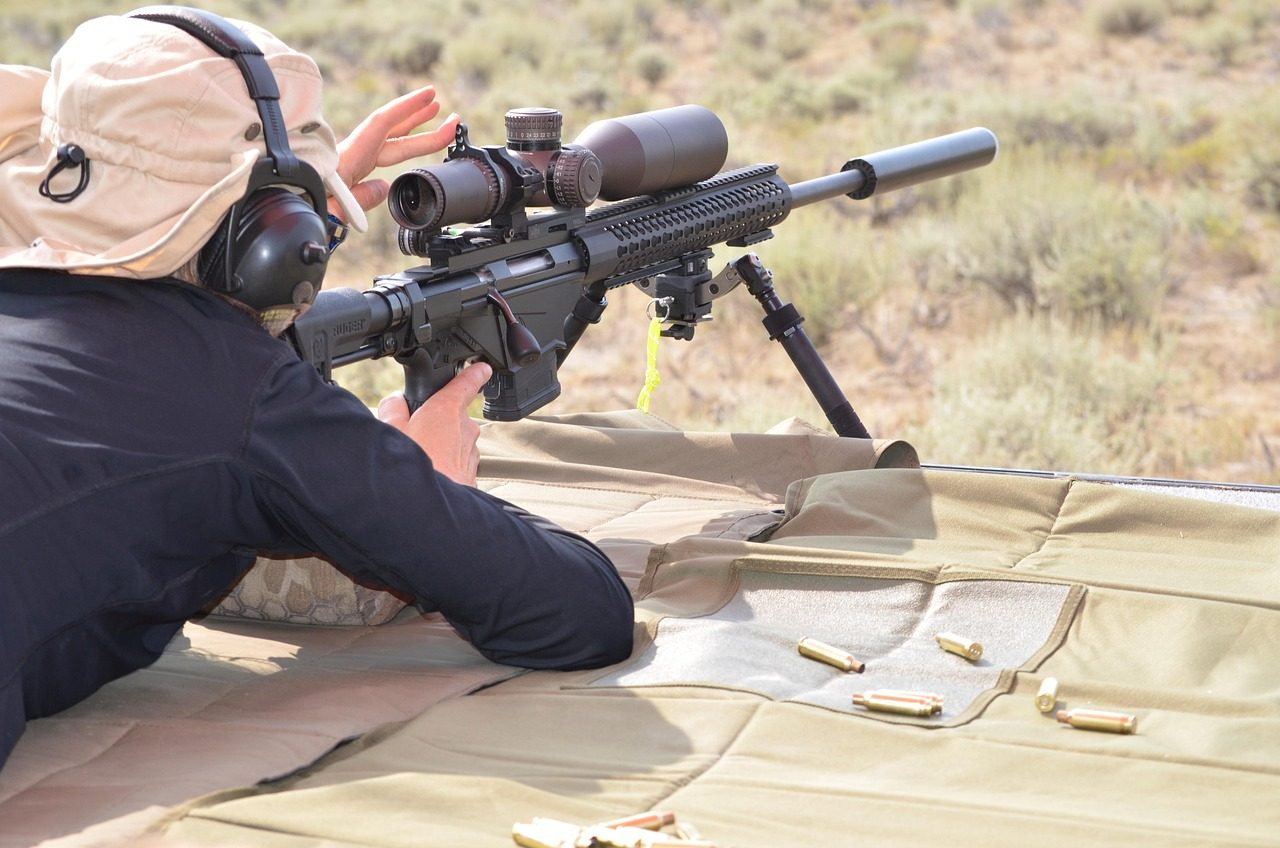
Many hunters switch ammunition without rechecking rifle zero, assuming point of impact remains unchanged. Different bullet weights, velocities, and shapes alter how a round travels once fired. Even small variations can shift impact several inches at common hunting distances. Rifles respond uniquely to each load based on barrel harmonics and pressure. Skipping a new zero confirmation risks poor shot placement and wounded game. Spending time at the range ensures sights or scopes align with the new ammunition. Confirming zero under realistic distances and positions builds confidence and maintains accuracy when it matters most in the field during real hunts.
Overlooking Bullet Construction Differences
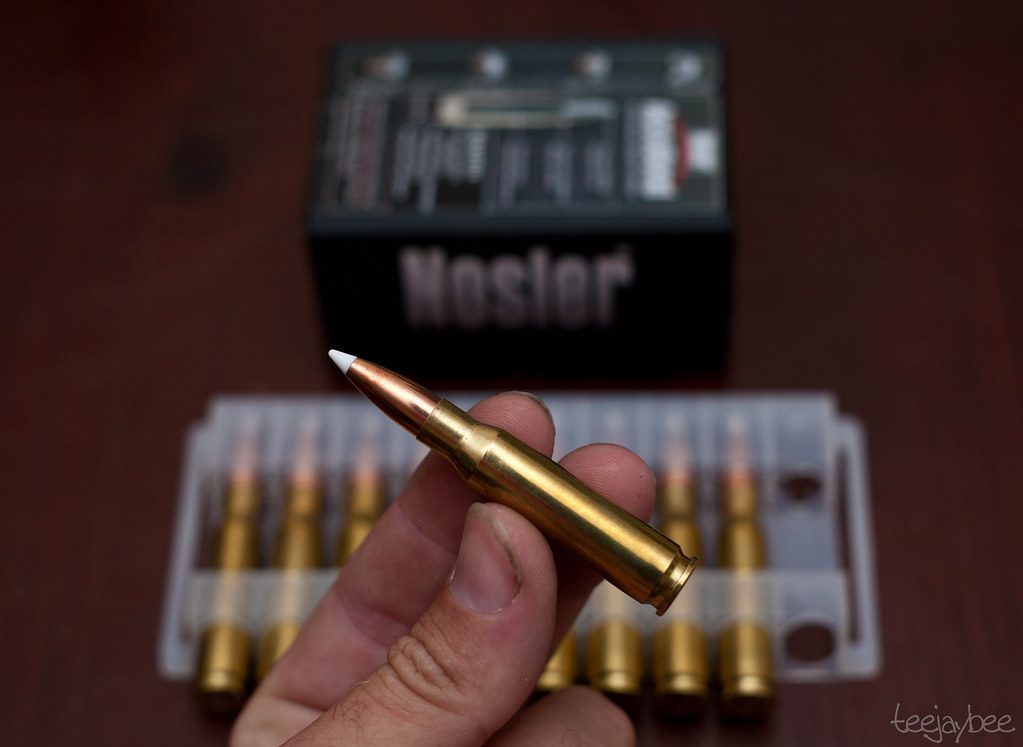
Hunters often focus on caliber while overlooking bullet construction differences when switching ammunition. Soft point, bonded, copper, and polymer tipped bullets behave differently on impact. Penetration, expansion, and energy transfer vary depending on design and intended game. Using the wrong construction may result in insufficient penetration or excessive damage. Ethical hunting depends on matching bullet performance to animal size and distance. Understanding how construction affects terminal behavior helps ensure clean harvests. Reading manufacturer specifications and field testing performance provides clarity before relying on unfamiliar ammunition during a hunt where conditions, angles, and ranges change unpredictably.
Failing To Check Feeding And Cycling

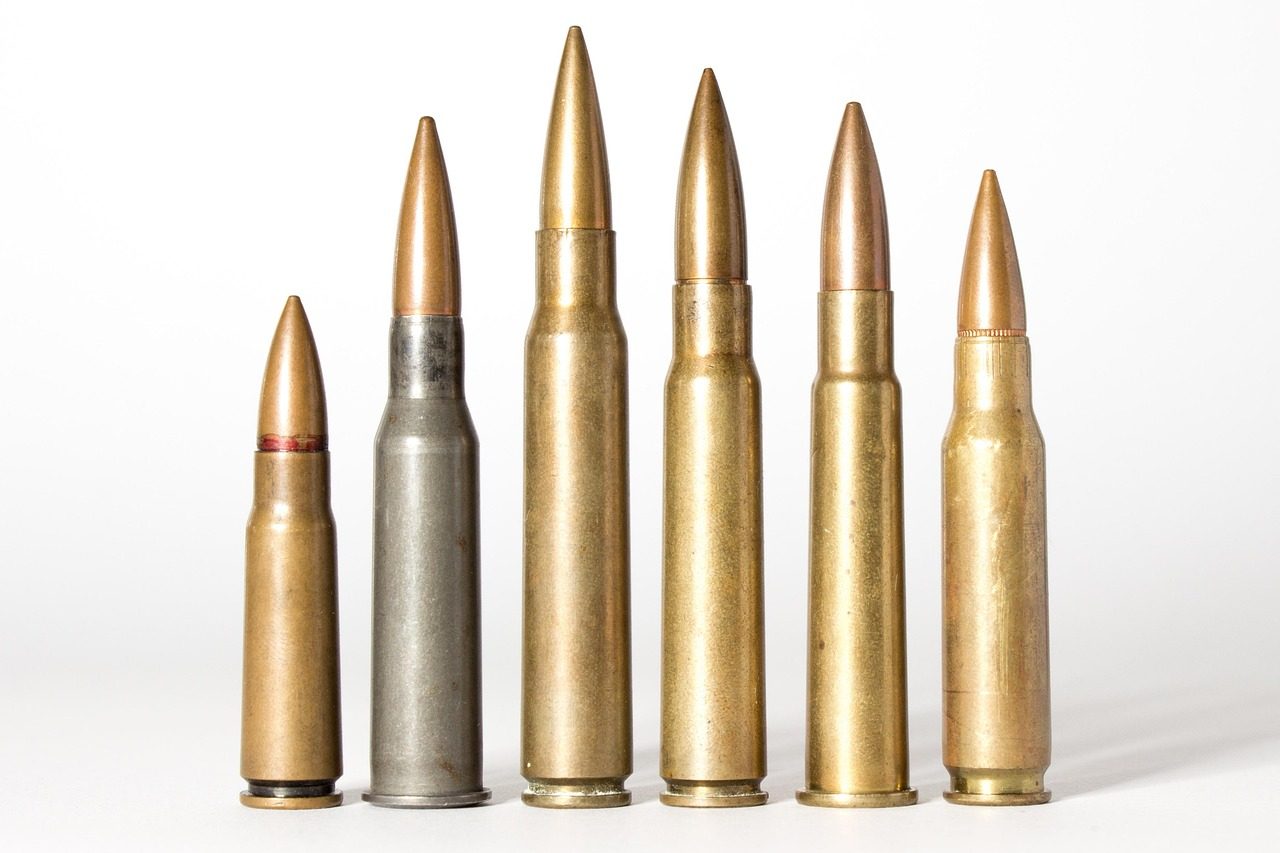
Switching ammunition can affect how reliably a firearm feeds and cycles, especially in semi automatic rifles. Cartridge length, case shape, and bullet profile influence magazine feeding and chambering. Some loads that shoot accurately may cause jams under field conditions. Hunters who skip function testing risk malfunctions during critical moments. Running several magazines or full cycles at the range verifies reliability. This step matters even more in cold, dirty, or stressful environments. Confirming smooth operation prevents missed opportunities and ensures safety when follow up shots become necessary during real hunts across varying terrain, weather, and movement scenarios.
Misjudging Recoil And Follow Up Shots
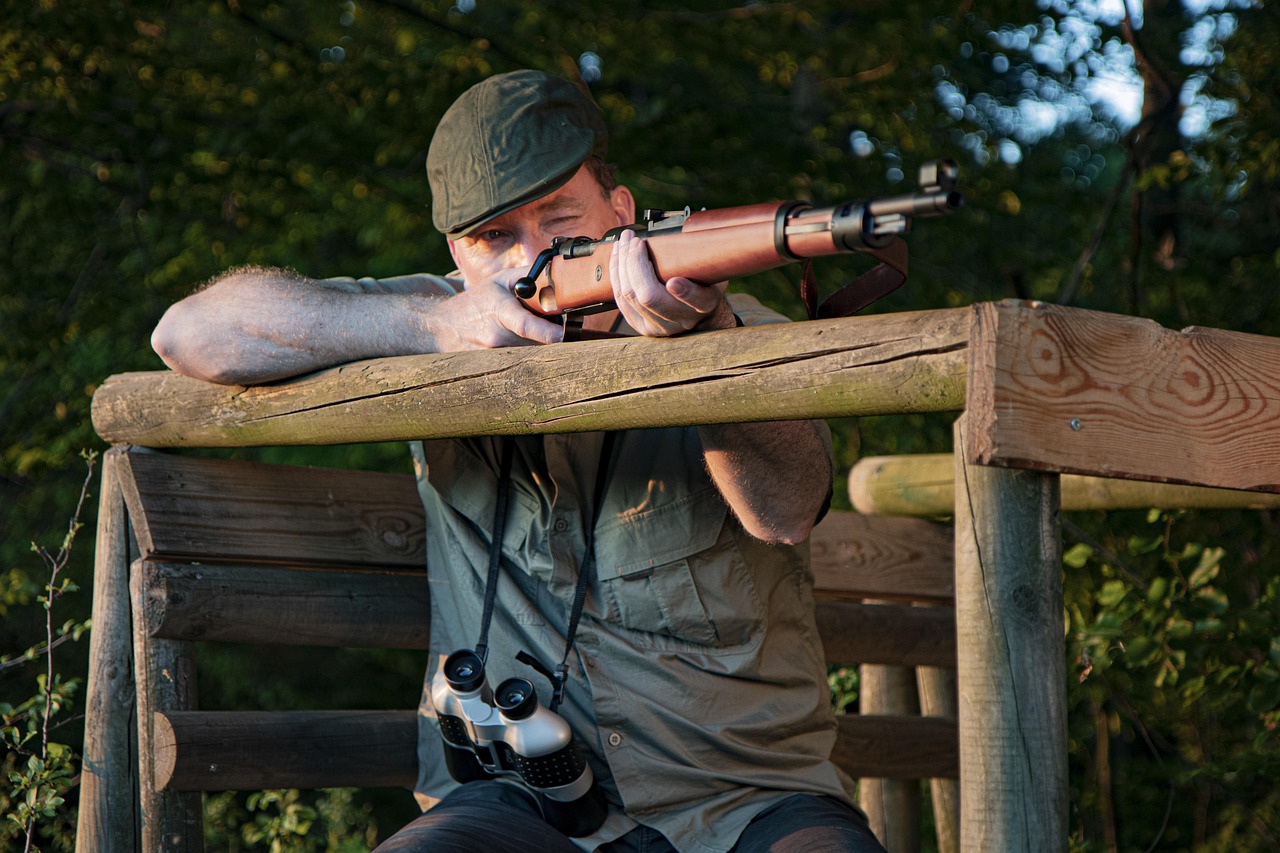
Different ammunition types can significantly change recoil characteristics, affecting control and follow up shots. Higher velocity or heavier bullets often increase felt recoil and muzzle rise. Hunters accustomed to softer shooting loads may struggle with accuracy when recoil changes unexpectedly. Poor recoil management can lead to flinching or delayed second shots. Practicing with the new ammunition helps recalibrate expectations and shooting form. Understanding recoil differences also aids in choosing loads appropriate for personal comfort and firearm design. Consistent practice ensures controlled shooting and accurate placement under real hunting conditions where timing matters.
Assuming Ballistics Stay The Same

Hunters sometimes assume ballistic performance remains similar when switching ammunition within the same caliber. In reality, velocity, ballistic coefficient, and bullet weight change trajectory and wind drift. A load that shoots flat at one distance may drop differently beyond that range. Failing to confirm ballistic data can lead to missed or poorly placed shots. Recalculating drop charts or updating ballistic apps ensures accurate holdovers. Testing at multiple distances validates real world performance. Understanding external ballistics helps hunters adapt to new loads confidently across varying ranges, elevations, temperatures, and wind conditions encountered during hunts.
Neglecting Legal And Manufacturer Guidelines

Switching ammunition without checking regulations or firearm guidelines creates unnecessary risk. Hunting laws often specify legal calibers or bullet types for certain game. Using prohibited ammunition can result in penalties. Additionally, firearm manufacturers recommend specific pressure ratings or cartridge specifications. Ignoring these guidelines may damage equipment or compromise safety. Verifying compliance protects both hunter and firearm. Reading manuals and local regulations ensures responsible use. This diligence supports ethical hunting practices and prevents costly mistakes when changing ammunition types across seasons, locations, species, and jurisdictions where rules and equipment limitations vary consistently.