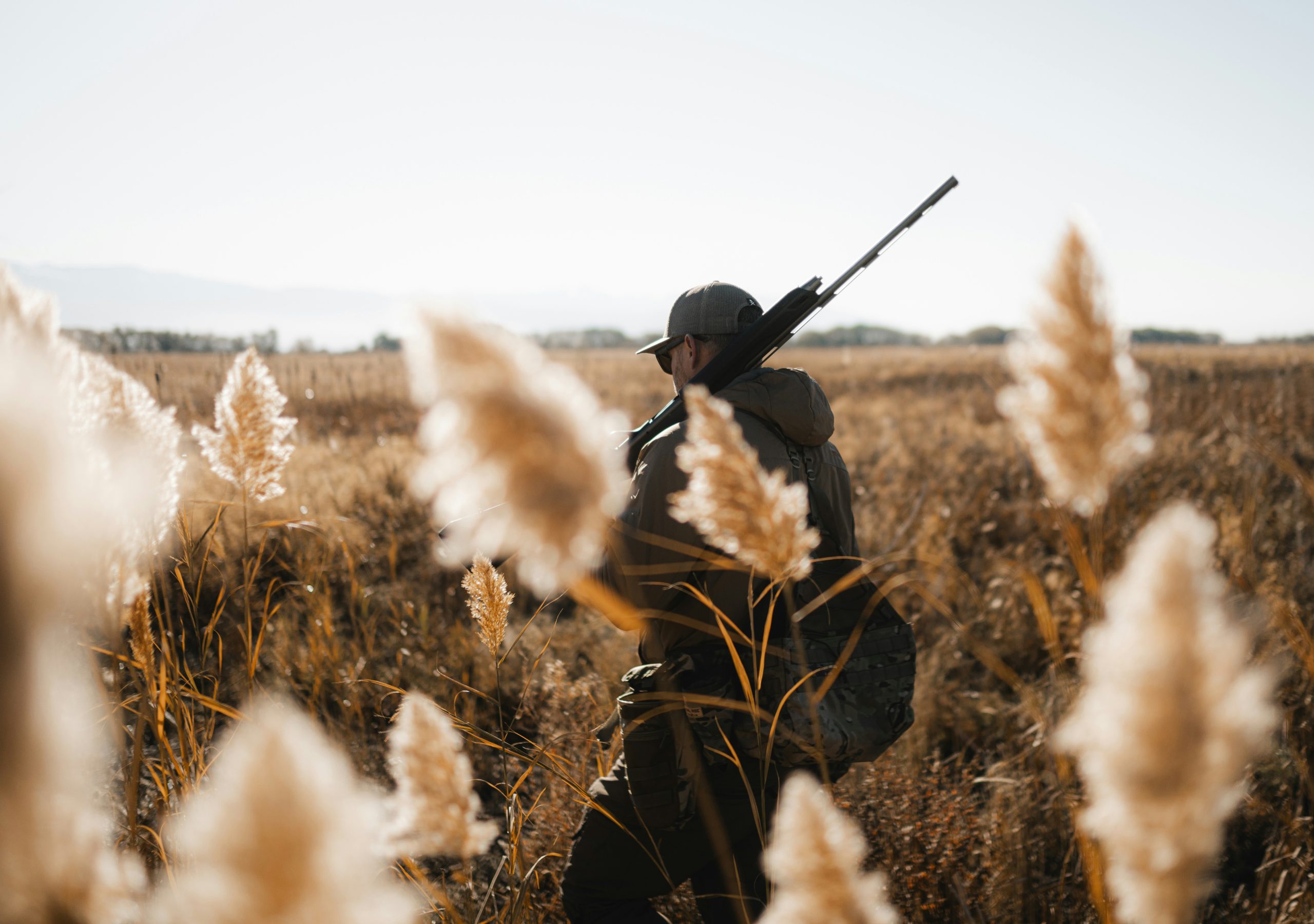
Most hunters rely on familiar tactics like spot-and-stalk or ambush hunting, but the backcountry offers opportunities for less common, highly effective techniques. These methods remain legal yet are rarely used due to their complexity, preparation, or need for specific knowledge. Exploring them can increase success rates while providing a deeper connection with the wilderness, testing both skill and strategy beyond conventional hunting.
1. Still Hunting
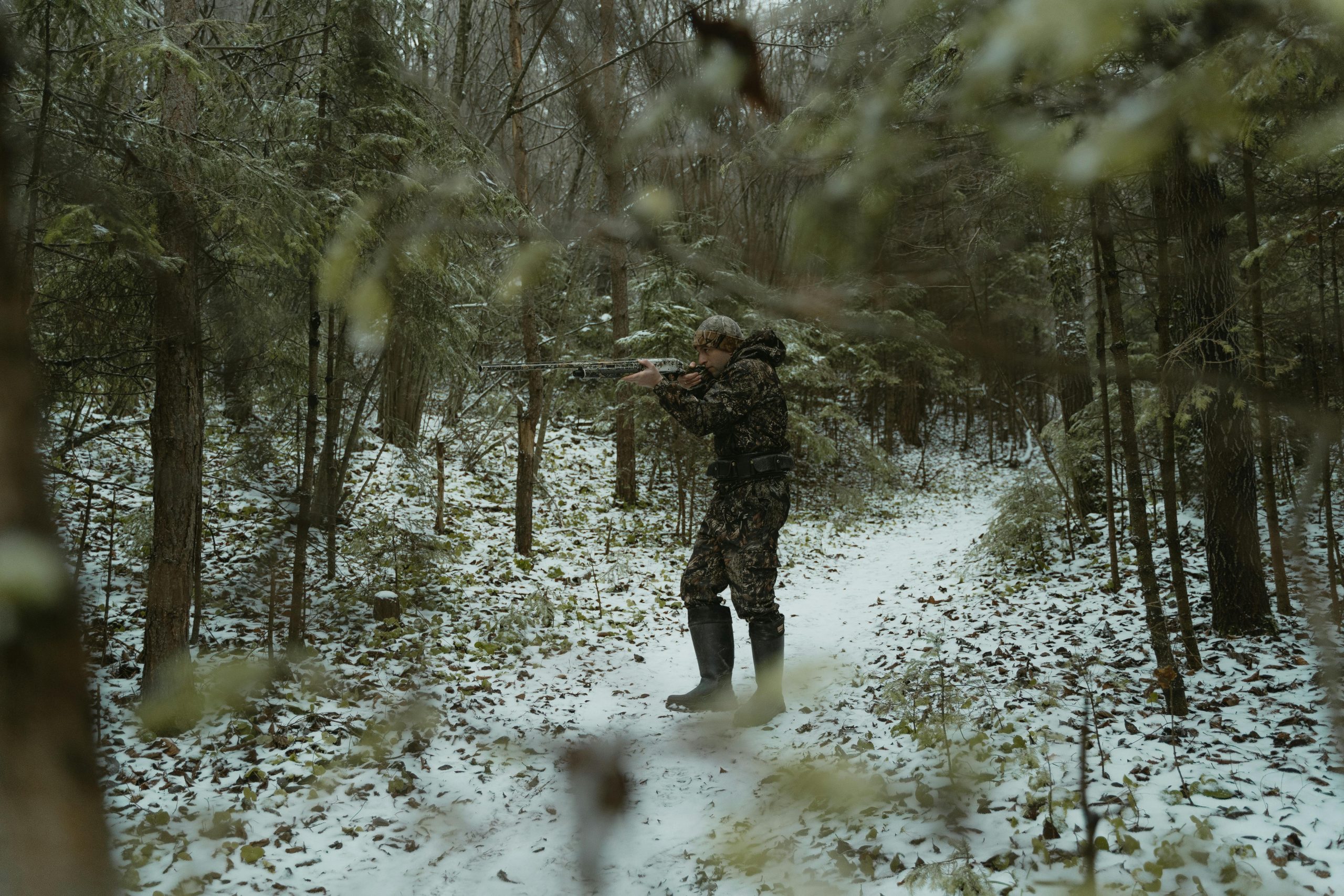
Still hunting involves moving slowly and silently through the animal’s habitat, pausing frequently to scan for signs. Unlike typical spot and stalk hunting, it requires patience and careful observation of wind direction, animal trails, and natural cover. Hunters must control breathing and minimize movement, blending into the environment. This technique works best in heavily wooded or mountainous terrain and can result in encounters with wary game that traditional tactics might miss.
2. Ambush Hunting from Natural Blinds
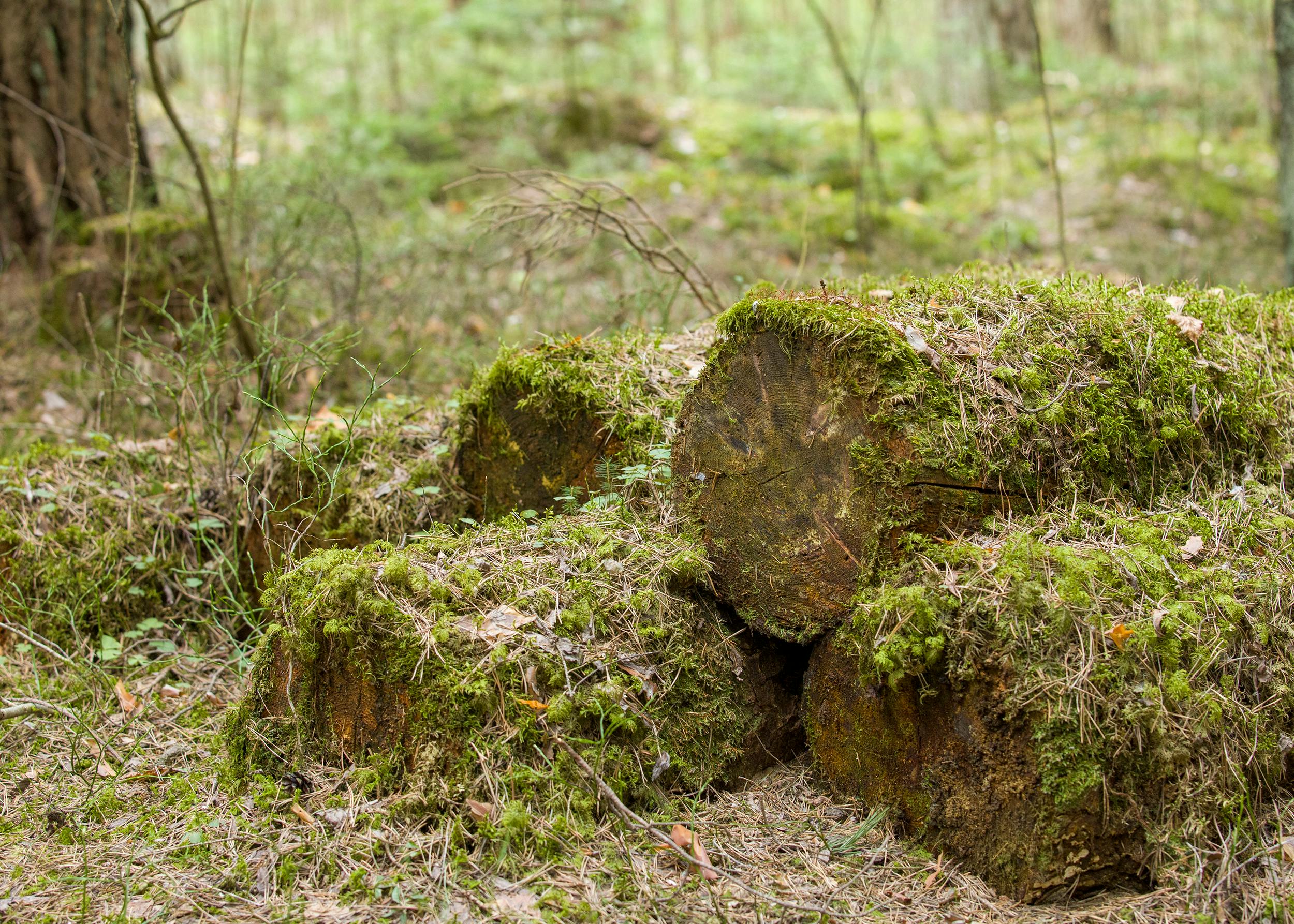
Instead of building visible tree stands or ground blinds, some backcountry hunters use natural terrain features as cover fallen logs, dense bushes, or rock outcroppings. These natural blinds provide concealment without the need to construct anything, allowing hunters to remain mobile and stealthy. This technique demands precise knowledge of animal habits, wind patterns, and sun position to avoid detection while remaining ready for a sudden shot.
3. Tracking and Intercepting
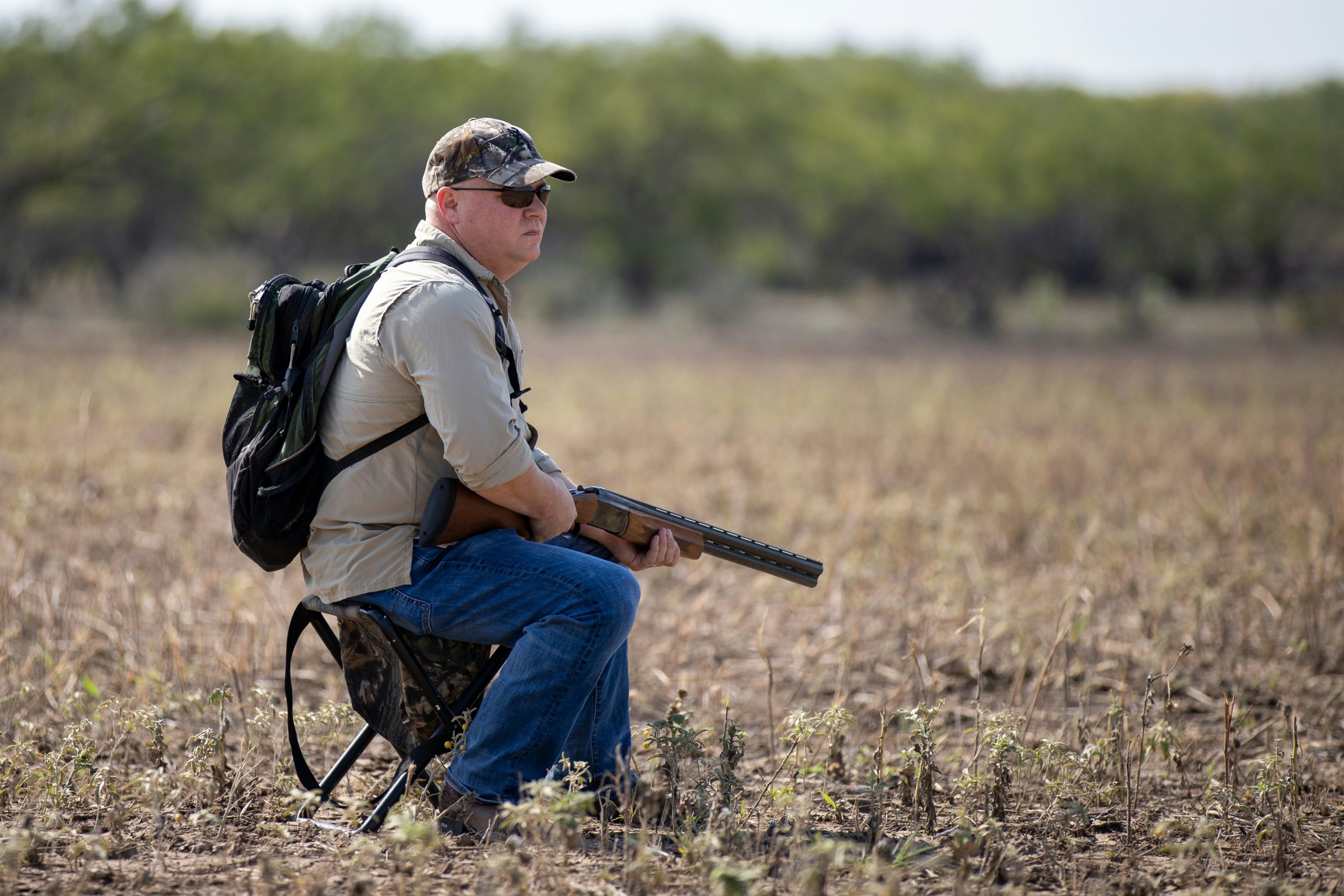
This method focuses on reading fresh tracks, droppings, and feeding signs to anticipate an animal’s path. By understanding terrain and movement patterns, hunters can position themselves ahead of game and intercept it. Unlike trailing, this requires predicting rather than following, reducing the chances of spooking animals. It combines field observation with strategic patience, making it a highly effective yet underutilized approach for skilled backcountry hunters.
4. Calling and Decoy Techniques
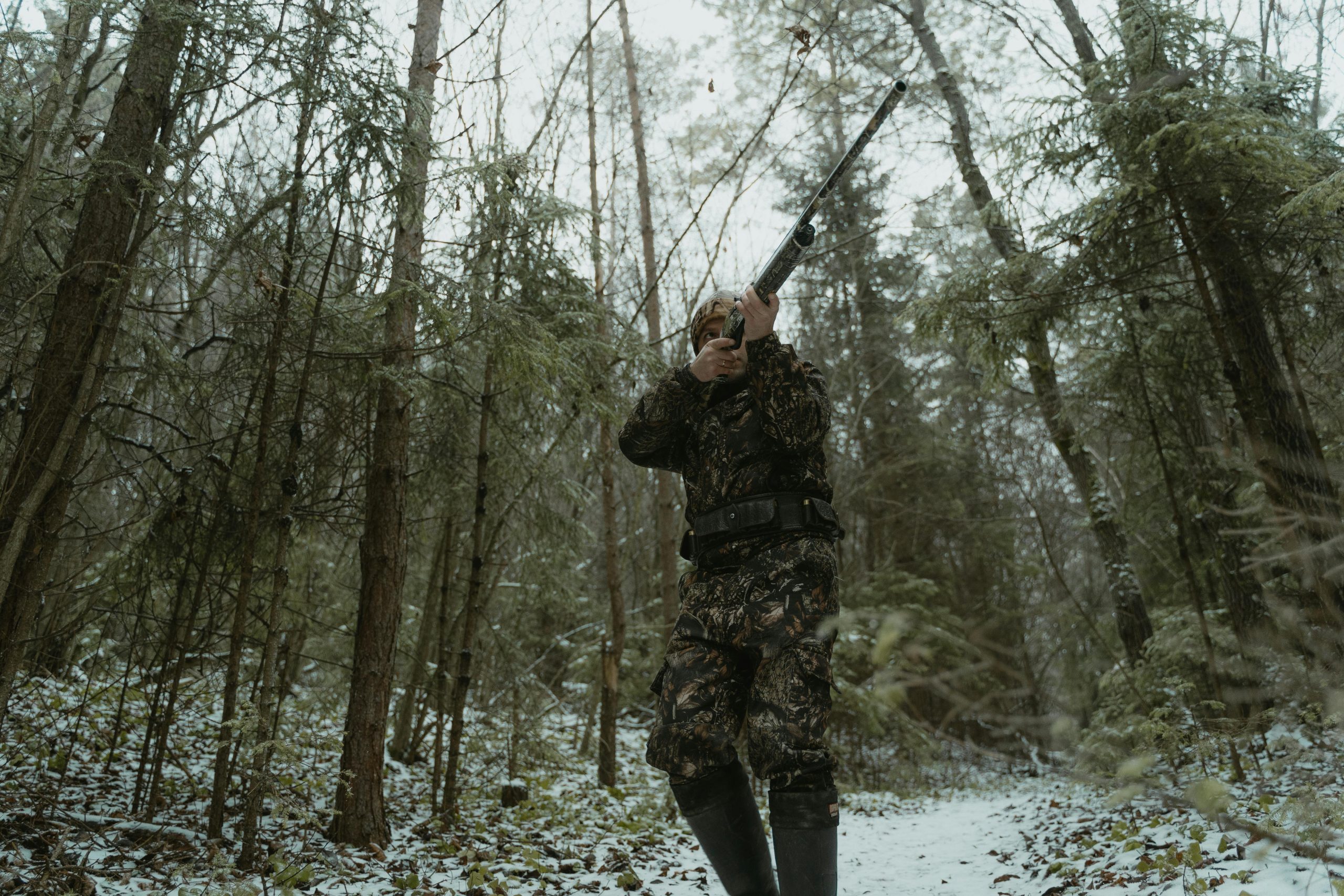
Using calls, scents, or decoys can attract game into shooting range in situations where traditional stalking is challenging. Legal in most U.S. states if done properly, these techniques require knowledge of vocalizations, timing, and realistic decoy placement. When executed with subtlety, they can lure animals that are otherwise cautious, allowing hunters to maximize opportunities without traveling long distances through difficult terrain.
5. Still Water Hunting
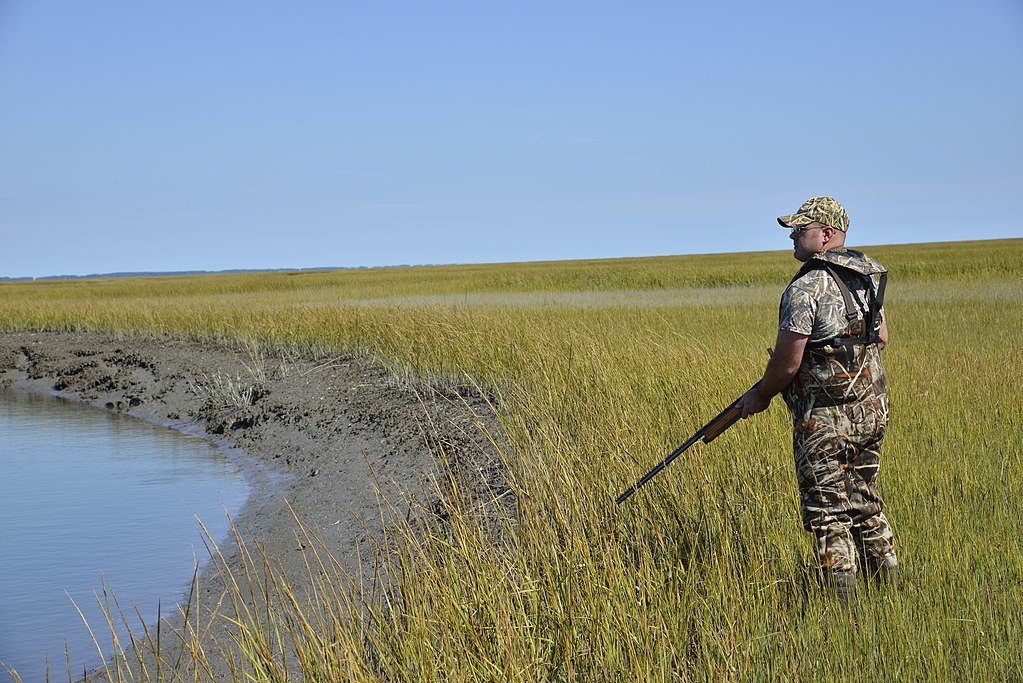
Hunting near ponds, lakes, or small streams is often overlooked in backcountry regions. Game animals rely on these water sources, especially in dry seasons, offering predictable encounter points. Stillwater hunting requires patience and stealth, often from concealed positions nearby, observing drinking and feeding patterns. It’s effective for deer, elk, and waterfowl alike, combining knowledge of animal behavior with environmental awareness for strategic advantage.
6. Bowhunting from Ground Cover
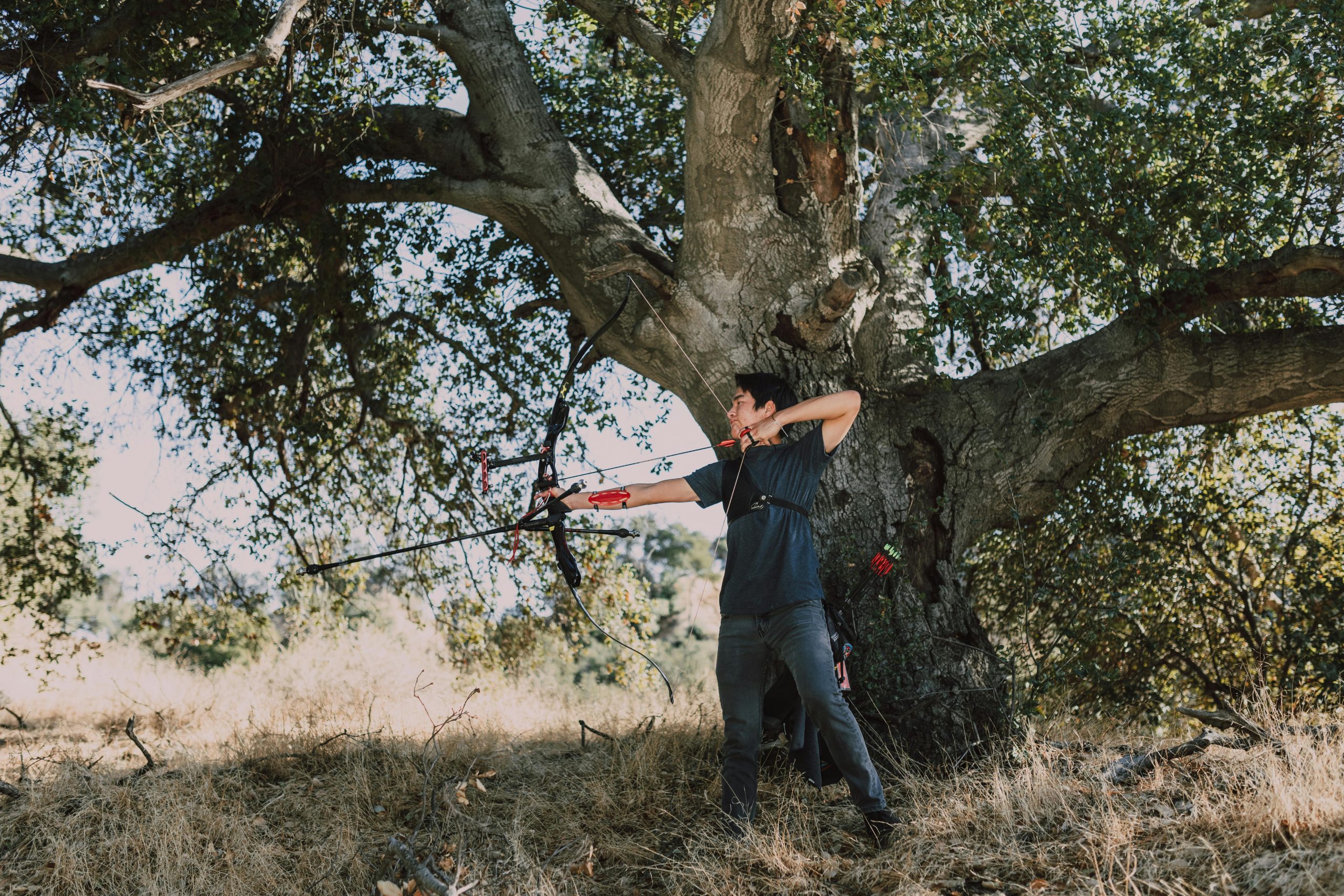
While tree stands and elevated positions are common, some hunters use dense underbrush or terrain depressions for bowhunting. This method allows a closer approach, minimizing detection by scent and sight. Success demands precise shooting skills, intimate knowledge of animal movement, and complete control of body language. Often ignored due to difficulty, it offers a rewarding, intimate hunting experience that challenges both skill and patience in the wilderness.