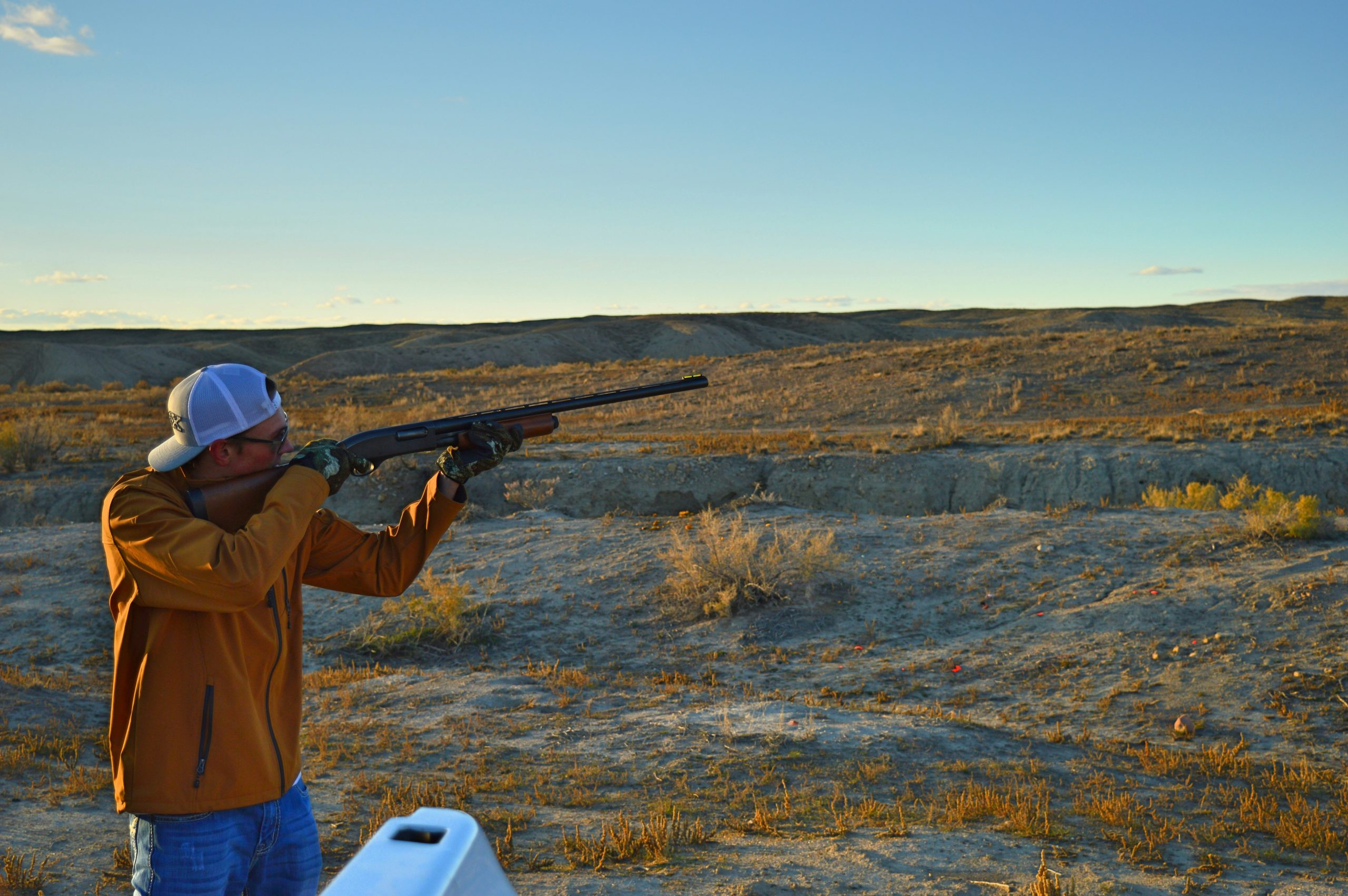
Expensive optics are often marketed as universal upgrades, promising sharper images, better accuracy, and more confident shooting. In reality, the firearm underneath the glass matters just as much as the optic itself. Some guns are built for short distances, rapid handling, or mechanical simplicity, meaning premium scopes offer little practical advantage. In those cases, high-end optics add cost, weight, and complexity without improving real-world performance. Understanding which firearms naturally limit the usefulness of advanced optics helps shooters make smarter, more balanced setups. This article highlights six specific guns and platforms where costly optics tend to be unnecessary, explaining how design intent, effective range, and practical use make simpler sighting systems the better choice.
Winchester 94 Angle-Eject
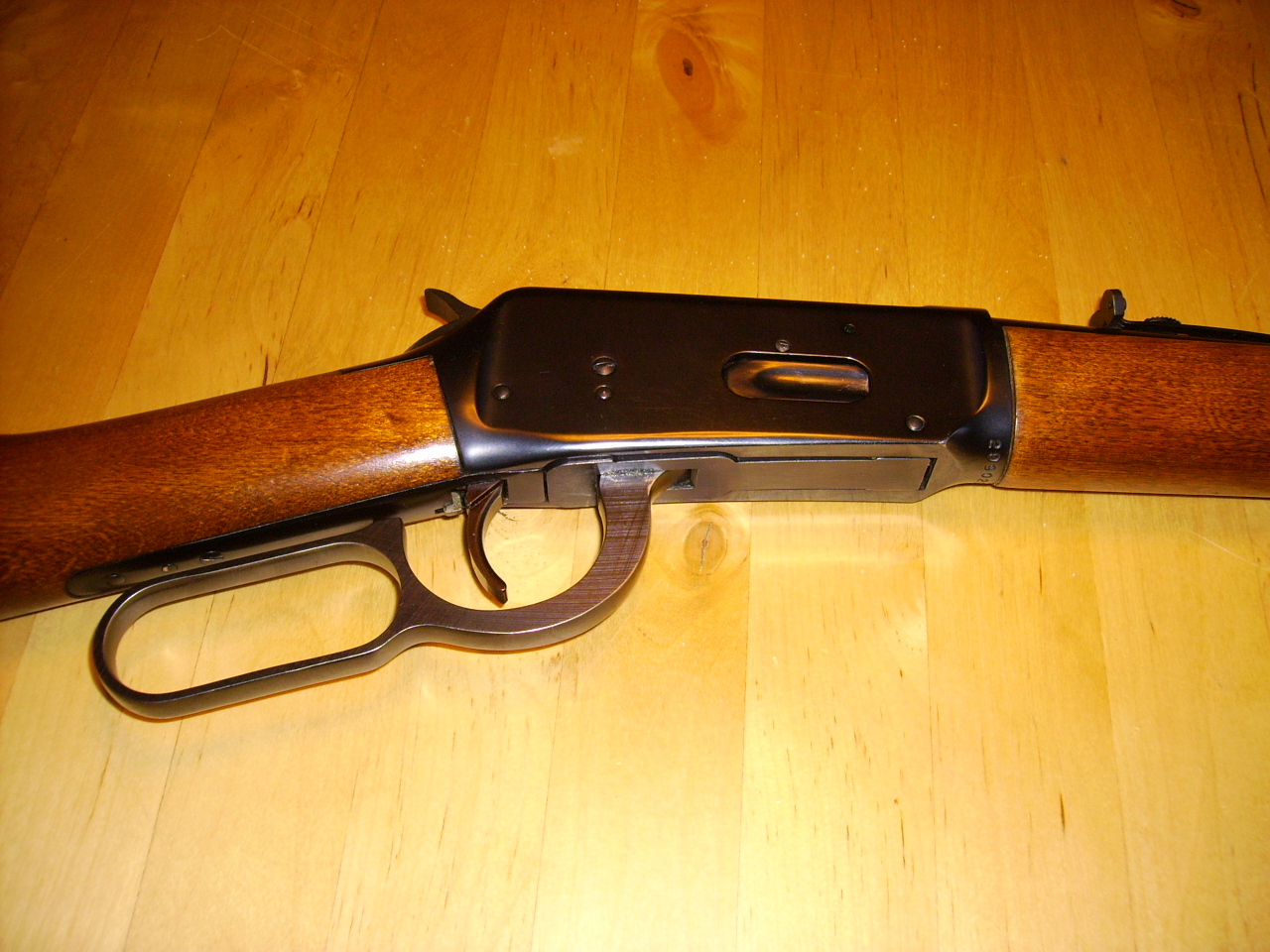
The Winchester 94 Angle-Eject was designed as a fast-handling woods rifle, not a precision platform. Chambered most commonly in .30-30 Winchester, its effective range typically stays inside 150 yards, where iron sights or a simple low-power scope already perform exceptionally well. The rifle’s lightweight construction and traditional balance are disrupted by heavy, expensive optics. Ballistic limitations of the cartridge also prevent shooters from benefiting from complex reticles or high magnification. Even with the Angle-Eject design allowing scope mounting, premium glass rarely enhances field performance. In real hunting conditions, simplicity and speed matter far more than optical refinement on this classic lever gun.
Remington 870 Express
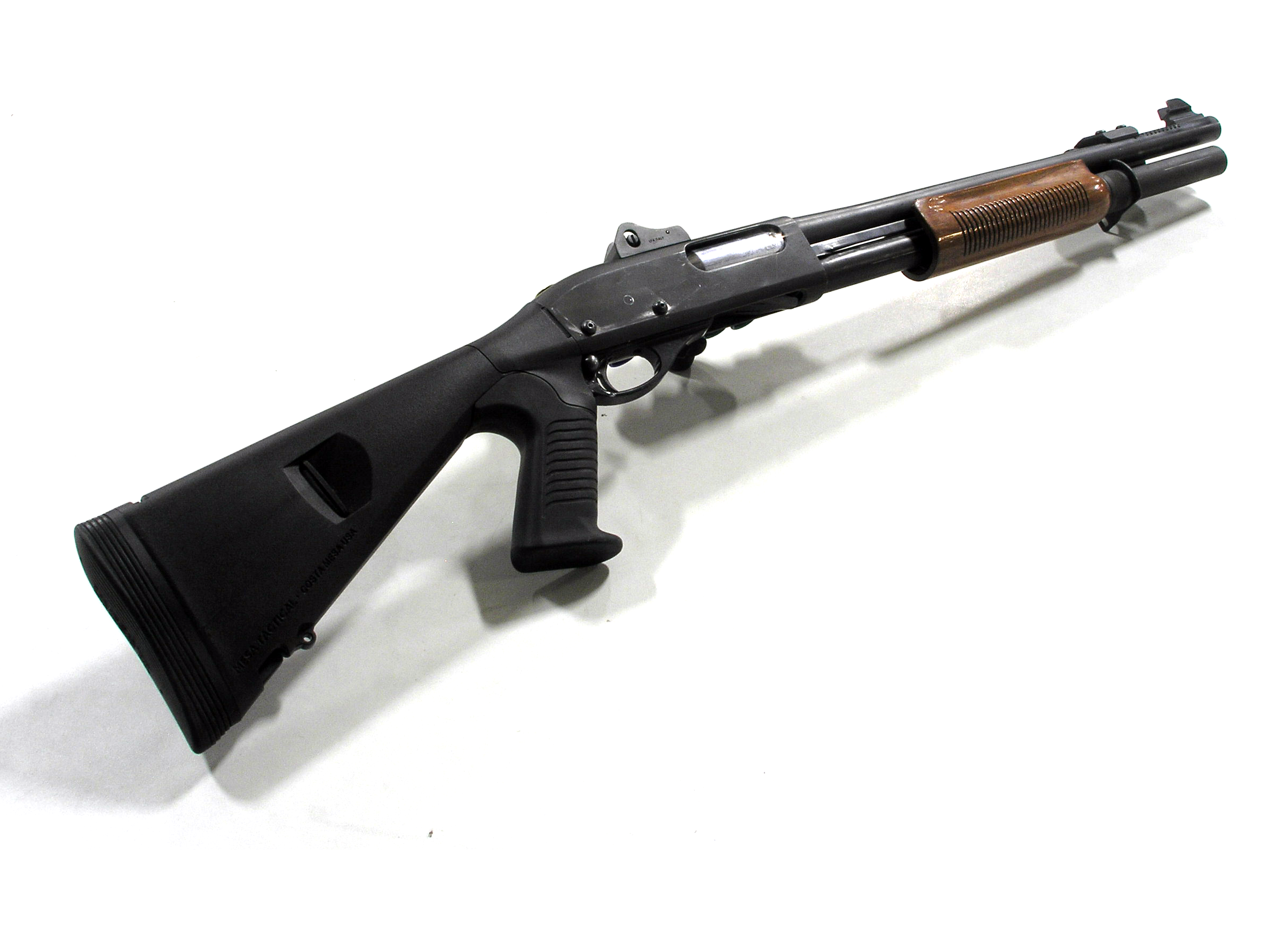
The Remington 870 Express is a textbook example of a firearm that thrives without expensive optics. Built for close-range defense, hunting, and utility work, its strengths lie in reliability and instinctive shooting. Whether using birdshot, buckshot, or slugs, engagement distances remain short enough that magnified optics provide little benefit. High-end scopes slow target acquisition and add unnecessary bulk. Recoil from 12-gauge loads also places significant stress on precision optics. Simple bead sights, ghost rings, or a rugged budget red dot complement the 870’s role far better than costly glass ever could.
WASR-10
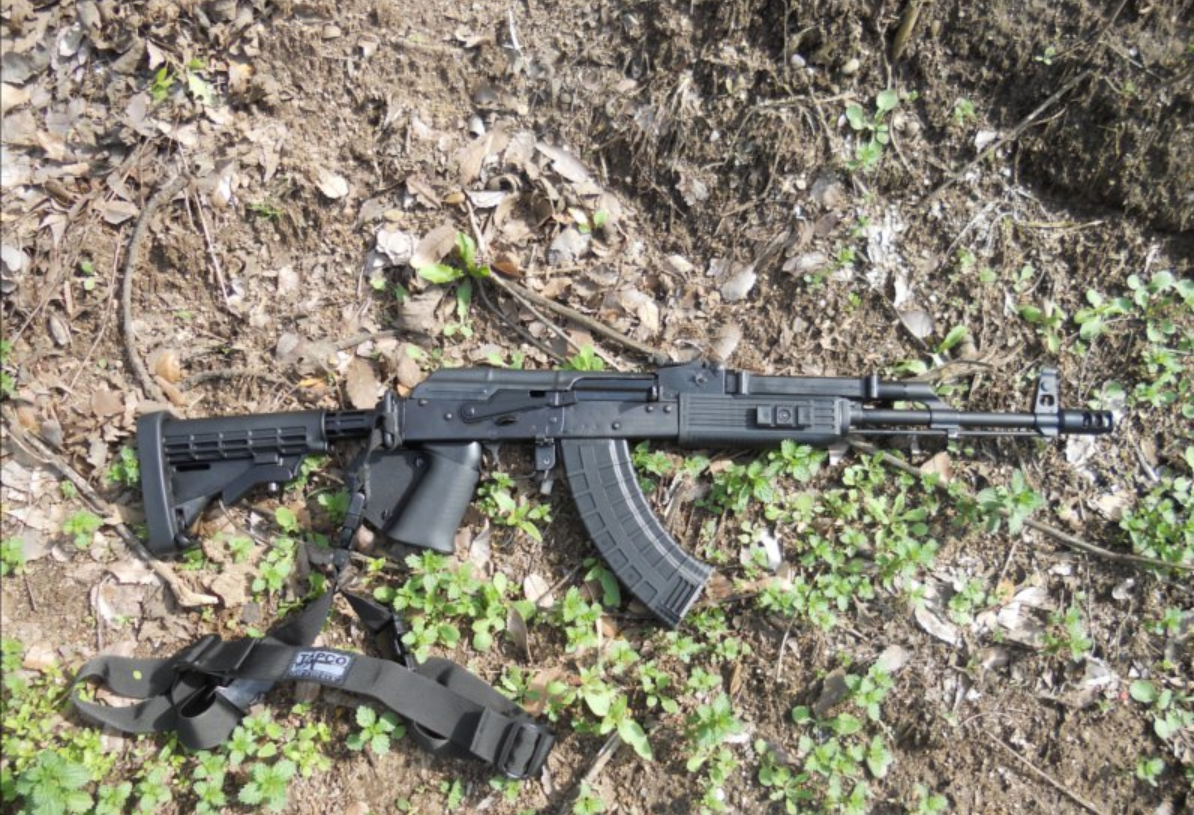
The WASR-10 represents the practical limits of the AK platform when it comes to optics. While durable and reliable, its mechanical accuracy does not justify premium scopes designed for precision rifles. Engagement distances typically fall well under 300 yards, where magnification and advanced reticles offer minimal advantage. Mounting solutions on AKs often lack the consistency needed to fully exploit high-end optics. The rifle’s ergonomics favor fast, combat-style shooting rather than careful precision work. A simple red dot or fixed low-power optic matches the WASR-10’s capabilities far better than expensive glass that exceeds what the platform can realistically deliver.
Ruger Mini-14
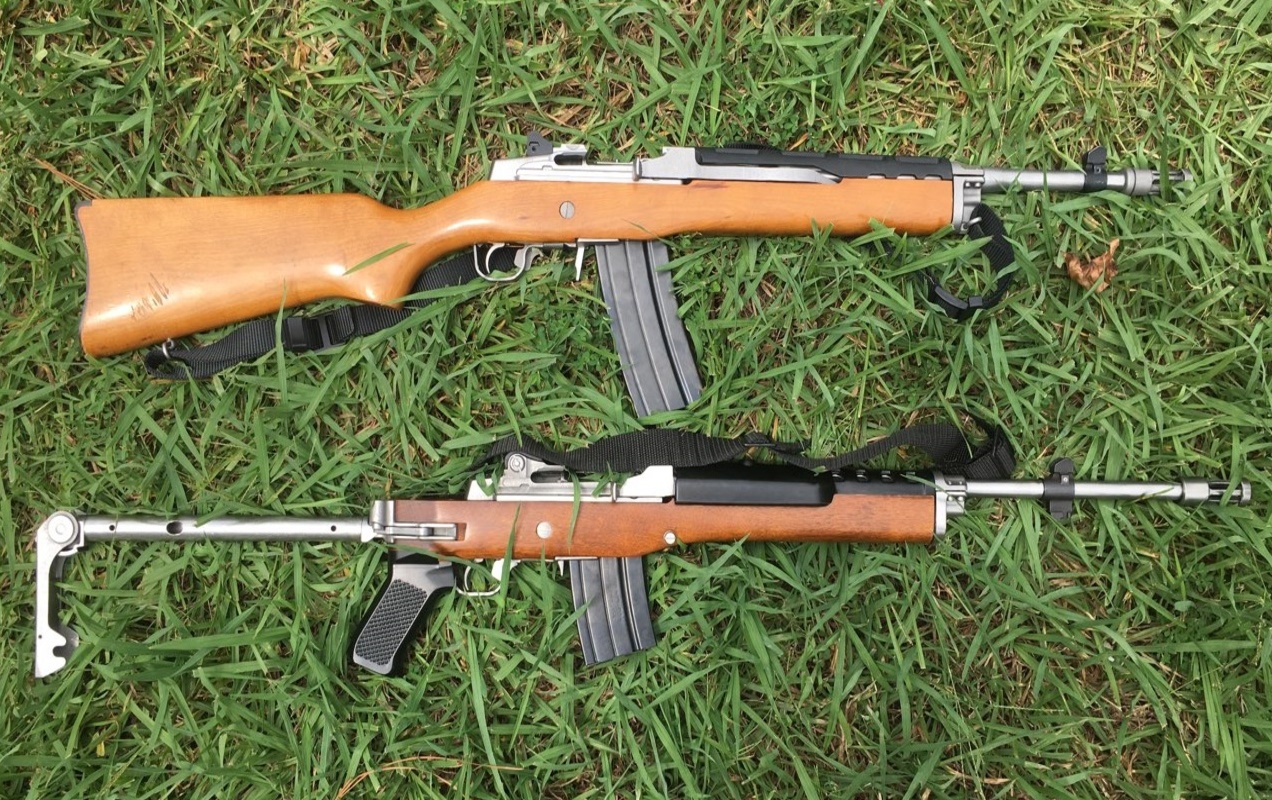
The Ruger Mini-14 was designed as a lightweight, reliable ranch and utility rifle, not a precision platform meant to exploit high-end optics. While chambered in .223/5.56, its thin barrel and traditional action tend to limit consistent accuracy, especially as the barrel heats during extended shooting. Group dispersion often increases well before magnification or advanced reticles provide meaningful benefit. Mounting expensive optics can also upset the rifle’s balance and handling, which are key strengths of the Mini-14. Additionally, optic mounting solutions are more restrictive compared to modern AR platforms. In practical use, simple iron sights or a modest optic align far better with the Mini-14’s real-world capabilities.
Mosin-Nagant M91/30
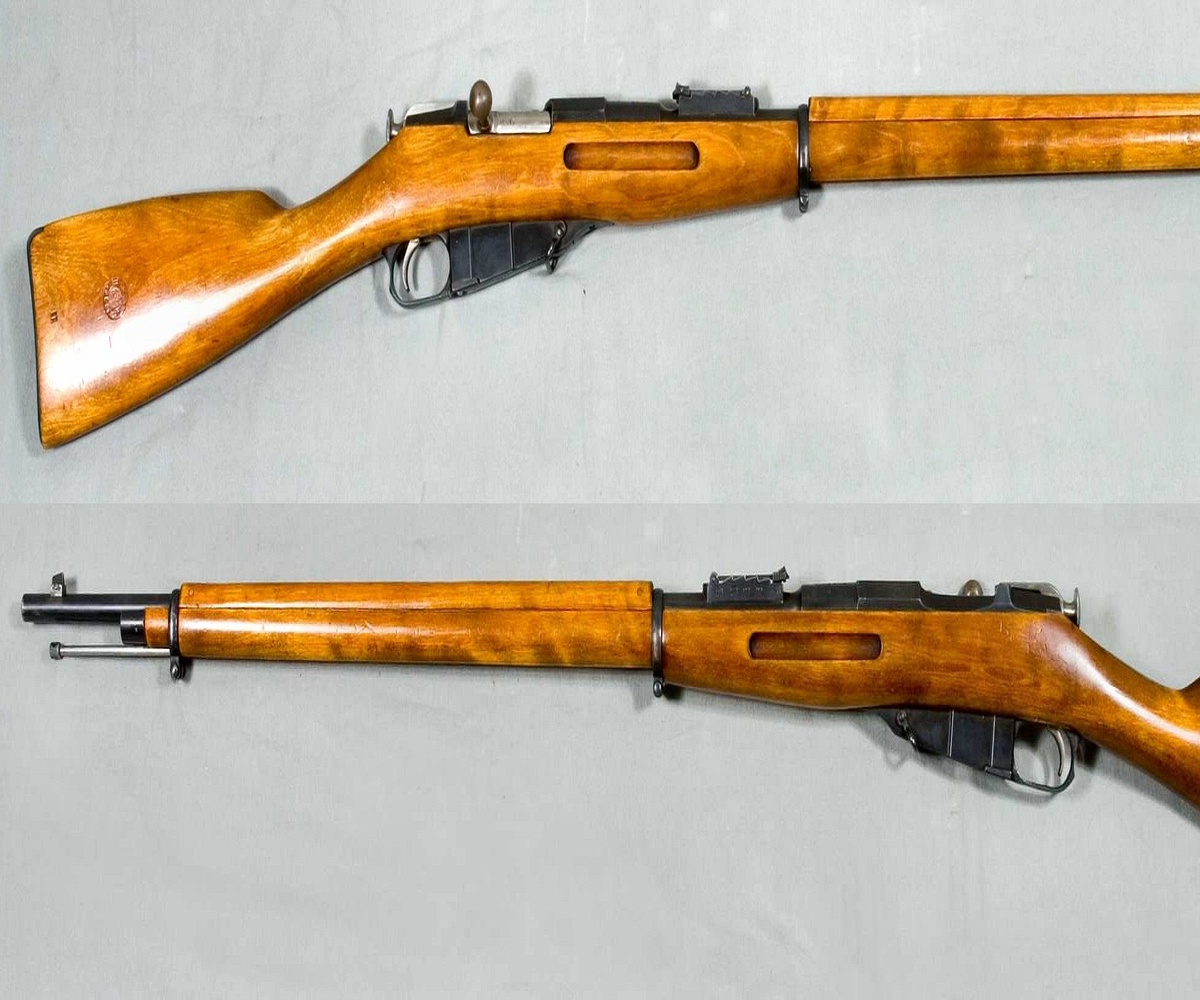
The Mosin-Nagant M91/30 was built for battlefield durability, not modern precision shooting. While capable of respectable accuracy, its limitations in trigger quality, barrel condition, and mounting options restrict the benefits of premium optics. Installing high-end glass often requires permanent modification, reducing historical value without proportional performance gains. Ammunition variability and recoil further limit precision potential. In most cases, the rifle reaches its practical accuracy ceiling well before advanced optics can make a difference. Modest scopes or original iron sights align better with the Mosin’s capabilities and character.
Ruger PC Carbine
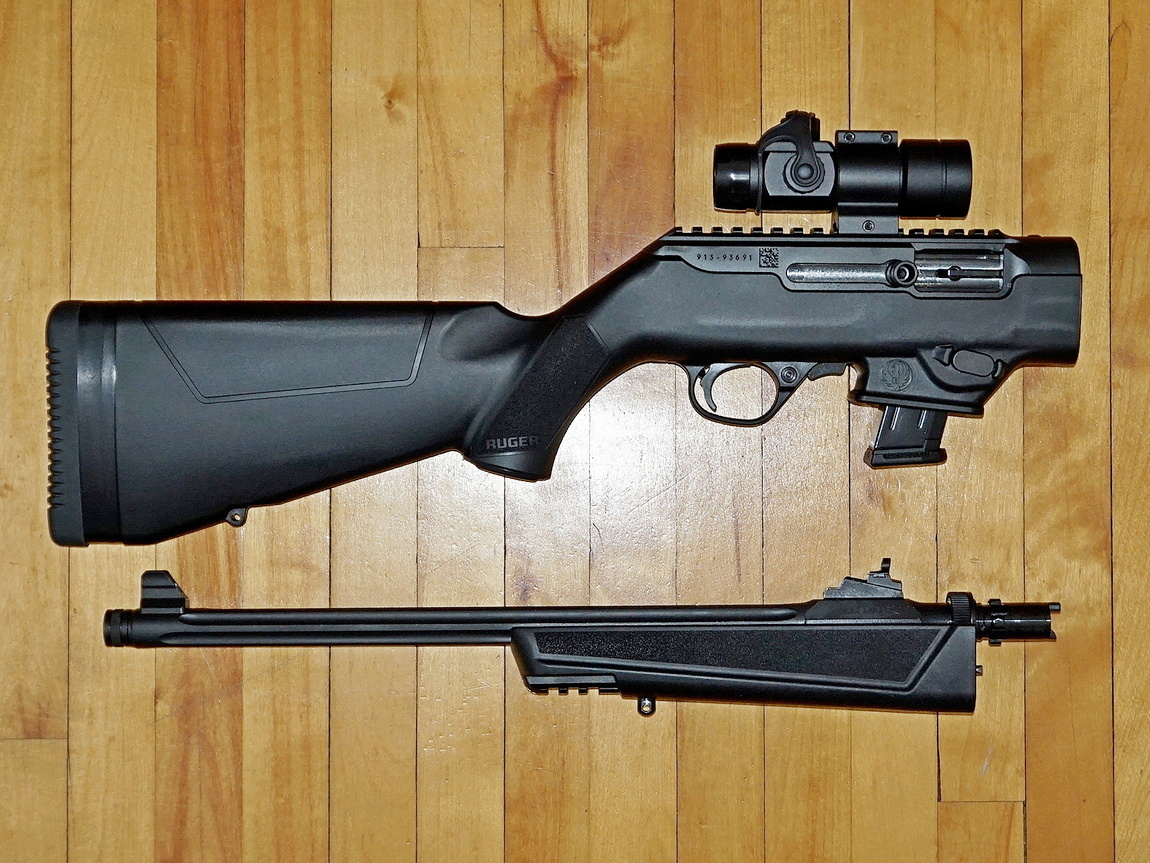
The Ruger PC Carbine is optimized for short-to-medium range shooting with pistol cartridges like 9mm. While accurate within its intended distances, ballistic drop and limited range make high magnification unnecessary. Expensive optics offer features that the cartridge and platform cannot fully exploit. The carbine performs best with lightweight, fast-acquisition sights that support its role in home defense, training, or competition. Adding premium glass increases cost and weight without extending real-world effectiveness. A simple red dot or low-power optic complements the Ruger PC Carbine far more naturally than precision-oriented scopes.