Few topics generate more confident misinformation around campfires and gun shop counters than caliber selection. Outdoorsmen pass down caliber wisdom like family heirlooms, some of it genuinely solid advice, and plenty of it stubborn myth that refuses to die, no matter how much modern ballistic science challenges it. Outdated magazine articles, social media debates, and overheard conversations have kept several misconceptions alive for decades. Whether you’re a new hunter choosing your first deer rifle or a seasoned outdoorsman reconsidering your ammunition choices, these six debunked myths are worth knowing completely. Understanding what a caliber can and cannot truly do will change how you approach every hunt, every purchase, and every shot you take out in the field.
Myth 1: Bigger Caliber Always Means More Stopping Power
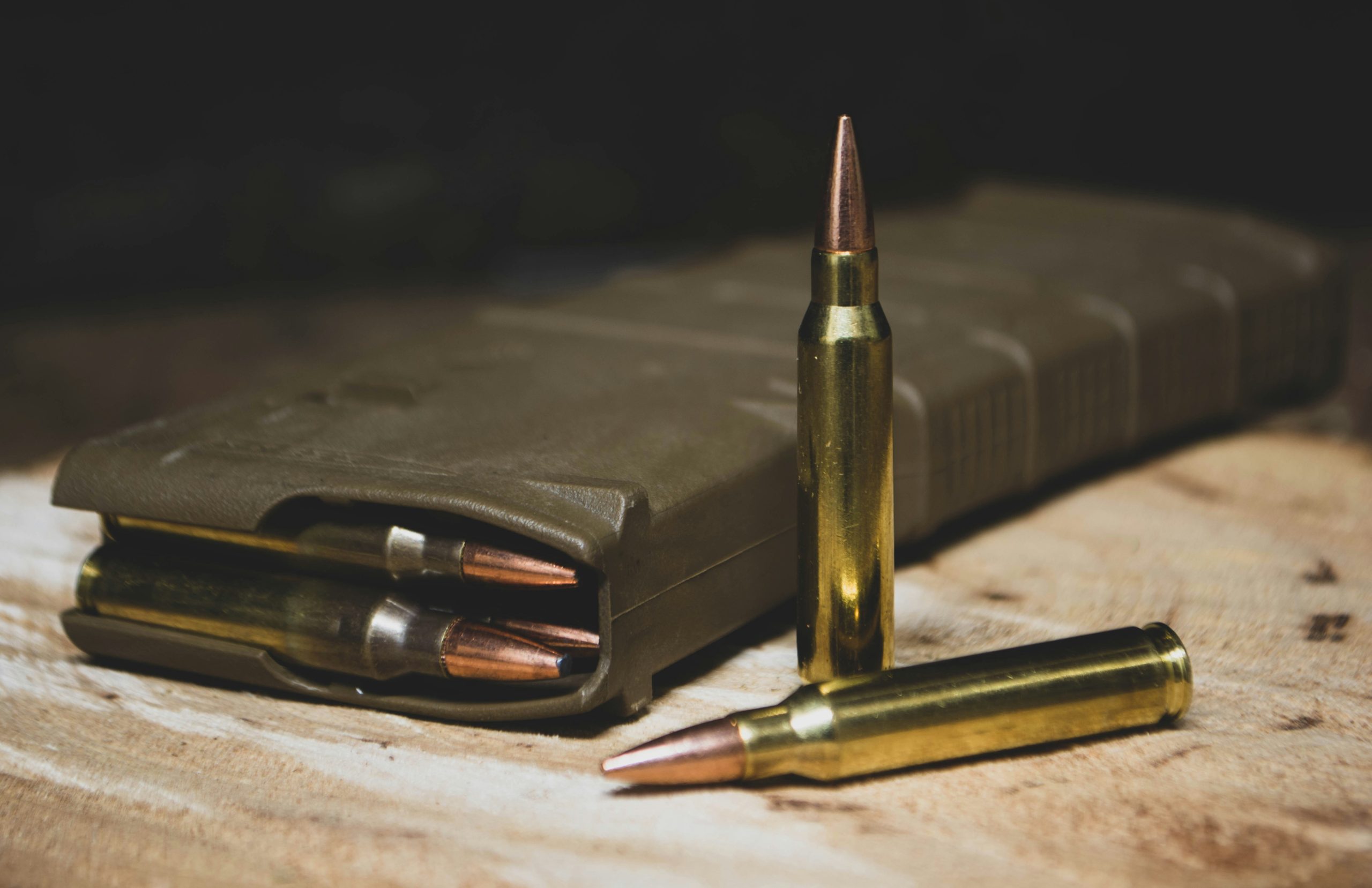
Stopping power remains one of the most overused and misunderstood phrases in all of shooting culture. Countless hunters genuinely believe a bigger caliber automatically guarantees a faster, cleaner kill, but ballistic data consistently tells a more layered story. Shot placement contributes far more to the outcome than raw bullet diameter alone. A well-placed .243 Winchester traveling at 2,960 fps reliably brings down whitetail deer, while a poorly aimed .300 Win Mag can still result in a long, frustrating tracking job through dense cover. Terminal performance depends primarily on bullet construction, velocity, and controlled expansion, ot sheer diameter. Caliber is one important variable, but it has never been the only factor that truly determines results in the field.
Myth 2: The .22 LR Is Too Weak for Any Serious Outdoor Work
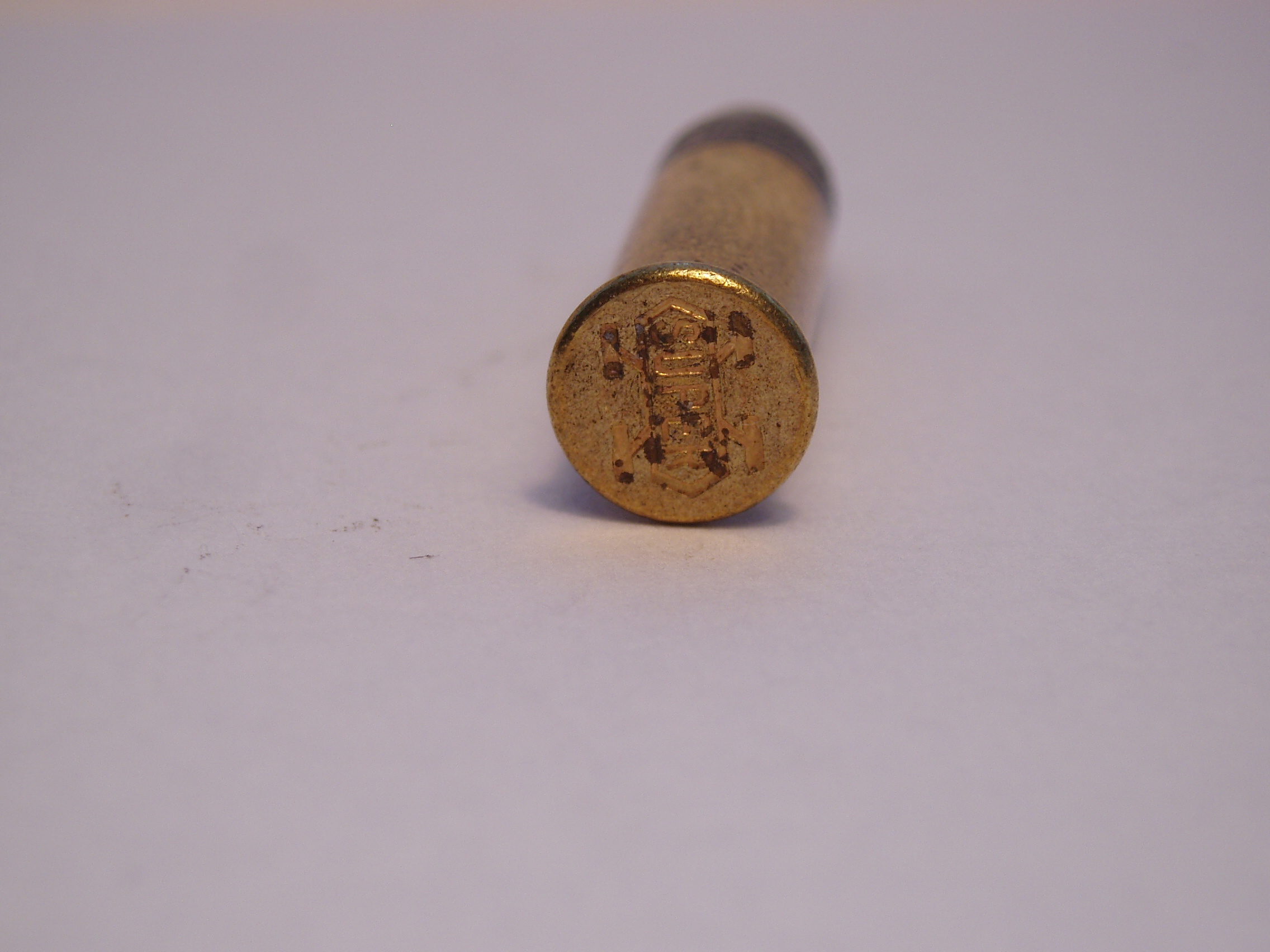
Many outdoorsmen dismiss the .22 LR as a toy round suited only for backyard plinking, but this small cartridge has proven its worth across genuinely demanding field applications for well over a century. At distances under 100 yards, a standard .22 LR delivers approximately 140 foot-pounds of energy, which is entirely sufficient for small game like squirrels, rabbits, and grouse when shots are placed correctly. Professional trappers, pest control operators, and survival-minded hunters have depended on this caliber for generations. Its low recoil, minimal noise output, and affordable price point, roughly five cents per round, make it a genuinely practical choice for many legitimate outdoor tasks extending well beyond casual range work.
Myth 3: Magnum Calibers Are Always the Superior Long-Range Choice
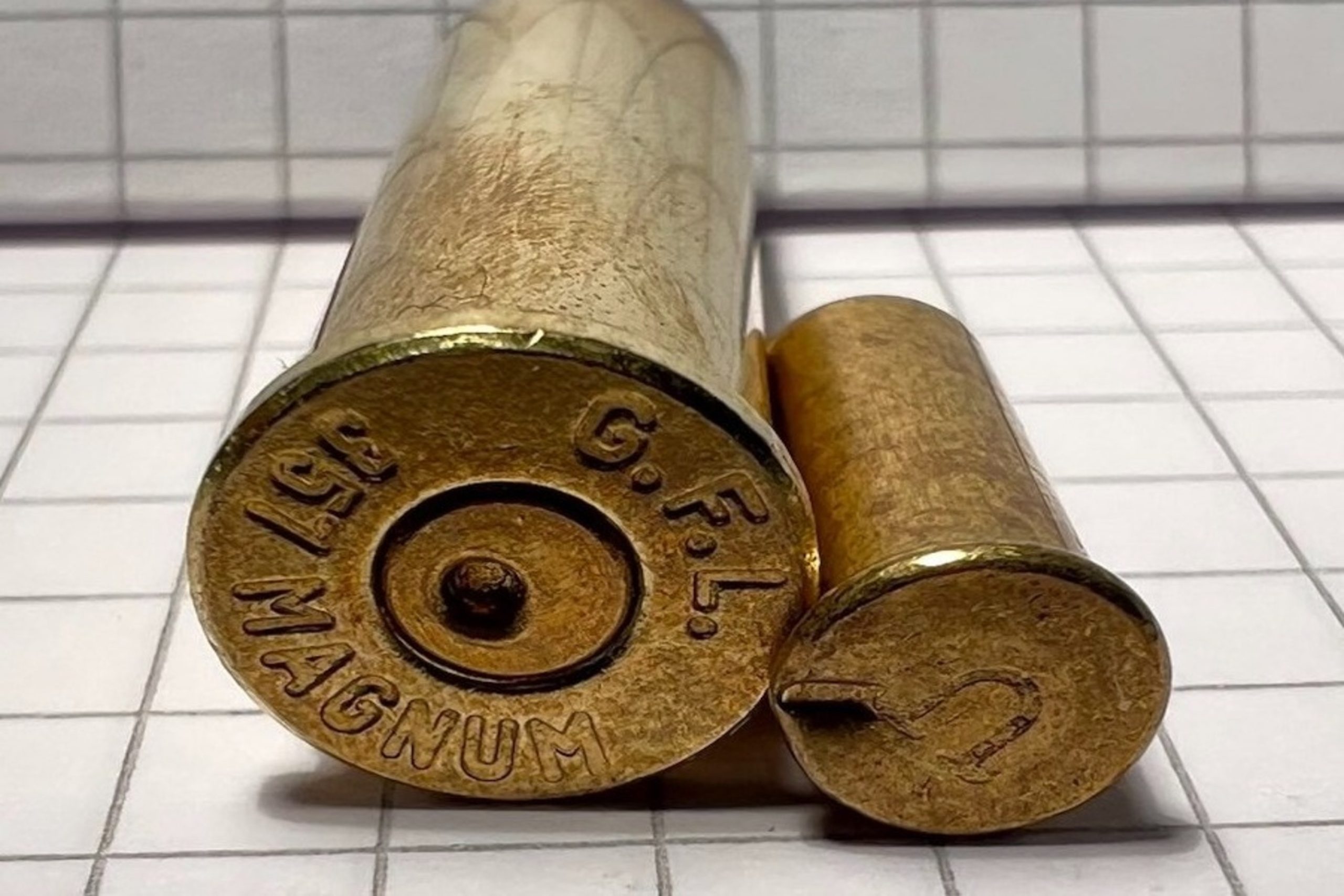
Magnum calibers carry serious prestige in hunting camps, and many outdoorsmen assume anything labeled “magnum” automatically delivers superior long-range performance. The reality is far more conditional. A standard .308 Winchester maintains supersonic flight well past 1,000 yards and delivers around 1,300 foot-pounds of energy at 500 yards, more than sufficient for ethical shots on elk-sized game. Magnum options like the 7mm Rem Mag and .300 Win Mag do offer flatter trajectories, but they generate significantly more recoil, accelerate barrel wear faster, and cost roughly 40 to 60 percent more per round. For the vast majority of hunting situations occurring inside 600 yards, the real-world magnum advantage remains largely theoretical rather than practically meaningful on typical field hunts.
Myth 4: Heavy Recoil Is Proof of Greater Cartridge Power
Recoil carries a strange bragging-rights culture in hunting circles, with many outdoorsmen directly equating brutal kick with raw downrange power. This logic collapses quickly under basic ballistic examination. The .243 Winchester generates only around 9 foot-pounds of felt recoil yet launches bullets past 3,000 fps with impressive retained energy at distance. Compare that to the .30-06, which delivers roughly 20 foot-pounds of recoil but produces energy figures only marginally higher across many factory loads. Excessive recoil actually degrades accuracy by creating a flinching habit, one of the most common causes of missed shots and poor placement in the field. Muzzle power and on-target effectiveness are two fundamentally different performance measurements every serious outdoorsman must learn to properly separate.
Myth 5: One Caliber Can Handle Every Hunting Situation Effectively
The idea of a single “do-all” cartridge is deeply appealing: one rifle, one round, every season covered without compromise. But no single caliber genuinely excels across every realistic hunting application. The .30-06 Springfield comes closest, handling deer, elk, and black bear with reasonable competence, yet it’s too loud and destructive for small edible game and lacks the flat trajectory needed for long-range varmint work. The .308 Winchester is comparably versatile but tops out around 500 to 600 yards for truly ethical big-game shots. Rounds optimized for 1,000-yard prairie dog shooting are far too violent for up-close small game use. Every environment, target size, and distance demands a different ballistic solution that one round simply cannot consistently fulfill.
Myth 6: Flat-Shooting Calibers Are Automatically More Accurate
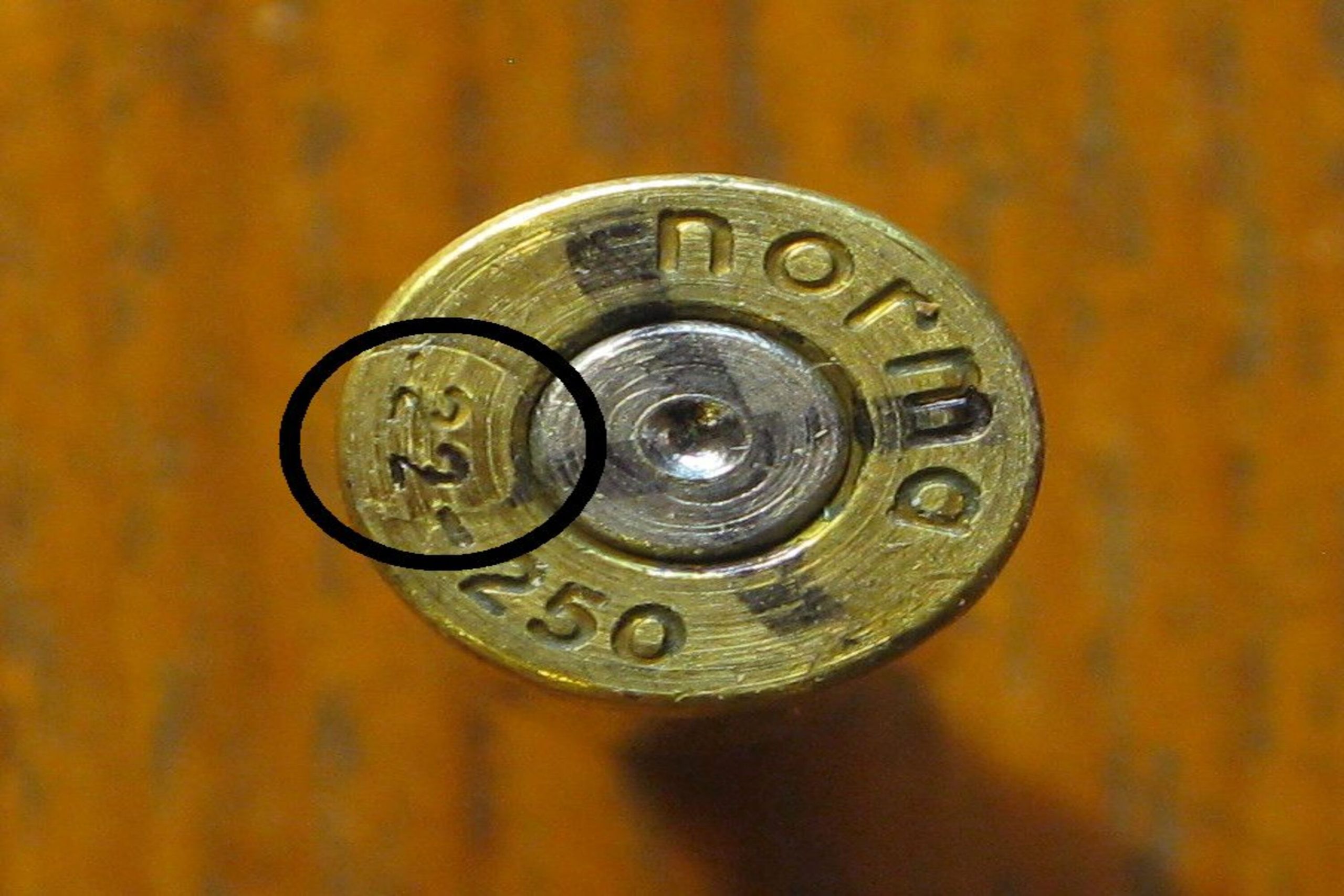
Trajectory and accuracy get tangled together in outdoor conversations constantly, but they describe two completely separate performance characteristics. A flat-shooting caliber like the .22-250 Remington pushing bullets at 3,800 fps drops less over distance than a slower round, but that has nothing to do with the mechanical accuracy of the rifle or cartridge itself. Inherent accuracy is shaped by barrel quality, bullet consistency, powder uniformity, and shooter technique built over time. Experienced benchrest competitors regularly achieve sub-half-MOA groups using cartridges like the 6mm Dasher and .308 Win, which aren’t considered flat-shooting by modern standards. Wind drift also significantly impacts rounds beyond 300 yards, influencing real-world accuracy far more than trajectory drop does across most typical hunting field scenarios.