Military history contains many stories of advanced technology that never saw mass production or combat. 5 WWII weapons that nearly vanished from history highlight the chaotic nature of wartime research and development. Engineers often created innovative prototypes that were discarded due to high costs or changing tactical requirements. Some designs were destroyed by their own inventors to prevent them from falling into enemy hands during a retreat. Museums and private collectors have worked tirelessly to preserve the few surviving examples for future generations. These rare artifacts provide a fascinating glimpse into the road not taken during the massive global conflict.
Sturmgewehr 44
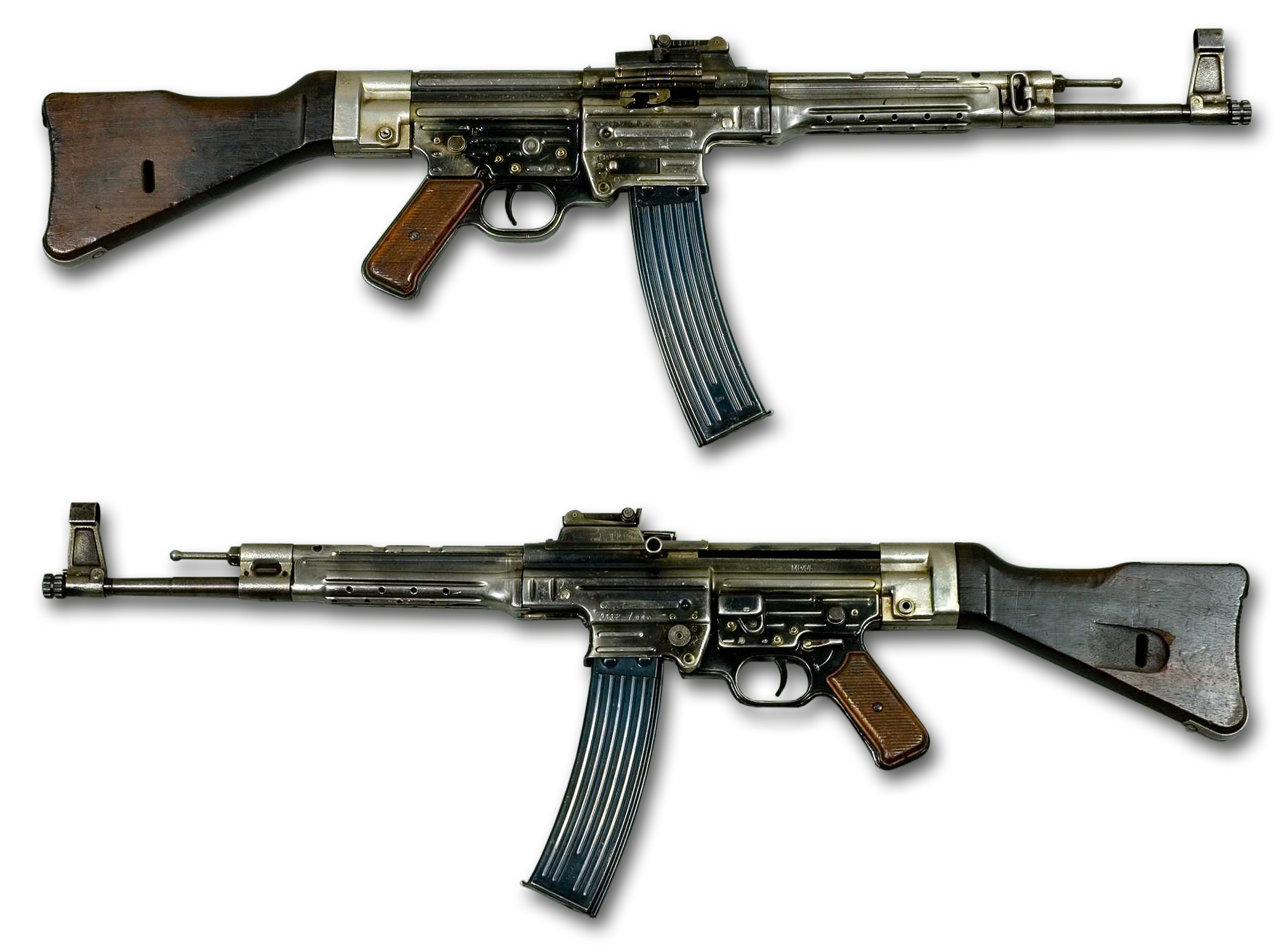
The Sturmgewehr 44 is widely considered the first true modern assault rifle ever mass-produced. Adolf Hitler initially ordered the project to be halted because he wanted to prioritize new submachine guns. Commanders on the Eastern Front ignored this directive and secretly tested the weapon in actual combat conditions. The troops loved the firepower and reliability so much that they demanded its immediate widespread adoption. Only after seeing positive field reports did the leadership officially approve the rifle for mass manufacturing. This near-cancellation almost prevented the development of a firearm class that dominates modern military infantry tactics today.
Panzer VIII Maus
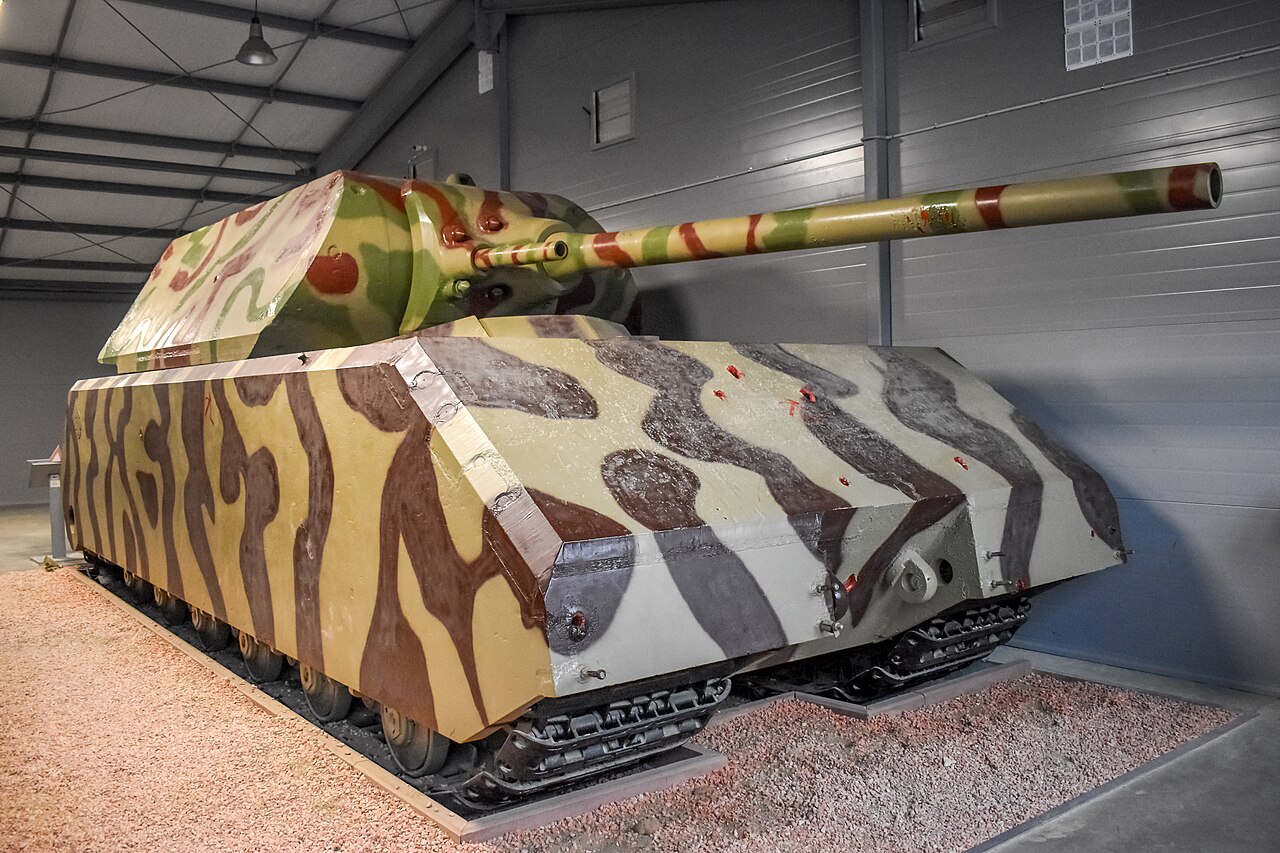
The Panzer VIII Maus stands as the heaviest enclosed armored fighting vehicle ever built in history. German engineers designed this massive super-heavy tank to be an invincible mobile fortress on the battlefield. Weighing one hundred and eighty-eight tons, it proved to be a logistical nightmare to transport effectively. Only two prototypes were ever completed before the war ended, and the facility was captured. The retreating forces destroyed one of the vehicles to prevent the Allies from capturing the technology intact. Soviet forces later pieced together a single surviving example, which now resides in a Russian tank museum.
Horten Ho 229
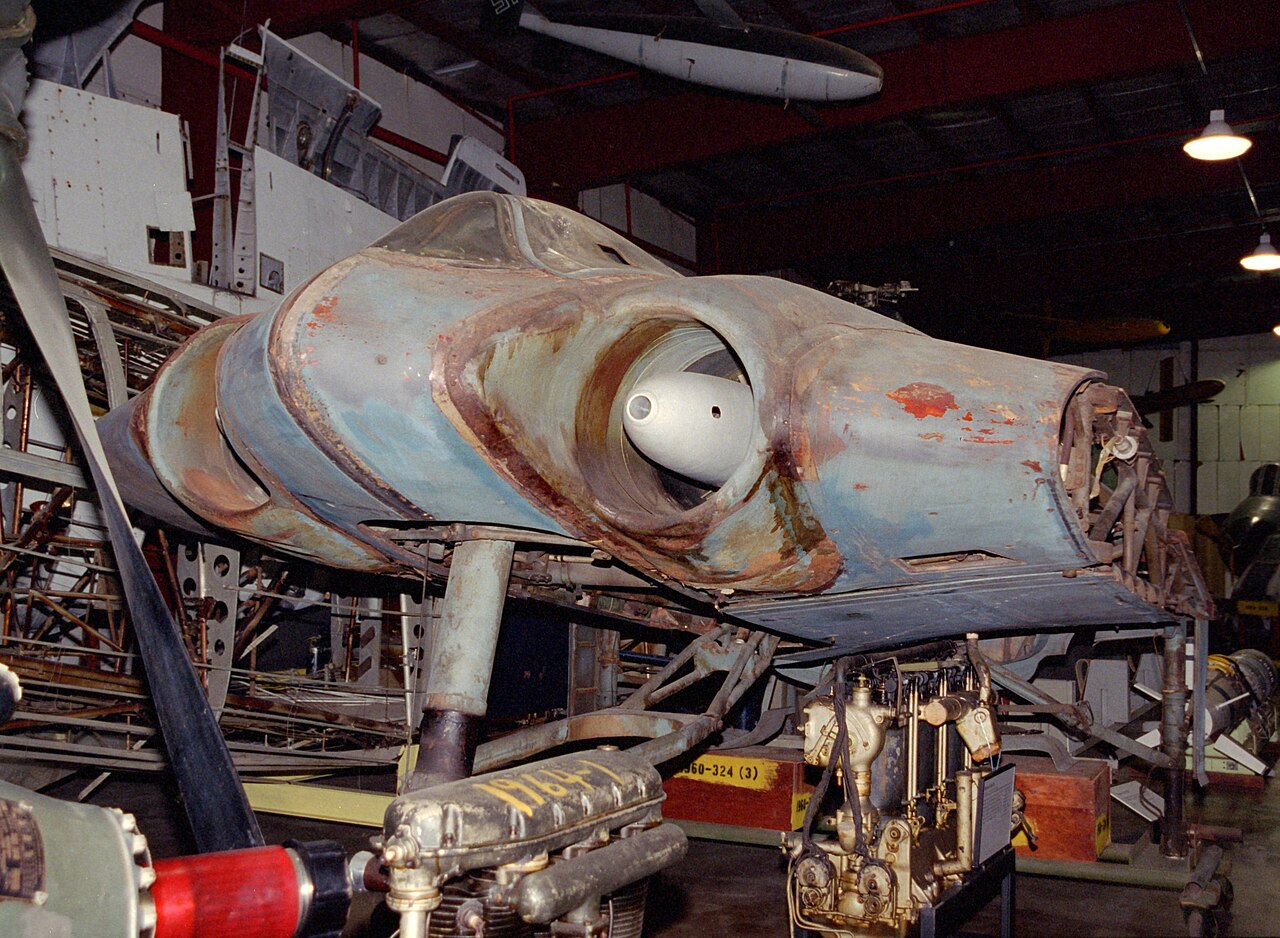
The Horten Ho 229 was a revolutionary flying wing aircraft designed to be harder to detect. Its smooth shape and lack of a tail section made it significantly stealthier than conventional planes. Jet engines provided the speed needed to outrun Allied interceptors during potential bombing missions over England. American troops captured the only surviving prototype before it could be fully assembled or flown in combat. This unique artifact was stored in a government facility for decades before restoration efforts began. It remains a singular example of early stealth technology that influenced future aircraft designs like the B-2 bomber.
Type 5 Chi-Ri
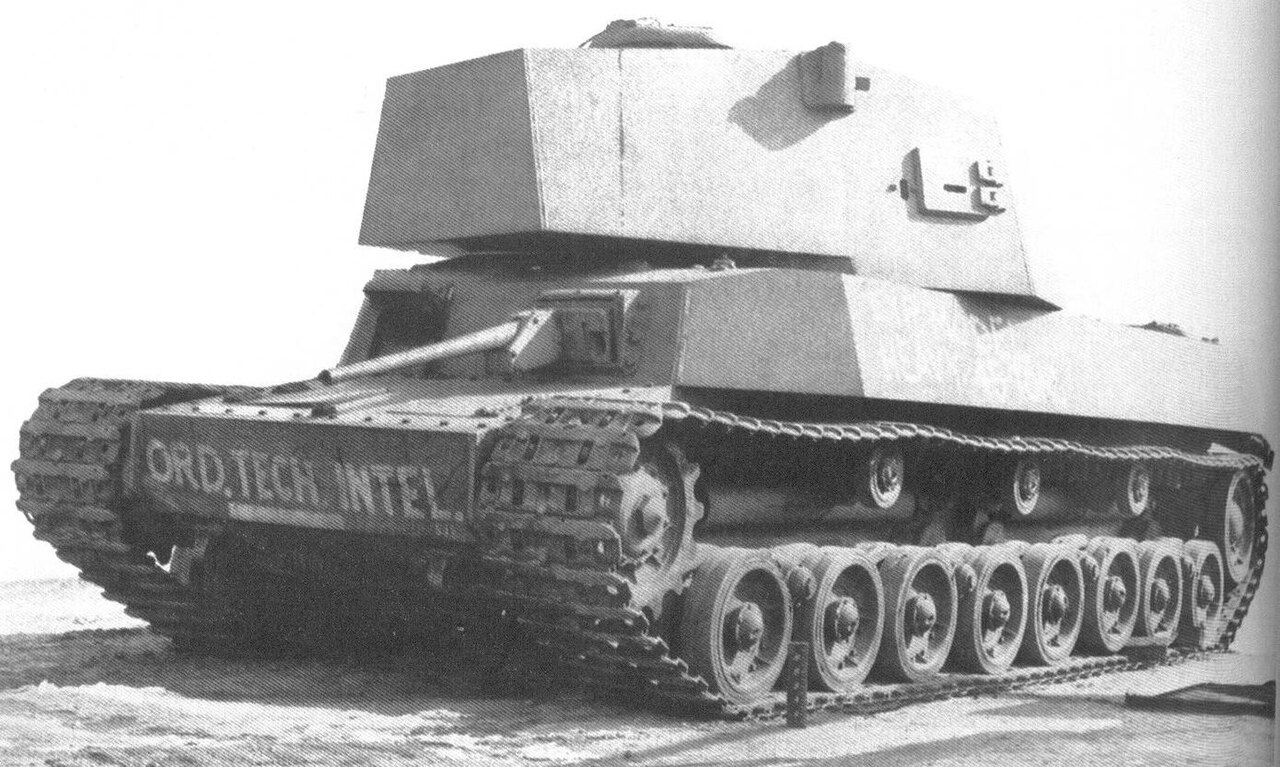
Japan developed the Type 5 Chi-Ri as a final attempt to counter superior American tanks. This medium tank featured a powerful seventy-five millimeter main gun and an autoloader for rapid fire. Resource shortages and heavy bombing raids severely hampered the production of this ambitious armored vehicle. Only one incomplete prototype was finished before the surrender was officially signed in nineteen forty-five. American occupation forces seized the vehicle for evaluation, but it eventually disappeared from historical records. Today, only photographs and blueprints remain to prove that this advanced Japanese tank design ever existed in the physical world.
FG 42
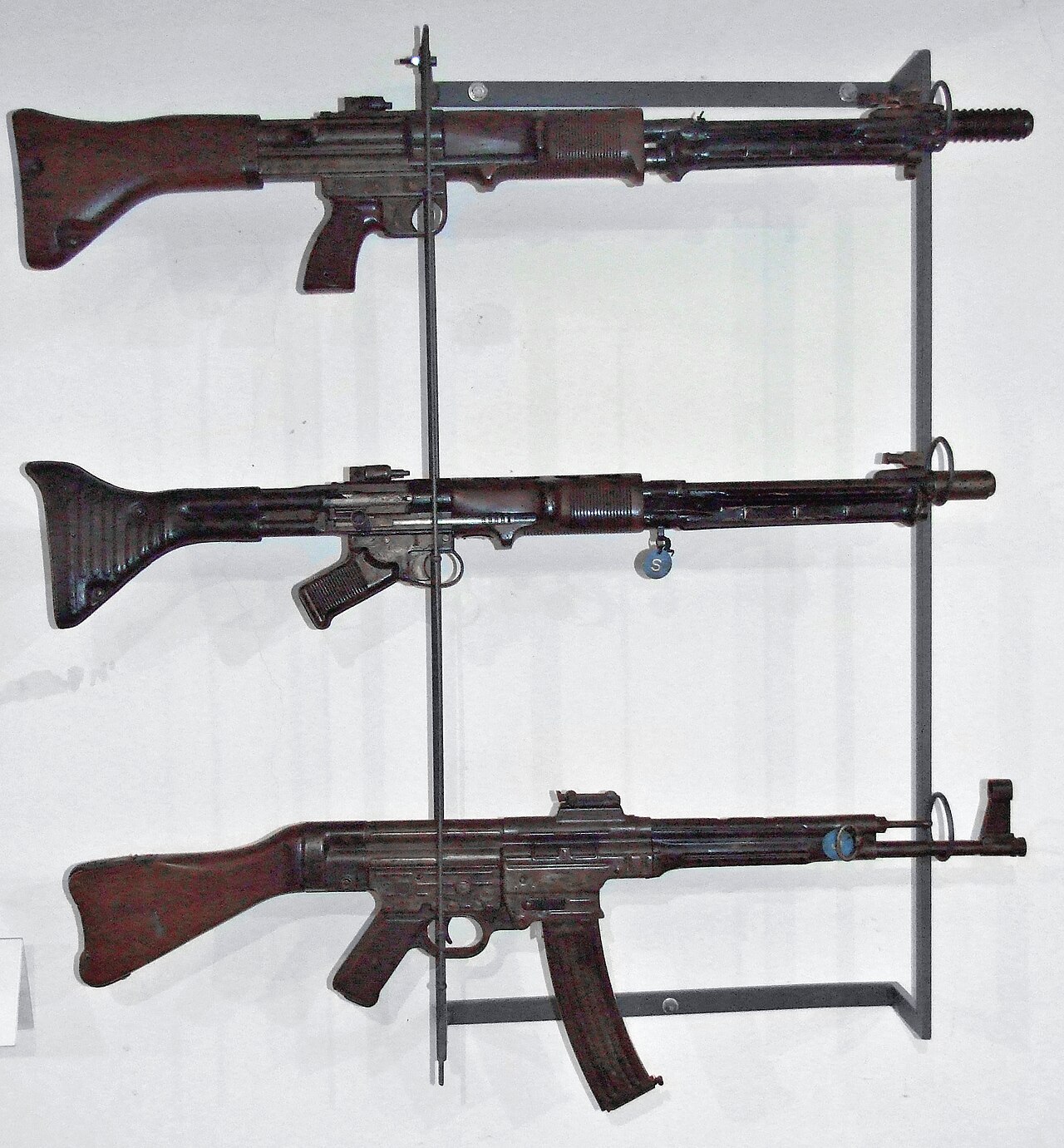
The FG 42 was a sophisticated automatic rifle designed specifically for elite German paratrooper units. It combined the characteristics of a light machine gun and a standard infantry rifle into one. High production costs and the use of scarce materials limited the total number of units manufactured. The complex internal mechanism required precise machining that was difficult to maintain during wartime shortages. Many were lost or destroyed during the chaotic retreats in the final months of the war. Surviving examples are extremely rare and highly prized by collectors who appreciate the unique engineering behind this specialized paratrooper weapon.