Bryce Canyon National Park may be famous for its towering hoodoos and dramatic sunset views, but its wildlife deserves just as much attention. While most animals prefer to avoid human contact, close encounters can happen quickly on narrow trails, around campgrounds, or near viewpoints. Understanding how to react safely not only protects you but also preserves the natural behavior of the wildlife that makes Bryce Canyon so unique and unforgettable.
1. Mule Deer on Busy Trails
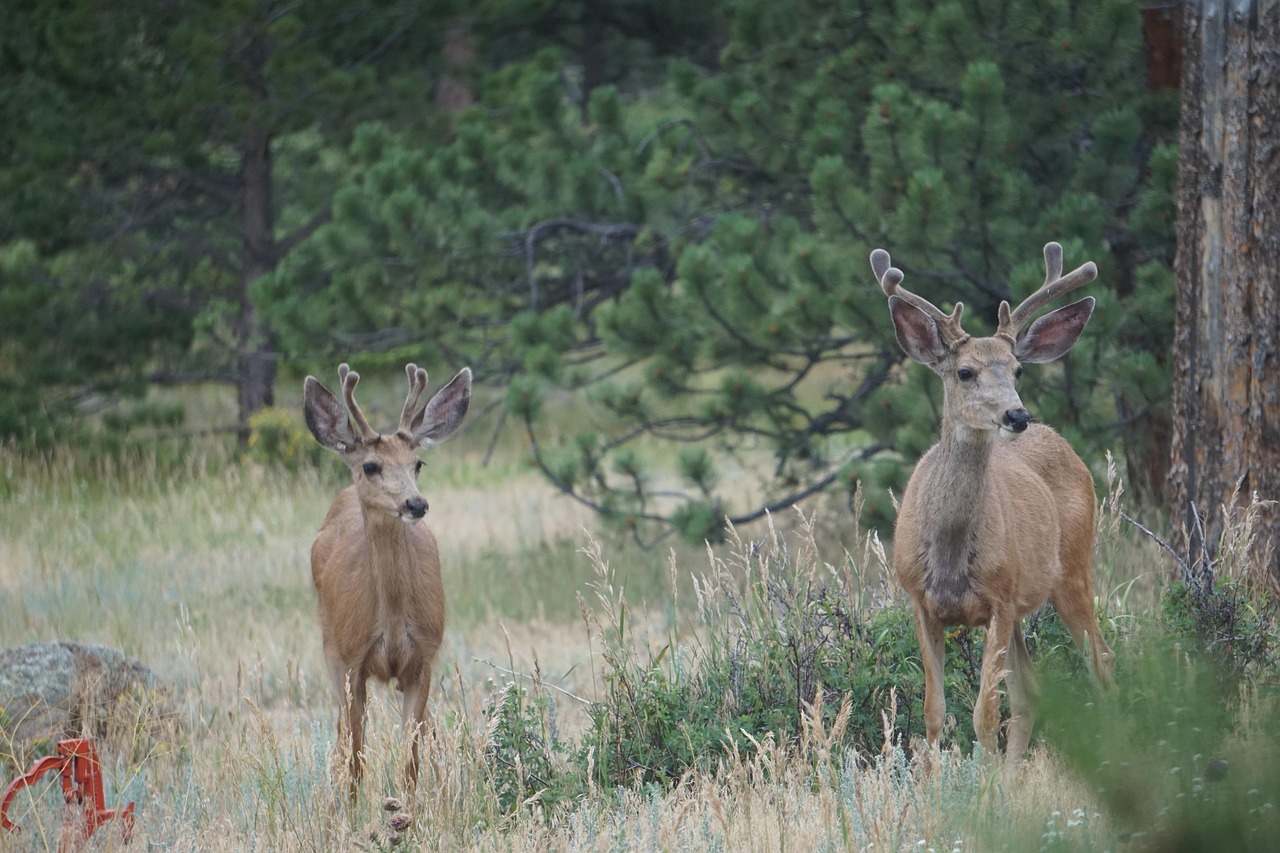
Mule deer are usually calm, but their unpredictable movements can create hazards on Bryce Canyon’s narrow trails and scenic overlooks. They may step suddenly onto paths or roads, especially at dawn and dusk when visibility is low. During mating season, males can become territorial and less cautious around people. Approach slowly, give them plenty of room, and never attempt to feed or touch them, as human interaction can cause stress and provoke defensive behavior.
2. Mountain Lions in Remote Forested Areas
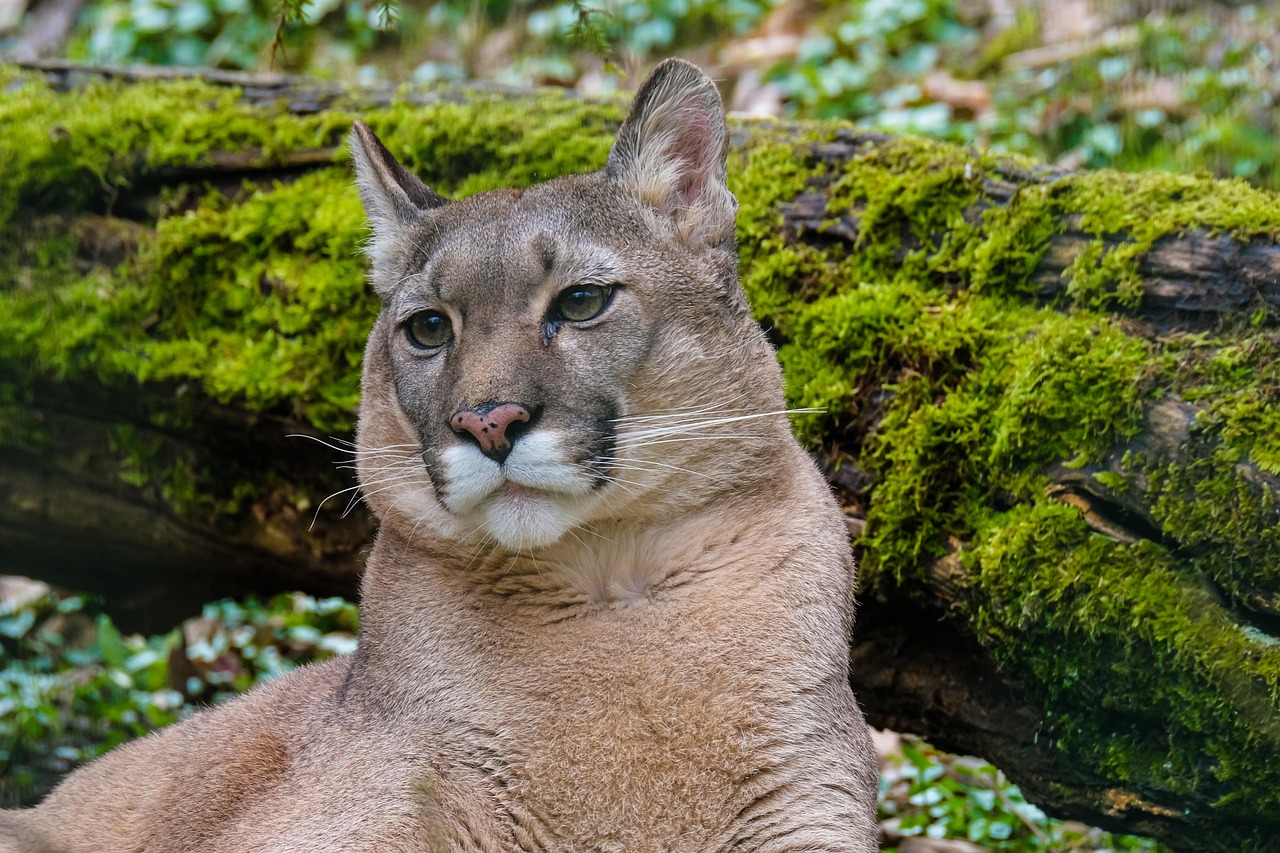
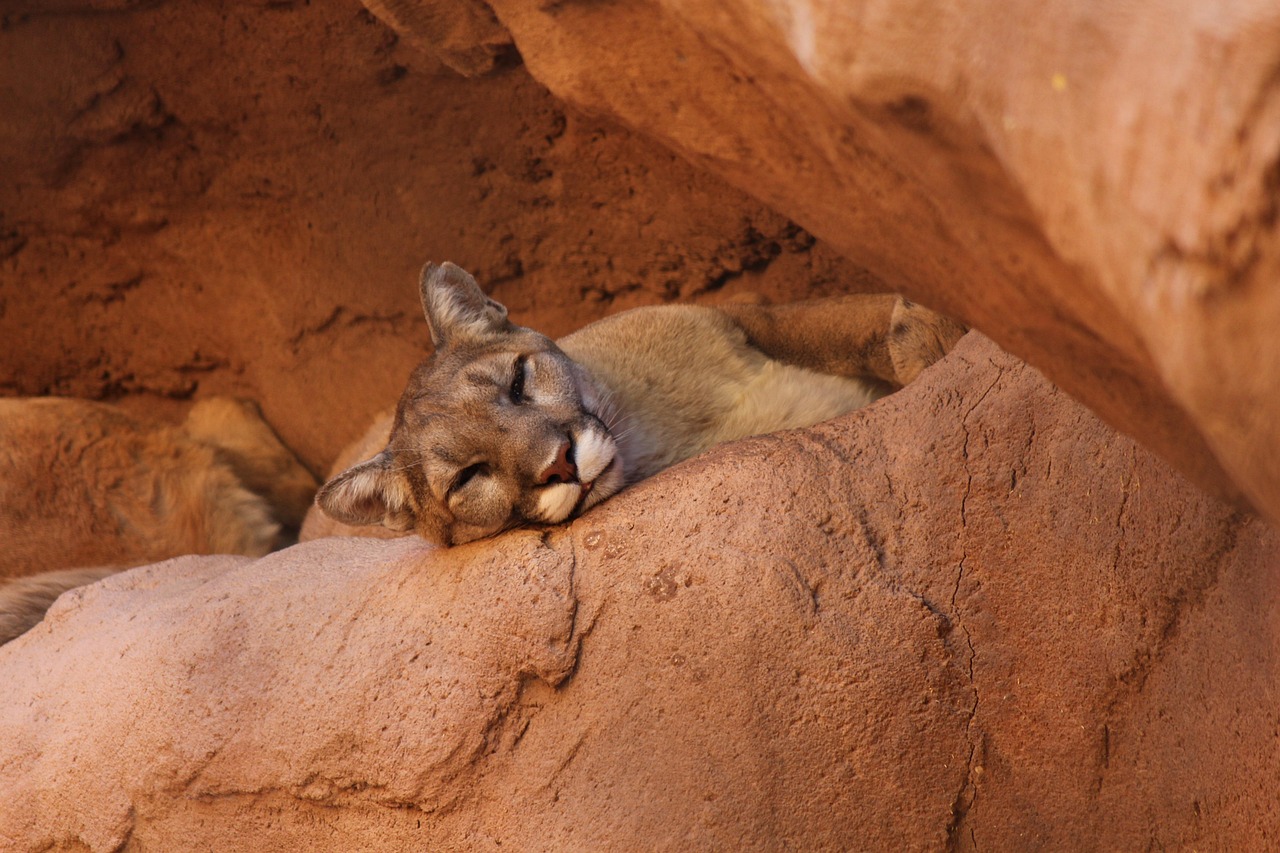
Mountain lions are secretive predators that roam the park’s remote forests, making encounters rare but potentially dangerous. They are most active at night, though early mornings and late evenings also carry risk. If you spot one, avoid running, as sudden movement may trigger a chase response. Stand tall, wave your arms, and hold eye contact while backing away steadily. Hike with others, keep children close, and stay alert around dense vegetation where visibility is limited.
3. Rattlesnakes Basking on Warm Rocks
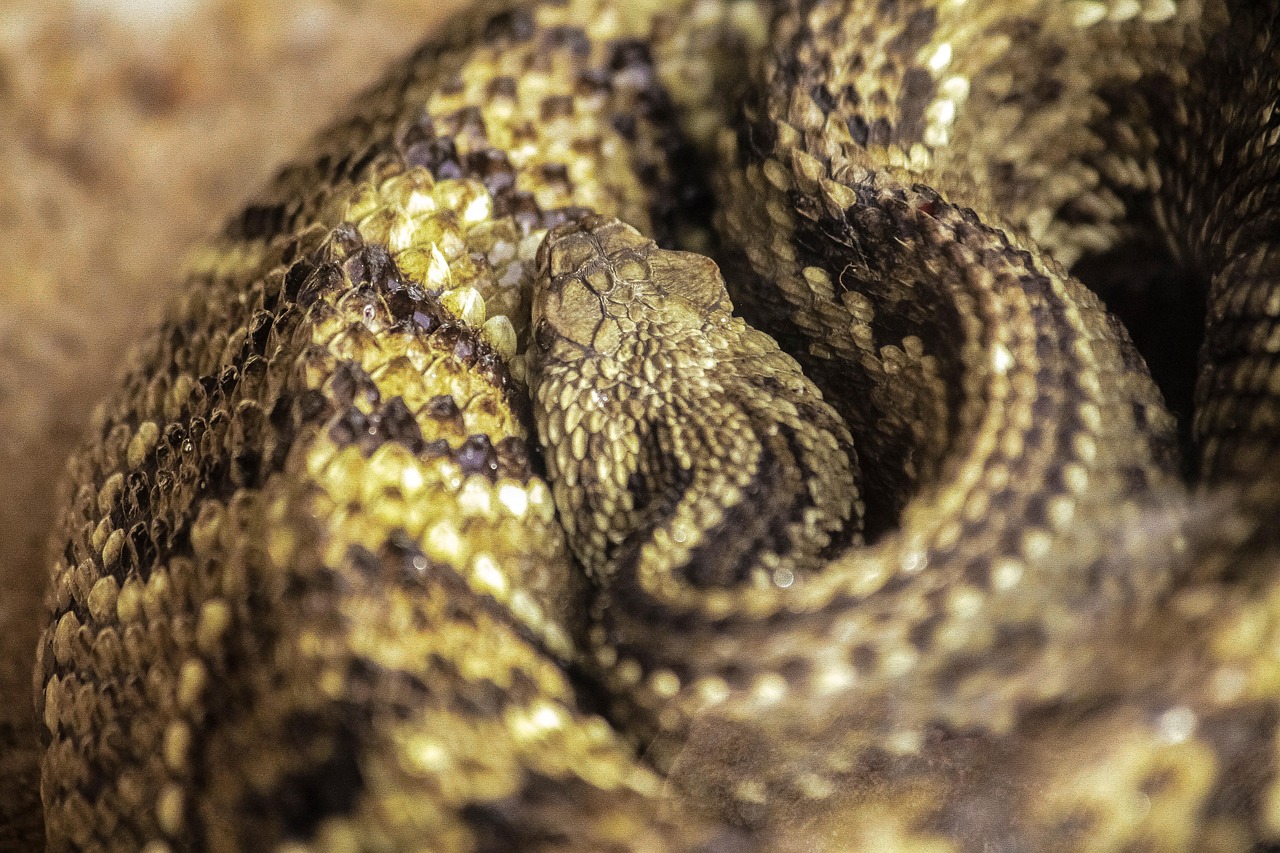
Rattlesnakes thrive in Bryce Canyon’s dry climate, often basking on sun-warmed rocks or hiding under shrubs near trail edges. Their natural camouflage makes them difficult to see until you’re dangerously close. If you hear their distinct rattle, stop immediately and give the snake space to move away. Keep to designated trails, avoid stepping over large rocks or logs without checking first, and wear durable hiking boots to reduce the risk of accidental bites.
4. Coyotes Near Campgrounds and Picnic Areas
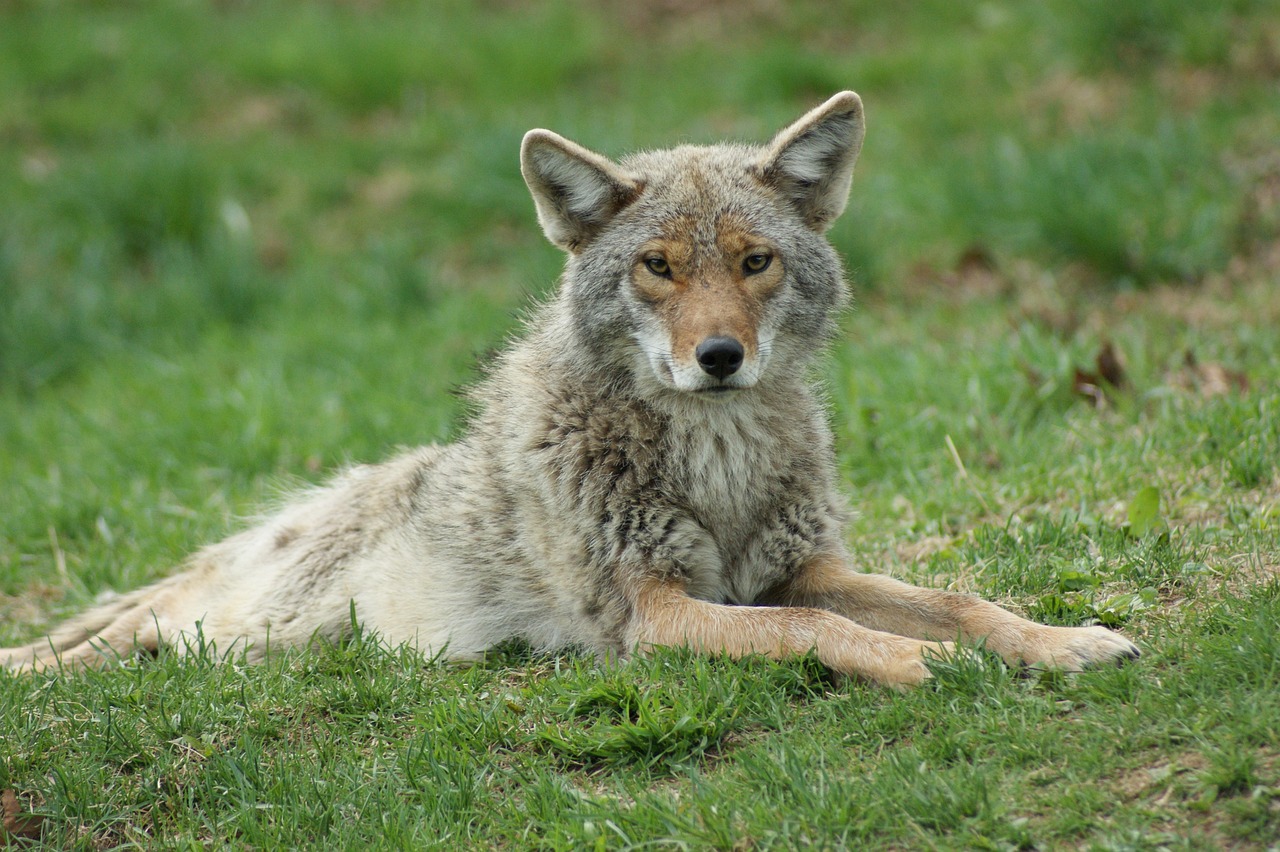
Coyotes are intelligent scavengers that adapt quickly to human presence, especially near campgrounds where food scraps may be left behind. While they typically keep their distance, they can lose natural wariness if visitors feed them or leave unsecured trash. Store food in designated bins, clean up thoroughly after meals, and never approach a coyote, even if it seems calm. Human-fed wildlife often becomes bold, increasing the chance of aggressive or unpredictable behavior.
5. Prairie Dogs That Attract Curious Visitors
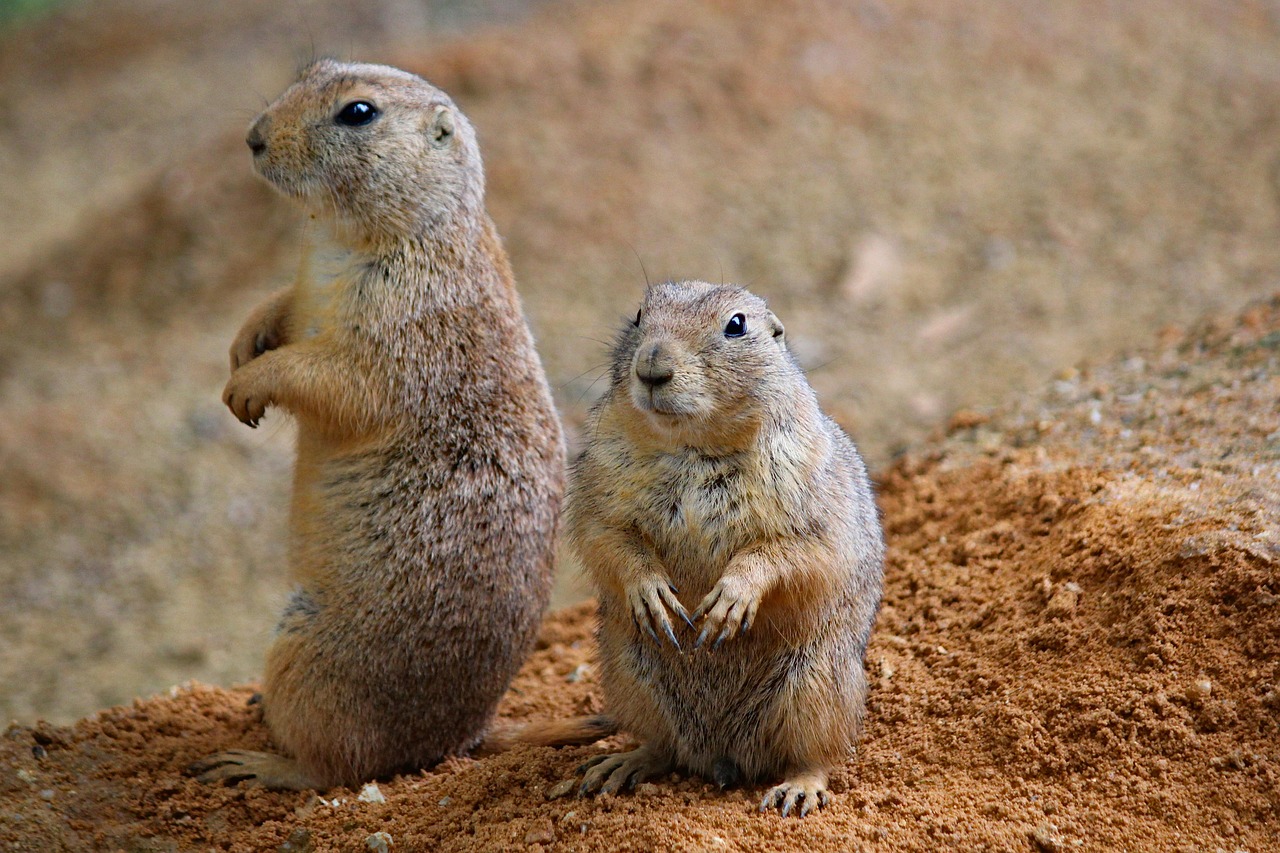
Prairie dogs are adorable and highly active, often popping in and out of burrows in open meadows. Their playful behavior tempts visitors to get closer than is safe. Despite their small size, they can carry diseases such as plague and may bite when threatened. Avoid feeding them or attempting to touch them, as human contact disrupts their natural routines. Enjoy observing them from a safe distance using a zoom lens to protect both you and the animals.