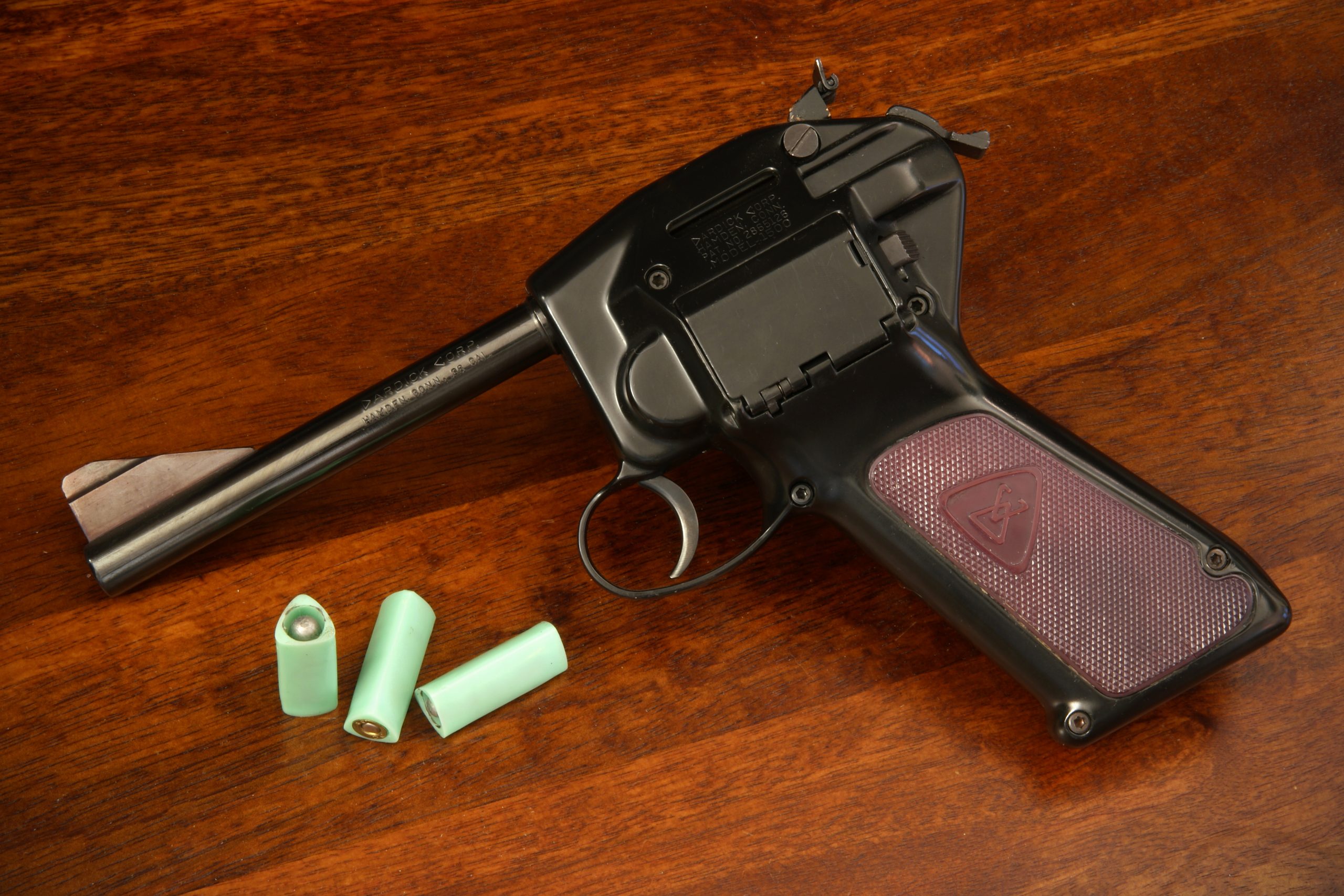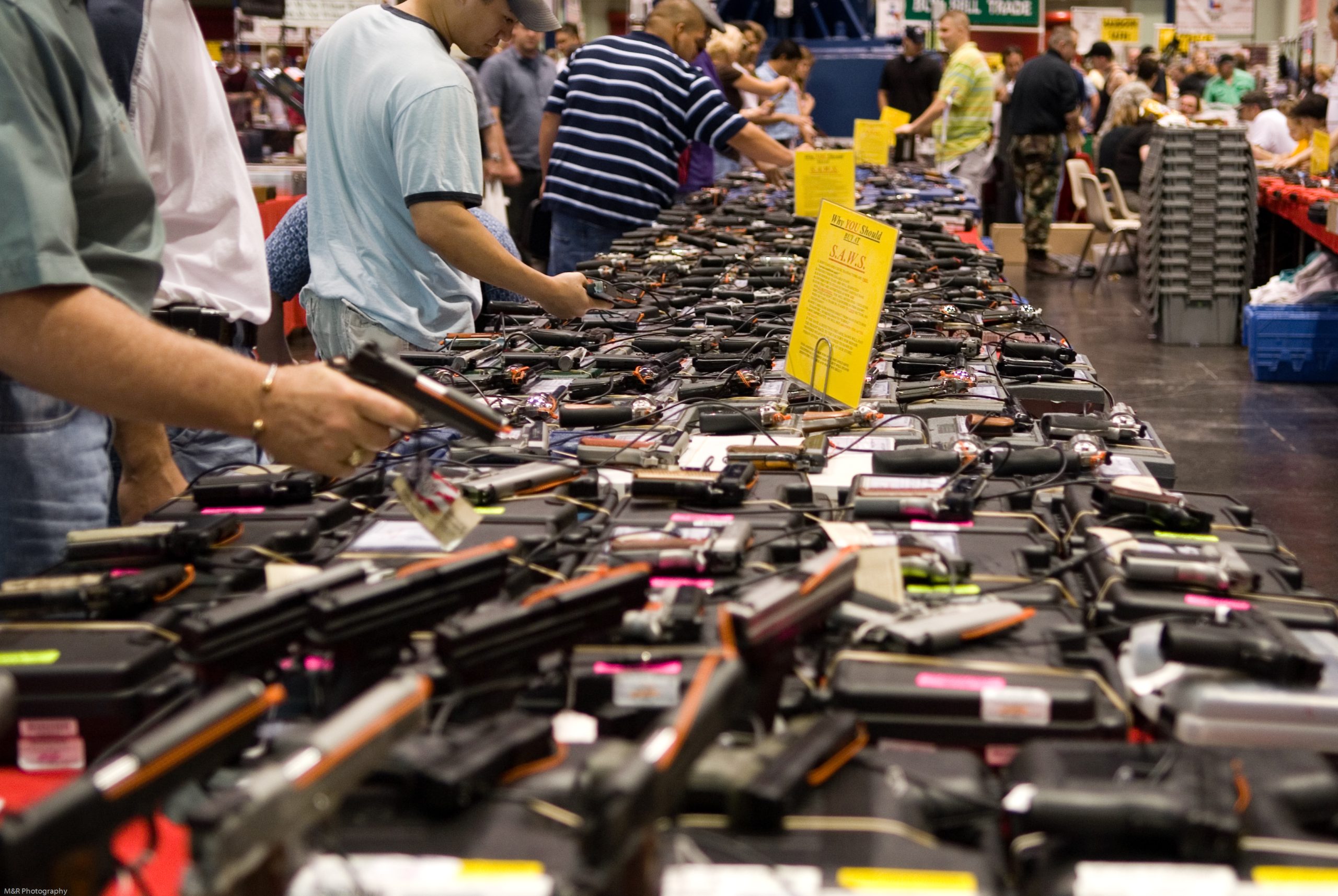
Gun shows can feel like treasure hunts for firearm enthusiasts, with rows of tables, loud chatter, and the promise of rare finds or unbeatable deals. But that atmosphere can also encourage rushed decisions and misplaced trust. Not everything under bright lights and handwritten price tags is a smart purchase. Some items are overpriced, misrepresented, or simply poor long-term investments. The key is knowing where enthusiasm turns into expense. By understanding what commonly disappoints buyers after the excitement fades, you can walk away with your wallet intact and your expectations realistic. These five items consistently cause regret and are best admired, questioned, or skipped entirely.
1. Mystery Reloaded Ammunition
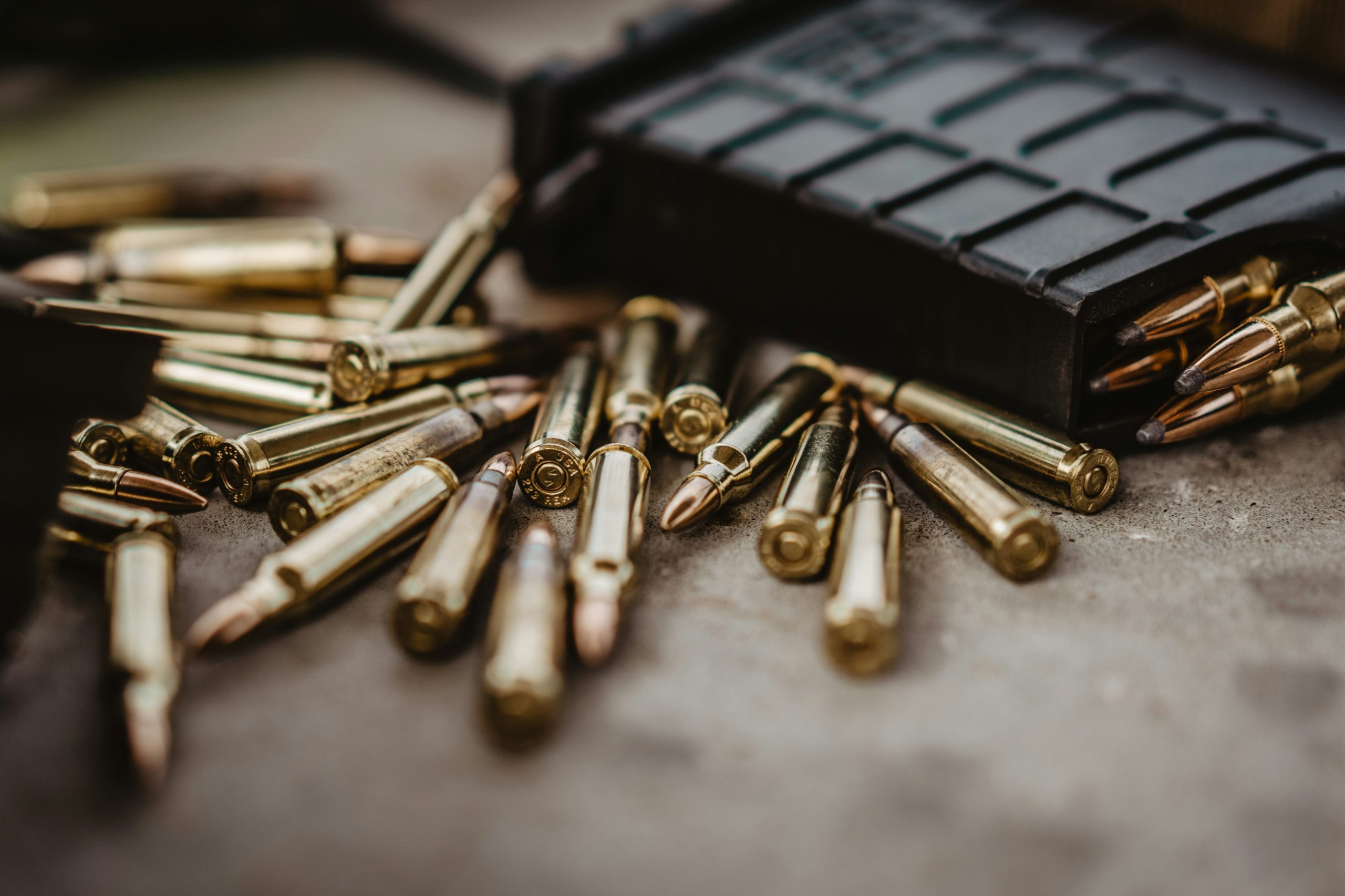
Reloaded ammunition with unknown origins is one of the most common pitfalls at gun shows. Vendors may advertise bargain prices, but the true cost can surface later in reliability issues. Without clear labeling, you have no way to verify powder consistency, primer quality, or casing history. Even visually clean rounds can hide uneven charges or excessive wear. These risks are rarely obvious at the table but become clear at the range. Inconsistent performance, feeding problems, or unusual recoil can all trace back to questionable reloads. What looks like savings upfront often turns into frustration, wasted range time, or costly repairs.
2. “Too Good To Be True” Optics
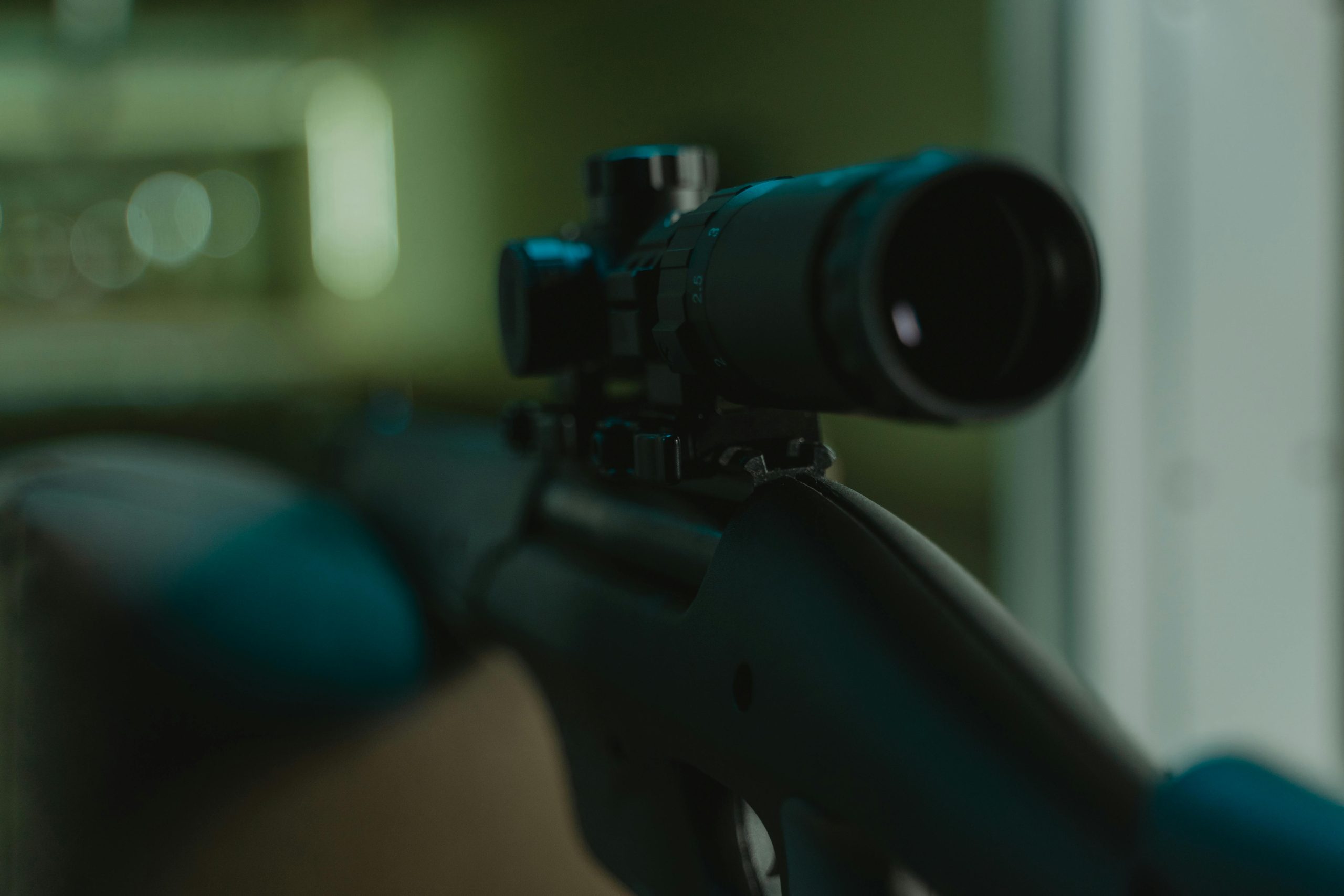
Optics priced far below retail often raise excitement but deserve immediate skepticism. Many low-cost scopes and red dots at gun shows are either counterfeit, outdated, or built with inferior materials. Branding can be misleading, with logos closely resembling respected manufacturers. Internally, these optics may suffer from poor glass clarity, weak mounting hardware, or unreliable adjustments. Problems often appear only after use, when zero shifts or electronics fail. Returning or servicing such items is difficult without proper documentation. Spending slightly more through verified retailers usually results in far better durability, support, and long-term satisfaction than impulse buys.
3. Antique Firearms Without Documentation
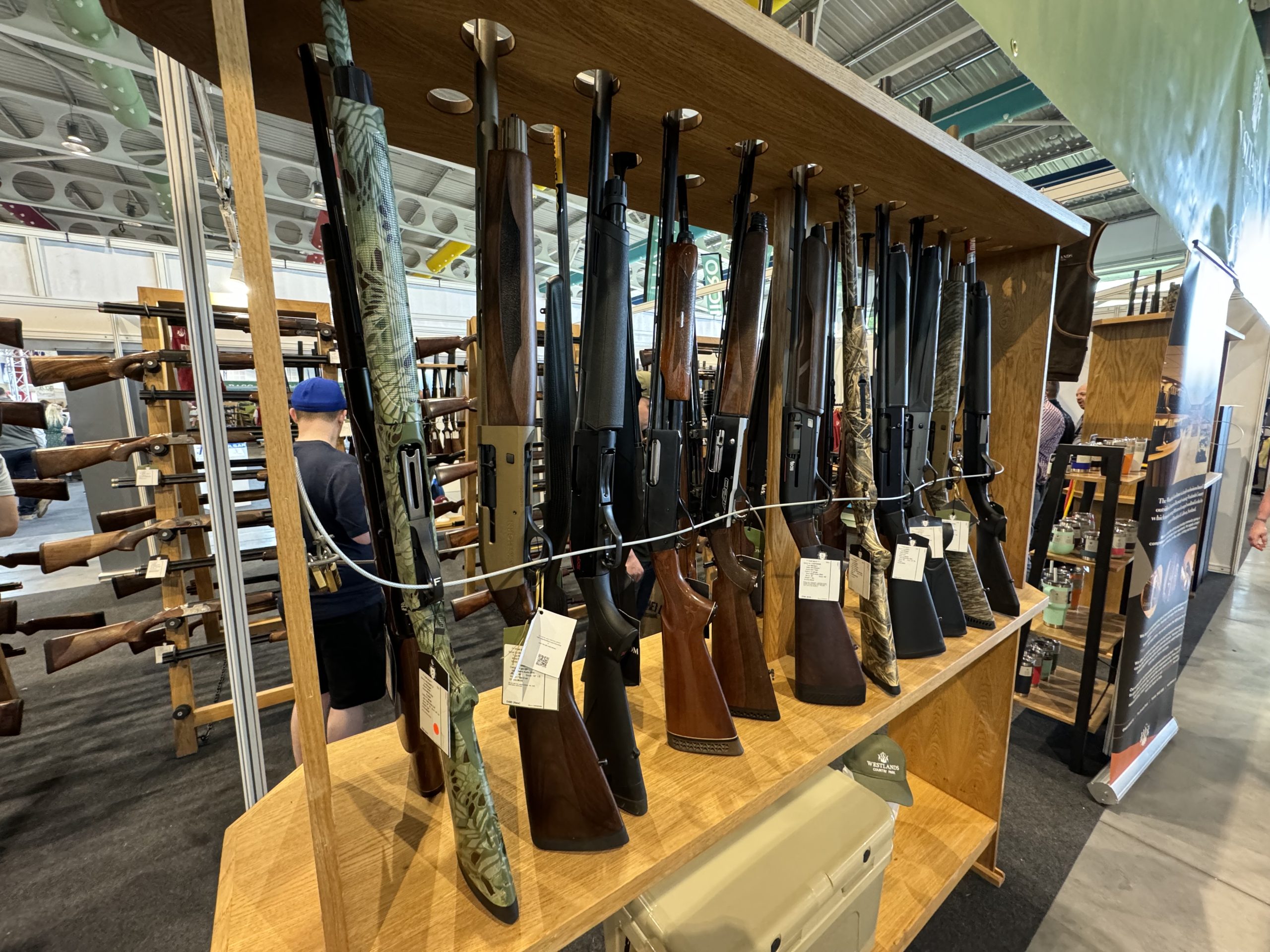
Old firearms carry charm and history, but purchasing them without documentation can be risky. Age alone does not guarantee value, and condition issues may not be immediately visible. Internal wear, replaced parts, or improper storage can significantly reduce both safety and worth. Without provenance, claims about rarity or military service are impossible to confirm. Some antiques may also require specialized maintenance or limited-use handling. Buyers often discover later that repair costs exceed the firearm’s actual value. Appreciating historic pieces is rewarding, but buying them without records or expert verification often leads to disappointment rather than pride.
4. Accessories With Inflated “Show Prices.”
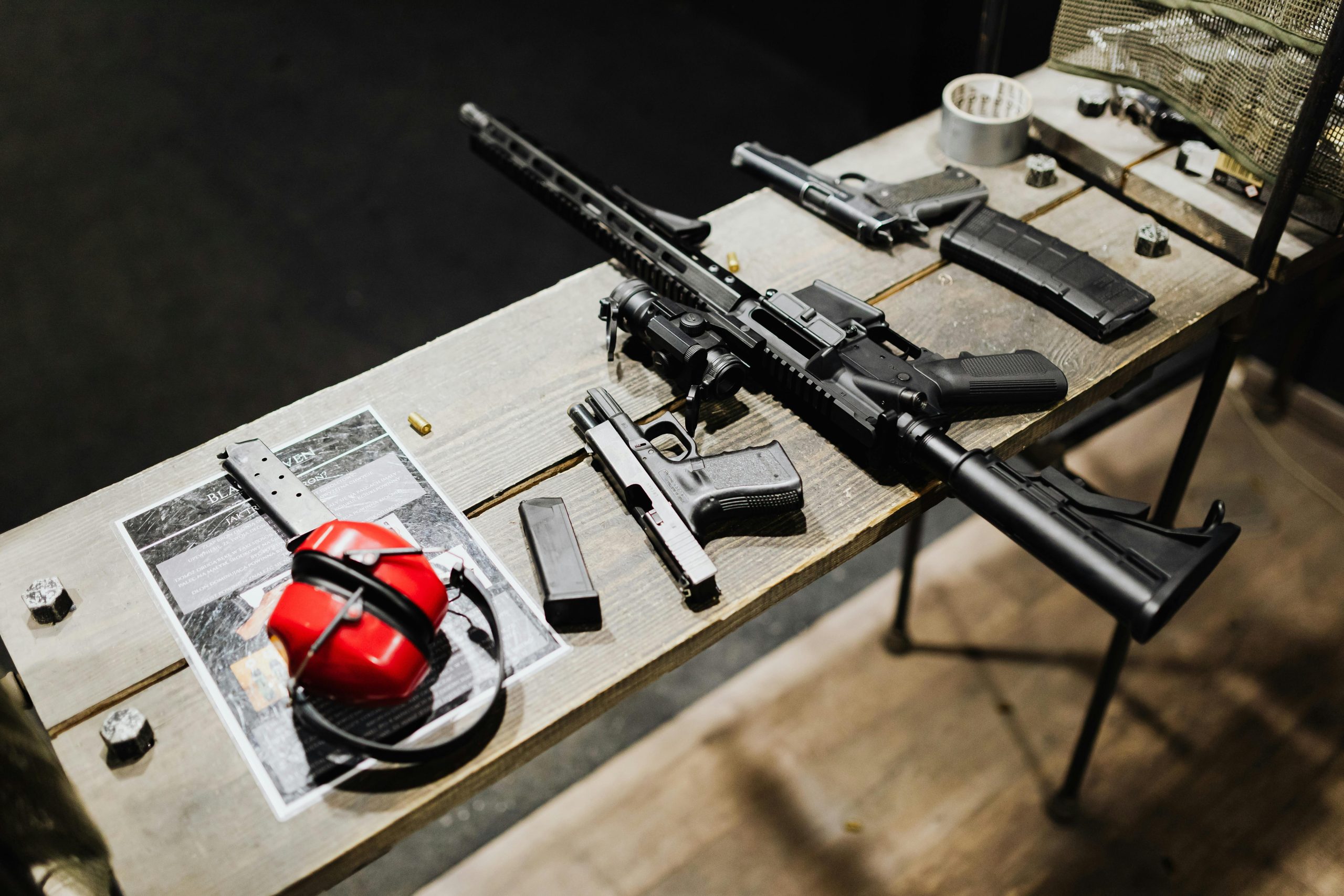
Gun shows are notorious for accessories sold at prices far above standard retail. Slings, holsters, magazines, and cleaning kits often carry “show-only” tags that suggest exclusivity. In reality, many of these items are mass-produced and widely available online for less. The urgency of the event encourages impulse purchases, especially when vendors imply scarcity. Later comparison shopping frequently reveals better deals elsewhere. Accessories should enhance your setup, not strain your budget unnecessarily. Taking time to research typical pricing beforehand helps avoid paying a premium for convenience rather than quality or genuine value.
5. Unverified Gunsmith Services
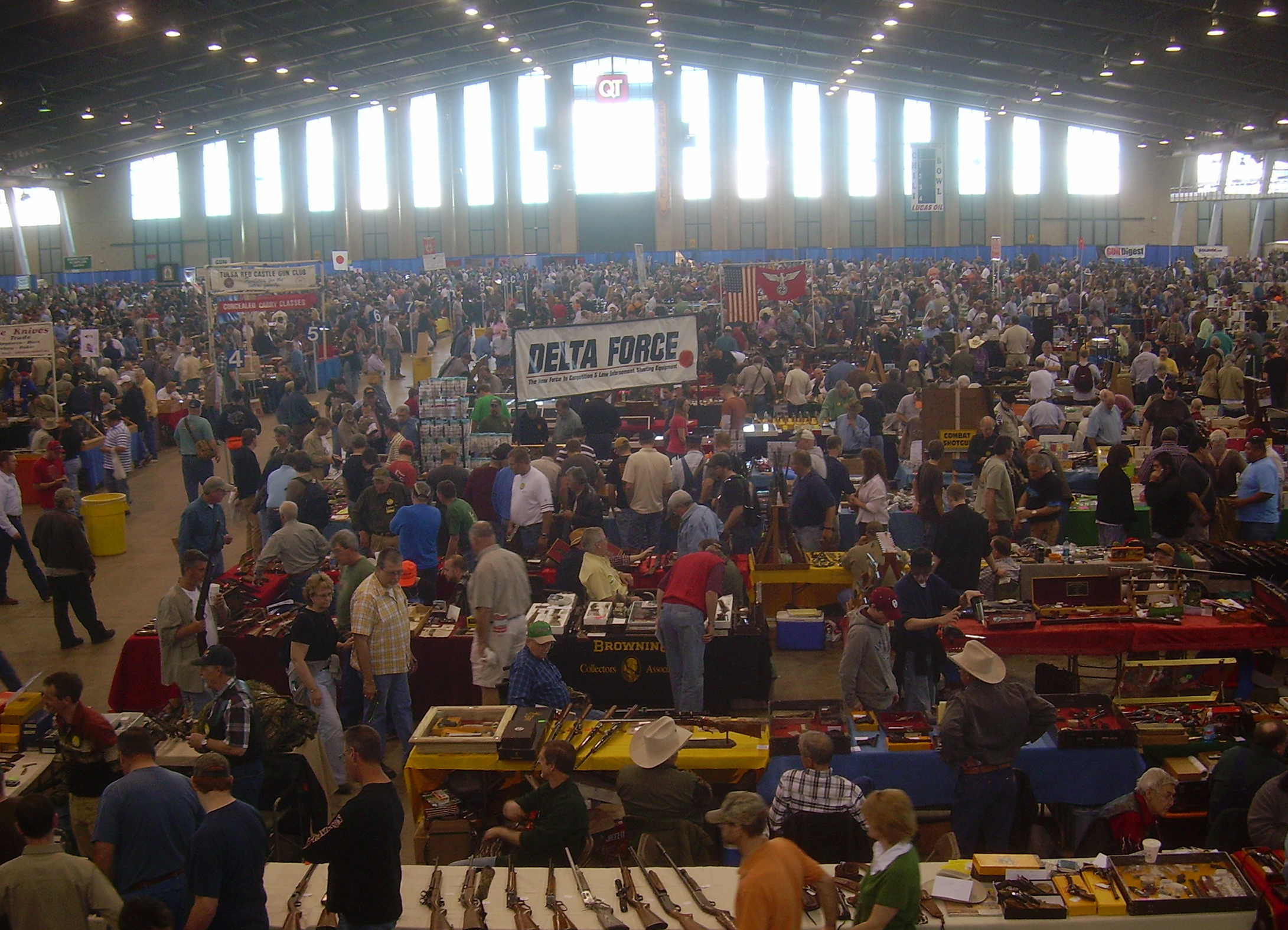
Some gun shows feature individuals offering on-the-spot gunsmithing or future service promises. While many are skilled professionals, others lack proper credentials or long-term accountability. Without a physical shop or verifiable references, follow-up support becomes uncertain. Poor workmanship may not be obvious until after use, when accuracy or reliability suffers. Additionally, warranties or guarantees can be difficult to enforce. Firearm maintenance and modification demand trust and proven expertise. Choosing established gunsmiths with documented experience and clear contact information reduces risk. A handshake agreement at a crowded show is rarely a substitute for professional accountability.