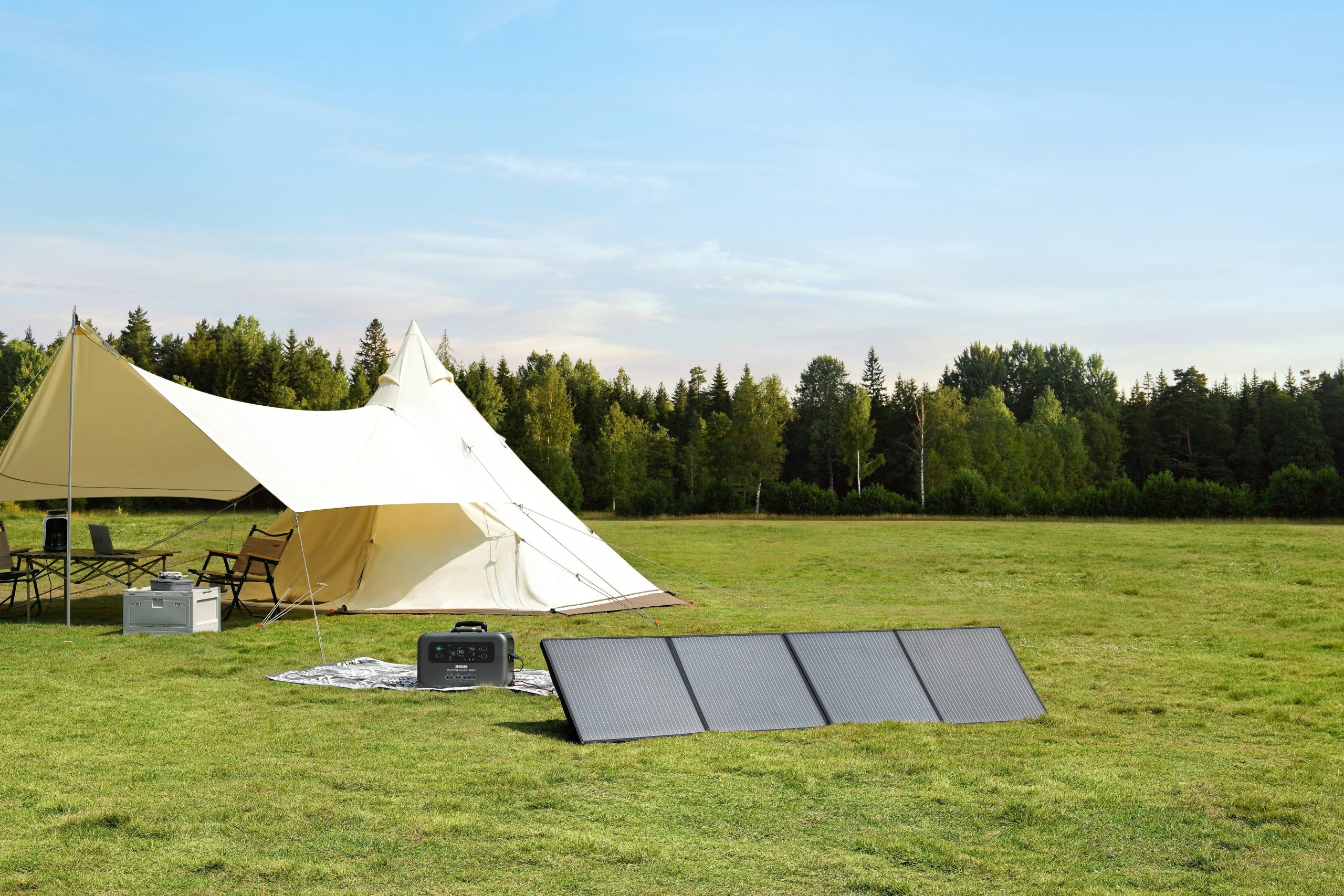
A 2022 survey by Kampgrounds of America (KOA) found that 56% of campers rely on some form of portable power to run devices, lights, and cooking gear. With modern camping blending outdoor experience and essential electronics, having reliable off-grid energy is no longer optional. From affordable batteries to renewable solar, here are five proven power solutions backed by real-world data and usage patterns.
Affordable Batteries That Last Longer Than You Think

Disposable or rechargeable AA and AAA batteries remain one of the cheapest energy sources. According to Consumer Reports, alkaline AA batteries store about 2,500 mAh, while rechargeable NiMH options can be cycled up to 500 times, lowering long-term costs. They’re ideal for flashlights, headlamps, and small radios—critical in emergencies when larger systems fail. For weight-sensitive backpackers, a pack of rechargeables and a USB charger offers high energy density per gram.
Pocket-Sized Power Banks That Keep You Connected

Portable power banks have become the most common backup for campers. A 20,000 mAh lithium-ion power bank can fully recharge a typical smartphone five to six times, according to data from Battery University. Many models now feature USB-C Power Delivery up to 60W, capable of charging tablets and even some laptops. Rugged, waterproof variants are built for outdoor use, ensuring critical navigation apps and emergency communication devices stay powered.
Portable Power Stations for Heavy-Duty Camping

Power stations, essentially larger lithium-ion batteries with AC outlets, provide serious off-grid capacity. Units like the Jackery Explorer 1000 offer 1,002 Wh of storage, enough to run a mini-fridge for 14 hours or recharge drones, cameras, and laptops multiple times. A 2023 Outside magazine review found that most campers using power stations ran CPAP machines, fans, and cooking appliances reliably during multi-day trips. Though pricier, they’re indispensable for car camping and group setups.
Solar Panels That Deliver Renewable Power Anywhere
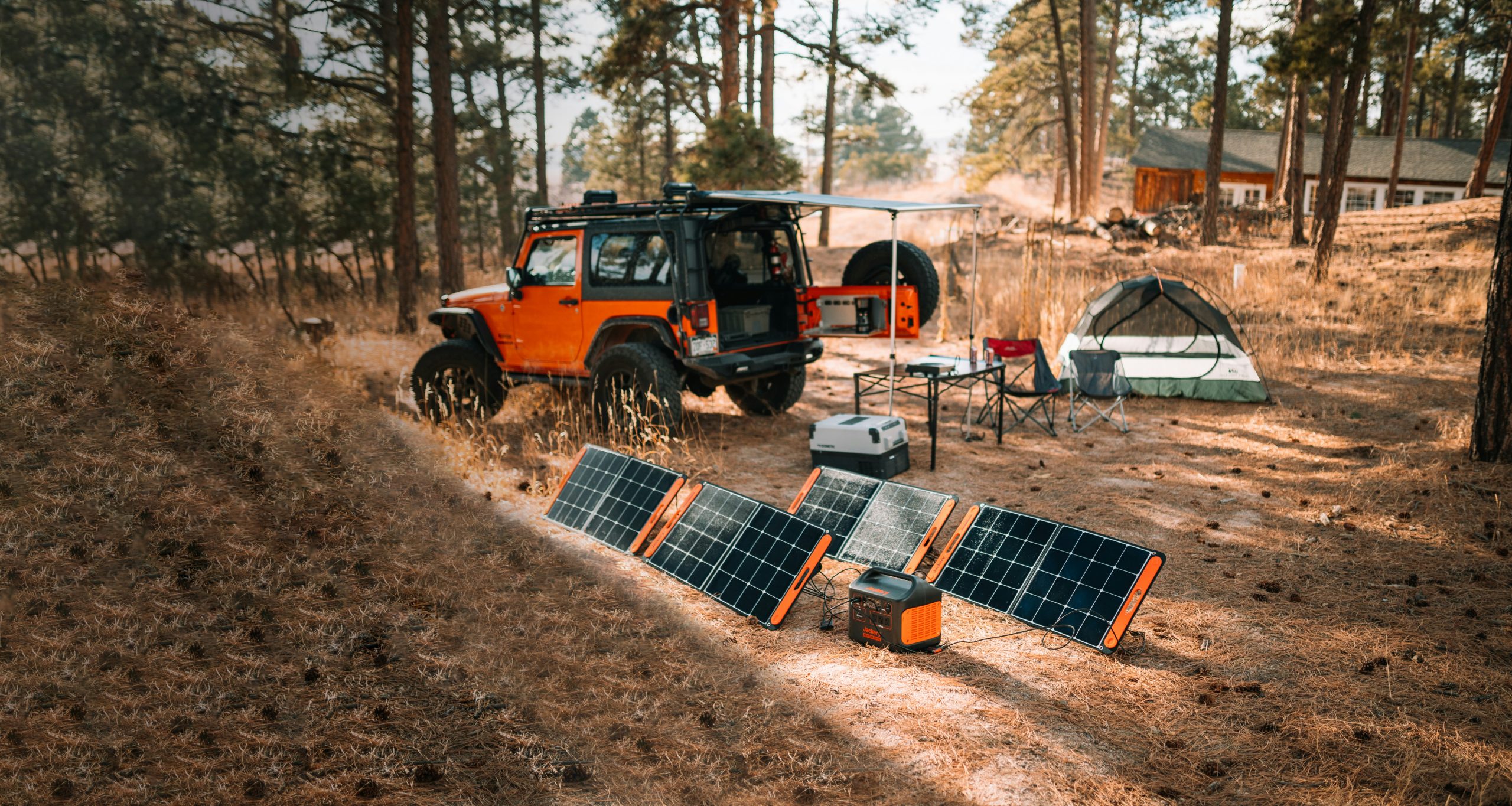
Portable solar technology has advanced dramatically. A 100W folding solar panel in direct sunlight can generate around 400–500 Wh per day, enough to recharge a power station or multiple devices. According to the U.S. Department of Energy, solar panels can retain 80% efficiency even after 25 years of use. For campers staying in one place for several days, solar offers sustainable, quiet energy without carrying extra fuel or relying solely on stored charge.
Gas Generators for Reliable High-Power Needs

Small inverter generators provide unmatched continuous output, ideal for running high-wattage appliances. A Honda EU2200i, for instance, produces 1,800 watts of continuous power on less than a gallon of fuel for 8 hours. U.S. Forest Service guidelines stress that only inverter models meet the 60 dB noise limit in many campgrounds, minimizing disturbance to wildlife and neighbors. While heavier and fuel-dependent, generators remain the only practical solution for extended power-hungry trips.