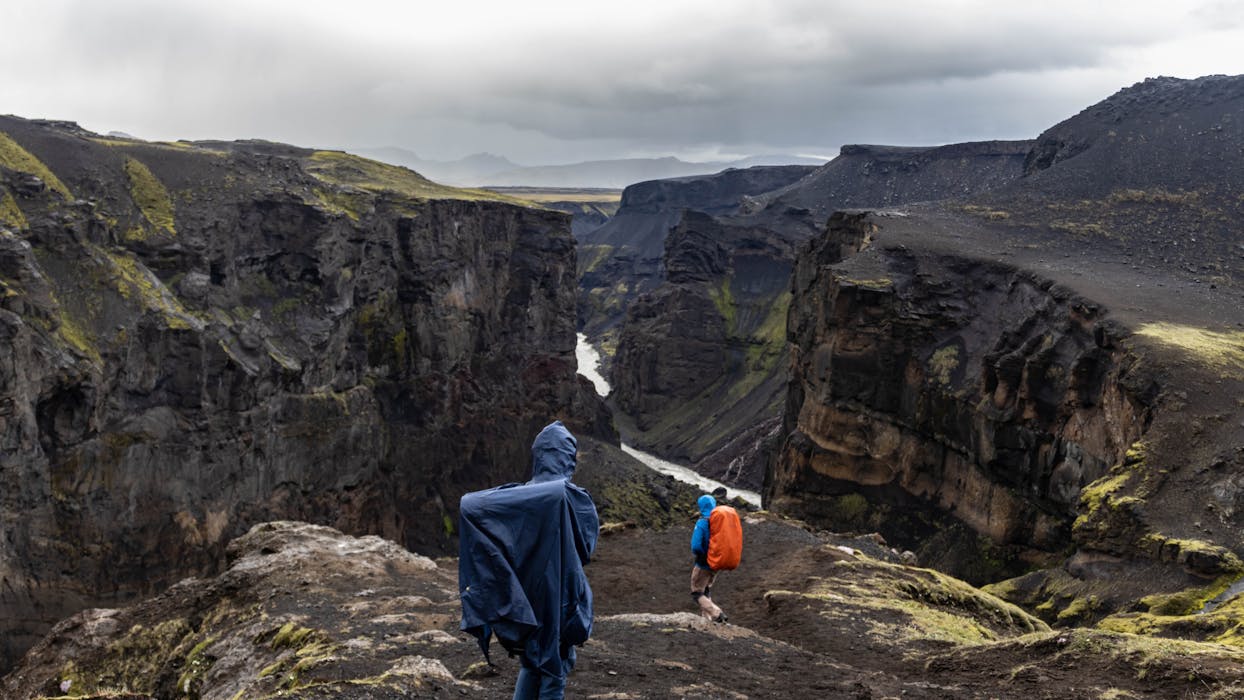
A wet trail often hides hazards that can turn a simple hike into a far more challenging experience, and recognizing early warning signs helps prevent unexpected trouble along the way. Many outdoor paths change quickly after steady rainfall, and softened ground creates unstable footing that requires more attention than usual. Flooded sections may conceal uneven terrain or deep mud that can disrupt balance. Slippery surfaces form on rocks, wood, and compact soil, raising the chances of sudden falls. Understanding how trails react to moisture encourages safer decision-making and keeps the focus on enjoying the surroundings rather than managing avoidable risks.
Saturated or Unstable Ground
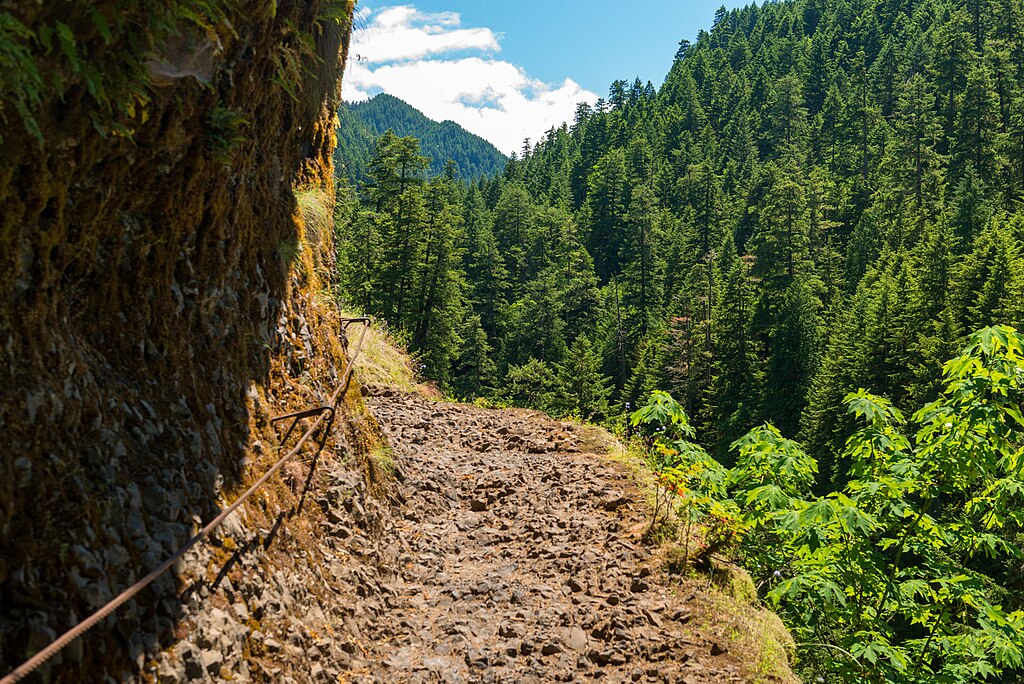
A trail often becomes unsafe when steady rain saturates the soil enough to weaken its structure, making each step far less predictable than under dry conditions. Soft earth may shift under pressure, and deep mud can form pockets that trap boots or force unstable footing. Some paths built on clay-rich soil absorb water slowly, causing thick and slippery patches that challenge traction. Even well-maintained trails experience erosion when runoff channels carve new grooves across the surface. Noticing how the ground behaves after rainfall helps determine whether a route remains reliable or requires extra caution to prevent accidents caused by sudden instability.
Rapid Water Flow Across the Path
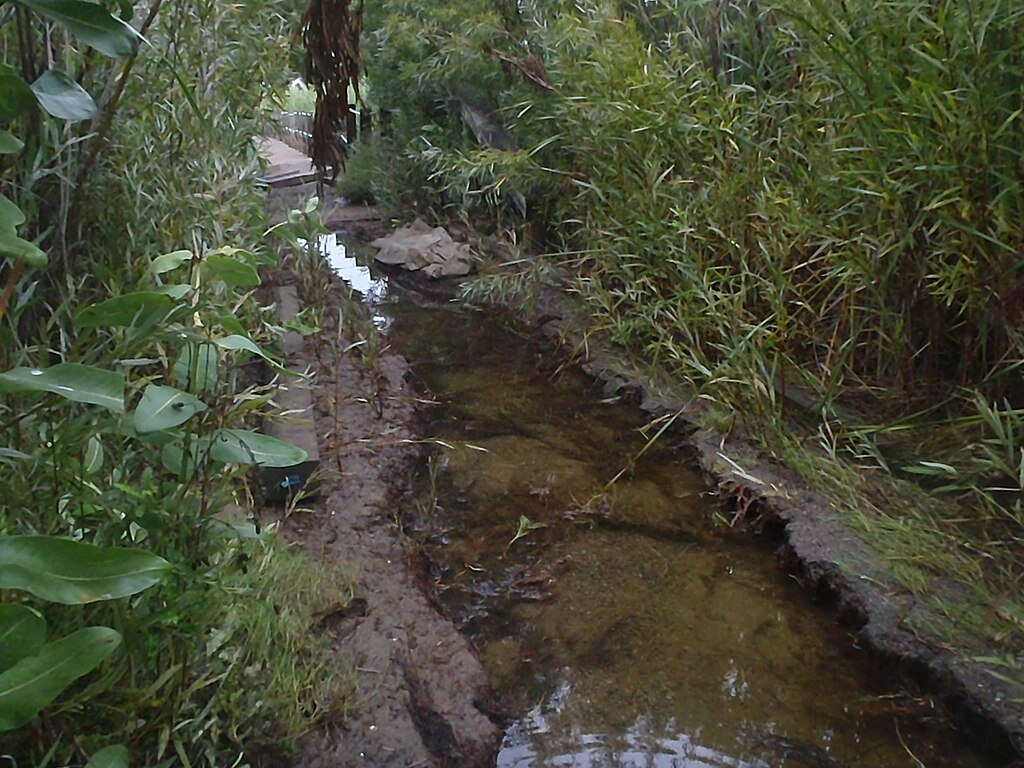
Heavy rainfall can create fast-moving runoff that crosses trails and hides the firmness of the ground beneath, increasing the risk of stepping into soft, unstable pockets. Water flowing at a shallow depth may appear harmless, yet it often carries sediment that reduces traction and contributes to slippery surfaces. Some trails built near slopes or drainage lines collect runoff quickly, turning familiar sections into temporary streams that disrupt normal footing. Rocks beneath the water may shift under weight, and submerged roots can create sudden tripping hazards. Observing how water interacts with the trail surface offers an important clue about whether conditions remain manageable or have become too unpredictable for safe travel.
Slippery Rocks, Wood, or Roots
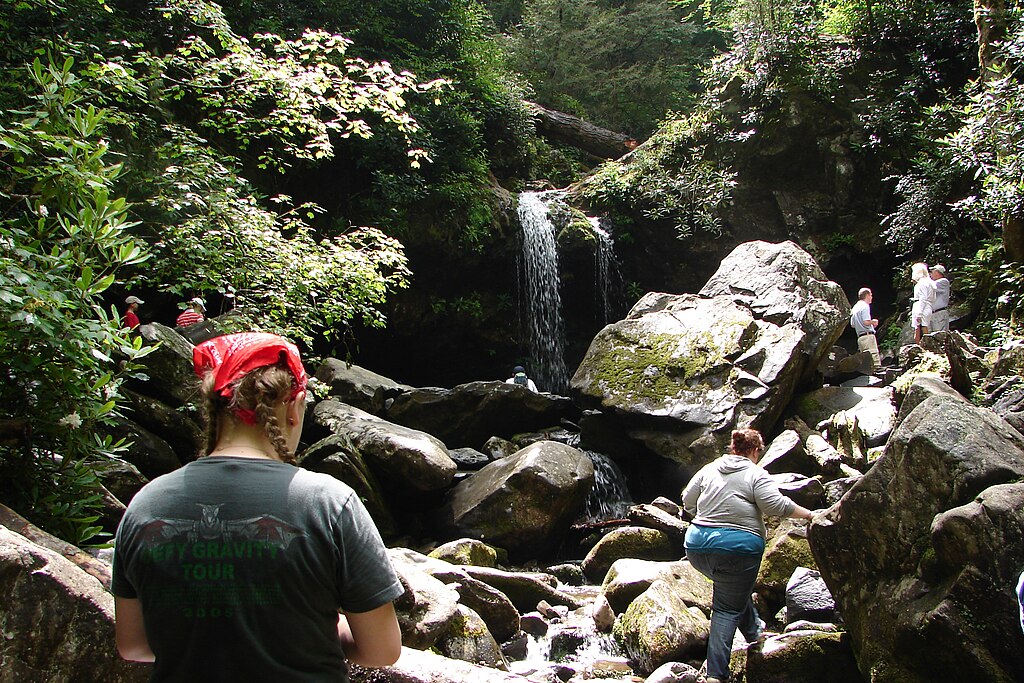
Wet trails often feature slick surfaces that become far more hazardous after rainfall, especially when natural materials retain moisture for extended periods. Rocks grow coated with a thin layer of algae or soil that turns glassy and smooth once soaked, creating unexpected sliding risks. Wooden bridges, boardwalks, or fallen logs behave similarly because damp fibers reduce friction underfoot. Tree roots exposed along the path absorb water and develop a polished texture that makes each step uncertain. Even gentle slopes transform when these surfaces combine to challenge balance. Recognizing how rainfall affects traction on common trail features plays an essential role in avoiding falls or missteps that could lead to injuries.
Erosion, Washed Out Sections, or Fresh Debris
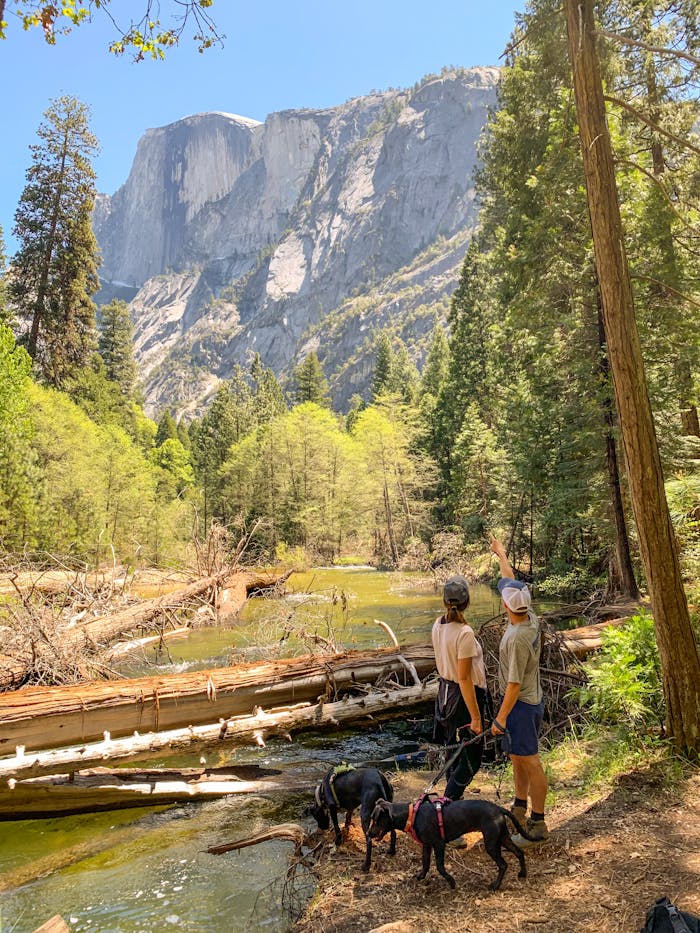
A trail may show clear signs of structural change after heavy rain, and these indicators reveal potential dangers that develop when water disrupts the natural landscape. Erosion often removes topsoil from sloped areas, leaving loose gravel or unstable ledges that crumble under pressure. Washed-out sections interrupt the normal path and may expose steep drop-offs or hidden obstacles that were previously covered. Fallen branches, scattered rocks, or newly formed ruts can obstruct movement and make route finding more difficult. Some trails in forested regions also experience debris buildup near bends where water collects. Paying attention to changes in trail shape helps determine whether conditions remain safe enough to continue forward.
Standing Water or Persistent Flooding

Pooling water that lingers long after rainfall often signals deeper issues affecting trail safety because it suggests poor drainage or underlying structural weakness. When water settles in low spots, it hides uneven ground that may give way under weight. Prolonged flooding softens soil layers and increases the chance of slipping or sinking unexpectedly. Boardwalks or bridges located near marshy sections may warp or shift when saturated for extended periods. Trails near rivers or streams can experience sudden rises that overflow onto the path, creating unpredictable conditions. Recognizing how water accumulates and how long it remains offers important insight into whether a trail has fully recovered from recent rain or still poses significant risks.