The Colt Walker remains the most valuable martial pistol in American history and currently commands millions at auction. Texas Ranger Samuel Walker designed this massive four-pound revolver to kill horses and enemies at considerable distances. However, this legendary hand cannon suffered from a catastrophic failure rate during its service in the Mexican-American War. Nearly one-third of the original issue burst their cylinders or barrels during combat operations. This guide explores the five specific engineering and chemical factors that caused this iconic weapon to self-destruct in the hands of the brave soldiers who trusted it.
Flawed Iron Metallurgy
The manufacturing technology available in the eighteen forties was simply not advanced enough to contain the pressure of the Walker. Samuel Colt utilized wrought iron rather than modern steel to construct the massive cylinders for these revolvers. This material often contained microscopic impurities and slag inclusions that created invisible weak points within the chamber walls. When the shooter ignited a full charge of powder, the sudden expansion found these hidden flaws instantly. The metal would shear apart violently along these stress lines and send shrapnel flying into the hand and face of the operator without any warning at all.
Excessive Powder Capacity
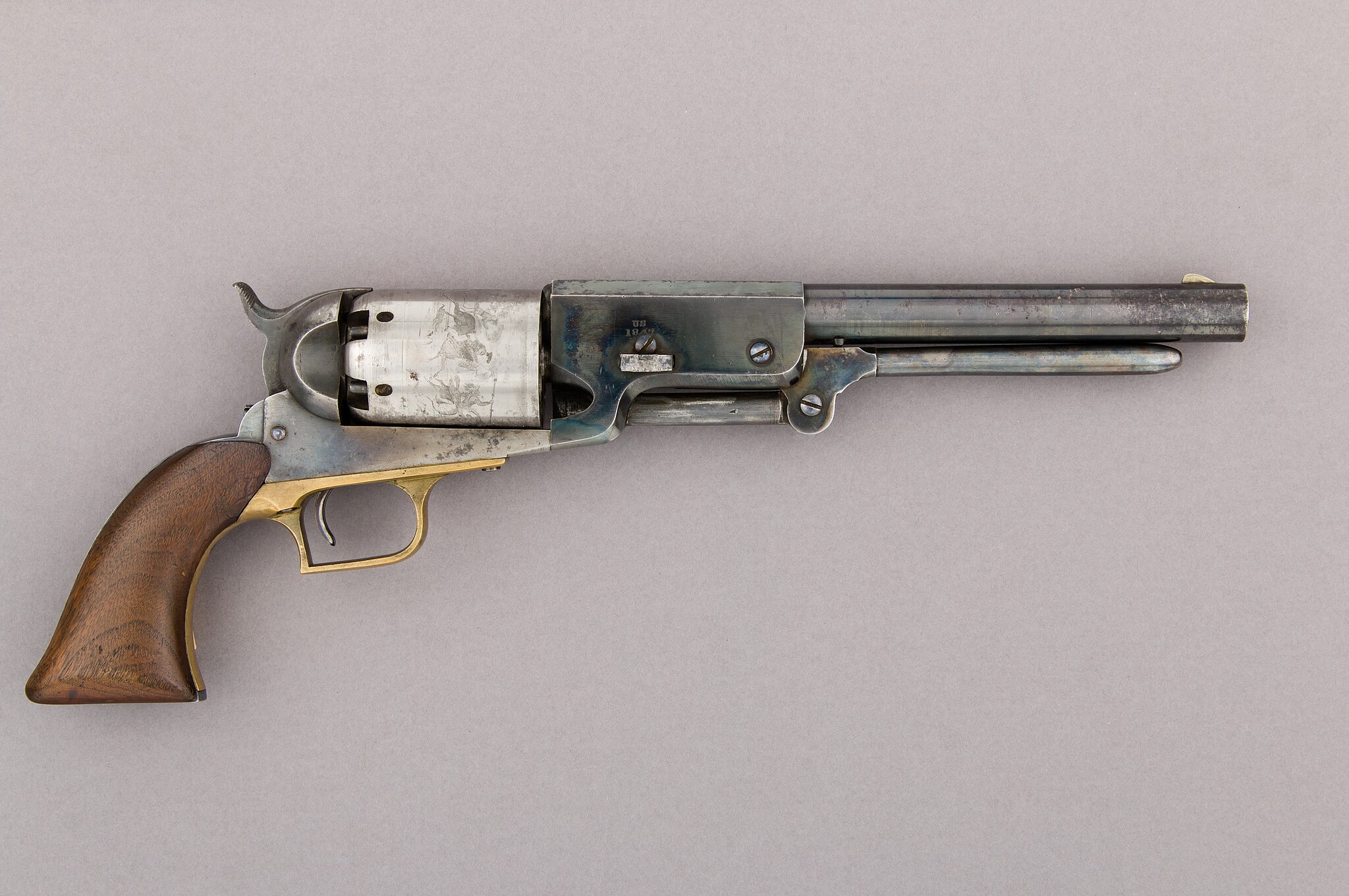
Designers created the Walker to hold an unprecedented sixty grains of black powder in each of its six chambers. This massive volume was intended to rival the power of a musket, but it pushed the iron cylinder to its absolute limit. The walls between the chambers were relatively thin to keep the already heavy weapon from becoming unmanageable. There was virtually no margin of safety built into the design to handle pressure spikes or hot loads. Even a standard charge stressed the metal near its yield point with every single shot fired, which made it an engineering gamble.
Backward Bullet Loading
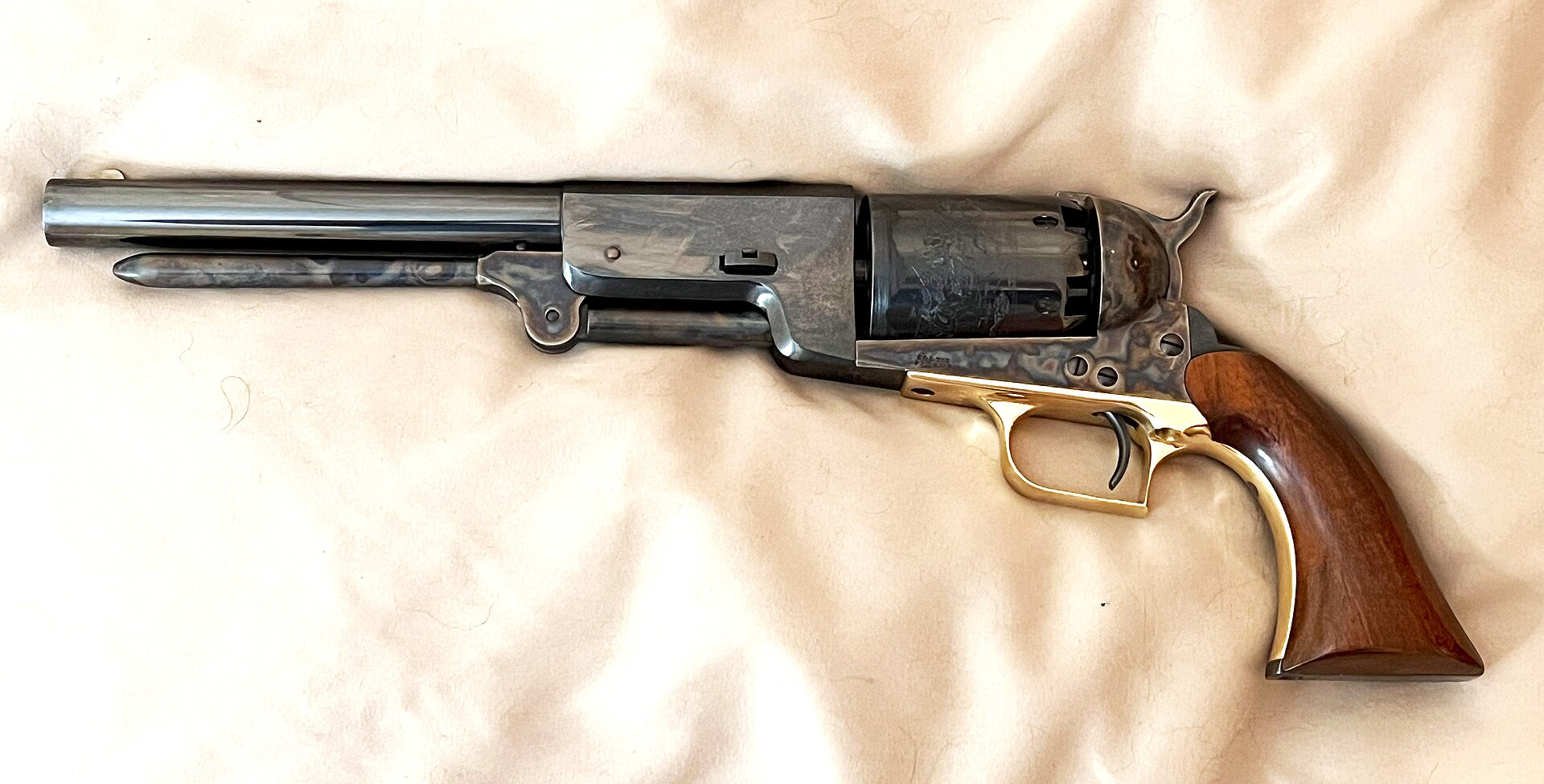
The original ammunition designed for the Walker featured a conical picket bullet that was difficult to load correctly under stress. Soldiers discovered that loading this pointed projectile backward created more space inside the chamber for additional gunpowder. They mistakenly believed that packing in extra propellant would increase the lethality of the weapon against distant targets. Unfortunately, this practice created a dangerous overpressure situation that the wrought iron cylinder could not withstand. This user-induced error turned the revolver into a handheld grenade that destroyed the gun and maimed the shooter immediately upon firing the first shot.
Inconsistent Powder Quality
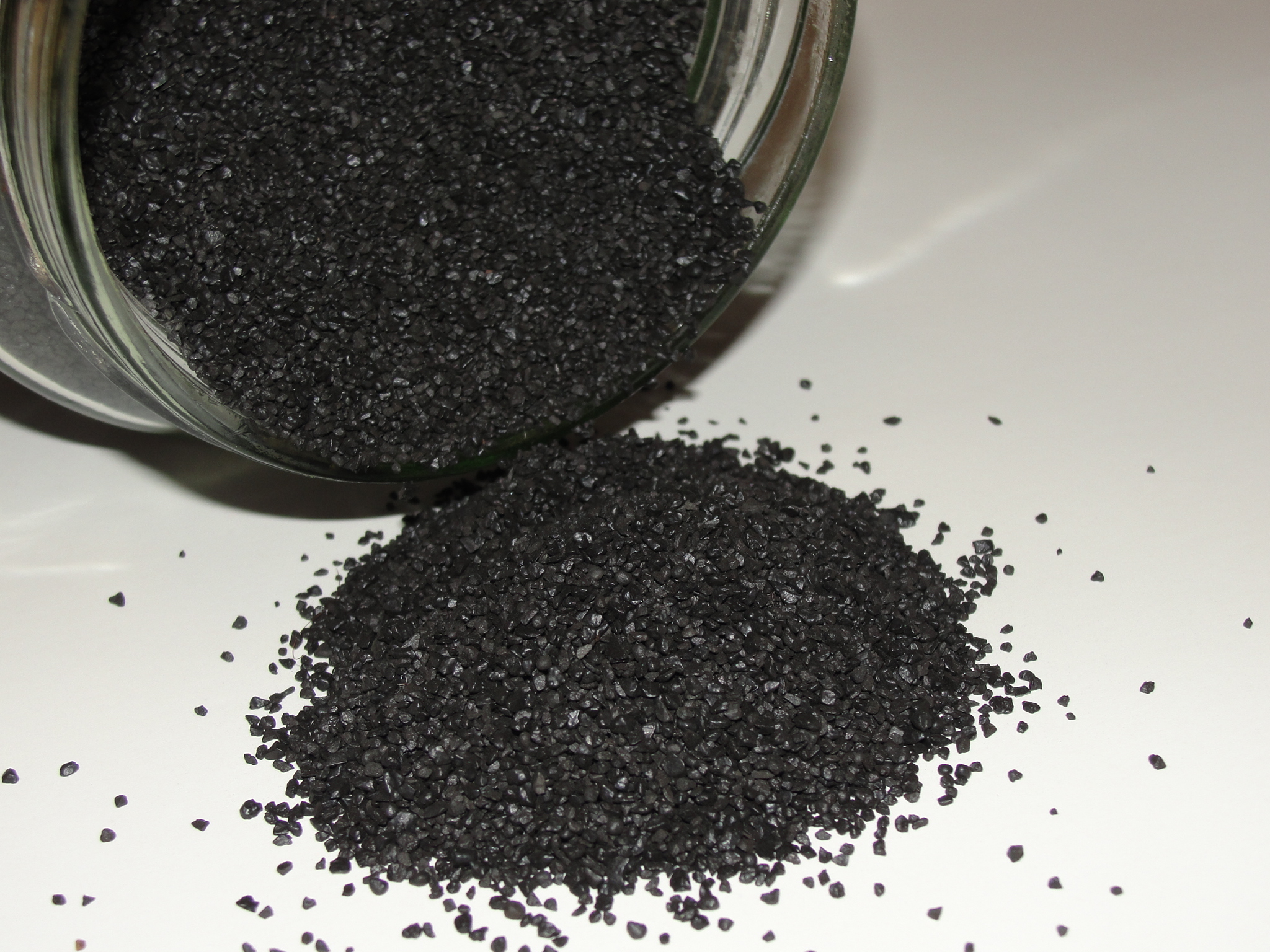
Gunpowder production in the mid-nineteenth century lacked the strict quality control standards found in modern ammunition manufacturing facilities. The grain size and chemical composition of black powder supplies varied wildly between different batches and government arsenals. Some mixtures burned significantly faster and hotter than others, which created unpredictable pressure curves inside the barrel. A charge that was safe one day might generate an explosive spike the next, depending on the specific keg used. This chemical inconsistency made every pull of the trigger a potential roll of the dice for the cavalrymen serving on the dangerous front lines.
Deadly Chain Fires
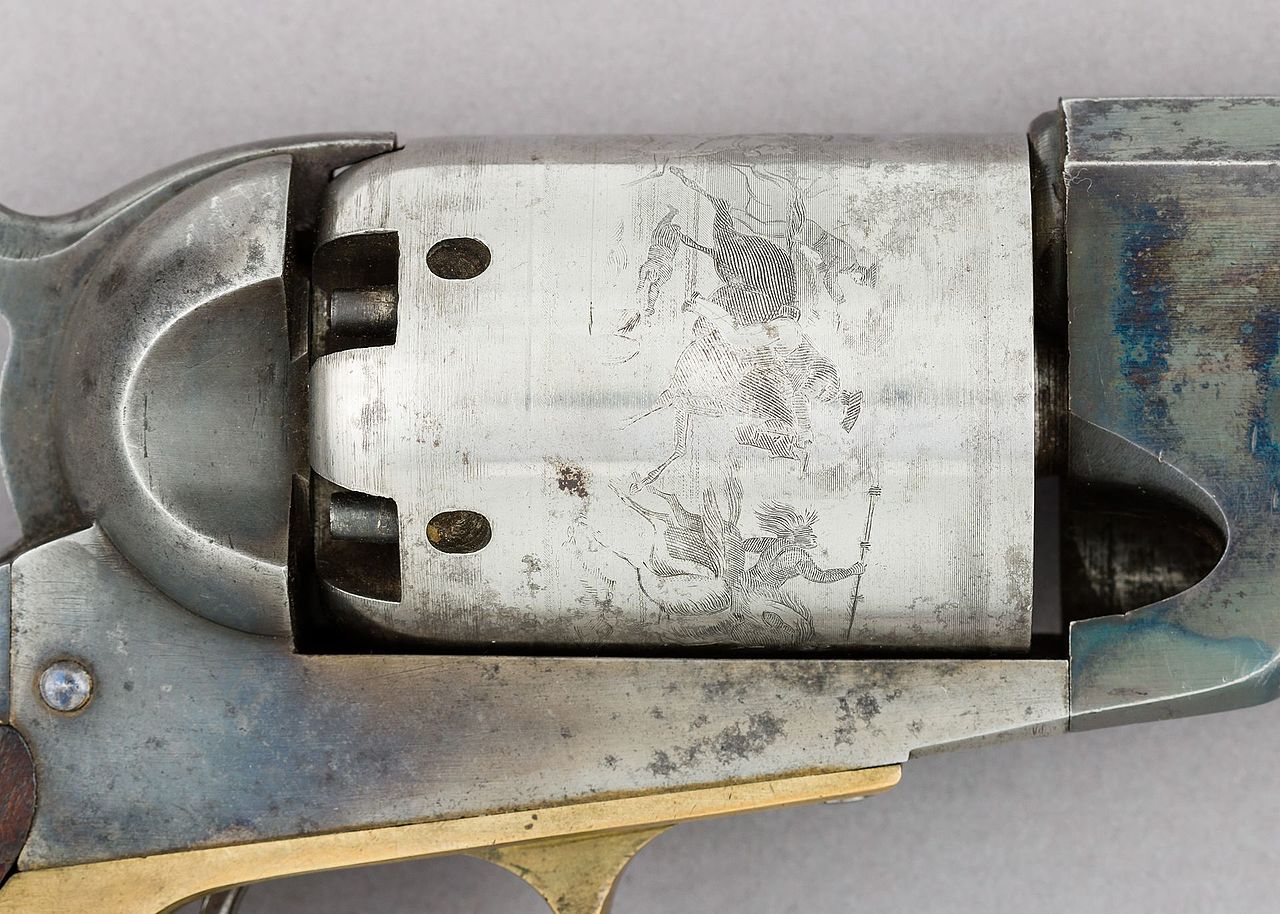
The primitive design of the cylinder lacked adequate measures to prevent the flame from jumping between adjacent chambers. When a shooter fired the weapon, the burning gas could leak around the bullet and ignite the powder in the neighboring cylinders. This phenomenon, known as a chain fire, caused multiple rounds to detonate simultaneously. The resulting explosion was often powerful enough to rupture the frame and sever the loading lever completely. Soldiers learned to seal the chambers with lard or beeswax to prevent this disaster, but in the heat of battle, this crucial step was often forgotten by them.