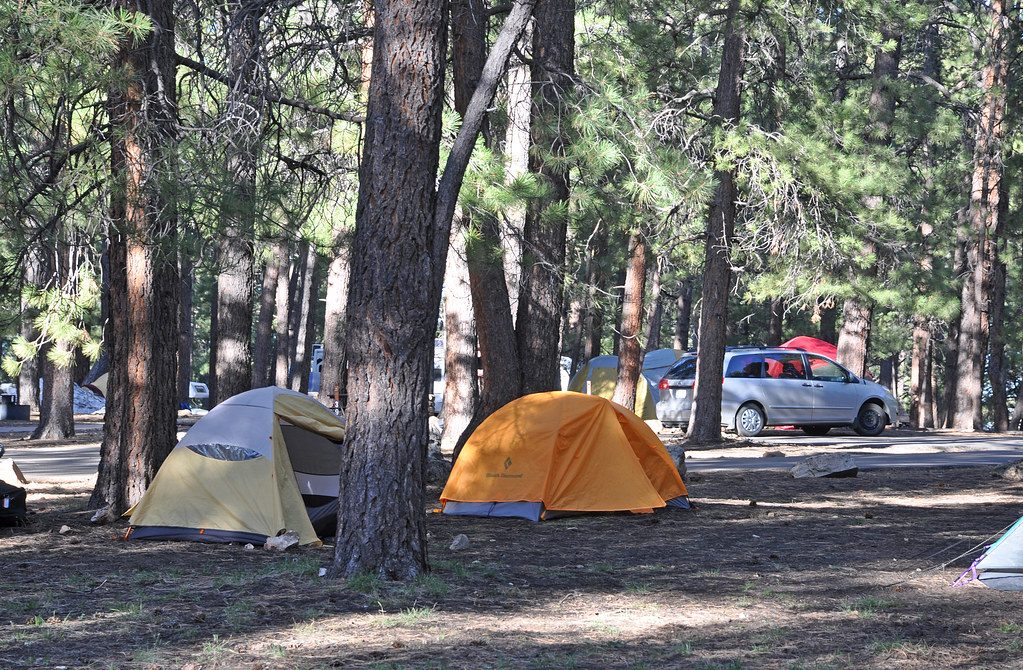
Campgrounds across the United States have shifted noticeably since the 1980s as increased visitation, environmental pressure, and modern expectations have shaped the way these spaces function today. Many long-established sites still hold the character that made them popular generations ago, yet updated rules, redesigned layouts, and more structured systems now guide each visit. These changes reflect a growing interest in outdoor recreation and a stronger focus on preservation. The result is a blend of nostalgia and adaptation that defines contemporary camping.
Yosemite Valley Campgrounds
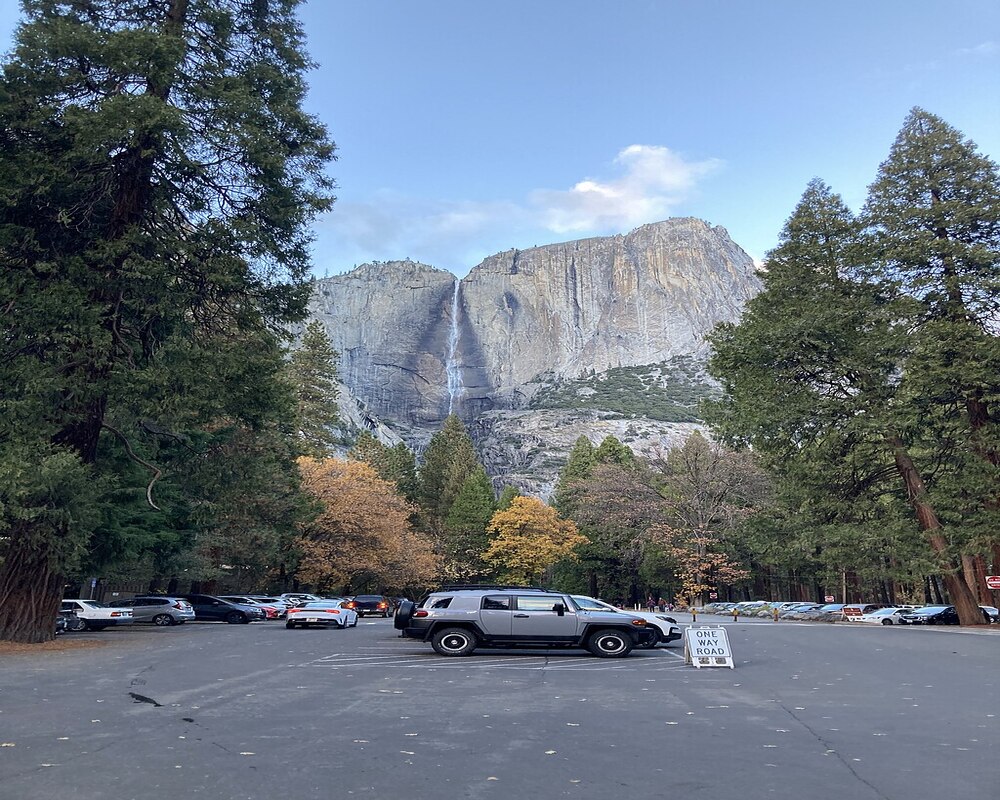
Yosemite Valley campgrounds have undergone major adjustments to manage rising demand while protecting sensitive landscapes. Campsite spacing is now more deliberate, and reservation systems ensure fewer overcrowded weekends compared with past decades. Traffic patterns have been redirected to reduce congestion and preserve views once obscured by constant movement. Modern amenities support visitor comfort while still maintaining the valley’s iconic atmosphere, creating a setting that feels both familiar and carefully refined.
Great Smoky Mountains Frontcountry Sites
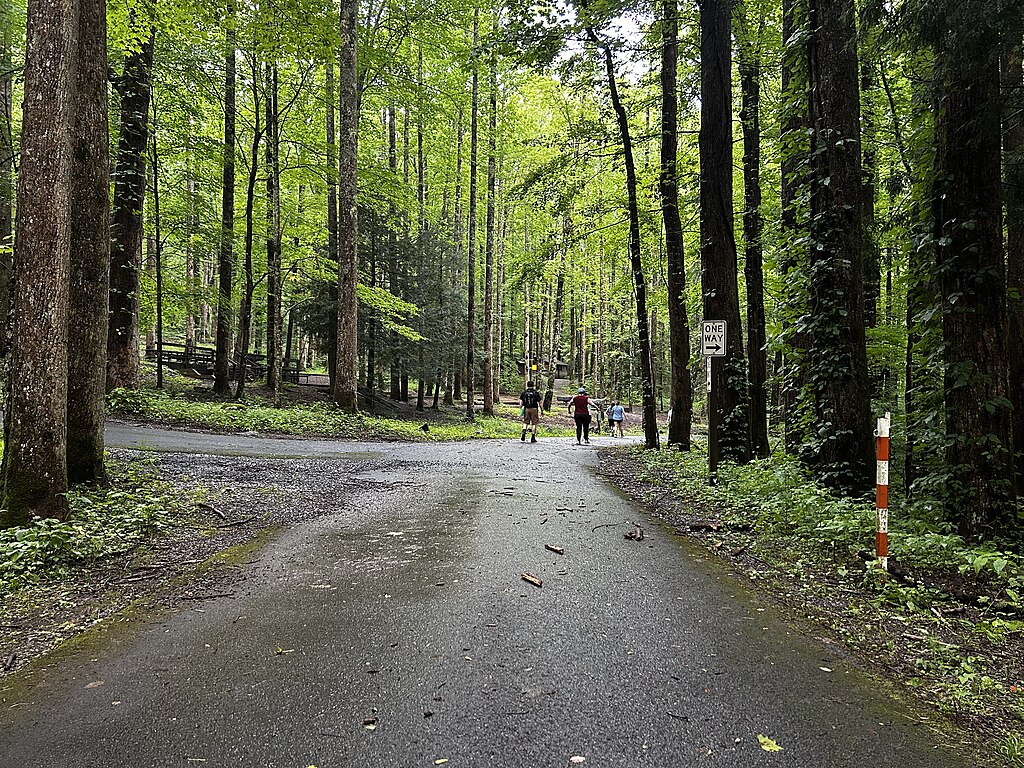
Frontcountry campgrounds in the Great Smoky Mountains have become more organized as increased tourism places added pressure on forested areas. Facilities have improved with sturdier food storage and expanded restroom buildings designed to support larger seasonal crowds. Campground boundaries are more clearly marked, helping protect surrounding habitats from heavy foot traffic. Educational programs now play a larger role in guiding responsible behavior, reflecting a shift toward long-term stewardship throughout the park.
Assateague Island Campgrounds

Assateague Island campgrounds have changed significantly as shifting coastlines require constant adaptation to protect both visitors and fragile dunes. Campsites have been relocated or adjusted in response to storms and erosion that regularly reshape the shoreline. Access paths are now reinforced to limit impact on sensitive sand structures while still allowing oceanfront experiences. Wildlife management has grown stricter to safeguard the island’s habitat, creating a more regulated but still engaging coastal environment.
Glacier National Park Campgrounds

Campgrounds within Glacier National Park have evolved through improvements in safety protocols and resource management as visitation continues to grow. Food storage practices have been upgraded to support coexistence with wildlife, and site layouts now reflect modern safety standards. Trail access points connected to campgrounds have been redirected to reduce stress on heavily traveled routes. These updates provide smoother movement throughout the park while retaining the rugged character that defines Glacier.
Joshua Tree Campgrounds
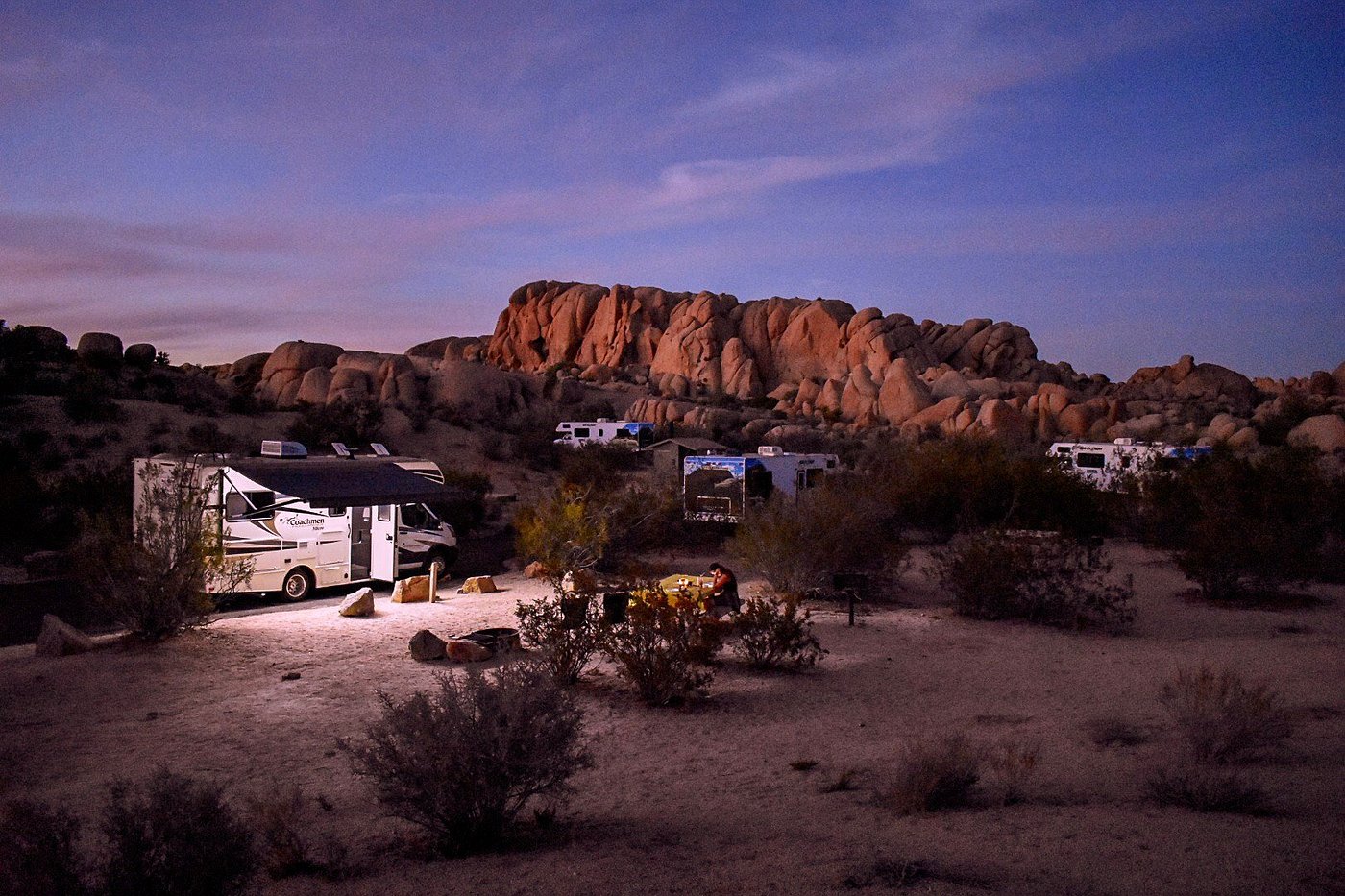
Joshua Tree campgrounds have expanded oversight and structural improvements to handle dramatic increases in popularity over the last few decades. Tent pads and parking areas have been reinforced to minimize erosion across delicate desert soil. Clearer resource protection guidelines encourage visitors to respect vegetation and rock formations near each site. Despite new regulations, the campgrounds still offer wide desert views and quiet stretches of open land, reflecting a balance between preservation and continued enjoyment.