When jungle humidity climbs, common sense matters more than fancy gear, and Bear Grylls has long emphasized simple priorities that keep people alive. In dense forest, visibility drops, directions blur, and minor mistakes can spiral into dehydration, infection, or panic. The most dependable approach starts with staying calm, protecting the body, and making decisions that conserve energy. Practical survival hinges on water safety, shelter from relentless rain, and a steady signal plan for rescue. These five tips focus on fundamentals that apply across tropical regions worldwide.
Prioritize Safe Water First
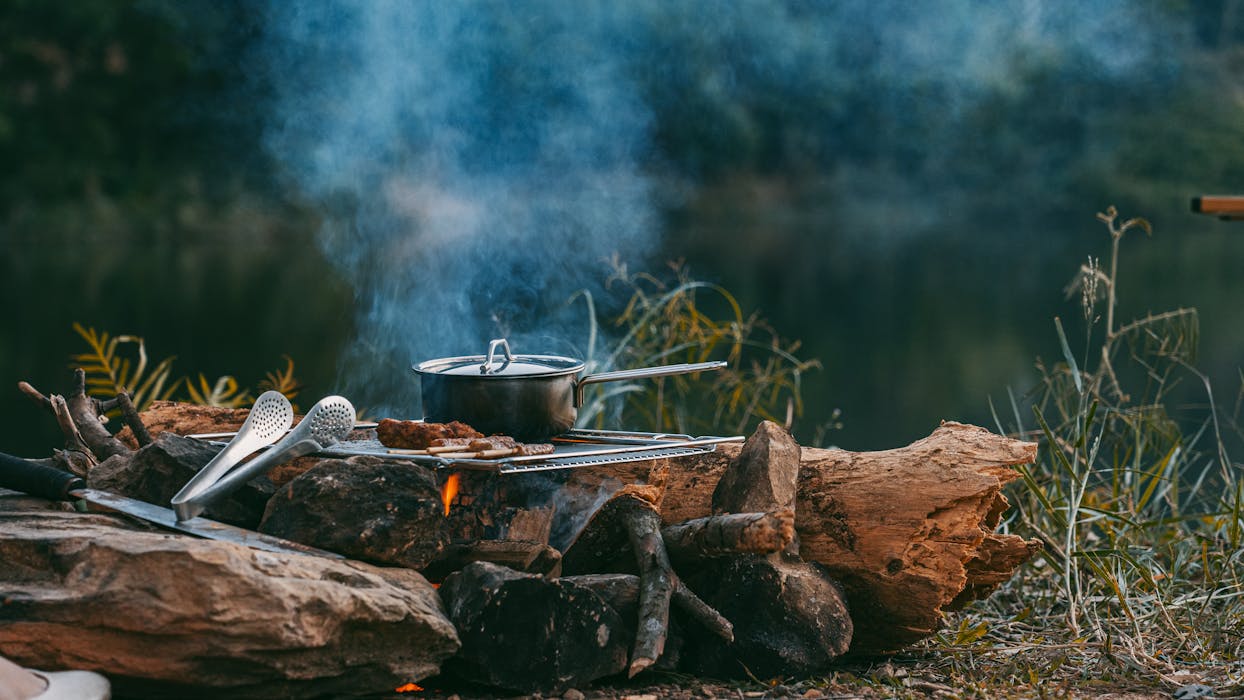
Finding water matters fast, but jungle water can carry parasites, bacteria, and chemicals from upstream runoff. Bear Grylls repeatedly stresses treating water before drinking whenever possible, because sickness ruins stamina and judgment. Clear flowing sources tend to be safer than stagnant pools, yet treatment still matters. Boiling kills most pathogens if fuel and time allow, and a proper filter can remove many contaminants. If only tablets are available, follow the label directions and wait the full contact time. Sip steadily to avoid cramping and conserve sweat loss.
Build A Shelter Before Darkness
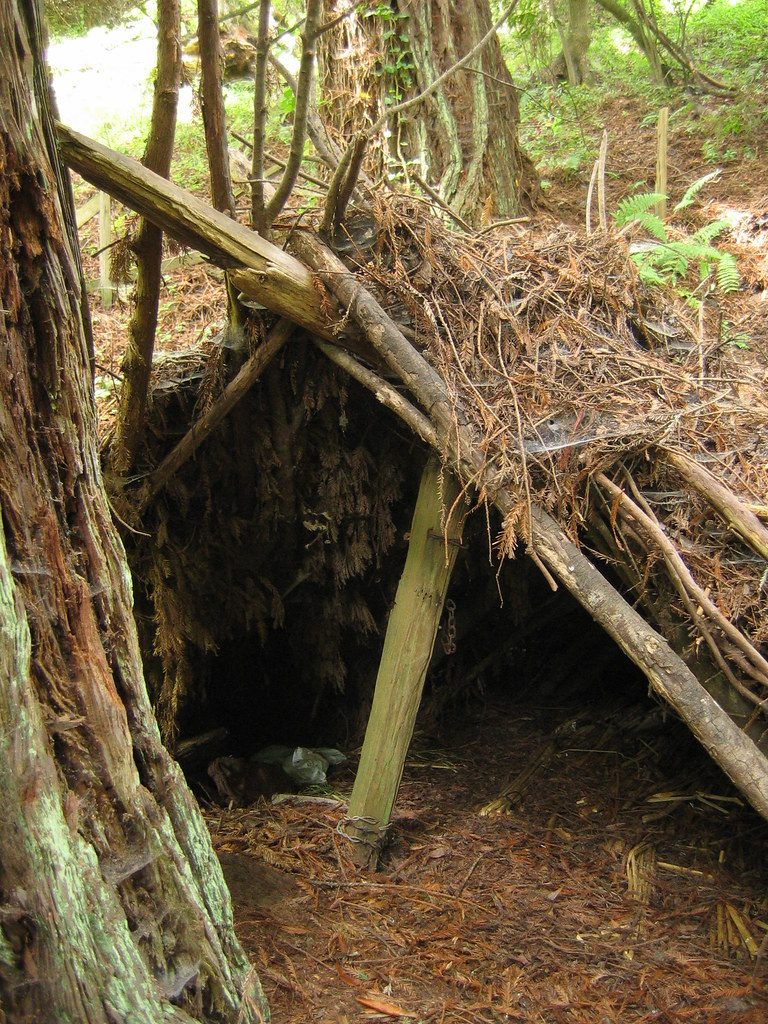
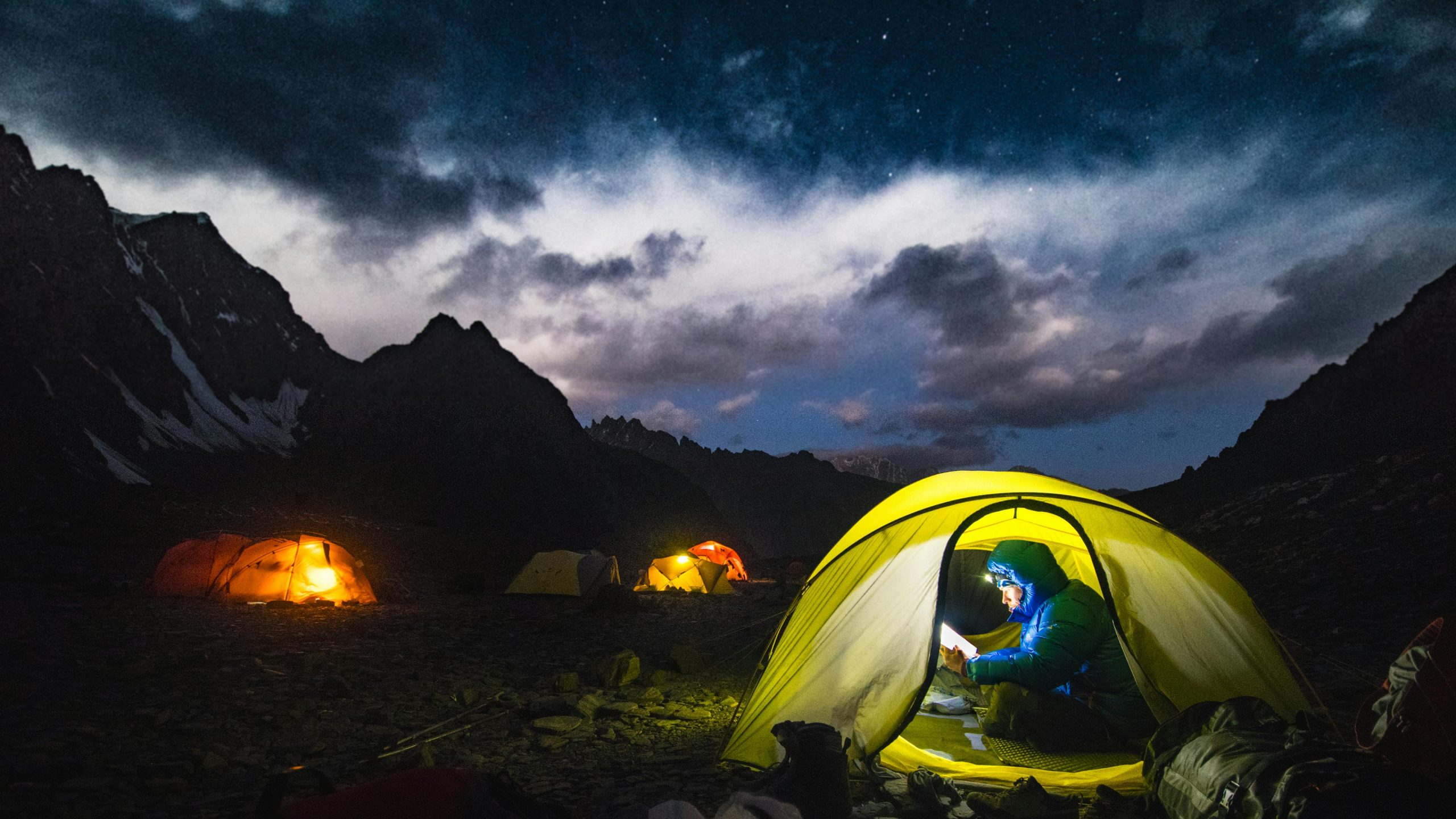
In tropical forests, nights arrive quickly, and rain can turn mild exposure into dangerous hypothermia, even in warm climates. Bear Grylls emphasizes shelter as early work, not a late chore, because daylight and dry materials vanish fast. Pick higher ground away from streambeds that can flash flood after distant storms. Avoid dead branches overhead and steer clear of animal trails. Use a tarp, poncho, or broad leaves to shed water, then add insulation underneath with dry plant matter. A simple lean-to blocks the wind and preserves core warmth.
Keep Orientation With Simple Marking
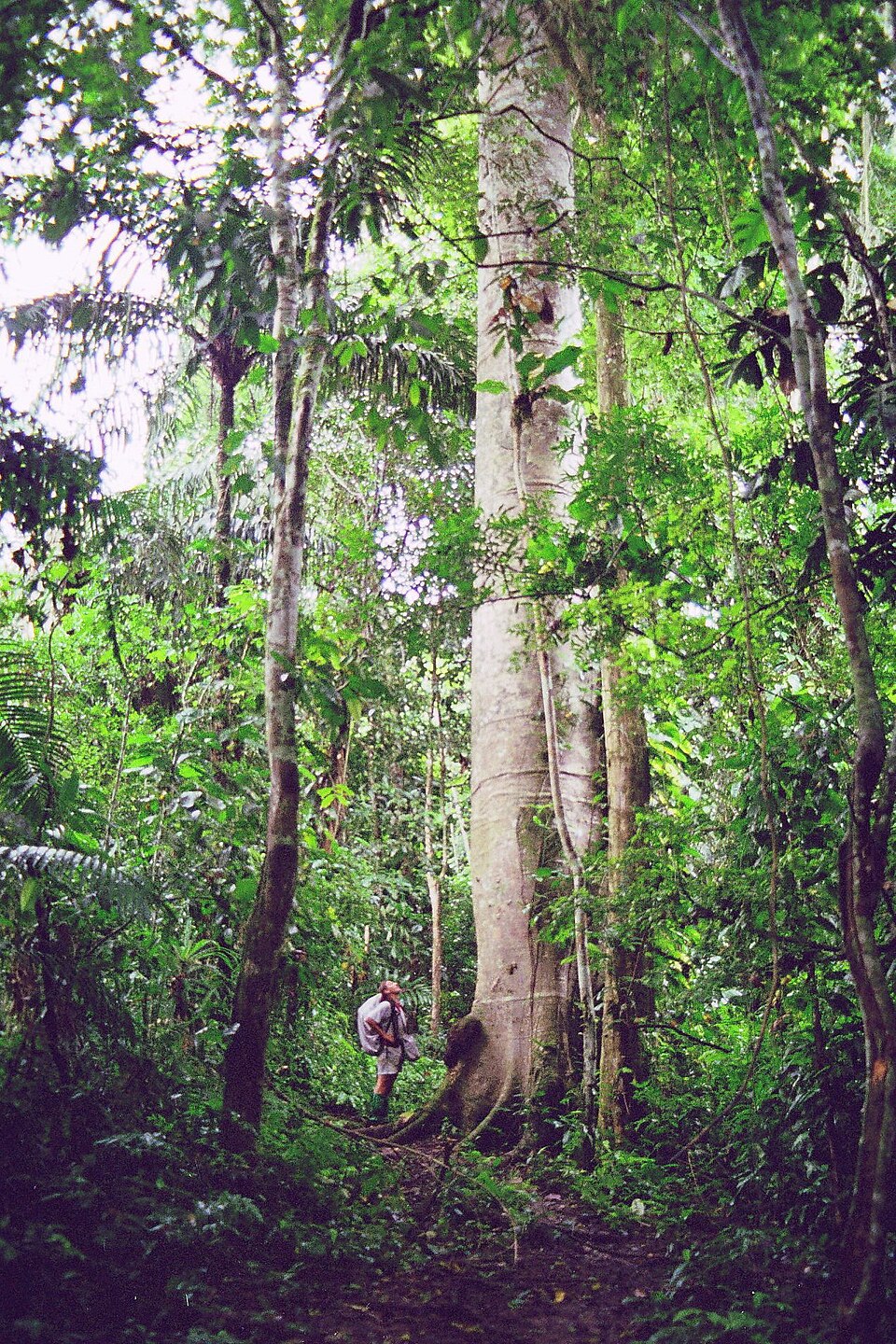
Jungle terrain can look identical for miles, and losing bearings is one of the quickest ways to waste energy. Bear Grylls often highlights basic navigation habits that prevent circles and dead-end detours. Keep a clear travel plan, follow linear features like ridgelines when safe, and pause often to confirm direction. Mark the route with small, responsible signs that do not damage living trees, such as stacked stones, snapped dead sticks, or biodegradable tape removed on return. A compass helps, but consistent checks of landmarks and sun position also matter.
Prevent Injury With Smart Movement
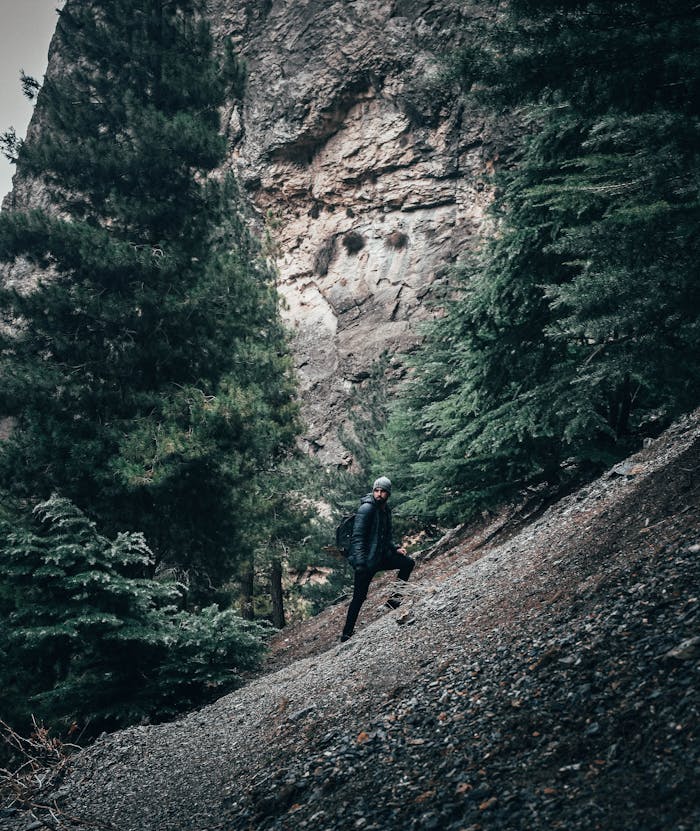
The jungle punishes rushed steps, and a twisted ankle or deep cut can become the main emergency. Bear Grylls stresses moving deliberately, scanning the ground, and protecting hands and feet from thorns, sharp bamboo, and hidden roots. Wear coverage when possible, use a stick for probing mud and leaf litter, and never step where the surface cannot be seen. Keep cuts clean, dry, and covered, because warm, wet conditions accelerate infection. Slow movement can feel frustrating, but it saves calories and reduces the chance of a rescue situation.
Signal Early And Stay Put
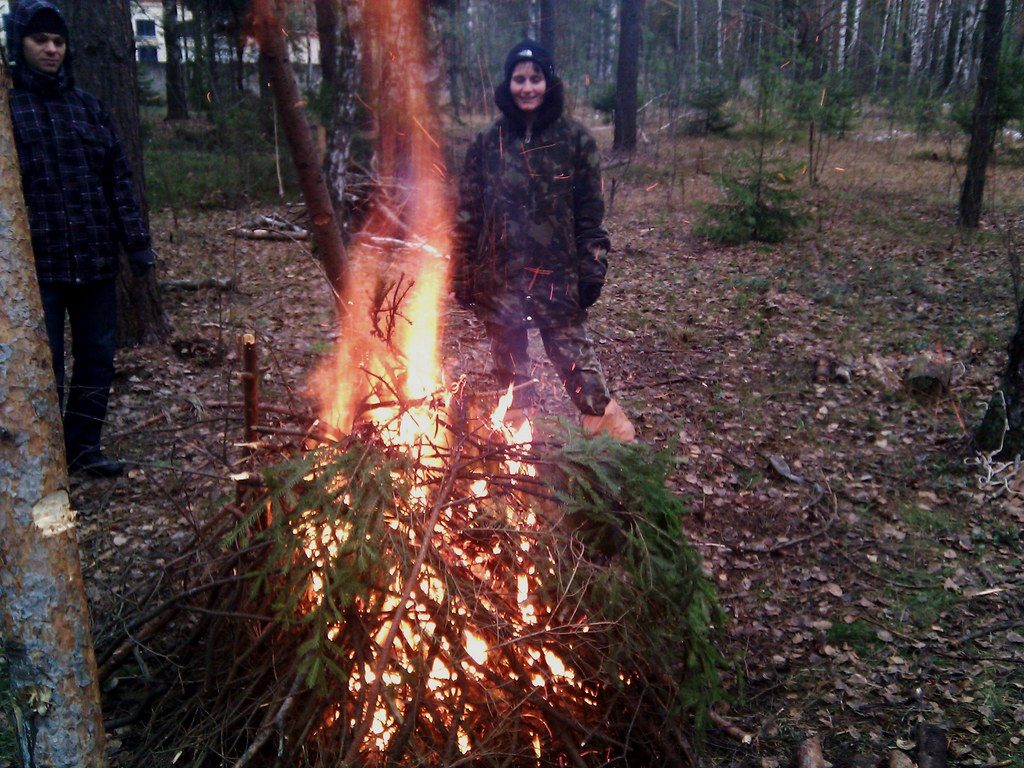
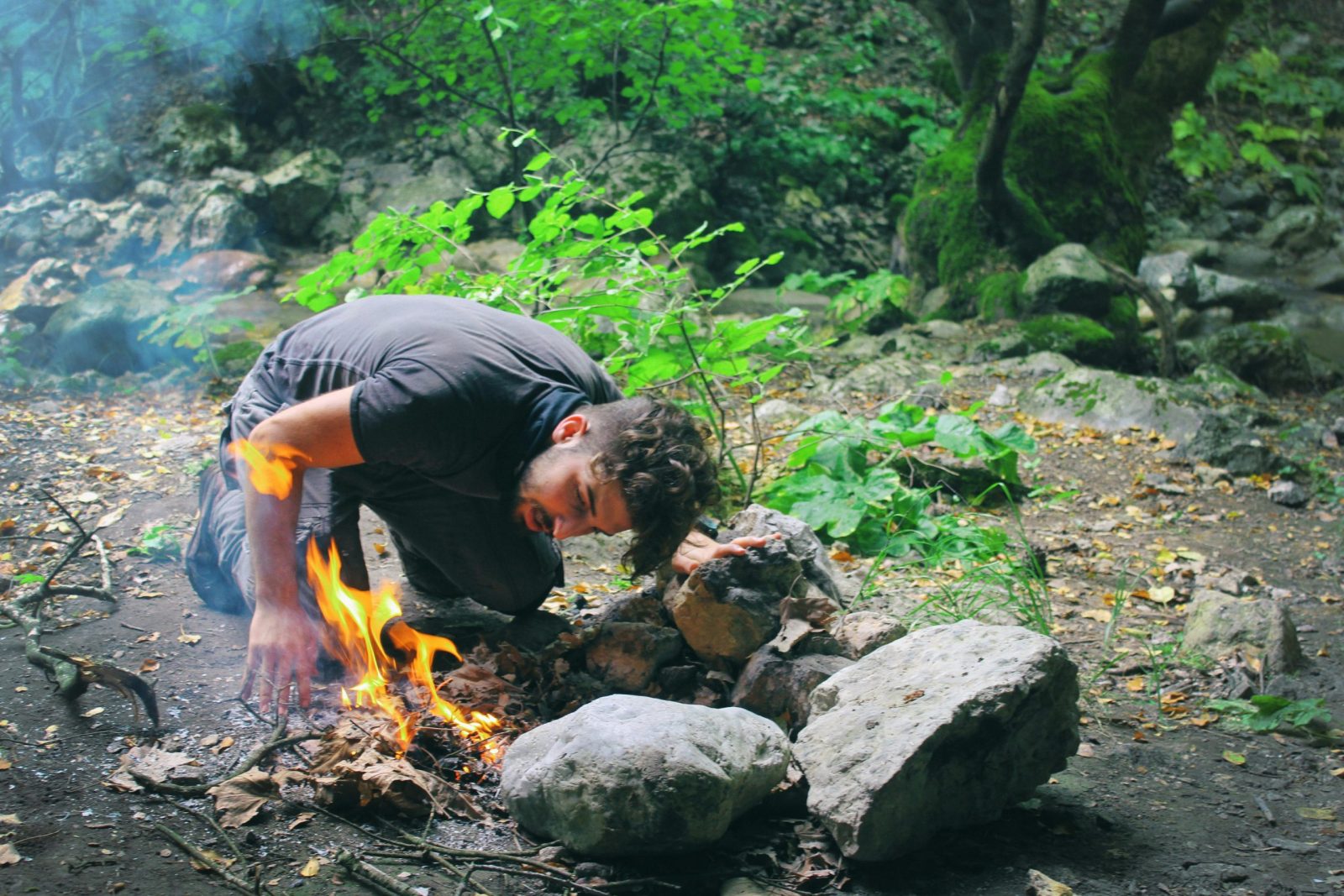
Rescue becomes easier when a consistent location and clear signals guide searchers, and Bear Grylls repeatedly recommends making oneself visible and audible. After establishing water and shelter, create a signaling plan that can run daily with minimal effort. Use bright fabric, reflective items, or arranged ground symbols in an open area, and keep a whistle or banging routine for sound. Smoke can work when conditions allow, and fire safety is controlled, but damp jungle fuel needs preparation. Staying put after getting oriented also limits confusion and helps rescuers narrow the search area.