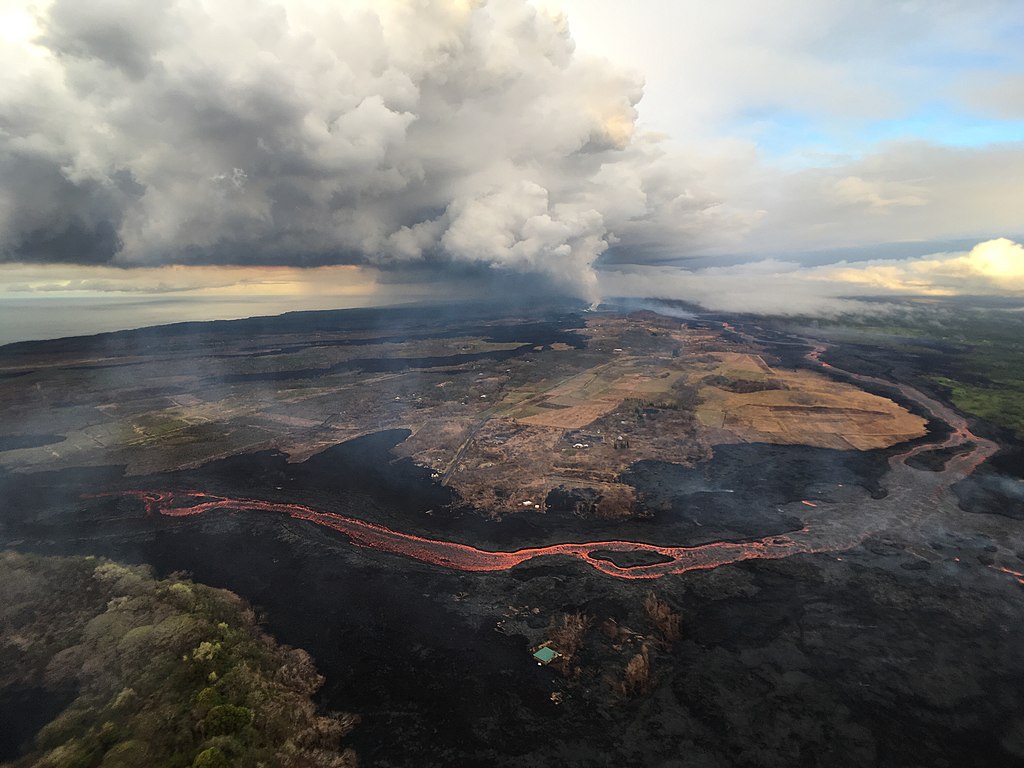
Hawaii’s volcanic landscapes are stunning, but they also come with unique fire risks that many visitors do not expect. In certain high-risk zones, open flames are restricted because lava-heated ground, dry grasses, and shifting winds can turn a small spark into a dangerous wildfire. Understanding these zones is important for campers, hikers, and anyone exploring Hawaii’s volcanic parks. These areas require extra caution, proper fire safety gear, and strict respect for posted regulations.
1. Kīlauea East Rift Zone
The Kīlauea East Rift Zone is one of the most active volcanic corridors on the island, and its mix of vents, crack systems, and sulfur-rich steam makes open flames hazardous. The ground may appear cool, but it can hide pockets of superheated gas that ignite quickly when exposed to a flame. Wind patterns often change without warning, spreading embers into nearby dry ohia forests. Because of these conditions, rangers frequently enforce strict bans on campfires, portable stoves, and any flame-based cooking gear.
2. Mauna Loa Southwest Rift Zone
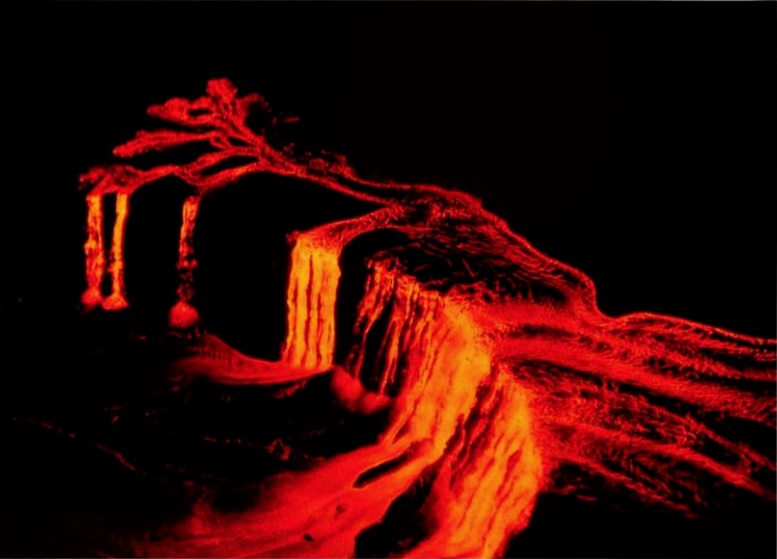
The southwest flank of Mauna Loa is known for its broad lava fields that heat rapidly during the day and create unpredictable thermal updrafts at night. This combination raises fire danger significantly, especially when trade winds sweep embers across miles of exposed terrain. Vegetation is scattered but incredibly dry, which means even a small flame can ignite a fast-moving brush fire. Fire restrictions here are common during hiking seasons, and visitors are urged to use cold meals or approved flameless cooking systems.
3. Puʻu Oʻo Lava Flow Region
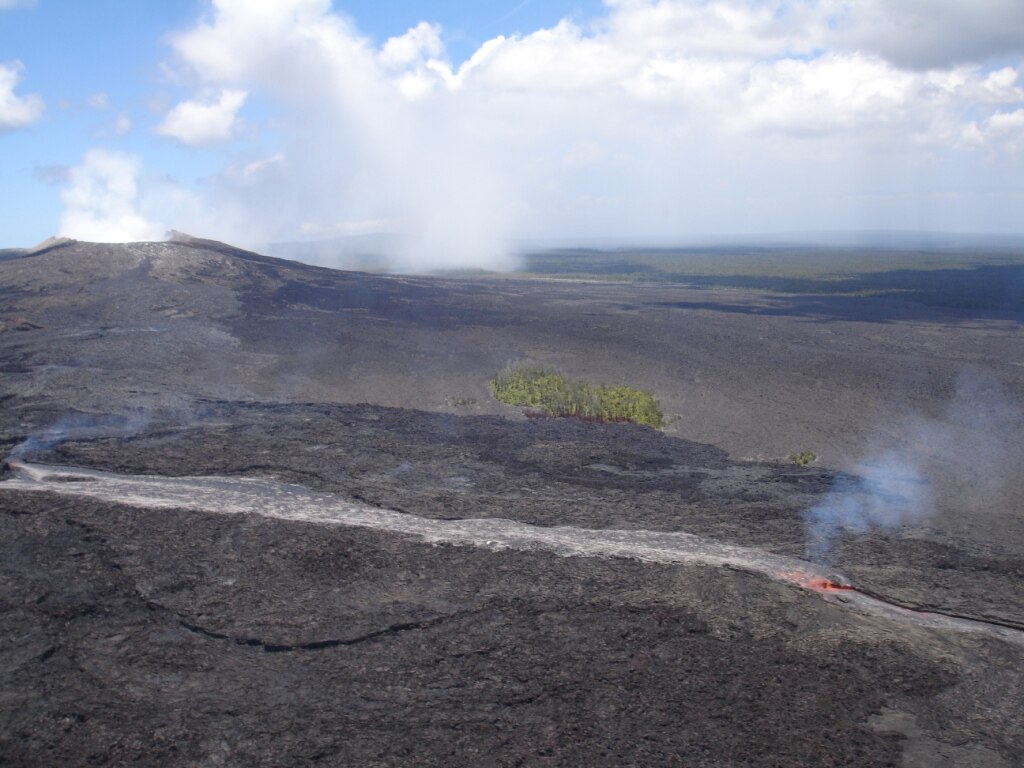
Although Puʻu Oʻo stopped erupting in recent years, the surrounding landscape remains unstable and retains residual heat below the surface. Several pockets still release warm vapor that can ignite light fuels, and the loose volcanic substrate makes it hard to control fire spread. Open flames are generally discouraged because shifting winds can push heat into cracks and ignite vegetation that is not immediately visible. Fire bans help protect both visitors and fragile recovering ecosystems that line the flow edges.
4. Hawaiʻi Volcanoes National Park Coastal Zone
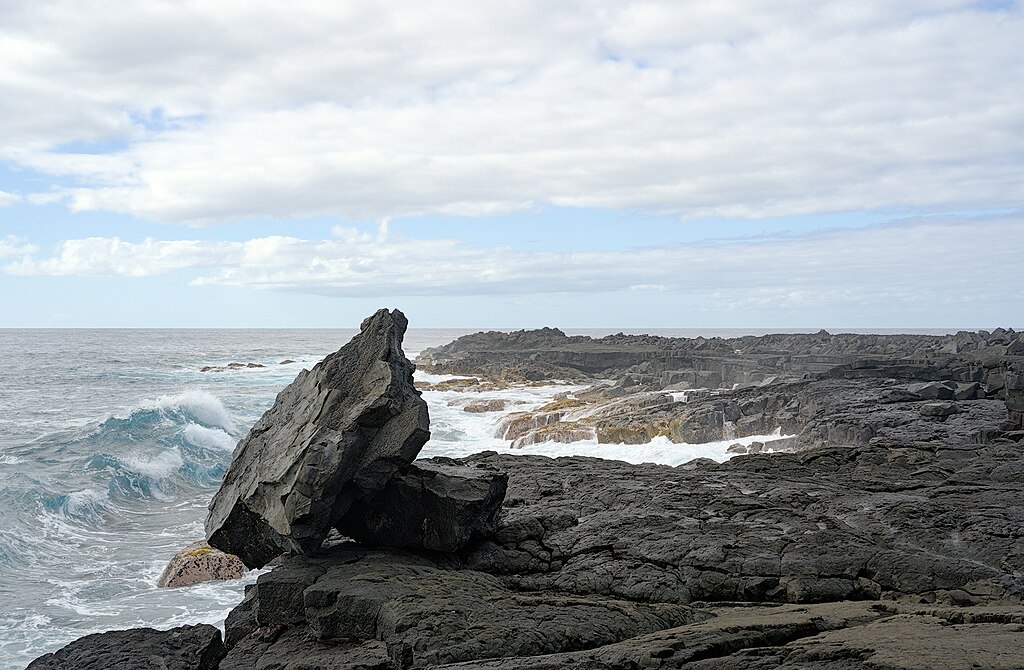
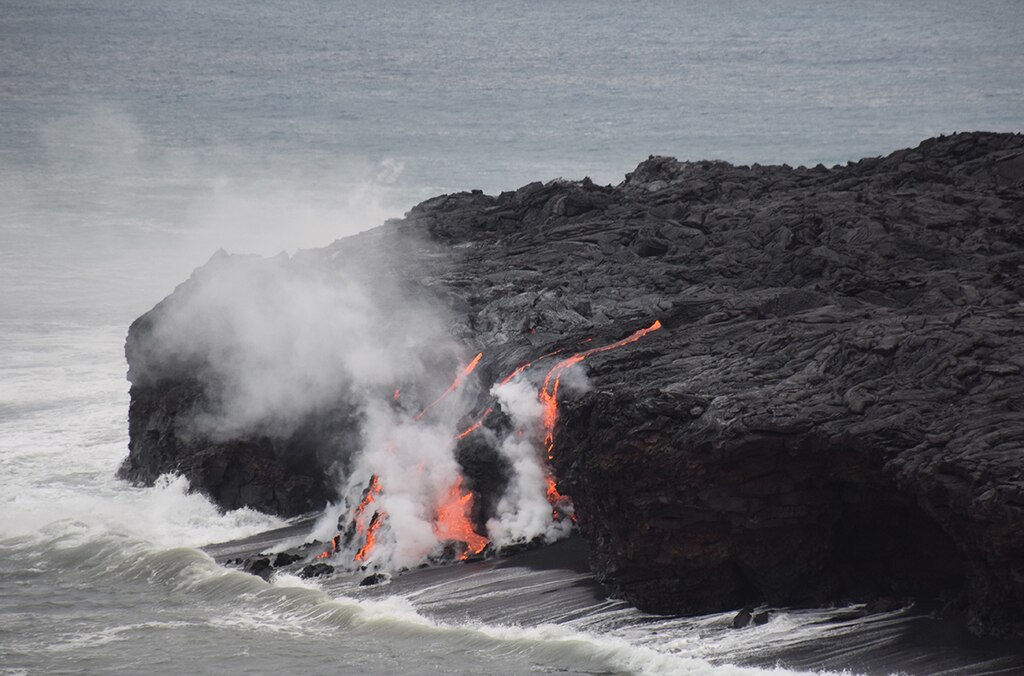
Near the park’s coastline, trade winds blow strongly across old lava shelves and dry cliff vegetation, creating ideal conditions for unexpected flare-ups. Even though the area feels breezy and cool, the combination of salt-laden air, dried grasses, and volcanic debris makes fire ignition easy. Rangers frequently restrict campfires near the shoreline to prevent sparks from drifting downslope. Visitors are encouraged to use battery-powered lanterns and flame-free heating tools while enjoying coastal viewpoints.
5. Saddle Road High-Altitude Lava Fields
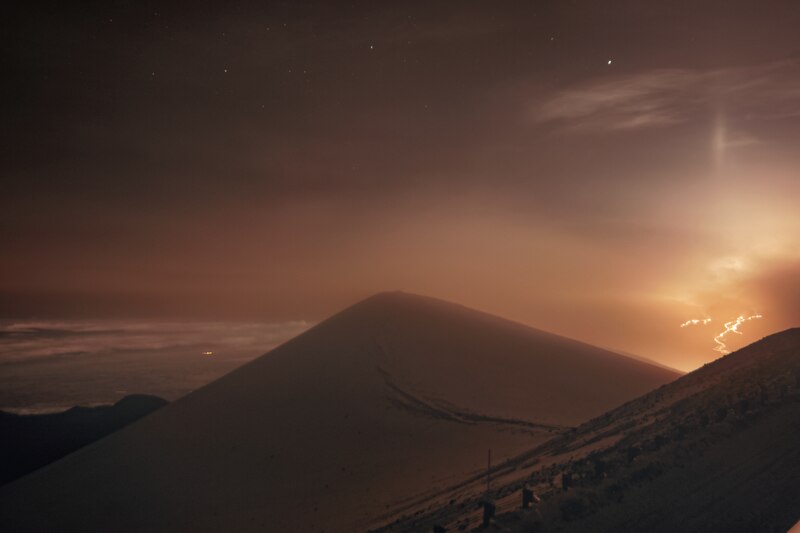
The high-altitude lava plains between Mauna Kea and Mauna Loa are surprisingly fire-prone despite their barren look. Dry alpine grasses grow in scattered patches, and with low humidity and strong crosswinds, even a small flame can spread quickly. Because emergency access can be slow in this remote zone, officials often prohibit any open fire or exposed flame source. Travelers who stop to stargaze or rest are advised to rely on insulated food, coolers, and electric gear instead of fuel-based stoves.