Wartime manuals and training camps turned ordinary recruits into steady problem solvers outdoors. Many of those lessons focused on doing more with less, staying oriented, and preventing small mistakes from becoming emergencies. Modern hikers and hunters often carry excellent gear, yet a dead battery, a soaked lighter, or a wrong turn can still happen quickly. Five field-tested skills associated with World War II era fieldcraft remain practical today because they rely on simple tools, repeatable routines, and calm decisions. Each skill works in rain, cold, and fatigue, and each one supports the others when conditions turn rough.
Land Navigation With Map And Compass
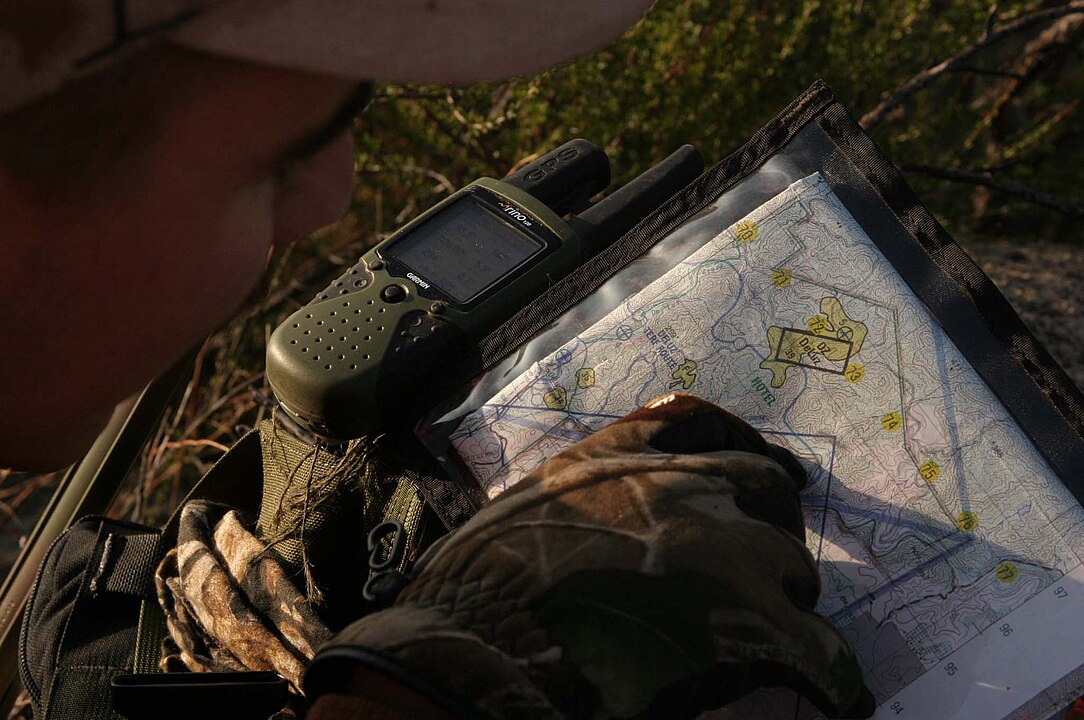
WWII patrols depended on paper maps and a simple compass when landmarks disappeared in fog or forest. That same approach still beats guesswork on confusing terrain. Start by maintaining a consistent bearing, then confirm position by matching ridgelines, streams, and trail junctions to the map. Use pace counting or timed movement to estimate distance, and stop early when something feels off. A quick recheck prevents wandering deeper into trouble. This skill remains reliable in poor-reception areas, and it also helps plan safer routes around cliffs, rivers, and unstable slopes.
Wet Weather Firecraft With Minimal Tools
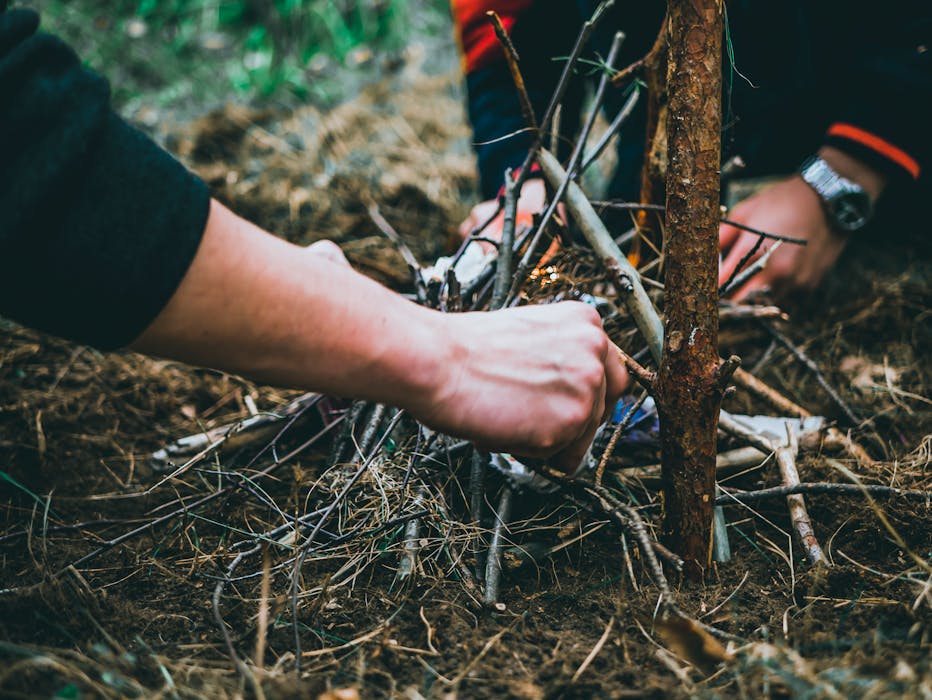
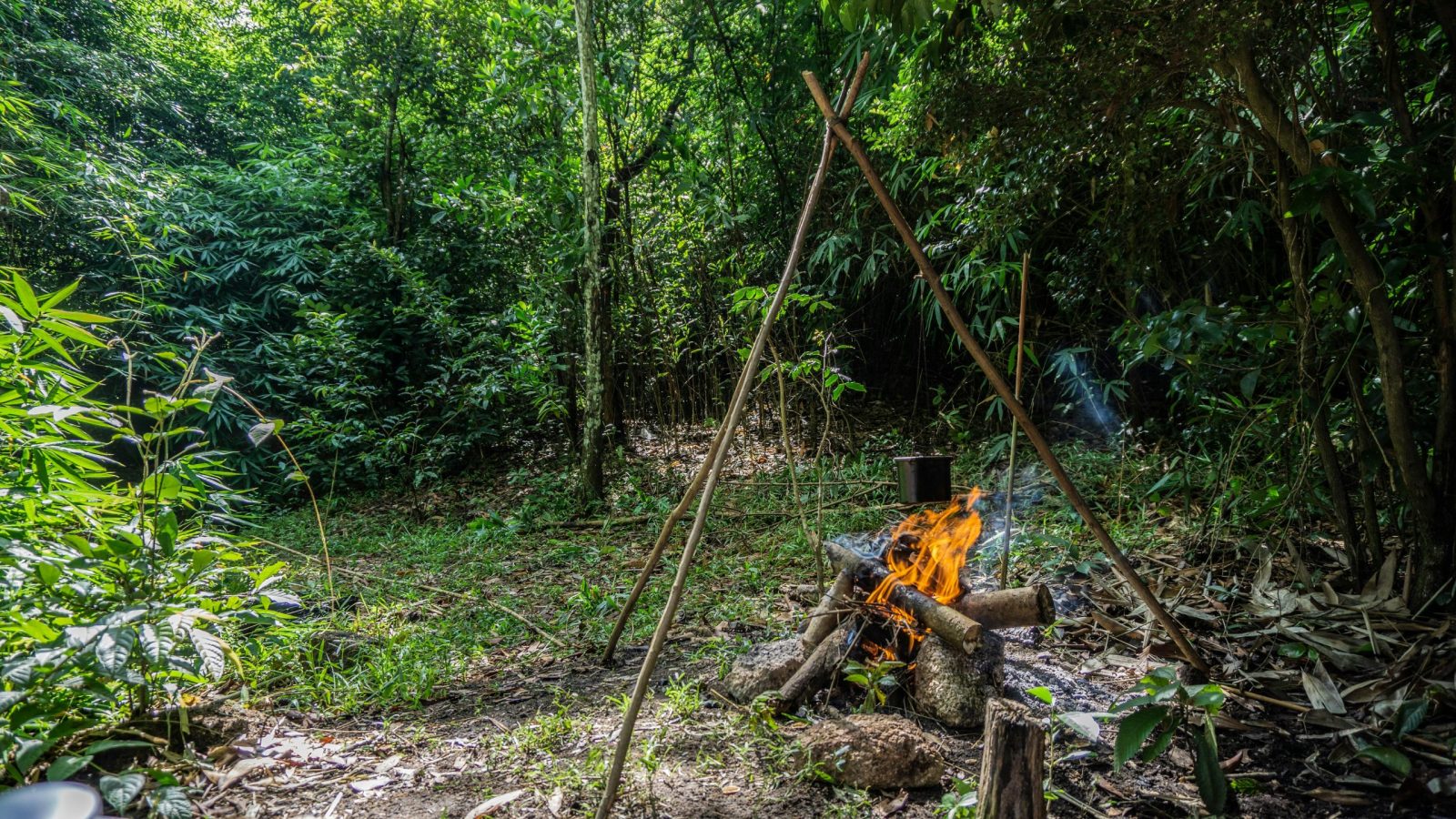
Military fieldcraft treated fire as more than comfort, since heat dries clothing, boosts morale, and makes safe water easier. Modern conditions still punish rushed fire attempts, especially after rain. Carry a small stash of dry tinder in a sealed bag, then gather pencil-thin kindling before touching a spark. Build a compact platform of sticks to lift the flame above wet ground, and feed it gradually so airflow stays steady. Natural tinders like birch bark and resin-rich pine catch quickly when kept dry. With practice and patience, a dependable fire becomes routine, not luck, even in the wind.
Water Discipline And Field Sanitation
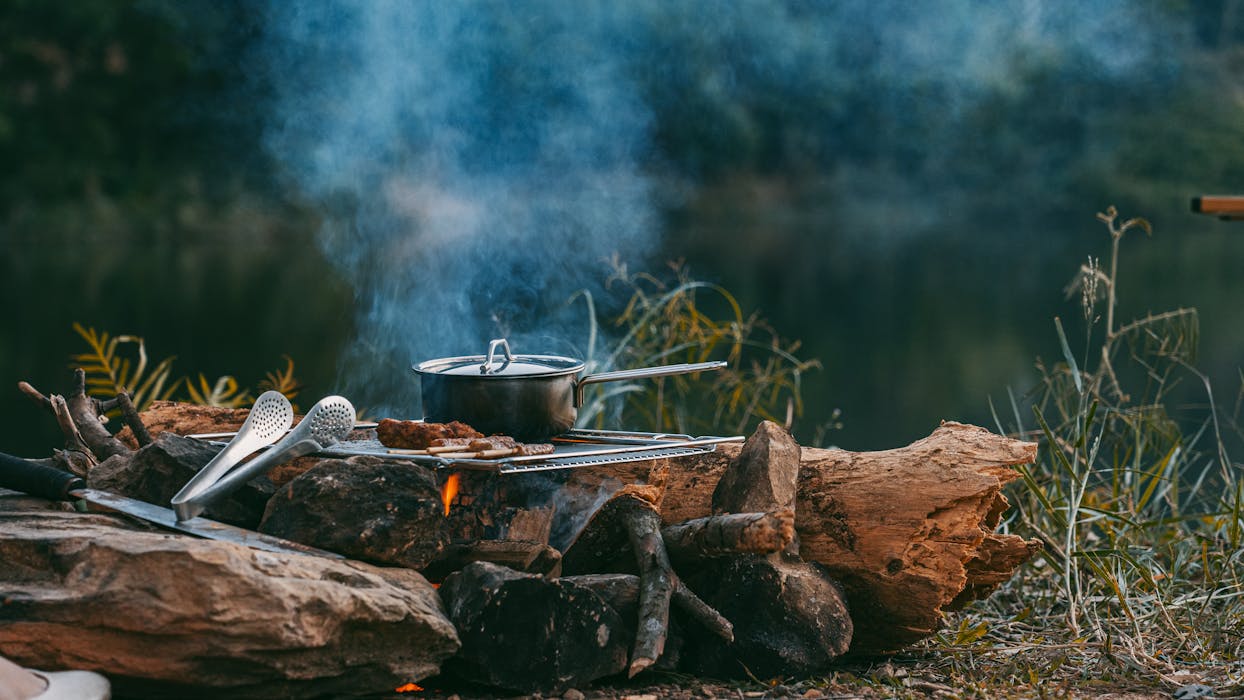
Armies learned that sickness could disable more people than combat, so leaders pushed strict water and hygiene discipline. In the wilderness, dehydration and stomach illness can escalate quickly and drain strength. Choose the clearest source available, take water from moving sections rather than stagnant edges, and filter out sediment first. Then disinfect by boiling or using proven chemical tablets according to label directions. Hand cleaning matters too, especially after bathroom breaks and before eating. Keep waste well away from campsites and waterways. These habits reduce risk without adding weight, and they protect the whole group.
Practical Signaling And Trail Marking
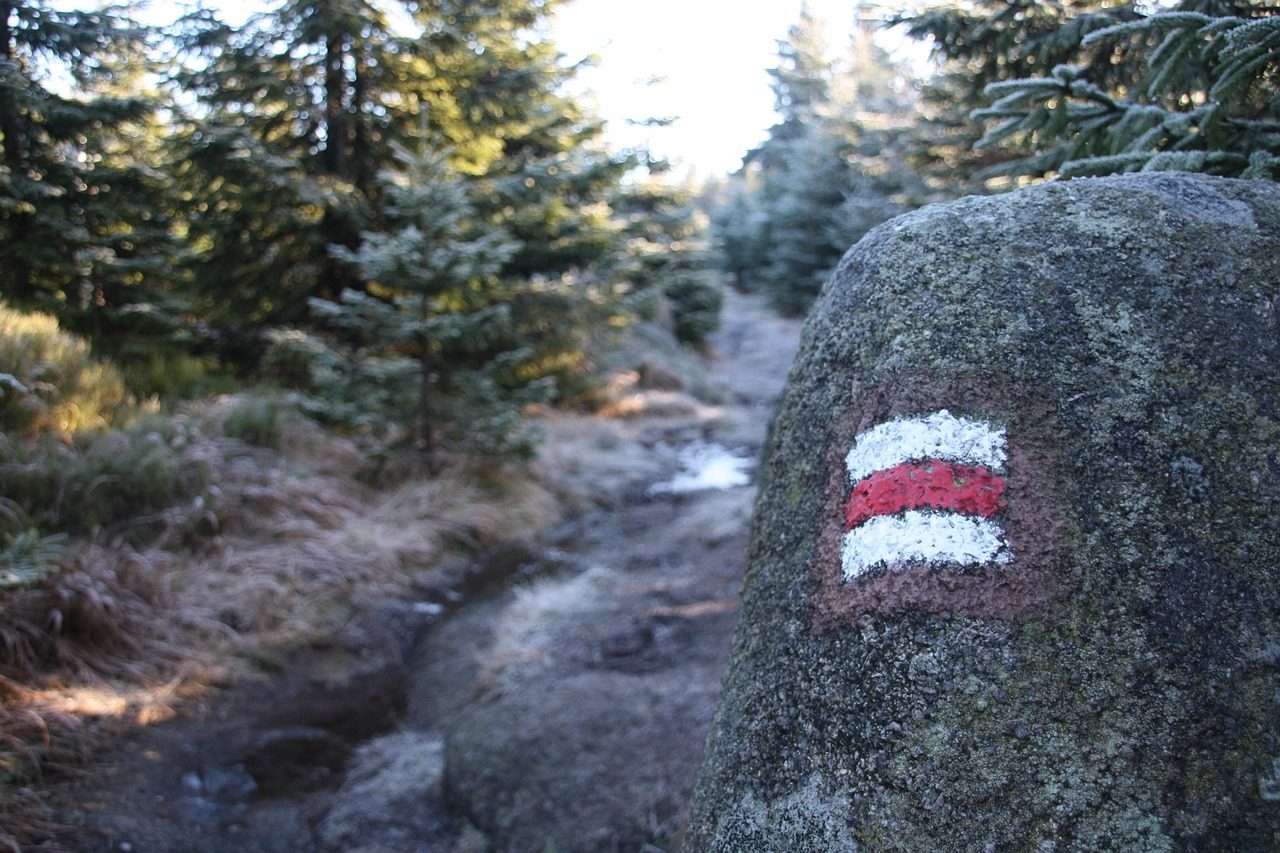
WWII units emphasized communication because rescue often depended on being seen or heard at the right moment. Signaling skills still matter when injury, whiteout, or smoke blocks travel. A whistle carries farther than shouting and saves energy, while a signal mirror can flash aircraft or distant hikers in bright conditions. At night, a headlamp used in controlled bursts stands out more than constant light. On the ground, high contrast panels or a large X made from logs draws attention from above. Leave clear directional markers at decision points to prevent searchers from missing the trail.
Shelter First Thinking For Cold And Wet Exposure
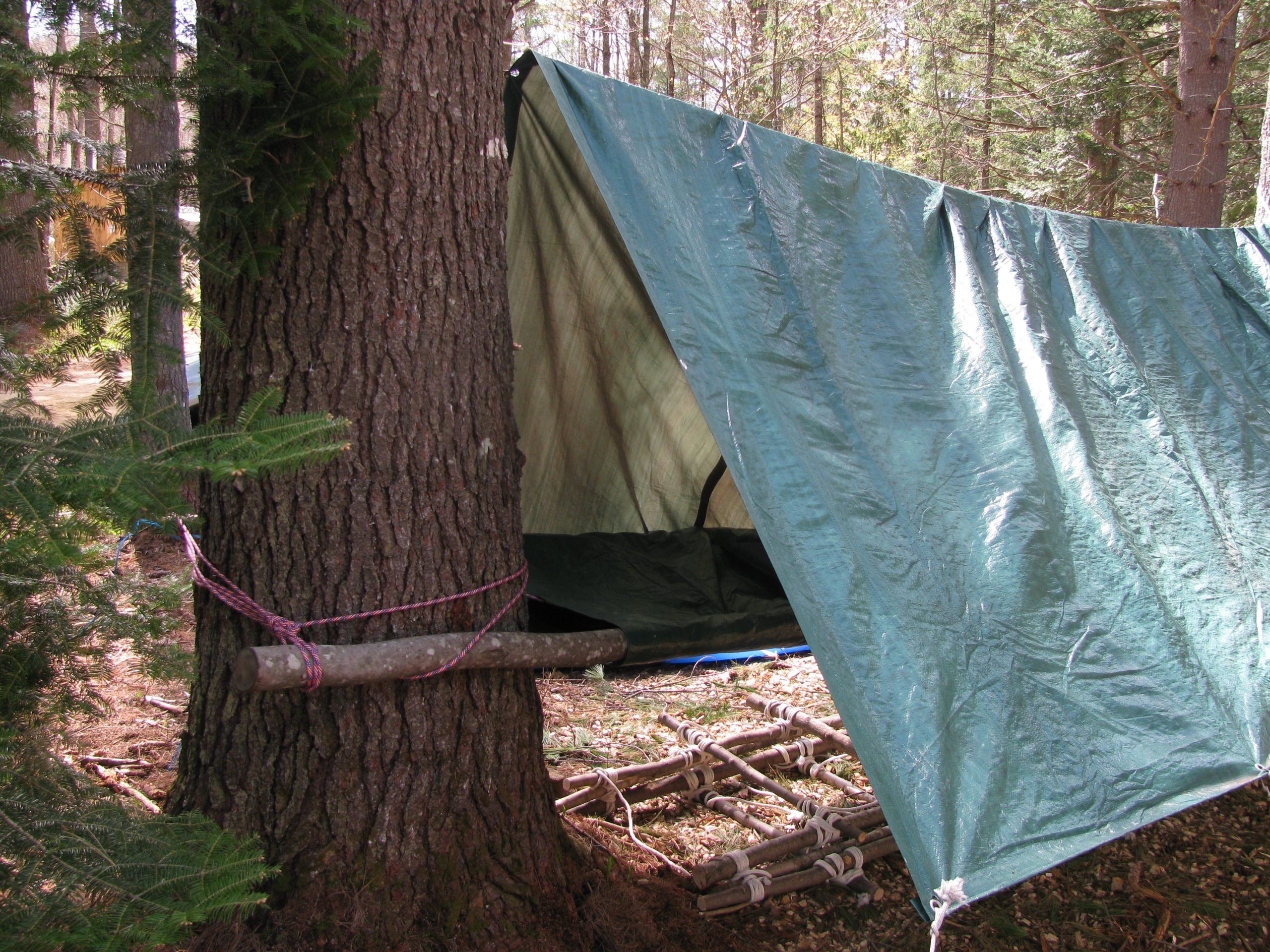
Cold and wet weather injured countless soldiers, so wartime training drilled shelter basics and heat management. In modern backcountry trips, exposure can arrive during mild forecasts once wind and moisture combine. Pick a site that avoids avalanche paths, dead branches, and low spots where water pools. Create a windbreak with terrain or packed snow, then insulate the body from ground loss using boughs, a pad, or dry leaves. Ventilation prevents dampness from breath, which otherwise freezes and steals warmth. Change into dry layers early, eat regularly, and keep moving with small tasks. Simple shelter discipline buys time for safe decisions.