Caliber selection for trail carry sits at the center of one of the most persistent arguments in the outdoor firearms community. Wildlife biologists, professional guides, competitive shooters, and experienced backcountry hikers rarely agree, and the debates that play out on forums, at trailheads, and around campfires reflect genuinely complicated tradeoffs between stopping power, weight, capacity, recoil management, and practical packability. Some calibers get dismissed by one group and passionately defended by another, not because either side is being irrational, but because the variables involved in a wilderness defensive encounter are genuinely unpredictable and deeply personal. What works for a seasoned Alaskan guide covering brown bear country differs meaningfully from what a solo hiker carrying a lightweight setup through black bear terrain in the Appalachians actually needs. The five calibers below have all earned serious controversy, yet experienced hikers continue recommending them with specific reasoning that deserves honest examination rather than reflexive dismissal. The numbers and real-world context behind each one tell a more nuanced story than the arguments alone ever do.
1. 10mm Auto
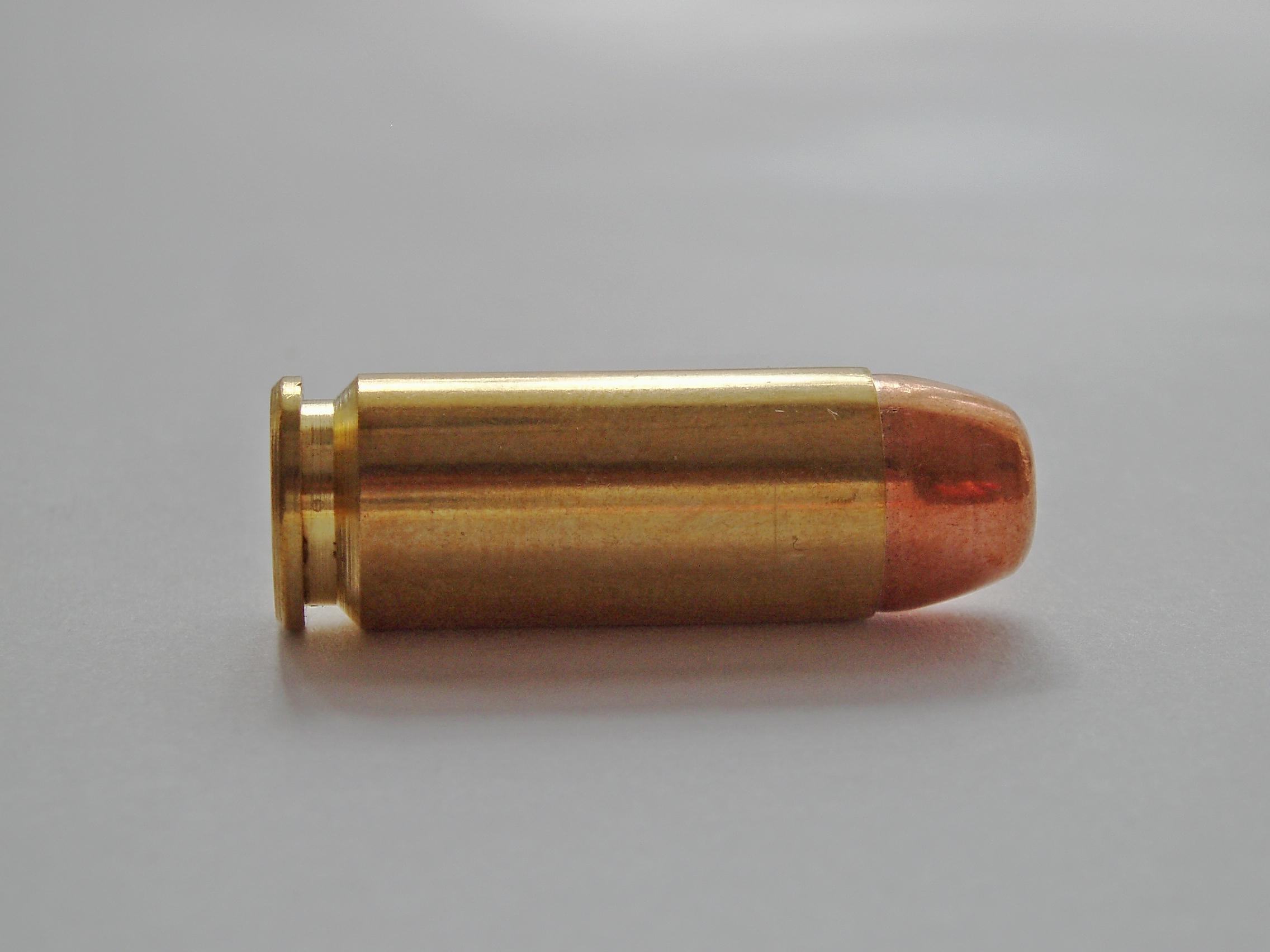
The 10mm Auto sits at the exact center of the wilderness carry caliber debate, loved fiercely by backcountry advocates and criticized by those who consider its recoil unmanageable for rapid follow-up shots. Developed in 1983 and standardized through the FBI’s adoption and subsequent partial abandonment, the 10mm in full-power loadings pushes a 180-grain hard cast bullet to approximately 1,300 fps, generating around 676 foot-pounds of muzzle energy. That figure places it meaningfully above the .357 Magnum’s typical 530 foot-pounds and approaches the lower end of what professional Alaskan guides consider minimally adequate for brown bear defense. Penetration with hard cast loads consistently exceeds 36 inches in ballistic gelatin testing, which translates to the deep tissue disruption that stopping a large predator mid-charge actually requires. The controversy centers on recoil, which in a pistol like the Glock 20 averages around 12 foot-pounds of felt impulse, nearly double a standard 9mm. Experienced hikers who train regularly with it argue that the recoil is entirely manageable and the stopping power advantage is non-negotiable on serious wilderness trips covering grizzly or brown bear territory.
2. .357 Magnum
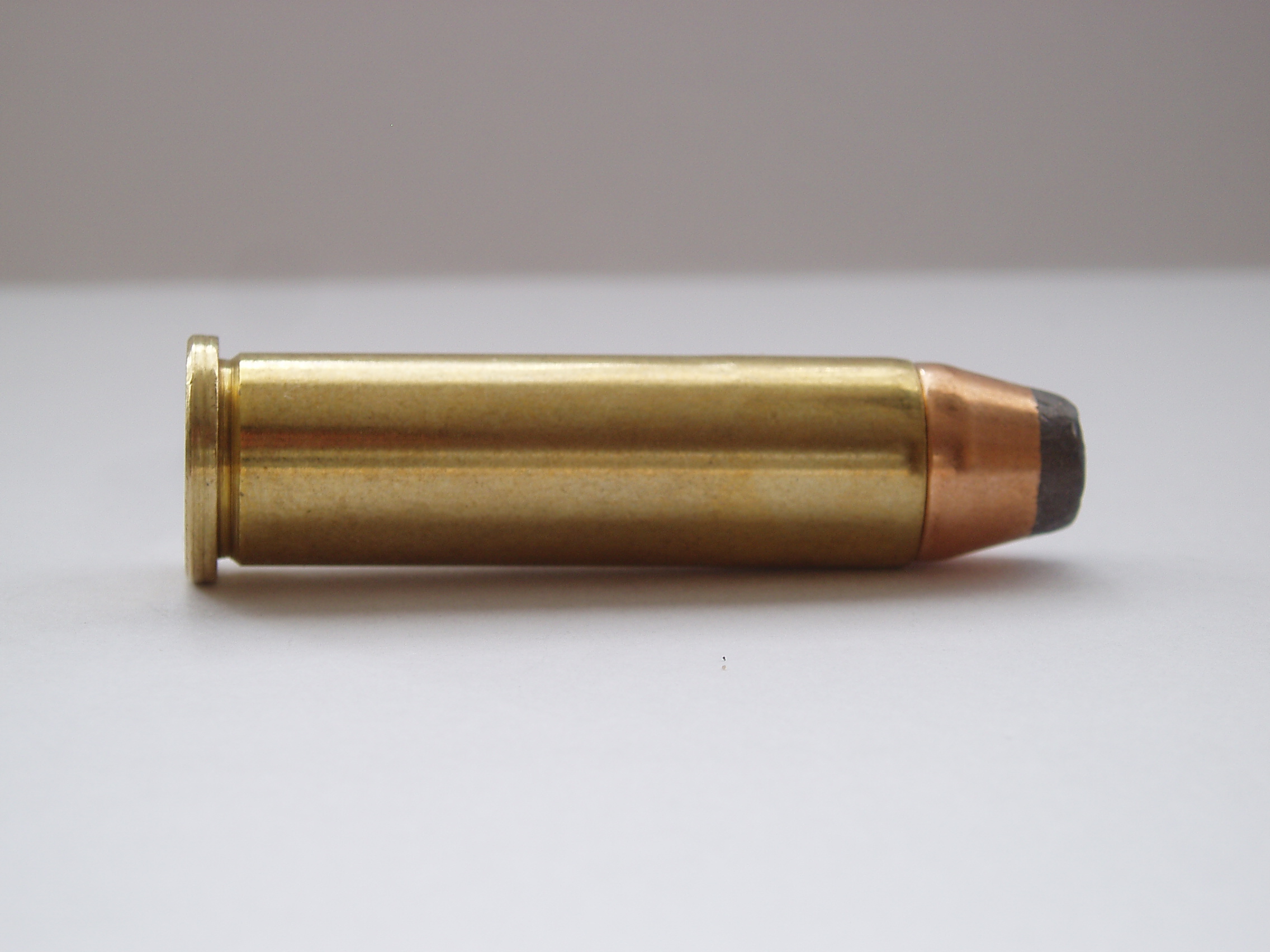
Few calibers inspire the specific combination of respect and skepticism that the .357 Magnum consistently generates in trail carry discussions. Introduced in 1934 as the first commercially produced magnum handgun cartridge, it pushes a 158-grain jacketed soft point to approximately 1,235 fps from a 4-inch barrel, producing around 535 foot-pounds of muzzle energy. From longer barrels in carbines, that figure climbs toward 700 foot-pounds, which explains why some hikers carry lever-action rifles chambered in .357 as their backcountry long gun of choice. The controversy stems from its perceived inadequacy against large bears, a criticism that wildlife incident data partially supports. Alaska Department of Fish and Game records indicate that .357 Magnum handguns have produced inconsistent results in documented brown bear defensive encounters, with some stops and some notable failures. Proponents counter that shot placement matters more than raw energy figures and that the .357 in a quality revolver offers reliability that semi-automatic platforms cannot guarantee in field conditions. For black bear country and human threat scenarios, the caliber’s credentials are considerably less disputed among experienced trail hikers.
3. .380 ACP
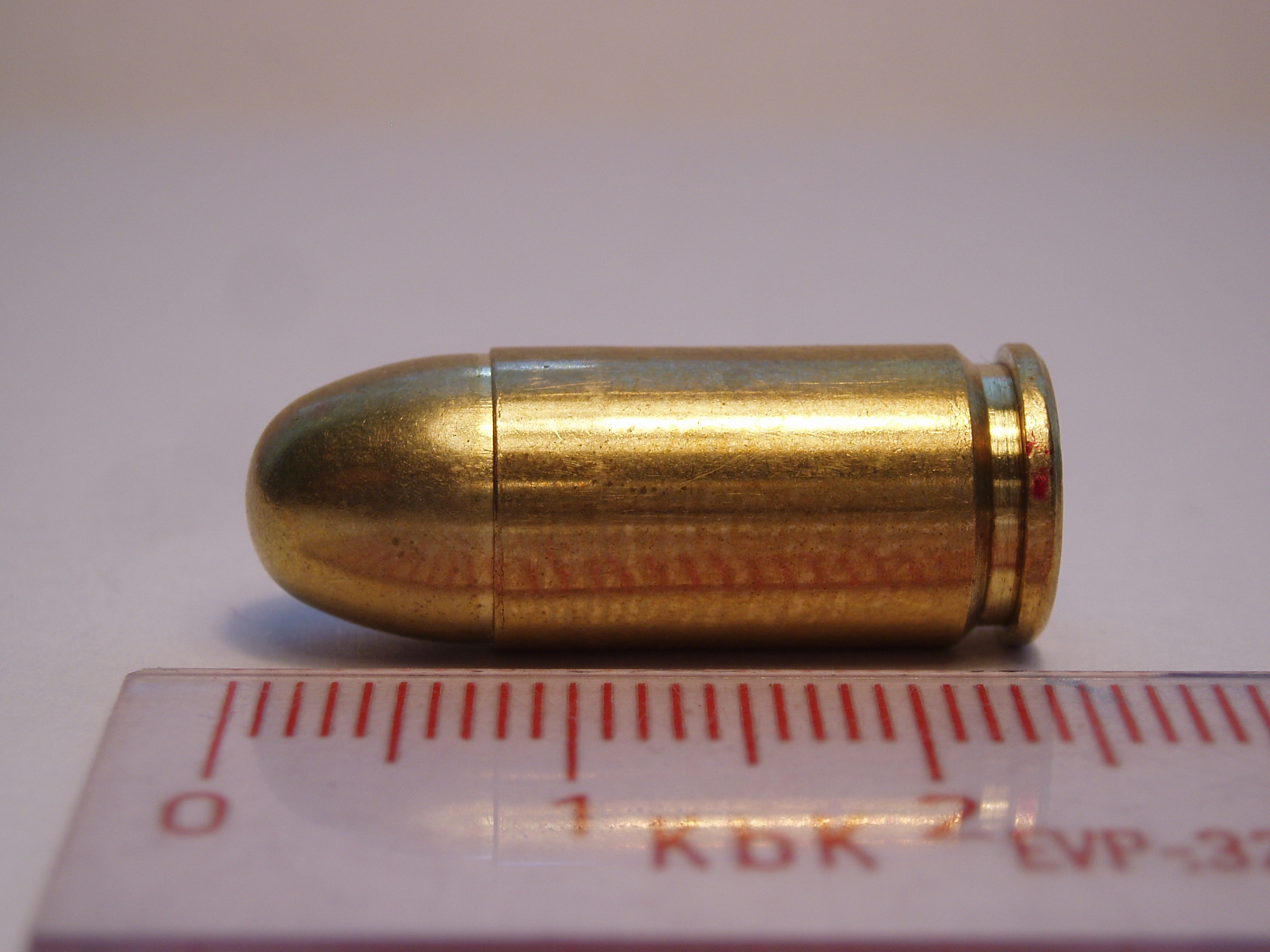
Recommending .380 ACP for trail carry invites immediate criticism from nearly every corner of the firearms community, yet a specific and growing subset of ultralight hikers continues doing exactly that with reasoning that is harder to dismiss than instinct suggests. The .380 ACP pushes a 90-grain hollow point to approximately 1,000 fps, generating around 200 foot-pounds of muzzle energy from a standard barrel. That figure falls well below any professional recommendation for large predator defense and barely meets minimum thresholds for reliable human threat stopping in FBI penetration testing. The hikers who recommend it are not arguing that it is powerful. They are arguing that a modern .380 pistol like the SIG P365 or Glock 42, weighing under 14 ounces loaded, is the only firearm they will actually carry every single mile of a long trail, whereas heavier options get left at camp when fatigue sets in. A .380 on your hip during an encounter beats a 10mm sitting in your tent by an objective margin of 100 percent. That argument is controversial but not irrational, particularly on trails where black bear activity and human threats represent more realistic scenarios than brown bear charges.
4. .45 ACP
The .45 ACP is controversial in trail carry discussions for almost the opposite reason as the .380. Critics argue it is too heavy, too low in velocity, and too limited in capacity for practical wilderness use rather than too weak. Developed by John Browning in 1904 and generating approximately 400 foot-pounds of muzzle energy from a 230-grain ball load at 830 fps, the .45 ACP moves a large, slow projectile that produces substantial tissue displacement without the penetration depth that hard cast hunting loads in faster calibers achieve. Full-power .45 ACP loads with hard cast bullets improve penetration meaningfully, reaching 24 to 28 inches in gelatin, but still trail the 10mm’s 36-inch benchmark. The capacity argument stings in modern discussions, with standard 1911 platforms offering 8 rounds against the Glock 20’s 15 rounds of 10mm. Hikers who continue recommending the .45 ACP cite its terminal performance on human-sized threats, the wide availability of quality ammunition, the manageable recoil profile that supports accurate follow-up shots, and deep familiarity built through years of training on a platform they genuinely trust when conditions deteriorate,e and fine motor skills begin to fade.
5. .22 LR
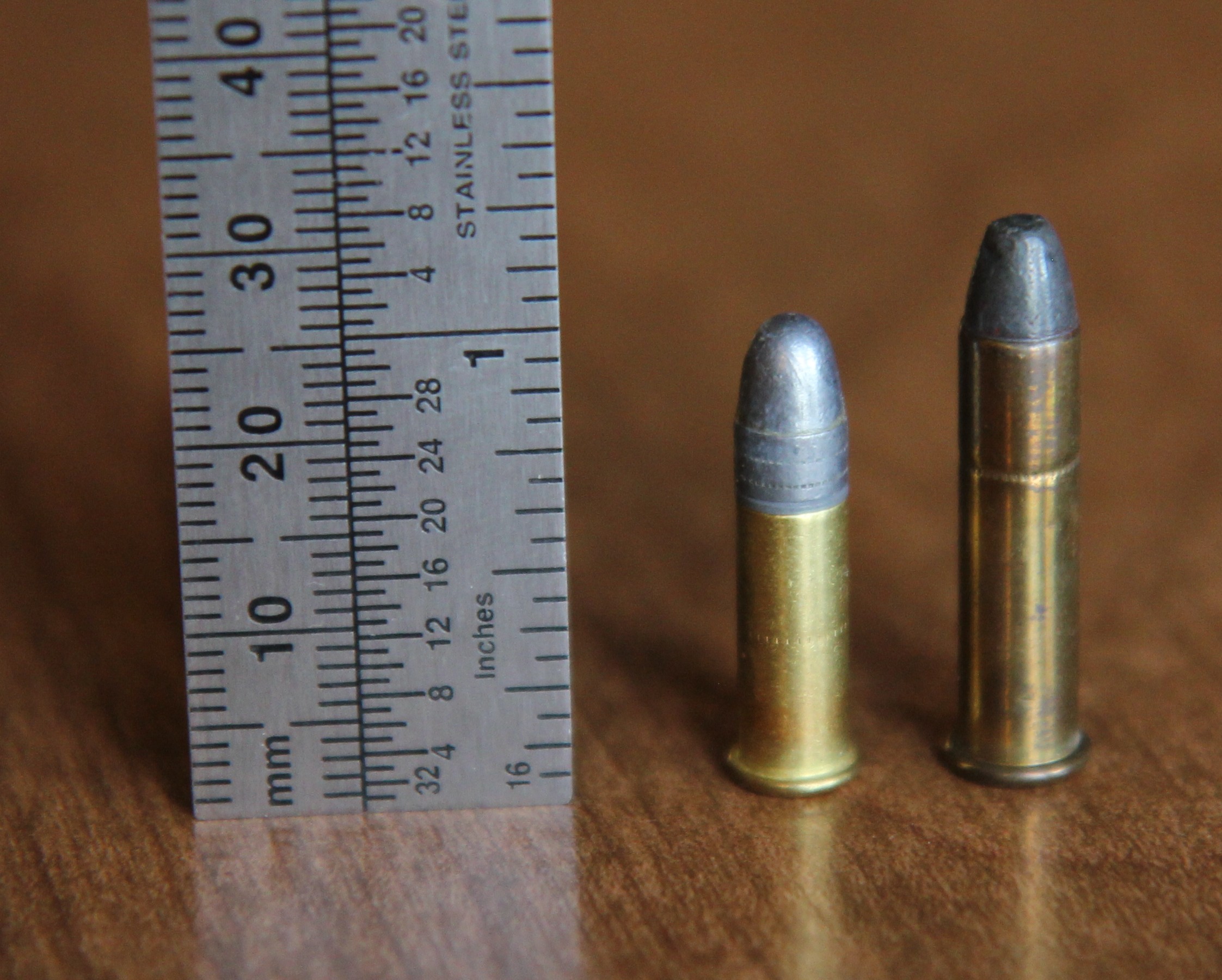
Recommending .22 LR for any wilderness defensive role is the most controversial position on this list by a significant margin, and the hikers who make that recommendation are the first to acknowledge it comes with serious caveats. The .22 LR generates approximately 100 to 140 foot-pounds of muzzle energy, depending on the load, which is objectively inadequate for large predator defense by every professional standard. Alaska Department of Fish and Game records document zero reliable stops of bears using .22-caliber handguns across all available incident data. The argument for it is narrow, specific, and honestly presented by its advocates. On long thru-hikes where base weight discipline is paramount, a Ruger LCP II in .22 LR weighing 11.2 ounces loaded with a 10-round magazine represents the lightest possible armed option for the human threat scenarios and small predator encounters that statistically dominate trail incident reports. Cougar attacks, dog encounters, and human aggression are all meaningfully more common on popular trails than bear charges, and .22 LR handles all three with more reliability than having no firearm at all. It is a caliber hikers recommend with eyes open, not closed.