Camping and firearms occupy the same space often enough that the combination deserves serious, honest attention rather than the vague safety reminders that get repeated without much practical depth. Most people who bring a gun into the backcountry consider themselves reasonably responsible, and most of the time, that self-assessment is accurate enough for nothing to go wrong. The problem with firearm injuries is that they do not require consistent irresponsibility to occur. A single lapse during a moment of fatigue, distraction, or misplaced confidence is sufficient, and the backcountry introduces a specific set of conditions that create those lapses more reliably than a clean, well-lit indoor range ever does. Uneven terrain, reduced visibility, temperature extremes, physical exhaustion, unfamiliar handling situations, and the casual atmosphere that camping naturally produces all combine to raise the probability of exactly the kind of momentary lapse that firearm injuries require. The five blunders examined here are not theoretical edge cases assembled for completeness. They are documented, recurring patterns drawn from wilderness incident reports, emergency room data, and the consistent observations of wilderness safety instructors who work with real people in real outdoor environments every season.
1. Storing Firearms Loaded Inside Sleeping Areas
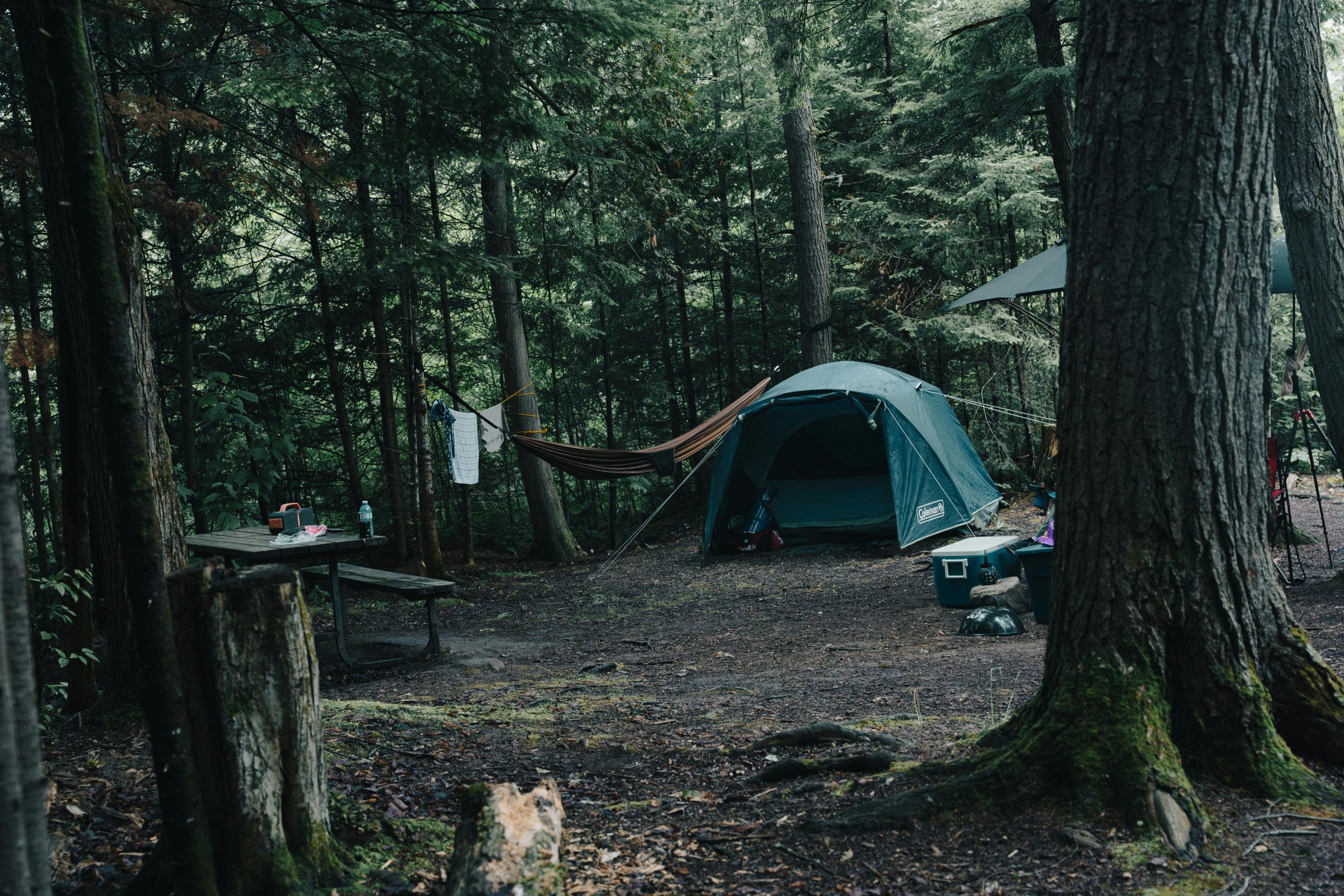
Bringing a loaded firearm into a tent or sleeping area without a deliberate, consistent storage protocol is one of the most statistically significant contributors to unintentional firearm injuries in camping environments, and it happens with a frequency that incident report data from the National Shooting Sports Foundation consistently reflects across reporting years. The specific danger is the intersection of a loaded firearm with the physical chaos of tent living: gear shifting during sleep, sleeping bags bunching against trigger guards, other campers reaching across sleeping areas in darkness, and the disoriented, fumbling physical state that characterizes the first 30 to 60 seconds after waking from deep sleep. A 2019 analysis of unintentional shooting incidents found that approximately 37 percent of accidental discharges occurred in sleeping or resting environments rather than during active handling. A firearm stored in a dedicated holster with positive trigger coverage and placed consistently in the same accessible but contained location eliminates virtually all of these risk factors simultaneously. Loaded storage is not inherently wrong in a camping context where defensive access matters. Loaded storage without a disciplined containment system is where the injury statistics accumulate, and the difference between the two requires nothing beyond consistent habit formation before the trip begins.
2. Holstering and Unholstering on Uneven Terrain

The physical mechanics of drawing and holstering a firearm are trained almost exclusively on flat, stable surfaces during range practice, and that training environment creates a false confidence about how those same mechanics perform when the ground is uneven, wet, sloped, or covered in debris that shifts underfoot during movement. Uneven terrain changes the geometry of every holstering motion in ways that increase the probability of muzzle direction errors, finger placement mistakes, and the kind of partial holster engagement that leaves a trigger exposed rather than covered. The CDC’s injury surveillance data consistently identifies terrain-related instability as a contributing factor in a meaningful percentage of outdoor firearm handling incidents, with slope angles as modest as 15 degrees producing measurable changes in hand-eye coordination and grip security during fine motor tasks. The practical correction is straightforward and requires no additional equipment. Establishing a deliberate habit of identifying a flat, stable surface before any holstering or unholstering event, even when that means pausing briefly during trail movement, reduces terrain-related handling incidents to near zero in documented wilderness safety training outcomes. Taking two extra seconds to find a stable footing before touching the firearm is a behavioral adjustment that costs nothing and eliminates a documented injury pathway.
3. Firearms Left Accessible to Children in Camp
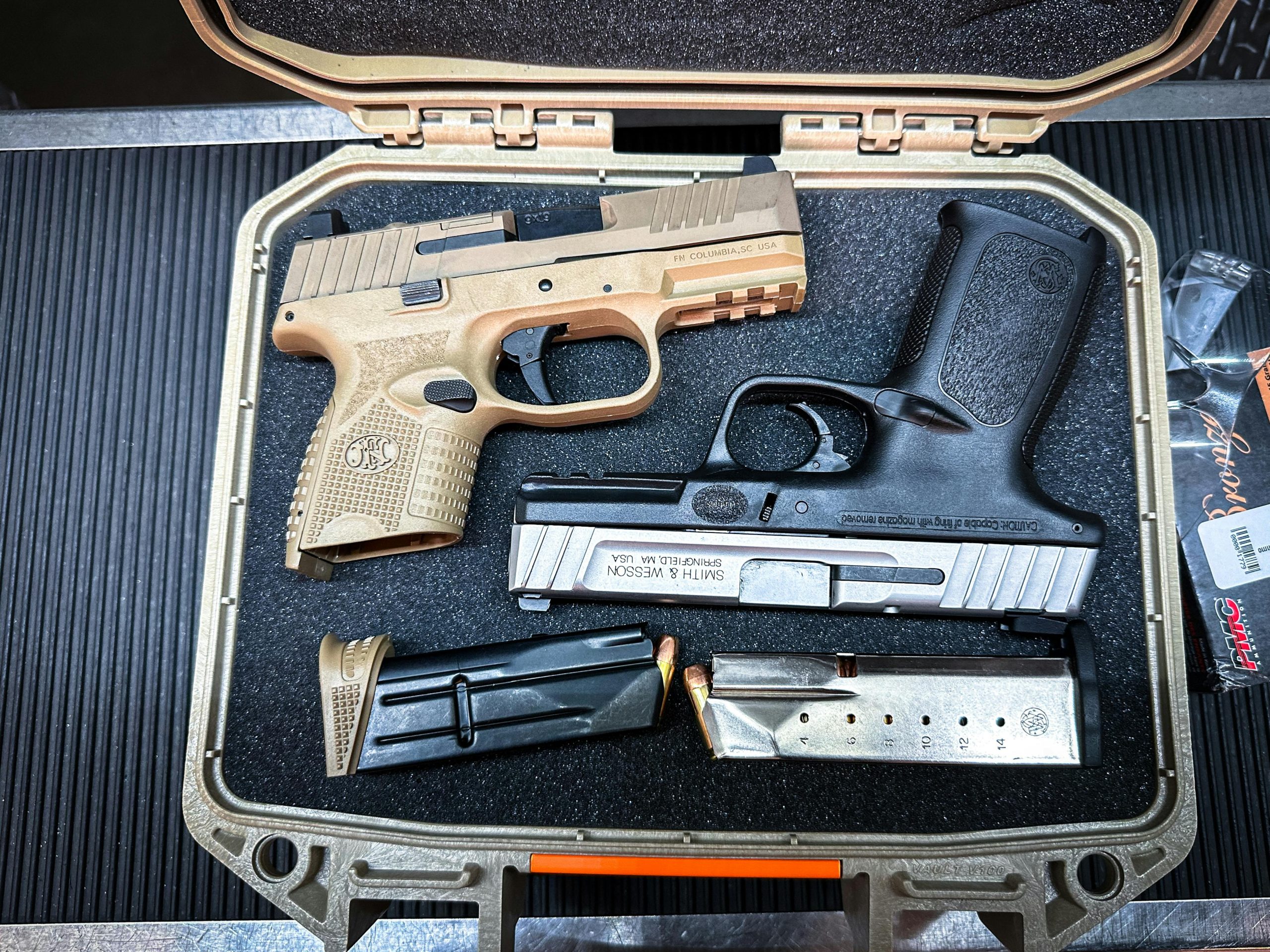
Family camping environments create a specific and well-documented firearm injury risk that differs from adult-only backcountry scenarios in both mechanism and frequency. Children in camping environments have significantly reduced supervision compared to home settings because the open, engaging outdoor environment distributes adult attention across multiple simultaneous activities in ways that indoor supervision does not. A firearm that is accessible but not secured in a camp setting is accessible to any child within the camp perimeter, and the curiosity-driven handling behavior that produces pediatric firearm injuries does not require unsupervised time measured in hours. The American Academy of Pediatrics reports that approximately 4.6 million American children live in homes with loaded, unlocked firearms, and the behavioral patterns that produce injuries in those domestic settings replicate directly in camping environments where supervision is further reduced by outdoor activity demands. A small portable lock box weighing approximately 680 grams and retailing between $30 and $50 provides cable-anchored secure storage that eliminates child access without meaningfully reducing adult defensive access time when positioned correctly. The alternative of verbal instruction to children about not touching firearms has been shown in multiple behavioral studies to increase rather than decrease handling curiosity in children under 10 years of age.
4. Negligent Firearm Handling During Camp Chores
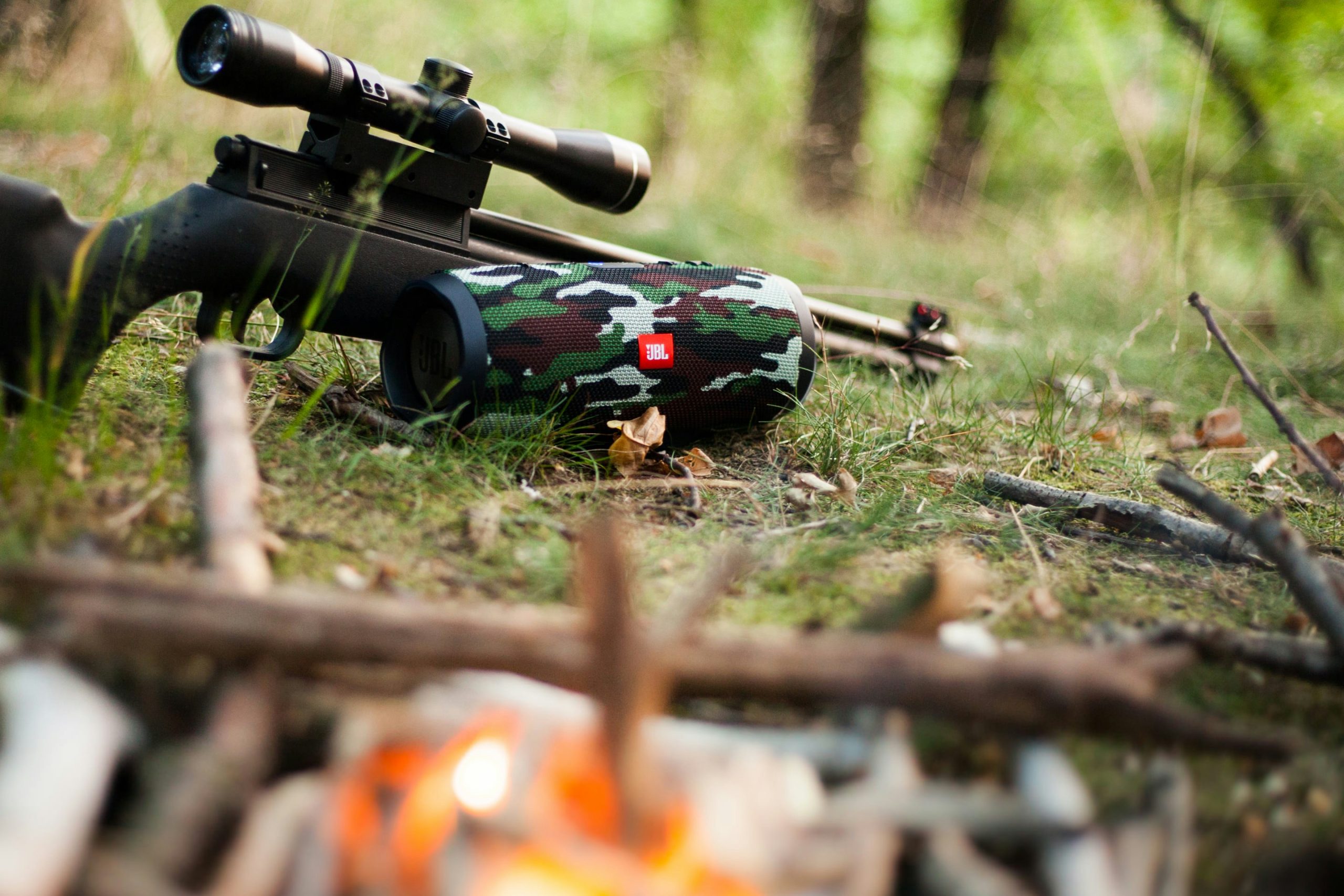
The casual, repetitive physical activity that camp chores involve creates a specific inattention risk for campers carrying firearms, as the range environments do not replicate. Gathering firewood, setting up cooking equipment, hanging food bags, filtering water, and managing tent rigging all involve bending, reaching, lifting, and physical exertion that shift body geometry, change holster orientation, and creates repeated incidental contact between hands, gear, and the holstered firearm in ways that routine range practice never prepares a shooter to manage. The Gun Violence Archive’s data on unintentional discharges consistently shows that a disproportionate percentage of camping-related firearm incidents occur during task-focused physical activity rather than dedicated firearm handling moments, precisely because task focus reduces the continuous attention that safe firearm management requires. A retention holster with an active retention device, requiring a deliberate thumb press or rotating hood release before the draw stroke can be initiated, reduces incidental draw events during physical activity to effectively zero in documented field use without meaningfully extending intentional draw time beyond 0.3 to 0.5 seconds for trained users. Pairing active retention with a consistent habit of checking holster security before beginning any physically demanding camp task adds under five seconds to each activity and eliminates the documented injury pattern.
5. Shooting Without Adequate Backstop Identification in Camp
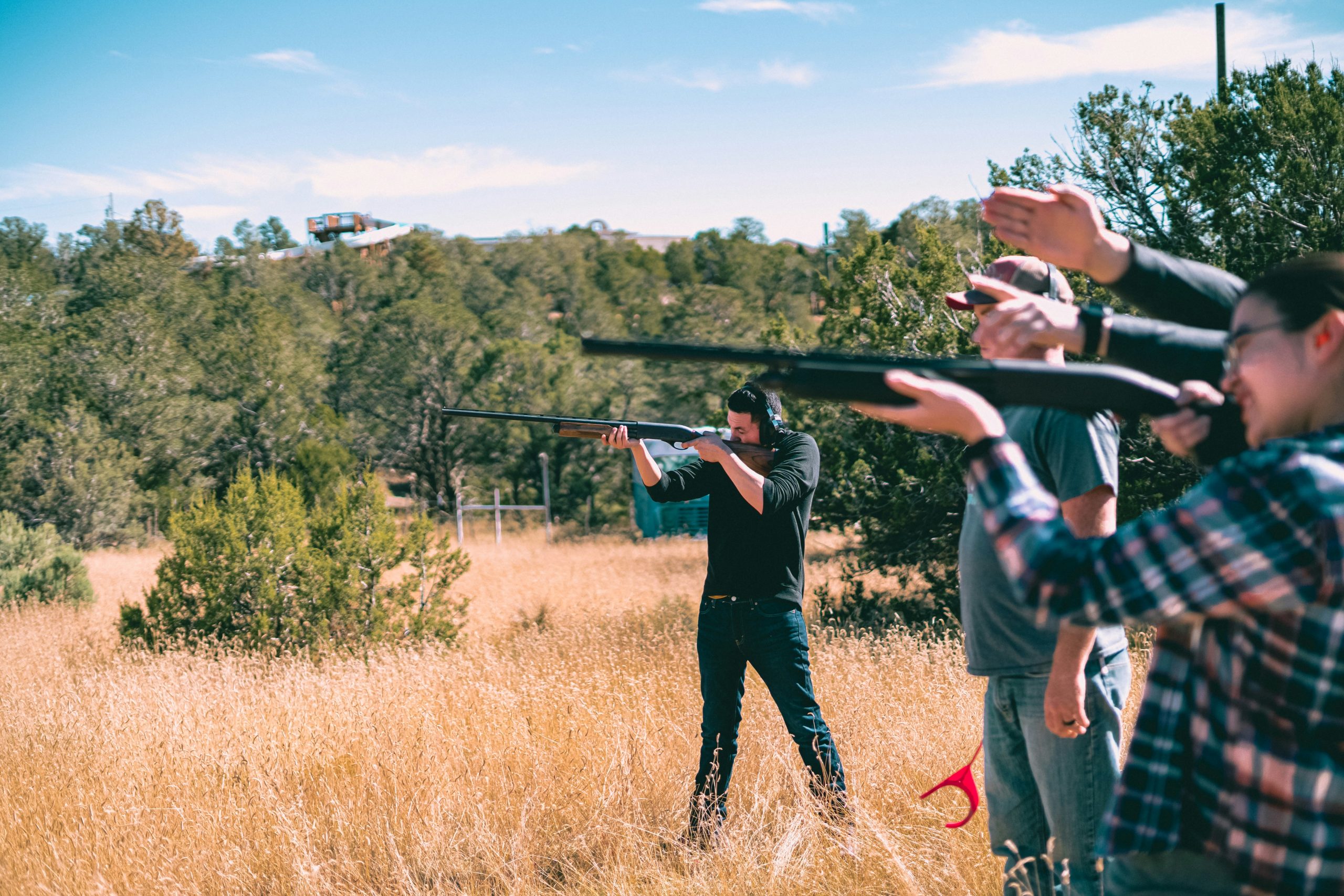
Discharging a firearm in or near a campsite without fully identifying what exists beyond the intended target is the single blunder on this list with the highest potential for catastrophic, irreversible consequences, and it occurs in camping environments through a specific and consistent pattern that incident reports across multiple wilderness management agencies document repeatedly each season. Campers who discharge firearms to dispatch injured animals, respond to perceived threats, or conduct informal shooting practice near camp frequently focus entirely on the immediate target without extending that visual assessment to the full bullet travel path beyond it. A .22 LR cartridge traveling at 1,050 fps retains lethal energy at distances exceeding 400 meters beyond the point of impact. A 9mm projectile maintains dangerous energy levels beyond 1,800 meters under favorable conditions. Campsite environments where other campers, trail users, or wildlife observers may be positioned beyond a line of sight obstruction represent exactly the scenario that these projectile travel distances make dangerous. The Four Rules of firearm safety address this directly through the requirement to identify the target and everything beyond it before any trigger press, and wilderness incident data shows that this specific rule violation accounts for a disproportionate share of the most serious camping-related firearm injuries recorded annually across national forest and public land incident databases.