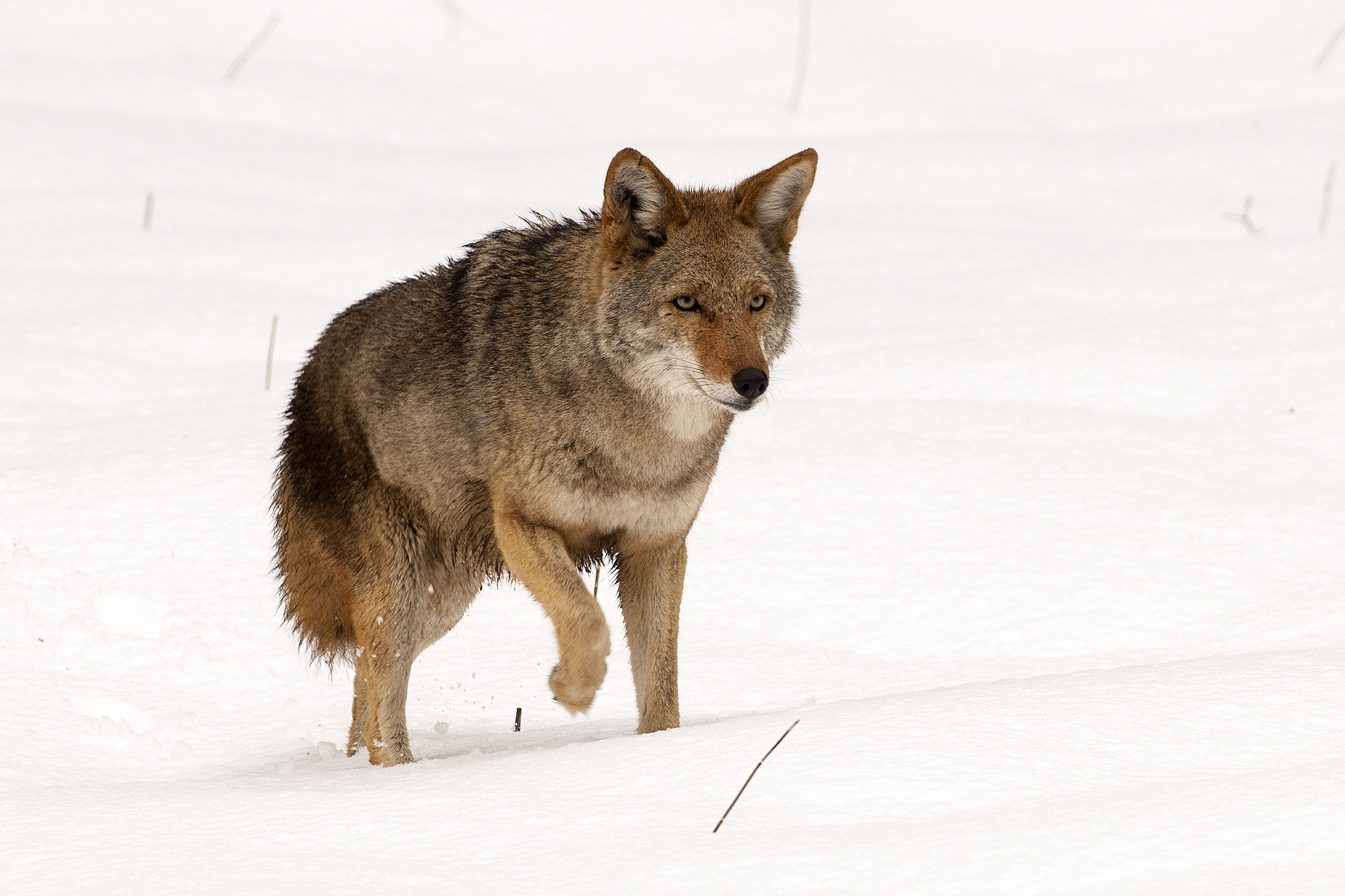
Coyotes live close to people across much of the United States, which makes them familiar and often misunderstood. Any medium-sized canine seen at a distance is quickly labeled a coyote, especially in low light or wooded areas. Body posture, coat color, and behavior can all be misleading when viewed briefly. Many animals share similar silhouettes, trots, and alert expressions. Misidentification leads to unnecessary fear, poor wildlife decisions, and false reports. Knowing the key visual and behavioral differences helps hikers, homeowners, and outdoor workers respond calmly and accurately when encountering wildlife.
1. Gray Wolf
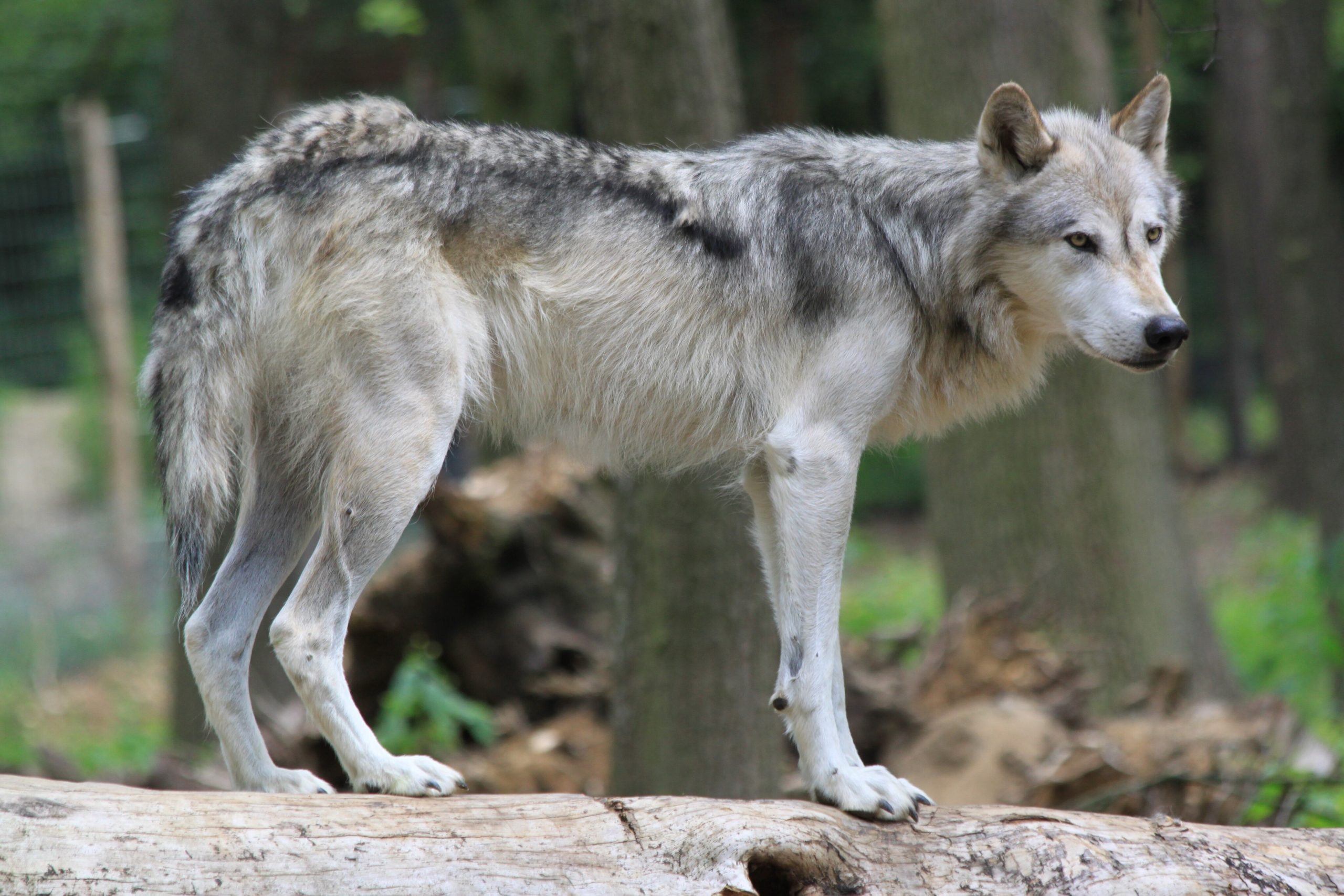
Gray wolves are frequently mistaken for oversized coyotes, especially younger individuals traveling alone. From a distance, their long legs, pointed ears, and bushy tails resemble a coyote’s outline. The biggest difference is scale. Wolves are noticeably broader through the chest and shoulders, with larger heads and heavier muzzles. Their movement appears confident and steady rather than quick and darting. Coat colors vary widely, including gray, black, white, and tan, which adds to confusion. Wolves also hold their tails straight out or low, while coyotes often carry theirs slightly down. Seeing one alone can mislead observers into assuming it is a large coyote rather than a wolf.
2. Domestic Dog
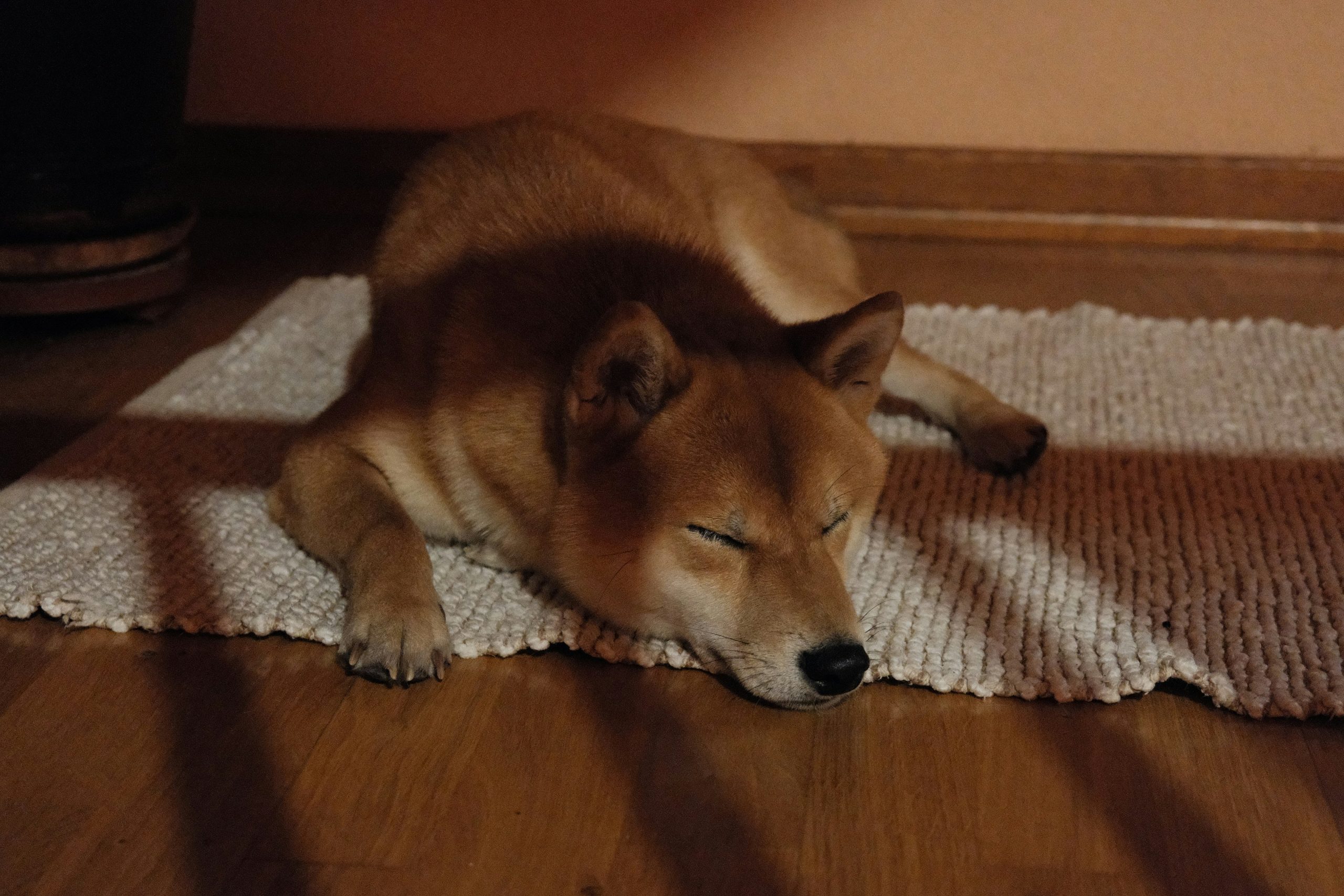
Free-roaming domestic dogs are among the most common animals mistaken for coyotes. Many medium-sized breeds share similar height, ear shape, and coat colors. Dogs moving without collars in rural or suburban areas immediately trigger coyote assumptions. Unlike coyotes, dogs often move with less purpose, pausing to sniff, wander, or look back toward homes. Their coats may appear thicker or uneven, and tail carriage varies widely by breed. Dogs are also more likely to approach people or show curiosity instead of caution. Because dogs come in endless shapes and colors, brief sightings almost always leave room for confusion.
3. Red Fox
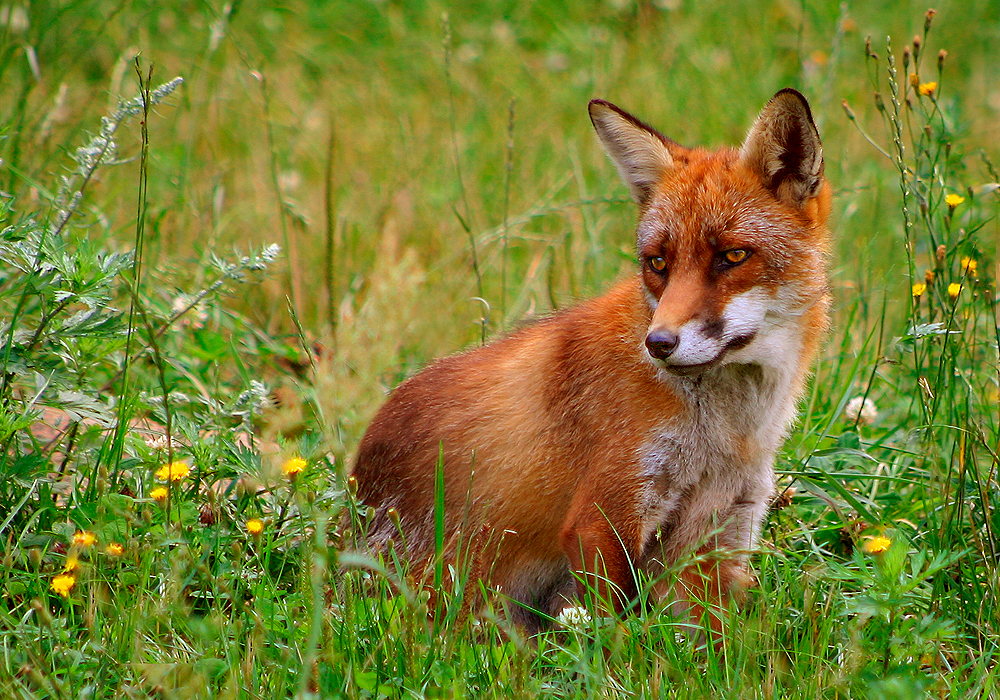
Red foxes are smaller than coyotes, but distance can hide that difference. Their reddish coats, pointed ears, and long legs create a familiar canine silhouette in open fields or snowy landscapes. Foxes move with light, quick steps and often appear delicate compared to coyotes. A major giveaway is the tail. Fox tails are extremely bushy and often tipped in white, making them look oversized for the body. Their faces are narrower and more delicate. Foxes also tend to pause and listen frequently while hunting. In low light or tall grass, these details are easy to miss, leading to quick misidentification.
4. Wolf Dog Hybrid
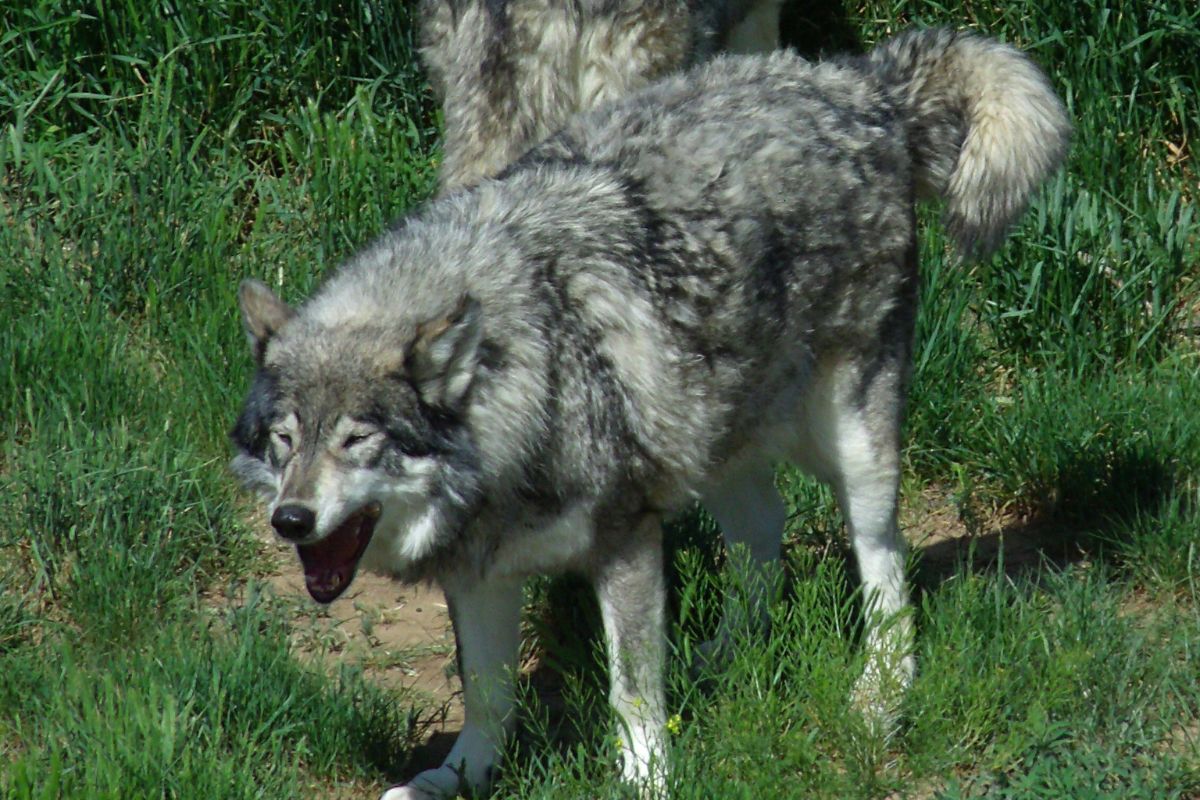
Wolf dog hybrids combine physical traits from both wolves and domestic dogs, which makes identification difficult. Their size often falls between a large dog and a wolf, closely matching a large coyote at a glance. Coat patterns can look wild, with mixed colors and thick fur. Their behavior varies widely depending on genetics and upbringing. Some move cautiously like wildlife, while others behave more like pets. The head shape is often broader than a coyote’s, and the legs appear heavier. Because hybrids are uncommon but visually striking, people often assume they are unusually large or oddly colored coyotes.
5. Golden Jackal Look-Alikes
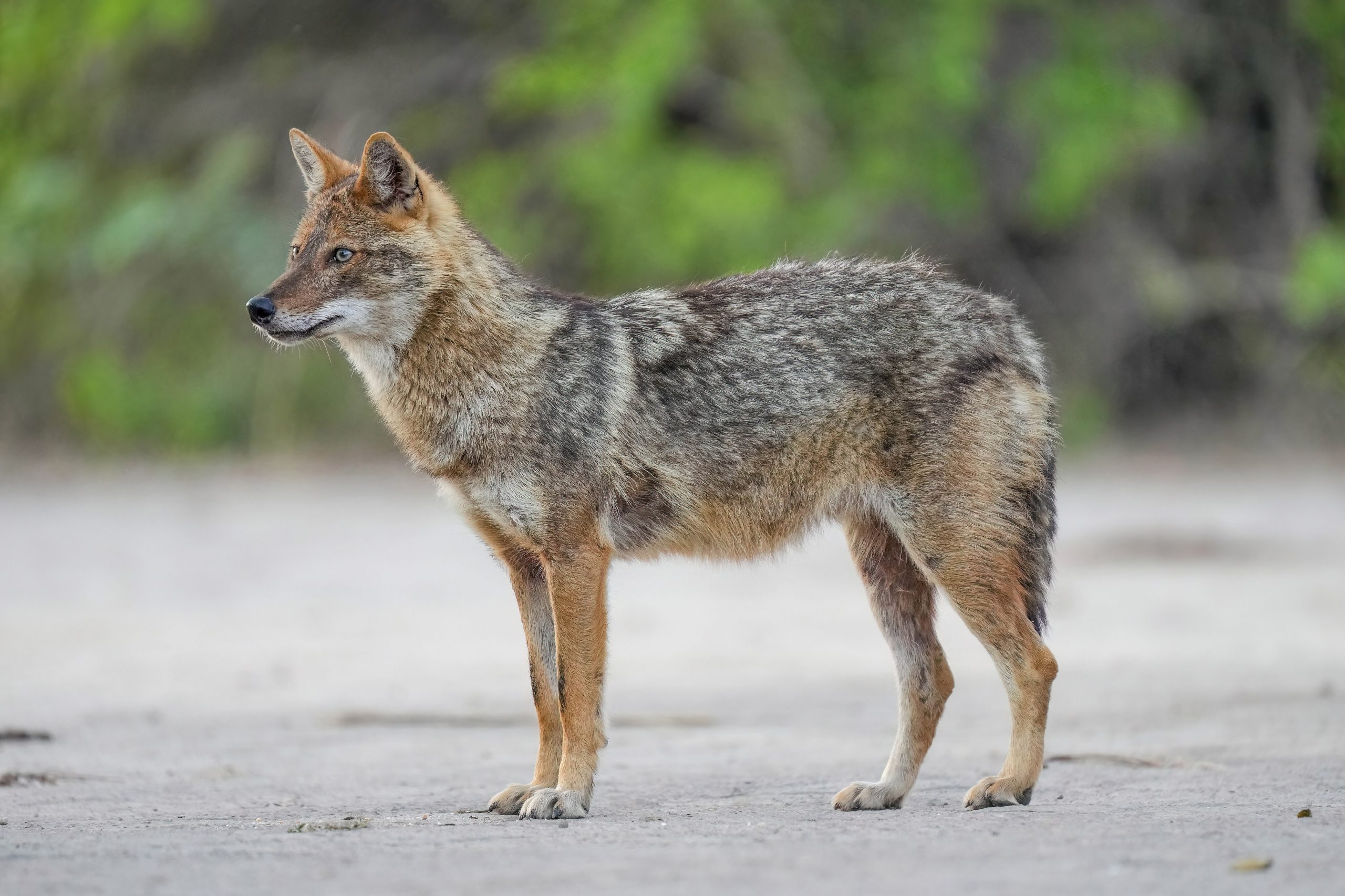
Although true golden jackals are not native to the United States, similar-looking animals and unusual dog breeds are sometimes labeled as coyotes under that name. These animals share slim bodies, narrow faces, and tan or golden coats. Their size closely matches that of coyotes, which adds to confusion. The main differences are subtle changes in ear shape, tail length, and movement style. Observers unfamiliar with wildlife diversity often rely on color alone, leading to incorrect identification. Any unfamiliar canine seen briefly is quickly categorized as a coyote, even when it clearly belongs to a different species or domestic lineage.