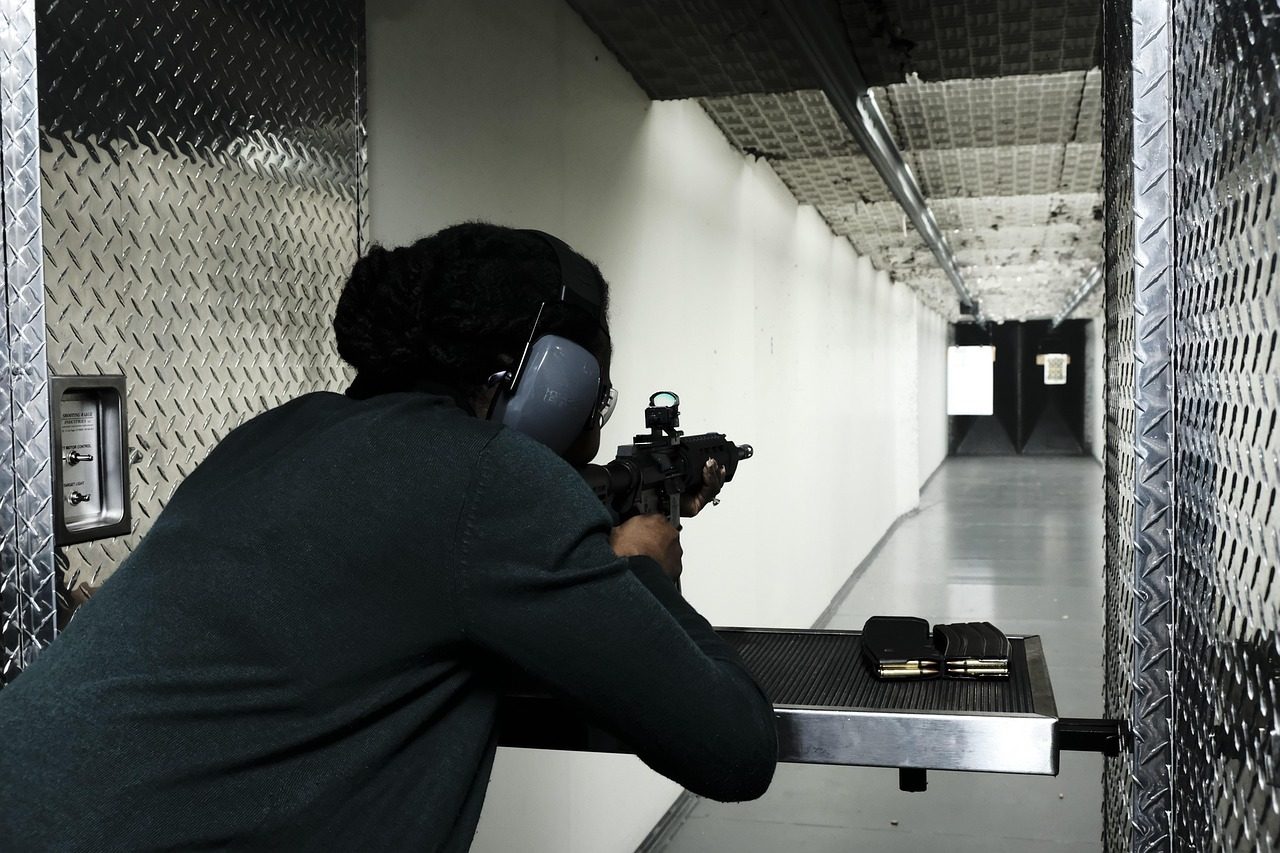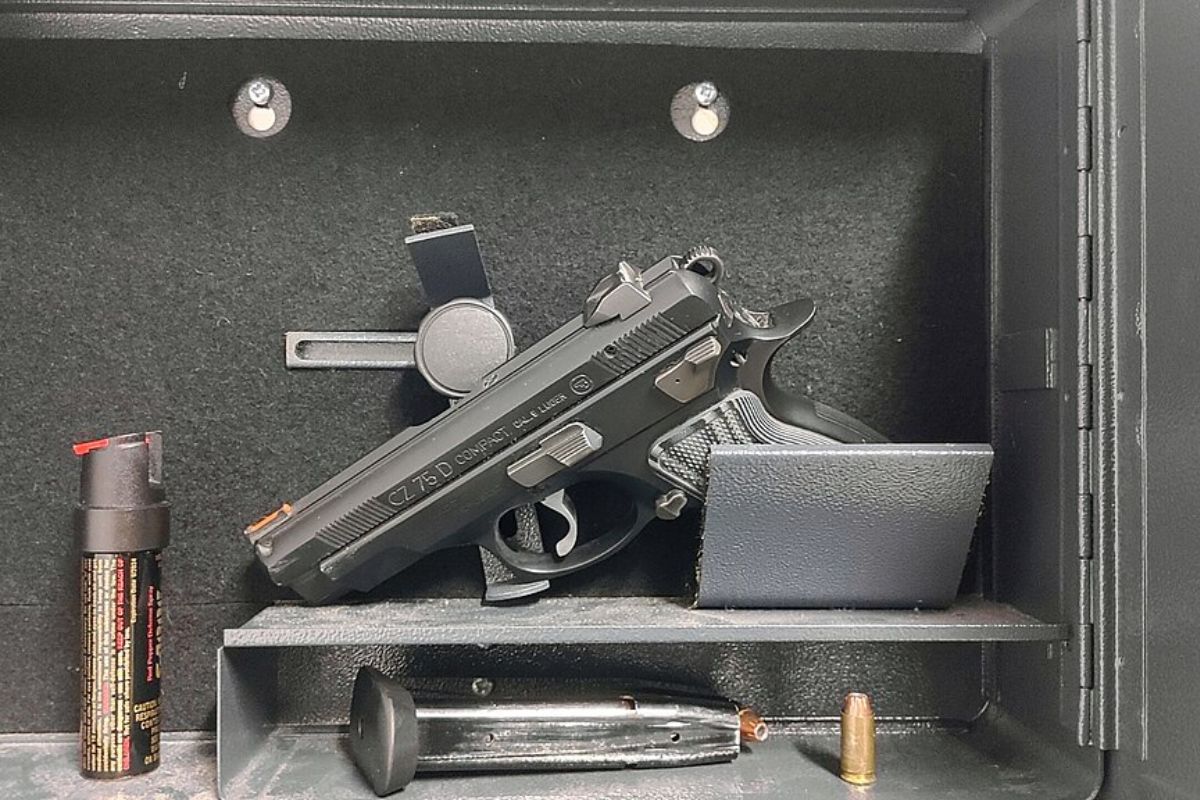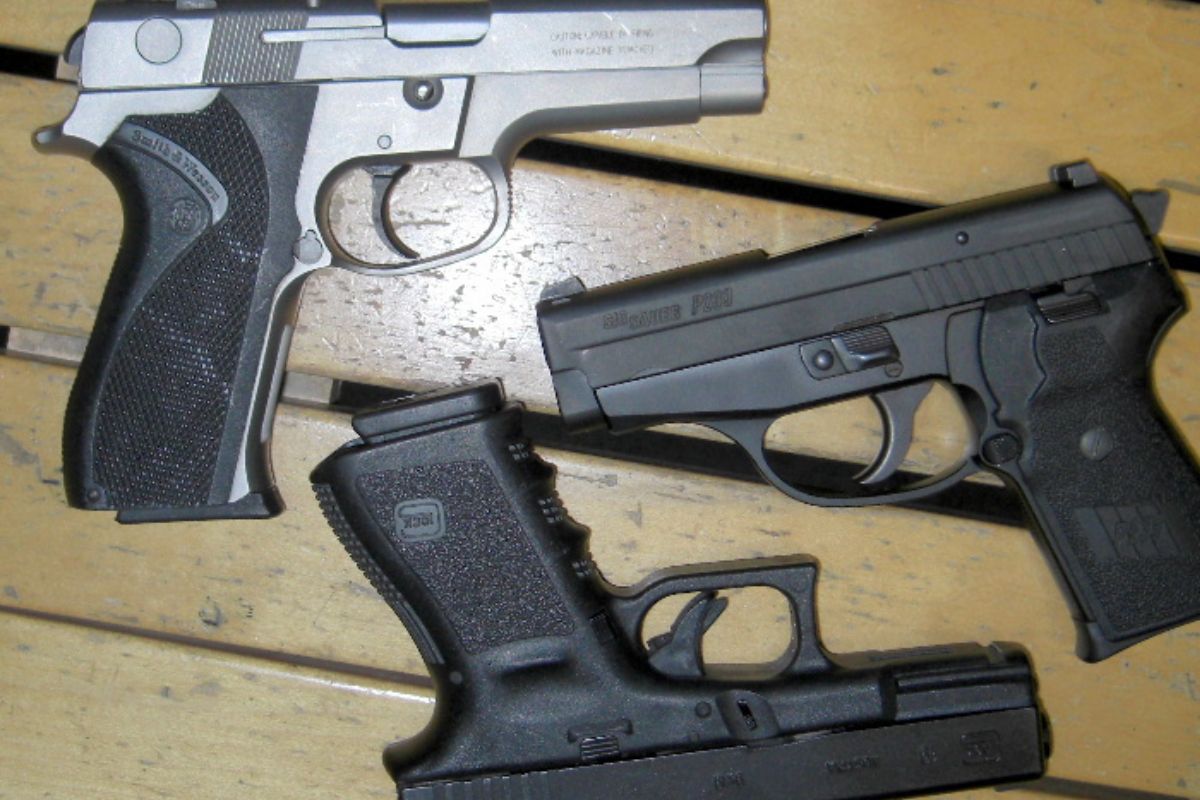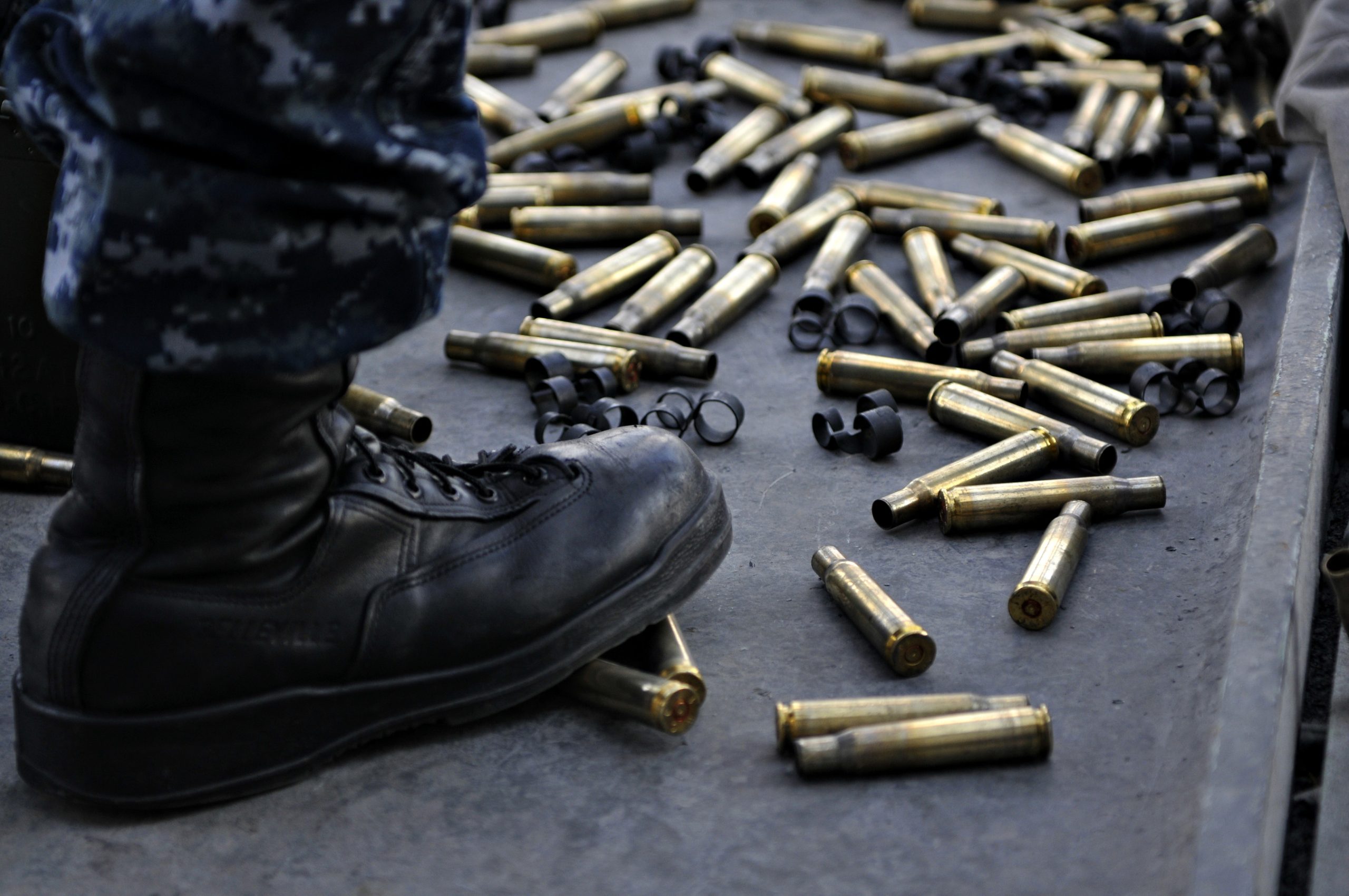
There is a tendency among new outdoorspeople to assume that more power automatically means more protection. The reality is far more nuanced. When you strip away the range-day excitement and look at what actually matters in a remote survival situation, weight, reliability, legal standing, stopping power at realistic distances, and availability, certain ammunition types fail spectacularly. Some were never designed for field use. Others are so specialized that they become liabilities the moment something goes wrong. The five types covered here are not obscure or hypothetical; they are rounds that real people have packed into the backcountry, sometimes with genuinely dangerous consequences.
1. .50 BMG
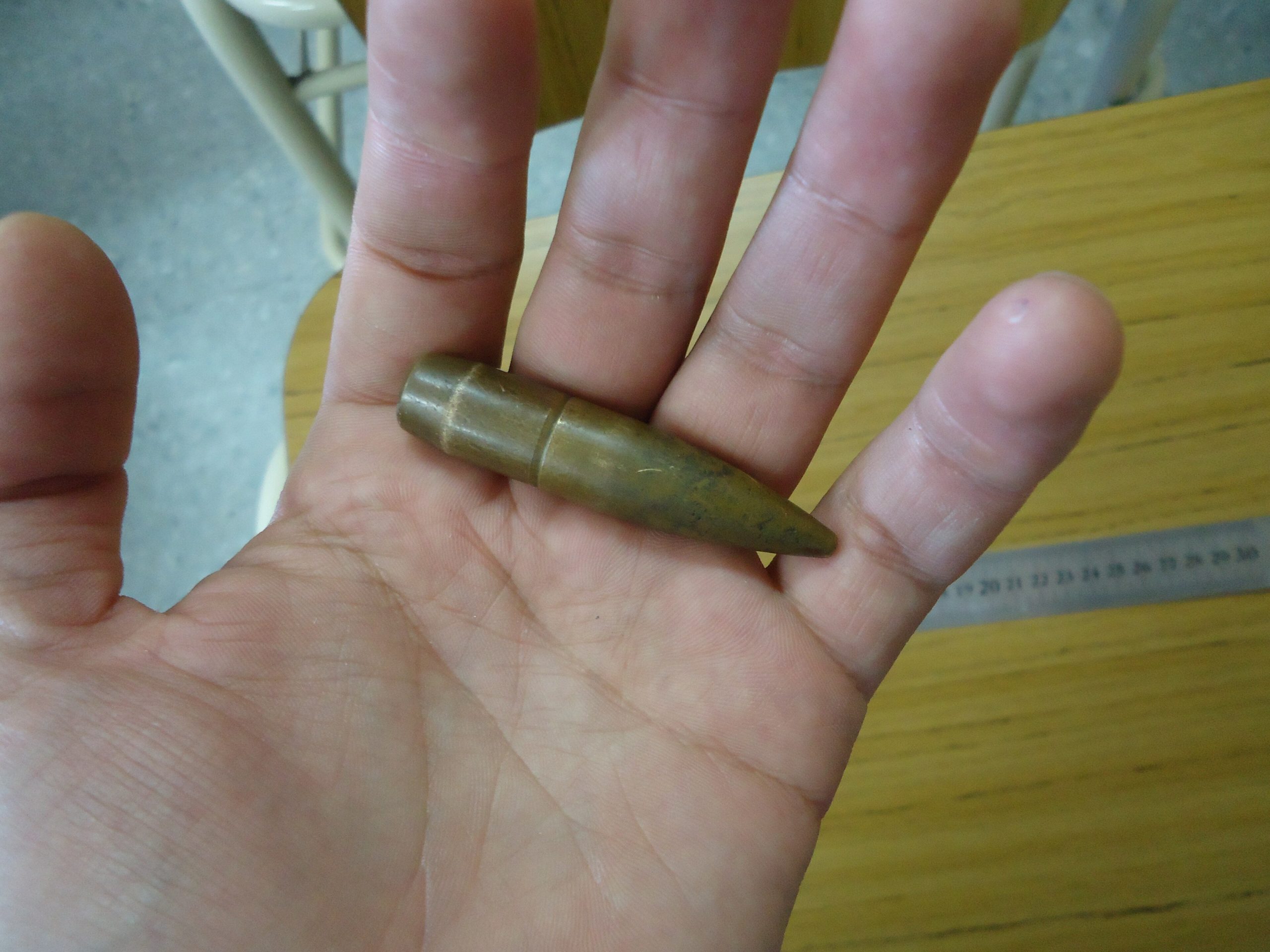
The .50 BMG might sound like the ultimate survival round, but it falls apart the moment you actually have to carry it. Each cartridge weighs roughly 3.4 ounces, and a standard box of 10 rounds adds over 2 pounds to your pack. The rifle chambered for it typically weighs between 28 and 35 pounds, a punishing load on any terrain. Designed for anti-material use and engagements beyond 1,800 meters, it is comically mismatched for close-range bush encounters or small game hunting. Ammunition costs run between $5 and $10 per round, making every missed shot genuinely painful. When survival demands efficiency, portability, and versatility, the .50 BMG offers none of these things.
2. Flechette Rounds
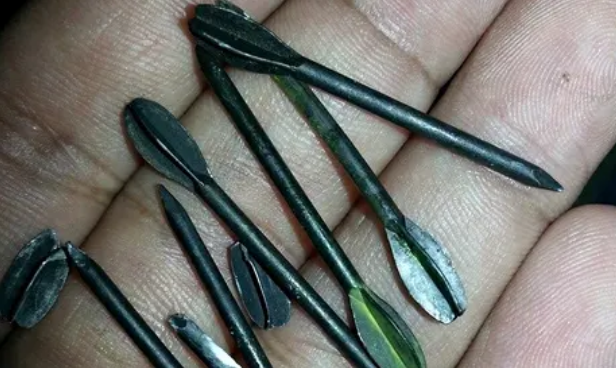
Flechette rounds fire dozens of tiny steel darts instead of a conventional projectile, a concept that sounds clever until you need to use one in the field. Designed for military applications, these rounds struggle with accuracy beyond 50 meters and perform inconsistently across different barrel types. Their pattern spreads unpredictably, making precise game hunting nearly impossible. A single shell can cost between $3 and $8, compared to standard buckshot at under $1. Beyond the price gap, flechettes are almost impossible to source at rural supply stores. In a real wilderness emergency, depending on a specialty round this temperamental is a gamble you simply cannot afford to take.
3. Explosive / Tannerite-Loaded Rounds
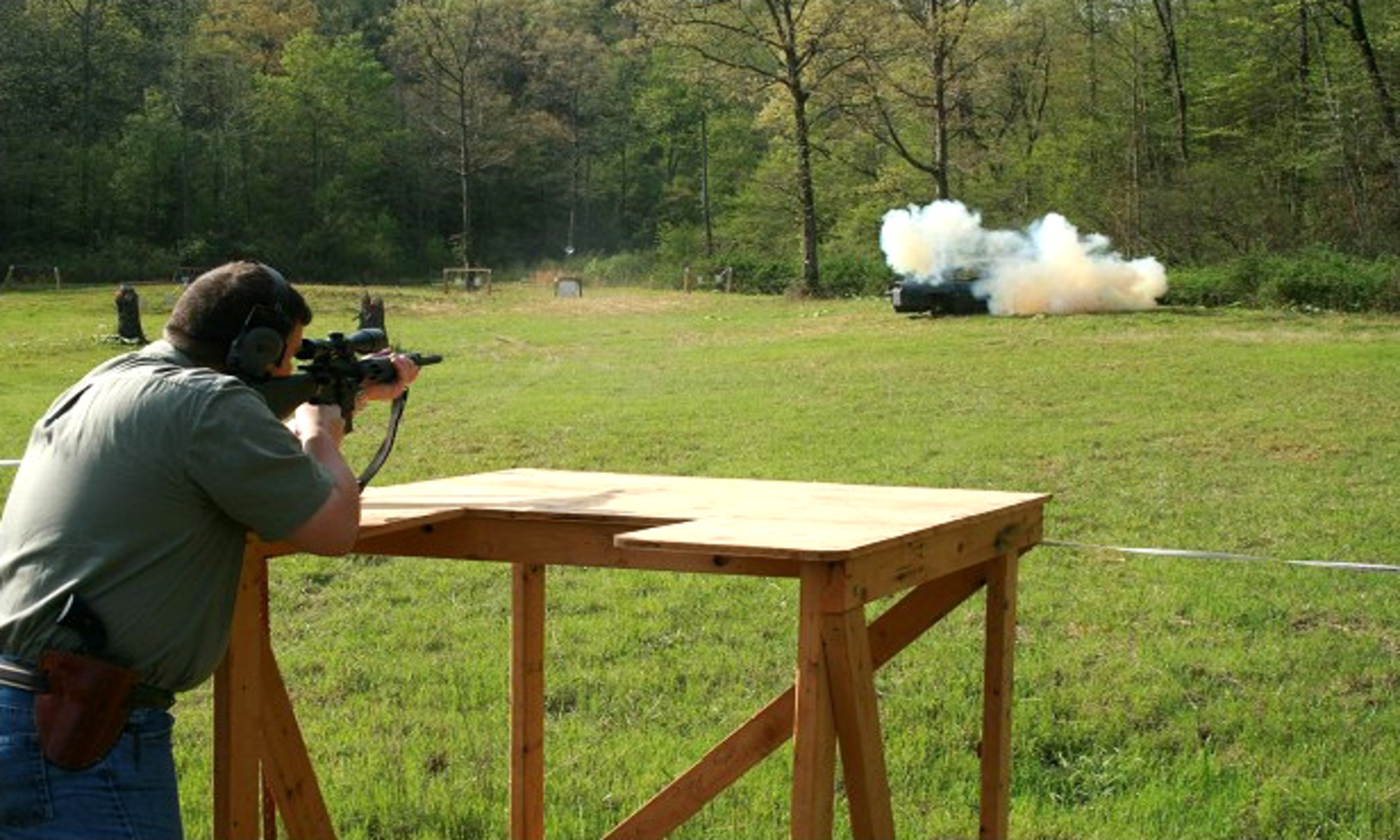
Exploding target rounds might make for exciting range sessions, but they have no place in a survival kit. These loads can ignite dry vegetation instantly a single misfire in summer conditions could spark a wildfire covering hundreds of acres within hours. Transporting assembled binary compounds across state lines is federally restricted in the U.S., and deploying them near wilderness areas carries fines exceeding $10,000. They provide zero food-procurement value and no defensive benefit that a standard round cannot deliver more safely. Simply put, they are a dangerous liability dressed up as firepower, legally complicated, and completely counterproductive when actual survival is the priority.
4. Rubber and Less-Lethal Rounds
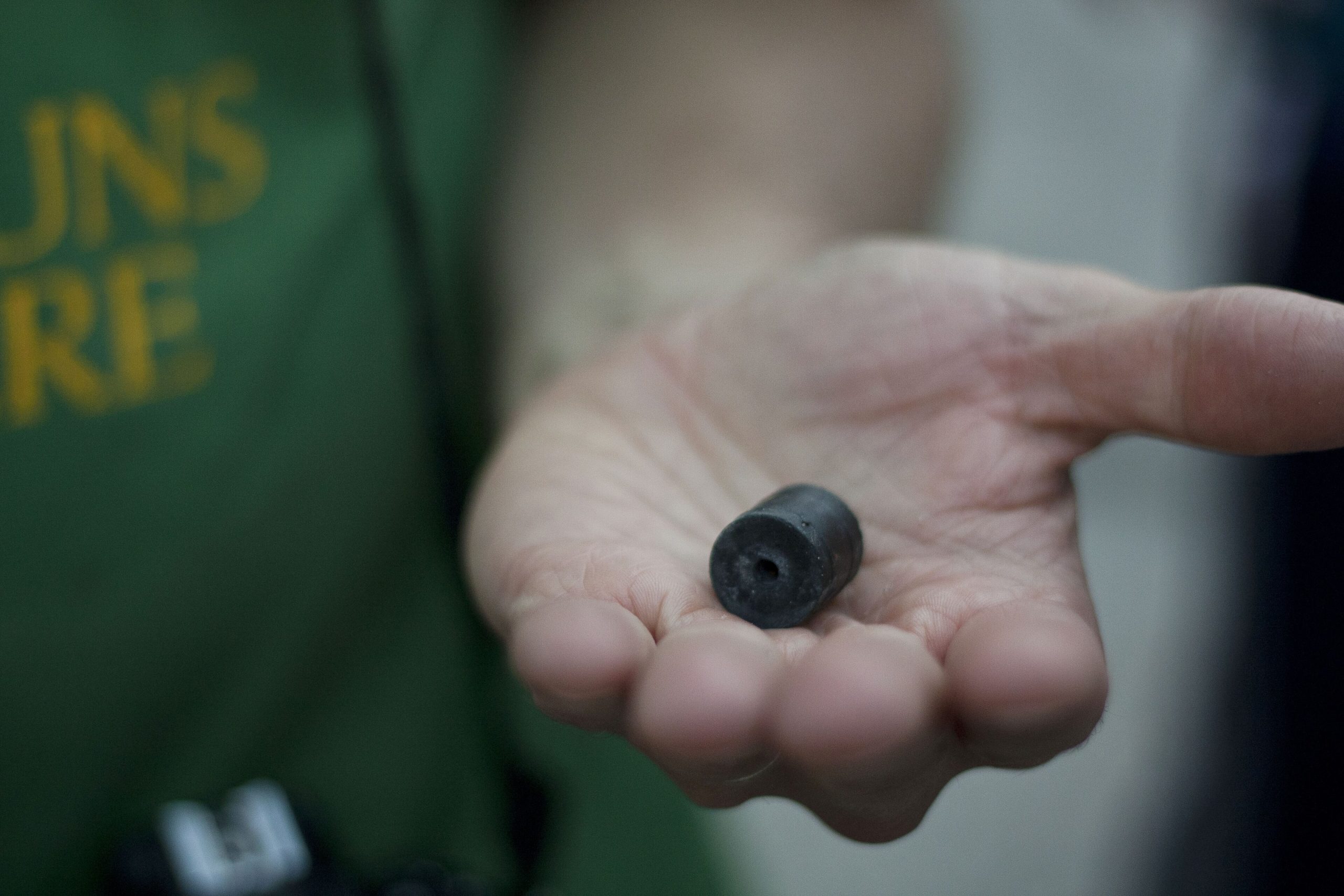
Rubber and less-lethal rounds belong in crowd control, not the wilderness. Against a charging bear closing at 30 feet per second, a rubber slug carries only 8 to 12 foot-pounds of energy compared to thousands from conventional hunting loads. That gap is not inconvenient; it is survival-threatening. These rounds also degrade in humid environments, with reliability dropping up to 40 percent during extended damp storage. Mountain lions, black bears, and moose will not be deterred by a sting. Packing them as your primary defense in remote terrain is not a reasonable safety compromise; it is a dangerous miscalculation that could cost far more than the price of proper ammunition.
5. Dragon’s Breath Shotgun Shells
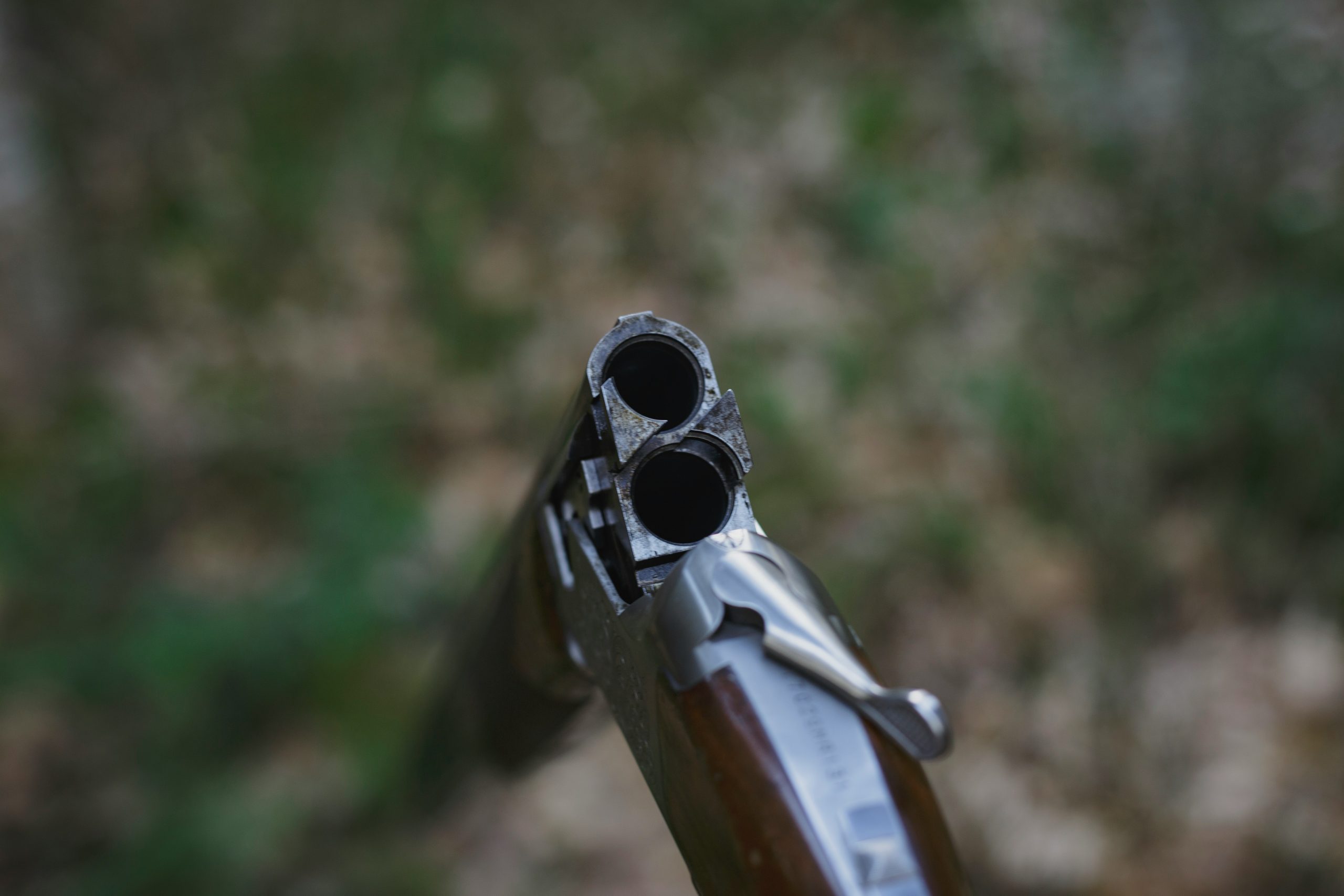
Dragon’s Breath shells launch burning magnesium at temperatures around 5,000 degrees Fahrenheit, which sounds formidable until you recall you are surrounded by flammable wilderness. Even a brief discharge near dry grass can spark a fire spreading rapidly within minutes. Their effective ballistic range tops out at around 30 meters, and actual stopping power at that distance is minimal, making them near-useless defensively against wildlife. Each shell costs between $4 and $7, offering zero practical return in any survival scenario. No legitimate survival instructor recommends them, and many wilderness areas prohibit incendiary rounds outright. The spectacle, in short, is simply not worth the risk.