Encounters with wild animals are rare, but when they happen, reactions in the first few seconds can determine the outcome. Many attacks are driven by fear, territorial instincts, or surprise rather than predatory intent. Understanding basic survival principles can significantly improve the chances of avoiding serious injury. Experts consistently emphasize awareness, calm decision-making, and knowledge of animal behavior over panic or impulsive action. While no strategy guarantees safety in every situation, preparation and composure greatly influence survivability. The following guidelines reflect widely accepted wilderness safety concepts that apply across many environments, from hiking trails to remote backcountry settings.
1. Maintain Awareness and Avoid Escalation

Situational awareness remains one of the most powerful tools for preventing dangerous wildlife encounters. Many conflicts occur because humans unintentionally surprise animals at close range, triggering defensive reactions. Observing surroundings, recognizing tracks or sounds, and respecting warning signals such as growling or posturing provide valuable time to respond appropriately. Calmly increasing distance often defuses tension before aggression develops. Sudden movements or loud reactions can intensify perceived threats, so controlled behavior is critical. By avoiding escalation and acknowledging an animal’s space, individuals reduce the likelihood of provoking an attack. Prevention, whenever possible, remains the safest survival strategy.
2. Control Panic and Project Composure
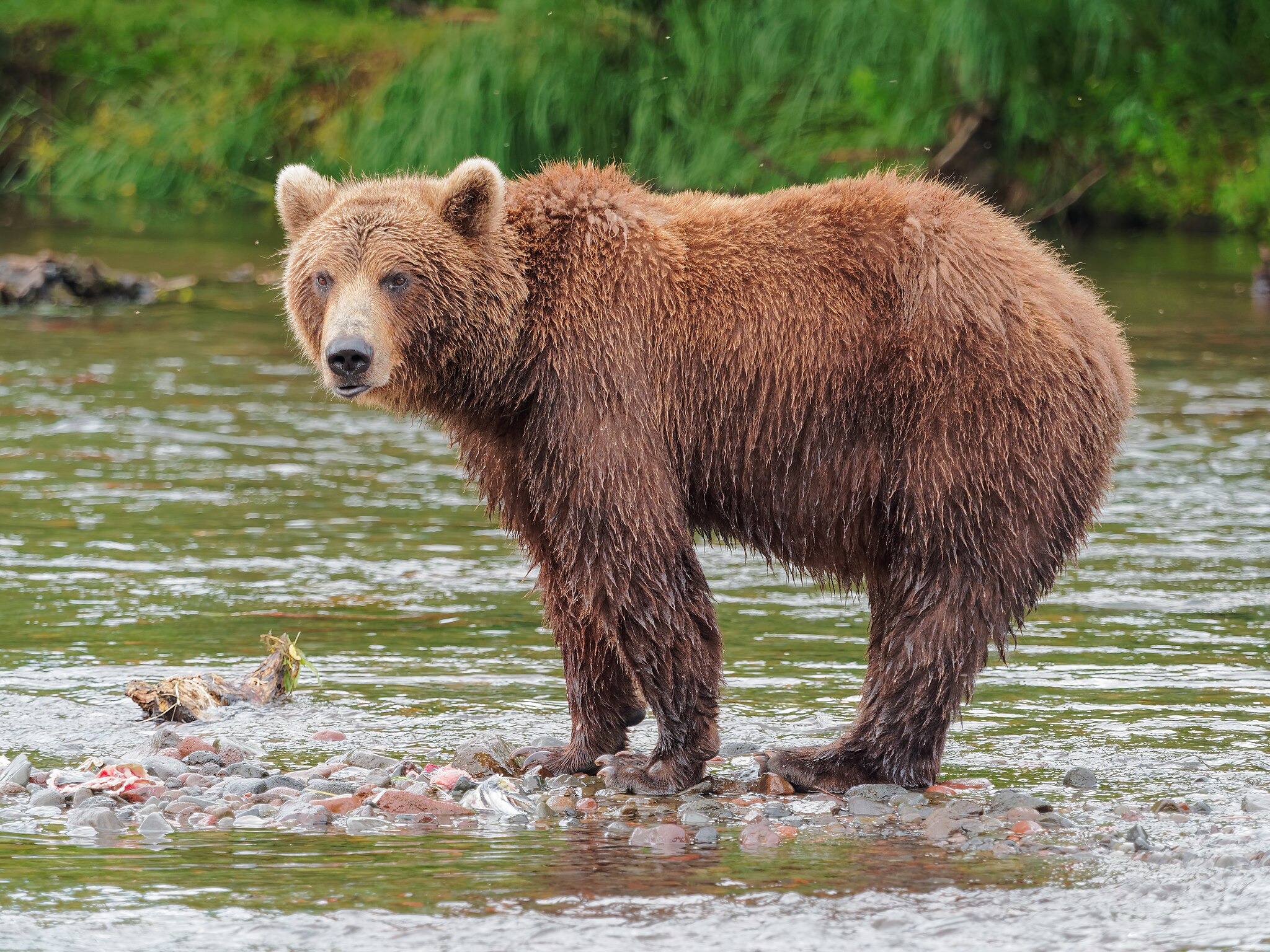
Human instincts during moments of fear often encourage flight, yet running can activate a predator’s chase response. Maintaining composure helps prevent actions that worsen the situation. Standing ground, appearing confident, and avoiding direct eye contact may discourage further aggression depending on the species involved. Slow, deliberate movements communicate stability rather than vulnerability. Vocalizing firmly can sometimes assert presence without signaling distress. Panic clouds judgment and undermines coordination, while controlled breathing supports clearer thinking. Remaining mentally steady allows for better evaluation of escape routes or defensive options. Emotional control, therefore,e becomes as vital as physical response.
3. Use Defensive Actions Strategically

When avoidance fails, and physical contact becomes imminent, defensive reactions must be deliberate rather than frantic. Protecting vital areas such as the neck and torso is a primary concern. Using available objects, including backpacks or jackets, may create barriers that reduce injury. Species-specific guidance varies widely, yet many experts stress that resistance can alter an animal’s behavior, particularly if the attack is defensive rather than predatory. Understanding context matters. Defensive actions should focus on creating an opportunity to disengage rather than overpowering the animal. Strategic response, even under extreme stress, can influence survival outcomes.
4. Prioritize Escape and Seek Immediate Safety

Creating distance remains the ultimate objective during any wildlife confrontation. Opportunities to retreat should be taken decisively once they appear. Moving toward shelter, higher ground, or secure barriers improves survival prospects. After reaching safety, medical evaluation becomes essential even for seemingly minor injuries, as bites and scratches carry infection risks. Reporting aggressive encounters may help protect others in the area. Recovery involves both physical and psychological considerations, since stress responses can linger. Survivability often depends on transitioning quickly from confrontation to safety. Clear focus on escape, rather than prolonged engagement, is critical.