It’s one of the most famous wildlife experiments in modern America.
And three decades later, the honest answer is: yes, it was worth it, but not for the simple reason most people think.
Why Yellowstone brought wolves back in the first place

When gray wolves were reintroduced to Yellowstone in 1995 and 1996, the goal was not to create a viral conservation fairy tale. It was to restore a missing top predator to an ecosystem that had been missing one for roughly 70 years. According to the National Park Service and U.S. Geological Survey, 41 wolves were released in Yellowstone after wolves had been wiped out from the park by the 1920s through predator-control campaigns.
By then, Yellowstone had a clear ecological imbalance. Elk were abundant, especially on the park’s northern range, and they were putting heavy browsing pressure on young willow, aspen, and cottonwood. That did not mean wolves were a magic fix waiting in the wings, but it did mean the park was functioning without a key piece of its original food web.
The reintroduction was controversial from day one. Ranchers worried about livestock losses, hunters feared fewer elk, and some critics objected to the idea of actively moving wolves in rather than waiting for natural recolonization. Federal agencies pushed forward anyway after years of planning, environmental review, and legal battles.
That context matters because it frames the real test. The question was never whether people would enjoy seeing wolves again. The question was whether restoring them would improve Yellowstone enough to justify the social, political, and economic friction that came with it.
What happened to the wolves themselves

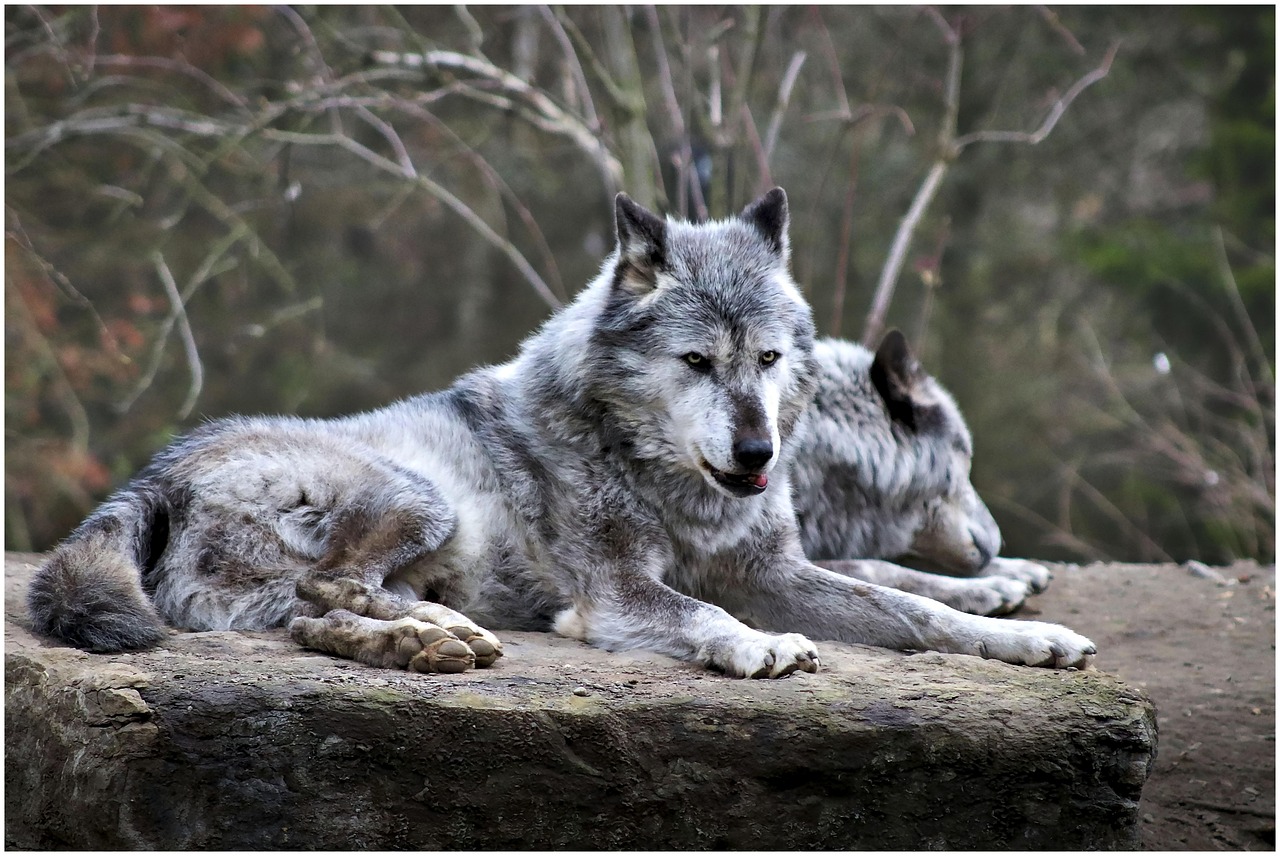
On the most basic level, the project worked. Wolves survived, reproduced, formed packs, and became a durable part of Yellowstone again. The National Park Service says the population stabilized after the early boom years, and the 2023 Yellowstone Wolf Project counted 124 wolves in 11 packs, including six breeding pairs, living primarily in the park.
That stability is important because it shows the reintroduction did not create a brief spike followed by collapse. Yellowstone now has a long-running wolf population that scientists have tracked in extraordinary detail, from pack dynamics and genetics to hunting behavior and competition with other carnivores. Few predator restorations anywhere have been studied this closely for this long.
The wolves also changed over time. Early on, elk dominated their diet, but recent research described by Yellowstone scientists and a 2025 PNAS-related report found that wolves and cougars now take a more varied mix of prey than they did in the late 1990s. In other words, this is not a static story; the system keeps adjusting.
That alone counts as a success. Reintroduction is often judged by whether the animal can persist without constant rescue. By that standard, Yellowstone’s wolves absolutely passed the test, even if everything that followed turned out to be more complicated than the public narrative suggested.
The elephant question is where the real debate begins
If you ask critics whether wolves were worth it, many go straight to elk. And they are right to focus there, because elk sit at the center of the Yellowstone story. In the first decade after wolf recovery, though, the National Park Service says wolves played a relatively small role in elk population dynamics compared with winter severity, drought, and human hunting outside the park.
That point often gets lost. Elk numbers on Yellowstone’s northern range did fall sharply from the high levels seen before reintroduction, but wolves were never the only driver. Weather, forage conditions, bears, cougars, and hunting pressure all mattered. A simple “wolves arrived, elk crashed” storyline does not fit what researchers actually found.
Still, wolves clearly mattered. They changed where elk spent time, how long they lingered in certain valleys, and how safely they could browse in riparian areas. They also added another serious source of predation in a landscape where large carnivores had already been recovering.
For hunters and outfitters outside the park, that nuance may offer little comfort. Some communities experienced fewer elk in places and periods that once supported more reliable hunting. So if the standard is “did every human stakeholder benefit,” the answer is no. But if the standard is “did Yellowstone become more ecologically intact,” the answer starts leaning strongly yes.
Did wolves really trigger a trophic cascade?
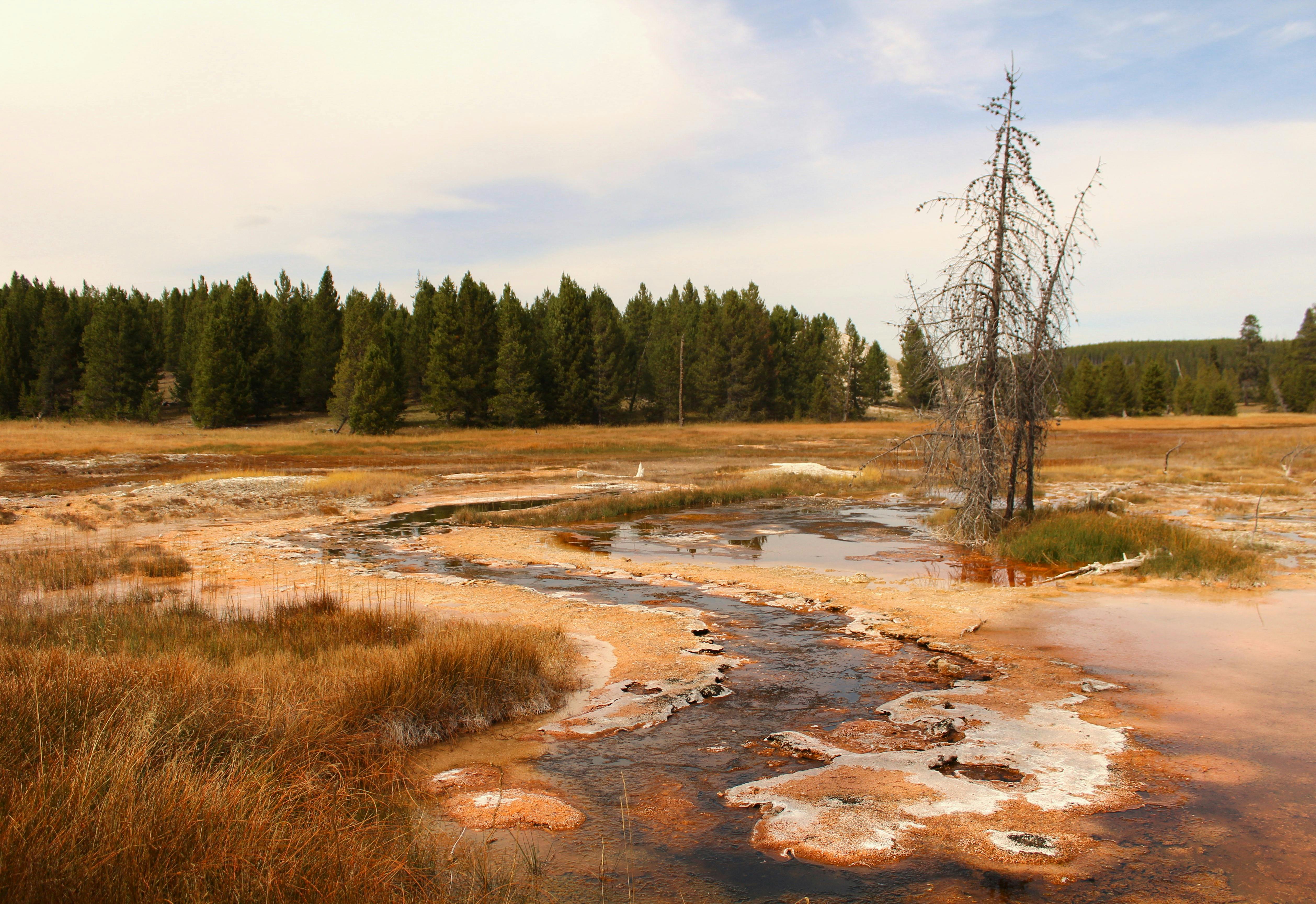
This is the part of the story most people think they know: wolves came back, elk got warier, willow and aspen rebounded, beavers returned, streams improved, and the whole park healed. There is truth in that story, but it has been polished into something more certain than science allows.
A growing body of research supports meaningful ecological effects from wolf recovery. Studies summarized by the National Park Service, USGS, and researchers writing in journals such as PLOS Biology and Journal of Animal Ecology link wolves to changes in browsing pressure, carrion availability, and vegetation recovery in at least parts of the park. A recent study also reported a new generation of northern-range aspen growing tall enough to join the canopy for the first time in about 80 years.
But scientists still argue over the strength of that cascade and how much credit wolves deserve versus other factors. A 2025 debate over willow recovery highlighted exactly that point, with some researchers saying the evidence for a strong wolf-driven cascade was compelling and others saying the case was overstated or methodologically shaky.
So did wolves transform Yellowstone? Yes, in important ways. Did they single-handedly “fix” the ecosystem? No. They were a major force in a system also shaped by climate, hydrology, other predators, and human management beyond the park boundary.
The benefits went beyond trees and prey
One of the clearest wins from wolf recovery has been what happens after a kill. Wolves create carrion, and that food supports scavengers ranging from ravens and eagles to bears and coyotes. Yellowstone has long emphasized that wolves influence biodiversity across multiple levels of the food web, not just through direct predation on elk.
There is also evidence that wolves affected other carnivores. Coyotes declined in some areas after wolves returned, which may have opened opportunities for smaller mammals and changed predator relationships on the ground. More recent research has also shown wolves and cougars constantly adjusting to one another, with both species shifting their diet as elk availability changed.
Then there is the human benefit that rarely gets enough attention: tourism. The National Park Service says wolf-watching contributes more than $80 million annually to the Greater Yellowstone Ecosystem economy, and earlier economic studies also found substantial visitor spending linked to wolf viewing. In practical terms, wolves became one of Yellowstone’s marquee attractions.
That matters because conservation is easier to sustain when people can see value in it. Wolves are not just ecological actors in Yellowstone; they are also cultural and economic ones. For gateway communities, guides, lodges, photographers, and visitors, the return was not abstract. It was visible, emotional, and profitable.
The costs were real, and pretending otherwise helps no one
Saying the project was worth it does not mean the downsides were imaginary. Wolves do kill livestock in the broader Northern Rockies, and every such loss lands hardest on the rancher who owns the animal, not on a scientist writing about ecosystem resilience. That tension has never disappeared.
There is also a legitimate fairness issue around geography. Yellowstone can protect wolves inside the park, but wolves do not recognize park borders. Once they cross into surrounding states, they enter landscapes shaped by hunting policy, private property, and different political values. That has created years of conflict over how many wolves are too many and how much mortality is acceptable near the park.
Even inside science, the wolf story has sometimes been oversold. The most cinematic version, especially the claim that wolves dramatically changed rivers, made for powerful storytelling but encouraged the public to expect neat, sweeping results from a messy, dynamic ecosystem. When later studies added nuance, some people treated that nuance as failure.
It is not a failure. It is how real ecology works. Yellowstone did not become a finished masterpiece because wolves came back. It became a more complete, more complicated, and more self-regulating system, which is a very different claim and a much more defensible one.
So, was it actually worth it?

Yes, Yellowstone’s wolf reintroduction was worth it. Not because wolves performed a conservation miracle, but because they restored an essential ecological role, helped reshape food-web dynamics, boosted biodiversity, and created lasting scientific and economic value.
The strongest case is cumulative. Wolves established a stable population. They influenced elk behavior and mortality. They increased food for scavengers. They contributed to vegetation recovery in some places. They changed the behavior of other predators. And they became a major engine for wildlife tourism. No single one of those outcomes settles the debate, but together they make a compelling balance sheet.
The objections still matter. Rural communities should not be talked down to, and wolf restoration elsewhere should not copy Yellowstone as if every landscape were the same. Yellowstone worked partly because it is huge, protected, and unusually rich in prey and public attention.
But judged on its own terms, 30 years later, the answer is clear. Yellowstone is better with wolves than without them. The real lesson is not that nature snaps back instantly when you add one species. It is putting back a missing predator that can make an ecosystem fuller, wilder, and more resilient, even when the results are complicated.