Harvesting a mature whitetail deer is less about luck and more about timing. Older bucks move differently than younger deer, conserve energy carefully, and avoid exposure unless conditions strongly favor them. Many hunters spend seasons chasing sign without understanding when mature bucks are most vulnerable. The truth is that only a few narrow windows consistently push experienced whitetails into daylight movement. These moments are shaped by biology, weather, and pressure. Knowing when those windows open allows hunters to plan smarter sits rather than relying on random encounters. The following three periods stand out year after year across much of North America, offering the highest odds of encountering a mature buck on its feet during legal shooting hours.
1. The First Cold Front After Pre-Rut
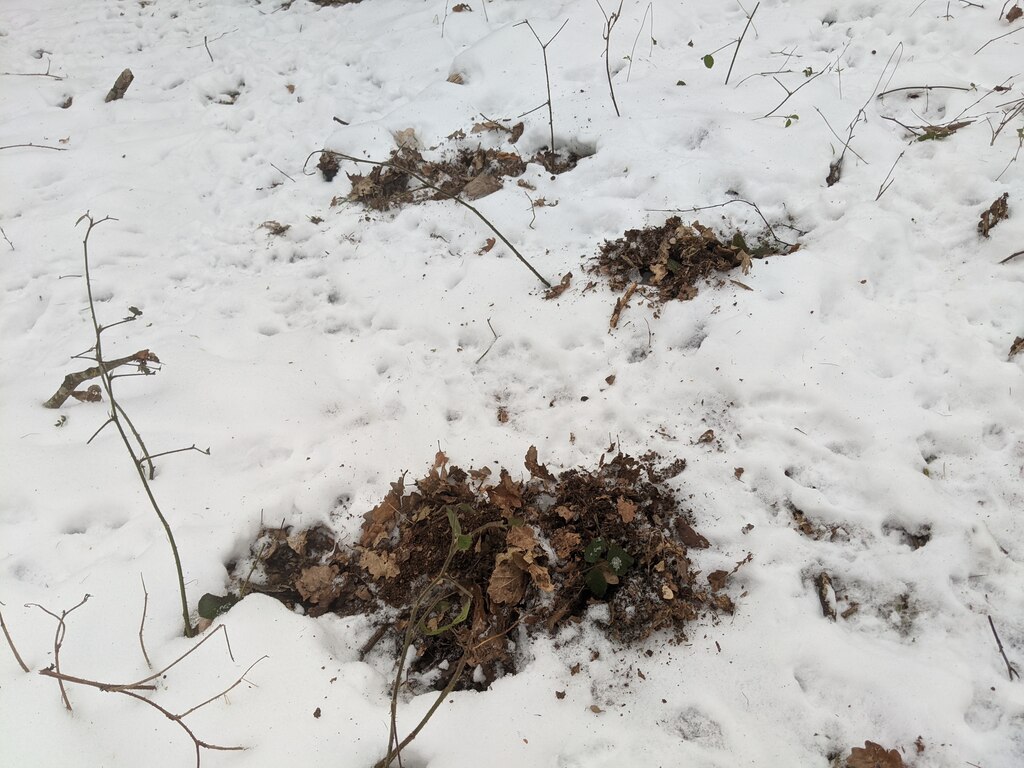
The first significant cold front following the pre-rut is one of the most reliable times to encounter mature whitetails. As temperatures drop sharply, deer metabolism increases, and feeding urgency rises. Older bucks that have spent weeks shadowing does suddenly shift into more visible movement, often traveling earlier in the afternoon. This weather change also suppresses human scent and noise, giving bucks a sense of security. They tend to check known doe bedding areas and scrape lines with renewed confidence. Wind direction becomes critical during this period, as mature bucks rely heavily on their noses while moving. Hunters who position themselves along downwind travel corridors often see daylight activity that simply does not occur during warmer stretches.
2. Peak Rut Chasing Phase
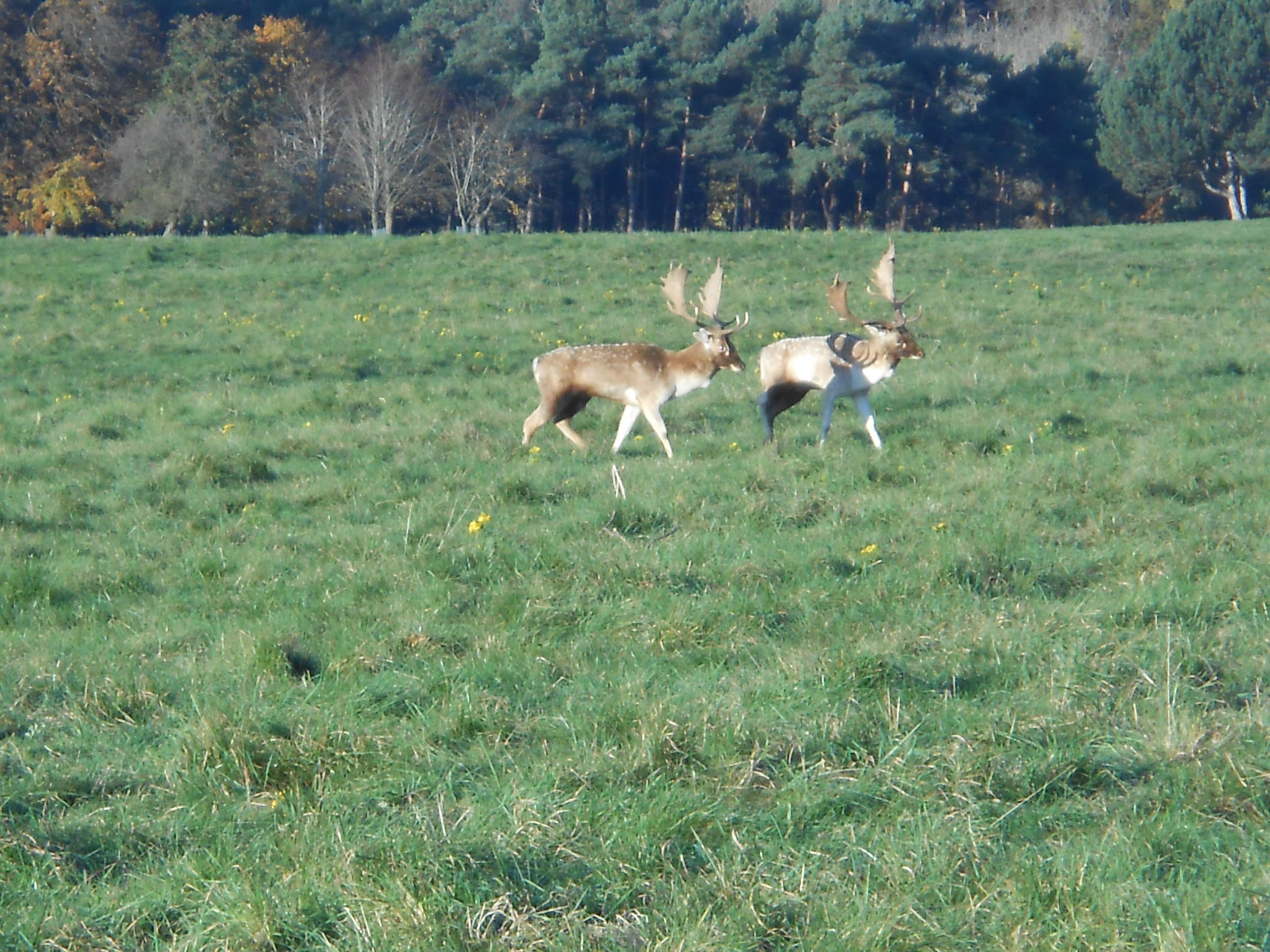
The chasing phase of the rut creates brief but intense daylight movement from even the most cautious bucks. During this window, breeding urgency overrides survival instincts, pushing mature whitetails to cover ground aggressively. Bucks travel between doe groups, cut across open lanes, and respond less predictably to pressure. This phase is short but explosive, often lasting only a few days in a given area. Stand placement near funnels, ridge crossings, and doe travel routes is critical. Calling and rattling can be effective, but restraint matters. Overcalling may spook experienced bucks. Hunters who remain patient during all-day sits are often rewarded, as mature bucks may appear at unexpected hours.
3. Late Season Food Pattern Lockdown
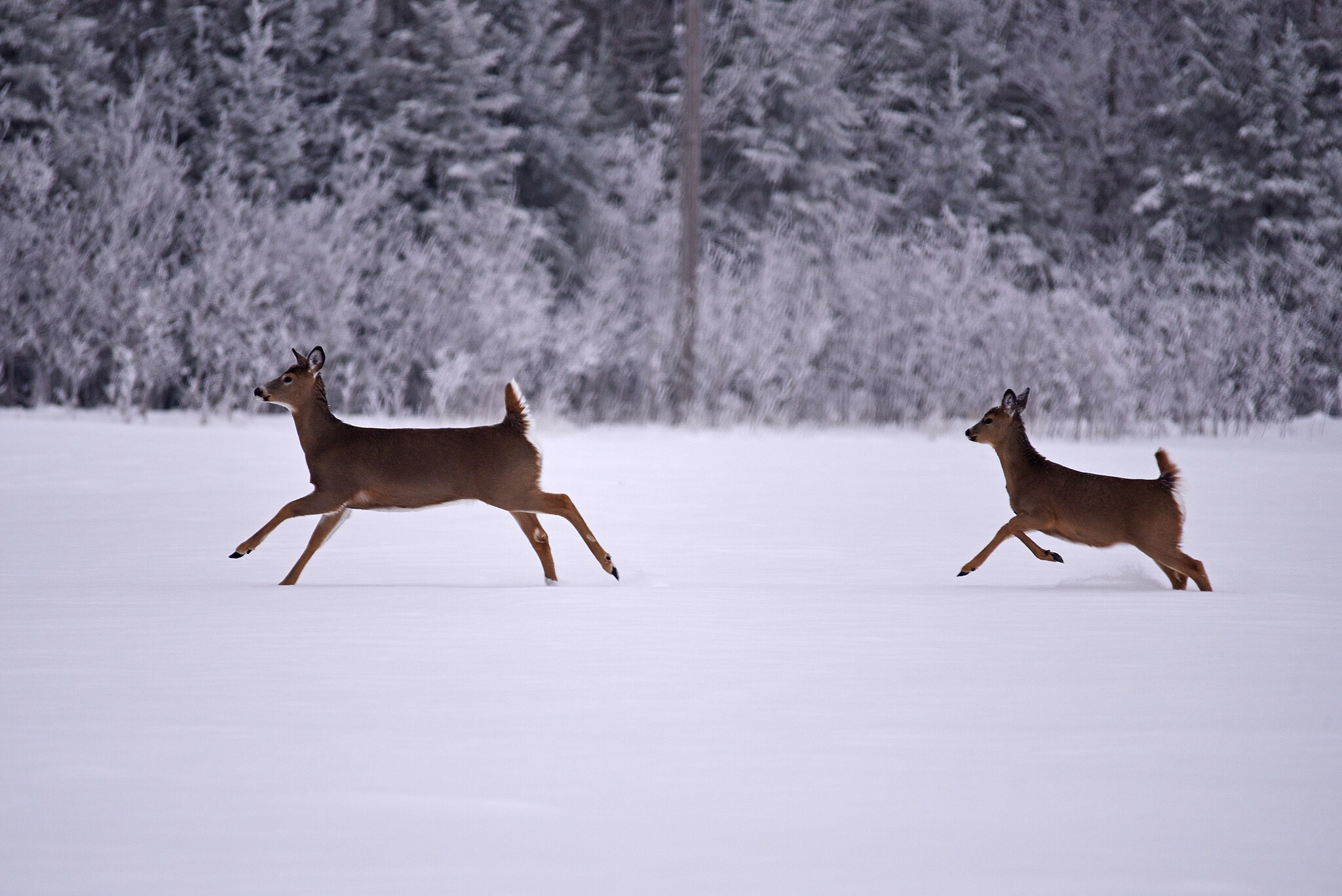
Late-season hunting can be brutally cold, but it offers one of the most predictable opportunities to tag a mature buck. After the rut, survival becomes the primary focus. Bucks concentrate movement around high-calorie food sources such as standing corn, soybeans, or late-season food plots. Bedding areas shrink, and travel routes become consistent. Mature whitetails often rise early in the afternoon to feed before nightfall, especially during extreme cold. Pressure elsewhere can push bucks into overlooked cover near food. Stealthy access is crucial, as late-season deer are highly alert. Precision, patience, and understanding of food timing define success during this phase.