A seasoned hunter may know terrain well, yet deer communication often remains misunderstood. A subtle ear flick or posture shift can signal calm, curiosity, or caution depending on context. A quiet morning may encourage confidence, while similar behavior at dusk can suggest restraint. A deeper understanding of body language explains sudden movement, missed chances, and surprising encounters. An accurate reading of signals relies on observation rather than assumption. A closer look at frequent misinterpretations shows how expectations override natural behavior in changing conditions. A thoughtful approach improves awareness, patience, and decision making during time afield.
Mistaking Tail Flicks For Alarm
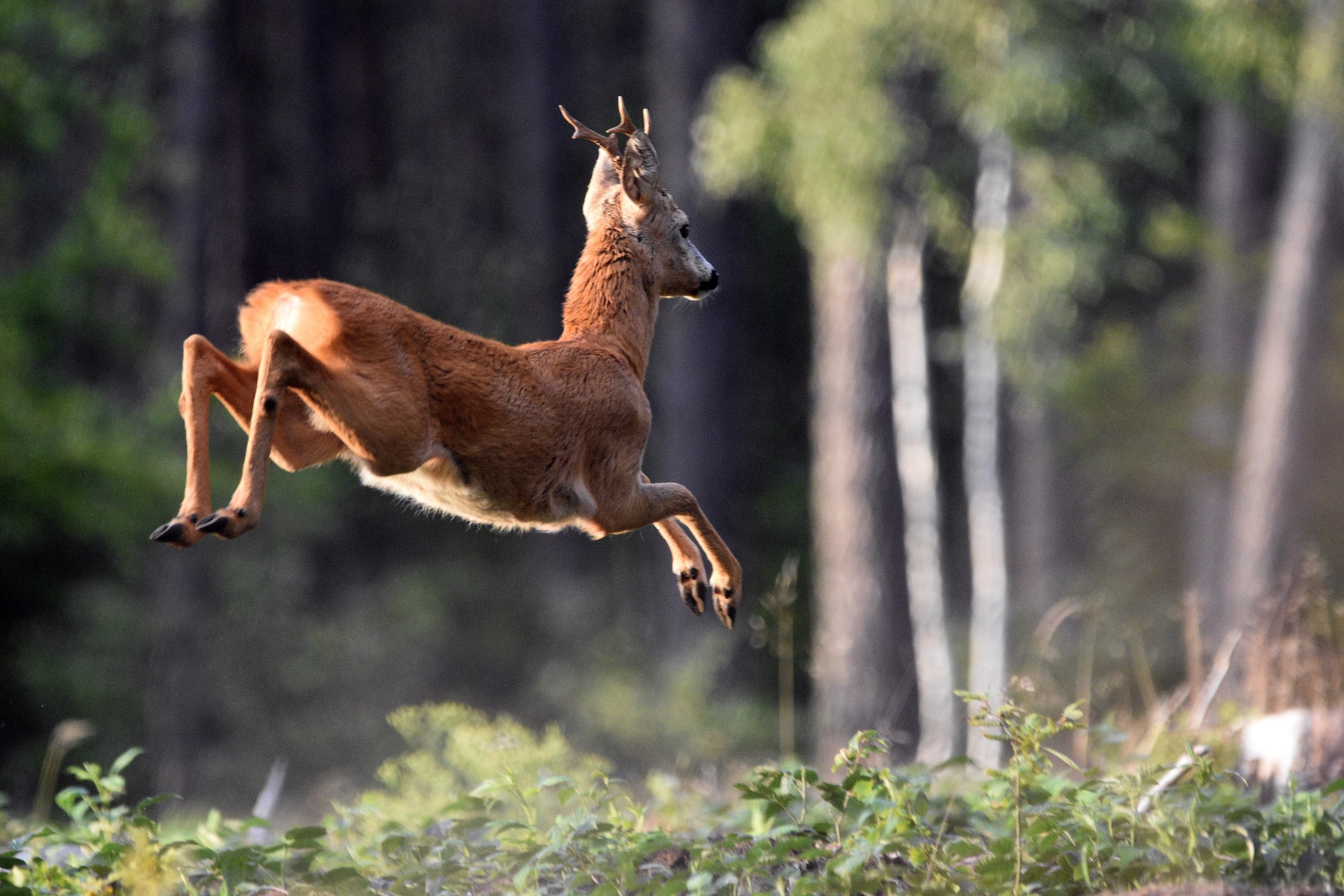
A quick tail flick often causes concern, yet this movement commonly signals irritation rather than danger. A deer may swat flies, mosquitoes, or gnats during warmer months. A repeated flick combined with relaxed posture usually indicates comfort instead of fear. A raised tail with stiff motion communicates a very different message entirely. A single tail movement without tension rarely suggests detection. A calm deer feeding or walking slowly flicks its tail casually. A misread tail signal leads hunters to assume alertness, altering decisions unnecessarily. A clearer understanding supports patience, timing, and confidence during quiet encounters.
Assuming Stomping Always Means Detection

A sharp hoof stomp feels alarming, yet this behavior serves several purposes. A deer may stomp to test vibrations or investigate unfamiliar sounds. A cautious animal sometimes stomps while remaining unsure about threats. A stiff posture paired with forward ears changes meaning quickly. A relaxed body with intermittent stomping often reflects curiosity. A stomp does not always equal confirmed danger. A premature reaction can disrupt timing and positioning during critical moments. A careful observer evaluates context, posture, and ear movement together. A balanced interpretation prevents unnecessary movement, noise, and lost opportunities afield. A calm approach helps.
Confusing Head Bobbing With Fear
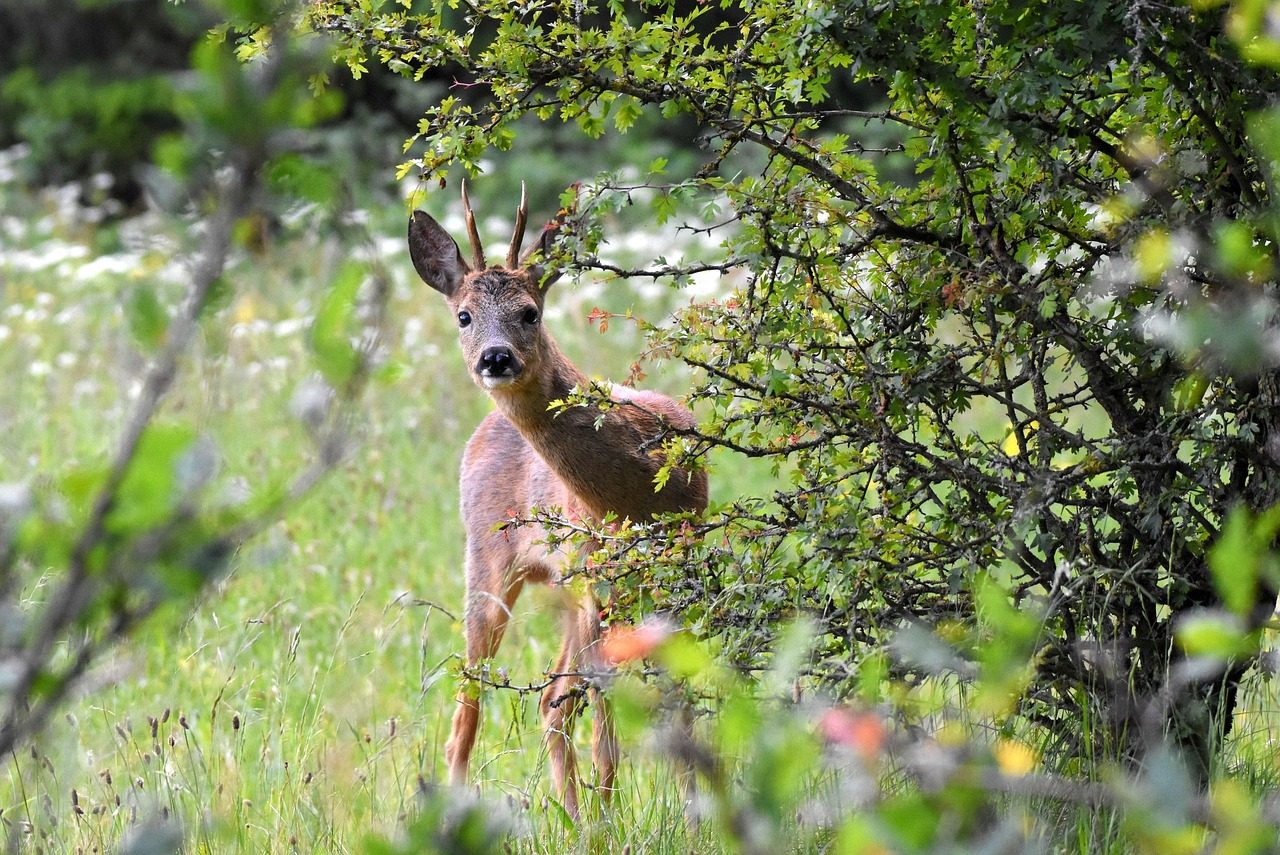
A bobbing head often appears nervous, yet this motion helps judge distance. A deer relies on movement to improve depth perception. A slow head bob paired with scanning eyes signals assessment. A tense neck and rapid motion convey a different message. A feeding deer may bob gently while chewing. A mistaken assumption of fear affects timing during encounters. A correct interpretation comes from watching posture, pace, and breathing together. A steady body combined with rhythmic feeding suggests comfort rather than alarm. A rushed response increases visibility, sound, and detection risk quickly. A patient pause helps judgment.
Misreading Ear Position Changes
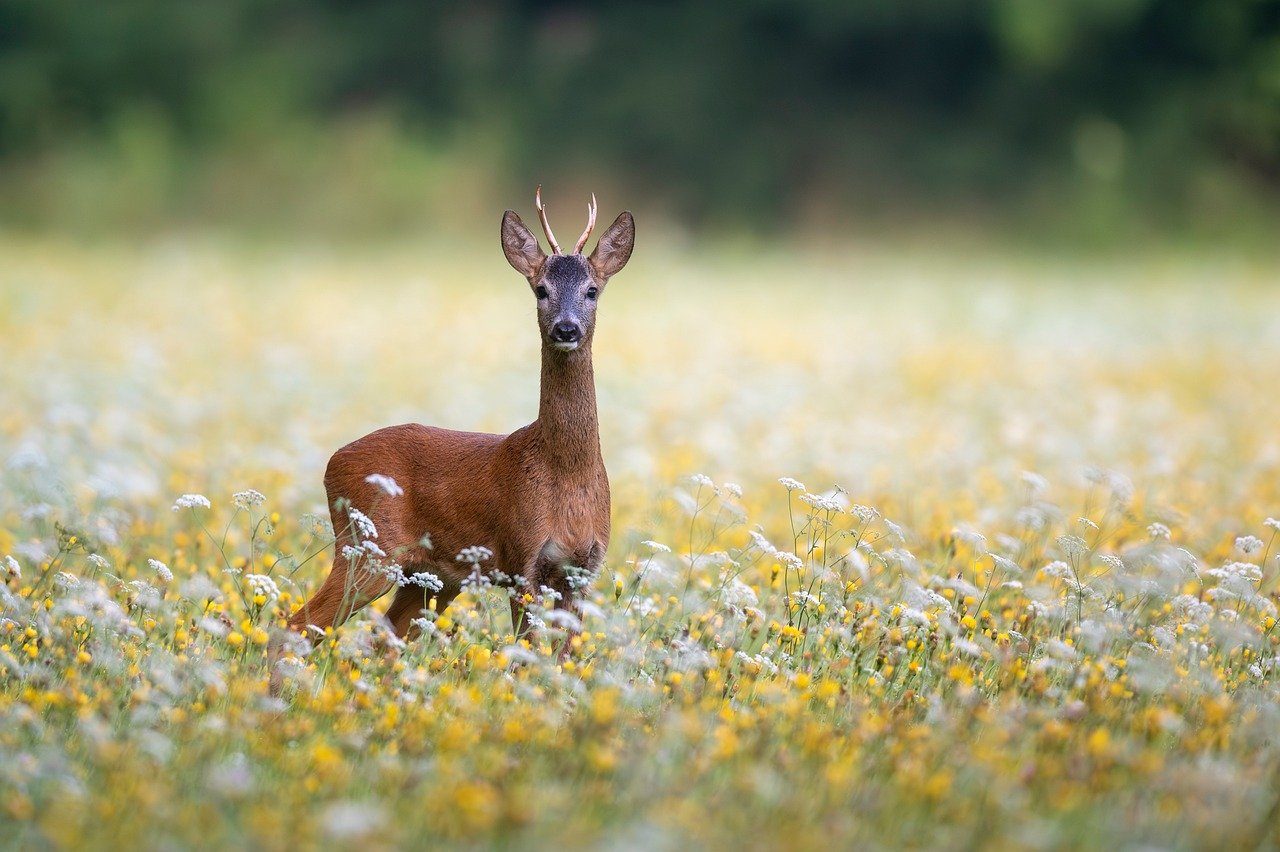
A swiveling ear pattern often signals active listening rather than alarm. A deer constantly rotates ears to monitor multiple sounds in dense environments. A forward ear position does not always indicate focus on danger. A relaxed deer may alternate ear direction while remaining calm. A pinned ear paired with rigid posture suggests stress instead. A misunderstanding of ear language often leads to incorrect conclusions about awareness. A patient observer benefits from evaluating ear movement alongside body tension and overall behavior across varied conditions where wind, terrain, and group dynamics subtly influence how signals should be read accurately.
Interpreting Snorting As Immediate Flight
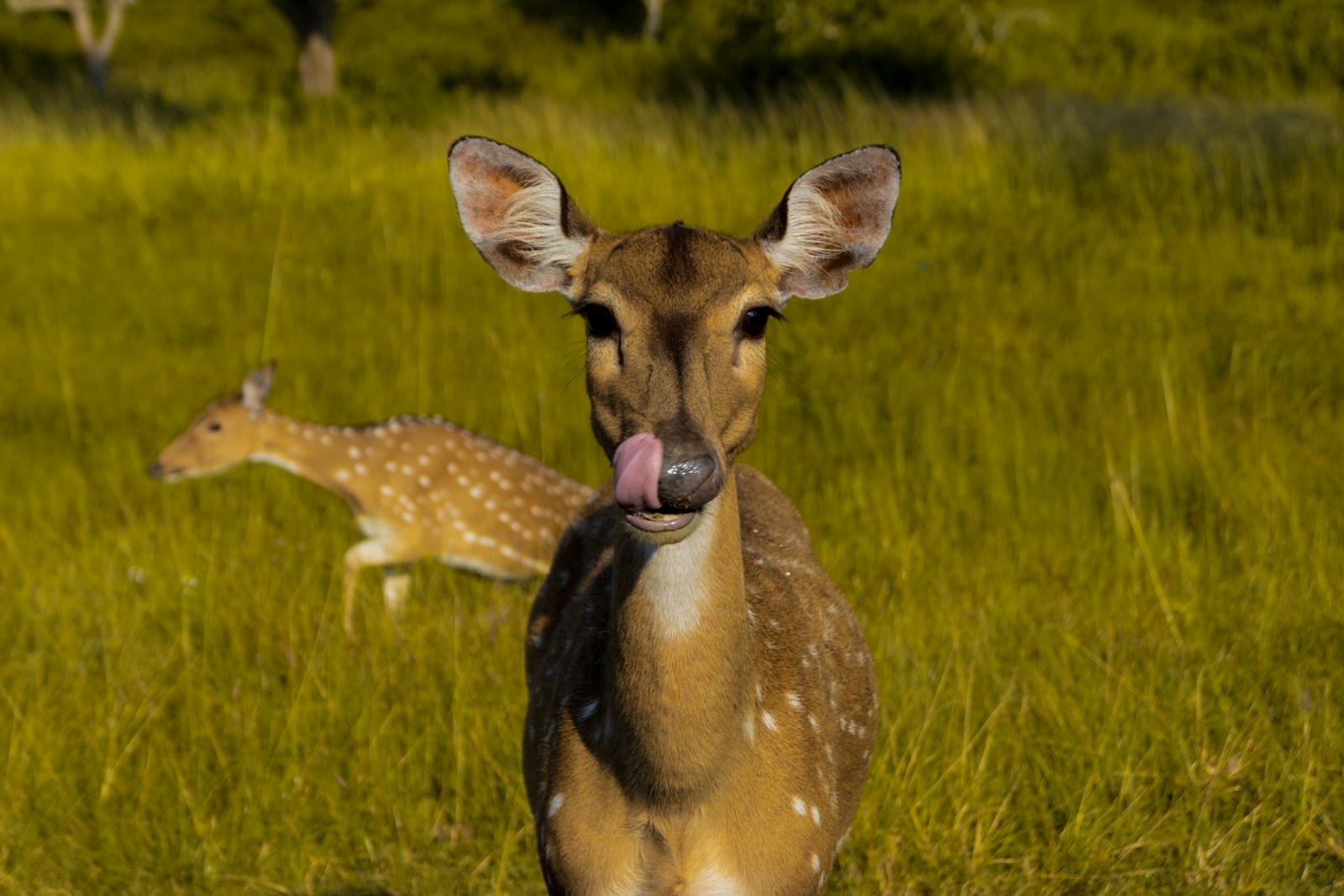
A loud snort feels decisive, yet deer sometimes vocalize before committing to escape. A snort may serve as a warning to nearby deer or as a response to uncertainty. A stationary deer can snort several times without fleeing immediately. A stiff legged stance combined with snorting increases urgency noticeably. A brief pause after snorting still allows observation and reassessment. A belief that snorting always ends encounters ignores how deer weigh risk, distance, wind, and prior pressure before deciding whether movement is necessary or avoidable altogether in that moment of evaluation and caution displayed clearly thereafter.
Confusing Feeding Pauses With Alertness
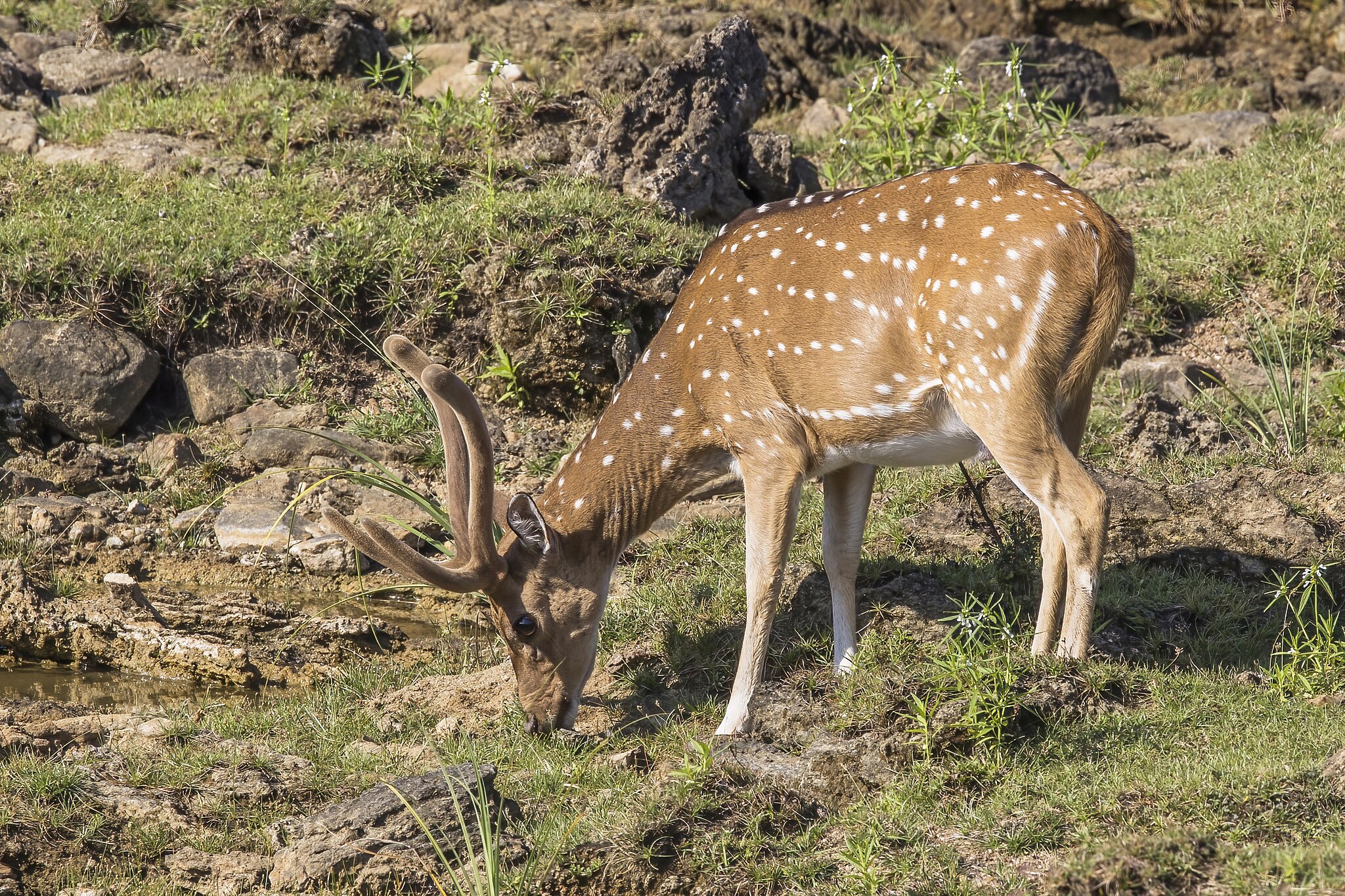
A feeding deer often pauses chewing briefly to listen, reposition food, or adjust stance comfortably. A lifted head does not automatically signal danger detection. A calm animal frequently alternates between feeding and scanning surroundings routinely. A rigid neck and locked gaze carry greater meaning than a short pause alone. A relaxed jaw movement typically resumes quickly afterward. A misinterpretation of these pauses may lead to unnecessary adjustments and noise. A clear understanding of feeding rhythm helps separate routine awareness from genuine alarm during quiet moments in the field when patience matters most for success and safety.
Mistaking Sideways Movement For Escape
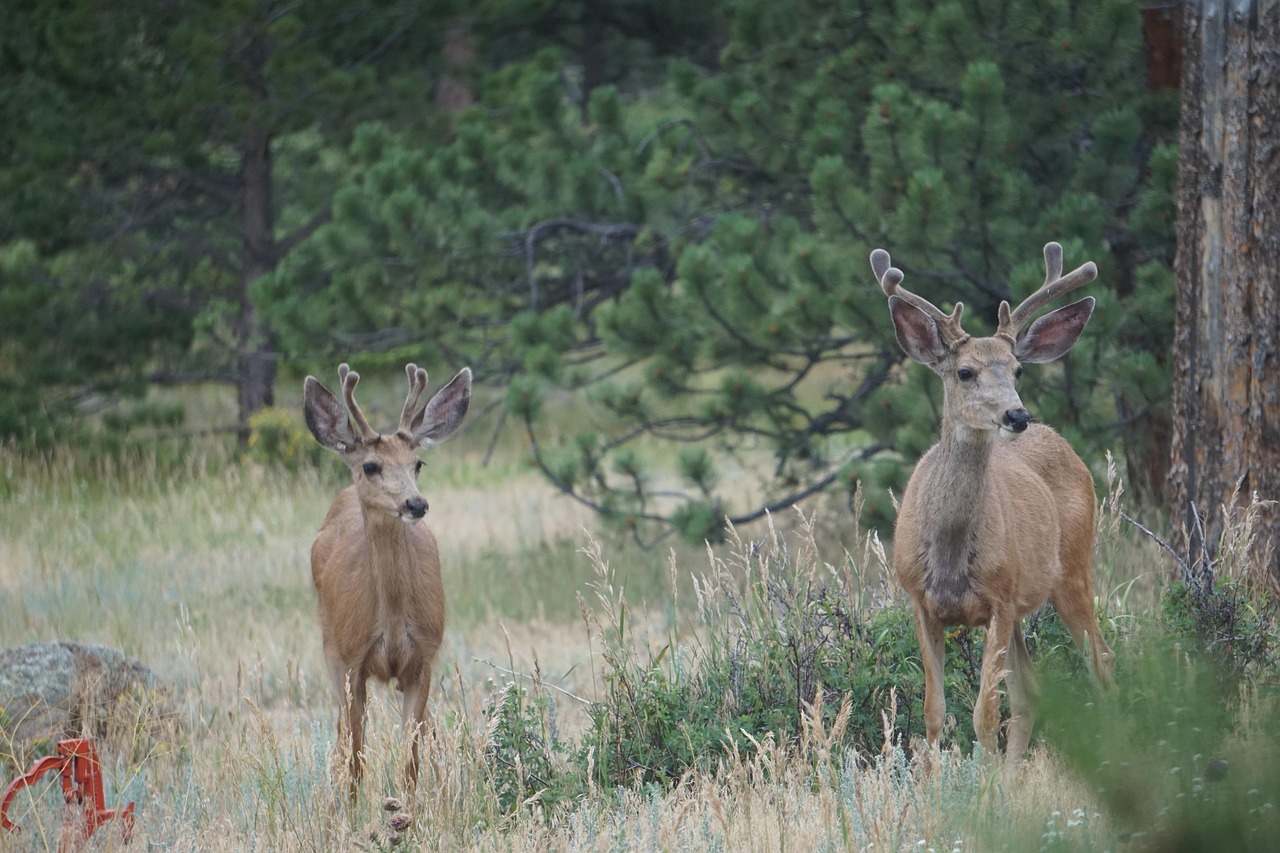
A sideways step often appears evasive, yet deer regularly reposition for scent and visibility advantages. A slight angle change may improve wind checking rather than signal flight. A calm deer frequently moves laterally while remaining curious and controlled. A smooth, measured step differs greatly from a bounding retreat. A slow sideways shift paired with feeding or scanning suggests comfort. A hunter who assumes escape too early may abandon patience. A careful reading of gait, tail position, and head height clarifies intent. A correct interpretation preserves opportunity and prevents unnecessary movement during encounters shaped by subtle environmental factors.
Misjudging Freezing As Calm Behavior
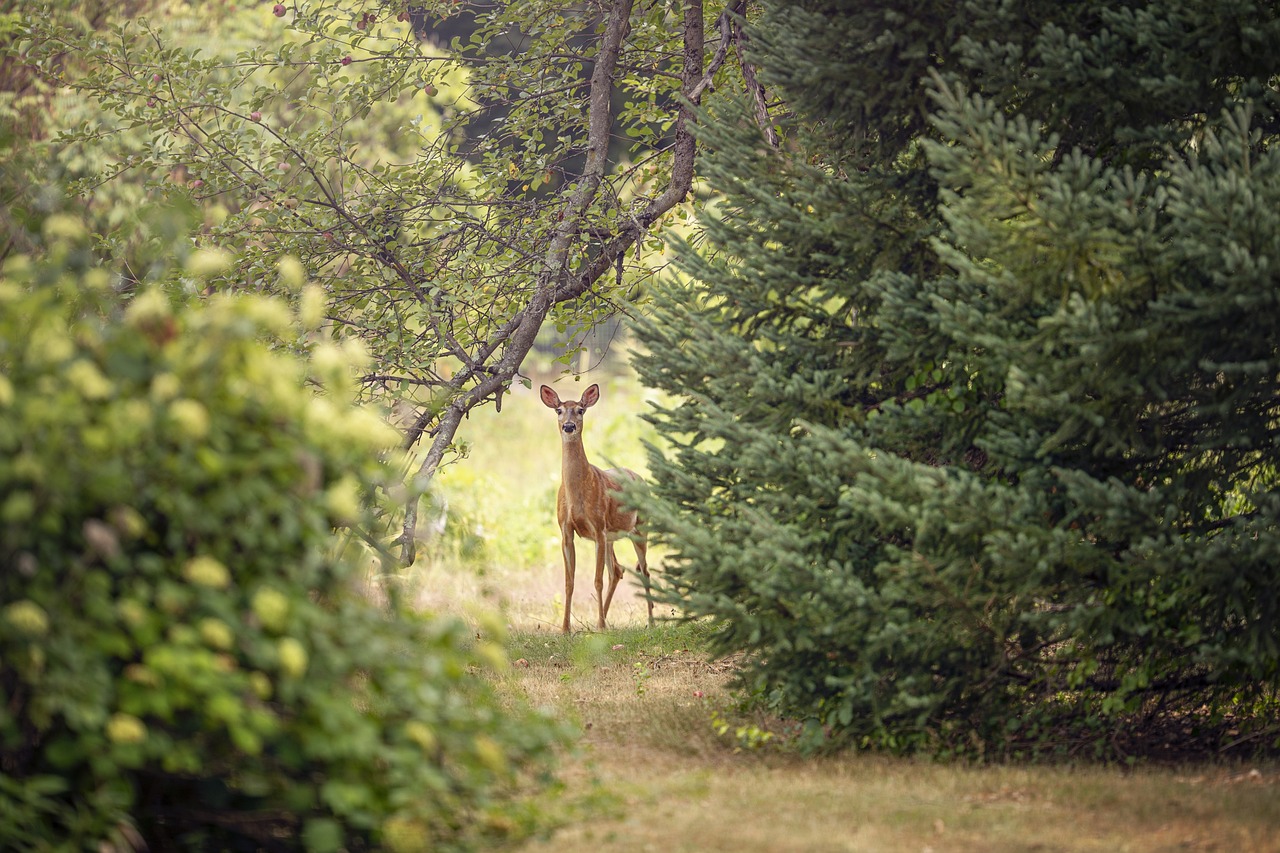
A frozen deer rarely indicates relaxation, instead signaling heightened alertness. A sudden stop with locked muscles allows assessment of potential danger. A calm deer typically continues subtle movement while feeding or walking slowly. A freeze helps the animal blend visually into surroundings. A prolonged freeze followed by focused ears suggests uncertainty rather than comfort. A misread freeze often causes movement at the wrong moment. A careful observer waits for resumed motion or posture change. A correct interpretation reduces detection risk and supports better timing when every second influences outcome in quiet woodland situations.
Assuming Walking Away Means Disinterest

A deer walking away does not always abandon an area or lose curiosity. A cautious animal may circle downwind to gather scent information. A slow retreat often reflects strategy rather than fear. A calm gait without a raised tail suggests control and awareness. A deer may pause again after repositioning nearby. A belief that walking away ends encounters overlooks how often deer reassess situations. A thoughtful observer notes pace, tail height, and head position. A correct reading prevents premature conclusions and maintains readiness for unexpected reappearance nearby. A patient approach encourages restraint and improves interpretation during uncertainty.
Misreading Nose Lifting As Aggression

A lifted nose often appears confrontational, yet this behavior usually relates to scent evaluation. A deer raises its head to catch airborne smells carried by shifting wind currents. A relaxed body paired with nose lifting signals curiosity rather than challenge. A tense stance with pawing or stiff legs conveys something different entirely. A feeding deer may lift its nose intermittently without stress. A misunderstanding of scent checking causes hunters to assume detection too early. A proper reading considers wind direction, body softness, and movement pace. A calm assessment prevents unnecessary reaction during moments of uncertainty.
Confusing Slow Blinking With Calmness

A slow blink can seem relaxed, yet this behavior often accompanies focused assessment. A deer may reduce eye movement while concentrating on sound or scent cues. A still face does not automatically indicate comfort. A relaxed deer usually continues chewing or shifting weight subtly. A stiff posture combined with blinking suggests caution rather than ease. A misinterpretation of facial cues alone leads to flawed conclusions. A careful observer evaluates blinking alongside ear motion and muscle tension. A broader reading of signals improves judgment during close encounters when visibility remains limited.
Mistaking Group Movement For Panic
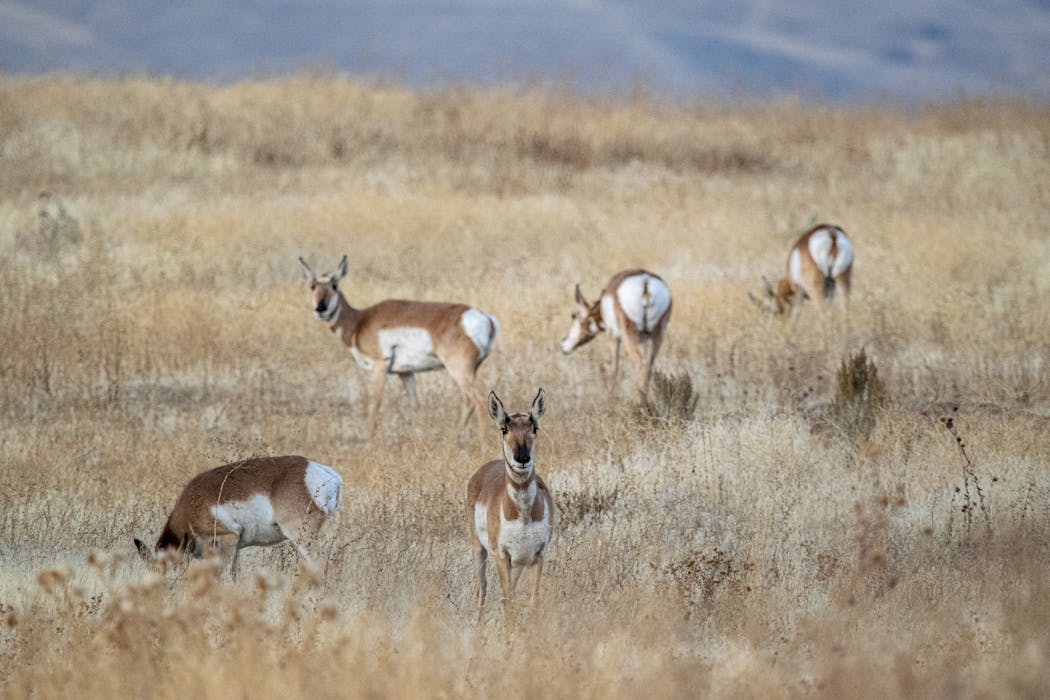
A group of deer moving together does not always reflect alarm or disturbance. A herd often shifts location for feeding efficiency or wind advantage. A calm group maintains spacing and a steady pace. A panicked group of deer shows erratic movement, raised tails, and sudden direction changes. A synchronized walk frequently signals routine travel. A misread group response causes hunters to assume detection prematurely. A thoughtful observer notes tail height, gait consistency, and vocalization. A correct interpretation helps distinguish normal movement from true escape behavior unfolding naturally of deer.
Misinterpreting Tail Half Raise
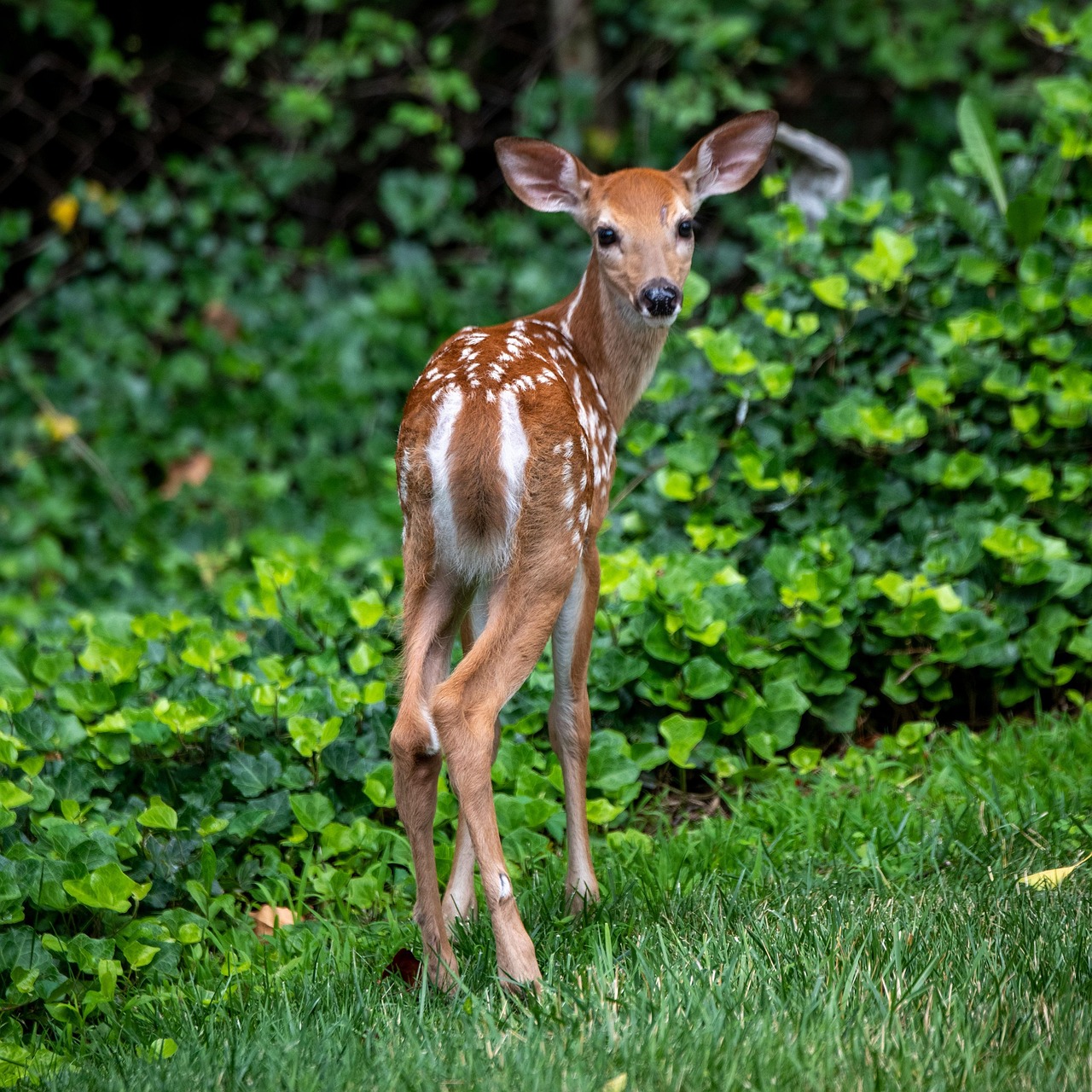
A partially raised tail often creates confusion, yet this position usually reflects mild alertness. A full white flag signals readiness to flee, while a half raise suggests uncertainty. A deer may lift its tail slightly while pausing to assess sound or scent. A relaxed spine and steady breathing indicate control rather than panic. A feeding deer may briefly half raise its tail without leaving. A misunderstanding of tail height leads to exaggerated reactions. A careful observer considers tail position alongside gait and posture. A nuanced reading supports calmer decisions during delicate moments in the field.
Confusing Seasonal Behavior Changes
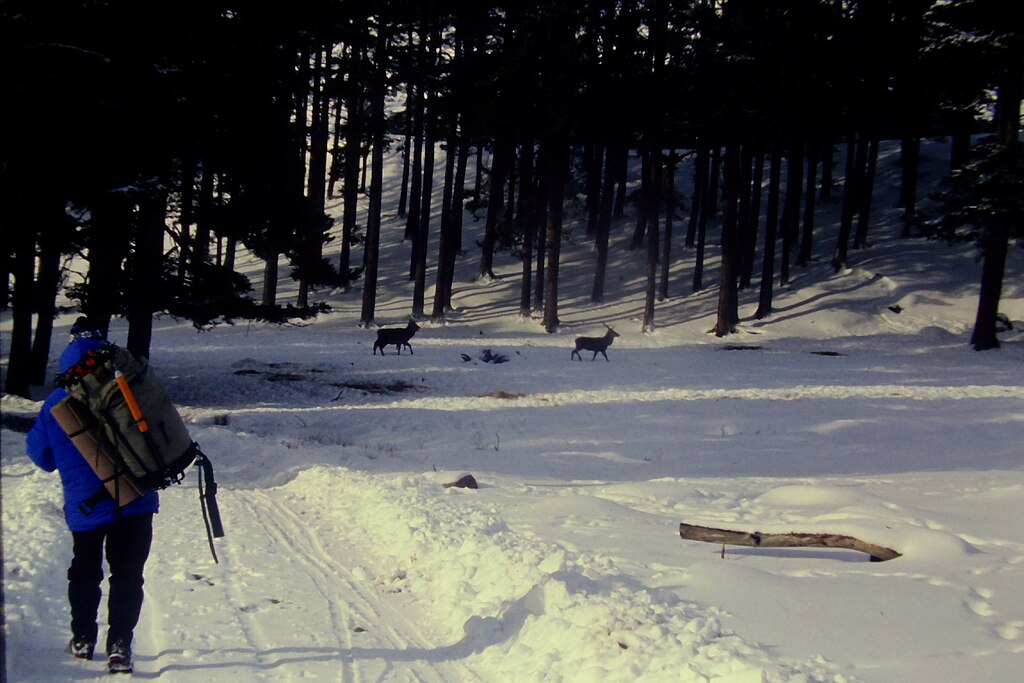
A deer’s body language shifts noticeably with seasonal changes and pressure. A fall buck may appear bold due to rut driven movement. A summer deer often tolerates closer proximity while feeding. A winter deer reacts quickly to conserve energy and warmth. A failure to consider season leads to misread intent. A posture interpreted as calm in early fall may signal urgency in late winter. A thoughtful observer accounts for breeding cycles, food scarcity, and hunting pressure. A correct seasonal context improves accuracy when interpreting reactions that vary throughout the year and across changing environmental conditions.
Assuming All Bucks Behave Alike
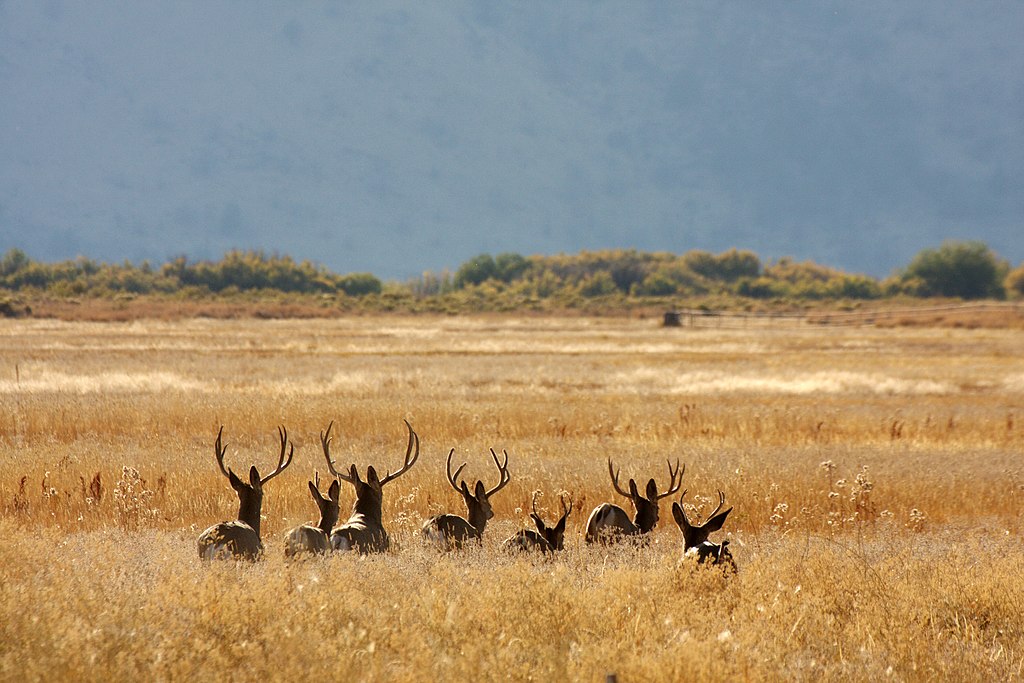
A buck’s age and experience strongly shape body language and response patterns. A mature buck often moves deliberately and limits visible signals. A younger buck displays exaggerated curiosity and frequent movement. A calm stance from an older deer may hide heightened awareness. A misinterpretation based on antler size oversimplifies behavior. A seasoned buck often pauses longer and tests wind carefully. A careful observer studies gait smoothness, head carriage, and reaction speed. A correct interpretation avoids generalization and improves understanding of individual behavior differences during close encounters in varied terrain and conditions regularly observed afield seasons
Misreading Wind Checking Behavior
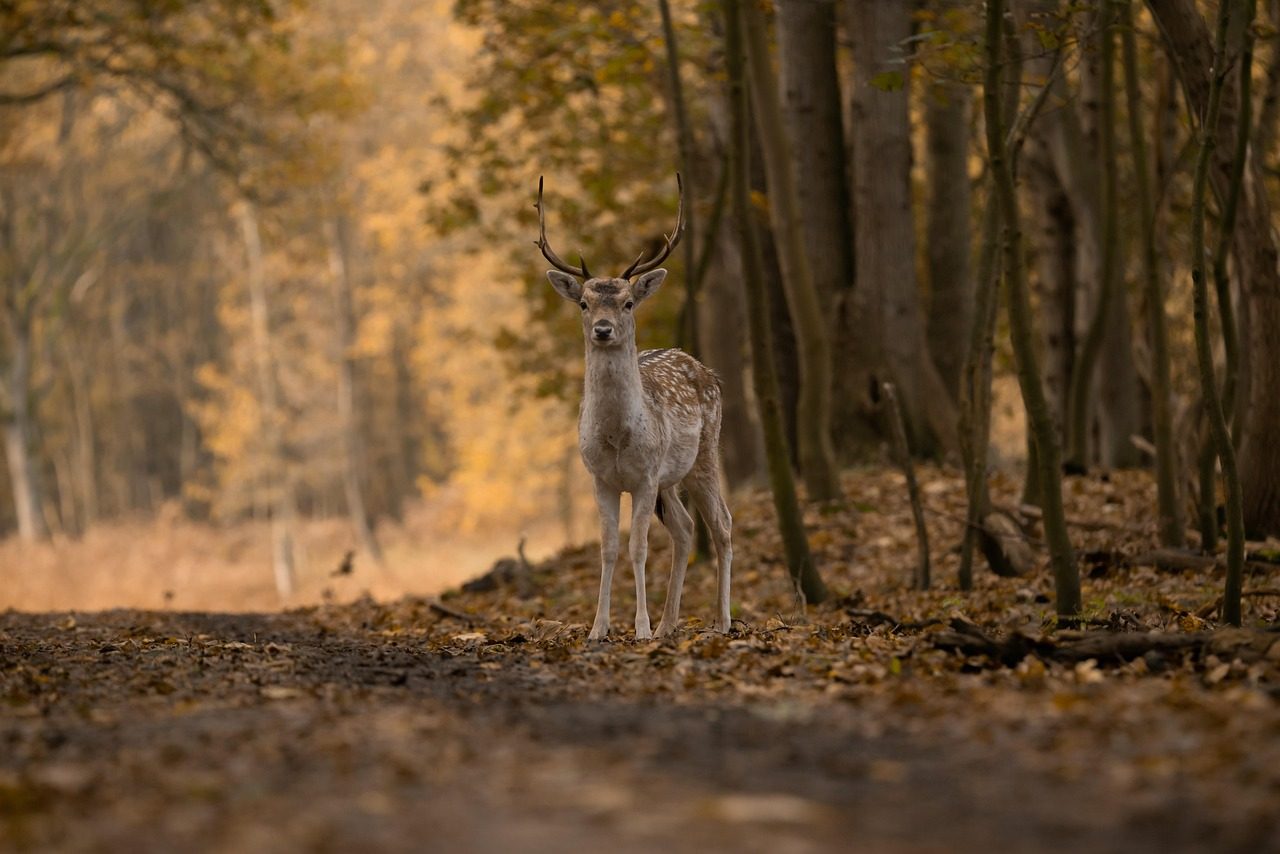
A deer frequently tests wind direction before reacting to unfamiliar stimuli nearby. A slight turn of the head or body often serves scent confirmation rather than alarm. A calm deer may pause to check wind without fleeing immediately. A hunter who assumes detection at this moment may move unnecessarily and create noise. A steady posture during wind testing suggests uncertainty instead of panic. A correct interpretation considers wind strength, body softness, and ear motion together. A patient observer benefits by waiting, allowing the deer to decide before committing to movement within changing environmental conditions present.
Confusing Terrain Use With Fear
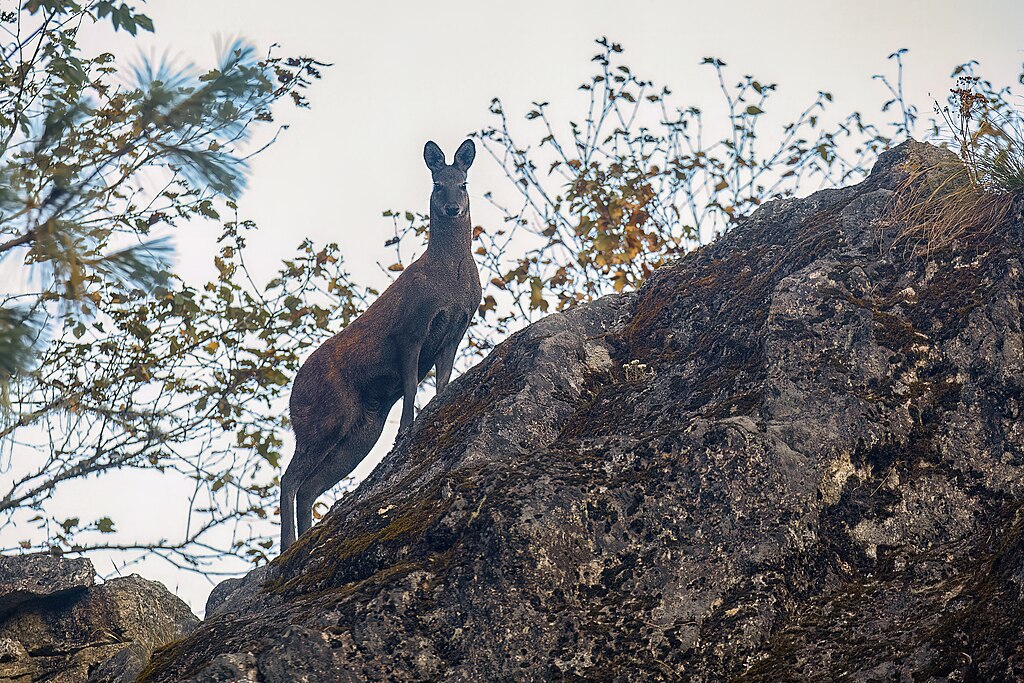
A deer often chooses terrain strategically rather than out of fear or panic. A movement toward brush or elevation may improve scent control or visibility. A calm deer regularly beds or travels near cover for security. A rapid crash through vegetation signals distress instead. A smooth transition into thicker terrain reflects planning and familiarity. A hunter who misreads terrain use may rush decisions. A thoughtful interpretation weighs speed, posture, and tail position together. A correct reading helps distinguish routine movement from escape behavior influenced by landscape features during encounters across varied natural environments and regions.
Mistaking Vocal Silence For Comfort
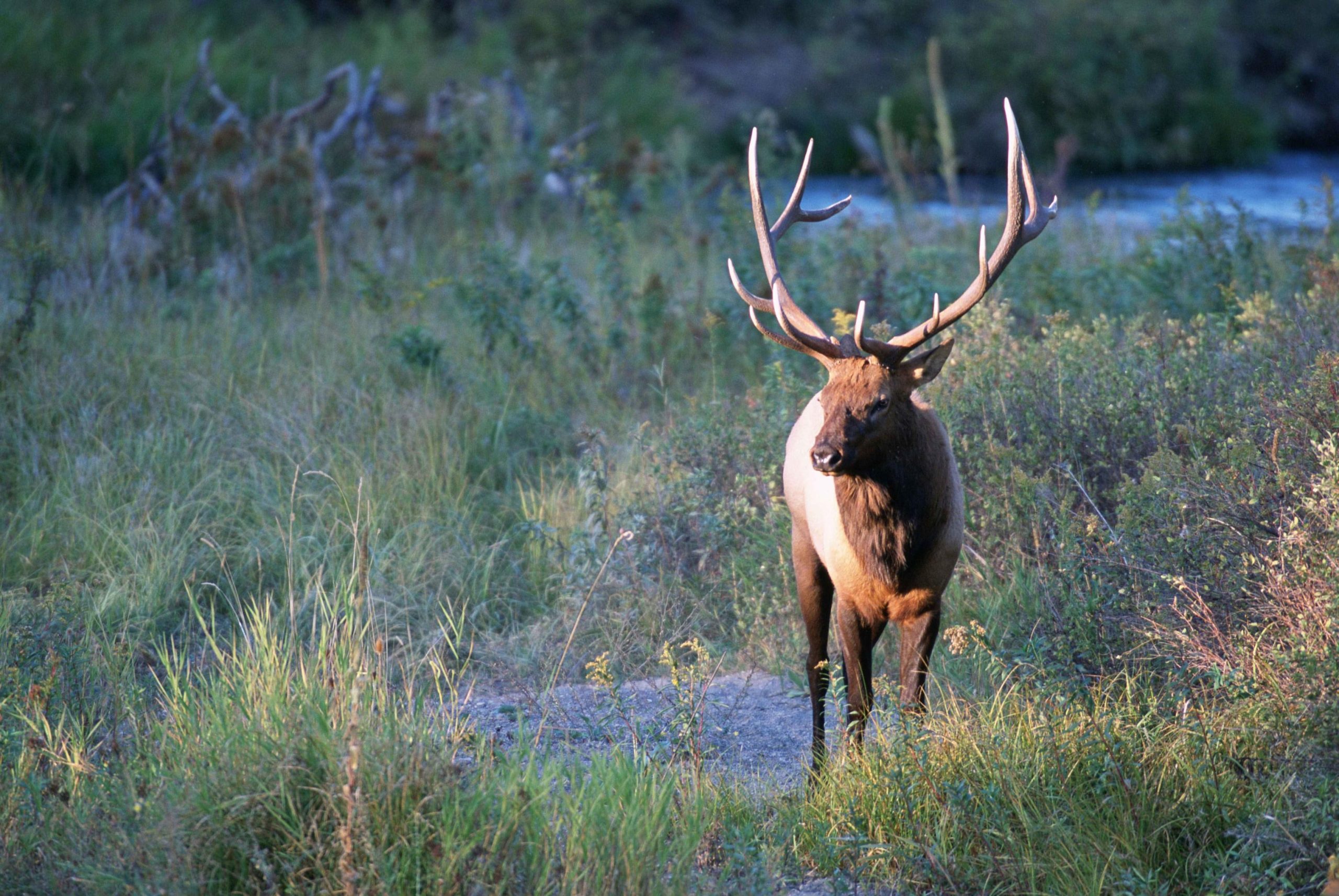
A silent deer does not automatically indicate comfort or lack of awareness. A sudden absence of sound may follow detection as a defensive response. A relaxed deer may still make soft feeding noises or gentle movement sounds. A quiet posture combined with stiffness suggests alertness. A belief that silence equals safety creates false confidence. A careful observer evaluates body tension, ear focus, and breathing rhythm. A correct interpretation recognizes that prey animals often minimize sound when uncertain, protecting themselves through stillness rather than motion during moments of heightened environmental pressure and risk nearby conditions present.
Assuming Eye Contact Always Means Detection
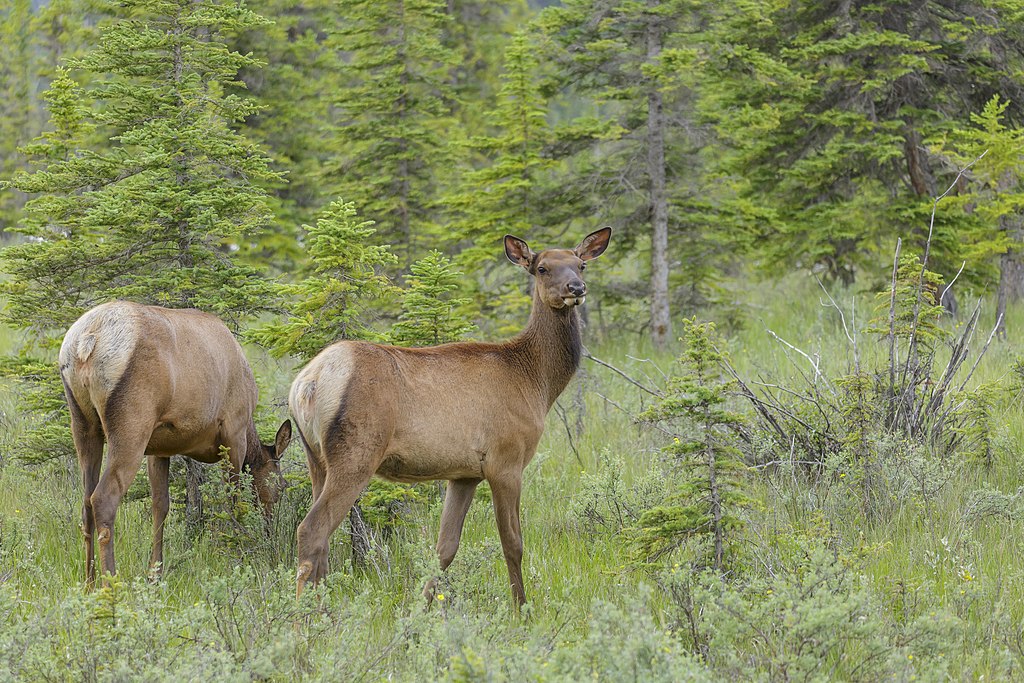
A brief glance from a deer does not always indicate full threat recognition or alarm. A deer frequently scans surroundings while feeding or walking, gathering visual information casually. A locked stare paired with stiff posture suggests confirmed detection instead. A relaxed body with a passing look often reflects curiosity. A misinterpretation of eye contact may cause unnecessary freezing or movement. A careful observer watches head angle, muscle tension, and ear focus together. A correct reading separates casual scanning from focused attention, improving timing and reducing mistakes during encounters when visibility, light conditions, and distance all influence how deer visually process potential threats nearby.
Misinterpreting Bedding Behavior
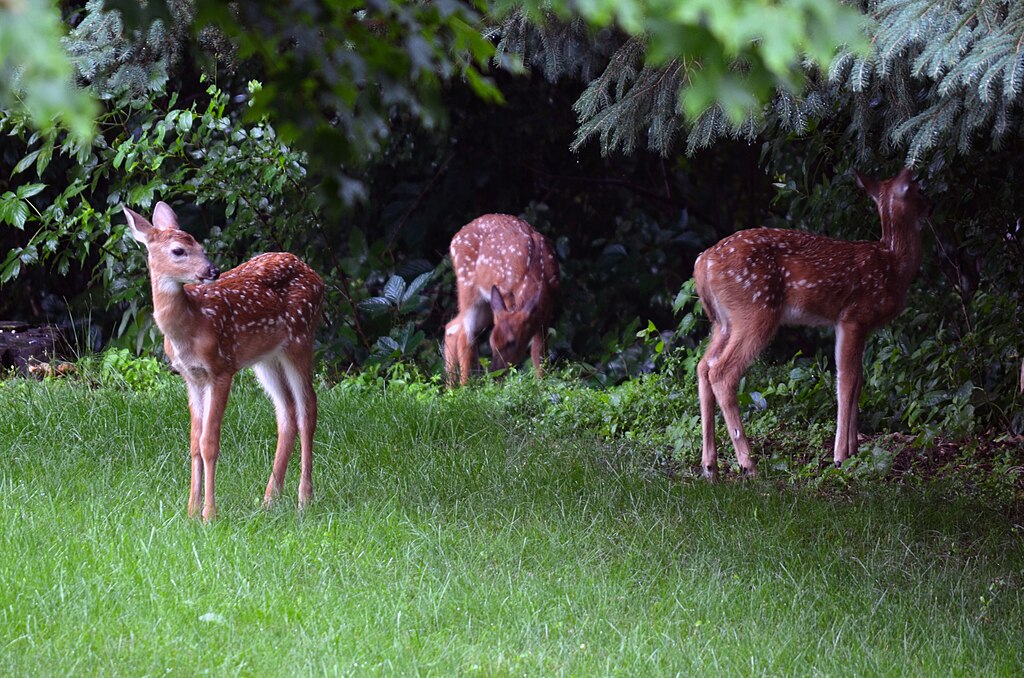
A bedded deer is not always relaxed or unaware of surroundings. A deer may bed with head raised, ears rotating, and muscles ready to move. A relaxed bedded deer usually chews cud and shifts weight slowly. A stiff posture while bedded signals alertness and readiness to flee. A hunter who assumes safety near a bedded deer risks detection quickly. A careful interpretation considers ear movement, eye openness, and breathing pace. A correct reading prevents careless movement and improves understanding of how deer rest while remaining vigilant in environments shaped by pressure, cover, wind, and seasonal survival needs.