Large American gun shows reflect a unique blend of commerce, culture, and community that extends far beyond firearms alone. These events bring together collectors, hobbyists, historians, and vendors in expansive venues shaped by tradition and modern interest. Rows of tables reveal items rarely encountered elsewhere, including historical artifacts, specialized tools, and niche merchandise. Conversations often focus on craftsmanship, regulation, and history rather than spectacle. The scale of major shows allows experiences and objects that smaller gatherings simply cannot support, creating an environment where uncommon sights reliably appear for attendees across regions nationwide regularly each year.
Extensive Tables of Antique Firearms
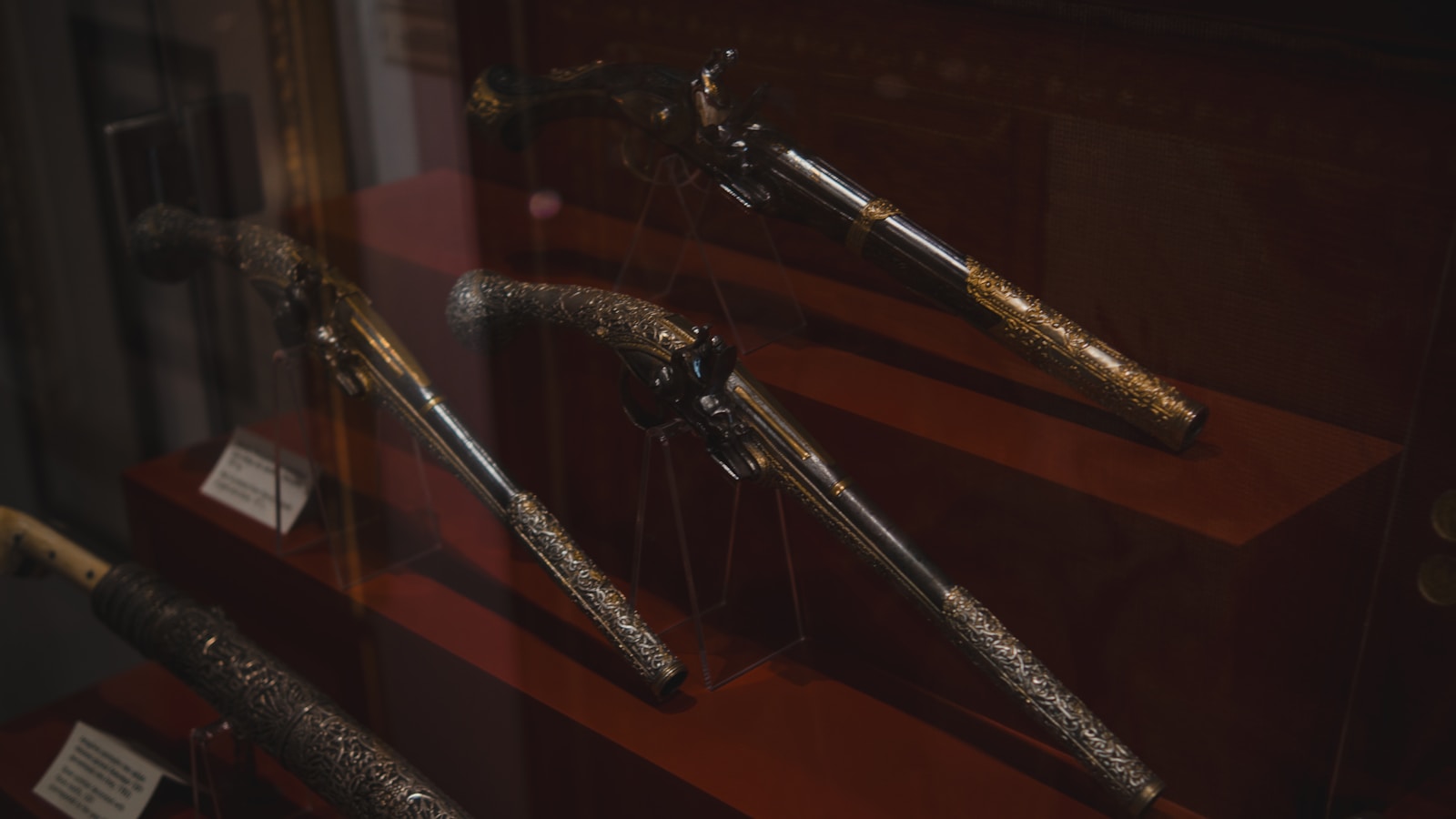
Antique firearms appear in remarkable numbers at large American gun shows, often spanning centuries of manufacturing history. These tables may feature flintlock muskets, early percussion rifles, and nineteenth century revolvers displayed carefully for examination. Collectors study proof marks, wood condition, and mechanical originality rather than modern performance. Many pieces qualify as antiques under federal law because of age and classification. Knowledgeable sellers frequently share historical context, restoration practices, and preservation methods. Seeing so many verified antique firearms gathered together remains uncommon outside museums, making these extensive displays a defining feature of major gun shows nationwide today.
Private Collectors Selling Personal Pieces
Large gun shows often attract private collectors offering firearms from long maintained personal collections. These tables differ from commercial vendors because each selection reflects individual taste, history, and ownership experience. Firearms may include discontinued models, limited production runs, or carefully preserved older pieces. Conversations tend to focus on provenance, maintenance, and use rather than high volume sales. Buyers value direct interaction with longtime owners who provide firsthand context. This collector driven presence allows attendees to encounter items rarely available through standard retail outlets, adding authenticity and depth unique to major gun show environments nationwide today.
Rows of Military Surplus Gear
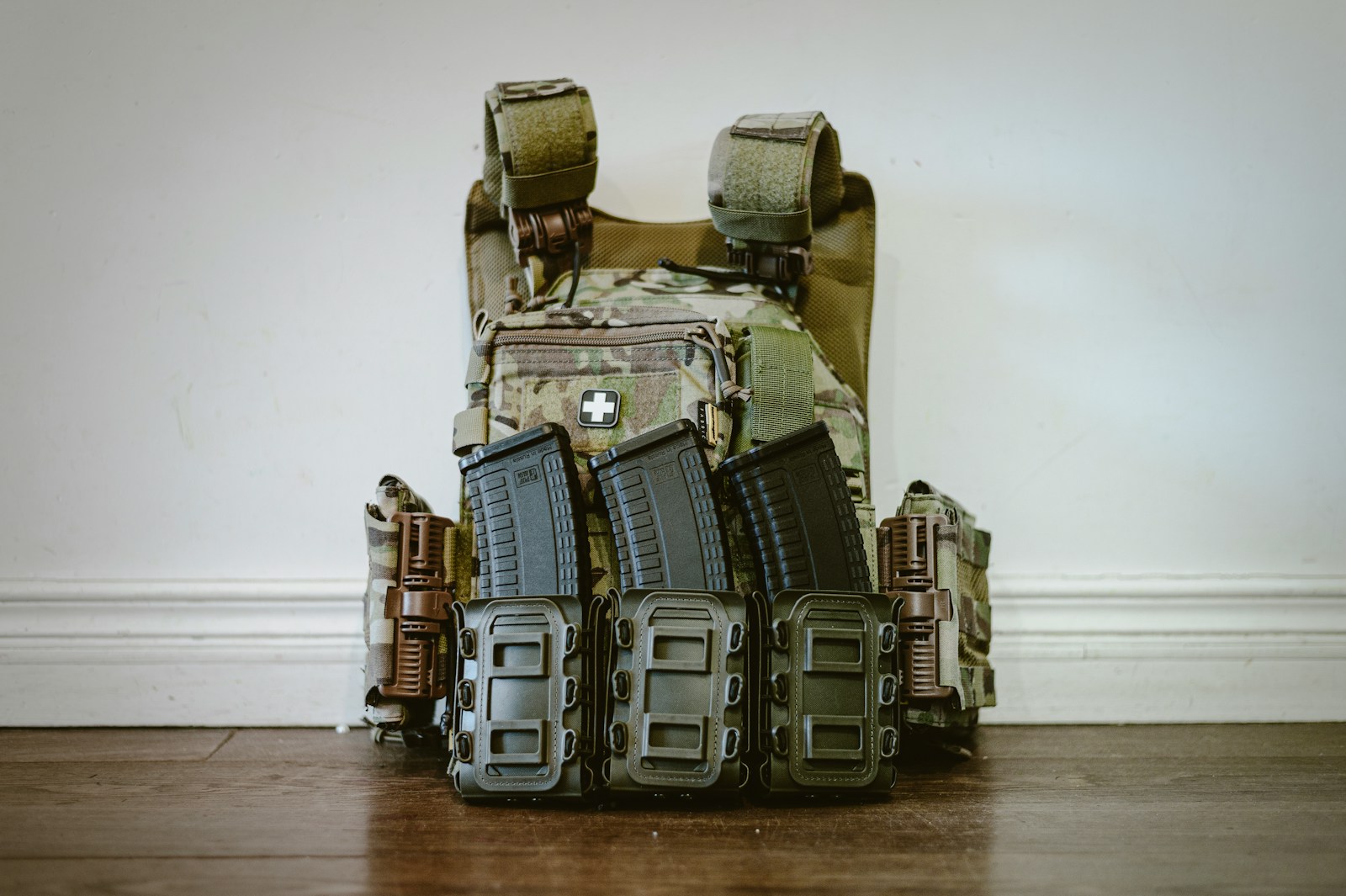
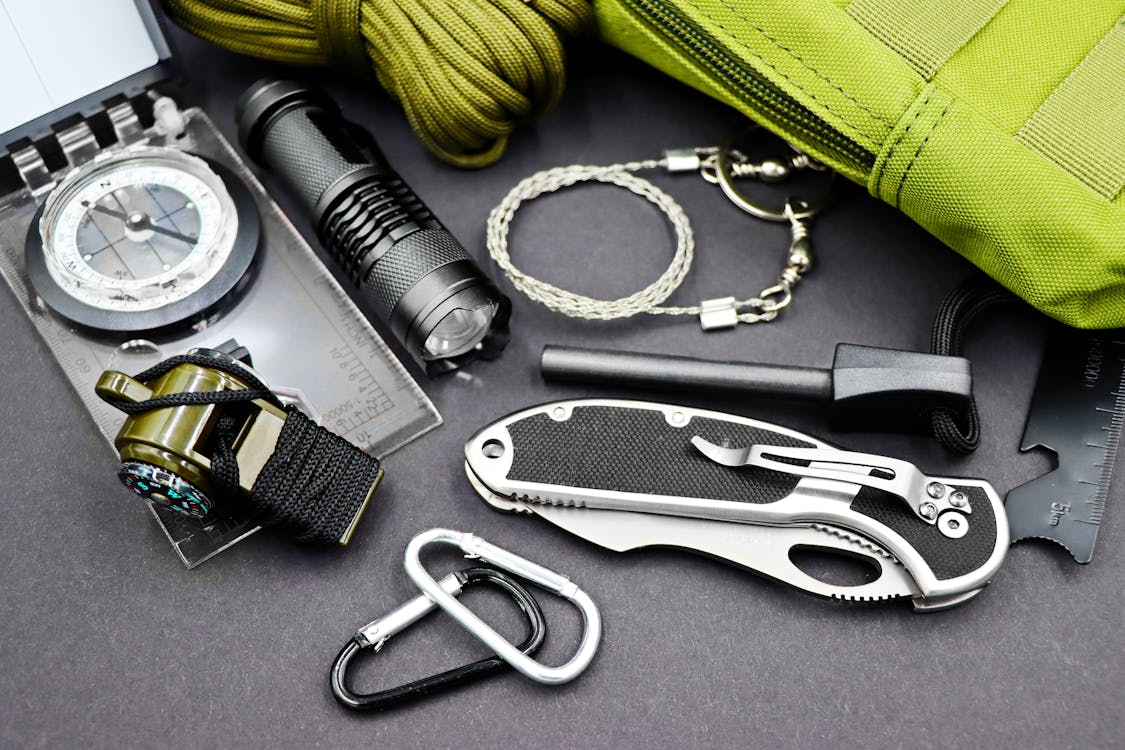
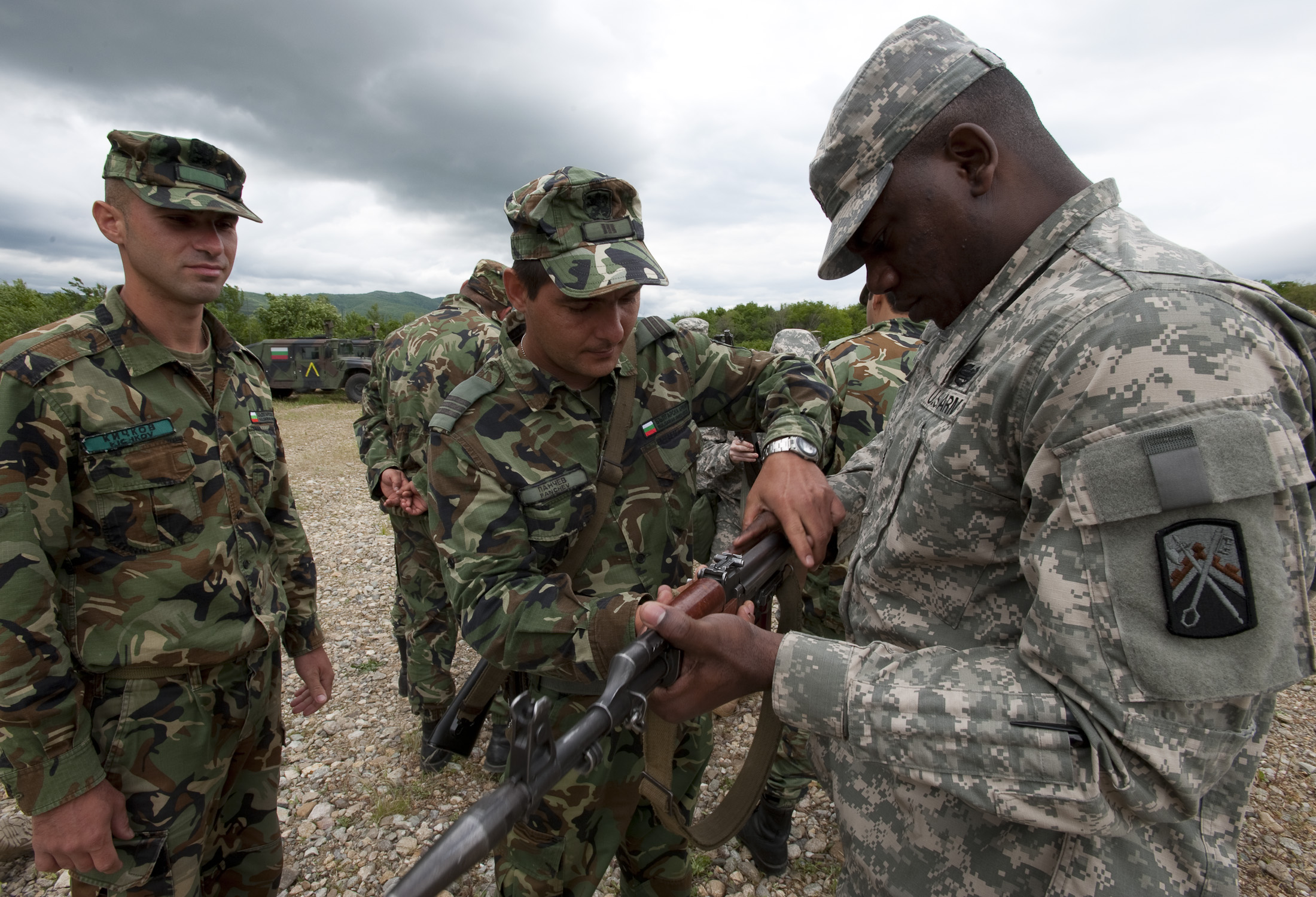
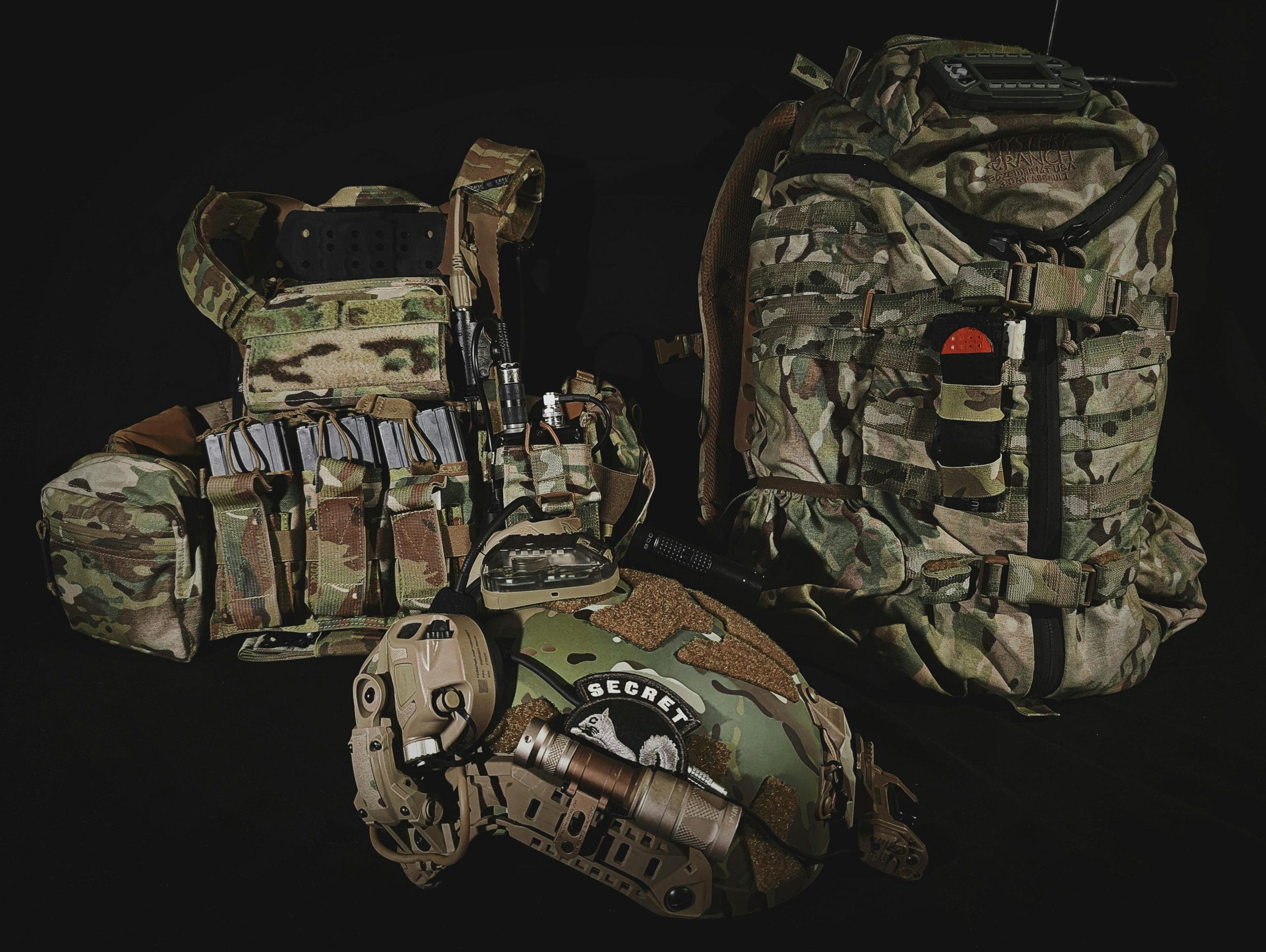
Military surplus gear fills entire aisles at large American gun shows, presenting equipment once issued for active service. Items often include helmets, packs, uniforms, webbing, and utility tools organized by era and condition. Much of this gear originates from decommissioned stockpiles or international surplus programs. Enthusiasts interested in history or reenactment value authentic materials and visible wear. Vendors frequently explain manufacturing dates, issuing branches, and intended field use. Seeing such a broad range assembled together offers insight into military logistics and design evolution rarely found outside museums or specialized exhibitions nationwide today alone and internationally.
Rare Ammunition Varieties
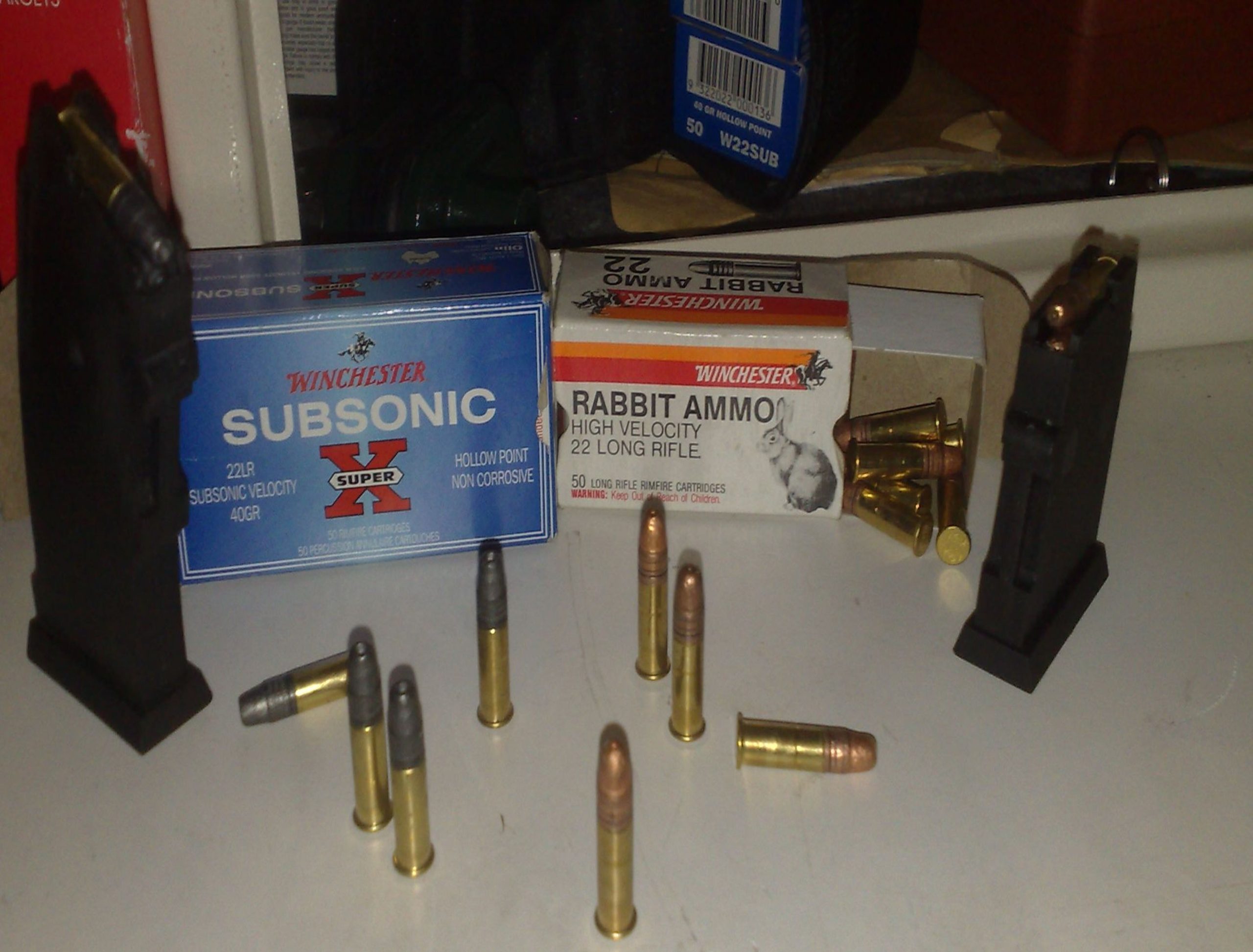
Big American gun shows often feature extensive selections of ammunition varieties rarely seen elsewhere. Collectors encounter obsolete calibers, foreign military rounds, and early production examples packaged in original boxes. Many vendors focus on ammunition history rather than shooting use, displaying labeled cartridges that show headstamps, manufacturing dates, and country of origin. These tables attract historians studying firearms development and logistics across different eras. Seeing rare ammunition alongside compatible firearms provides educational context that cannot be replicated through catalogs or standard retail shelves. The sheer breadth of calibers and packaging styles makes ammunition displays a distinctive feature of major gun shows.
Custom Holsters and Leatherwork
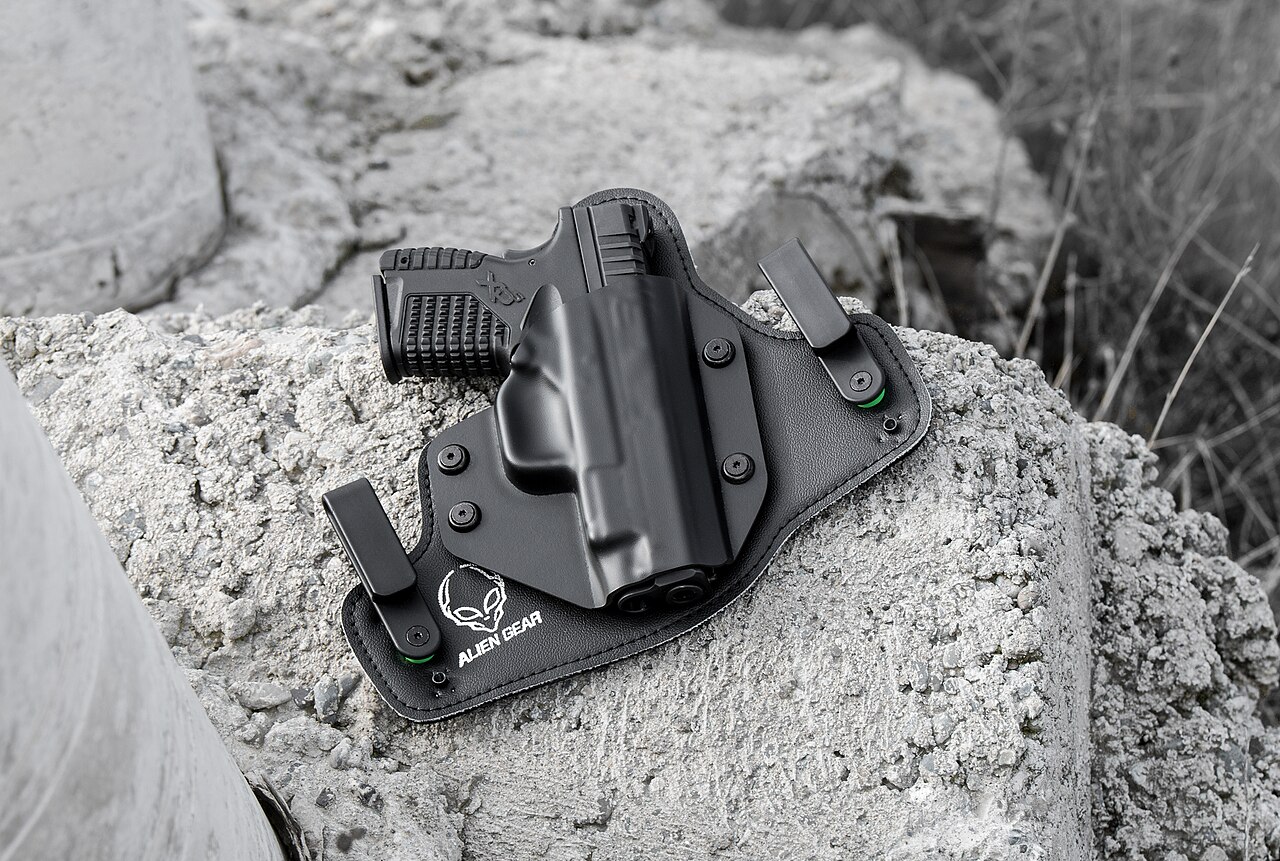
Custom leather goods appear prominently at large American gun shows, highlighting traditional craftsmanship and practical design. Vendors display holsters, belts, slings, and magazine pouches made to fit specific firearm models. Artisans discuss stitching techniques, leather grades, durability, and long term comfort during wear and field use. Many items emphasize function and fit rather than decoration or trend driven styling. Independent makers rely on gun shows to connect directly with knowledgeable audiences. Seeing rows of handmade leatherwork together allows easy comparison of methods, materials, and construction approaches rarely available outside major events of this scale and scope.
Historical Documents and Paper Ephemera
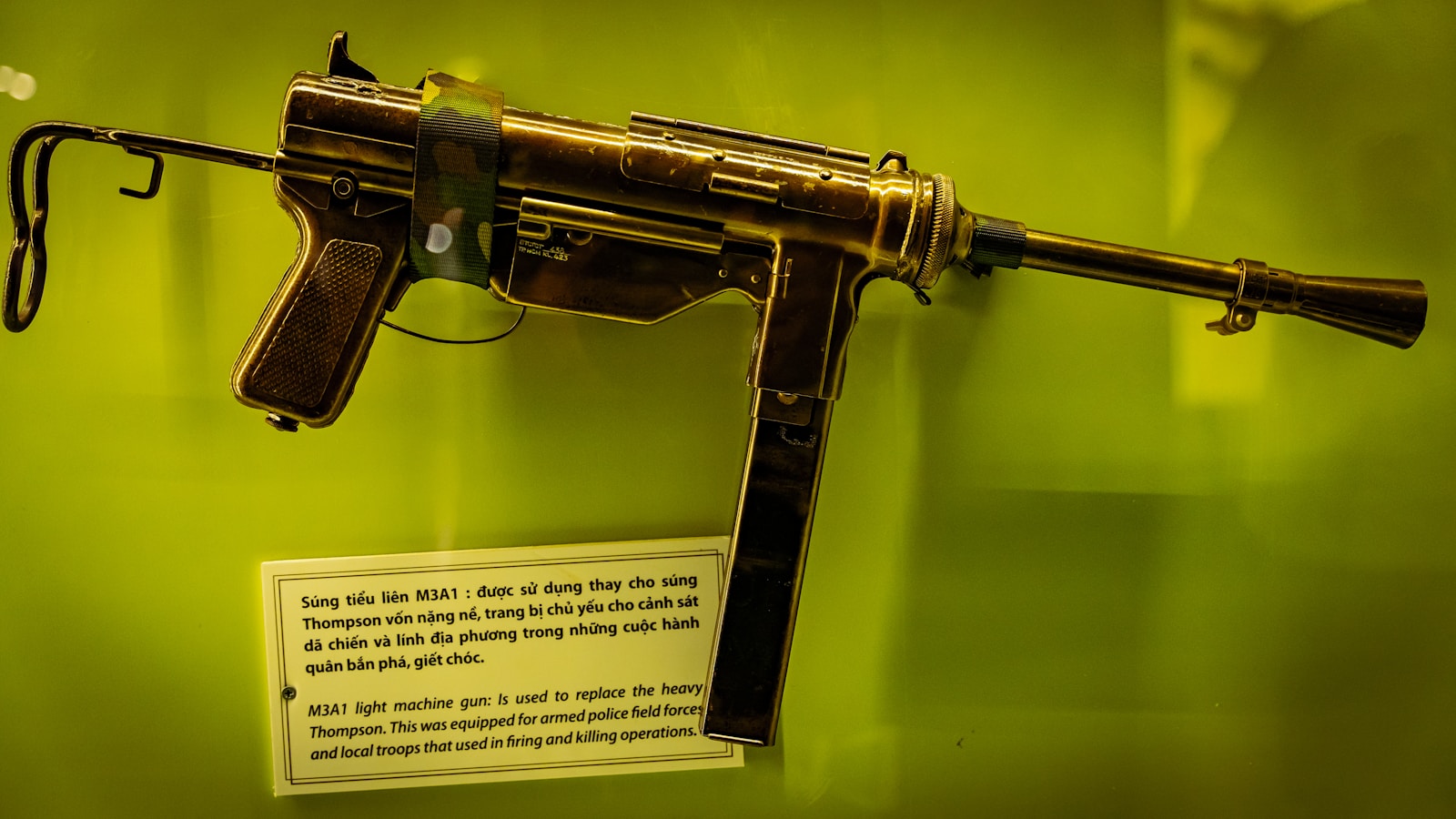
Historical documents related to firearms frequently appear at large American gun shows, offering insight beyond physical objects. Items may include military manuals, factory catalogs, patents, correspondence, and period advertisements preserved carefully for collectors. Paper ephemera attracts researchers interested in manufacturing practices, training, and commercial history. Vendors store materials properly to protect condition and legibility. Original paperwork displayed alongside firearms adds valuable context to provenance and usage. Such documents are difficult to locate through mainstream channels, making their presence a notable feature of major gun shows for historians, collectors, and educators seeking primary source material rarely accessible elsewhere today.
Gun Parts for Obsolete Models
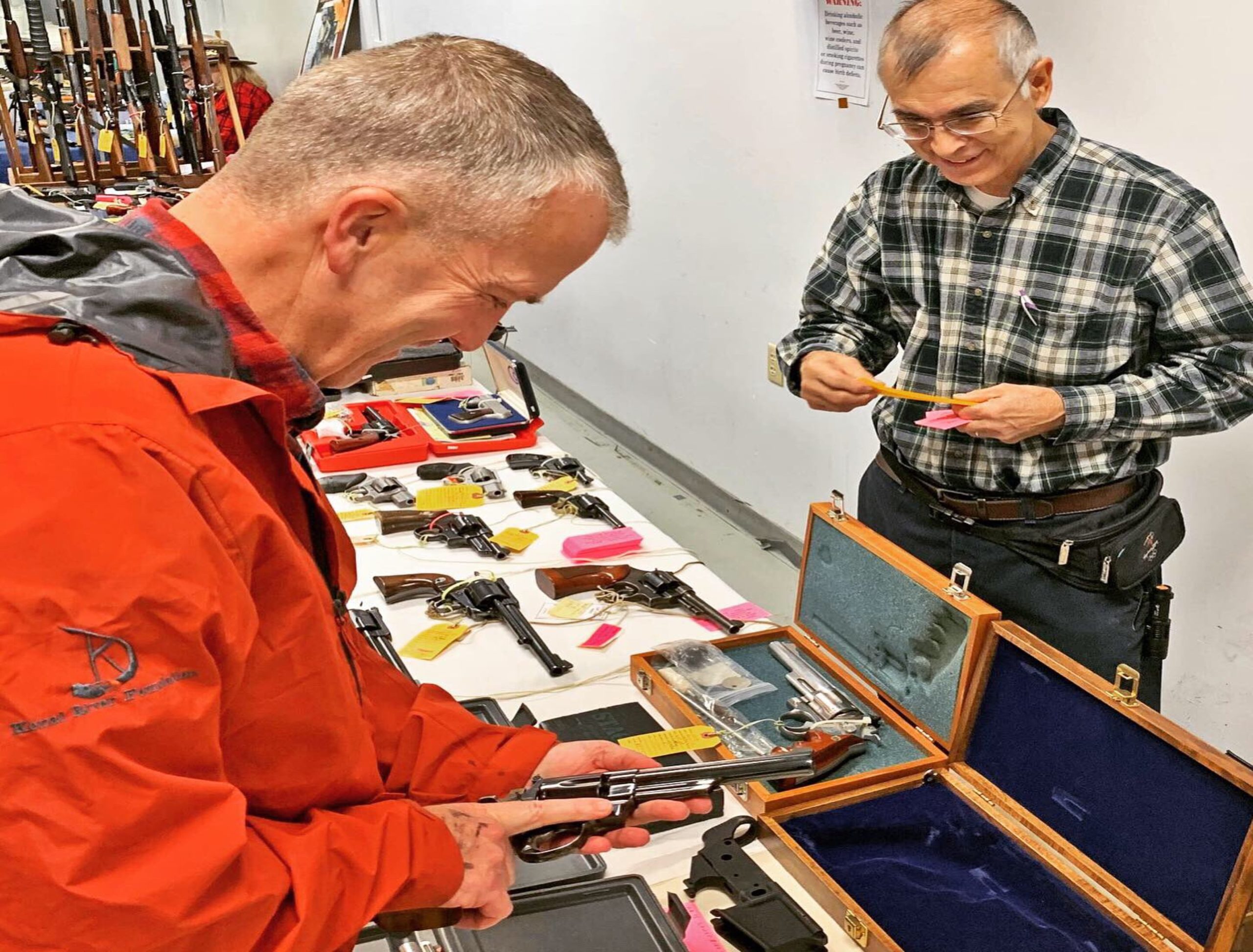
Large American gun shows commonly feature tables dedicated to firearm parts for obsolete or discontinued models. These displays include springs, bolts, stocks, magazines, sights, and small components organized in labeled bins. Collectors and gunsmiths rely on these parts to restore firearms no longer supported by manufacturers. Vendors often possess deep technical knowledge, helping identify correct variations and compatibility across production years. The availability of obscure components attracts restoration focused attendees from wide regions. Seeing such a concentrated selection of rare parts together reflects the scale of major gun shows, since smaller events rarely generate enough demand to support these specialized inventories.
On Site Gunsmith Services
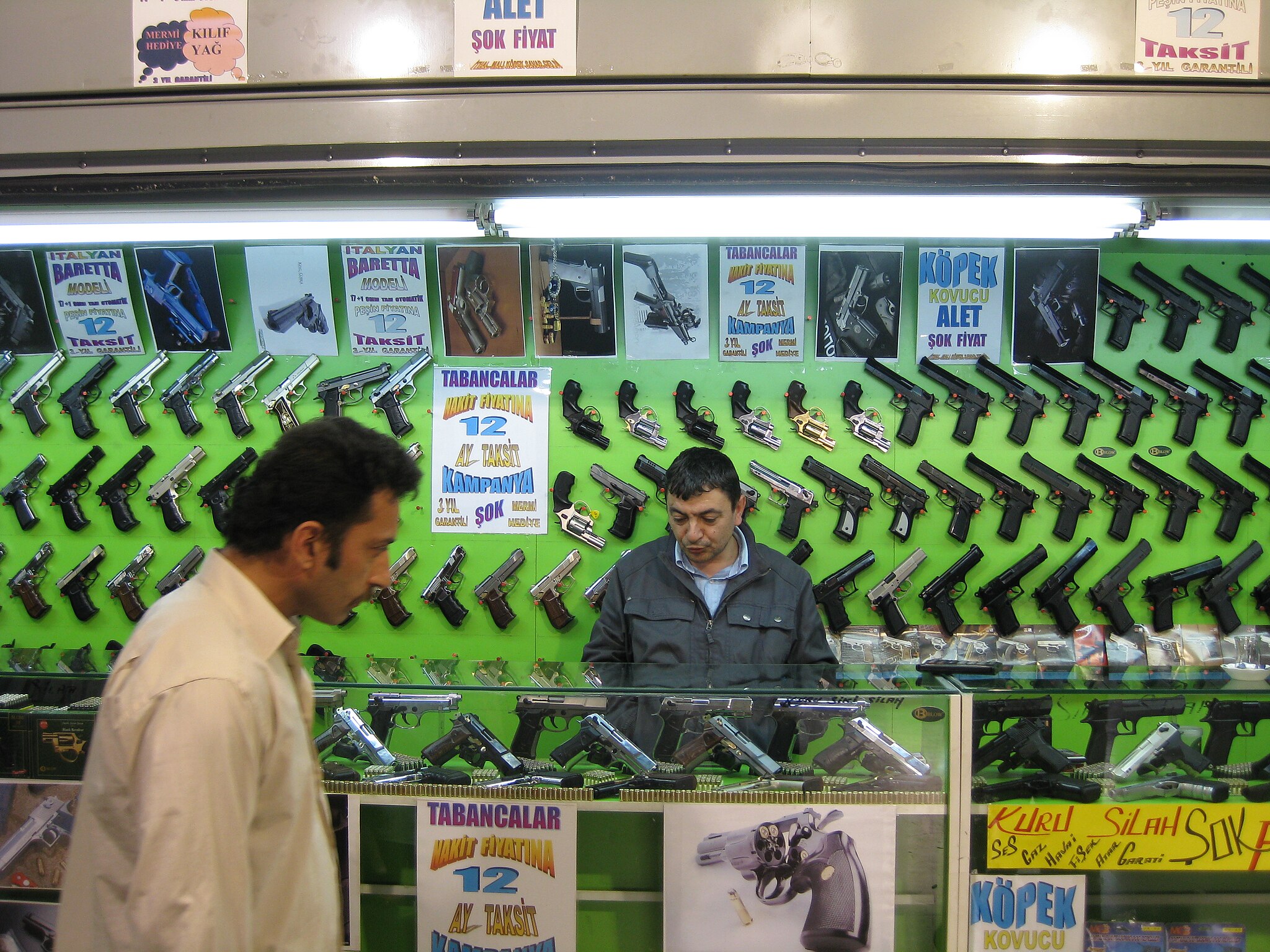
Some major gun shows include professional gunsmiths offering limited on site services and evaluations. These specialists may provide safety inspections, historical assessments, or advice on maintenance and repair options. Attendees often bring firearms for expert review rather than modification. Conversations focus on mechanical condition, originality, and long term care. Having access to trained gunsmiths in a public event setting is uncommon outside large shows. Their presence adds an educational dimension and reinforces responsible ownership. This service oriented aspect highlights how major gun shows support knowledge sharing, preservation, and informed decision making alongside buying and selling activity.
Collector Grade Optics and Sights
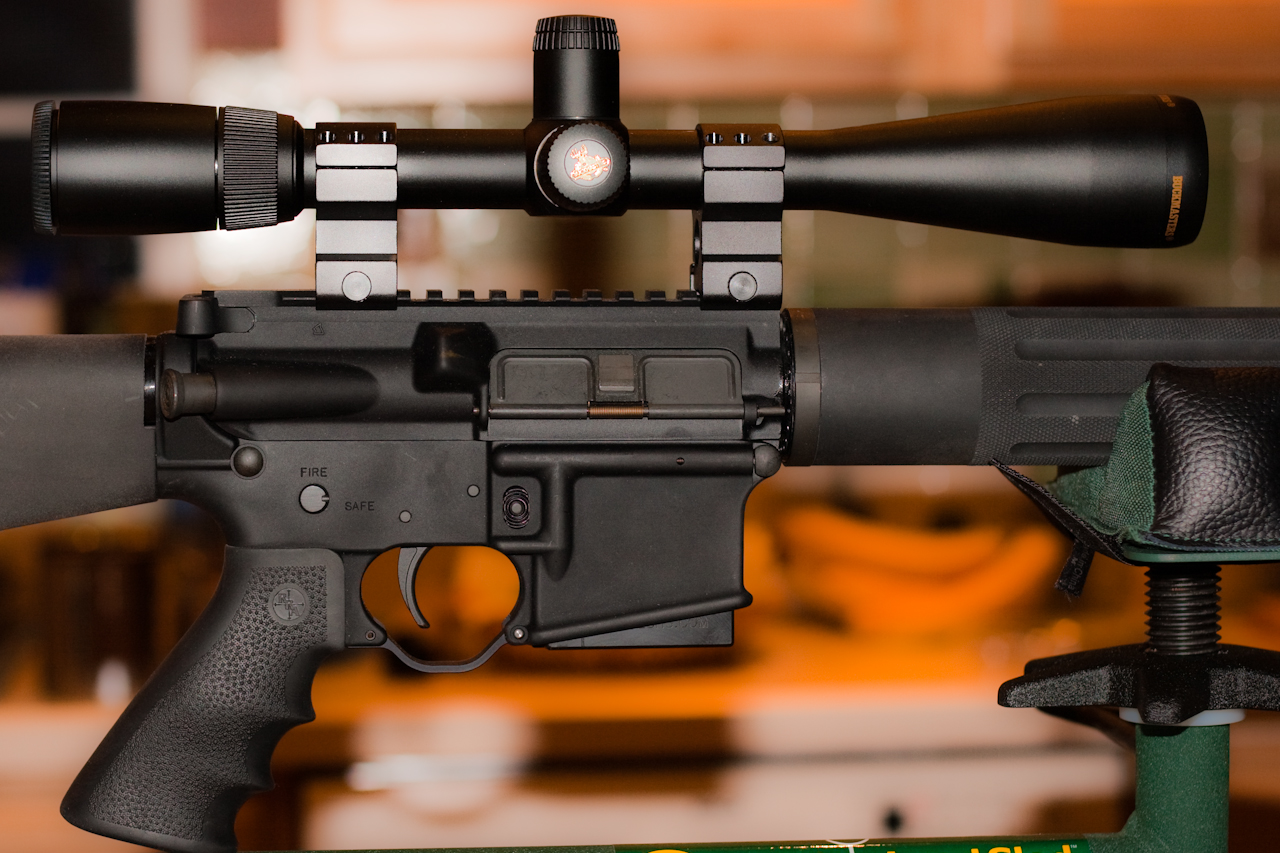
Collector grade optics and sights appear in notable numbers at large American gun shows. Vendors display vintage scopes, early optical devices, and period correct iron sights matched to specific firearm eras. Collectors seek these accessories to complete historically accurate setups or restoration projects. Sellers explain mounting systems, production differences, and manufacturer markings. Many optics are no longer produced, increasing their value and interest. Seeing a wide range together allows direct comparison across decades of development. This concentration of rare accessories is seldom found in standard retail environments, making optics tables a distinctive educational feature of major gun show floors.
Curated Displays of Historical Firearms
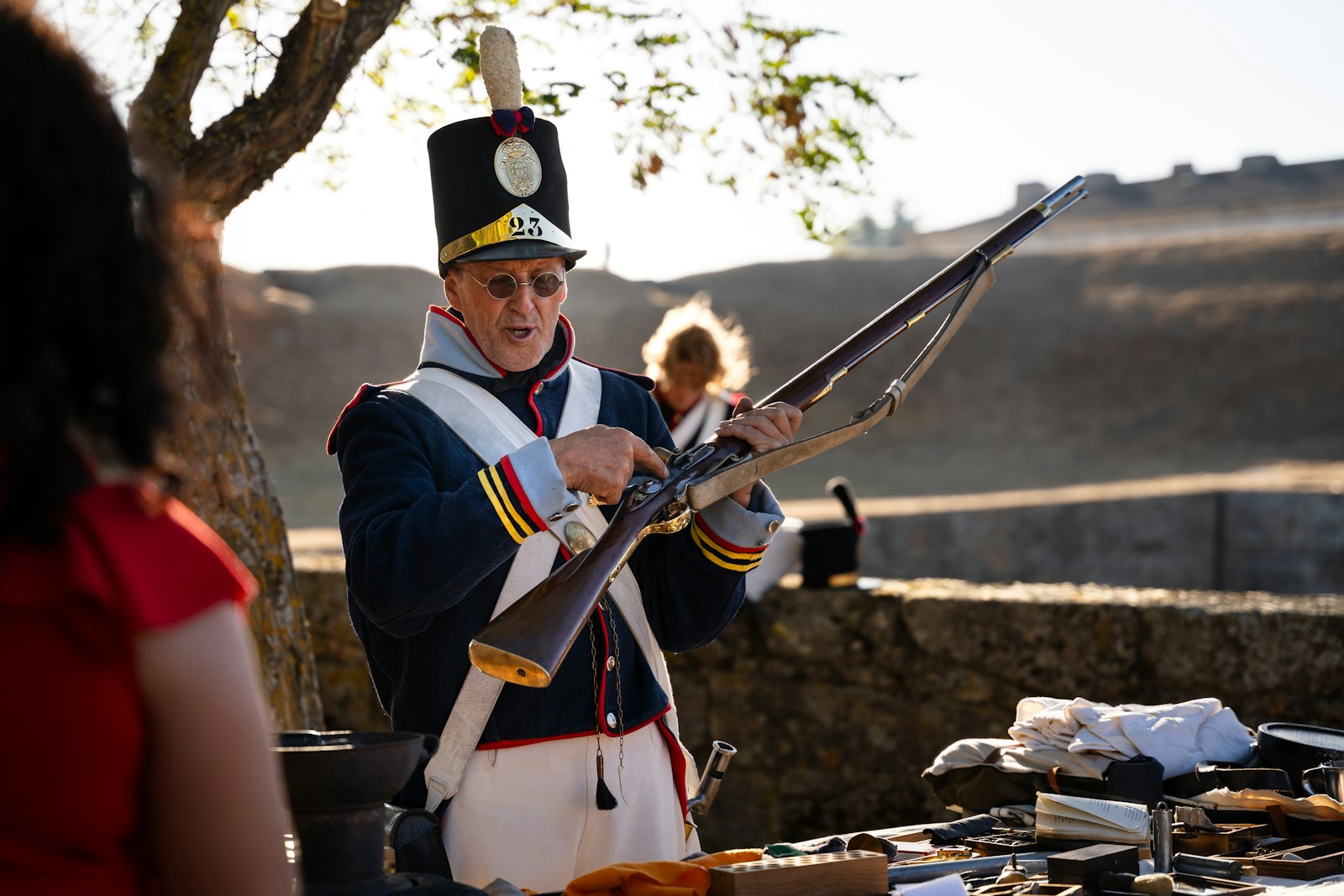
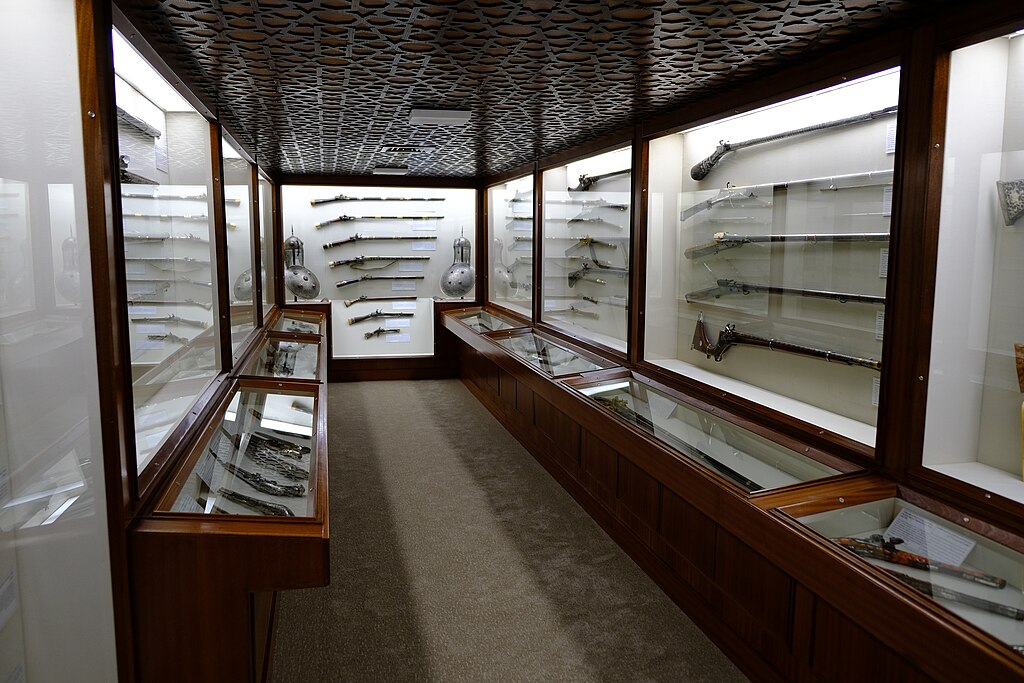
Curated displays of historical firearms stand out at large American gun shows, often resembling compact museum exhibits. Vendors arrange firearms by conflict, manufacturer, or technological development to illustrate progression over time. Informational cards frequently describe dates, usage, and distinguishing features, shifting focus from sales to education. These displays encourage slower browsing and thoughtful discussion among attendees. Seeing related firearms grouped together helps clarify design evolution and historical context. Such carefully organized presentations require space, inventory, and expertise that smaller shows cannot support, making curated historical displays a distinctive feature found primarily at major gun shows nationwide.
Rare Books on Firearms History
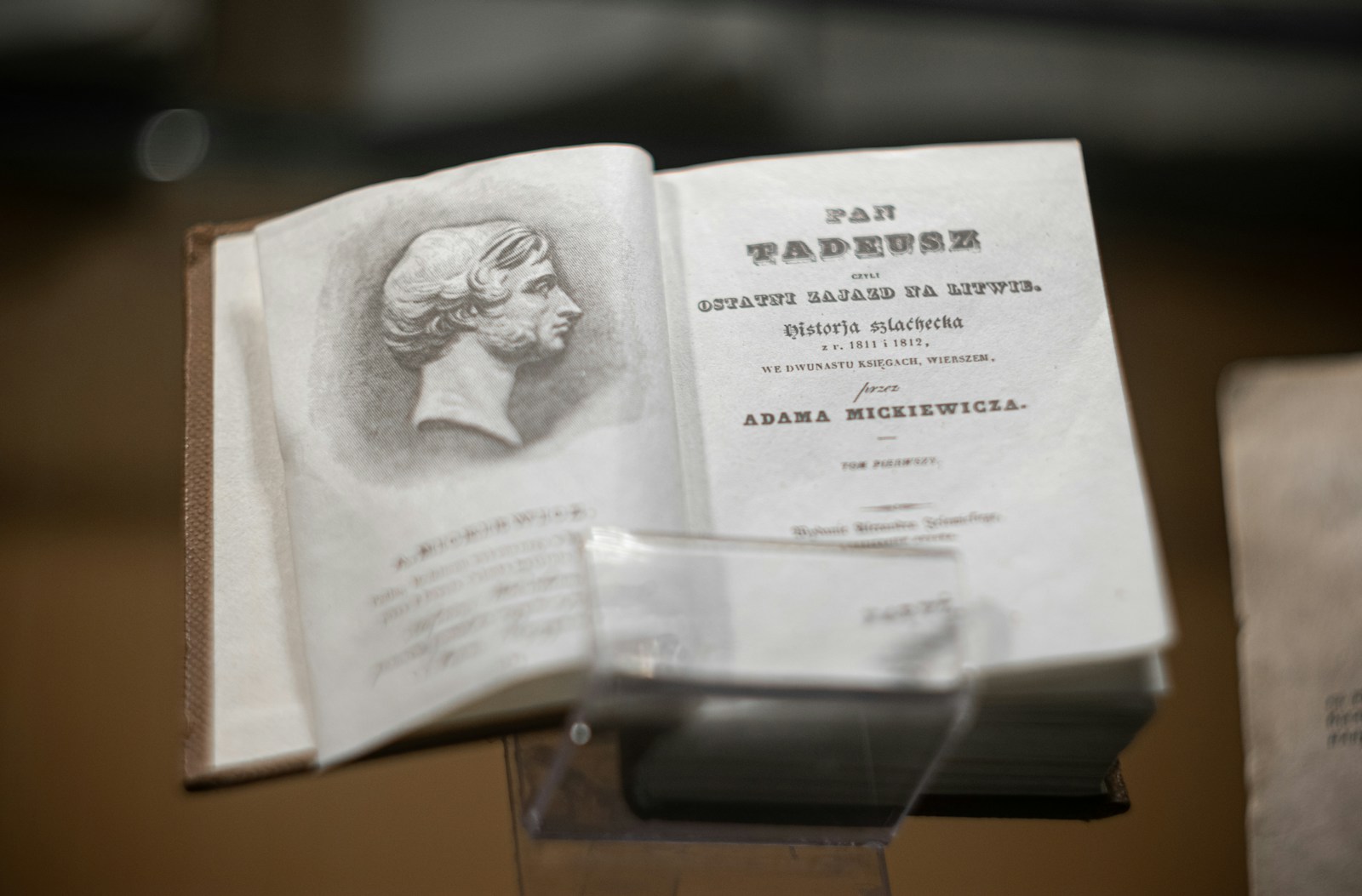
Rare and out of print books on firearms history appear regularly at large American gun shows, attracting collectors and researchers. Sellers specialize in technical manuals, manufacturing references, and historical studies no longer widely available. Many volumes include detailed illustrations, schematics, or archival photographs valuable for restoration and scholarship. Collectors seek first editions, limited printings, or signed copies. Browsing these tables offers insight into how firearms have been documented over time. The concentration of niche literature in one place is uncommon outside specialty dealers, making book tables an important and often overlooked element of major gun show environments.
Specialty Cleaning and Maintenance Tools
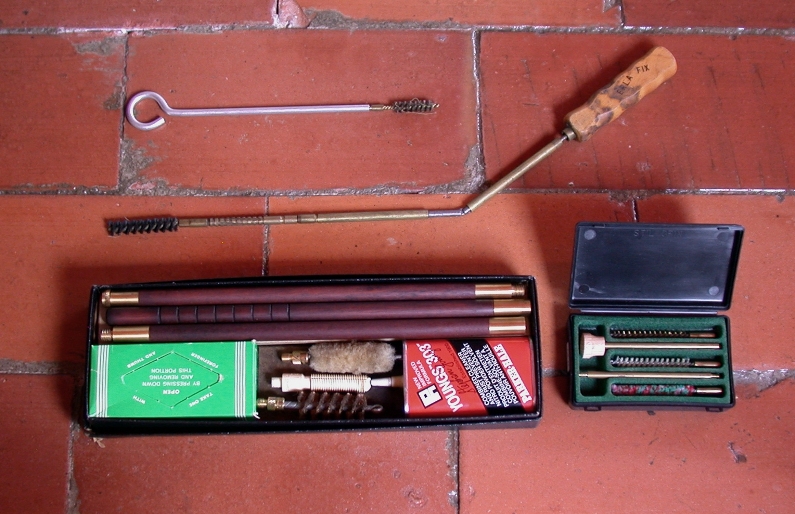
Specialty cleaning and maintenance tools form another distinctive sight at large American gun shows. Vendors offer vintage cleaning kits, precision rods, model specific tools, and original accessories designed for older firearms. Many items are no longer manufactured yet remain practical and well crafted. Collectors value tools that match the period of their firearms. Sellers explain proper use, materials, and compatibility. Seeing such a wide selection together allows comparison across eras and designs. This emphasis on maintenance highlights responsible ownership and preservation, reflecting interests that extend beyond buying firearms alone at major gun shows.
Firearms Training Materials
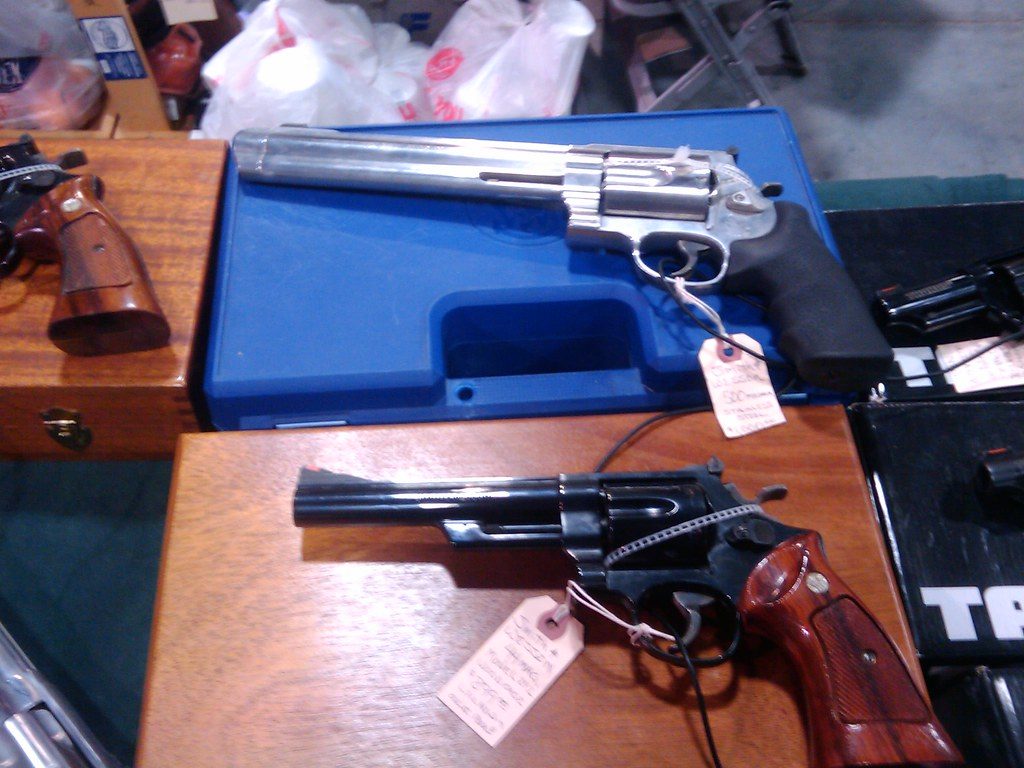
Firearms training materials appear frequently at large American gun shows, extending interest beyond equipment alone. Vendors display manuals, instructional charts, and safety guides produced across different decades. Some materials originate from military or law enforcement programs, offering historical perspective on training standards. Collectors value these resources for documentation and study rather than application. Browsing training literature reveals how techniques, terminology, and safety messaging evolved over time. Such materials are rarely encountered casually, especially in original print form. Their availability reflects the educational side of major gun shows, where knowledge sharing accompanies collecting and preservation interests.
Vintage Manufacturer Advertising Signs
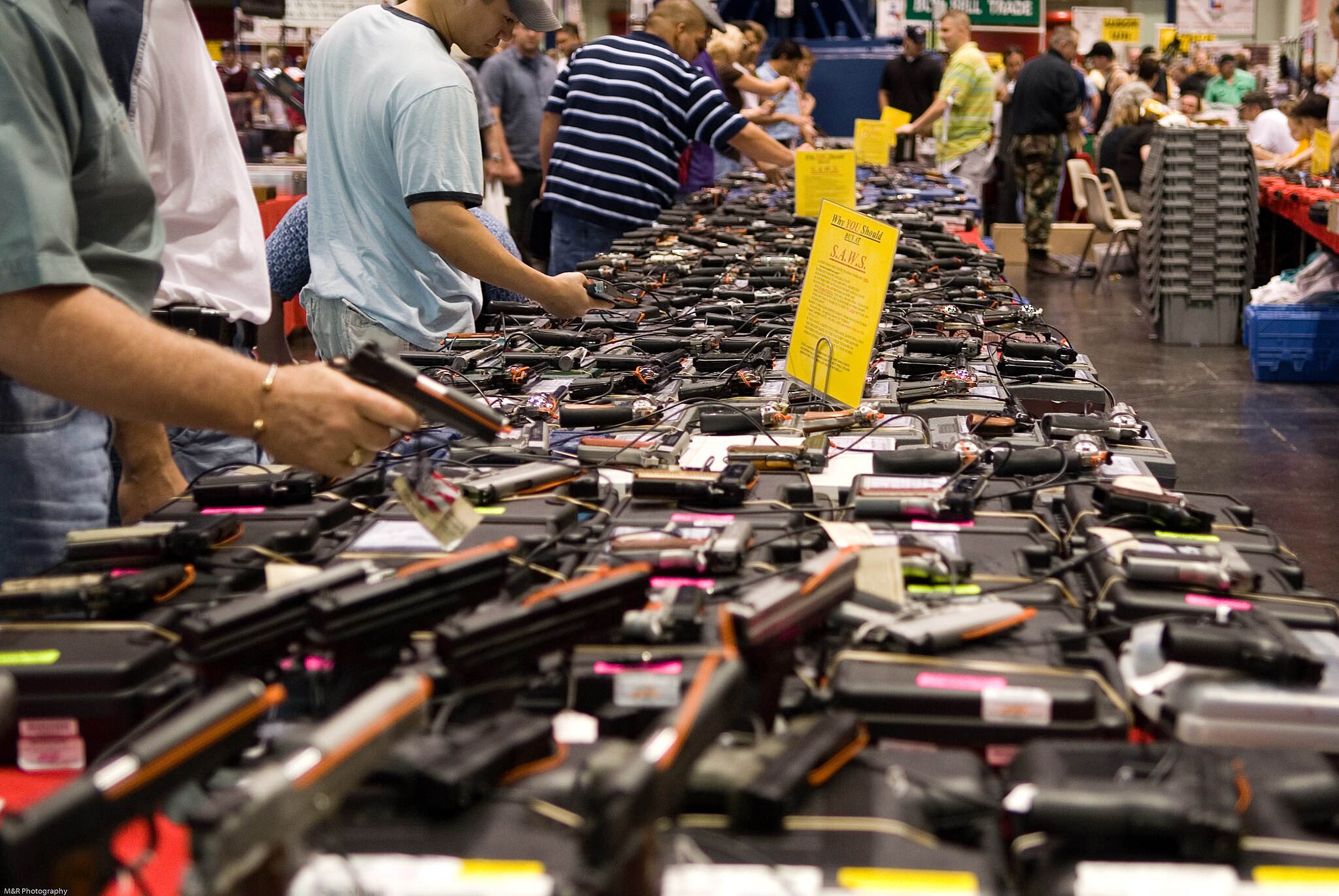
Vintage manufacturer advertising signs are commonly seen at large American gun shows, drawing interest from collectors and historians. These signs may be made of tin, cardboard, porcelain, or early plastics and often date back decades. Designs reflect period branding, slogans, and marketing priorities tied to specific eras. Vendors emphasize originality, condition, and verified age. Such signage provides cultural context beyond firearms themselves. Seeing numerous original signs displayed together highlights how manufacturers once promoted products. These displays are uncommon outside collector events, making them a visually distinctive feature of major gun shows nationwide today for enthusiasts and historians alike.
Law Enforcement Trade In Firearms
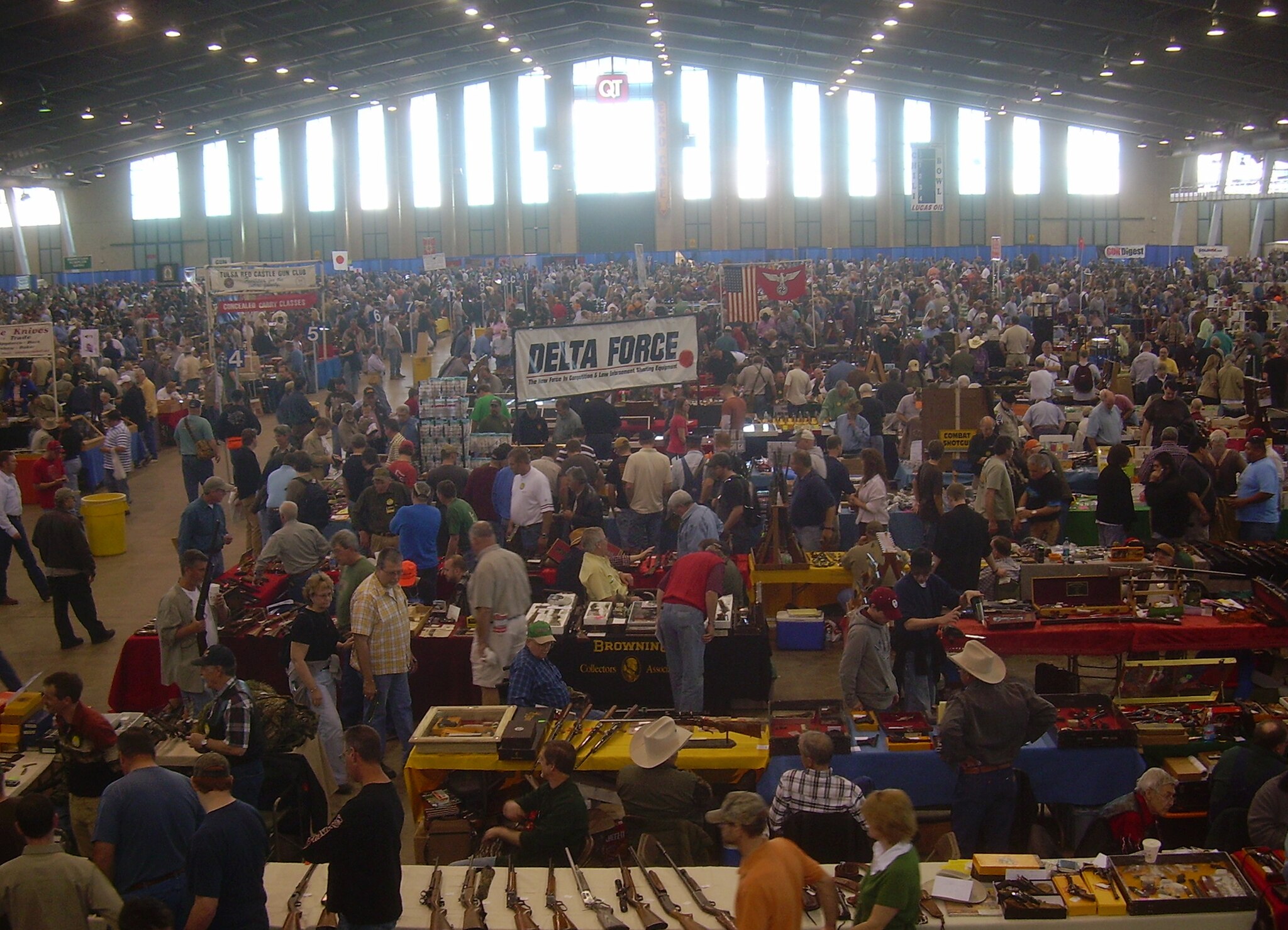
Law enforcement trade in firearms appear at some large American gun shows, offering verified service history. These firearms often show cosmetic wear from duty use while remaining mechanically sound. Buyers examine agency markings, maintenance records, and model variations. Interest centers on documented provenance rather than appearance alone. Such firearms are less common in standard retail outlets. Seeing multiple agencies represented at one event is distinctive. This concentration allows comparison across departments and eras. The presence of trade in firearms illustrates how major gun shows aggregate items from diverse institutional sources into a single accessible marketplace.
International Firearms And Accessories
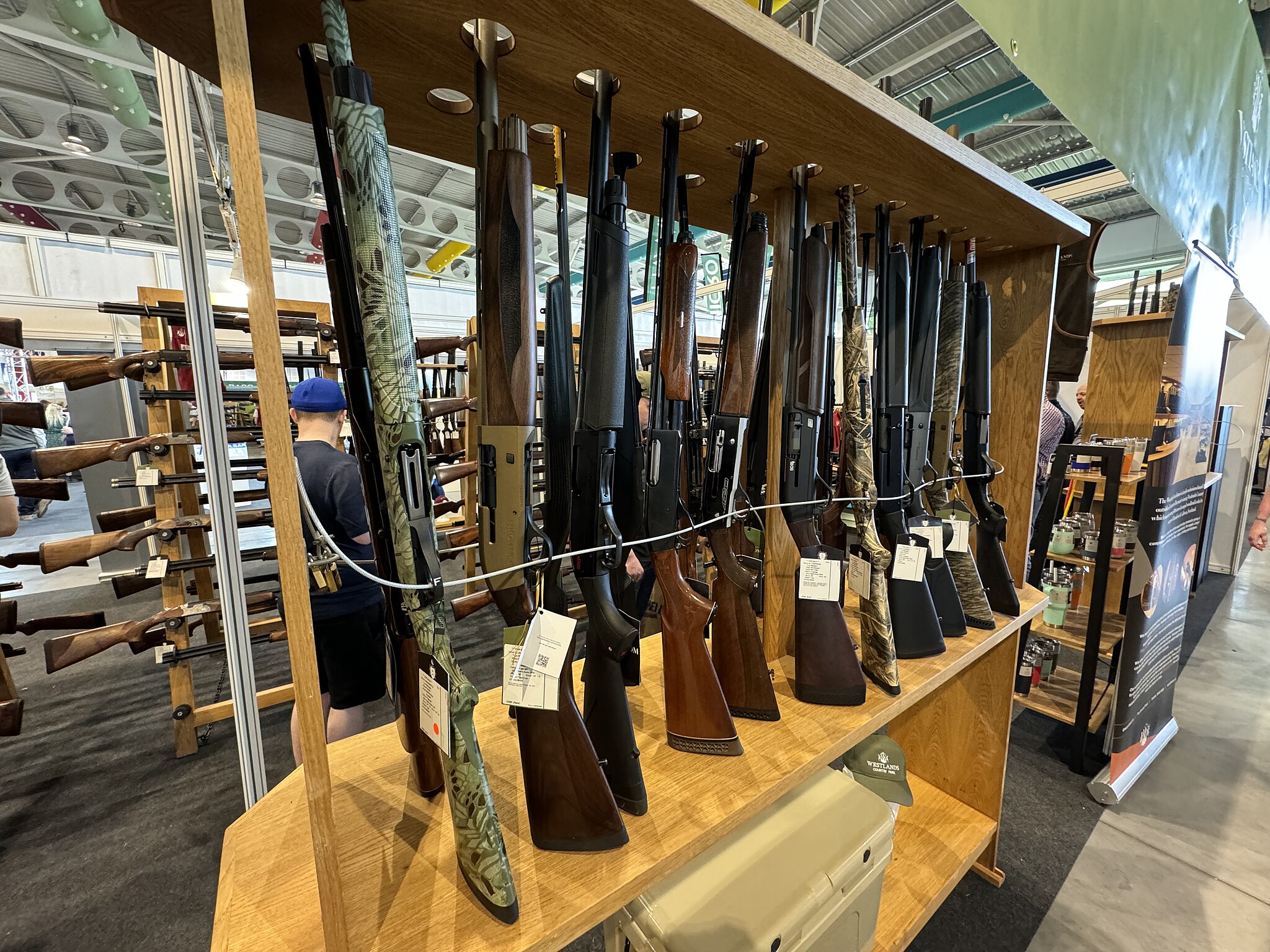
International firearms and accessories appear frequently at large American gun shows, reflecting the global reach of firearms manufacturing. Vendors display European sporting rifles, imported surplus firearms, and foreign made optics, magazines, and components. Sellers explain import history, production standards, and compliance requirements that govern legal sale. Exposure to international designs broadens understanding of different engineering approaches and cultural preferences. Seeing these items alongside domestic products allows direct comparison. This diversity highlights how major gun shows attract sellers with access to global sourcing, offering perspectives rarely encountered in smaller regional events focused primarily on domestic markets alone.
Period Correct Clothing And Gear
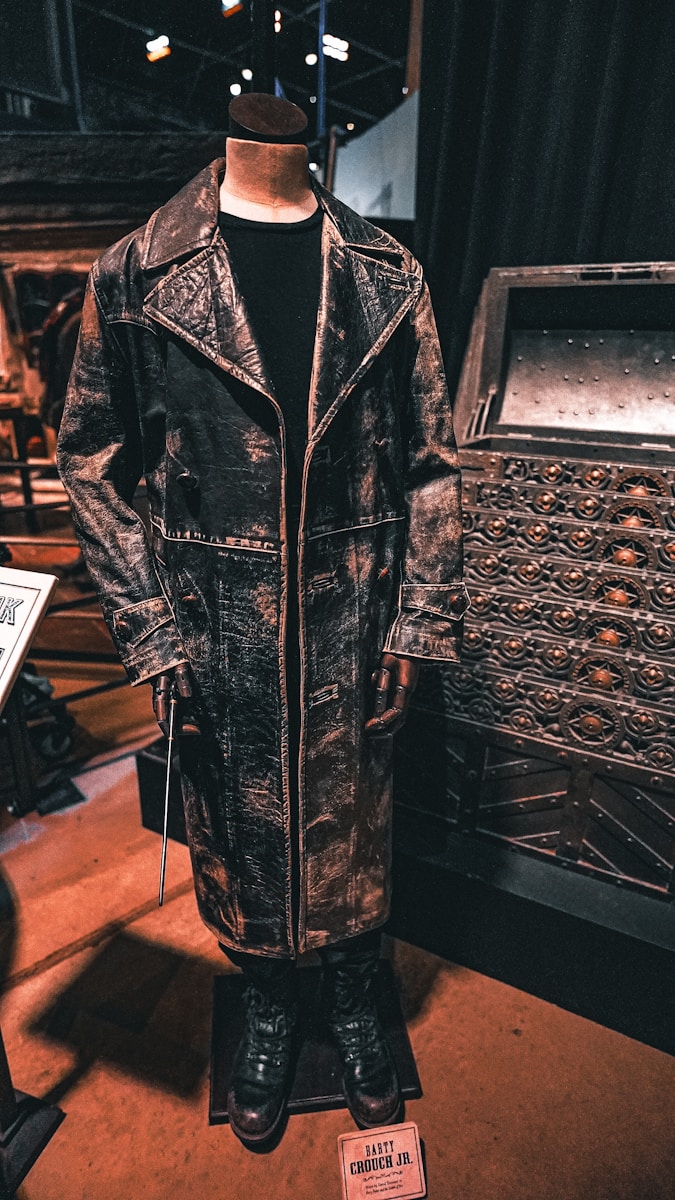
Period correct clothing and gear appear at large American gun shows, adding historical context beyond firearms alone. Vendors offer shooting jackets, military uniforms, field gear, and hunting attire tied to specific eras. Collectors and reenactors value authentic materials, construction, and accurate details. Sellers often explain original use, sourcing, and preservation considerations. Seeing clothing displayed alongside corresponding firearms helps illustrate how equipment functioned together. This combination enhances understanding of daily use and historical setting. Such specialized apparel is rarely gathered in one place, making its presence a distinctive feature of large gun shows that attract dedicated history focused audiences nationwide.
Appraisal And Authentication Experts
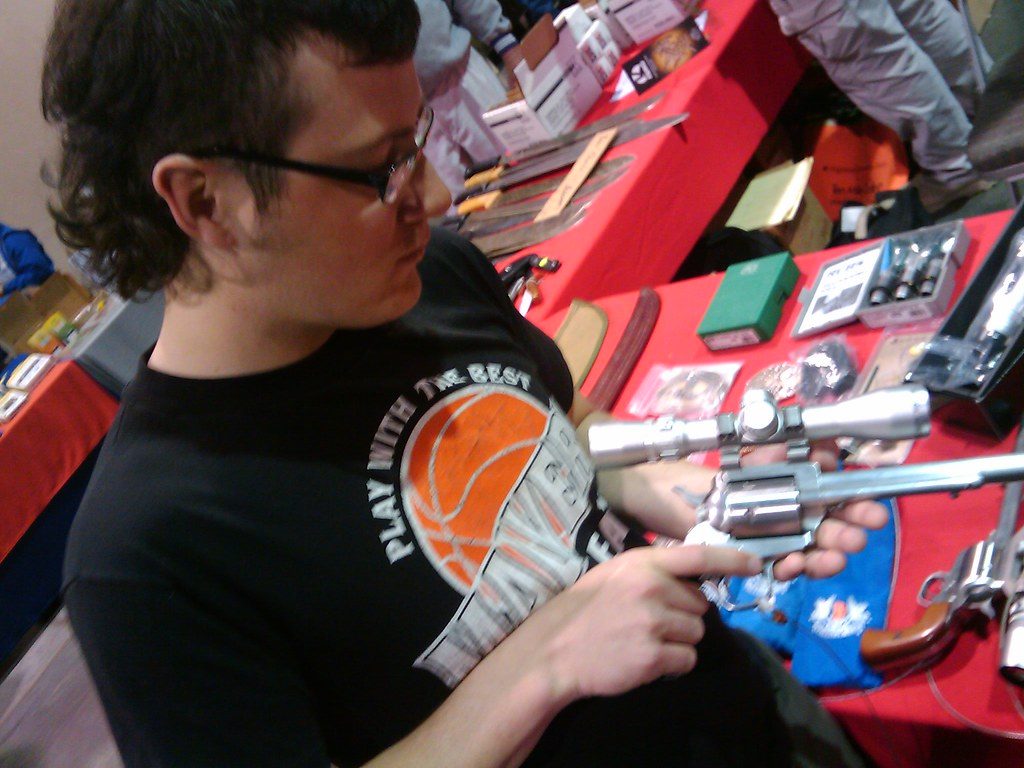
Appraisal and authentication experts are commonly present at large American gun shows, providing specialized evaluation services. These professionals examine markings, materials, wear, and construction details to verify originality and historical accuracy. Collectors seek their guidance when assessing value or provenance. Discussions focus on history and condition rather than resale potential. Access to multiple experts in one location is uncommon. Their presence supports informed collecting and preservation efforts. Seeing appraisers working publicly also reinforces transparency and education. This professional aspect demonstrates how major gun shows function as knowledge centers in addition to marketplaces for specialized historical items.
Collector Communities And Networking
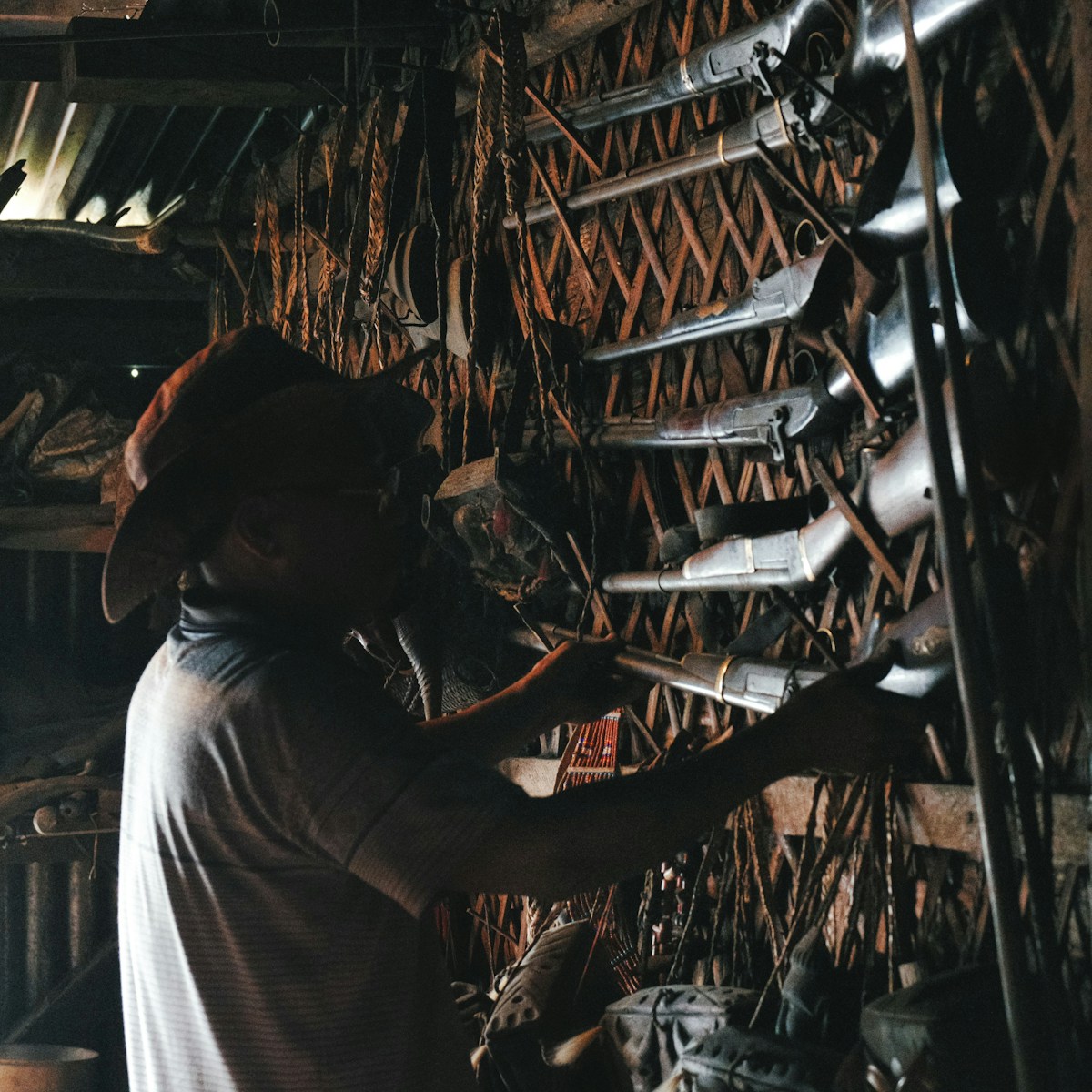
Large American gun shows function as important meeting points for collector communities with highly specific interests. Attendees often connect with others who specialize in antique revolvers, military rifles, sporting arms, or historical accessories. Conversations focus on shared knowledge, sourcing challenges, and historical research rather than immediate transactions. These interactions frequently lead to future trades, restorations, or information exchanges beyond the event itself. Seeing so many niche communities represented in one place highlights the diversity within firearms collecting culture. The scale of major gun shows allows these connections to form organically, reinforcing their role as social and educational hubs rather than purely commercial gatherings.
Specialized Display Cases And Storage Solutions
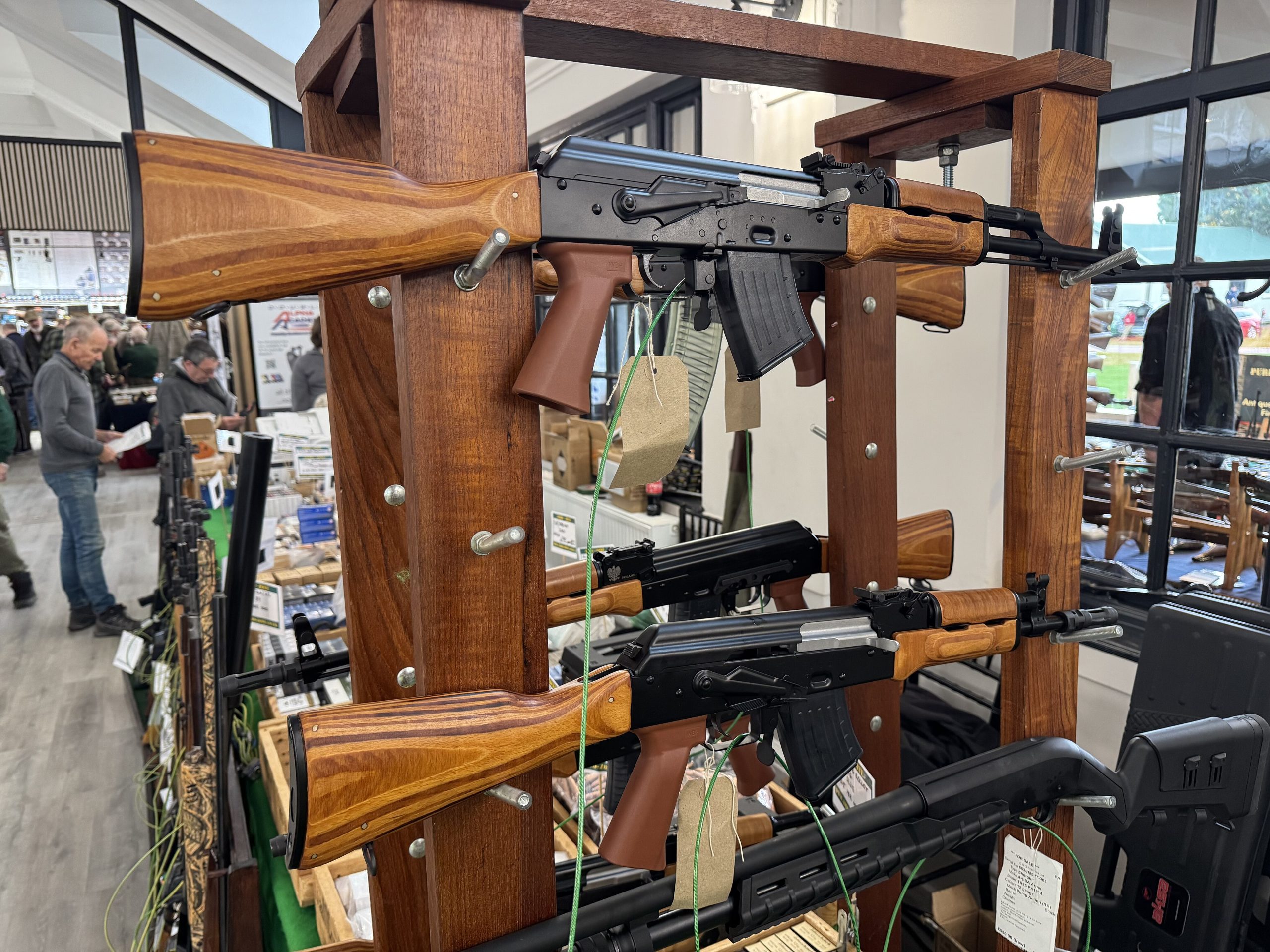
Specialized display cases and storage solutions are commonly featured at large American gun shows, catering to preservation focused collectors. Vendors offer hard cases, archival boxes, wall displays, and humidity controlled storage designed to protect condition and value. Materials and construction emphasize durability, security, and long term conservation. Sellers explain how different solutions suit specific firearm types or historical materials. Seeing multiple storage options side by side allows informed comparison rarely possible elsewhere. These products reflect collector priorities beyond acquisition alone. Their presence underscores how major gun shows support preservation, presentation, and responsible long term care of historically significant items.