Survival in the wild is not about strength or bravado. It is about calm thinking, learned skills, and respect for nature. Whether you are hiking, camping, hunting, or facing an emergency, the right survival knowledge can turn a dangerous situation into a manageable one. These skills are practical, proven, and rooted in real outdoor experience. Each one focuses on awareness, efficiency, and smart use of available resources. Mastering them builds confidence and self-reliance, while also improving decision-making under stress. This guide presents twenty essential survival skills every man should know to stay alive, safe, and adaptable in the wild.
1. Fire Starting Without Matches
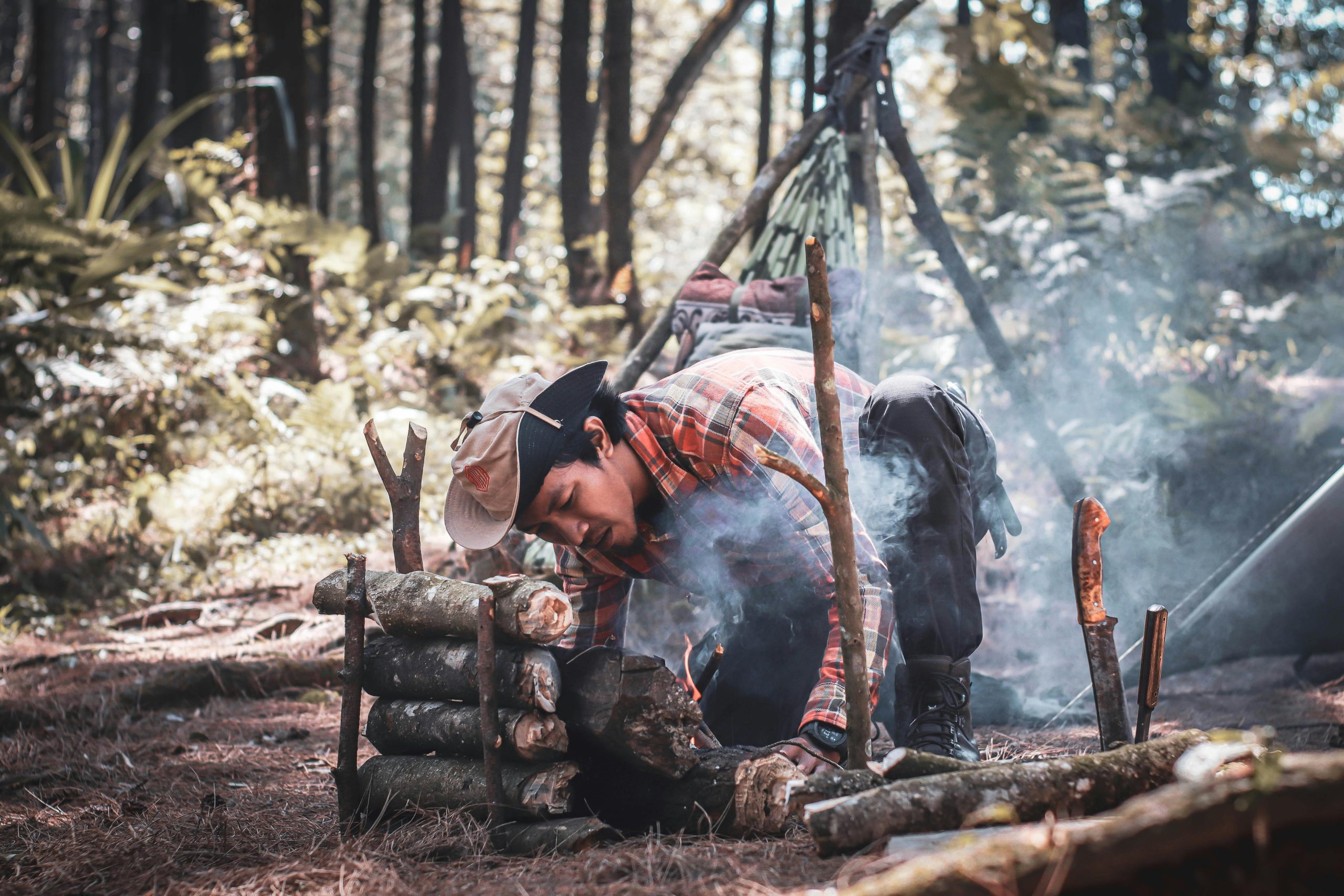
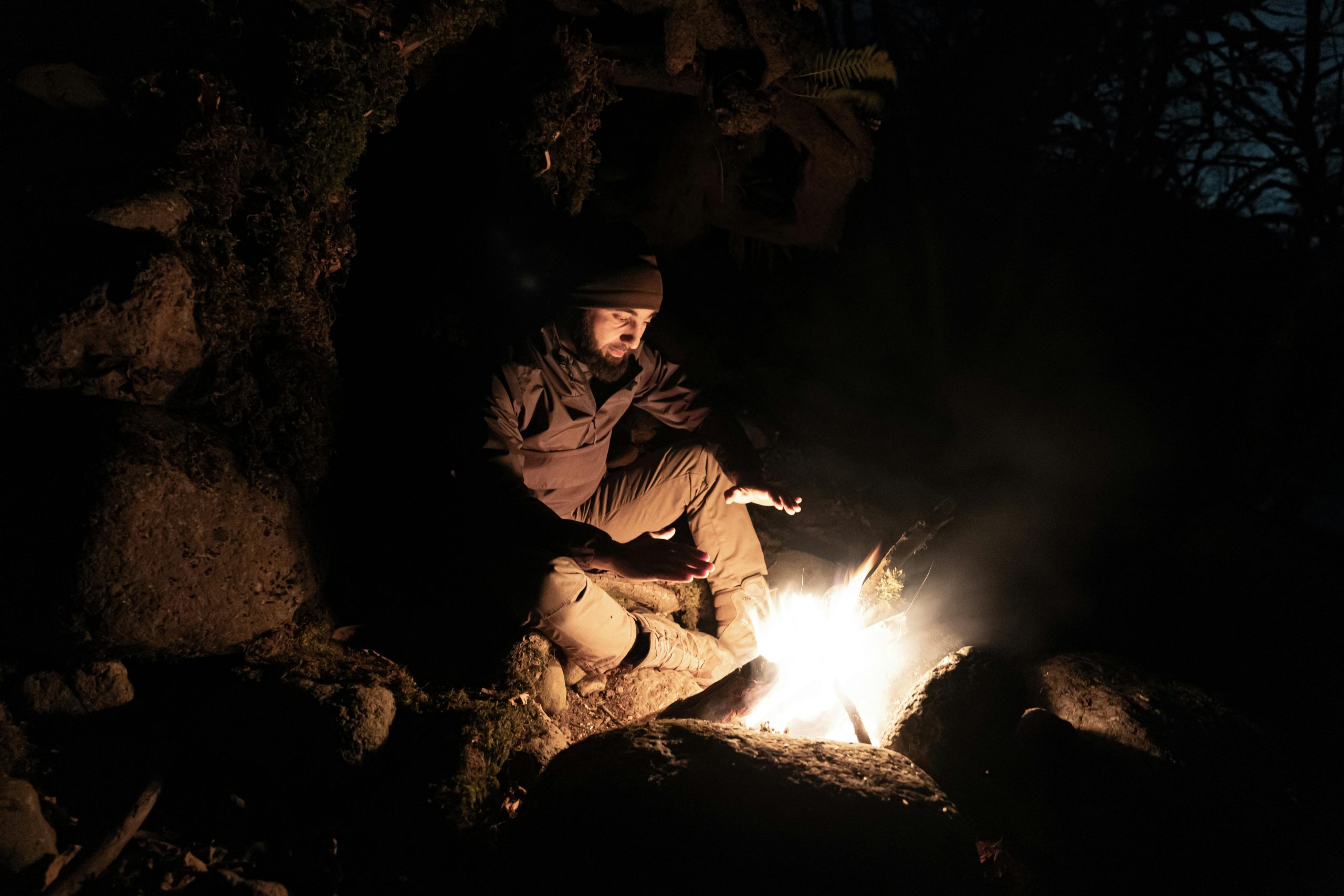
Fire is one of the most critical survival tools because it provides warmth, light, protection, and the ability to cook food. Learning to start a fire without matches means understanding friction methods, sparks, and natural tinders. Dry grass, birch bark, pine needles, and inner tree bark can ignite easily when prepared correctly. A ferro rod, flint and steel, or even a battery and steel wool can create sparks. Wind protection and proper airflow are just as important as ignition. A small, controlled flame is safer and more efficient than a large blaze. Fire also boosts morale and signals rescuers.
2. Finding and Purifying Water
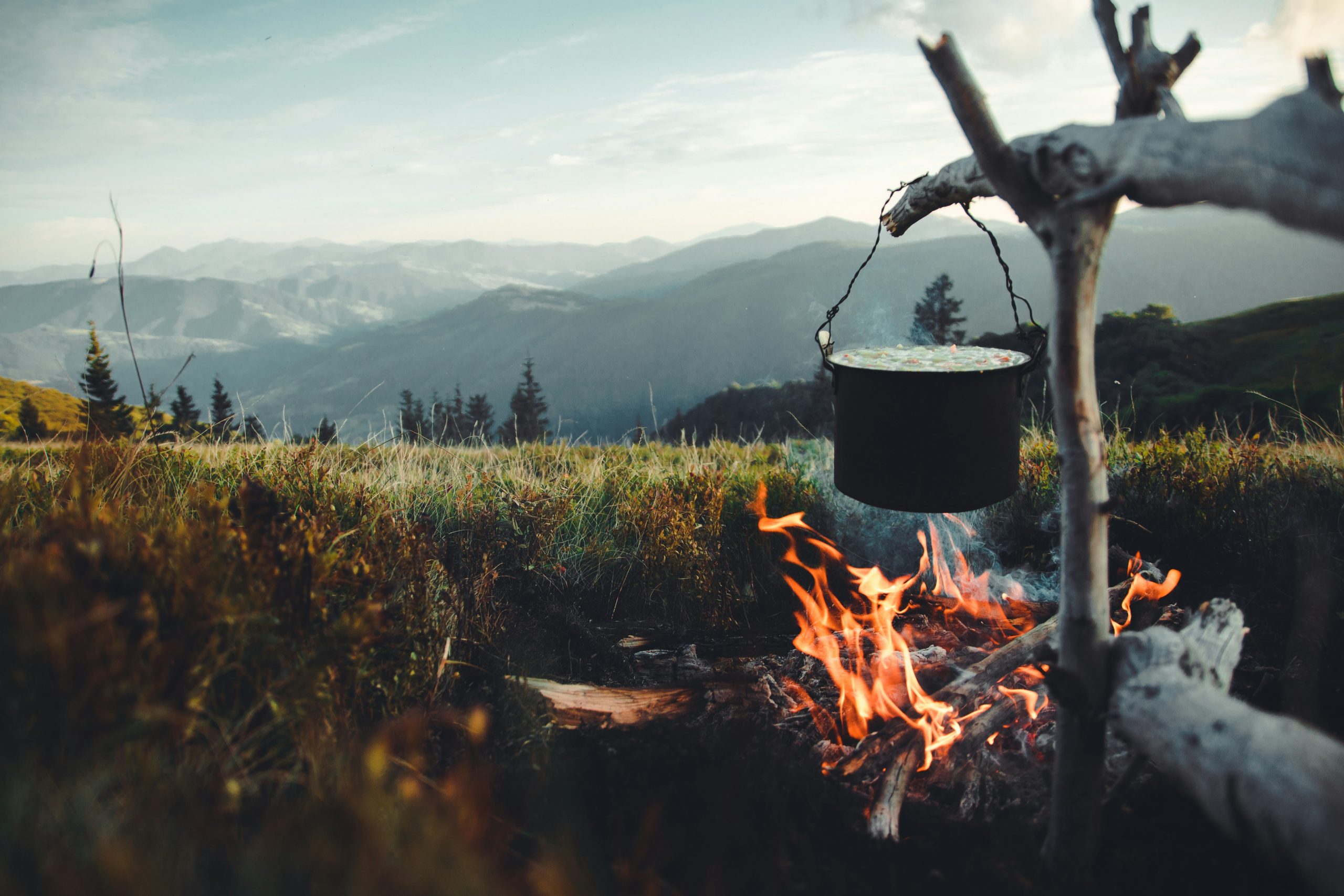
Water is more urgent than food, and dehydration can become dangerous within days. Knowing where to find water in the wild is essential. Look downhill, follow animal trails, observe green vegetation, and listen for insects or birds that gather near water. Once found, purification is mandatory. Boiling water for at least one minute kills harmful pathogens. If boiling is not possible, filtration using cloth, sand, and charcoal helps remove debris before chemical tablets or solar exposure. Never trust clear water blindly. Safe hydration preserves energy, mental clarity, and physical strength.
3. Building a Weatherproof Shelter
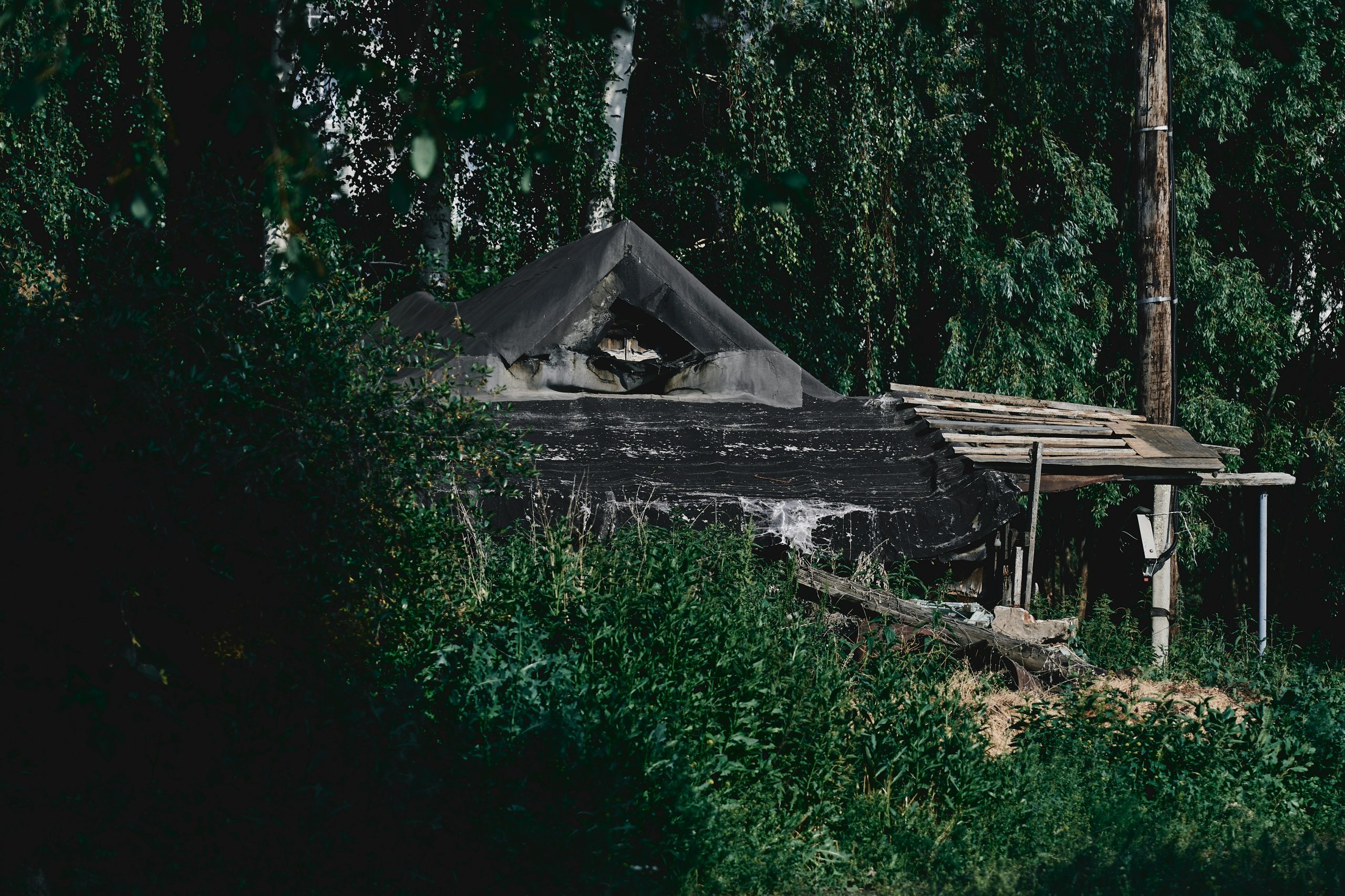
Shelter protects you from cold, heat, wind, and rain, which can drain energy quickly. A good shelter uses natural materials like branches, leaves, grass, and terrain features. Choose a dry, elevated location away from flood paths and falling branches. Insulation is more important than size, so focus on blocking wind and retaining body heat. A simple lean-to or debris hut can be highly effective when built correctly. Ground insulation using leaves or pine boughs prevents heat loss. Shelter gives rest, safety, and stability in uncertain conditions.
4. Navigating Without a Compass
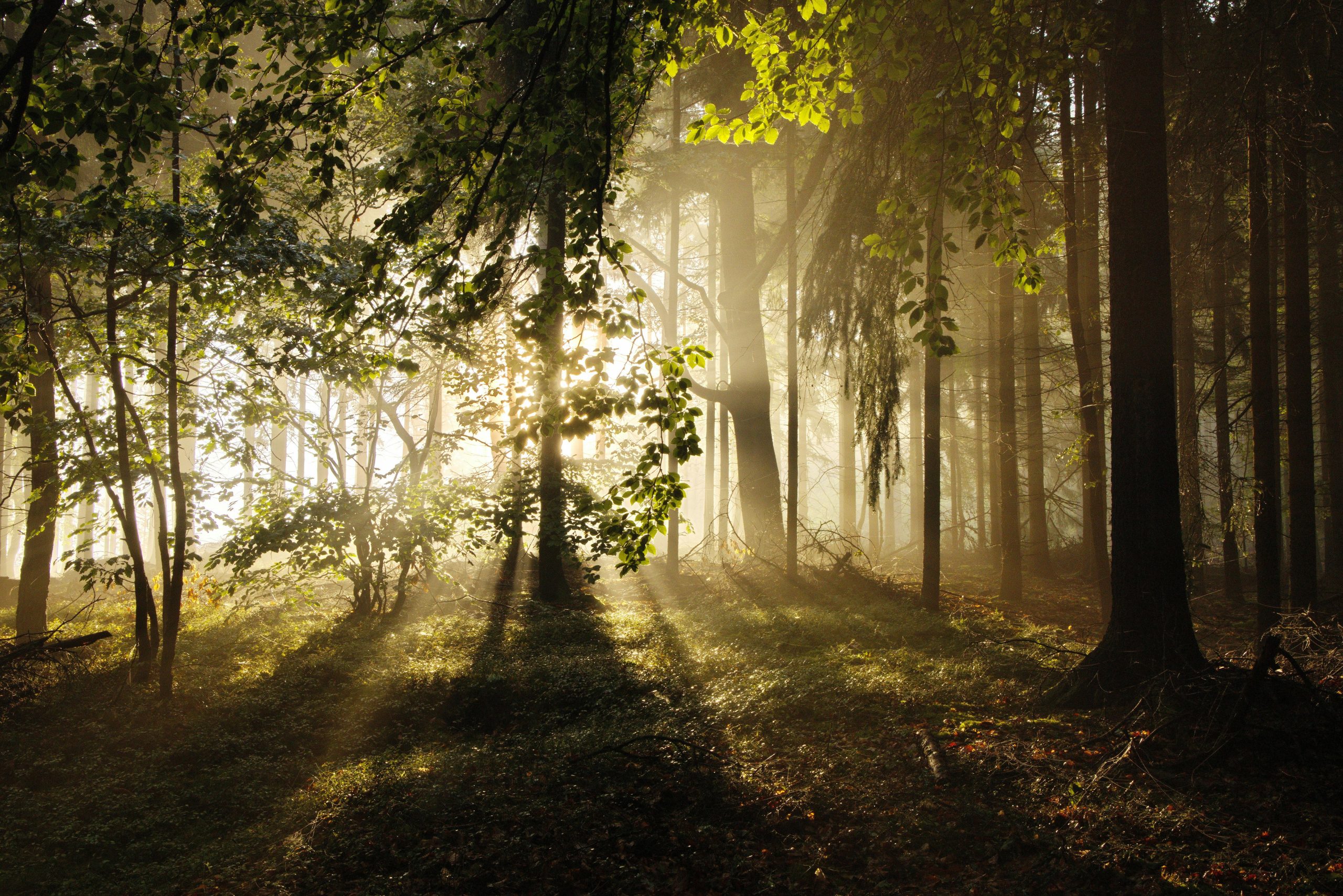
Getting lost increases risk, but navigation skills can keep you oriented. The sun rises in the east and sets in the west, which helps establish direction. At night, the North Star provides reliable orientation in the northern hemisphere. Natural signs like moss growth, tree branching, and prevailing winds offer clues, though they should be used together, not alone. Reading terrain, ridgelines, and water flow helps predict where trails or settlements might be. Mental mapping and steady movement prevent panic. Good navigation conserves energy and improves chances of rescue.
5. First Aid and Injury Management
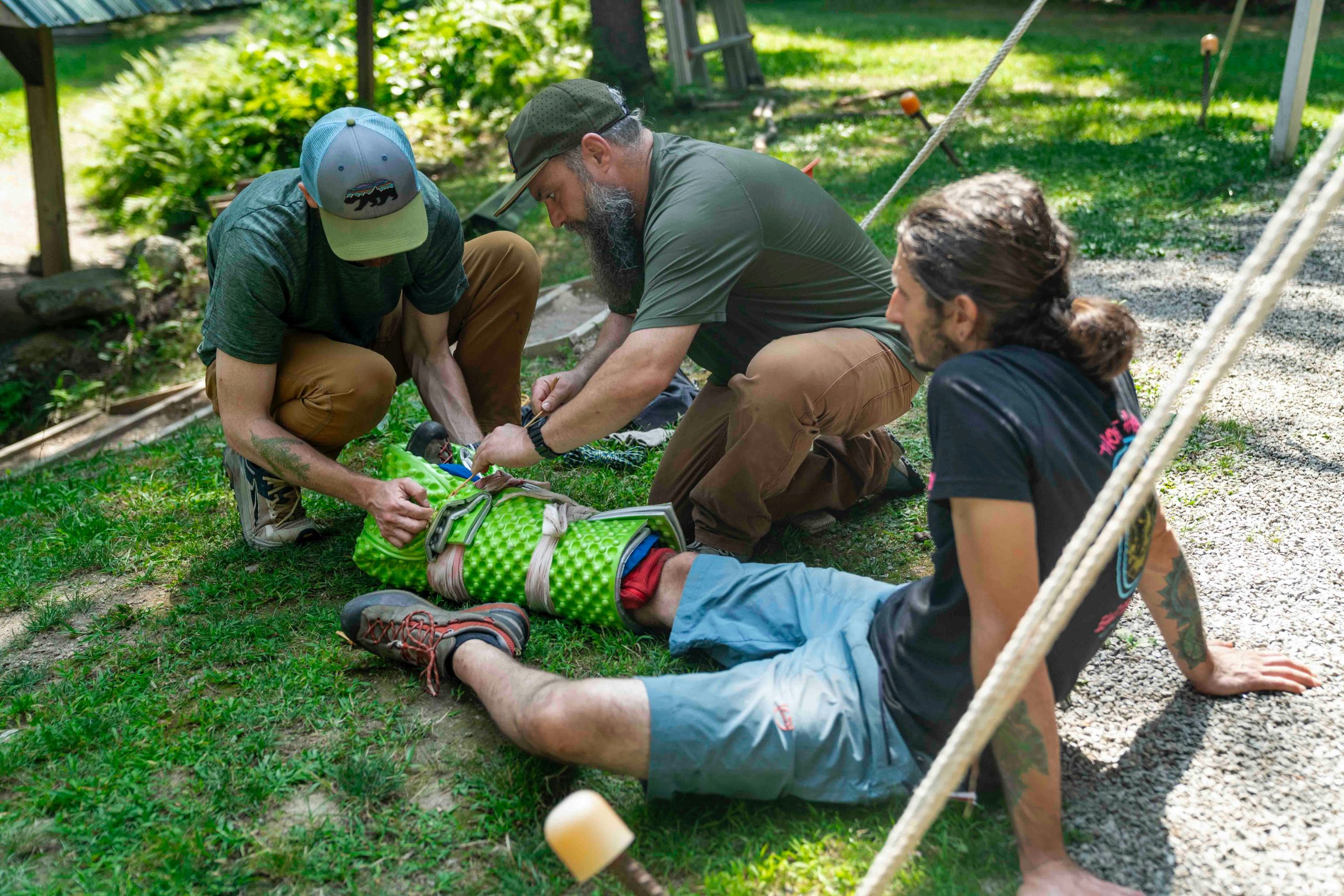
Injuries in the wild can become life-threatening if untreated. Knowing basic first aid allows you to control bleeding, clean wounds, and stabilize fractures. Pressure and elevation help stop bleeding, while clean water reduces infection risk. Improvised bandages can be made from clothing. Splints using sticks and cordage prevent further damage. Recognizing signs of shock, hypothermia, or heat exhaustion is equally important. Staying calm and acting quickly often matters more than advanced medical tools. First aid knowledge turns limited supplies into life-saving resources.
6. Signaling for Rescue
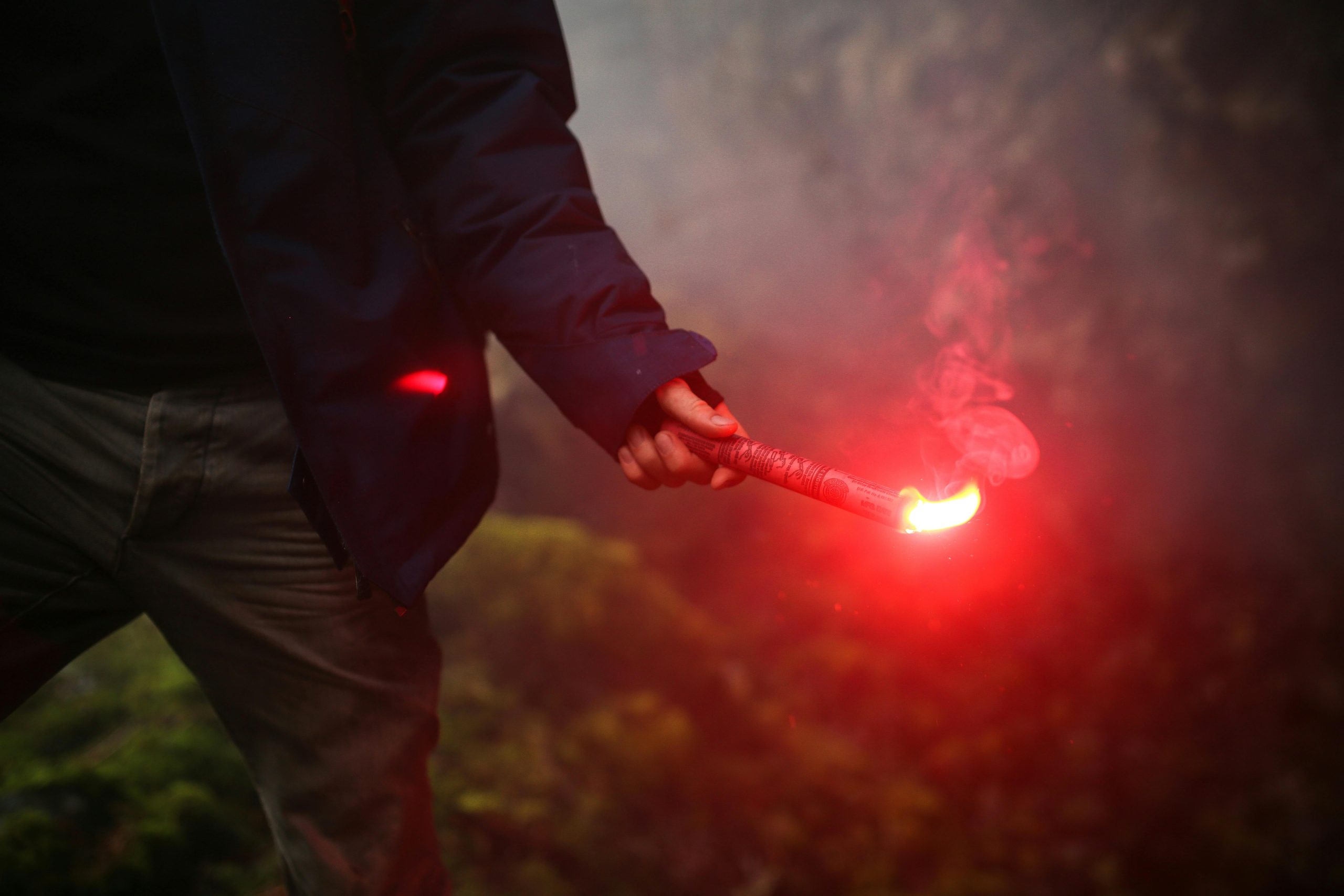
Being seen or heard dramatically increases survival chances. Visual signals, such as smoke, signal fires, and reflective surfaces, attract attention from a distance. Three fires in a triangle or three loud sounds are universal distress signals. Bright clothing, ground symbols, or moving reflections from mirrors or metal can catch an aircraft’s attention. Sound signals using whistles carry farther than shouting and conserve energy. Choosing open areas for signaling improves visibility. Effective signaling means thinking like a rescuer and making yourself impossible to overlook.
7. Identifying Edible Plants Safely
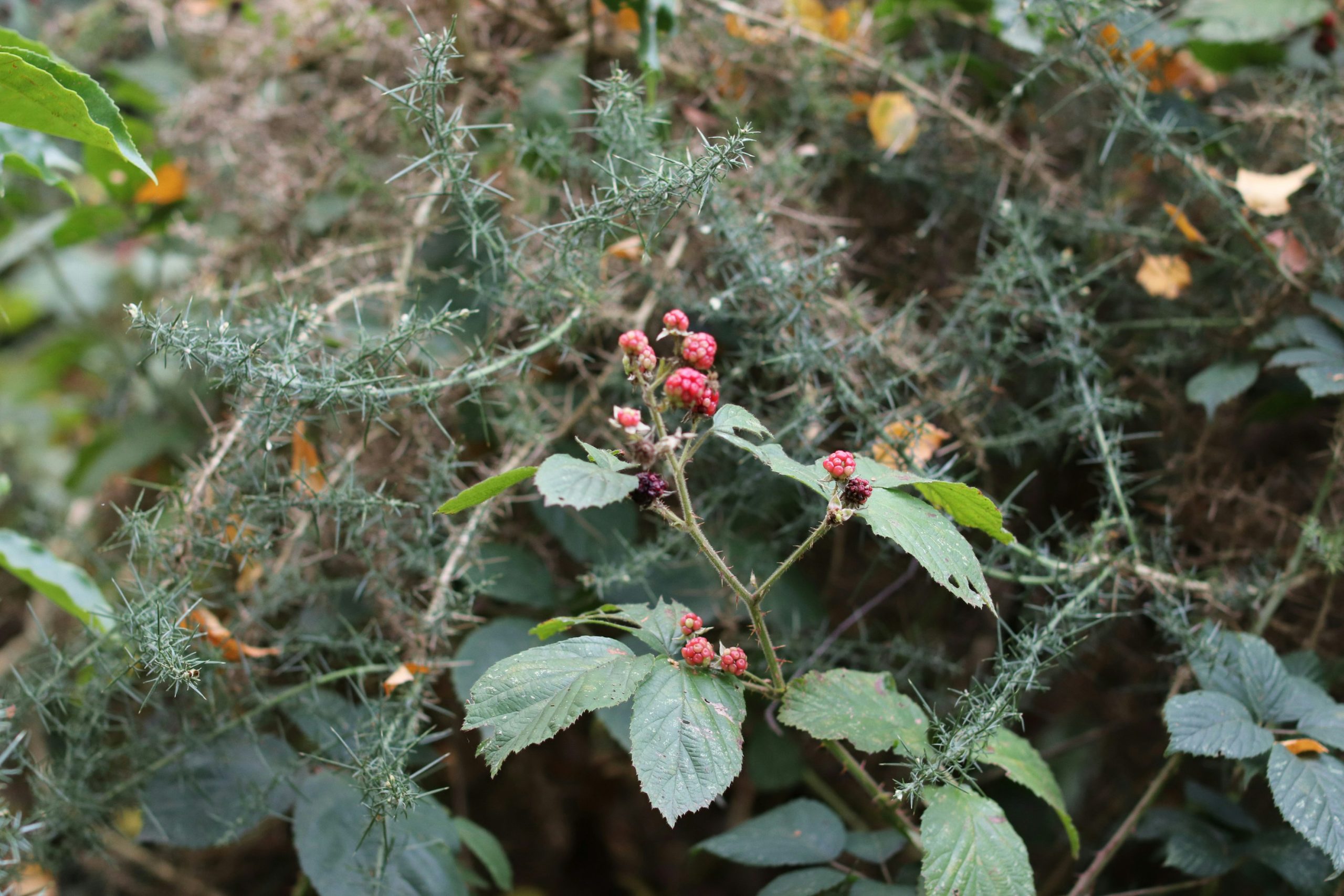
Wild plants can provide nutrients, but misidentification is dangerous. Learning a small number of safe, common edible plants is better than guessing many. Focus on widely known options like cattails, dandelions, and wild berries with clear identification features. Avoid plants with milky sap, shiny leaves, or almond-like smells unless confirmed safe. Test new plants cautiously and never eat large amounts at once. Knowledge and patience prevent poisoning. Proper plant identification supplements food intake and boosts long-term survival.
8. Trapping and Fishing for Food
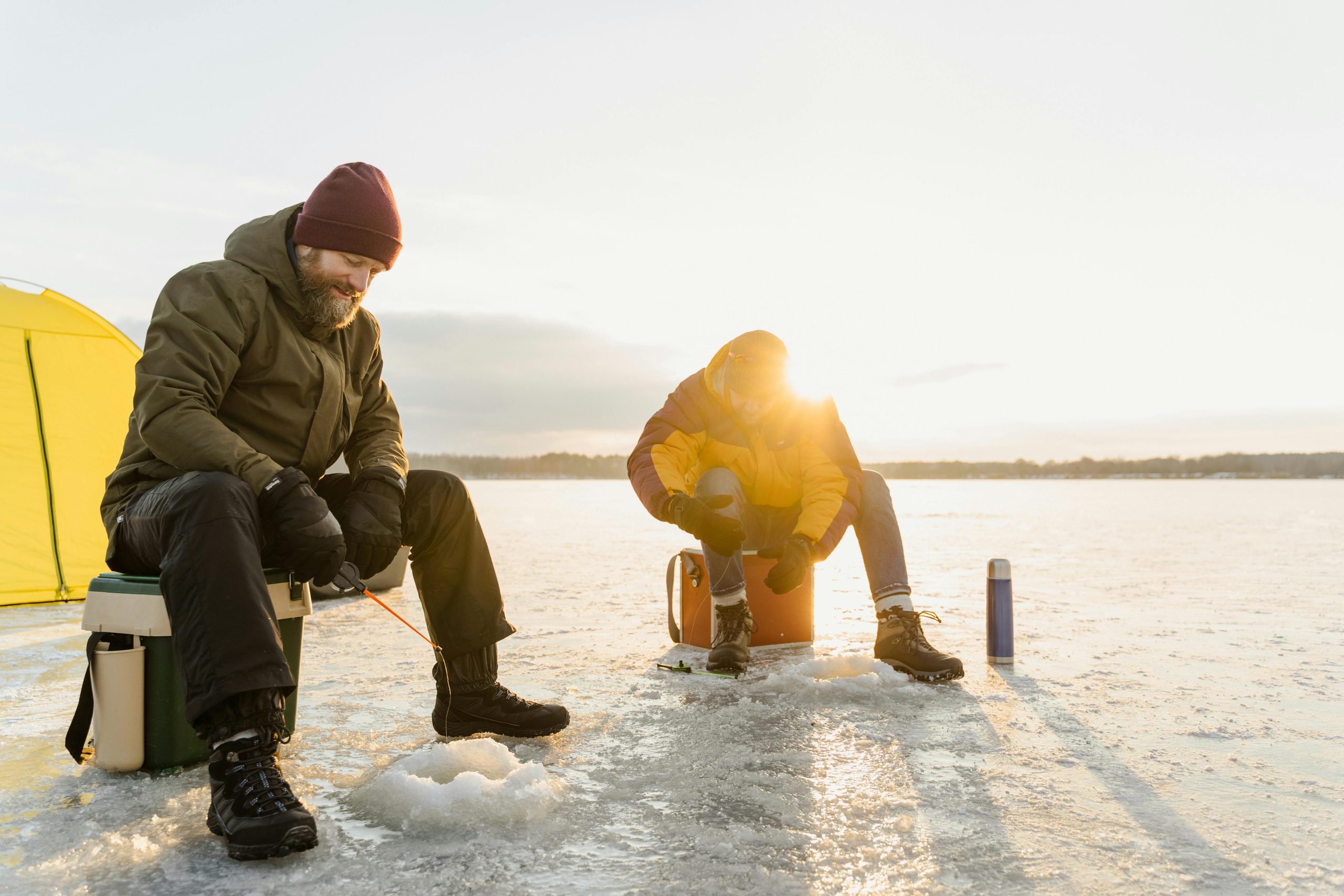
Hunting burns energy, but passive food collection is more efficient. Simple traps and fishing methods work while you rest. Snares made from wire or cordage target small animals along trails. Fishing with improvised hooks, lines, or spears works in shallow water. Understanding animal behavior and placement matters more than complex designs. Check traps regularly and respect local wildlife laws when practicing. Protein supports strength and recovery. Smart food gathering balances effort with reward and prevents exhaustion.
9. Knife Skills and Tool Use
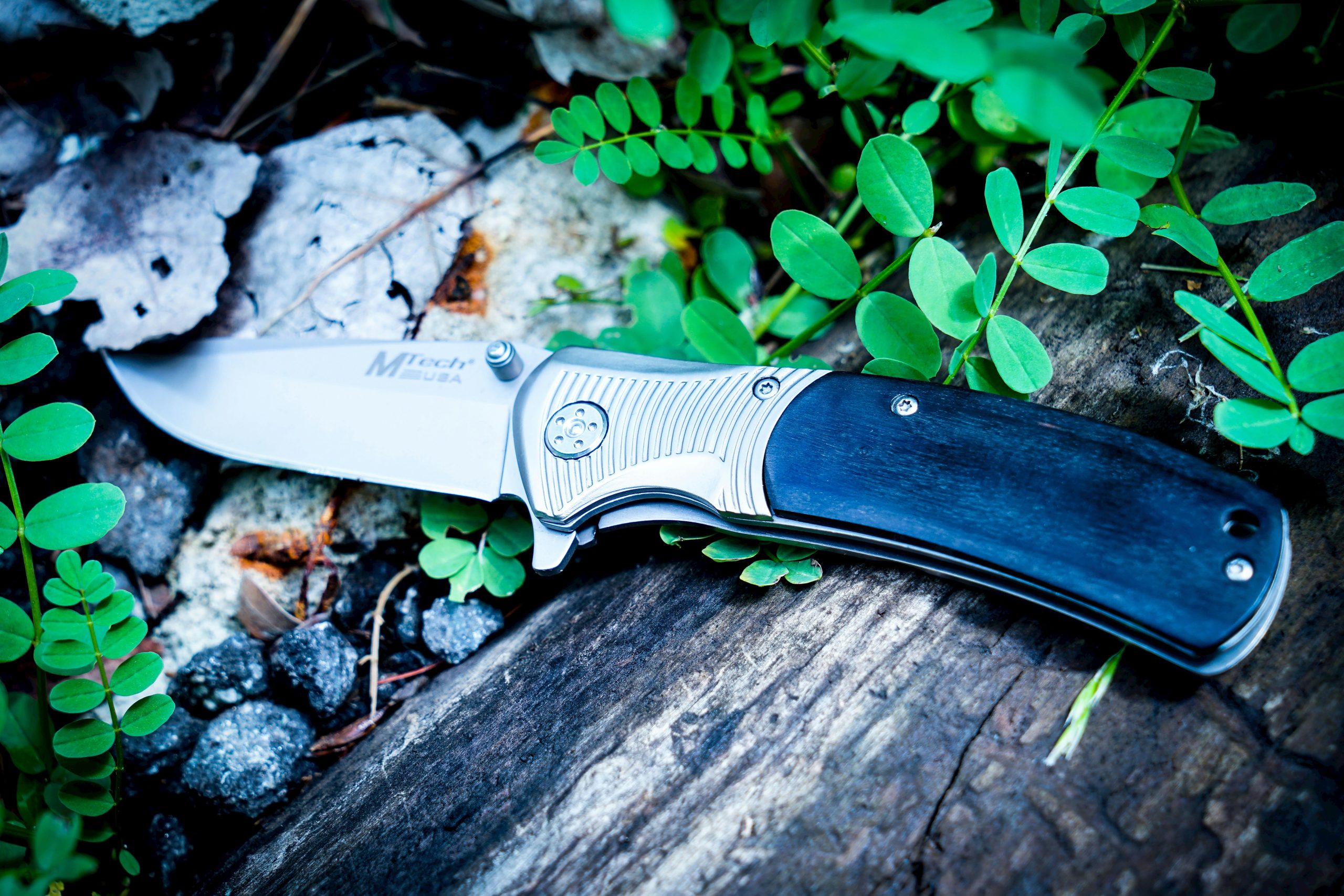
A knife is one of the most valuable survival tools, but skill matters more than size. Proper grip, controlled cuts, and safe carving prevent injury. Knives help create tools, prepare food, and build shelters. Batoning wood, not prying, protects the blade. Keeping the knife sharp reduces effort and accidents. Improvised tools like digging sticks or spears expand your capabilities. Respecting your knife as a precision tool improves efficiency and safety. Good knife skills multiply survival options with minimal gear.
10. Making Cordage From Natural Materials
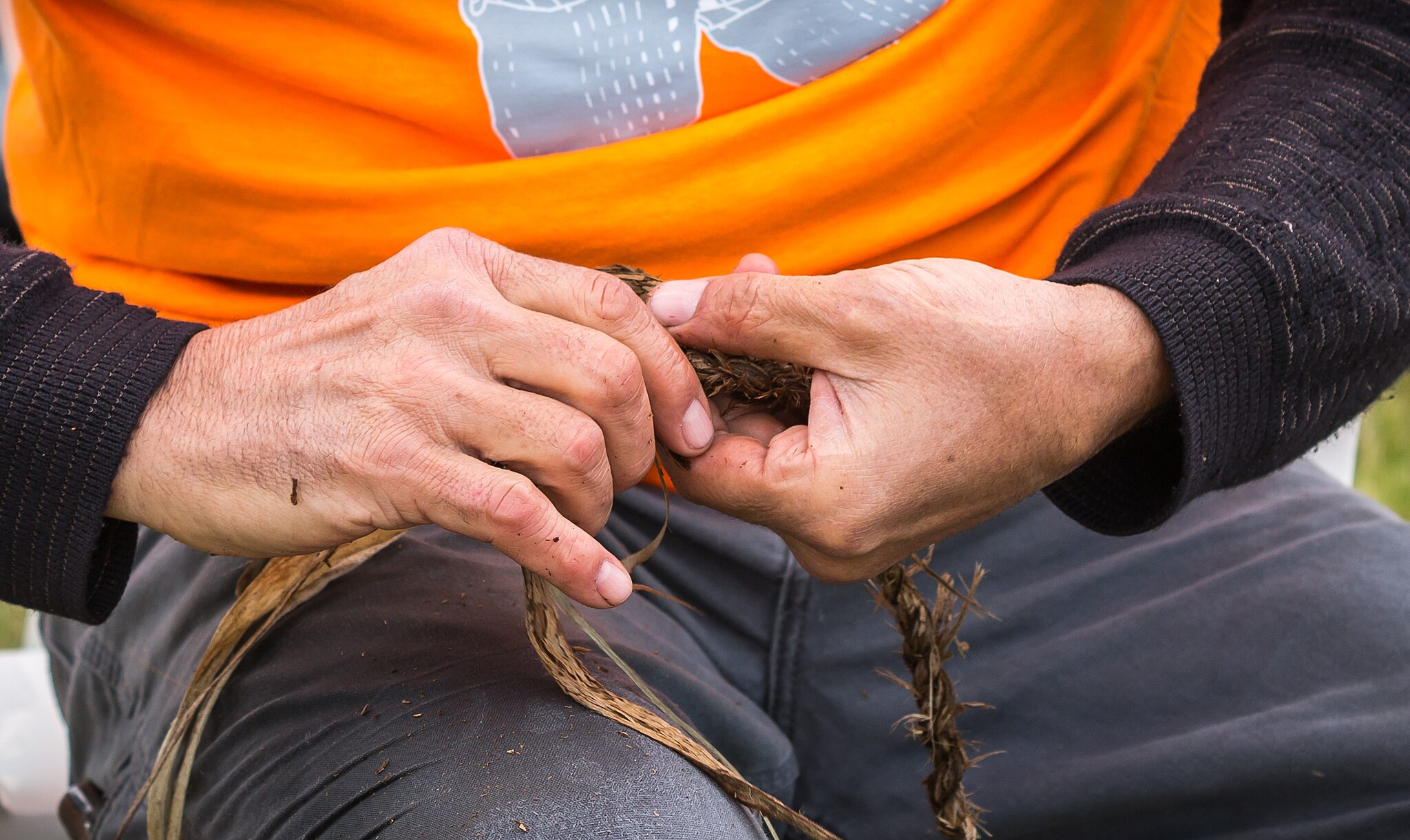
Cordage holds shelters together, secures tools, and creates traps. Natural fibers from plants like bark, grasses, and vines can be twisted into strong rope. The key is proper fiber separation, drying, and twisting technique. Reverse wrapping increases strength and durability. Even weak cordage becomes effective when layered. Learning this skill removes dependence on modern supplies. Cordage is a quiet but essential survival element. Mastery allows you to build, repair, and adapt using only what nature provides.
11. Staying Warm in Cold Conditions
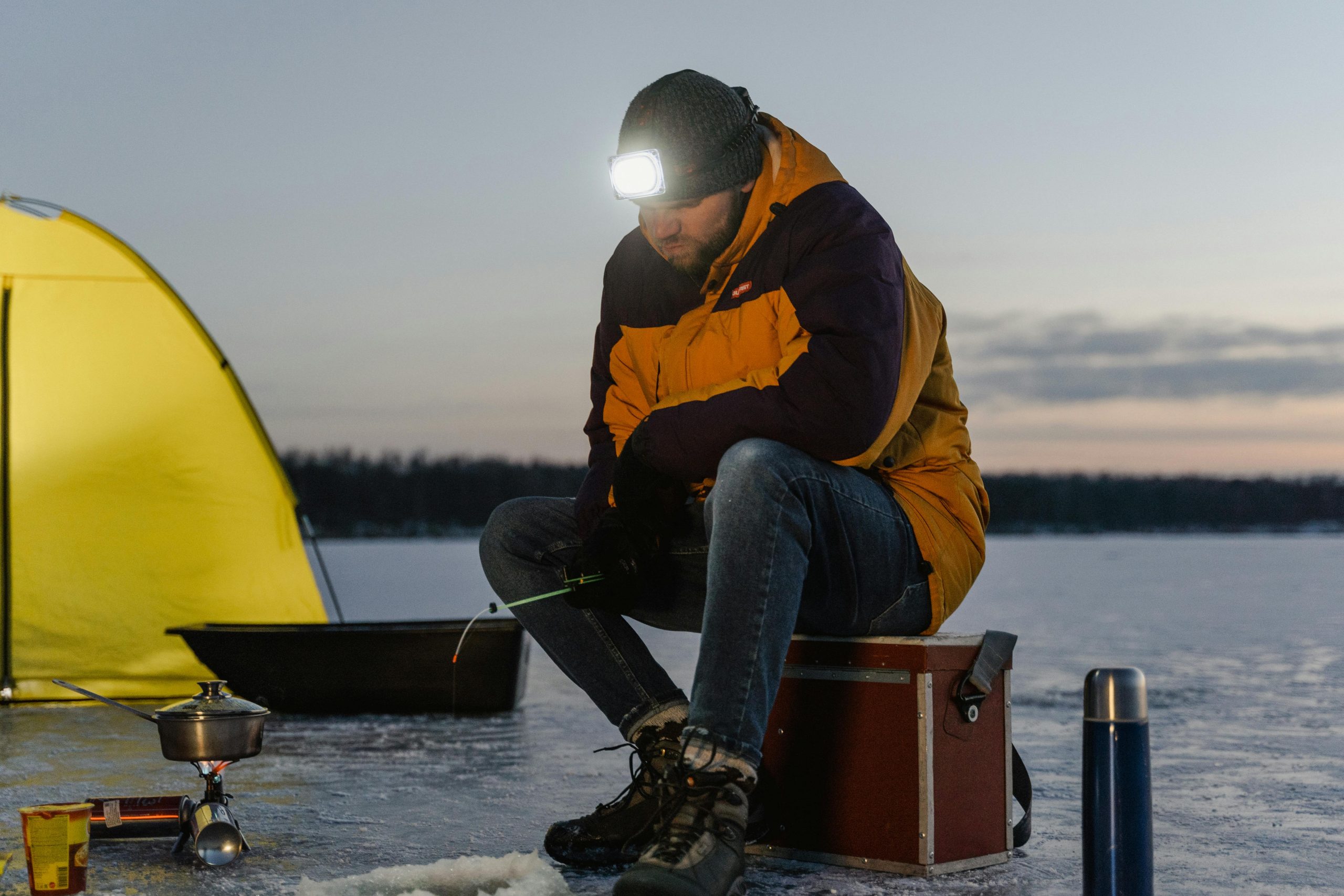
Cold drains energy and can lead to hypothermia quickly. Staying dry is the priority because moisture accelerates heat loss. Layering insulation, blocking wind, and using fire wisely preserve body heat. Movement should be controlled to avoid sweating. Eating high-energy foods and staying hydrated supports warmth. Using natural insulation like leaves or pine needles under your body prevents ground heat loss. Understanding cold management keeps your mind sharp and body functional in harsh environments.
12. Managing Heat and Preventing Heat Illness
Heat can be just as dangerous as cold. Dehydration and heat exhaustion reduce judgment and strength. Shade, loose clothing, and reduced movement during peak sun hours protect the body. Evaporative cooling using damp cloths helps regulate temperature. Drinking small amounts of water regularly is better than drinking large amounts at once. Electrolyte balance matters during heavy sweating. Recognizing early signs of heat stress prevents collapse. Smart heat management preserves endurance and mental clarity.
13. Reading Weather and Environmental Signs
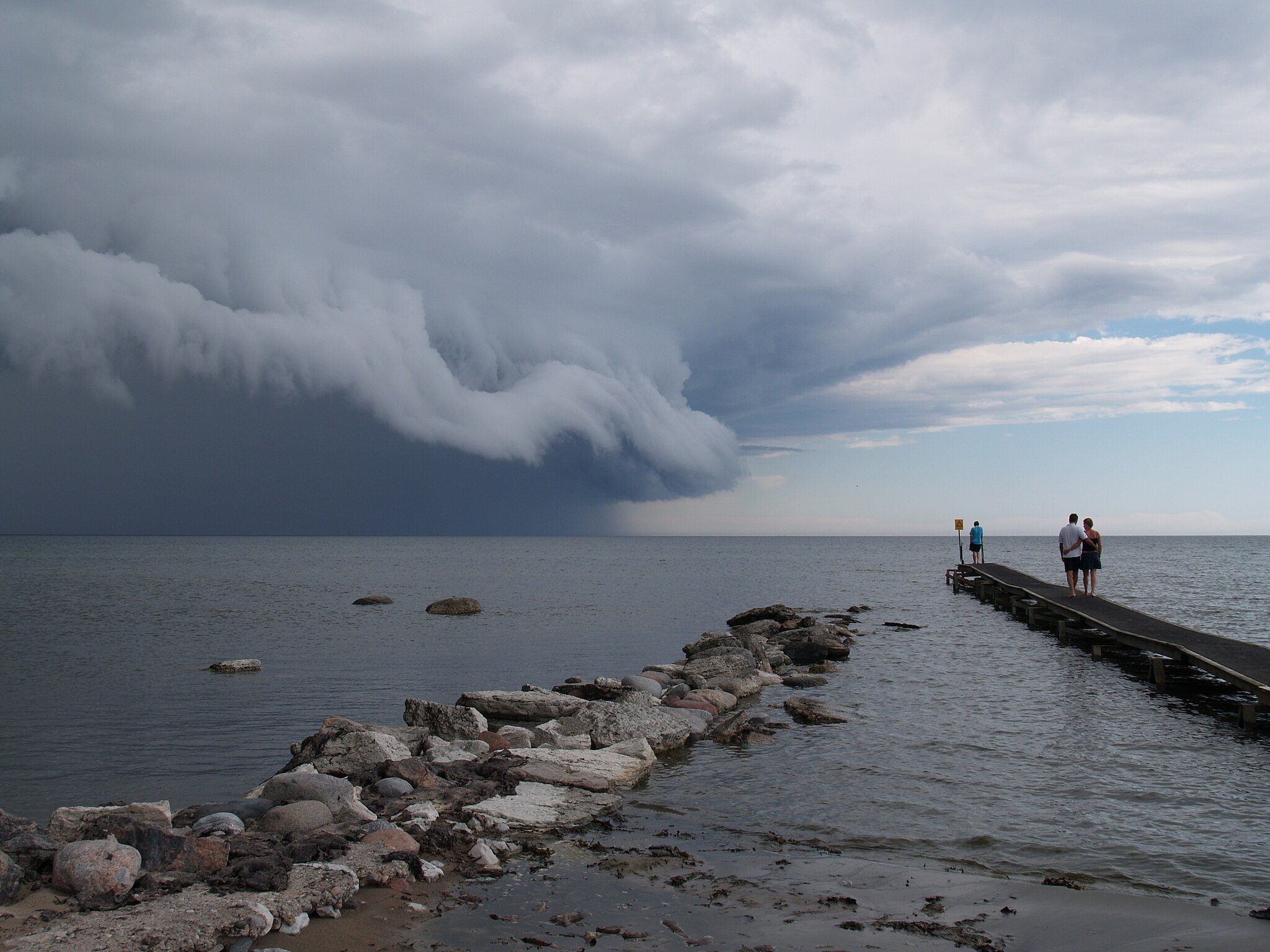
Weather awareness allows you to prepare before conditions worsen. Cloud shapes, wind shifts, and animal behavior often signal changes. Sudden temperature drops or rising winds can indicate storms. Smelling rain or noticing pressure-related discomfort may also provide clues. Choosing shelter locations with weather in mind reduces risk. Adapting plans early prevents emergencies. Nature offers warnings to those who observe carefully. Reading these signs improves safety and decision-making in unpredictable environments.
14. Mental Control and Stress Management
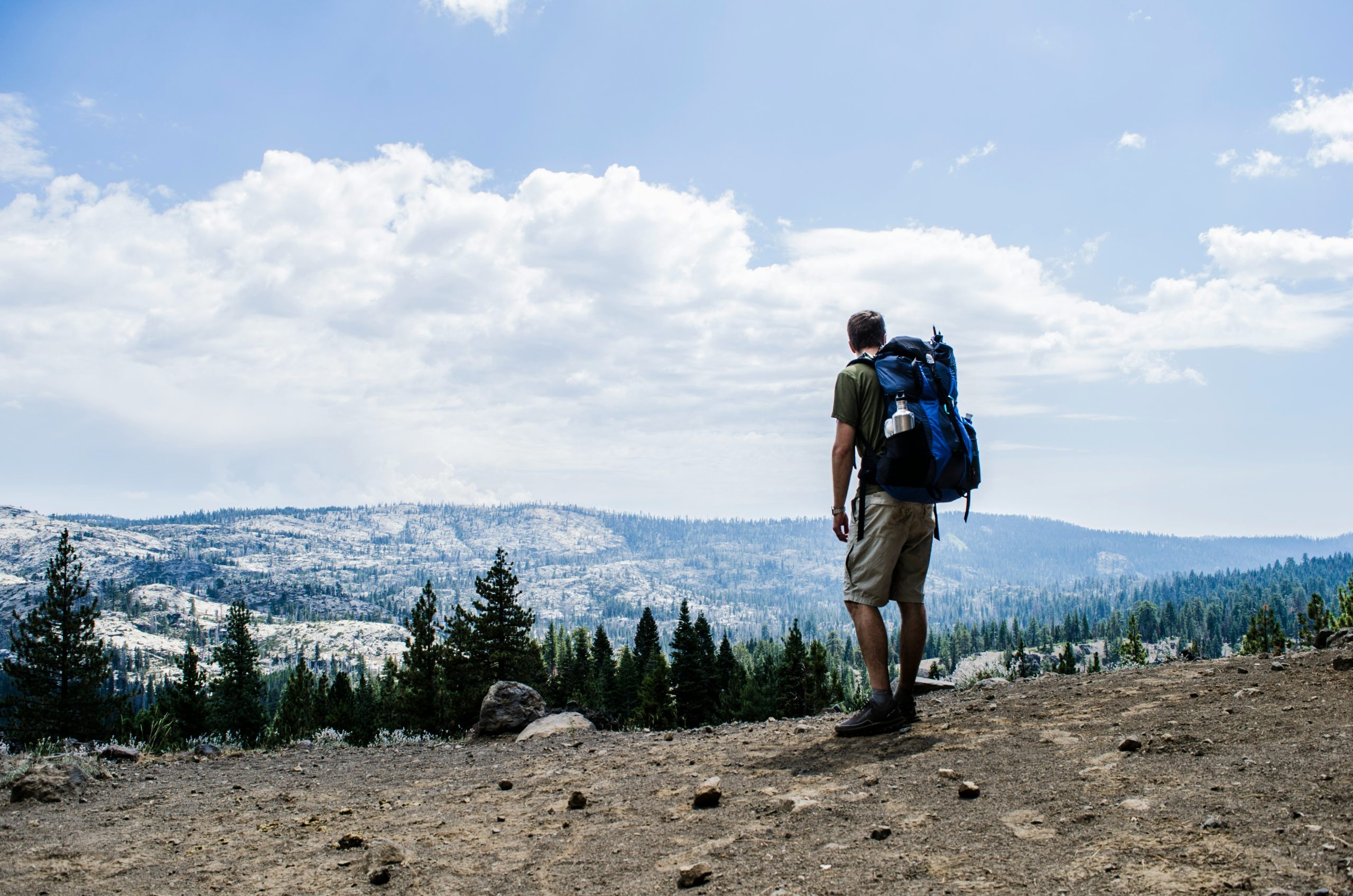
Survival is as much mental as physical. Panic wastes energy and clouds judgment. Controlled breathing, small achievable goals, and positive self-talk keep the mind focused. Accepting the situation rather than fighting it reduces stress. Routine tasks provide structure and calm. Remembering that rescue or self-recovery is possible builds resilience. A steady mindset helps you think clearly and use skills effectively. Mental discipline often determines survival outcomes more than physical strength.
15. Crossing Rivers and Difficult Terrain
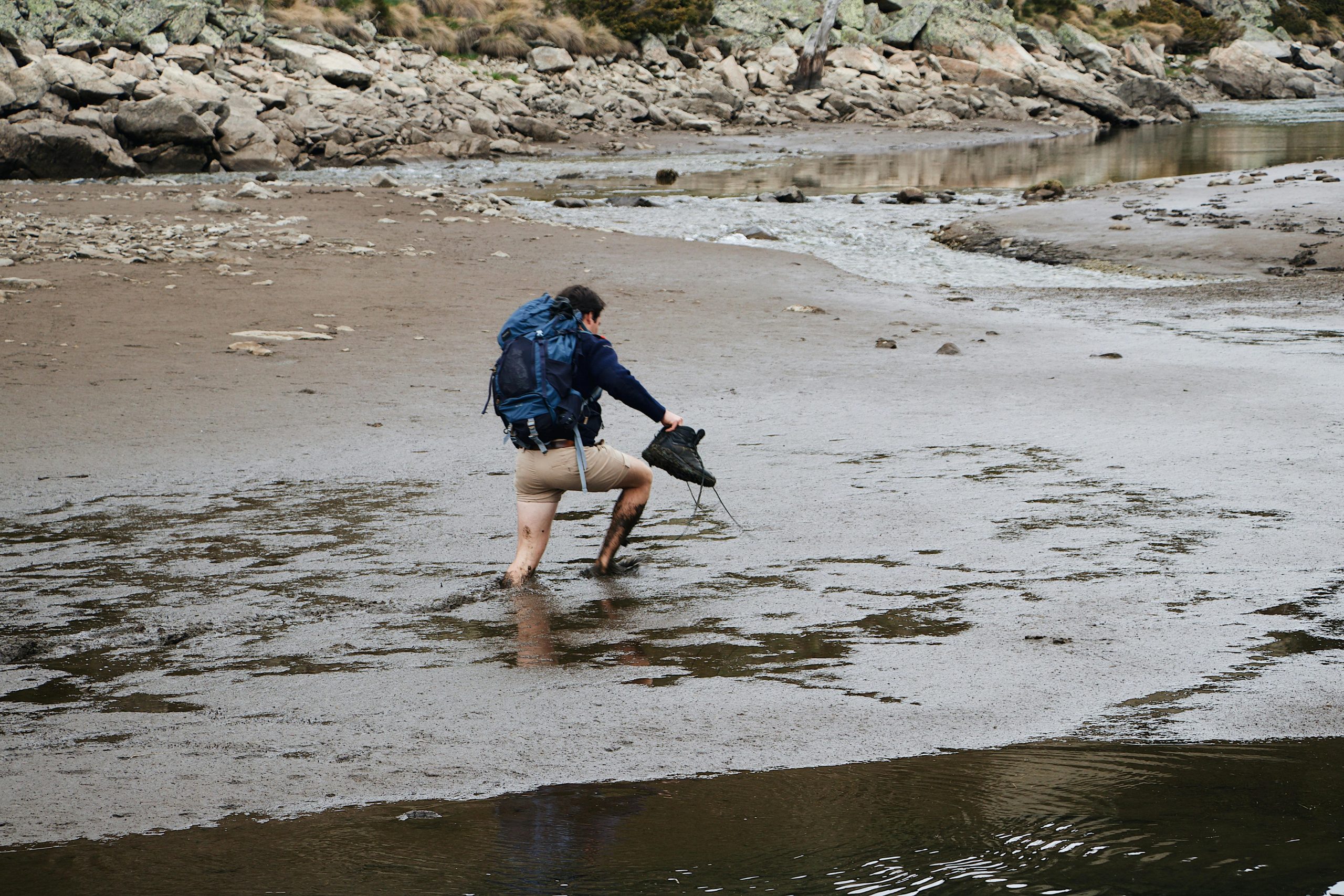
Moving through the wild often means crossing obstacles. Rivers should be approached with caution due to strong currents and cold water. Cross at wide, shallow points and use a stick for balance. Unbuckle packs to prevent being pulled under. On steep terrain, slow deliberate movement prevents injury. Testing footing and planning routes saves energy. Knowing when not to cross is also critical.
16. Using the Sun for Time and Direction
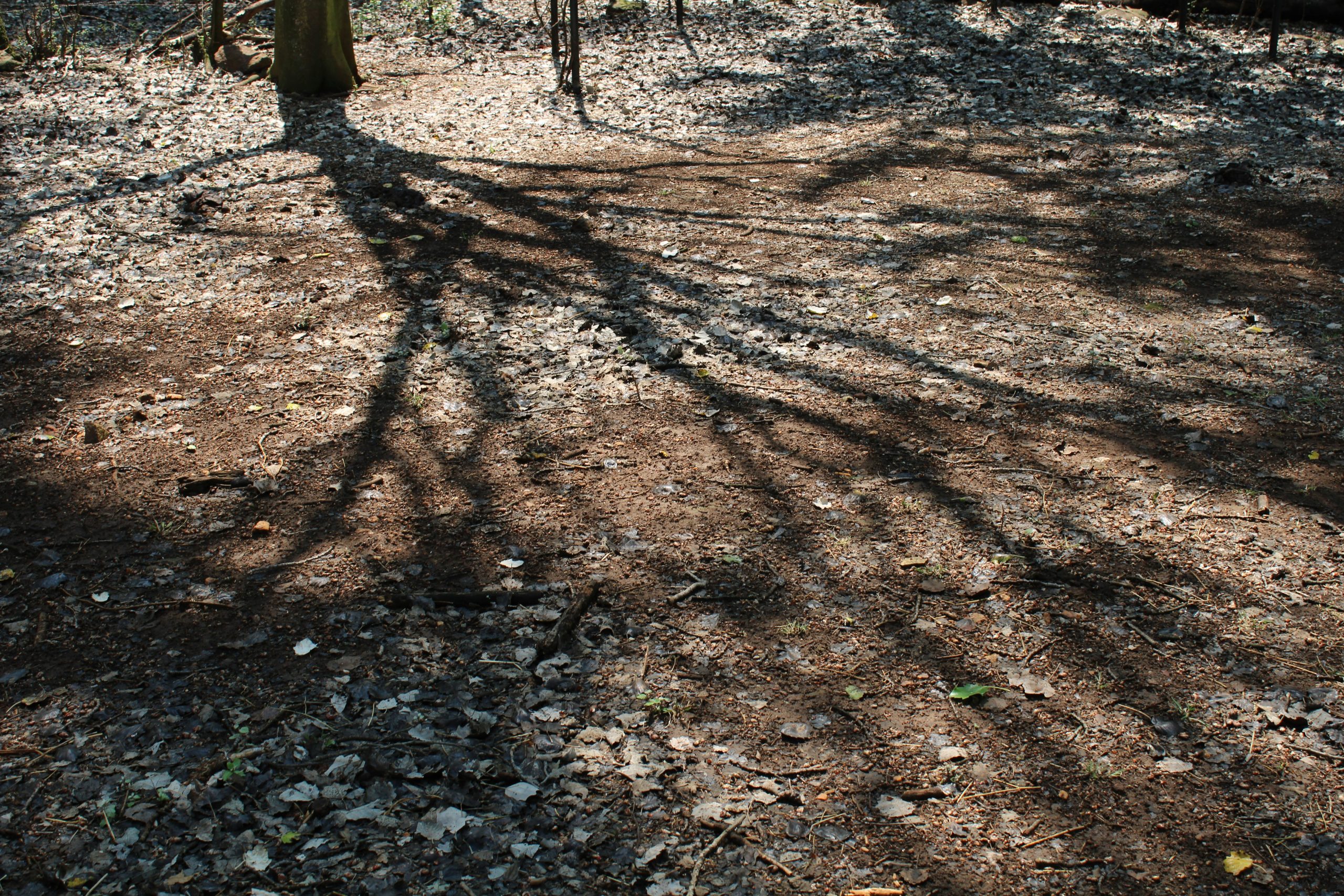
The sun provides reliable information when tools are absent. Shadow stick methods help estimate direction and time. Tracking the sun’s movement prevents walking in circles. Planning travel based on daylight conserves energy and reduces risk. Understanding seasonal sun paths improves accuracy. Using the sun together with terrain awareness strengthens navigation. This ancient skill remains practical and dependable. Sun-based awareness keeps you oriented and improves travel efficiency.
17. Creating and Using Signal Fires
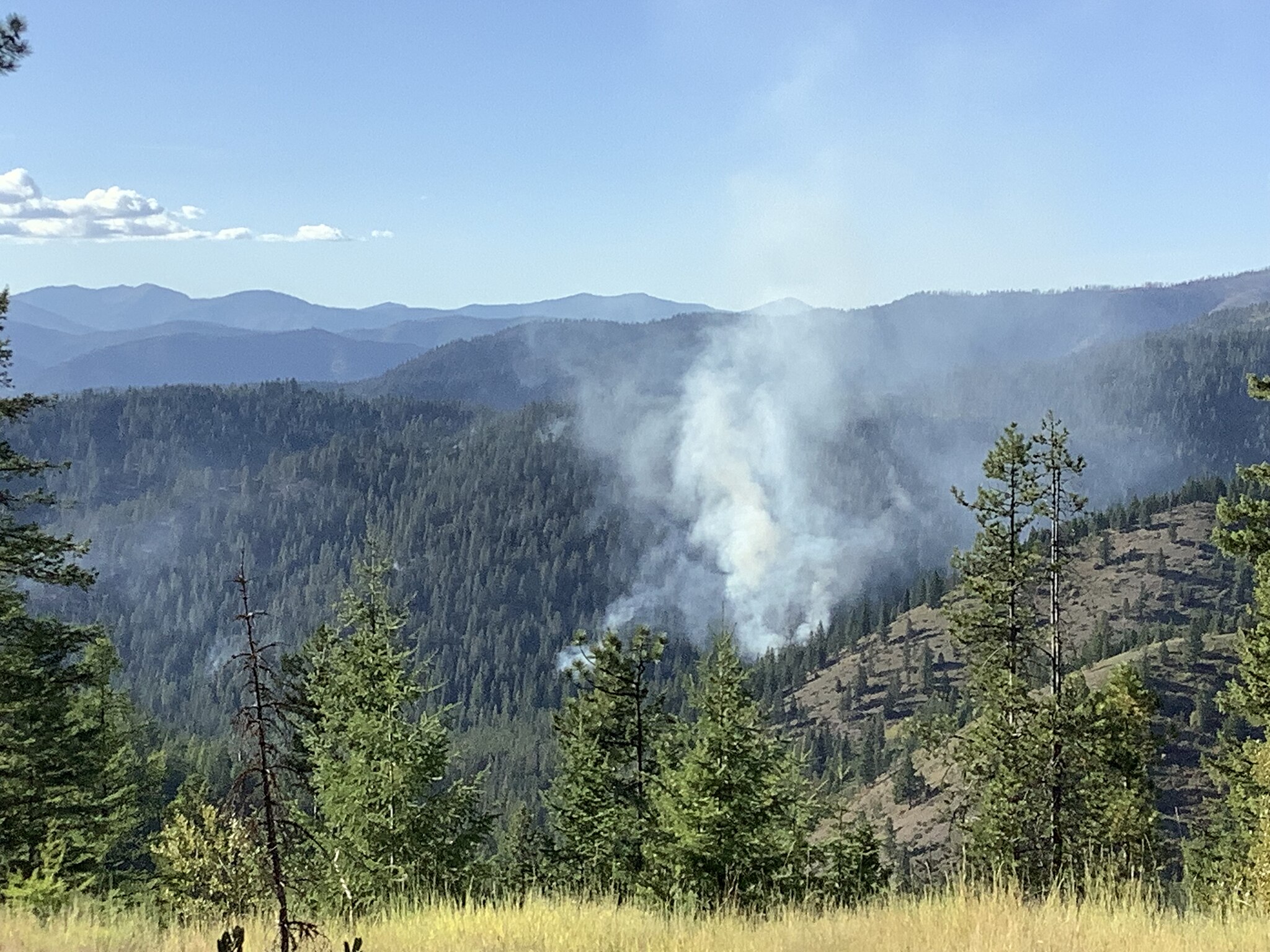
Signal fires differ from warmth fires. They are designed for visibility and contrast. Using green vegetation creates thick smoke that stands out. Placing fires in open areas or elevated ground improves detection. Fire spacing and shape can convey distress clearly. Maintaining control prevents wildfire risk. Signal fires combine communication and survival awareness. Proper use turns fire into a powerful rescue tool.
18. Improvising Tools From Natural Resources

Improvisation expands survival capability without modern gear. Sharp stones, bones, and wood can become cutting, digging, or hunting tools. Understanding leverage and material strength matters more than appearance. Simple tools often work best. Testing and refining tools improve performance. Creativity and patience drive success. Improvised tools reflect adaptability, which is central to survival. Using nature as a supply kit reduces dependence and increases confidence.
19. Energy Conservation and Movement Control

Wasting energy shortens survival time. Efficient movement, planned tasks, and rest periods preserve strength. Avoid unnecessary travel and heavy loads. Sit, kneel, or lie down during prolonged tasks. Using the environment for support reduces strain. Eating and drinking strategically support endurance. Survival favors steady progress over speed. Energy management ensures you last long enough to reach safety or rescue.
20. Knowing When to Stay or Move
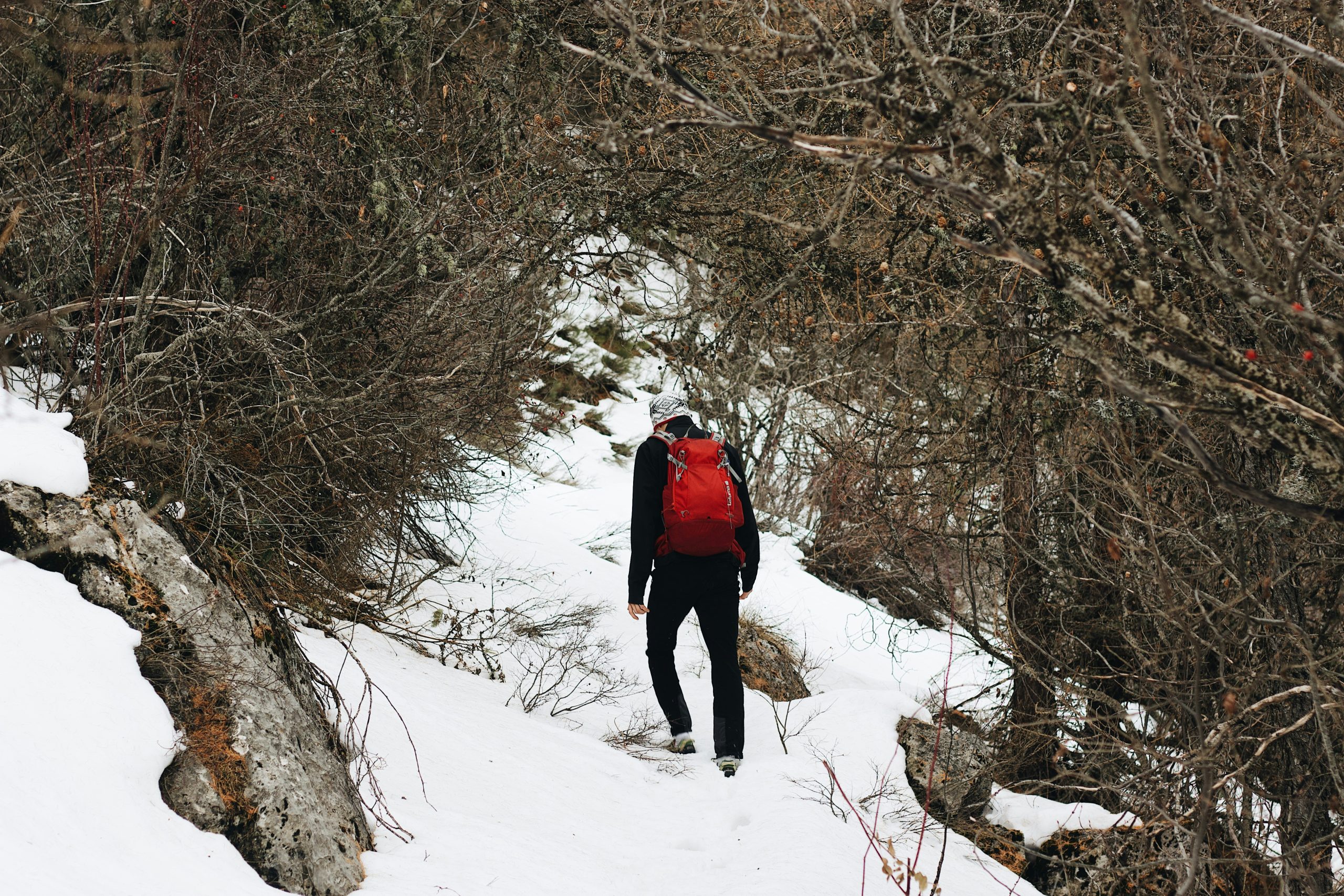
One of the hardest survival decisions is choosing between staying put and moving. Staying is often safer when injured or lost because it improves rescue chances. Moving may be necessary to find water or escape danger. Evaluate resources, health, weather, and terrain before deciding. Mark your location if you move. Logical decision-making prevents fatal mistakes. This skill combines all others into a final judgment that can determine survival success.