Fall is one of the most popular seasons for camping in the United States. According to the 2023 North American Camping Report by Kampgrounds of America (KOA), nearly 48% of campers prefer fall trips due to cooler weather and fewer crowds. National Park Service visitation data also shows a surge in autumn months at key destinations where fall foliage peaks. Below are 20 camping spots across the U.S. known for their fall beauty, biodiversity, and camping accessibility.
Smoky Splendor: Great Smoky Mountains National Park, Tennessee & North Carolina
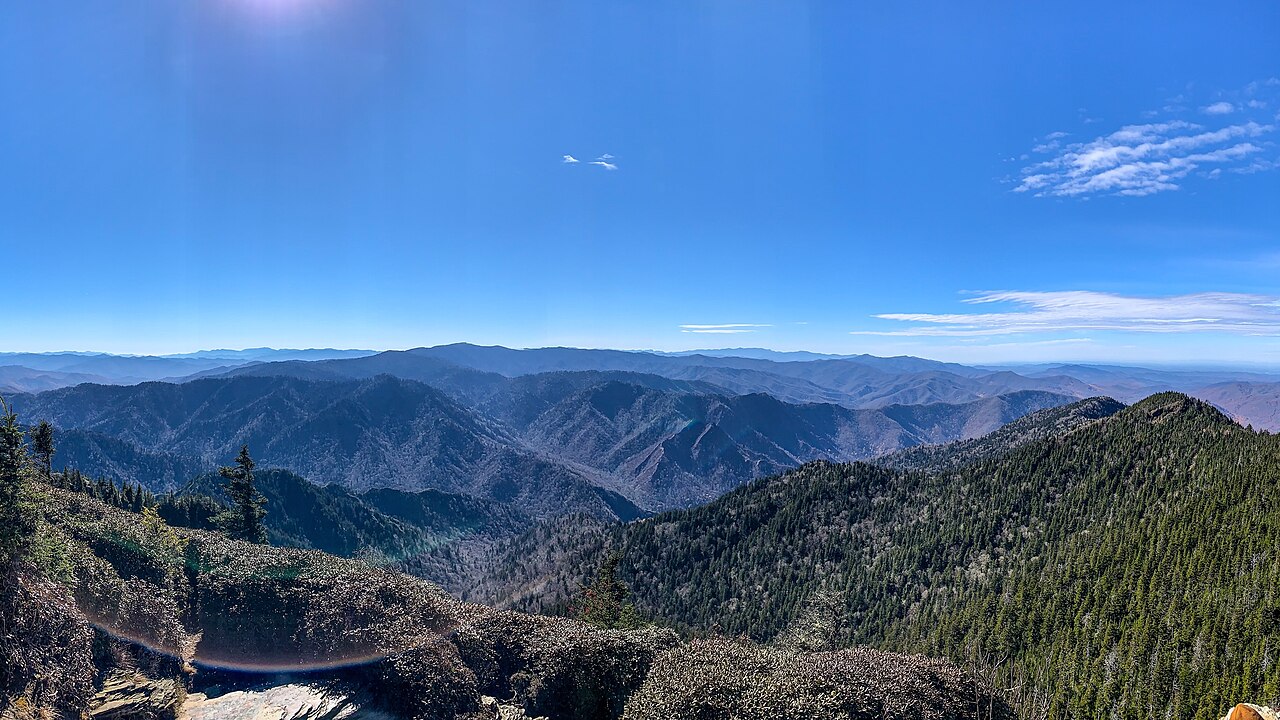
Home to over 100 native tree species, the Great Smoky Mountains showcase one of the longest fall foliage seasons in the country, lasting from mid-September through early November. With 10 developed campgrounds and over 850 miles of trails, visitors can enjoy both car camping and backcountry experiences. According to the National Park Service, the park attracts over 12 million annual visitors, with October being one of the busiest months due to its vivid maple, oak, and hickory displays.
Coastal Colors: Acadia National Park, Maine
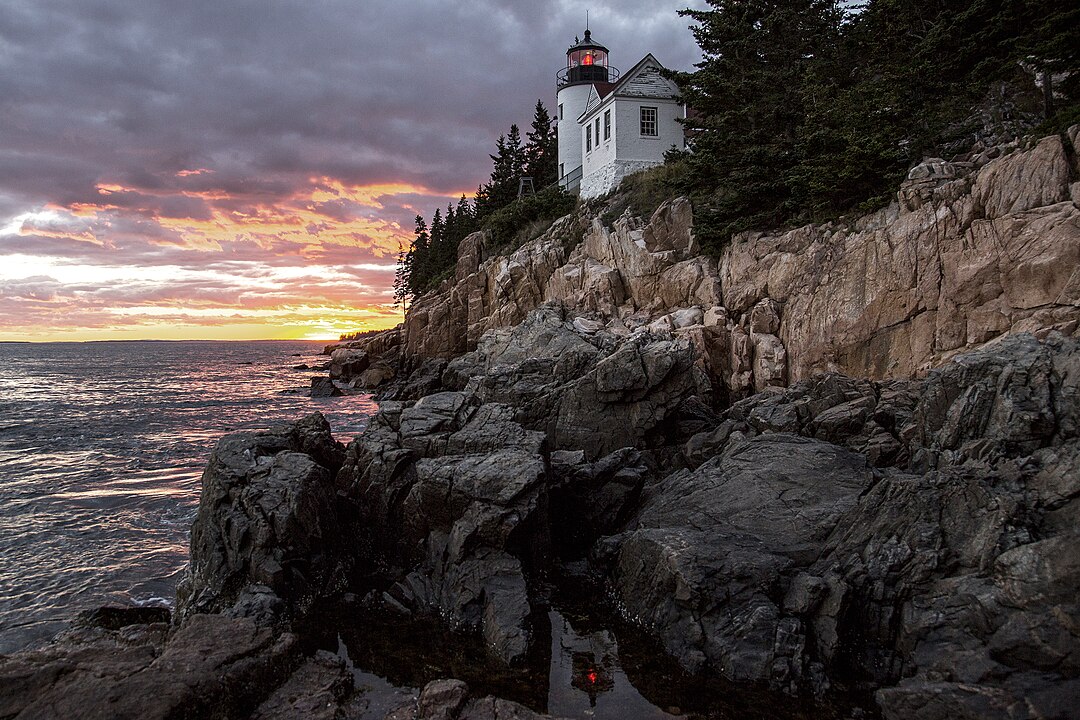
Acadia offers a spectacular fall camping experience with peak foliage typically occurring in the first two weeks of October. The park’s 120 miles of hiking trails wind through hardwood forests dominated by sugar maples and birches that turn red and gold. Blackwoods and Seawall campgrounds remain open through October, providing easy access to Cadillac Mountain, where visitors can be among the first in the U.S. to see sunrise. Acadia welcomes about 4 million visitors annually, with fall accounting for nearly a quarter of its visitation.
Rugged Coastlines: Big Sur, California
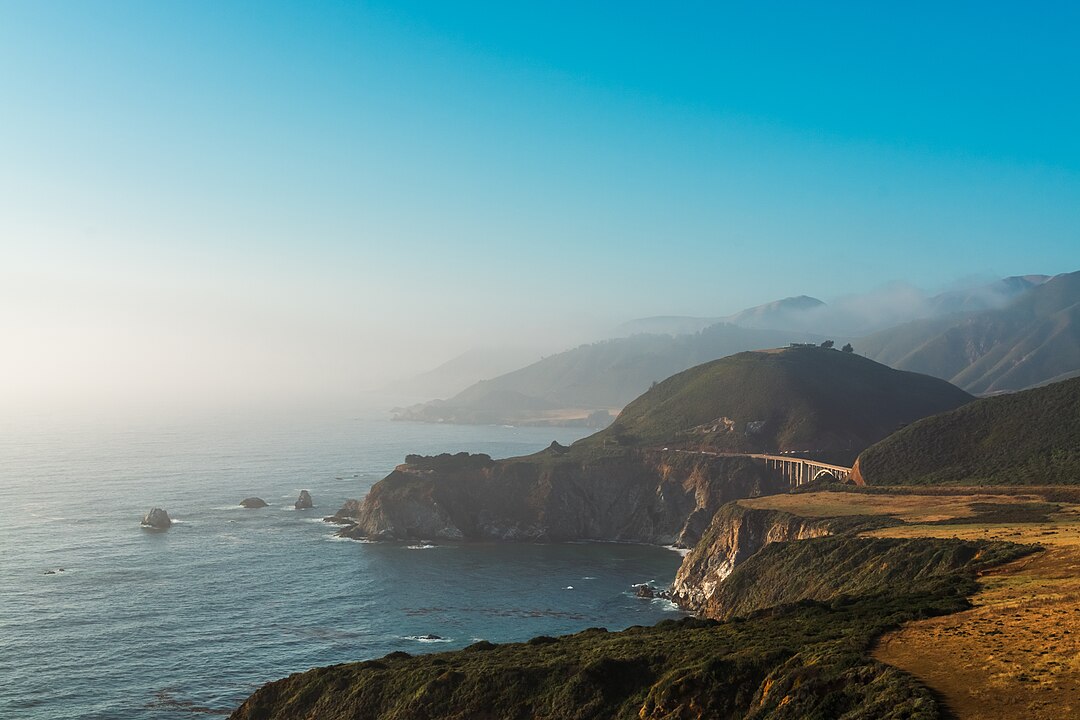
Big Sur is famous for its dramatic cliffs along Highway 1, but fall offers calmer weather and fewer tourists. Pfeiffer Big Sur State Park and Andrew Molera State Park provide camping opportunities surrounded by redwoods that retain their deep green while coastal scrubland shifts to golden tones. The California Department of Parks reports that visitation drops by nearly 30% after Labor Day, giving fall campers quieter access to iconic spots like McWay Falls and Bixby Creek Bridge.
Barrier Island Beauty: Assateague Island National Seashore, Maryland
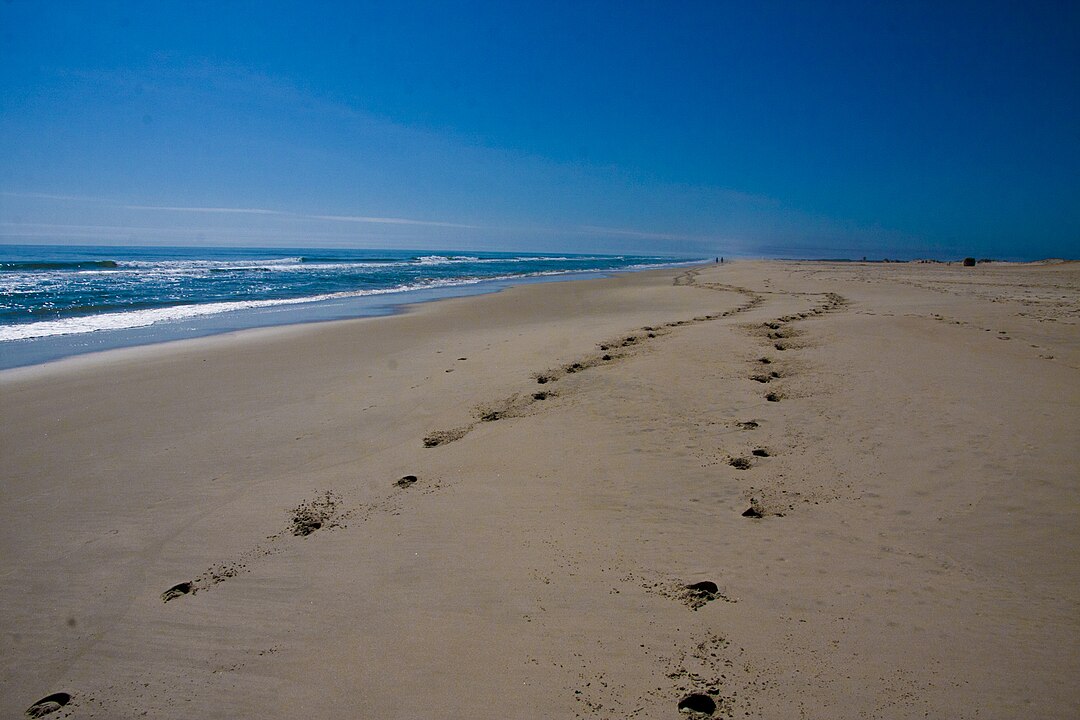
Fall camping on Assateague Island means fewer mosquitoes, cooler weather, and encounters with its 300 wild horses. The National Seashore offers both oceanside and bayside camping, with reservations recommended for weekends through October. Bird migration peaks in fall, with over 200 species recorded, including peregrine falcons and snow geese. According to the National Park Service, September and October see a 35% decline in visitor numbers compared to summer, creating a more tranquil camping experience.
Skyline Drive Views: Shenandoah National Park, Virginia
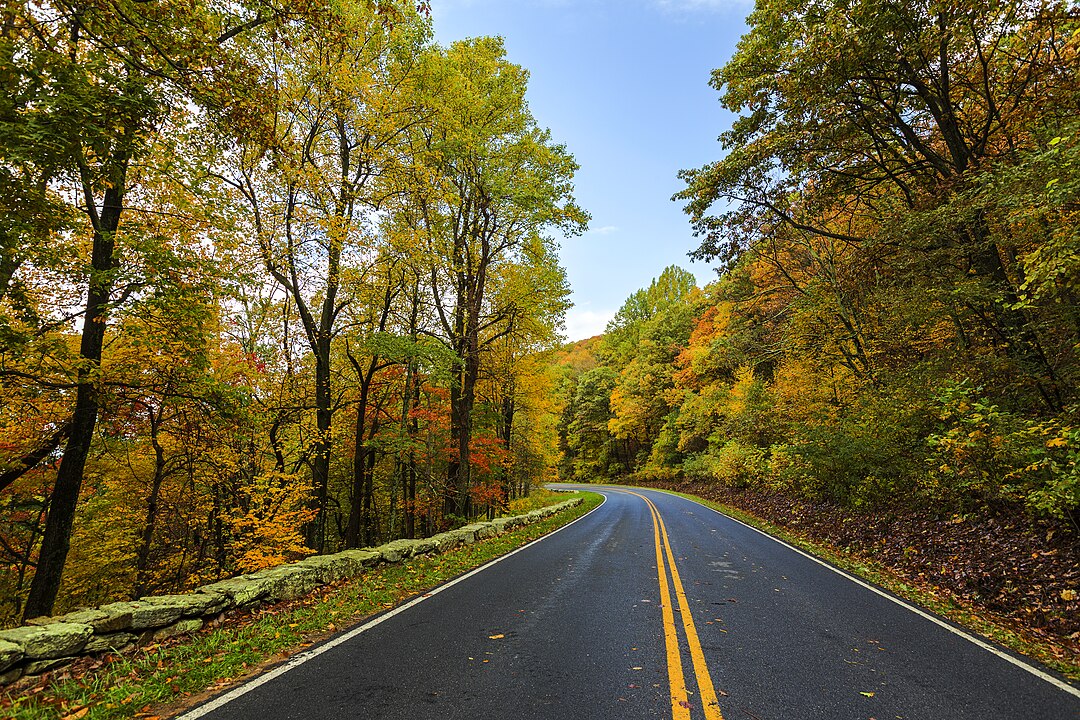
Shenandoah’s 75 overlooks along Skyline Drive make it a premier fall camping destination, especially in mid-October when oaks, hickories, and maples peak. The park has four main campgrounds, including Big Meadows, located directly on Skyline Drive. Data from the Virginia Department of Forestry notes that Shenandoah’s 200,000-acre forest is one of the largest contiguous protected hardwood forests in the eastern U.S. This biodiversity translates into a longer, more varied foliage season than many other East Coast parks.
Canyon Colors: Cloudland Canyon State Park, Georgia
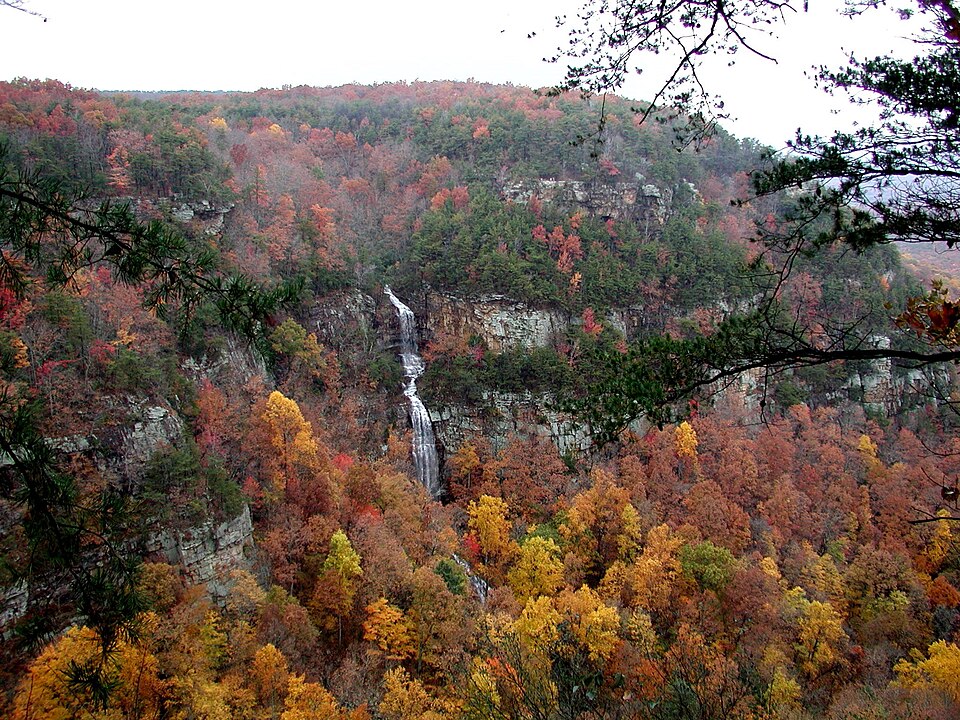
One of Georgia’s most scenic state parks, Cloudland Canyon offers deep sandstone gorges and forests that transform in late October. The park features 72 developed campsites, 30 cottages, and 16 yurts, making it versatile for different camping styles. Its 2-mile Waterfalls Trail provides views of Hemlock Falls framed by yellow poplars and red maples. According to Georgia State Parks visitation data, Cloudland Canyon is among the top five most visited parks in the fall due to its dramatic elevation changes and colorful leaf displays.
Desert Glow: Big Bend National Park, Texas
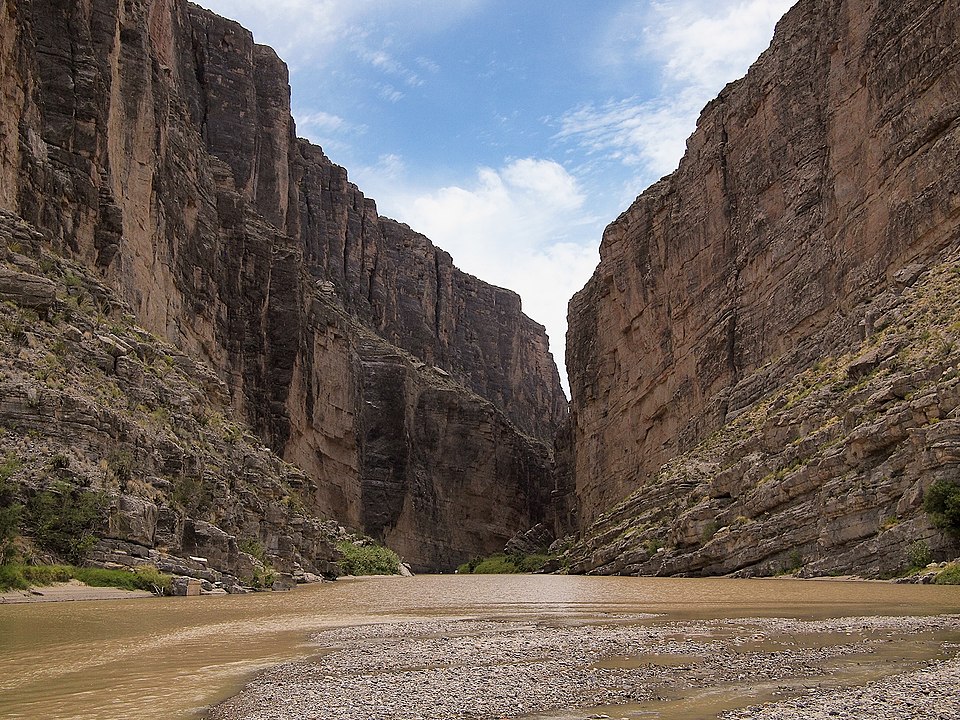
Big Bend’s fall season runs from late October to early November, when daytime highs average a comfortable 70°F. The Chisos Basin Campground, set at 5,400 feet, provides cooler nights and views of surrounding peaks with oak and juniper foliage. The park’s Rio Grande Village Campground is a hotspot for birdwatching during fall migration, with over 450 recorded bird species. According to the National Park Service, Big Bend sees its second-highest visitation spike in fall, after spring wildflower season.
Alpine Majesty: Gunnison National Forest, Colorado
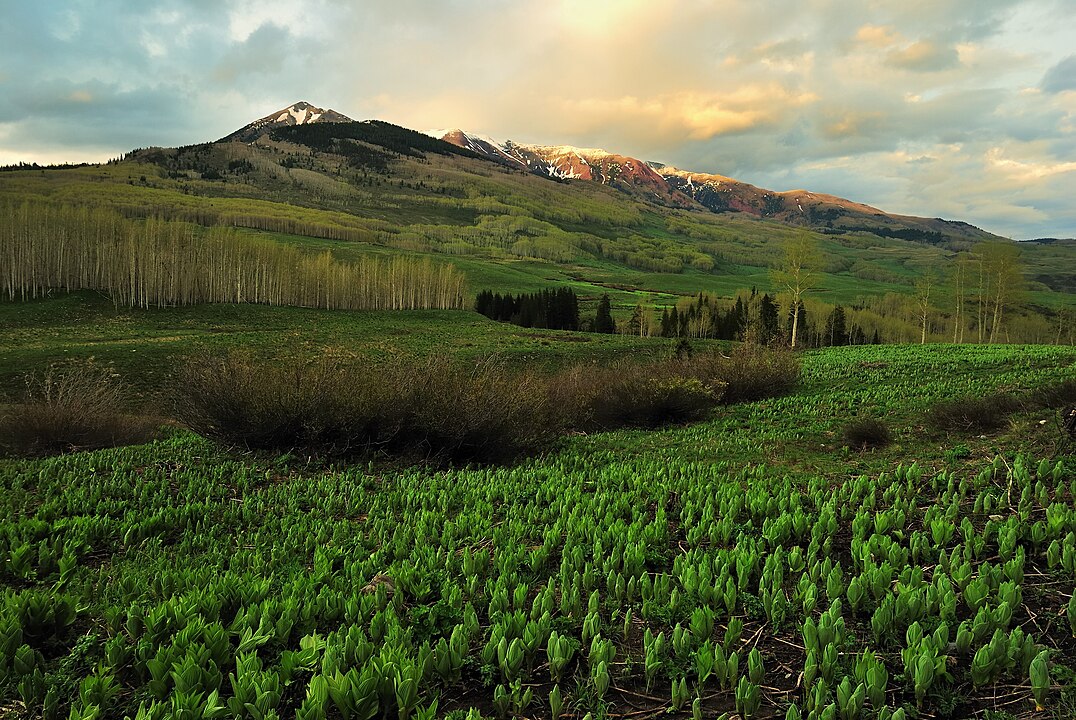
Covering nearly 1.7 million acres, Gunnison National Forest is one of Colorado’s top fall camping destinations, known for vast aspen groves that turn golden by late September. The forest surrounds Crested Butte, often called the “Wildflower Capital,” but in fall it shifts to golden valleys backed by snow-dusted peaks. Popular campgrounds like Lake Irwin close in early October, while dispersed camping remains available longer. U.S. Forest Service data highlights Gunnison as one of the state’s most visited fall leaf-peeping areas.
Northeast Wilderness: Adirondack Park, New York
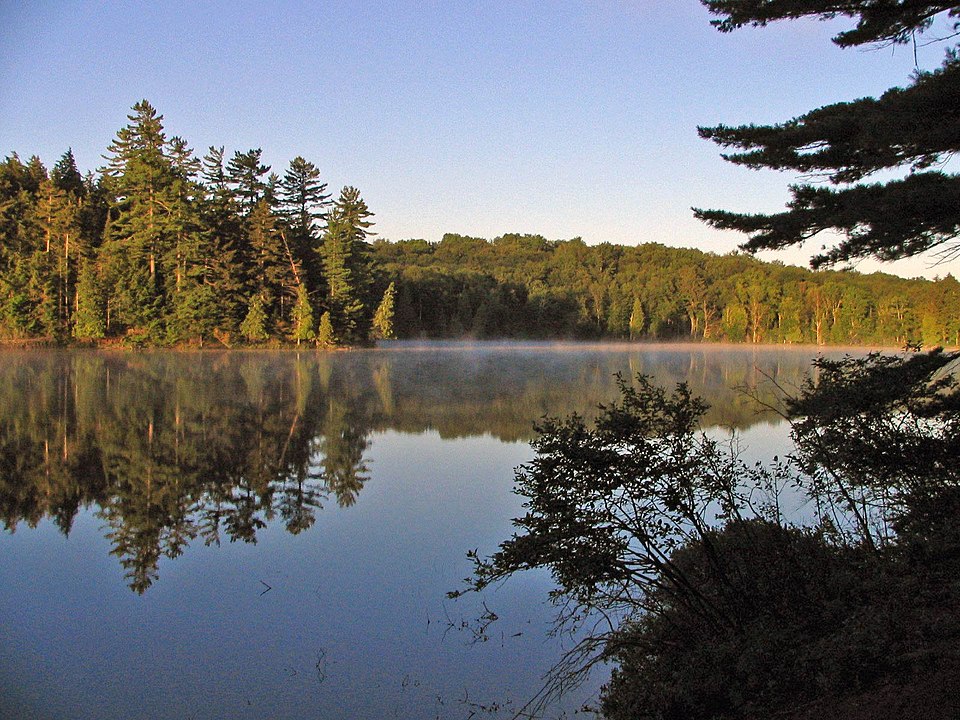
At 6 million acres, the Adirondack Park is larger than Yellowstone, Everglades, Glacier, and Grand Canyon National Parks combined. Its fall foliage peaks in late September to early October, attracting thousands of leaf-peepers. There are over 100 public campgrounds and countless backcountry sites, with the High Peaks region offering rugged alpine camping. The New York State Department of Environmental Conservation reports that the park’s hardwood forests, dominated by sugar maple, make it one of the most reliable foliage destinations in the Northeast.
Geothermal Wonders: Yellowstone National Park, Wyoming
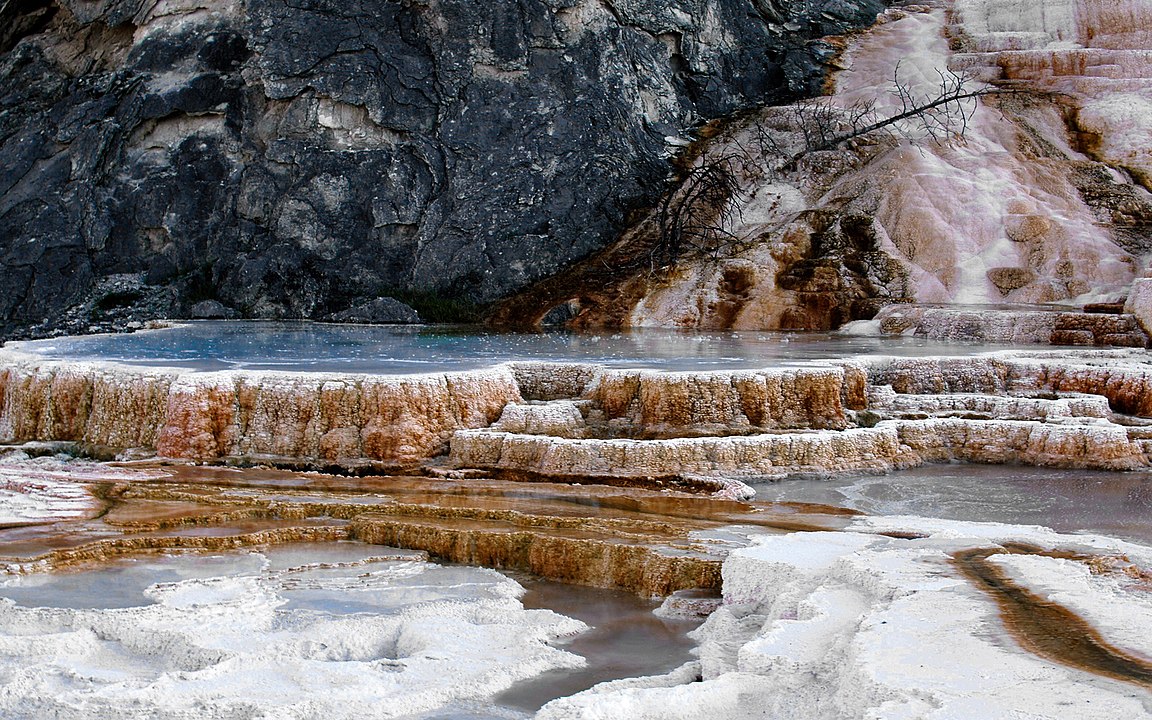
Yellowstone’s fall camping season is shorter, ending in mid-October, but it offers unique wildlife opportunities. Elk rutting season peaks in September, with bulls bugling throughout campgrounds like Madison and Mammoth. Fall also sees increased grizzly and black bear activity as they forage before hibernation. According to NPS data, Yellowstone visitation drops by nearly 50% after August, giving campers quieter access to geysers, hot springs, and thermal basins framed by golden aspens.
Scenic Ridges: Ozark National Forest, Arkansas
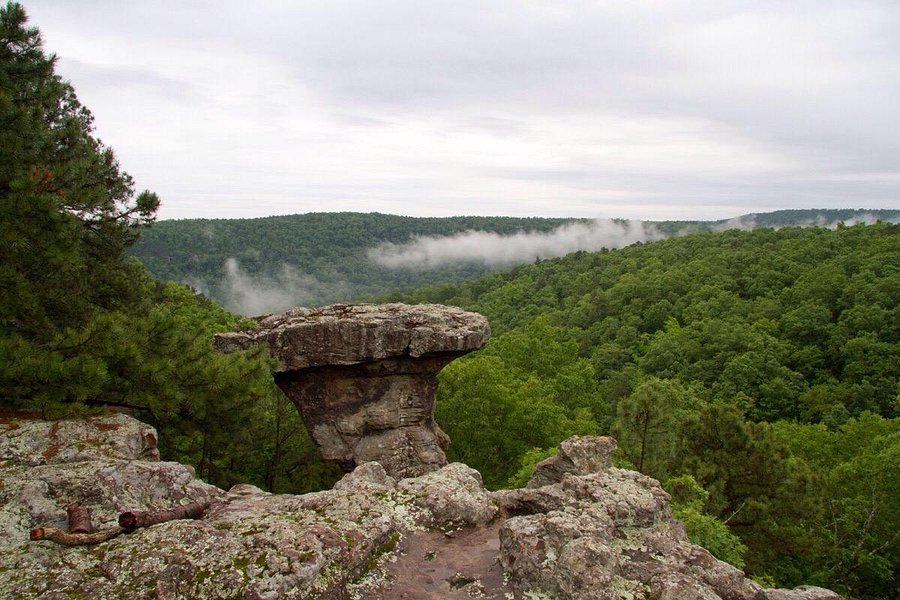
The Ozark National Forest spans 1.2 million acres, with fall colors typically peaking in late October. Campgrounds such as Blanchard Springs and Richland Creek provide access to hiking trails through oak and hickory forests that explode into shades of red and orange. The Boston Mountains Scenic Loop, which cuts through the forest, has been ranked by Travel + Leisure as one of the top fall drives in the U.S. Arkansas tourism data consistently shows fall as the forest’s busiest season for overnight camping.
Stargazer’s Paradise: Great Basin National Park, Nevada
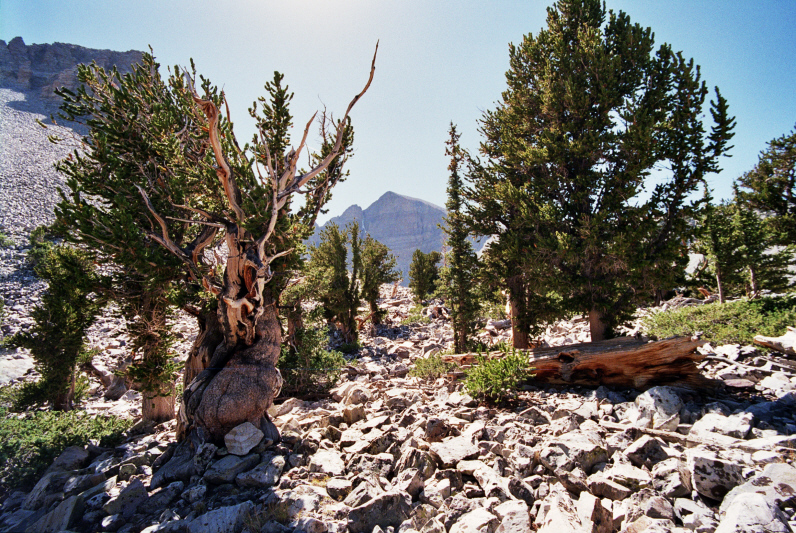
Known for having some of the darkest night skies in the U.S., the Great Basin is a prime fall camping destination. The park’s groves of Bristlecone pines, some over 4,000 years old, contrast with fall colors from quaking aspens. Fall daytime temperatures average in the 60s, while nights are crisp, ideal for stargazing during the annual Astronomy Festival held each September. The International Dark-Sky Association recognizes the Great Basin as a certified dark sky park, drawing astrophotographers and campers alike.
Rainforest in Autumn: Olympic National Park, Washington
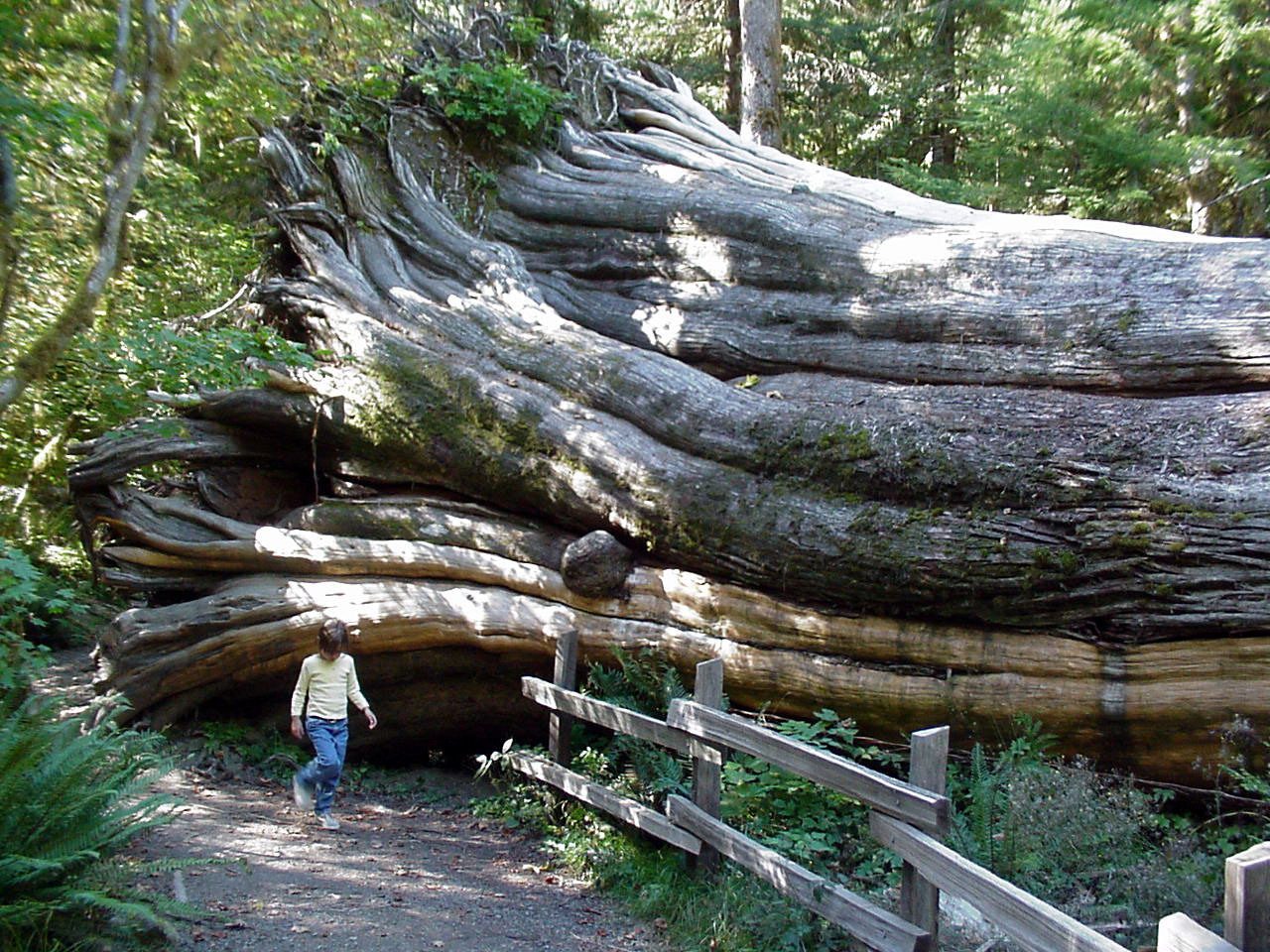
Olympic is unique for offering three ecosystems: temperate rainforest, alpine terrain, and Pacific coastline,in one park. In fall, vine maples and bigleaf maples in the Hoh Rain Forest turn brilliant yellow and orange, creating striking contrasts with evergreen moss-draped trees. Sol Duc Campground remains open through late October, giving access to waterfalls framed by autumn leaves. NPS data notes that Olympic’s fall visitation is about 40% lower than in summer, offering more solitude in its 922,000 acres.
Gorge Foliage: Columbia River Gorge, Oregon & Washington
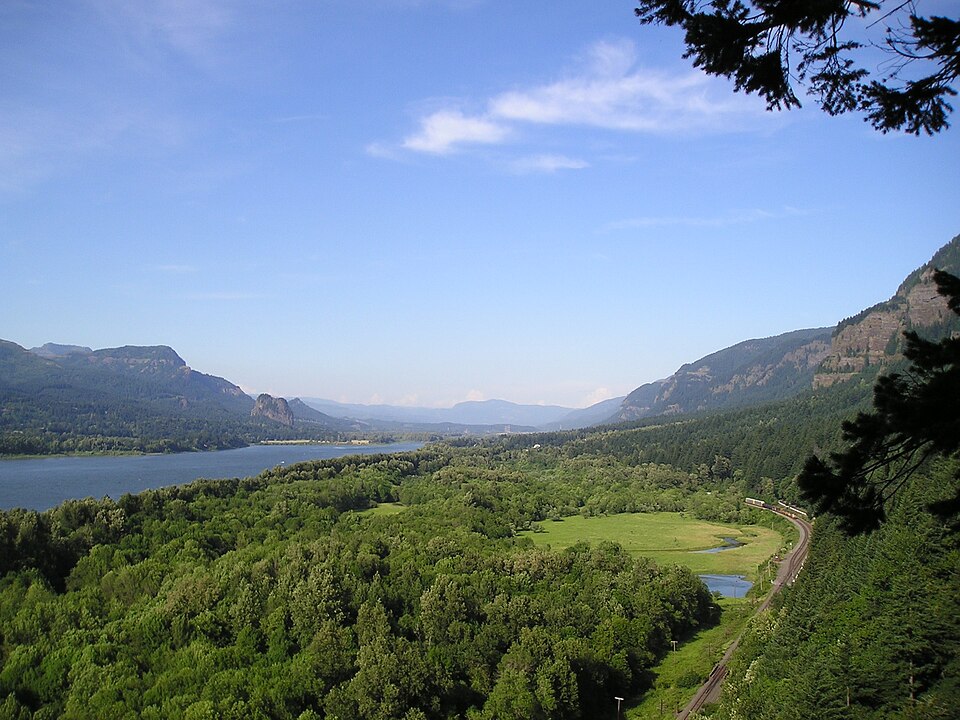
The Columbia River Gorge is one of the Pacific Northwest’s most photographed fall landscapes, with 90 waterfalls and cliffs framed by red and gold bigleaf maples. Fall foliage peaks in mid-October, coinciding with salmon runs visible from riverside trails. Ainsworth and Eagle Creek campgrounds (seasonal closures in late October) provide riverside camping with direct trail access. According to the U.S. Forest Service, the gorge is a designated National Scenic Area, drawing millions of visitors annually, particularly in autumn.
Hoodoos Aglow: Bryce Canyon National Park, Utah
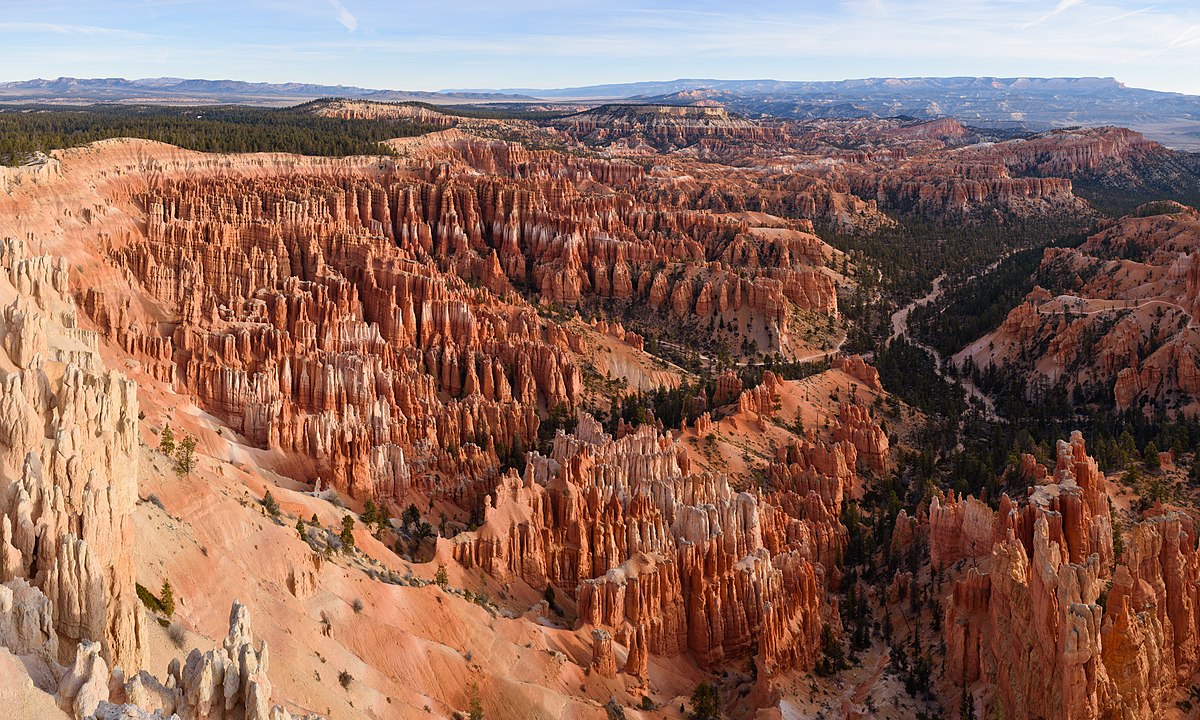
Bryce Canyon is renowned for its hoodoos, towering rock spires which are especially striking in the fall when set against yellow aspen groves. North and Sunset Campgrounds remain open until late October, offering direct access to rim trails. Average highs in September and October range between 60°F–70°F, making it one of the most comfortable seasons for camping. NPS records show fall as Bryce’s second most popular season after summer, with significantly fewer crowds on its 65 miles of trails.
Desert Canyons: Zion National Park, Utah
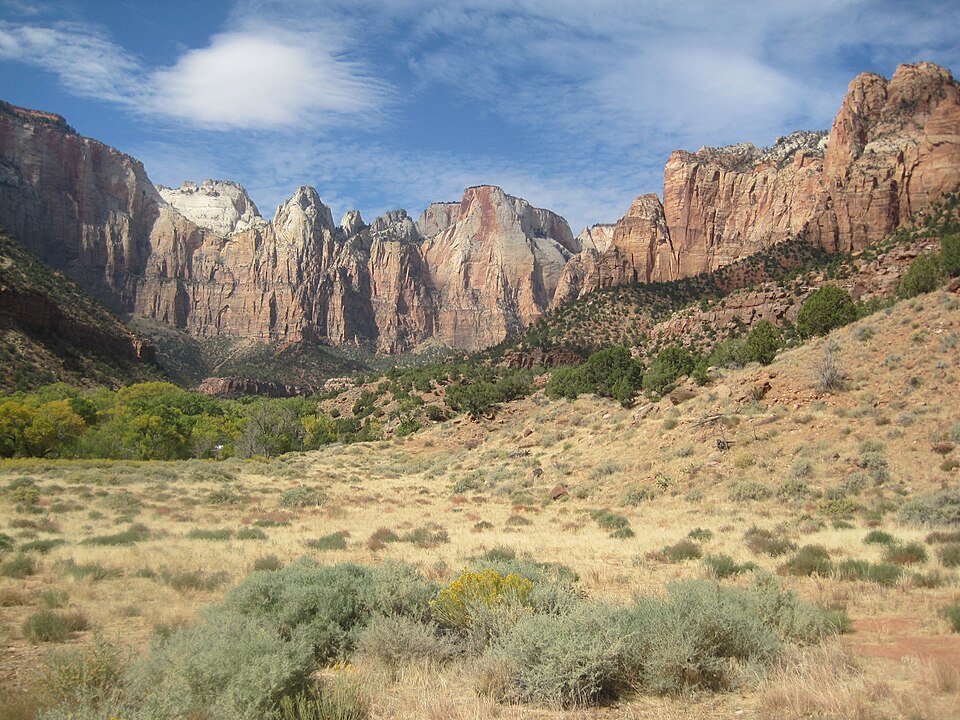
Zion’s red rock canyons contrast beautifully with cottonwoods and willows that turn golden in October. Watchman Campground, open year-round, provides easy access to shuttle stops and hiking trails. According to NPS visitor data, Zion saw over 4.6 million visitors in 2023, but fall offers smaller crowds than summer. The Virgin River enhances the autumn scenery, with cooler temperatures averaging 70s by day and 40s at night, ideal for tent camping.
Wilderness Peaks: North Cascades National Park, Washington
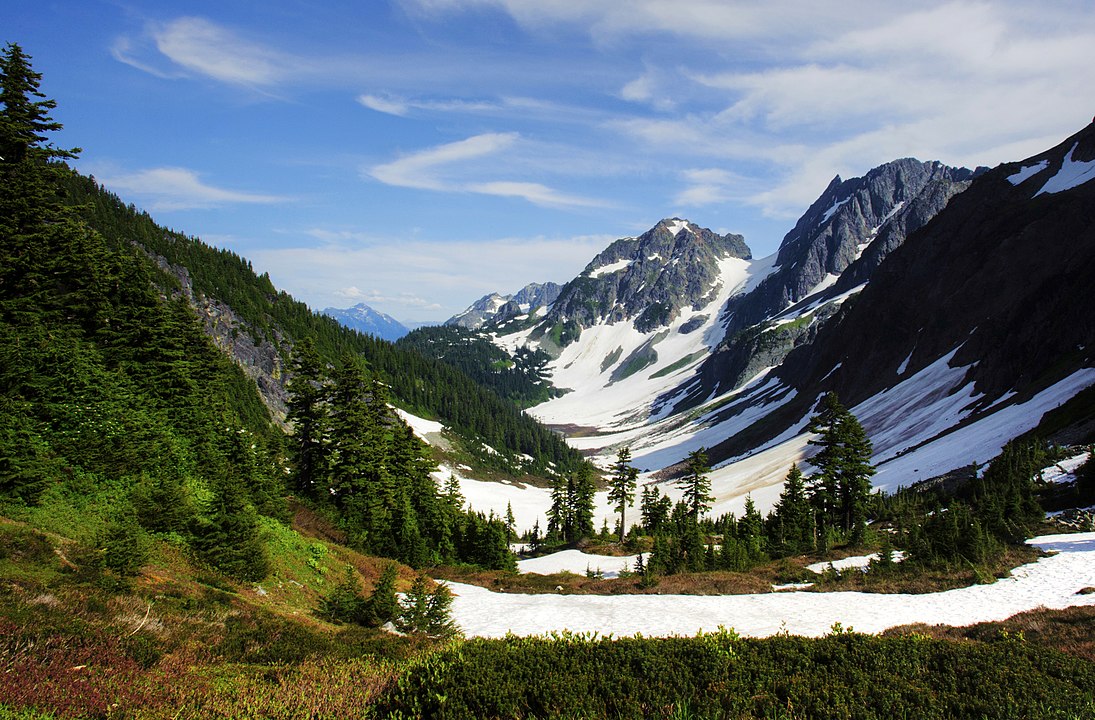
Known as the “American Alps,” the North Cascades have over 300 glaciers, the most in the contiguous U.S., which provide dramatic backdrops to fiery larch forests in fall. The park’s elevation diversity creates unique foliage patterns, with subalpine larches peaking in late September. Goodell Creek and Colonial Creek campgrounds stay open through fall, while backcountry permits allow access to remote alpine lakes. Despite its size, NPS data shows the North Cascades receives fewer than 40,000 visitors annually, offering unmatched seclusion.
Maple Forests: Green Mountain National Forest, Vermont
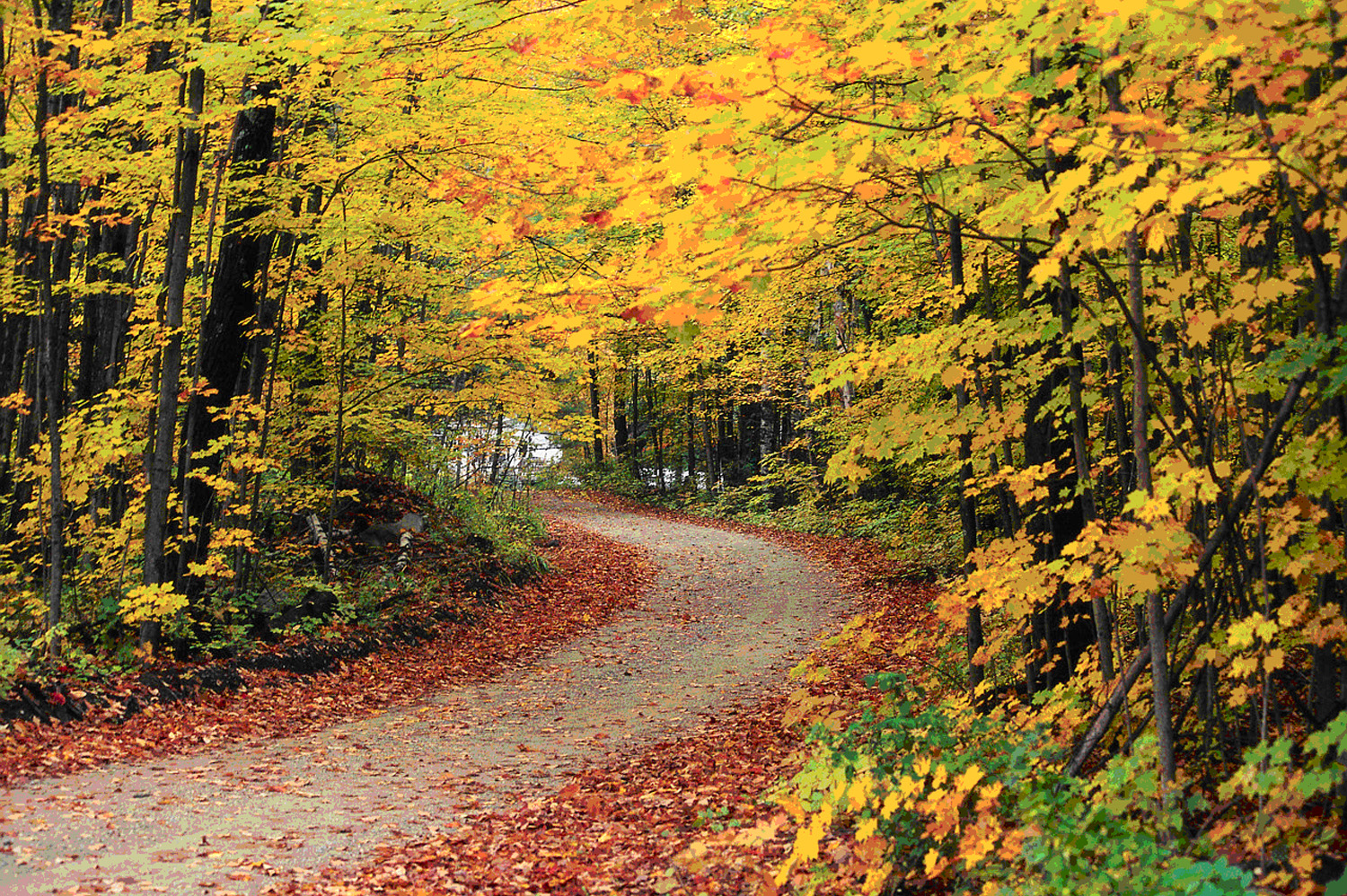
The Green Mountain National Forest covers nearly 400,000 acres and is Vermont’s largest public land area. Fall foliage peaks in early October, drawing photographers and campers alike. The Long Trail, America’s oldest long-distance hiking trail, runs through the forest, offering multi-day backcountry camping with panoramic views of maple-covered ridges. Vermont’s Department of Tourism reports that the foliage season contributes over $700 million annually to the state economy, with Green Mountain National Forest being a primary destination.
Glacier Glory: Glacier National Park, Montana
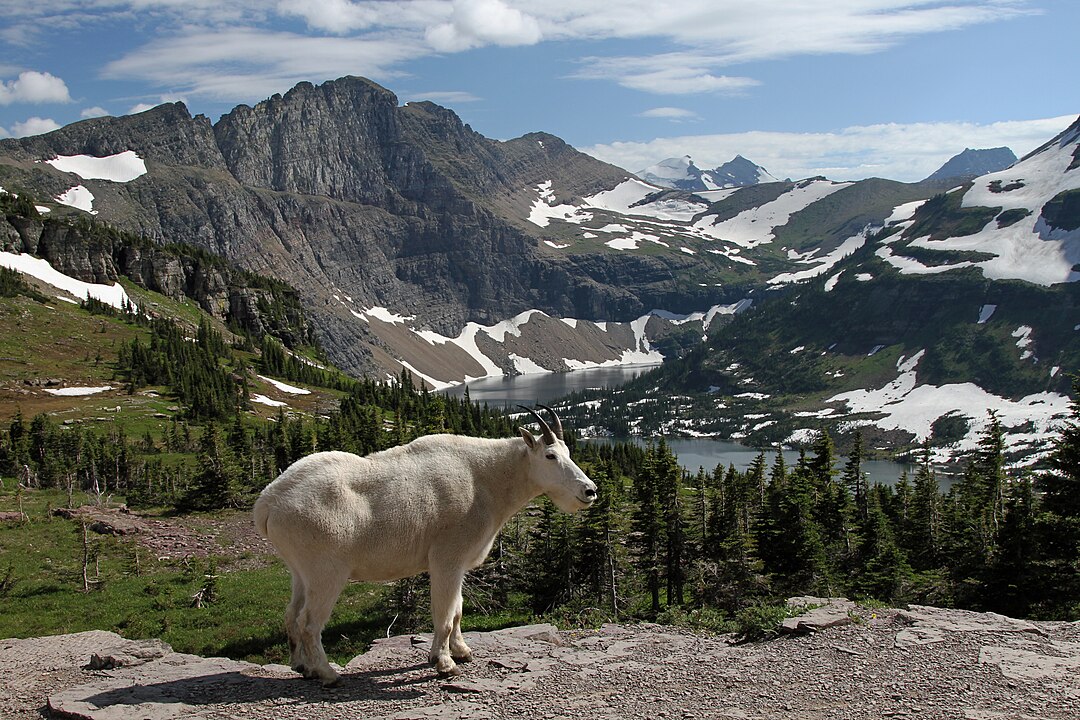
Fall in Glacier means golden larch forests and fewer visitors. The Going-to-the-Sun Road remains open until mid-October, providing access to iconic viewpoints with far smaller crowds. Campgrounds like Apgar and St. Mary usually stay open through September, while backcountry permits extend later for experienced campers. NPS wildlife surveys indicate that fall is prime time to spot mountain goats, bighorn sheep, and migrating raptors. Glacier receives over 3 million visitors annually, but only a fraction come in fall, making it ideal for camping.
Alpine Drama: Grand Teton National Park, Wyoming
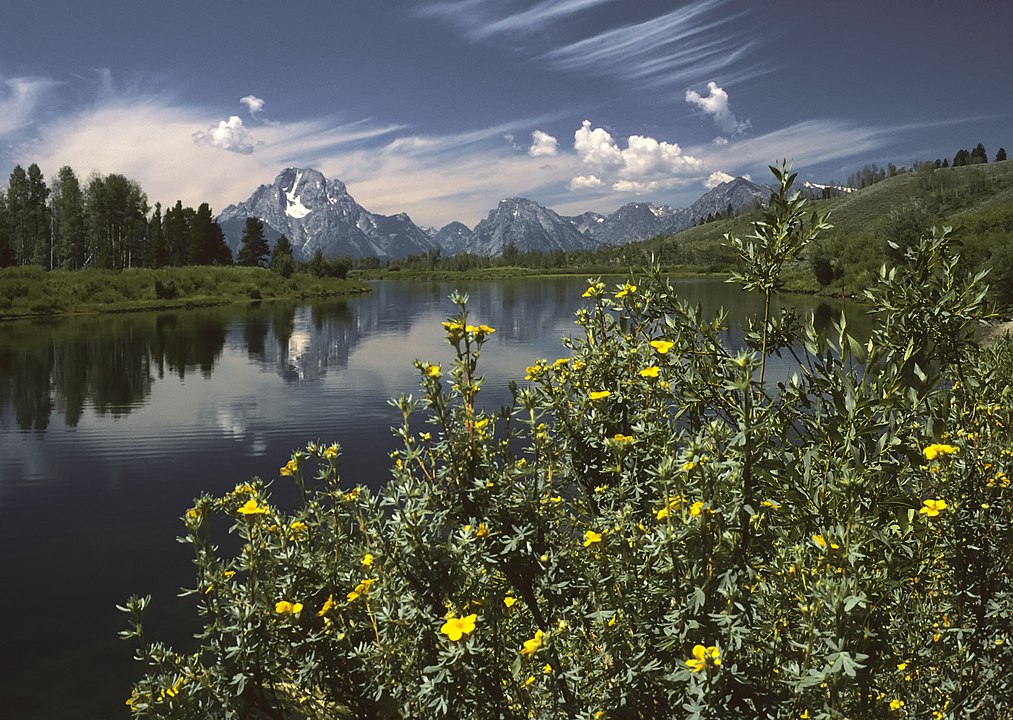
Grand Teton’s cottonwoods, aspens, and willows peak in late September, framing the jagged Teton Range in vivid yellows. Gros Ventre and Colter Bay campgrounds remain open through early October, offering direct access to lakes and wildlife-rich valleys. Moose and elk are especially active in fall, with rutting season providing unique viewing opportunities. According to Wyoming Tourism data, the park generates nearly $600 million annually in visitor spending, with fall being one of the fastest-growing segments due to its scenic appeal.