
Wild animals constantly communicate through behavior. When you move into their territory, many species give clear signals meant to warn, intimidate, or redirect you before conflict occurs. These behaviors are not random acts of aggression. They are survival-driven responses designed to protect food sources, young, or space. Recognizing these signs early allows people to slow down, change direction, or leave safely. Ignoring them can escalate situations quickly. The following eighteen behaviors are commonly observed across different species and environments. Each one serves as a territorial message that you have crossed an invisible boundary and should proceed with caution.
1. Sudden Silence in Normally Active Areas

A noticeable drop in animal sounds often signals territorial awareness. Birds stop calling, insects quiet down, and general background noise fades. This silence means wildlife has detected movement and shifted into alert mode. Animals reduce noise to avoid revealing their positions or to observe threats closely. Predators and prey both use silence as a defensive tactic. When an area suddenly feels unnaturally quiet, it often indicates animals are watching. This behavior suggests you have entered a space they consider theirs. Pausing, scanning surroundings, and backing out slowly can reduce the chance of triggering defensive reactions from hidden wildlife.
2. Repeated Warning Calls or Vocalizations
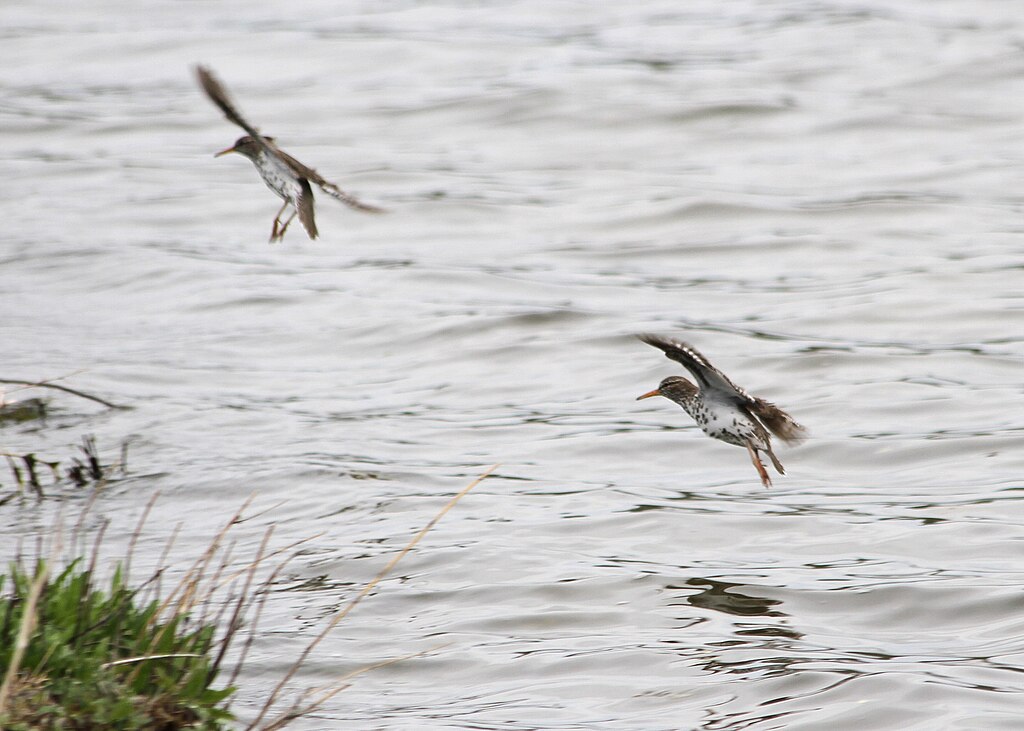
Many animals use repeated sounds to announce territory ownership. Birds may issue sharp alarm calls, while mammals growl, bark, or snort. These sounds are deliberate warnings rather than random noise. The repetition serves to intimidate and encourage retreat. Such vocalizations often increase in intensity if you continue forward. Ignoring them can provoke defensive action. These warnings are especially common near dens, nests, or feeding areas. Hearing consistent warning sounds directed toward your position means the animal wants distance maintained and is prepared to escalate if the message is ignored.
3. Direct Staring or Fixed Eye Contact
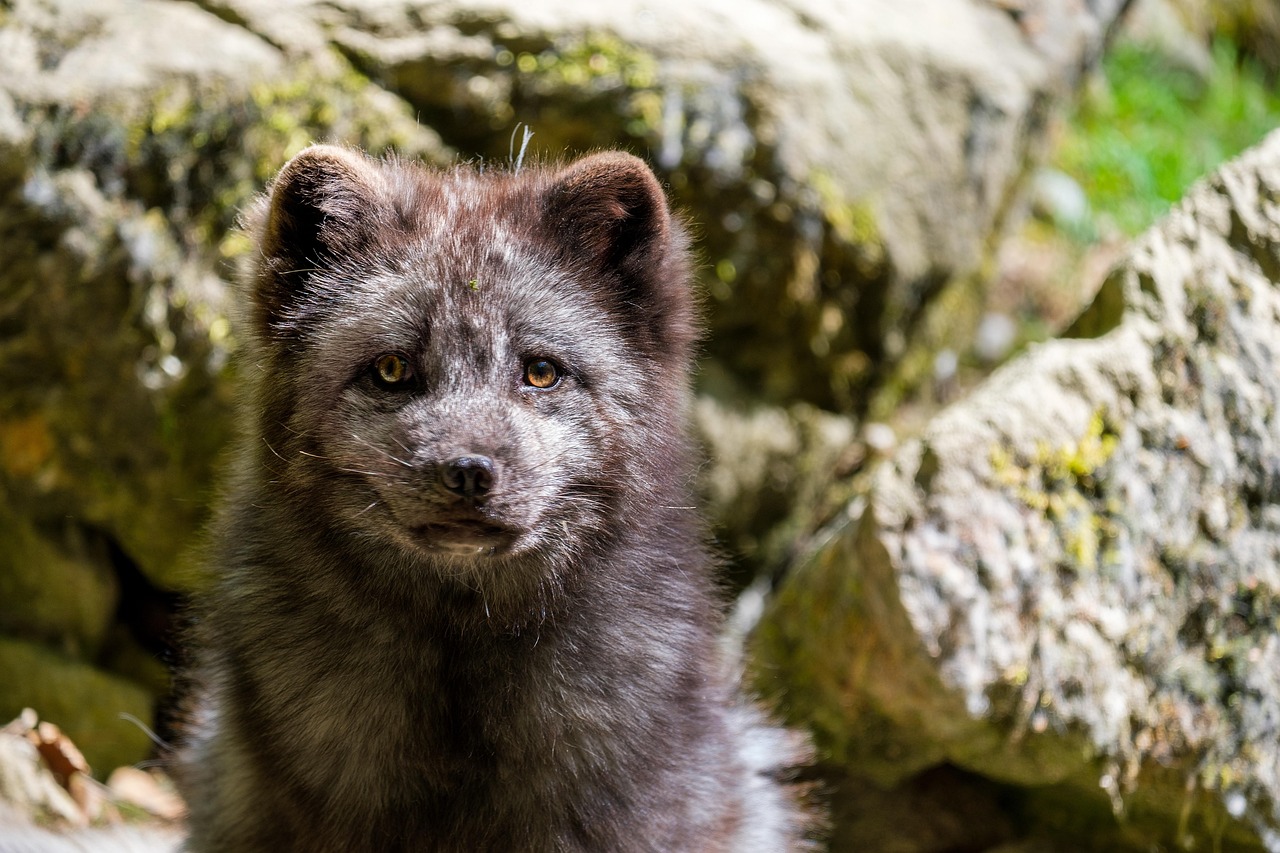
Prolonged eye contact is a strong territorial signal in wildlife. Predators and herbivores alike use staring to assess threats. When an animal locks eyes with you and does not break gaze, it is evaluating your intent. This behavior often precedes bluff charges or defensive movement. Direct staring communicates awareness and readiness. In many species, avoiding eye contact is a sign of submission. If an animal maintains a fixed stare, you are likely within its claimed space. Slow movement and avoiding direct gaze can help de-escalate tension.
4. Bluff Charges Without Contact
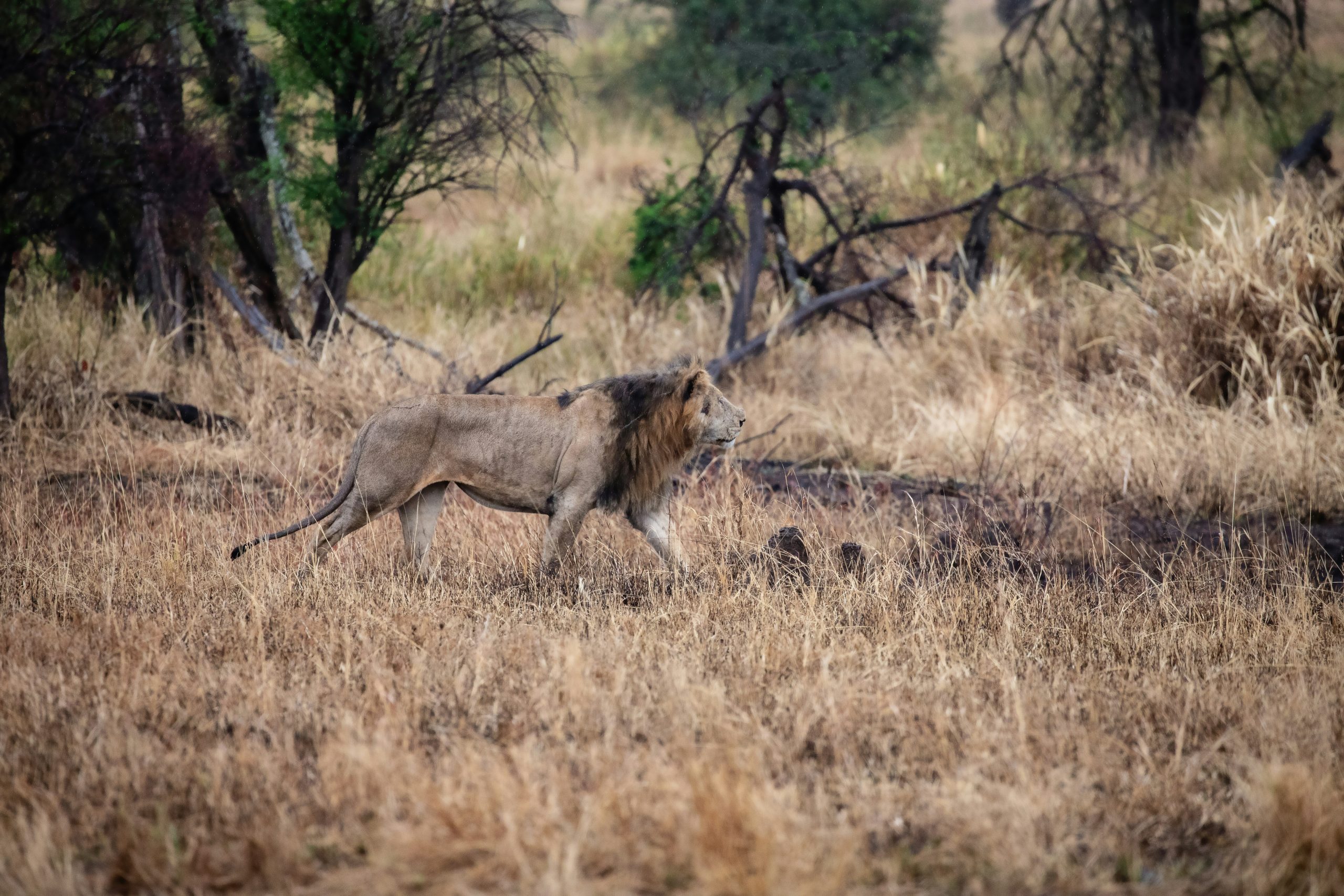
A bluff charge involves sudden movement toward you followed by an abrupt stop. This behavior is meant to intimidate rather than attack. Animals use it to test reactions and assert dominance over territory. Bluff charges are common among large mammals protecting space or young. The goal is to force retreat without physical confrontation. Standing your ground calmly while increasing distance slowly may prevent escalation. Running can trigger chase instincts. A bluff charge clearly signals that you have crossed a boundarythat the animal is prepared to defend aggressively if needed.
5. Raised Fur Feathers or Body Expansion
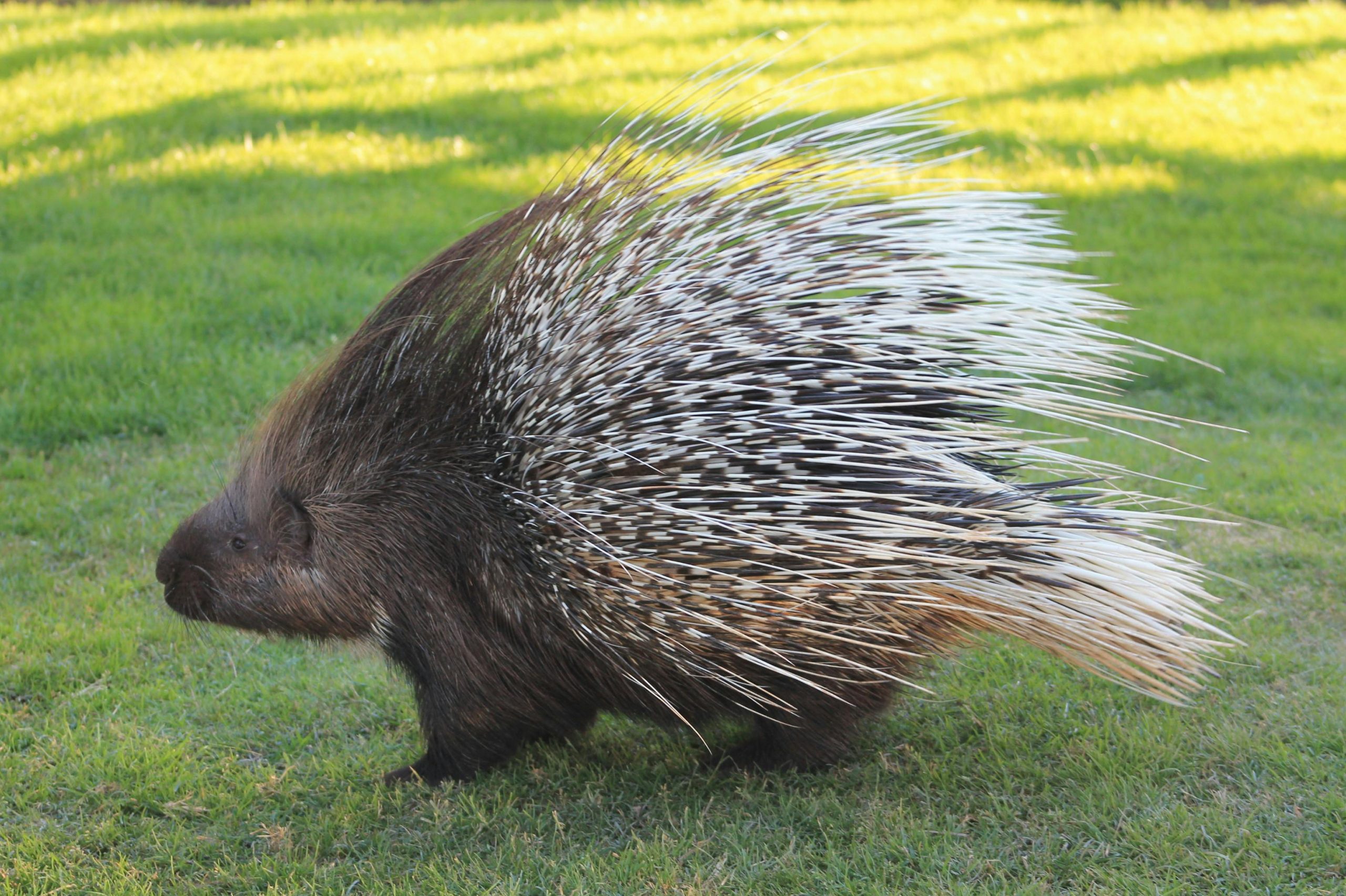
Animals often make themselves appear larger when defending territory. Fur stands on end, feathers fluff up, or wings spread outward. This visual display is meant to intimidate and discourage approach. Body expansion increases perceived size and strength. This behavior is controlled and intentional, signaling readiness rather than fear. When animals display this way, they are communicating ownership of space. Continuing forward may force them into physical defense. Recognizing this posture early allows time to retreat before the situation escalates into direct confrontation.
6. Defensive Positioning Between You and Young
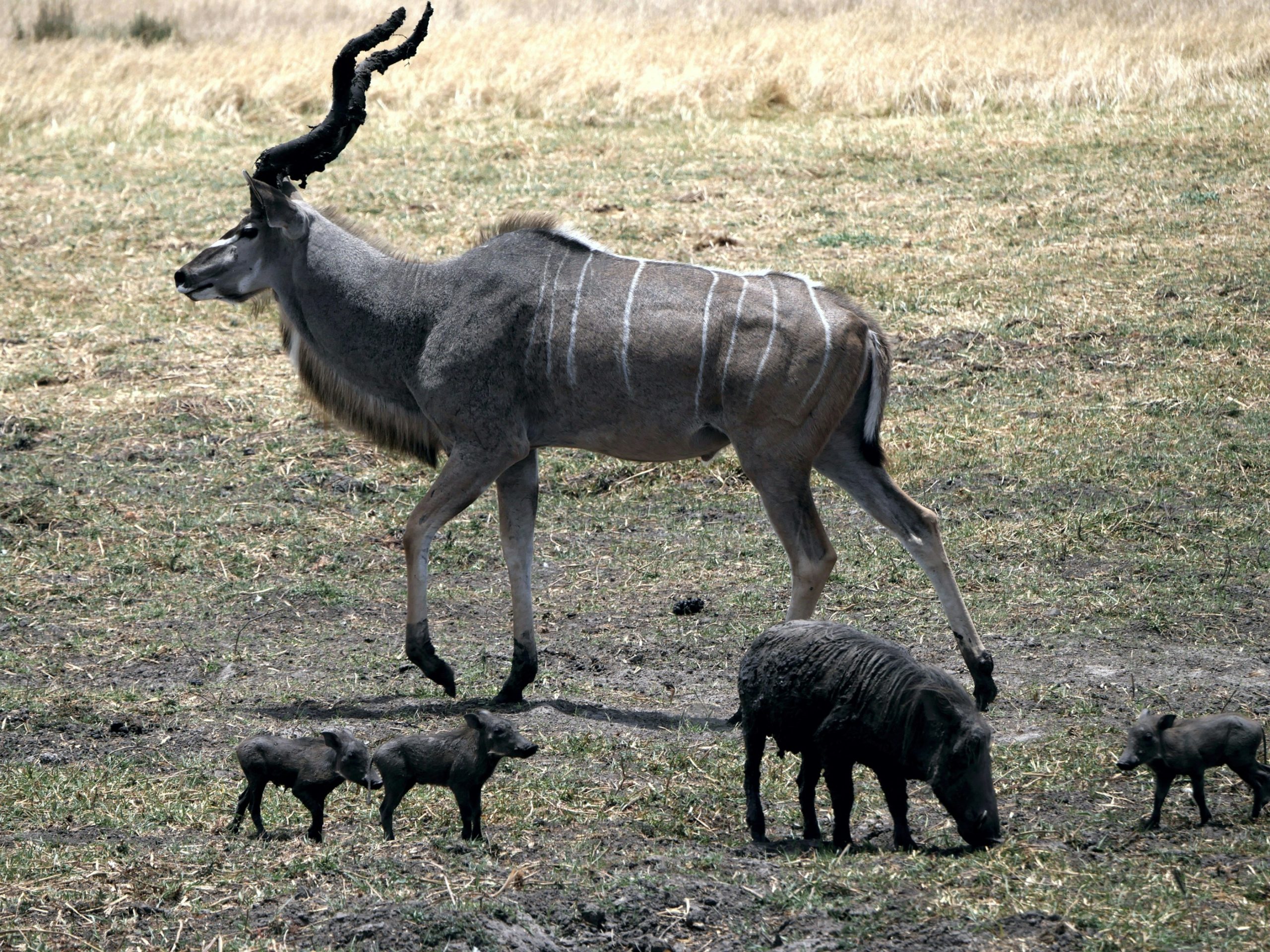
One of the clearest territorial signals is when an animal places itself between you and its offspring. This behavior shows immediate defensive intent. Parents will block paths, follow movements, or reposition repeatedly to maintain separation. The animal is prioritizing protection over escape. This often happens before aggressive actions. Remaining calm and increasing distance is critical. Advancing further may provoke an attack. This behavior indicates you are too close to a sensitive area that the animal will defend at all costs.
7. Repetitive Pacing or Circling Movements
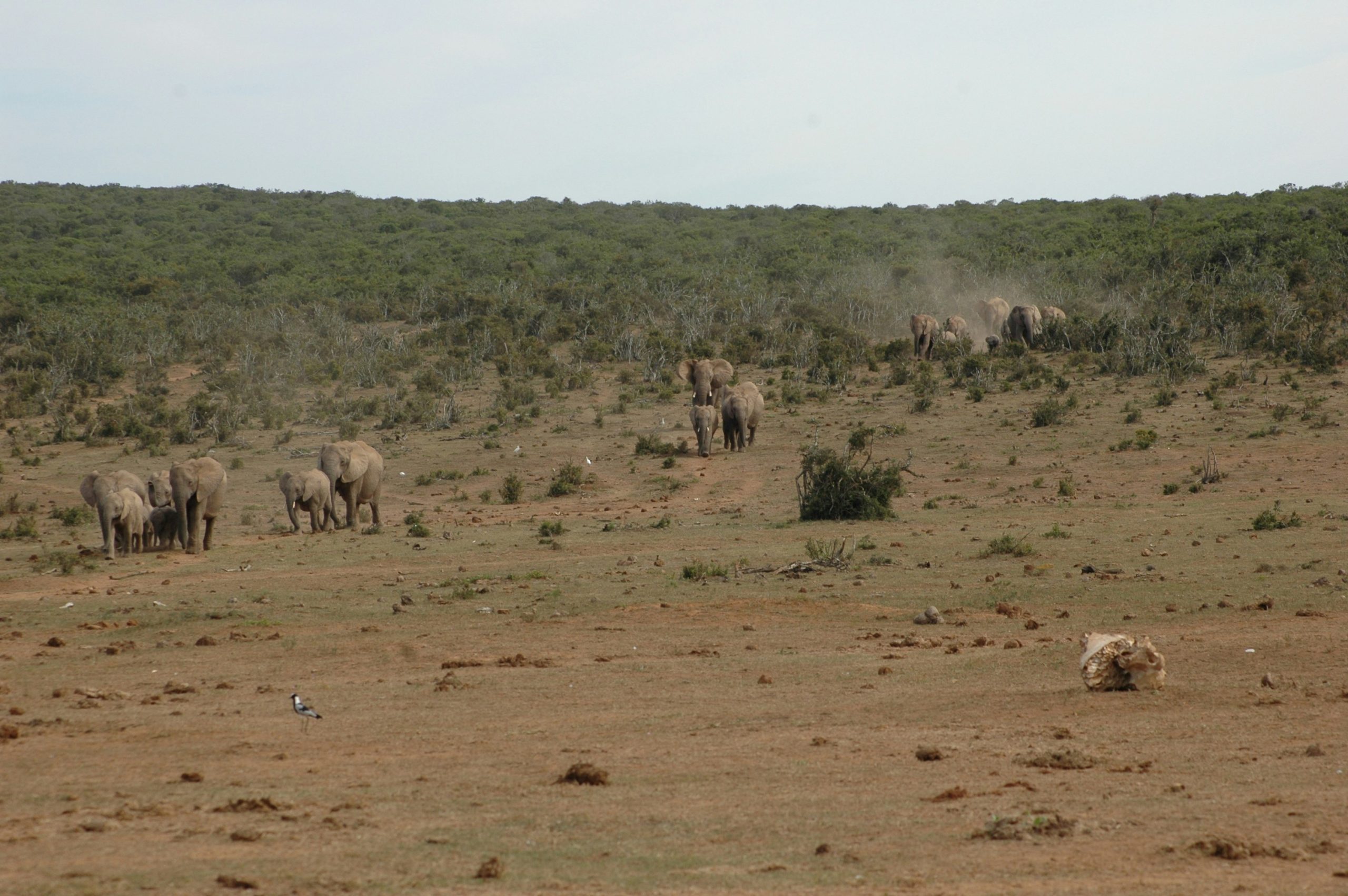
Animals may pace back and forth or circle while watching you closely. This movement helps them track position and decide whether to confront or retreat. Pacing often occurs near territory edges or important resources. It shows agitation and heightened awareness. The animal is preparing for possible action. This behavior can escalate quickly if movement continues deeper into the area. Recognizing pacing as a warning allows you to stop, assess, and retreat calmly without triggering defensive aggression.
8. Marking Behavior Like Scratching or Rubbing
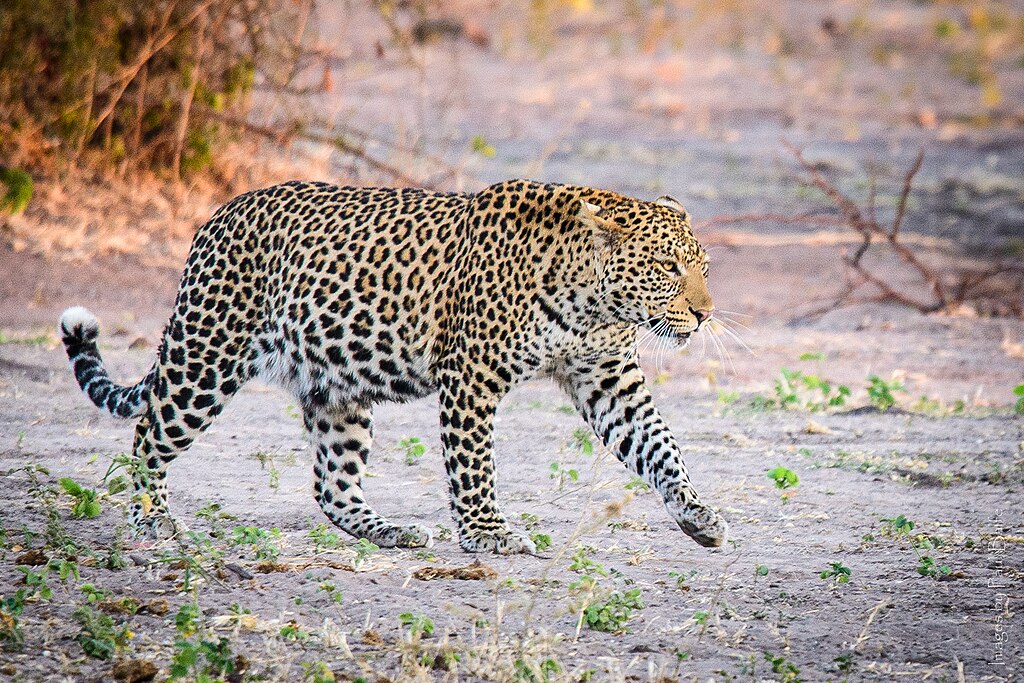
Scratching trees, rubbing bodies on objects, or leaving scent marks are territorial signals. If this behavior happens while an animal is observing you, it reinforces ownership. The animal is reminding you that this area is claimed. Marking may be subtle or exaggerated, depending on the species. It communicates dominance and presence. Seeing fresh markings combined with alert behavior suggests recent territorial activity. Continuing forward increases risk. These signs indicate you are within an established range that the animal expects others to avoid.
9. Ground Stomping or Foot Drumming
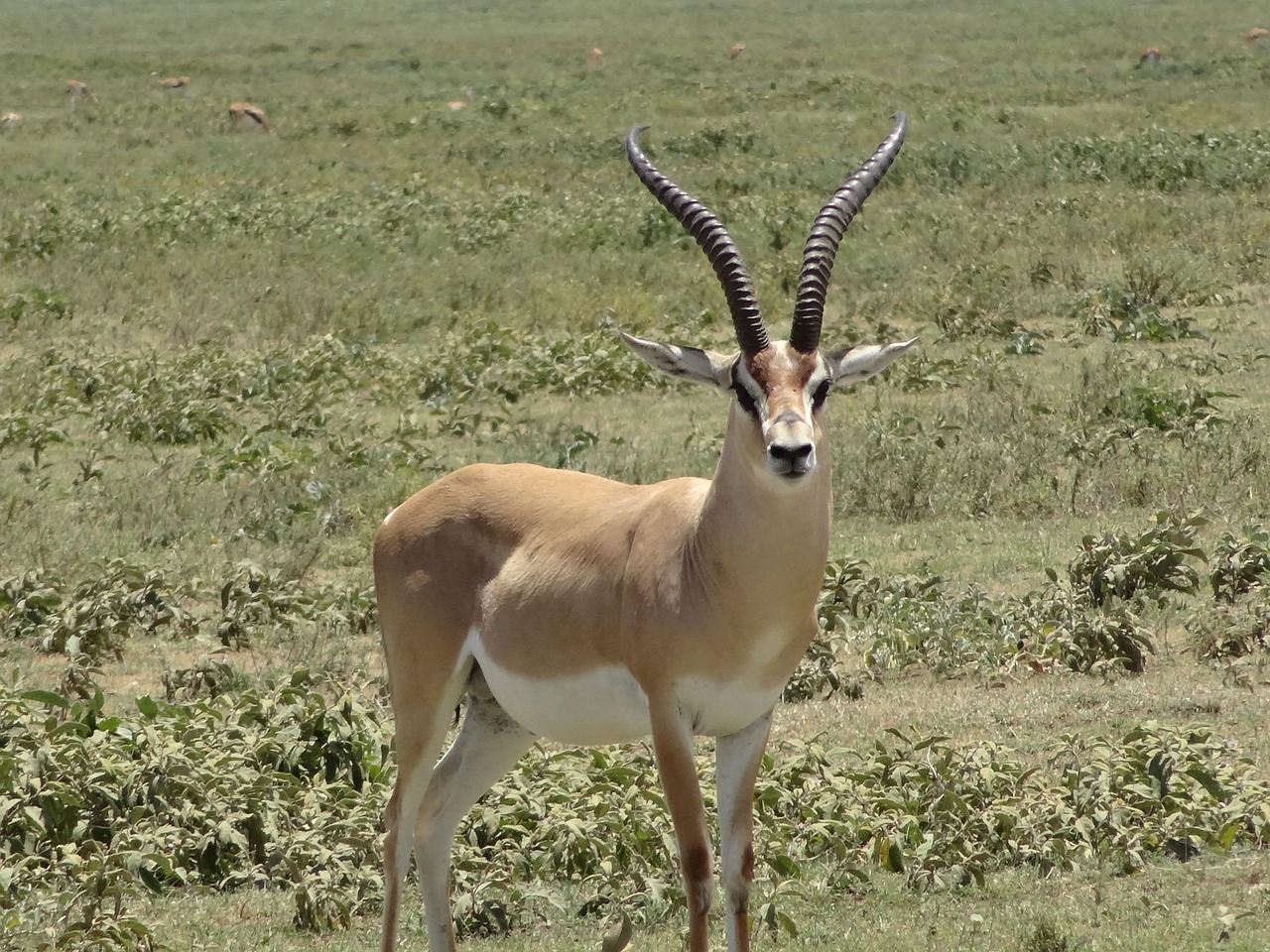
Some animals stomp or drum on the ground as a warning. This behavior creates vibration and sound meant to intimidate. It is often paired with staring or vocalizations. Ground stomping signals agitation and readiness to defend. It also alerts nearby animals to potential threats. This action means the animal is trying to stop your advance without physical contact. Ignoring it can lead to escalation. When ground stomping begins, increasing distance calmly is the safest response.
10. Tail Flicking or Rapid Body Movements

Quick tail flicks, ear pinning, or head tossing are signs of rising tension. These movements show irritation and alertness. They often appear before more aggressive actions. Animals use these signals to express discomfort with proximity. When combined with focused attention on you, it indicates that territorial boundaries are being challenged. These behaviors are early warnings. Recognizing them allows you to adjust direction or retreat before the animal feels forced to escalate its response.
11. Following Behavior at a Distance
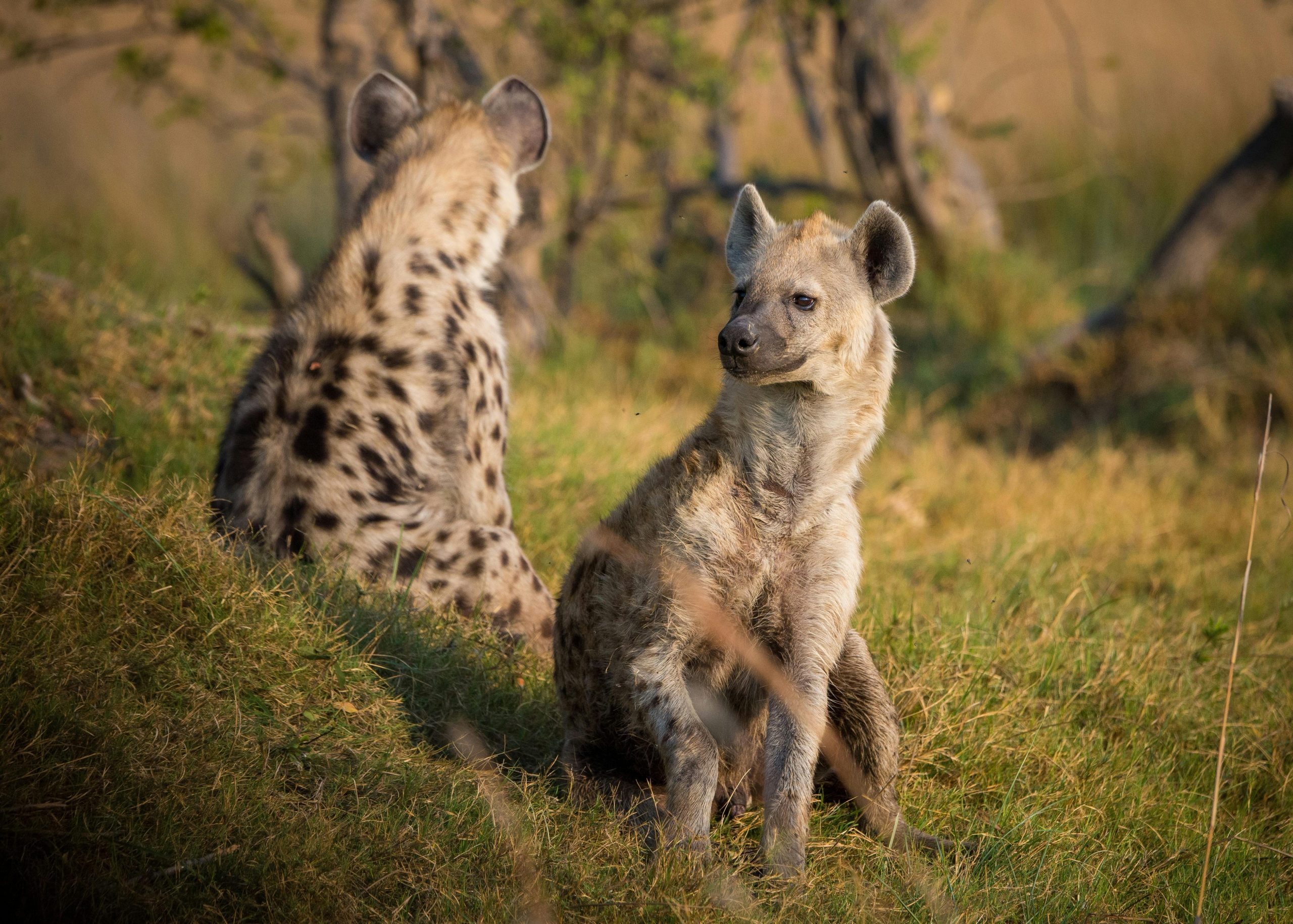
An animal that follows without attacking is monitoring your movement through its territory. This behavior ensures you leave while allowing the animal to control the distance. Predators and large mammals often do this near territory edges. The animal wants to ensure you exit safely without lingering. The following behavior indicates you are within a defended area. Sudden movements or stopping may increase tension. Calm, steady movement away from the area usually resolves the encounter without incident.
12. Vocal Escalation as Distance Decreases

If vocalizations become louder or more frequent as you move, it signals territorial defense. Animals adjust volume and intensity to match perceived threat level. Escalation means warnings are being ignored. This behavior often precedes more direct actions. Recognizing changes in tone or frequency is critical. Retreating at this stage usually prevents confrontation. Vocal escalation is a clear message that you are too close and need to increase distance immediately.
13. Blocking Access Routes or Trails

Animals may position themselves directly on trails or narrow paths to block movement. This deliberate placement forces you to stop or detour. Blocking behavior is a strong territorial signal. It shows confidence and readiness to hold ground. Animals use this tactic to control movement without chasing. Attempting to push past can provoke aggression. Choosing an alternate route or backing away respects the boundary being enforced.
14. Sudden Appearances from Cover
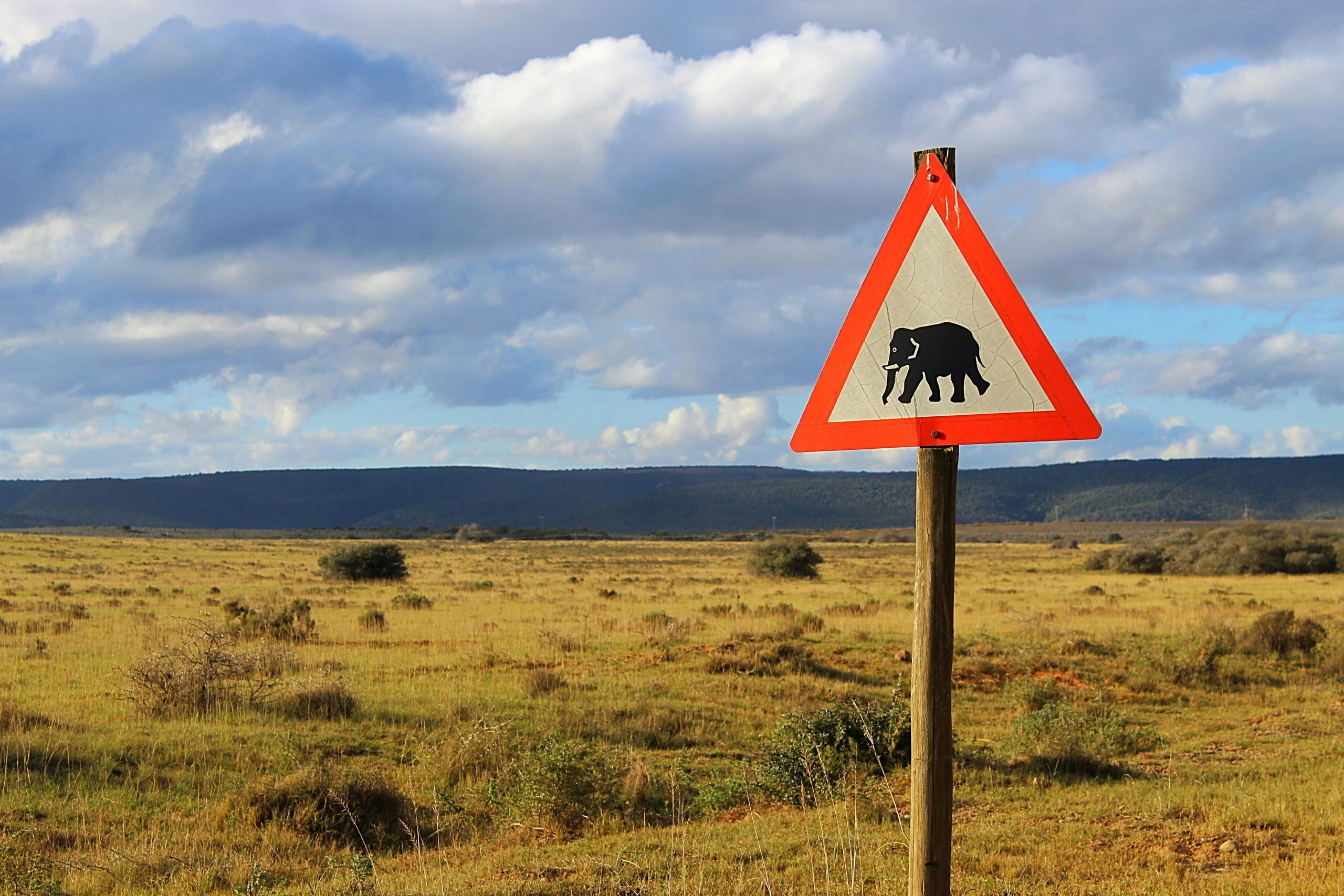
When an animal steps into view intentionally rather than fleeing, it is making itself known. This controlled reveal is meant to assert presence. The animal wants to be seen and acknowledged. It often happens near territory boundaries. This behavior is not curiosity but a warning. Continuing forward after such a display may lead to defensive action. Acknowledging the signal by changing direction helps avoid conflict.
15. Persistent Vocalizations From Hidden Positions

Some animals remain out of sight while vocalizing repeatedly. This tactic allows them to warn without exposing themselves. The hidden position provides safety while maintaining territorial control. Persistent sounds from cover mean the animal is tracking you closely. Moving deeper into the area increases risk. These vocal warnings are clear indicators to retreat slowly and avoid provoking a defensive response.
16. Increased Activity Near Food Sources

Animals become highly territorial around food. Increased movement, guarding behavior, or defensive posturing near feeding areas indicates ownership. This behavior intensifies during scarce conditions. Approaching such areas can trigger aggressive defense. Animals view food as a vital resource for survival. Recognizing this behavior helps avoid dangerous encounters. Providing ample space around feeding zones significantly reduces the risk.
17. Repeated Repositioning to Maintain Line of Sight

An animal that keeps adjusting pits position to stay visible is monitoring you closely. This repositioning maintains control and awareness. It shows the animal is unwilling to disengage. The behavior indicates you are still within its territory. Leaving the area usually ends the interaction. Staying too long may increase stress and provoke action. This is a clear signal to retreat calmly.
18. Defensive Posture Combined With Stillness

When an animal becomes completely still while facing you, it is preparing for potential action. This stillness is deliberate and focused. Muscles tense, posture stiffens, and attention narrows. This behavior often precedes a charge or strike. It signals the final warning stage. Increasing distance immediately and avoiding sudden movement is critical. Recognizing this behavior early can prevent a dangerous encounter and allow a safe exit from the territory.