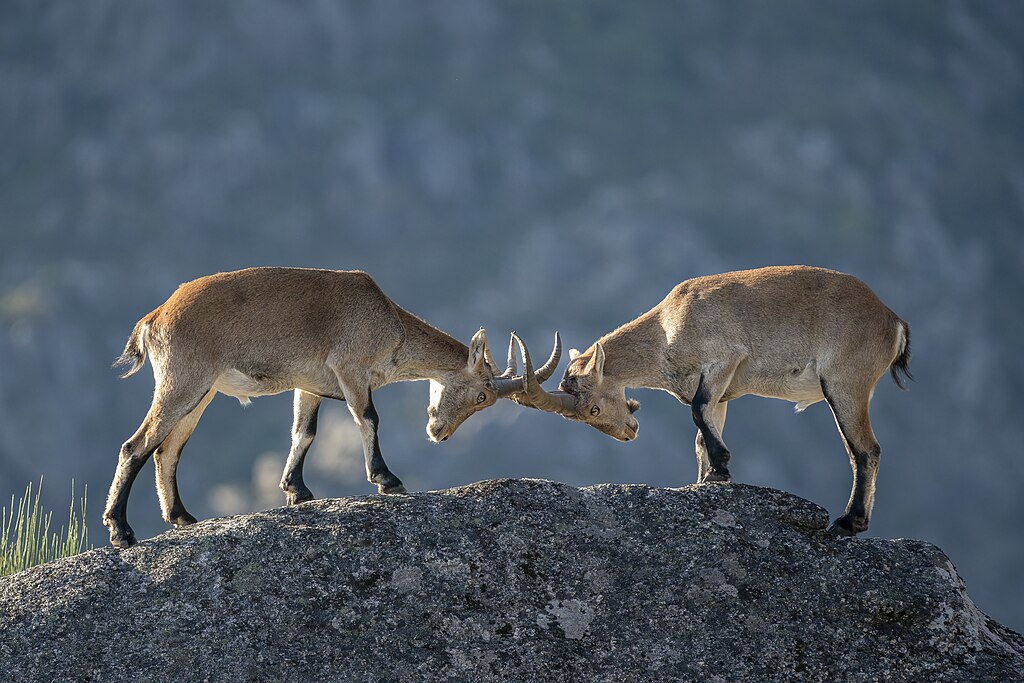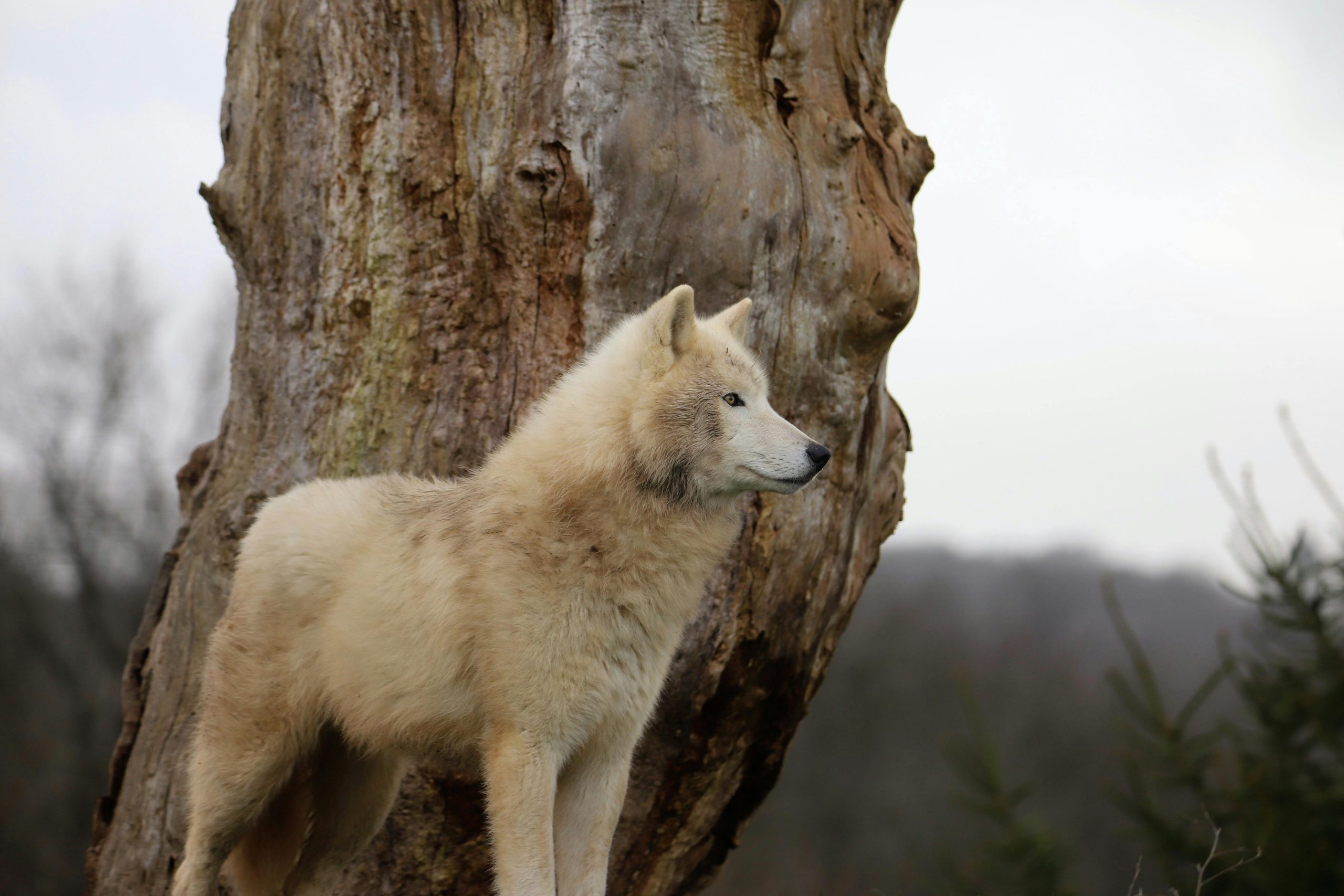
Animals rarely act on instinct alone. Whether wild or domesticated, most species rely on careful observation before deciding if a human is dangerous. These tests are not aggressive by default. They are small, calculated behaviors meant to gather information. Body language, movement, eye contact, scent, and sound all play a role. Many animals will quietly assess a person long before reacting. Understanding these behaviors helps explain why animals sometimes approach calmly, freeze in place, or suddenly retreat. The following signs are common ways animals evaluate risk, and each one is easy to visualize, photograph, and recognize in real-world encounters.
1. Holding a Fixed Stare From a Distance
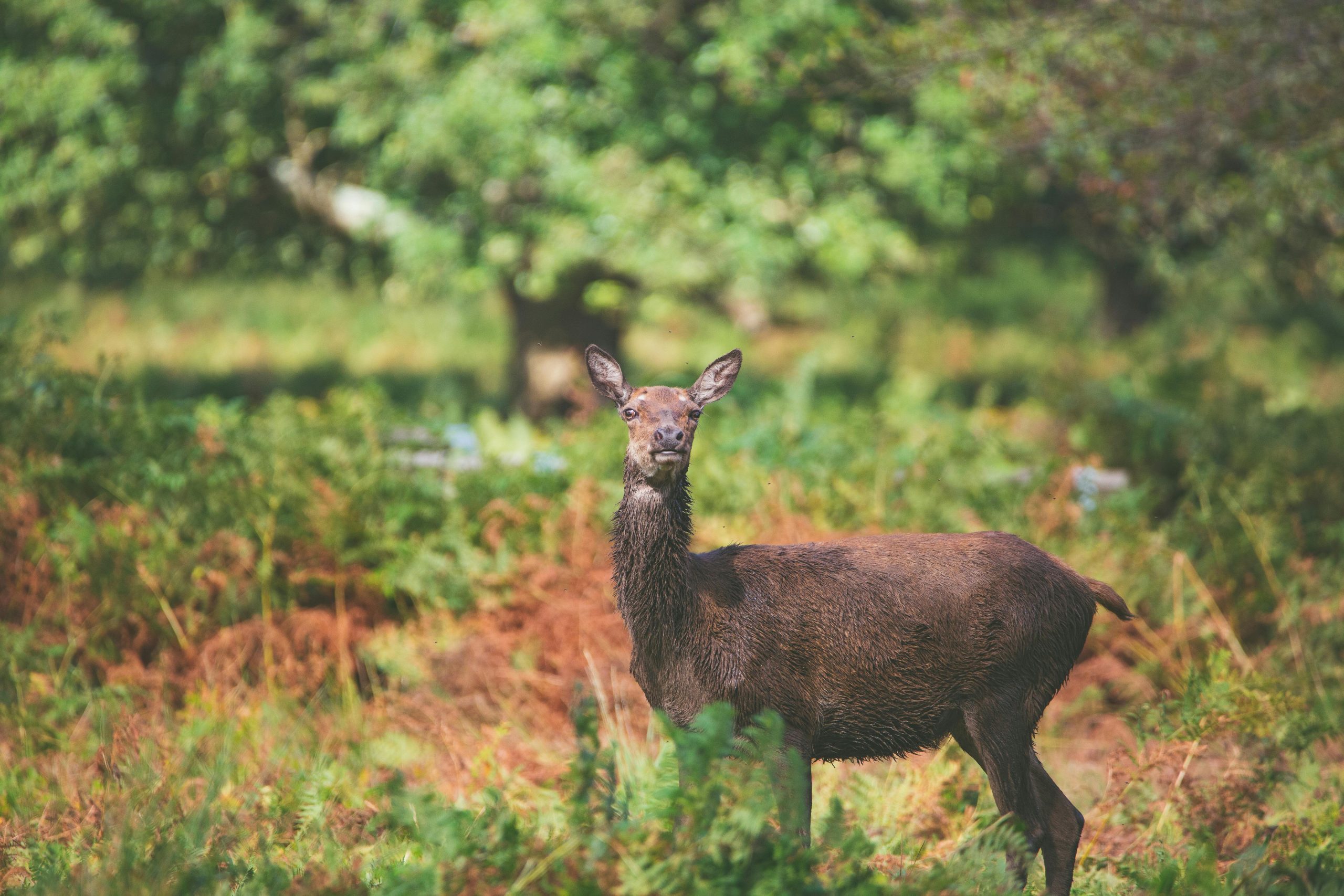
Many animals pause and lock their eyes on a person without moving closer. This behavior allows them to study posture, balance, and intention. Predators often do this to read confidence and control, while prey animals use it to decide if escape is needed. A relaxed human stance may reduce tension, while sudden movements confirm danger. The animal may blink slowly or keep its head still to avoid drawing attention. This silent stare is a visual assessment tool, not a challenge. Photographically, this moment is striking, showing alert eyes, tense muscles, and focused attention without physical interaction.
2. Approaching in Short, Hesitant Steps
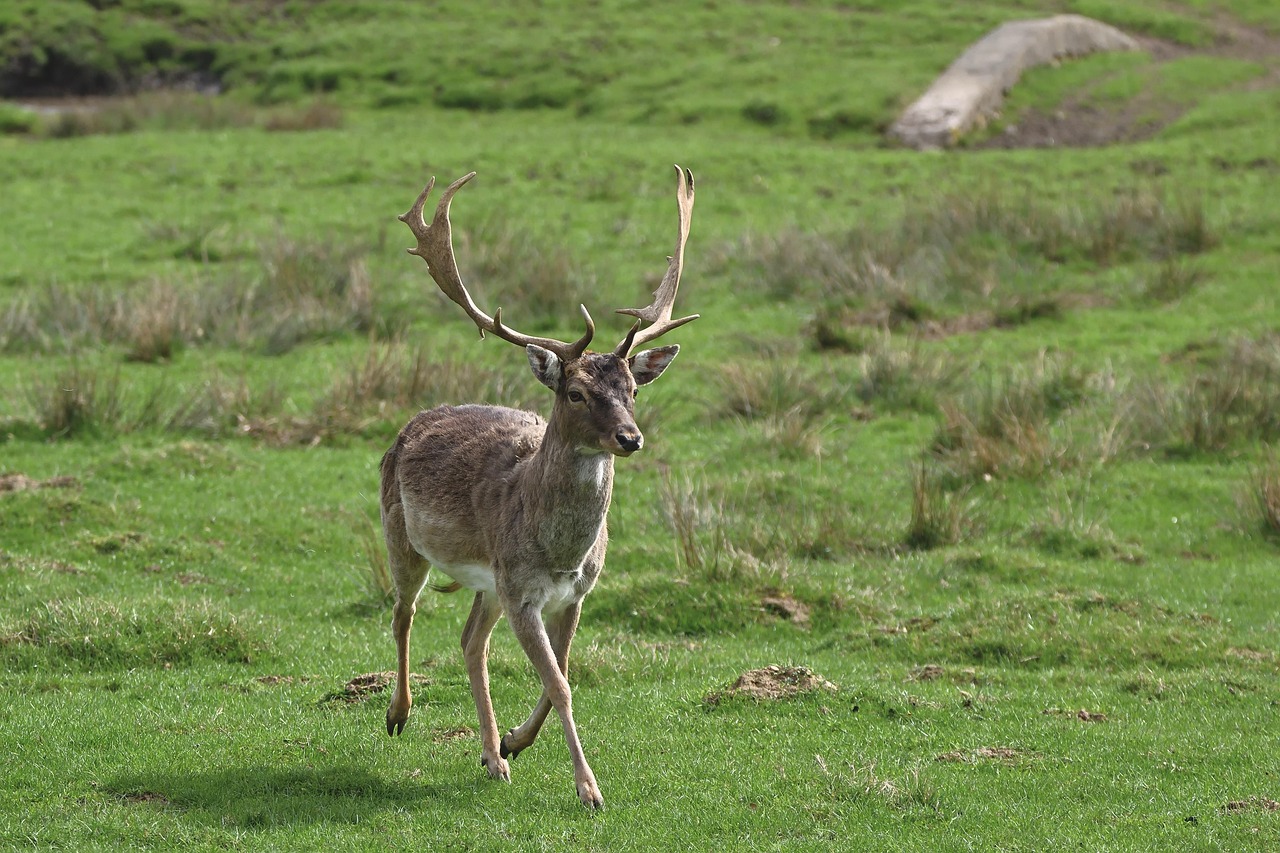
Instead of charging forward, animals often advance in small bursts, stopping frequently. Each pause is a check for reaction. Calm stillness from a human may encourage further approach, while flinching or stepping forward signals threat. This pattern is common in deer, dogs, foxes, and even birds. The animal keeps its body angled for a quick retreat. This testing method balances curiosity with safety. In images, it appears as an animal mid-step, weight shifted forward, ears or head angled toward the person, ready to either continue or flee.
3. Freezing Completely Without Sound
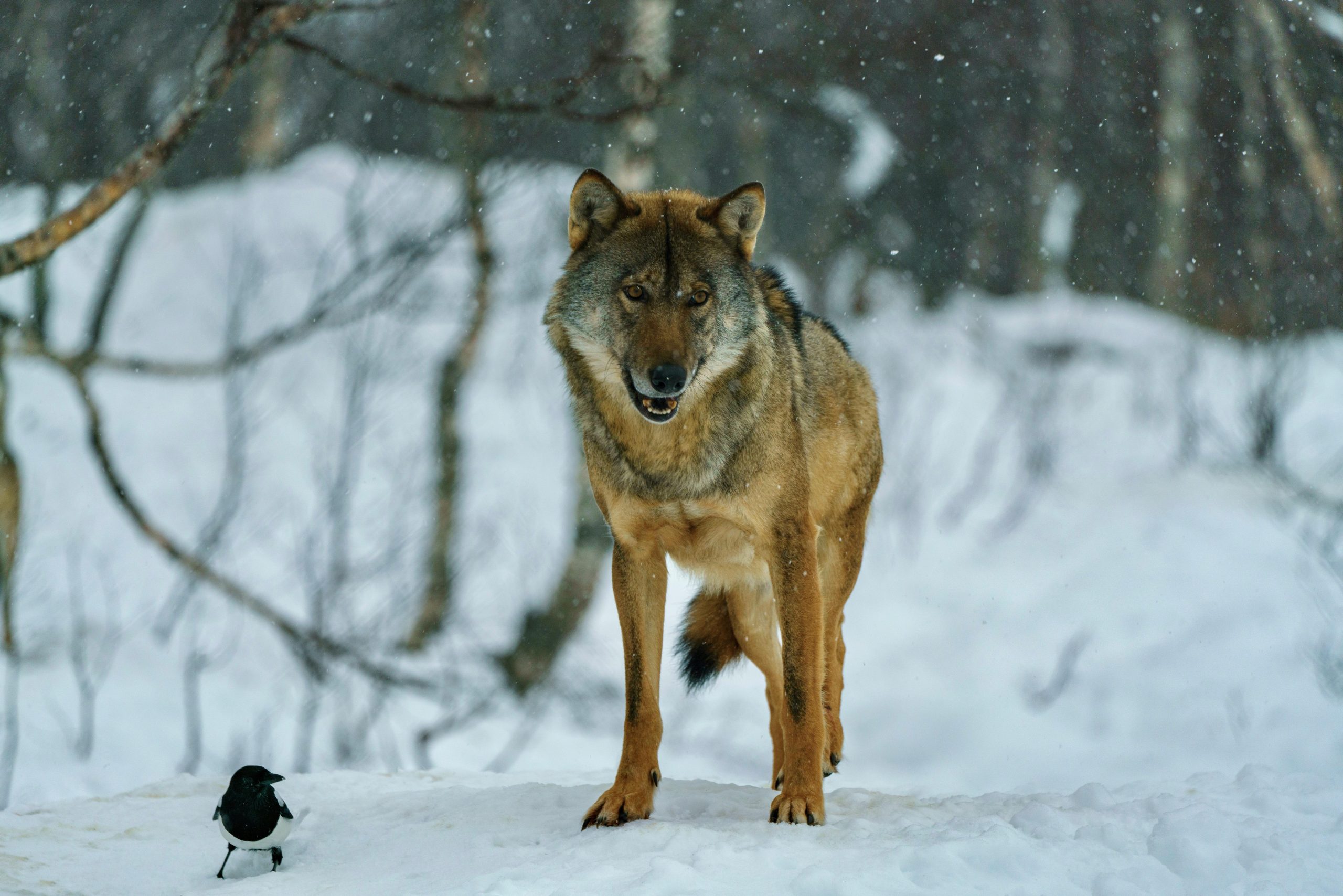
Freezing is a powerful test. By becoming motionless, animals observe how humans behave when nothing is happening. Do you move closer, speak loudly, or change posture? Any sudden shift gives them information. This behavior is common in rabbits, reptiles, cats, and ground birds. The animal relies on vision and hearing to read intent. If the person remains calm and still, the animal may relax slightly. Visually, this moment captures intense stillness, often with wide eyes, lowered bodies, or muscles visibly tight against the ground.
4. Circling to Change Viewing Angles
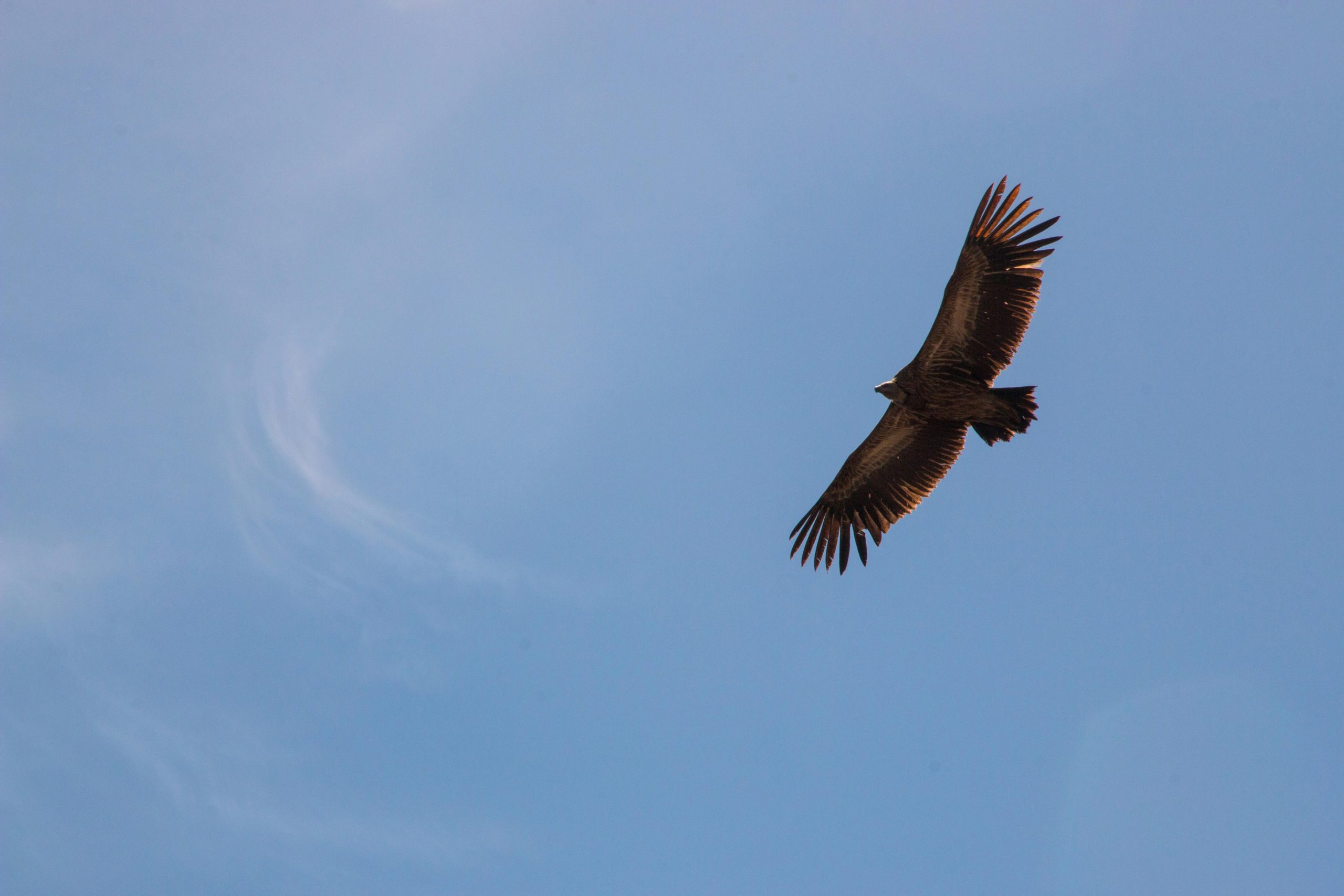
Some animals slowly move sideways or in a shallow arc around a person. This allows them to assess size, reach, and awareness from different angles. Predators use this to locate blind spots, while prey animals use it to plan escape routes. The behavior remains quiet and controlled. Humans who turn abruptly or track the movement may raise an alarm. Picture-friendly scenes show animals partially side-on, bodies curved, eyes still locked on the person, creating a dynamic sense of motion and evaluation.
5. Testing With Sudden Stops and Starts
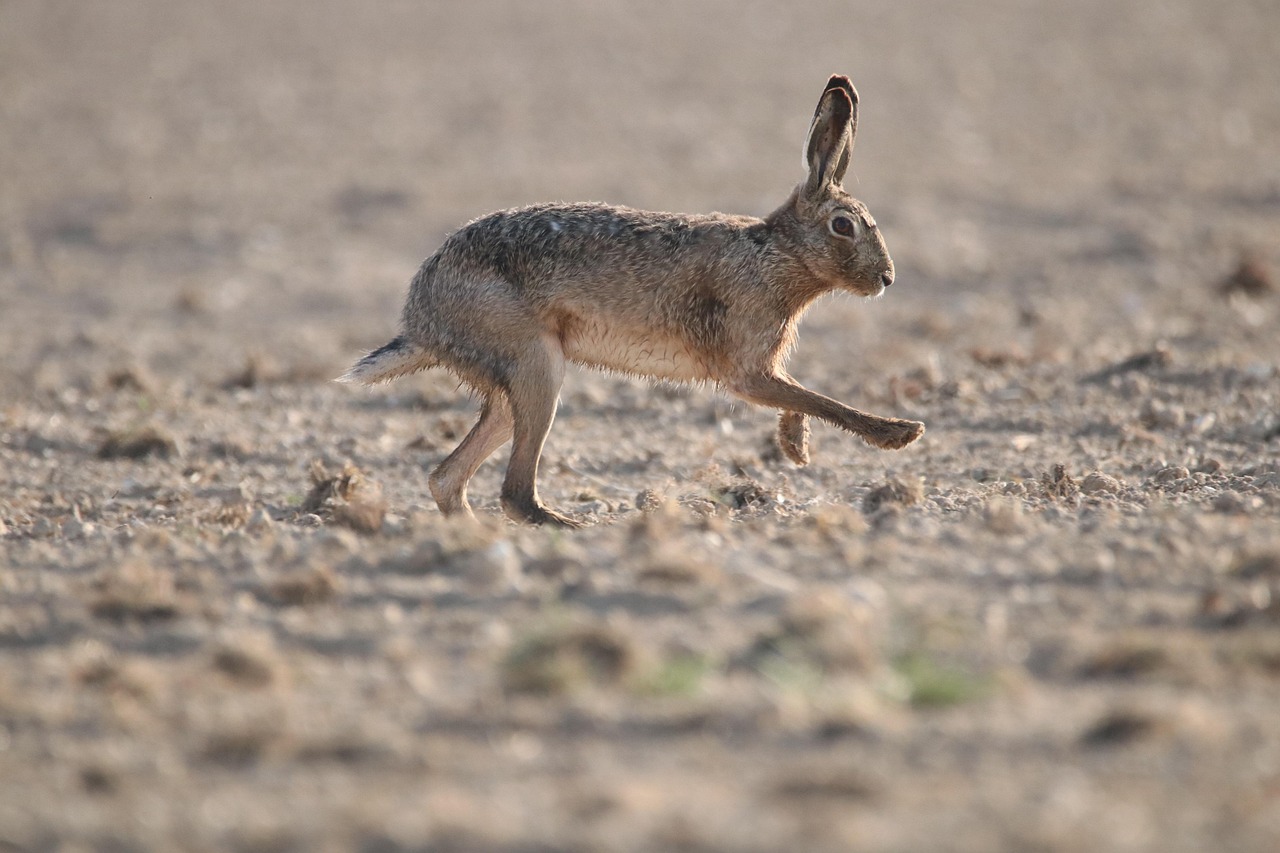
Quick movements followed by abrupt pauses help animals measure reaction time. A jump, hop, or dart forward may trigger a flinch response. Calm humans reduce perceived threat, while panic increases it. This behavior is common in squirrels, birds, and young mammals. It reveals whether a person is alert, aggressive, or distracted. Visually, this looks energetic and tense, capturing animals mid-motion with raised tails, spread wings, or lifted paws, frozen just long enough to read the human response.
6. Vocalizing Softly Before Louder Sounds
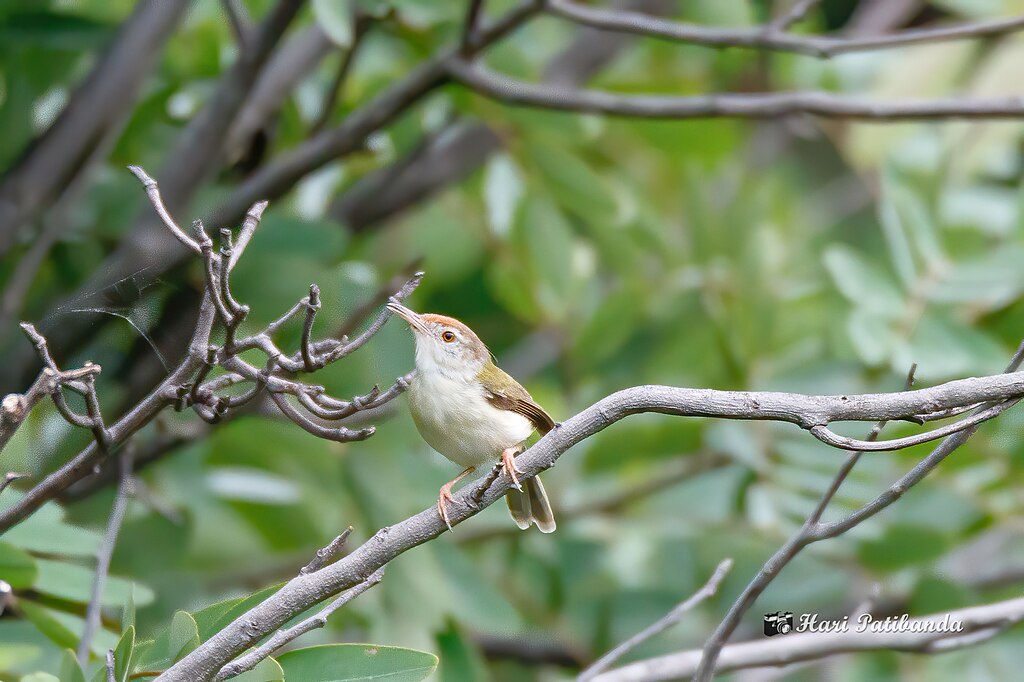
Animals often begin with quiet noises like low growls, chirps, or huffs. These sounds test boundaries without escalating conflict. Silence or calm speech from humans may prevent further escalation. Ignoring or advancing can trigger louder warnings. This behavior allows animals to communicate discomfort clearly. Picture-friendly moments include open mouths, puffed throats, visible breath, or subtle facial expressions that show communication rather than attack.
7. Raising Fur, Feathers, or Body Height
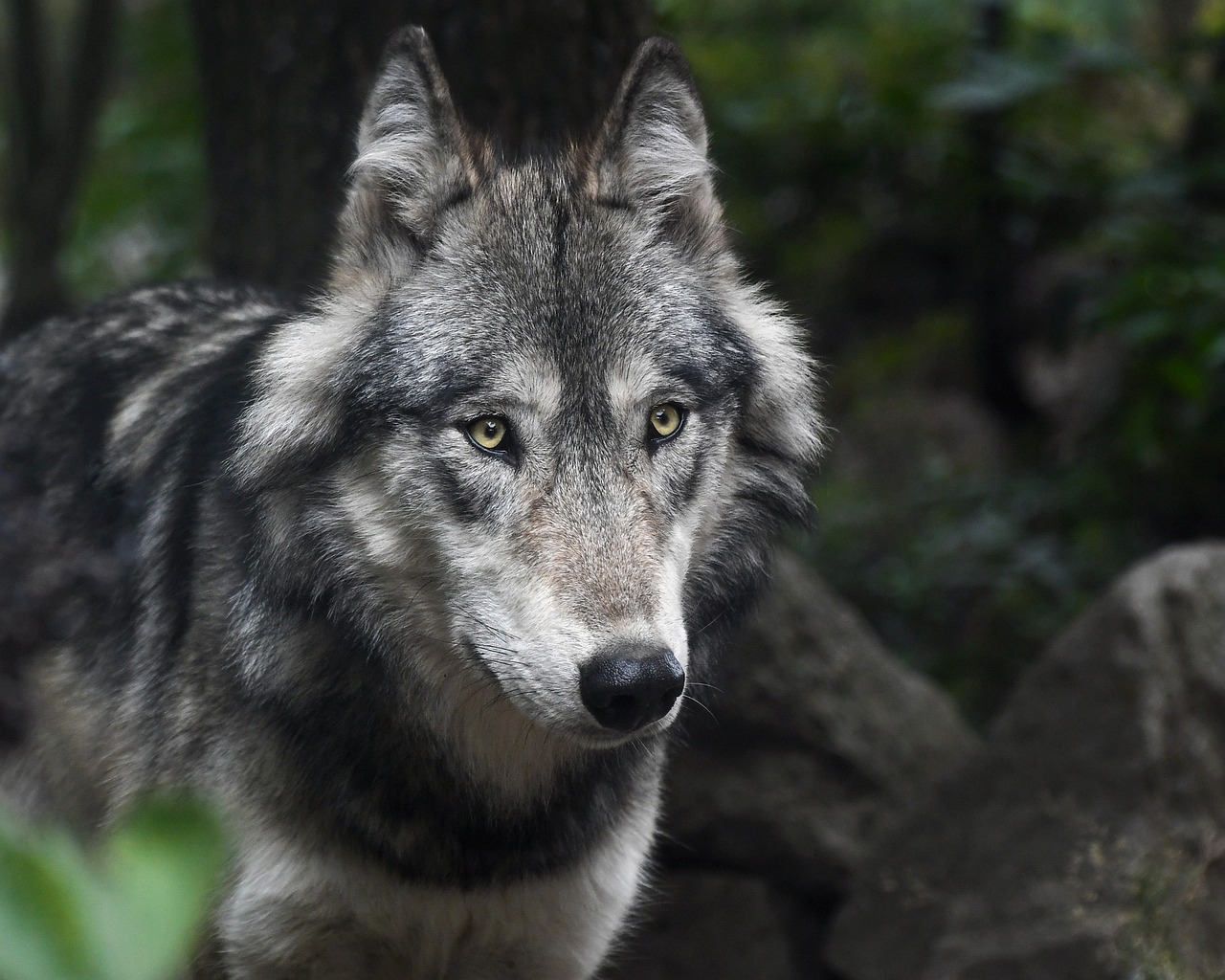
Making themselves look larger is a classic test. Animals watch to see if increased size changes human behavior. Standing taller, fluffing fur, or spreading wings signals readiness without contact. Calm humans reduce tension, while retreat may reinforce dominance. This behavior is common in cats, birds, bears, and reptiles. Images show dramatic silhouettes, expanded shapes, and strong contrast between relaxed surroundings and heightened animal posture.
8. Blocking or Guarding an Area
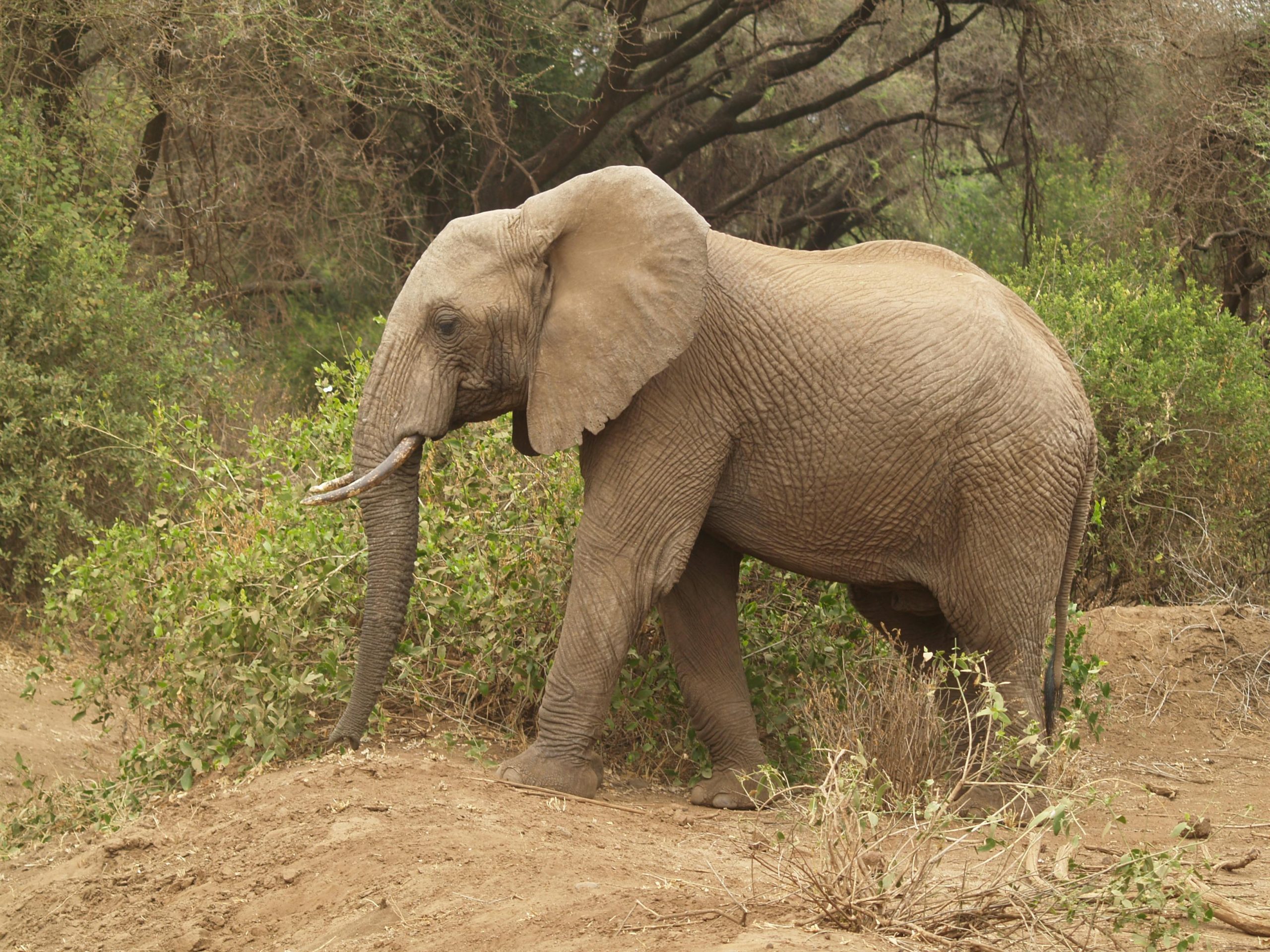
Animals may step between a person and food, young, or territory. This tests whether the human respects boundaries. If the person stops, the animal often relaxes. Continuing forward signals a threat. This behavior is deliberate and controlled. Picture-friendly scenes include animals standing broadside, legs planted, eyes forward, clearly occupying space rather than attacking.
9. Sniffing the Air or Ground Repeatedly
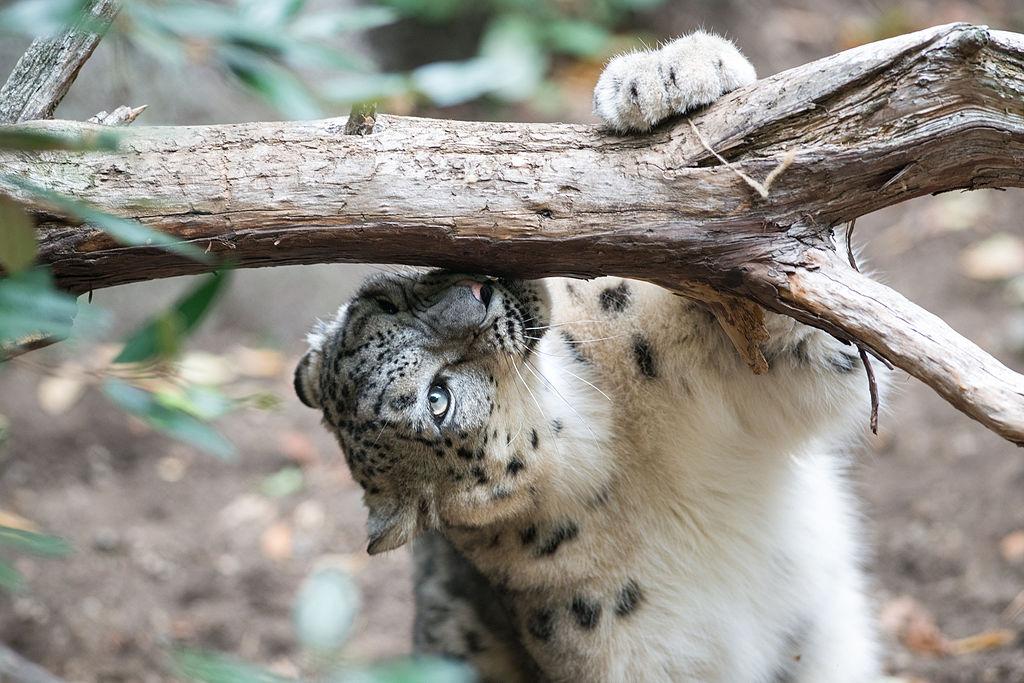
Smell provides emotional information. Animals test scent to detect fear, stress, or familiarity. Repeated sniffing helps confirm identity and intent. Sudden strong odors or fast movements increase concern. Calm presence reduces suspicion. This behavior is common in mammals and reptiles. Visually, this appears as lowered heads, flared nostrils, or tongues flicking in snakes, creating clear, educational imagery.
10. Watching Without Blinking for Long Periods
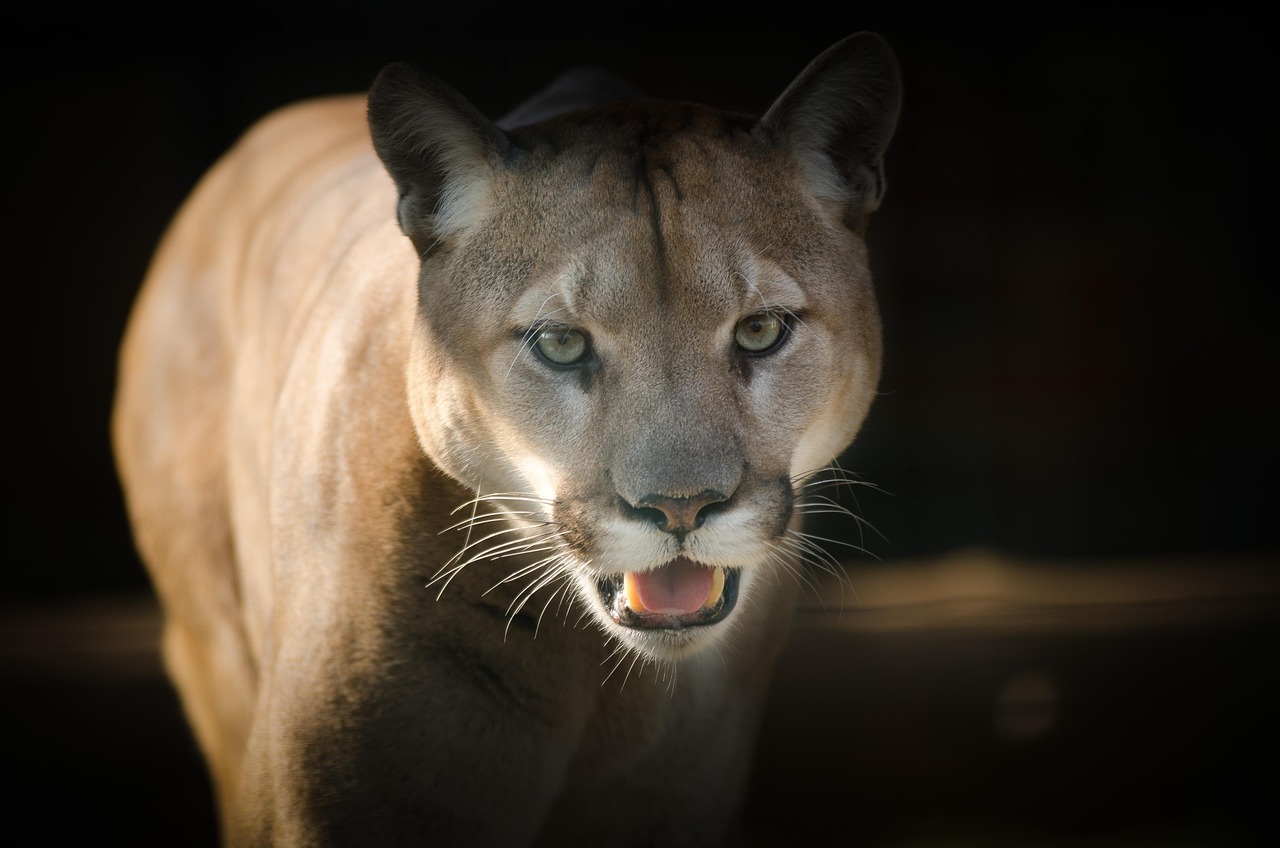
Extended eye contact without blinking signals intense focus. Animals monitor breathing rhythm, muscle tension, and gaze direction. Humans who stare back may appear challenging. Looking slightly away reduces threat perception. This test requires patience and confidence. Photographs capture intense facial detail, eye reflections, and stillness that communicate awareness and judgment.
11. Mimicking Human Movement Slightly
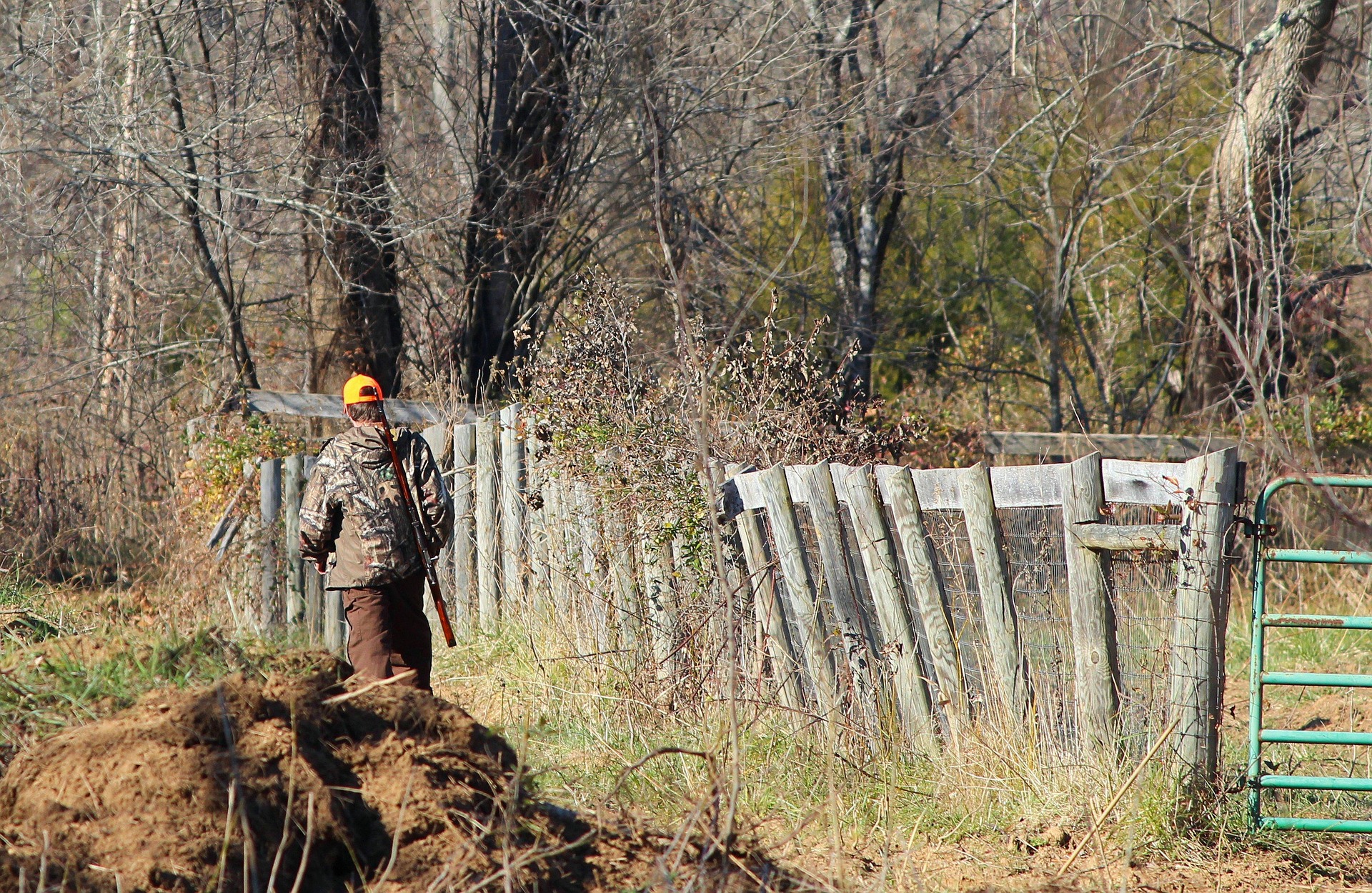
Some animals subtly copy human movements to judge intent and timing. A small step forward, a shift of weight, or a slow turn of the head may be matched almost immediately. This mirroring is not playful. It is analytical. By copying motion, the animal predicts what might happen next and decides whether the person is cautious, aggressive, or unaware. Calm, predictable movement usually lowers suspicion. Sudden gestures break the pattern and signal danger. Visually, this behavior appears quiet and intelligent, often showing an animal lifting a paw, tilting its head, or adjusting stance in near sync with a nearby person.
12. Turning Sideways to Present a Body Profile
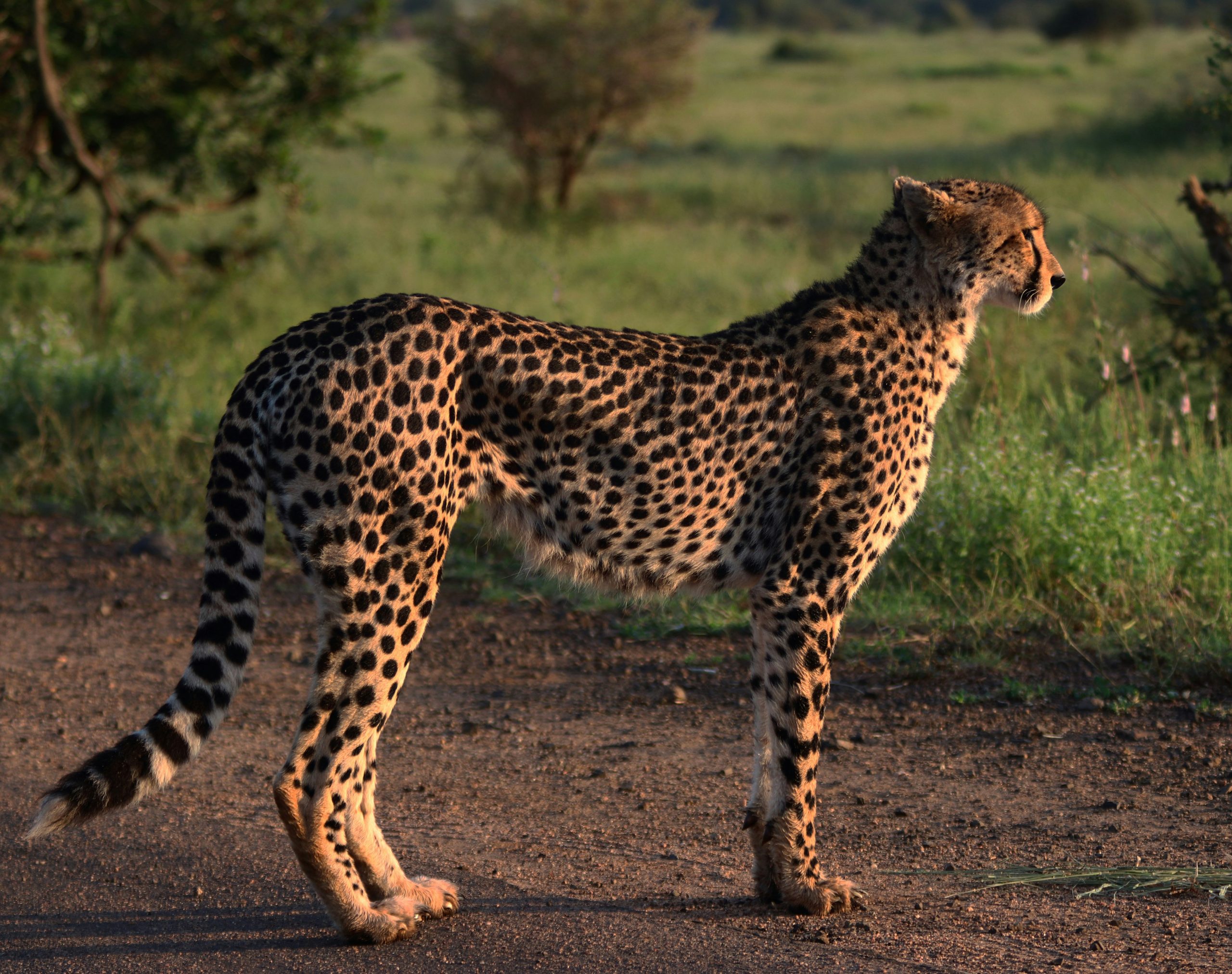
Animals often rotate their bodies sideways while keeping their eyes fixed on a person. This position reduces confrontation but allows fast reaction if needed. It is a balanced test between readiness and restraint. A sideways stance shows confidence without immediate threat. If a human moves directly toward the animal, tension rises quickly. Staying still often causes the animal to remain calm or disengage. Picture-friendly moments show strong outlines, visible muscle tension, and alert facial features, with the animal clearly watching while keeping its body angled for escape or defense.
13. Testing Reactions When Eye Contact Breaks
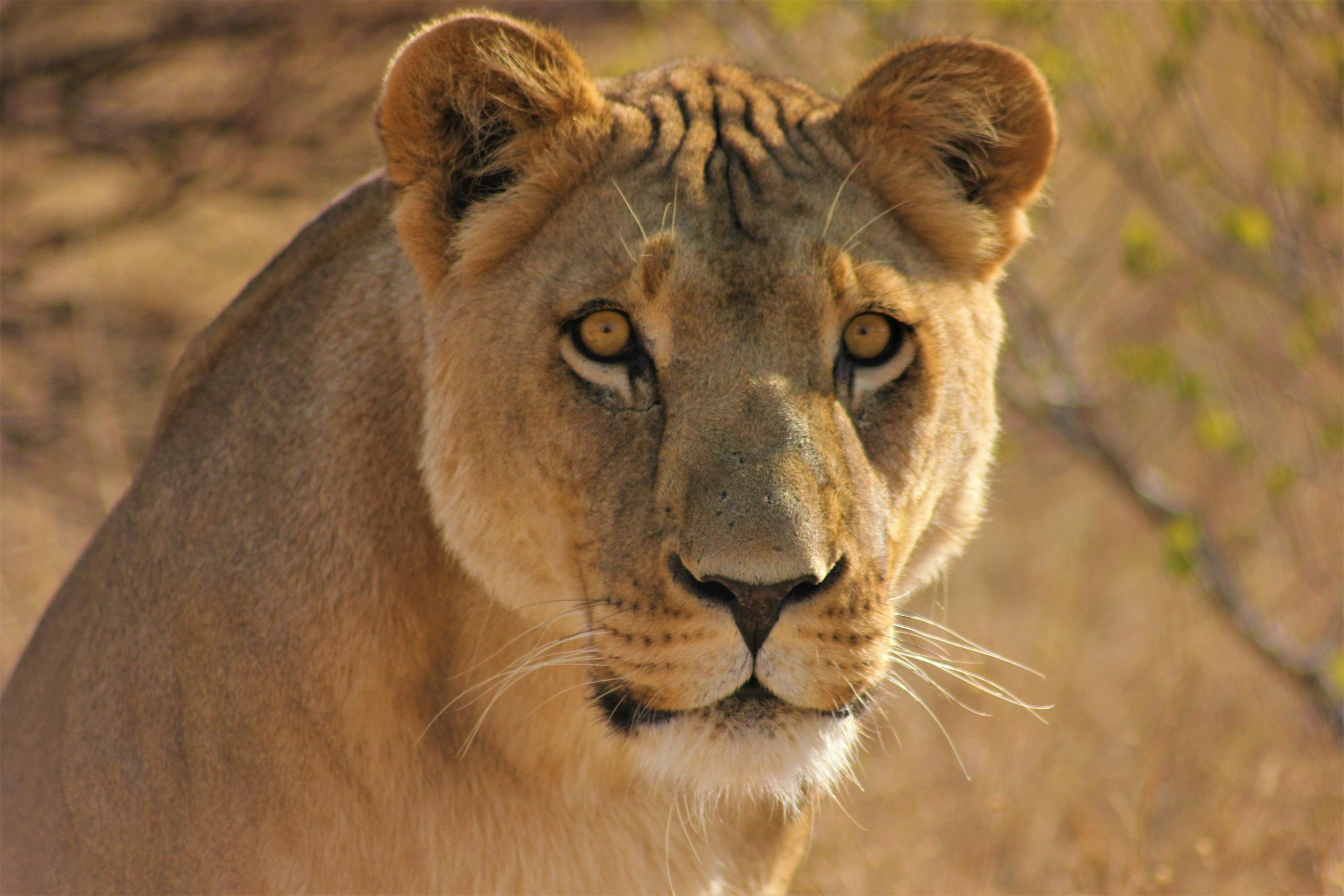
Breaking eye contact briefly and then returning it is a deliberate test. Animals watch closely to see if humans take advantage of the moment by moving closer. Respectful stillness signals safety, while sudden motion confirms threat. This behavior is common in predators and highly alert prey. It helps them judge patience and intent without escalating the situation. Visually, this appears as quick head turns, half-blinks, or eyes shifting away and back again, creating powerful images that reflect decision-making rather than fear or aggression.
14. Approaching From Downwind for Scent Evaluation
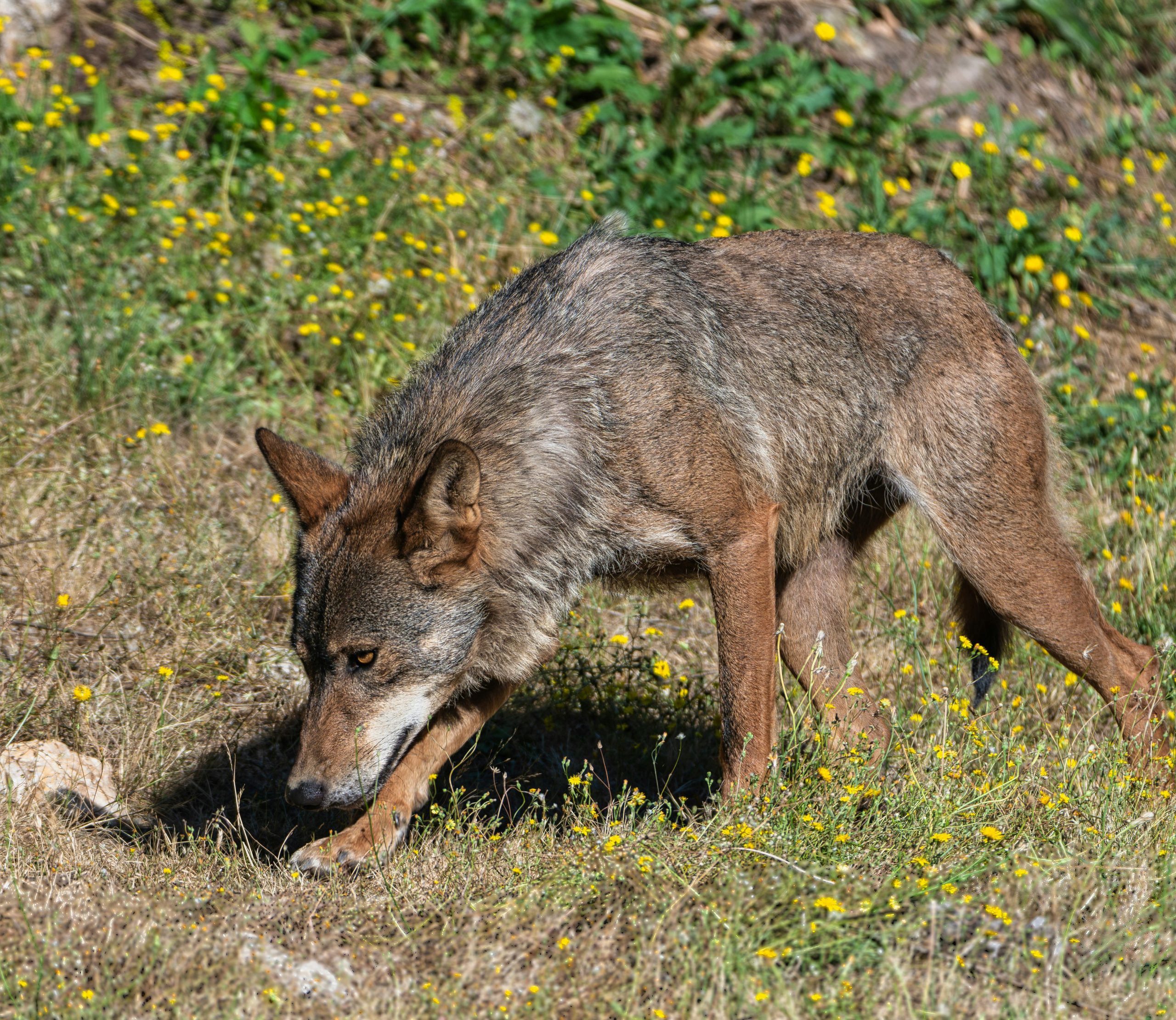
Many animals rely heavily on smell and will position themselves downwind before revealing their presence. This allows them to collect scent information without being seen. Human stress, sweat, or unfamiliar odors can influence the animal’s judgment. Calm presence often carries fewer alarm signals. This test may happen long before visual contact. Picture-friendly scenes include animals with noses raised slightly, bodies low, and wind-blown environments that emphasize how scent travels through open terrain or forested areas.
15. Observing While Using Natural Cover
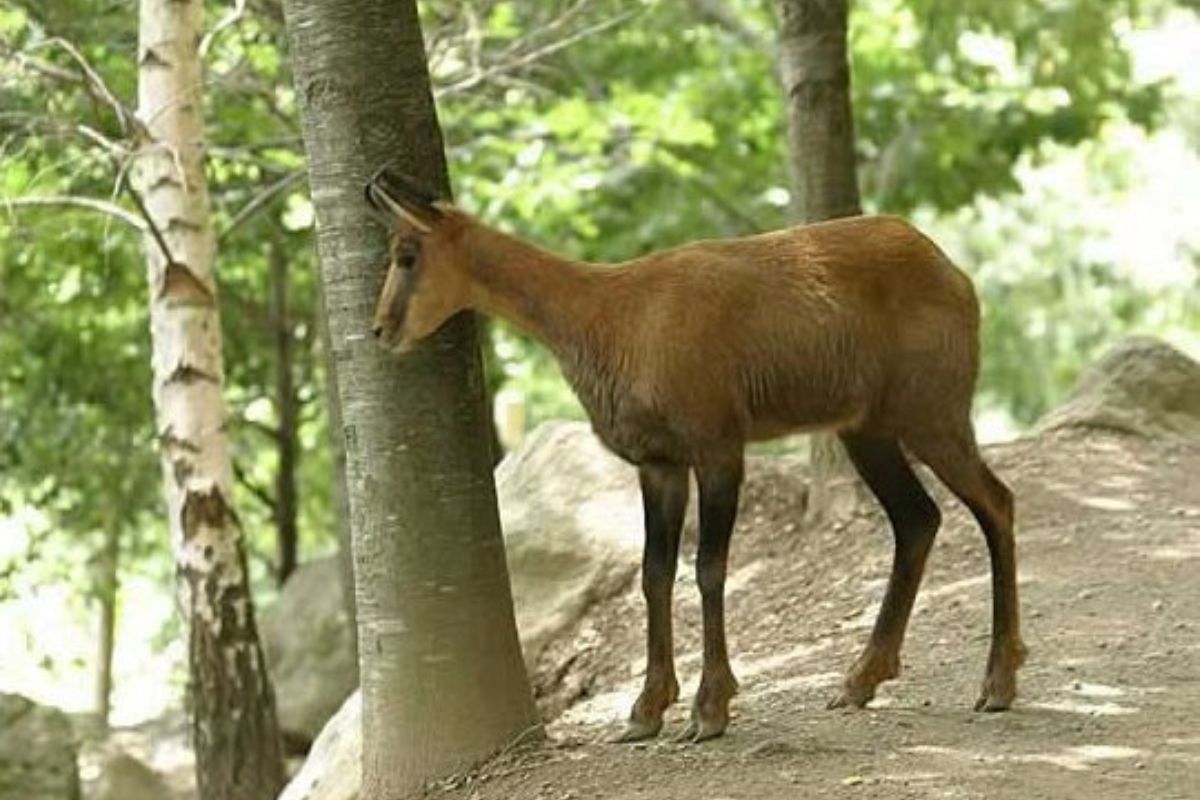
Animals frequently use trees, rocks, tall grass, or bushes as cover while testing safety. Partial concealment allows close observation without commitment. If the human behaves unpredictably, the animal can retreat instantly. Calm behavior often results in the animal remaining hidden or slowly withdrawing. This behavior is cautious rather than fearful. Visually, it creates dramatic compositions, showing eyes peering through foliage or bodies half-hidden, reinforcing the sense of careful evaluation and controlled distance.
16. Repeating the Same Motion to Check Consistency
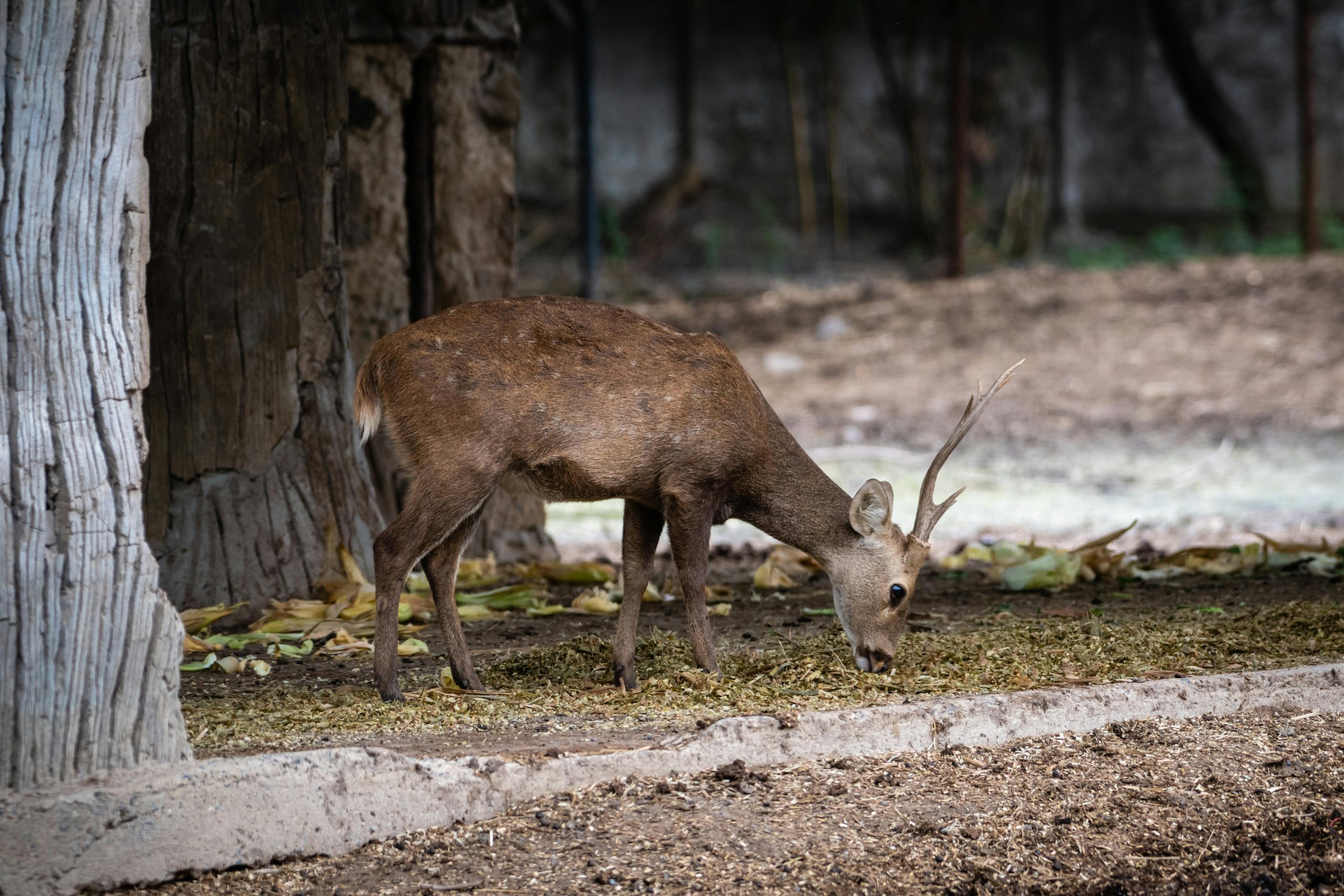
Repetition is a powerful testing method. Animals may pace back and forth, bob their heads, or shift weight repeatedly while watching for changes in human behavior. Consistent, calm responses lower perceived risk. Any sudden change draws immediate attention. This behavior reflects pattern recognition and intelligence. Picture-friendly moments show rhythmic movement, worn paths, or repeated footprints, capturing the idea that the animal is studying reactions rather than preparing to attack.
17. Listening Closely to Human Vocal Tone
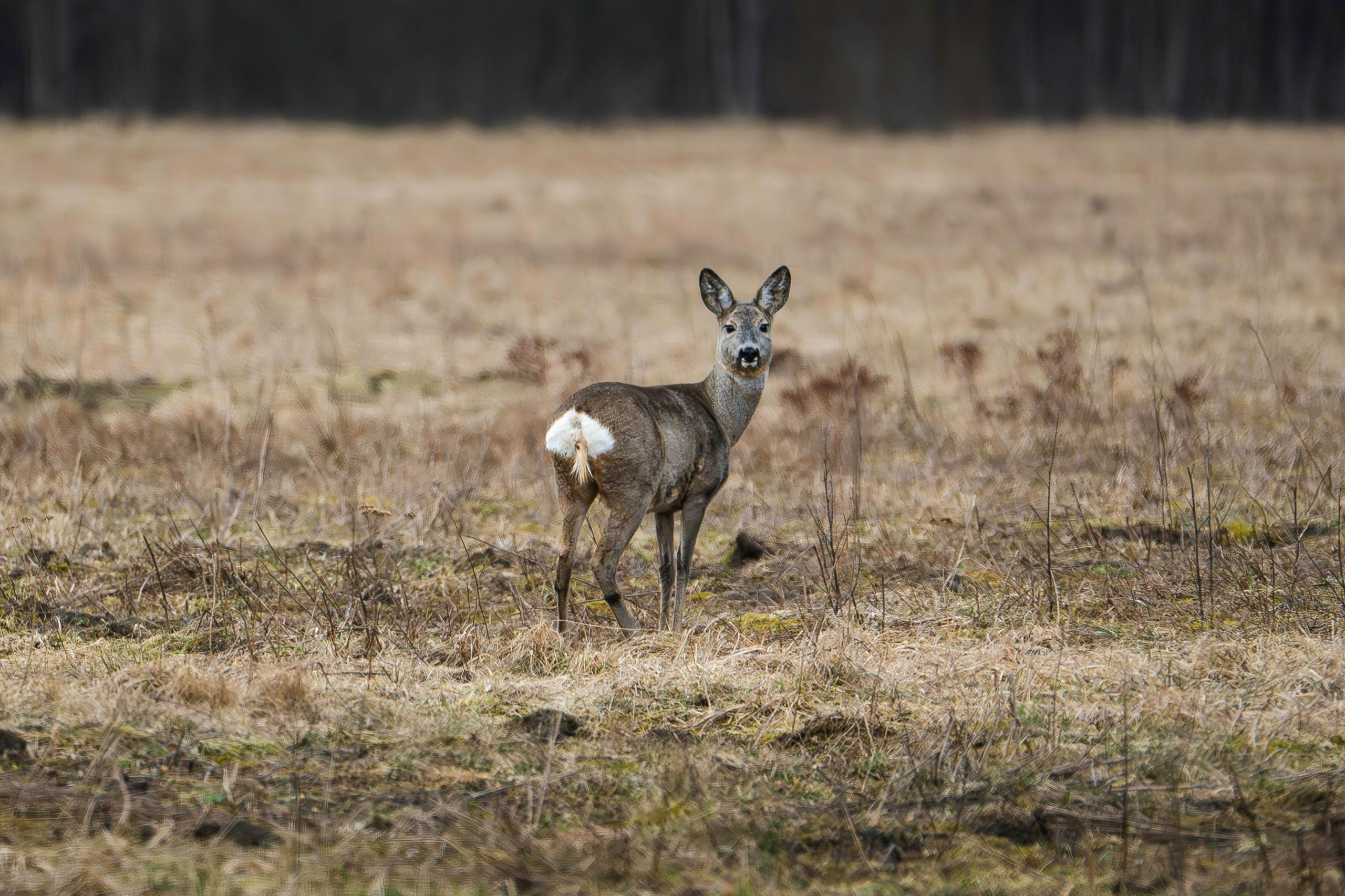
Animals often pause and focus when a human speaks. Tone matters more than words. Soft, steady voices usually reduce tension, while loud or sharp sounds increase it. Silence can also communicate neutrality. Animals watch body language alongside sound to confirm meaning. This test helps them decide whether to relax or retreat. Visually, this appears as tilted heads, raised ears, or focused eyes, capturing a moment of deep attention and interpretation rather than fear.
18. Slowly Backing Away While Maintaining Eye Contact
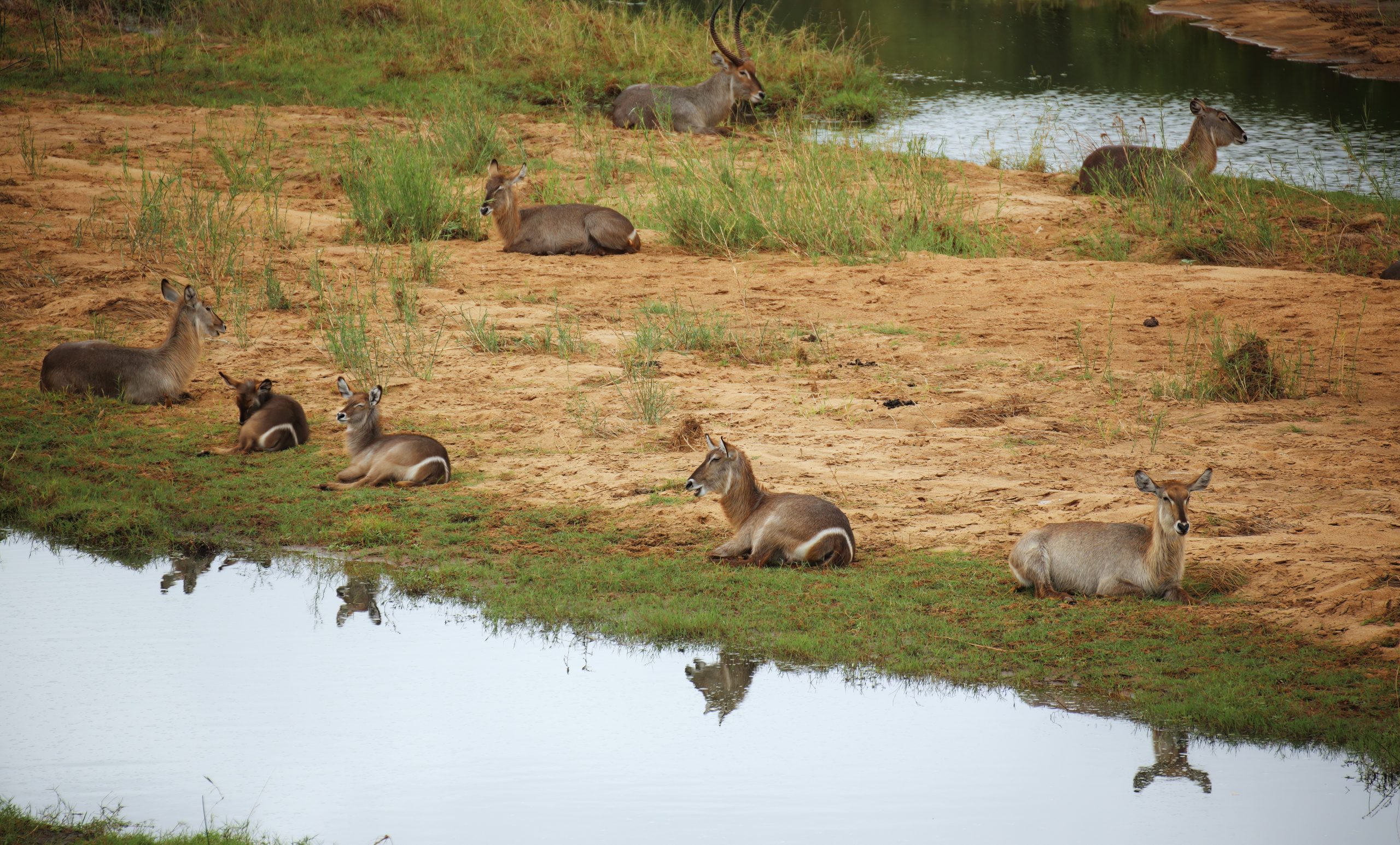
A slow retreat is often the final test. The animal steps backward carefully while watching to see if the human follows. Remaining still confirms safety and usually ends the encounter peacefully. Advancing triggers flight or defensive behavior. This controlled withdrawal shows confidence and restraint. Picture-friendly scenes capture animals fading into shadows or tall grass, eyes still visible, bodies poised to disappear, clearly signaling that the assessment is complete.