Camping in New York during the 1990s carried challenges that modern gear and infrastructure have largely softened. Campers relied on simpler equipment, fewer regulations, and word of mouth knowledge rather than apps or online updates. Weather, wildlife, and access issues often caught people unprepared. Popular parks felt wilder, less managed, and sometimes unforgiving. From crowded campgrounds to unreliable navigation, these experiences shaped lasting memories. Many longtime campers still reference these difficulties today. The following challenges reflect what defined outdoor trips across New York during that decade, especially for those exploring Adirondack forests, Catskill trails, Finger Lakes shorelines, and lesser known state lands before modernization changed expectations.
Limited Campsite Reservations
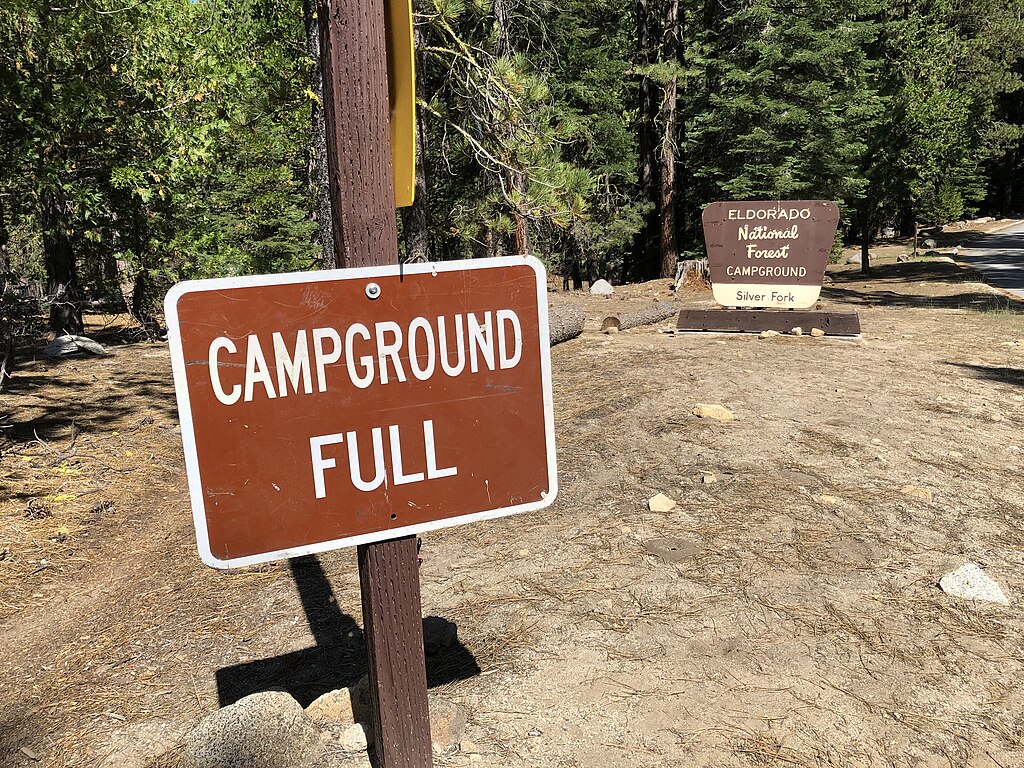
Limited campsite reservations created constant frustration for 1990s New York campers. Most campgrounds relied on first come systems. Popular sites filled early on summer weekends. Campers arrived before sunrise hoping for availability. Long drives ended in disappointment. Families scrambled for alternatives. Private campgrounds charged higher fees. State park offices handled reservations by phone or mail. Errors occurred frequently. Weather changes wasted reserved spots. Flexibility mattered. Campers learned backup planning quickly. This uncertainty shaped trip timing and stress levels, especially in Adirondack and Catskill regions where demand exceeded supply during peak seasons every year.
Paper Map Navigation Errors
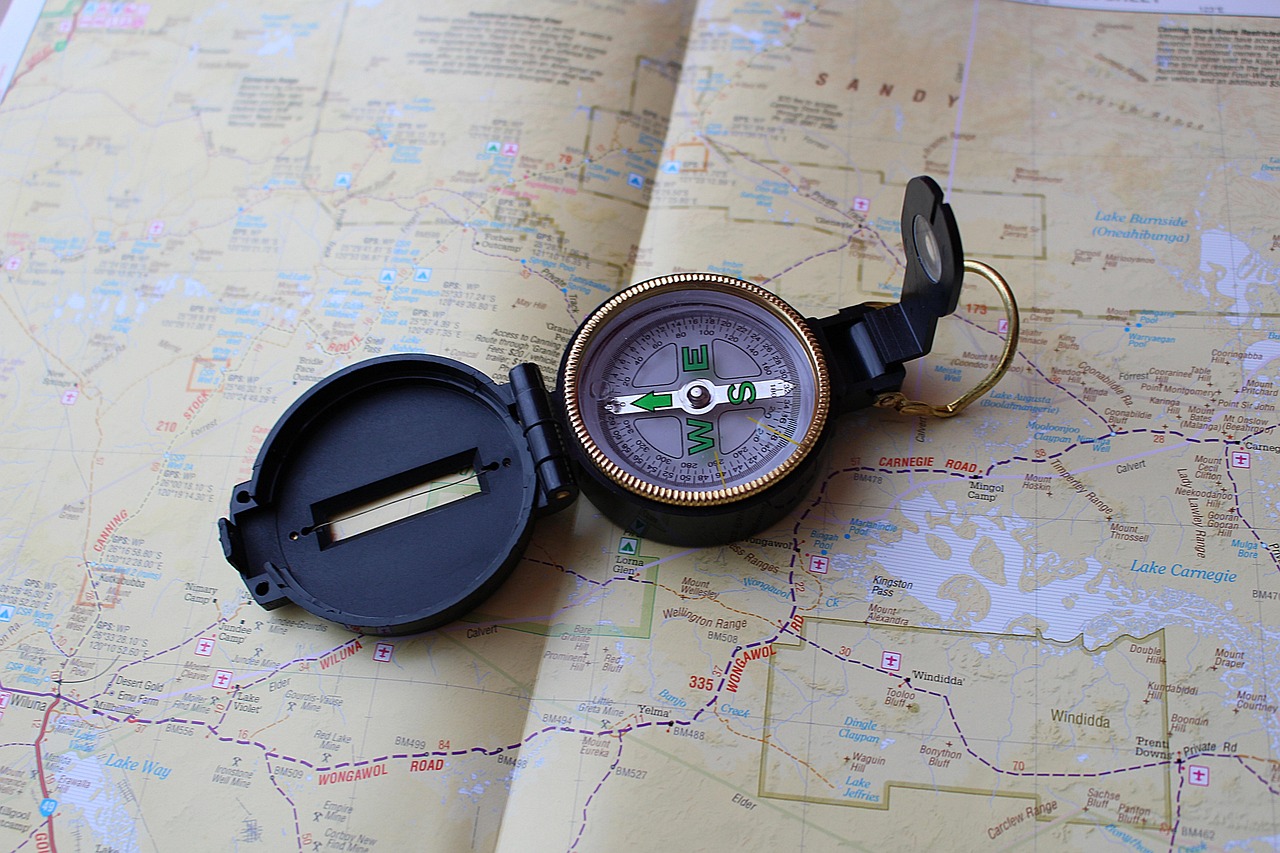
Paper map navigation challenged many campers during the 1990s, especially across New York’s dense forests. Trail markings varied widely, and printed maps often lacked updates reflecting rerouted paths or logging roads. Campers misjudged distances easily, confusing scale and elevation. Weather frequently obscured landmarks, while compass skills varied by experience. Wrong turns extended hikes and delayed campsite arrivals. Nightfall increased risk when locations proved difficult to identify. Few campers carried GPS devices at the time. Navigation errors became learning moments later shared as stories. Adirondack backcountry terrain amplified confusion, with similar landscapes stretching miles without clear reference points.
Crowded State Parks
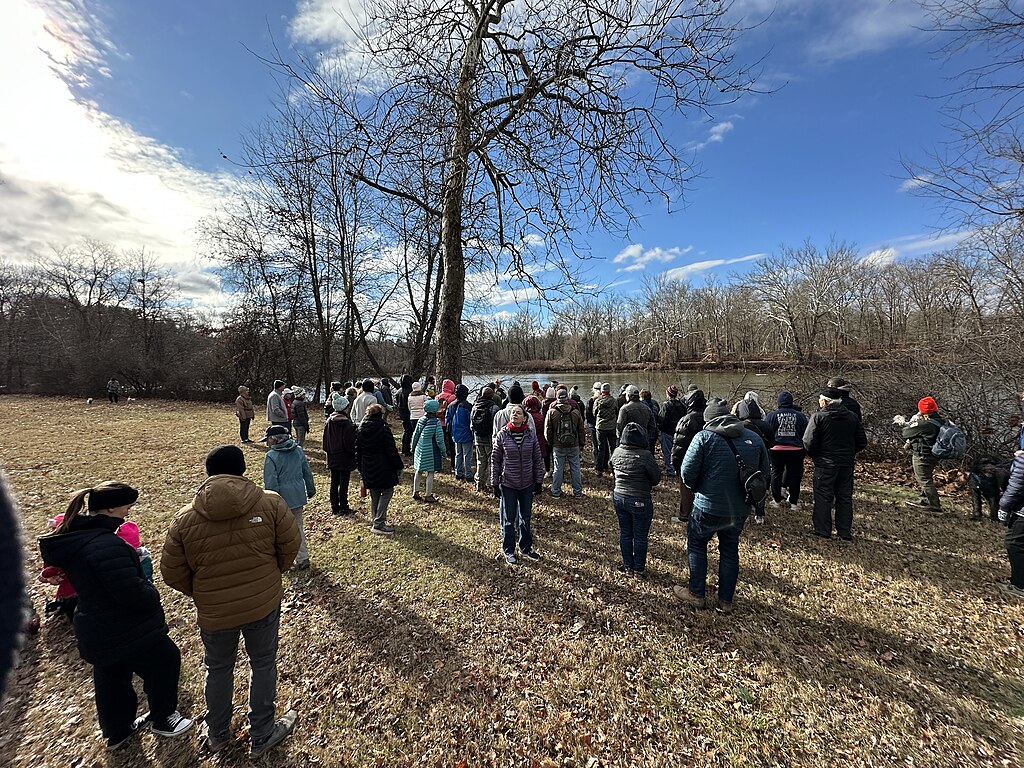
Crowded state parks frustrated many New York campers throughout the 1990s. Popular destinations overflowed during summer weekends and holidays. Campsites sat close together, limiting privacy and increasing noise. Rangers struggled to enforce quiet hours consistently. Parking spilled onto roads, complicating access. Trail congestion slowed hikes and altered outdoor experiences. Campfire smoke drifted constantly between sites. Campers adjusted arrival times or shortened trips to avoid peak periods. Some abandoned plans entirely when parks reached capacity. Locations like Harriman State Park and Lake George highlighted these pressures, forcing campers to balance accessibility with tolerance for crowds during peak season travel.
Inconsistent Weather Forecasts
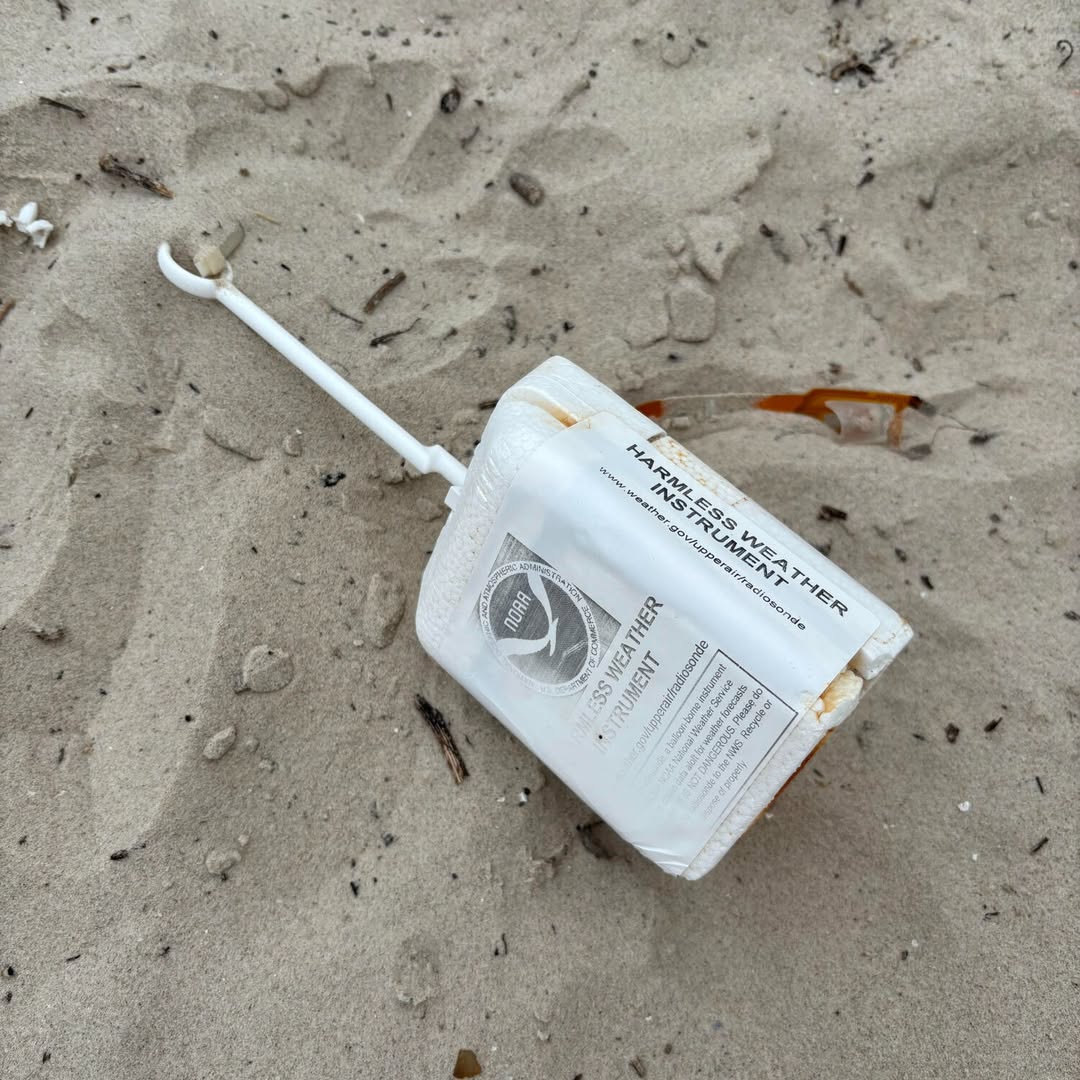
Inconsistent weather forecasts posed major challenges before widespread digital access. Television reports lacked location-specific detail, while radio updates often lagged behind changing conditions. Local weather varied drastically across New York’s terrain. Sudden storms surprised campers, flooding tents and damaging tarps. Cold fronts arrived unexpectedly, complicating packing decisions. Hypothermia risks increased during unanticipated temperature drops. Campers learned to prepare broadly rather than precisely. Forecast inaccuracies became common campfire discussions afterward. Mountains and lakes created unpredictable microclimates, particularly in Adirondack and Catskill regions, where limited information sources made weather planning uncertain before departure.
Heavy Mosquito Populations
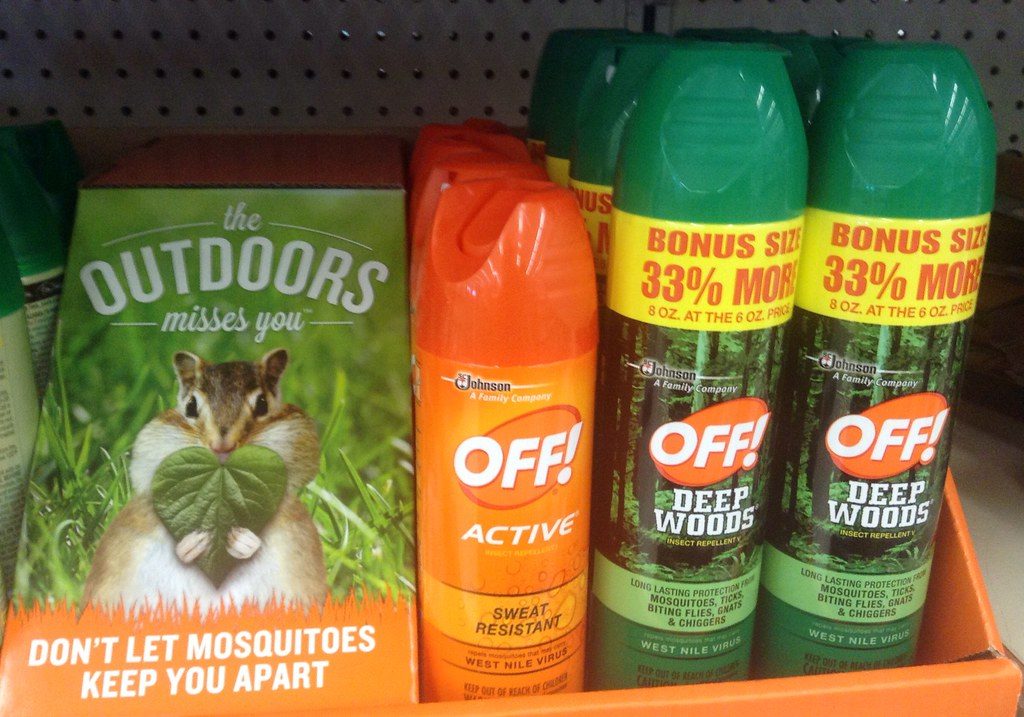
Heavy mosquito populations tested patience during many 1990s camping trips. Repellents felt less effective than advertised, and campsites near water swarmed constantly. Evening activities suffered as insects dominated exposed areas. Netting options remained limited and uncomfortable. Campfires provided only brief relief. Bites accumulated quickly, making sleep difficult. Long sleeves became necessary even in warm weather. Campers joked about clouds of mosquitoes, while black flies added misery in spring. These conditions influenced campsite selection. New York wetlands and forested lakes amplified insect pressure, especially during late spring and early summer across Adirondack lowlands and Finger Lakes shorelines.
Primitive Restroom Facilities
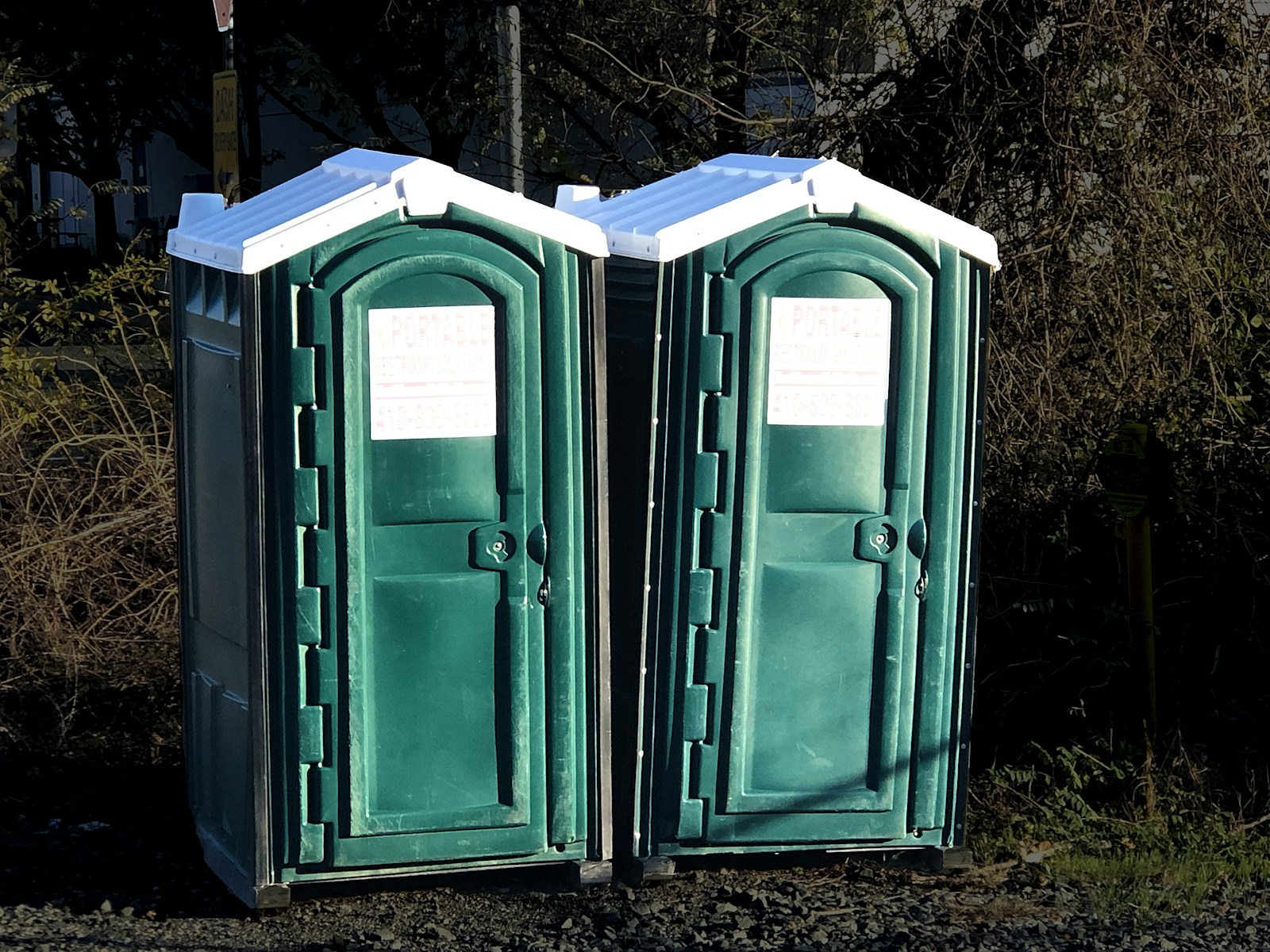
Primitive restroom facilities created ongoing discomfort for many campers. Numerous sites relied on pit toilets with inconsistent maintenance. Odors lingered in warm weather, and supplies often ran out quickly. Sanitation concerns worried families with children. Lighting remained poor after dark, discouraging nighttime use. Campers adapted hygiene routines accordingly. Handwashing options were limited or nonexistent. These conditions shaped expectations and required patience. During the 1990s, upgrades arrived slowly in New York campgrounds, leaving many campers with vivid memories of basic facilities that contrast sharply with modern improvements found across state-managed parks today.
Limited Gear Availability
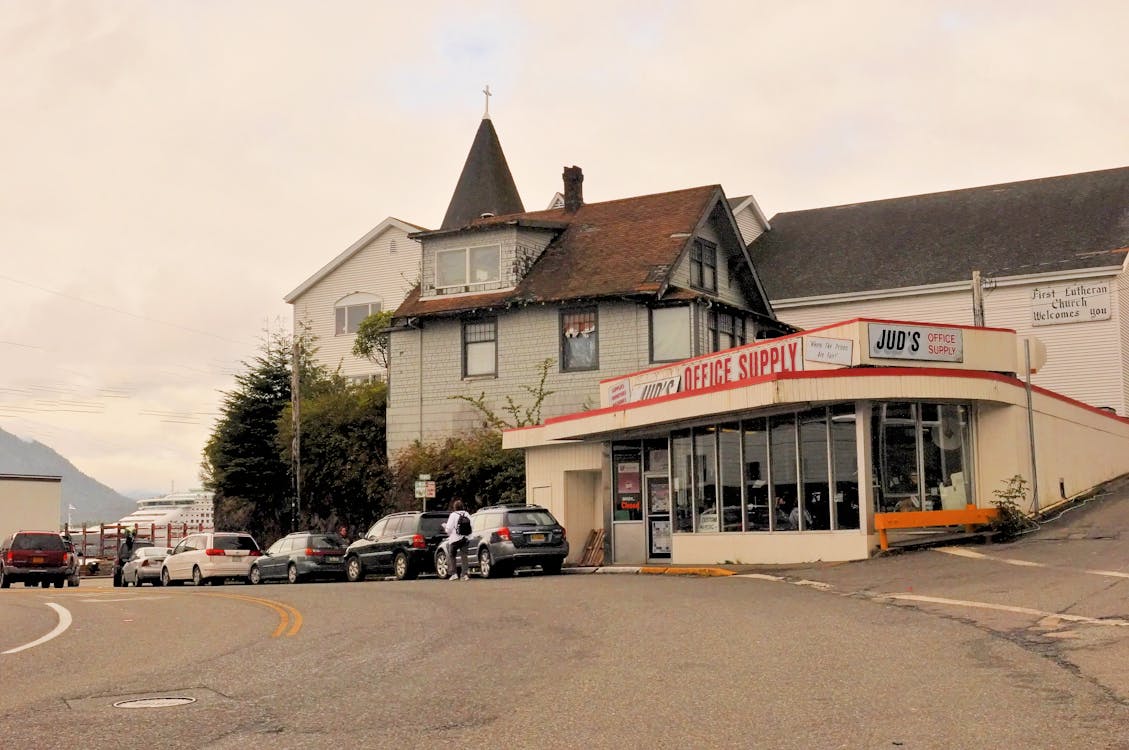
Limited gear availability restricted preparation options for many campers. Specialty outdoor retailers were scarce, especially outside cities. Local shops stocked only basic equipment. Advanced fabrics and lightweight designs remained expensive or unavailable. Information about new gear traveled slowly through catalogs and magazines. Campers reused aging equipment and repaired items on site. Gear failures felt common. Borrowing equipment from friends was routine. These constraints encouraged creativity and resilience. In rural New York regions, access to modern camping equipment lagged behind rising interest, shaping a generation of campers who relied on improvisation and shared knowledge throughout the decade.
Bear Food Storage Issues
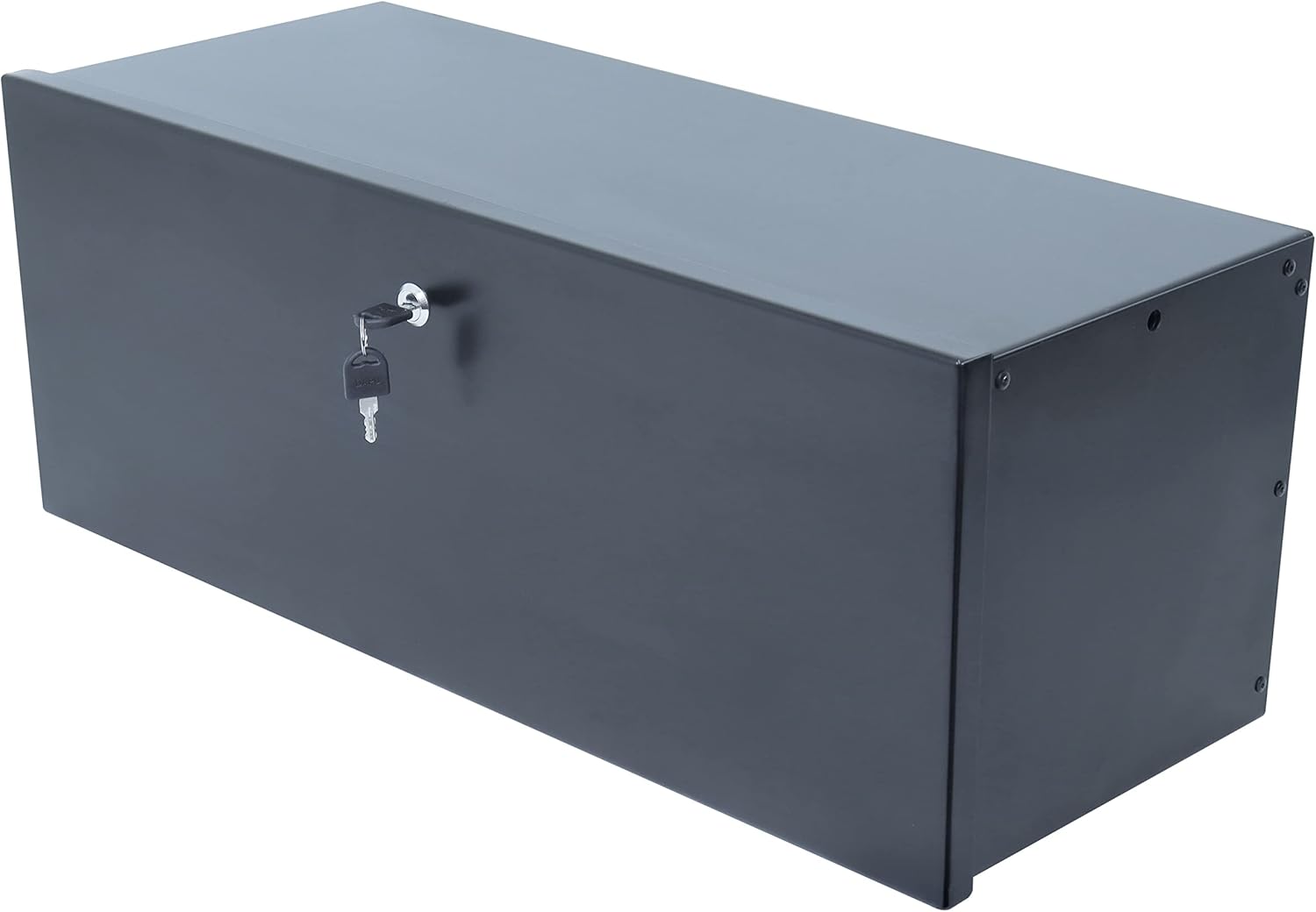
Bear food storage presented ongoing concerns for campers during the 1990s. Bear-resistant canisters were uncommon and rarely required. Campers often hung food improperly, allowing animals to learn routines. Campsites experienced nighttime disturbances involving coolers and packs. Coolers failed easily, and guidance from rangers varied by location. Incidents slowly increased awareness. Campers adapted practices through trial and error. Adirondack regions experienced growing bear interactions, and stories circulated widely. Inconsistent policies and limited equipment left many campers learning through experience, sometimes after close encounters that became lasting memories shaping future food storage habits.
Poor Trail Signage
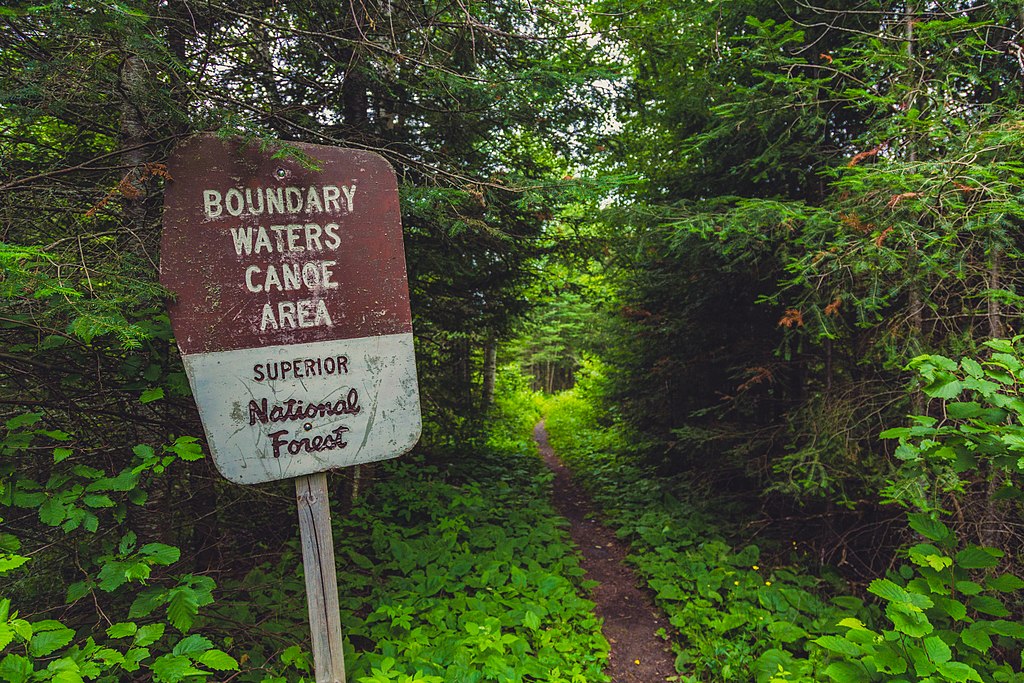
Poor trail signage confused many campers across New York during the 1990s. Trail markers faded over time, and intersections lacked clear direction. Maps often failed to match on-the-ground conditions. Seasonal reroutes appeared without notice. Hikers overshot junctions and questioned return routes. Rangers managed vast territories, while volunteer maintenance varied. These conditions tested patience and attention. Campers learned to observe terrain carefully. New York’s expansive trail systems, especially within Adirondack wilderness zones, demanded experience and awareness long before standardized signage improvements became widespread across managed public lands.
Overcrowded Camp Stores

Overcrowded camp stores strained supplies at popular New York campgrounds. Limited inventory sold out quickly, especially ice and firewood. Lines formed frequently during peak hours. Prices felt high compared to nearby towns. Delivery schedules varied unpredictably. Campers drove long distances for basic supplies when stores emptied. Planning became essential, and mistakes cost time. These experiences encouraged self-sufficiency. In busy parks, reliance on small stores highlighted logistical challenges before expanded retail access and improved supply chains became common in later decades across popular camping regions.
Vehicle Access Limitations
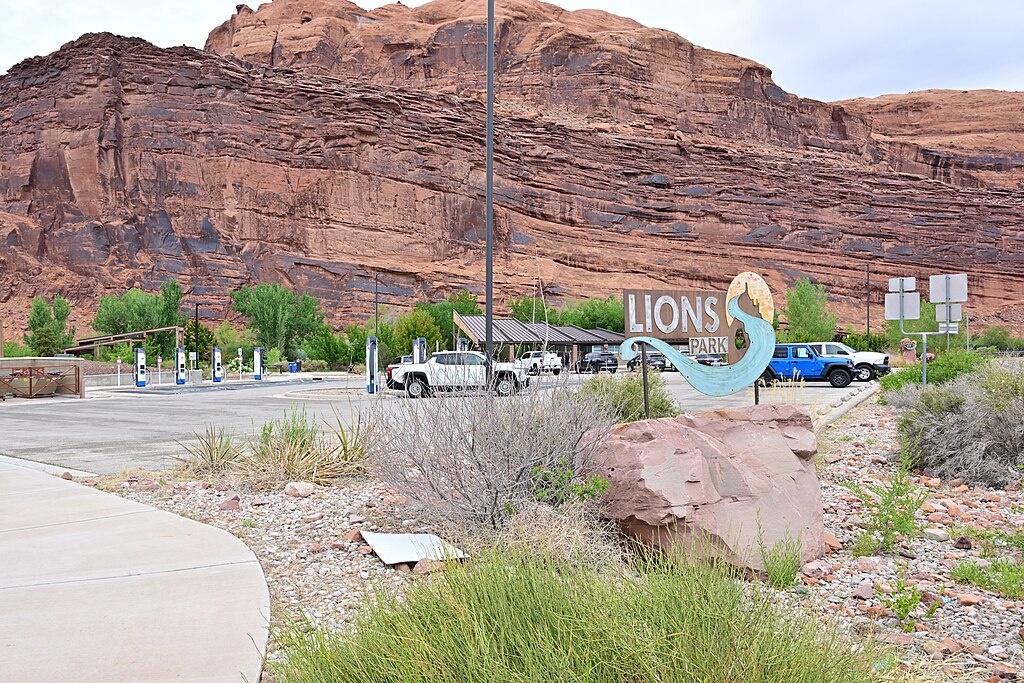
Vehicle access limitations complicated many camping trips. Rough roads damaged low-clearance cars. Parking filled quickly during peak periods. Some campsites required long carries from designated lots. Maps failed to clearly show access restrictions. Campers underestimated distances between vehicles and sites. Weather worsened road conditions suddenly. Towing vehicles out proved difficult. These challenges shaped packing strategies. In New York’s backcountry areas, especially Adirondack preserves, limited vehicle access protected wilderness character while testing campers accustomed to closer parking and easier logistics throughout the 1990s.
Campfire Wood Restrictions
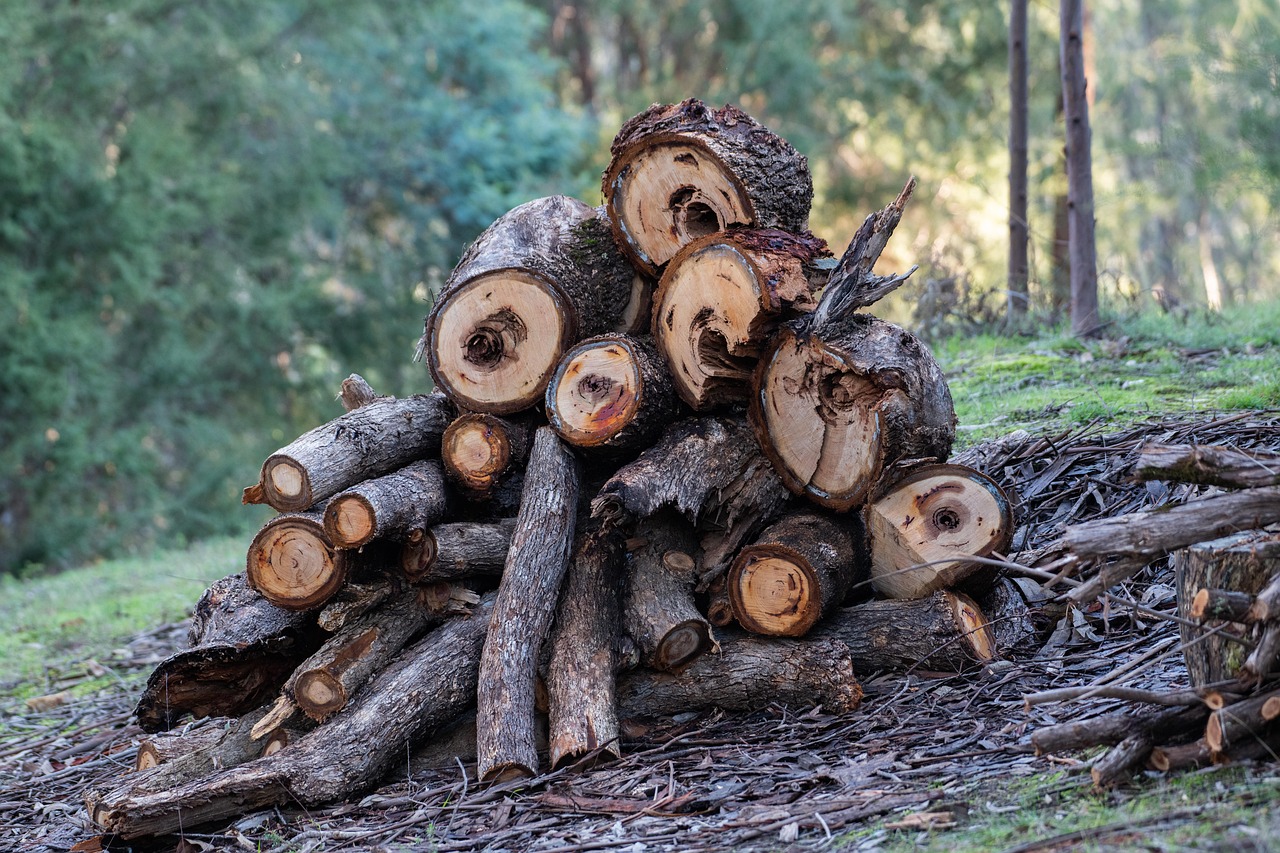
Campfire wood restrictions confused campers throughout the decade. Rules varied by park and changed frequently. Transporting firewood spread pests unknowingly. Local bans appeared suddenly without clear communication. Campers struggled to source approved wood nearby. Campfires defined social evenings, making restrictions frustrating. Enforcement felt inconsistent, and education lagged. These challenges influenced evolving fire practices. In New York, growing environmental awareness during the 1990s created a transitional period that campers remember as confusing yet formative for responsible fire management habits now widely accepted.
Cold Night Temperatures
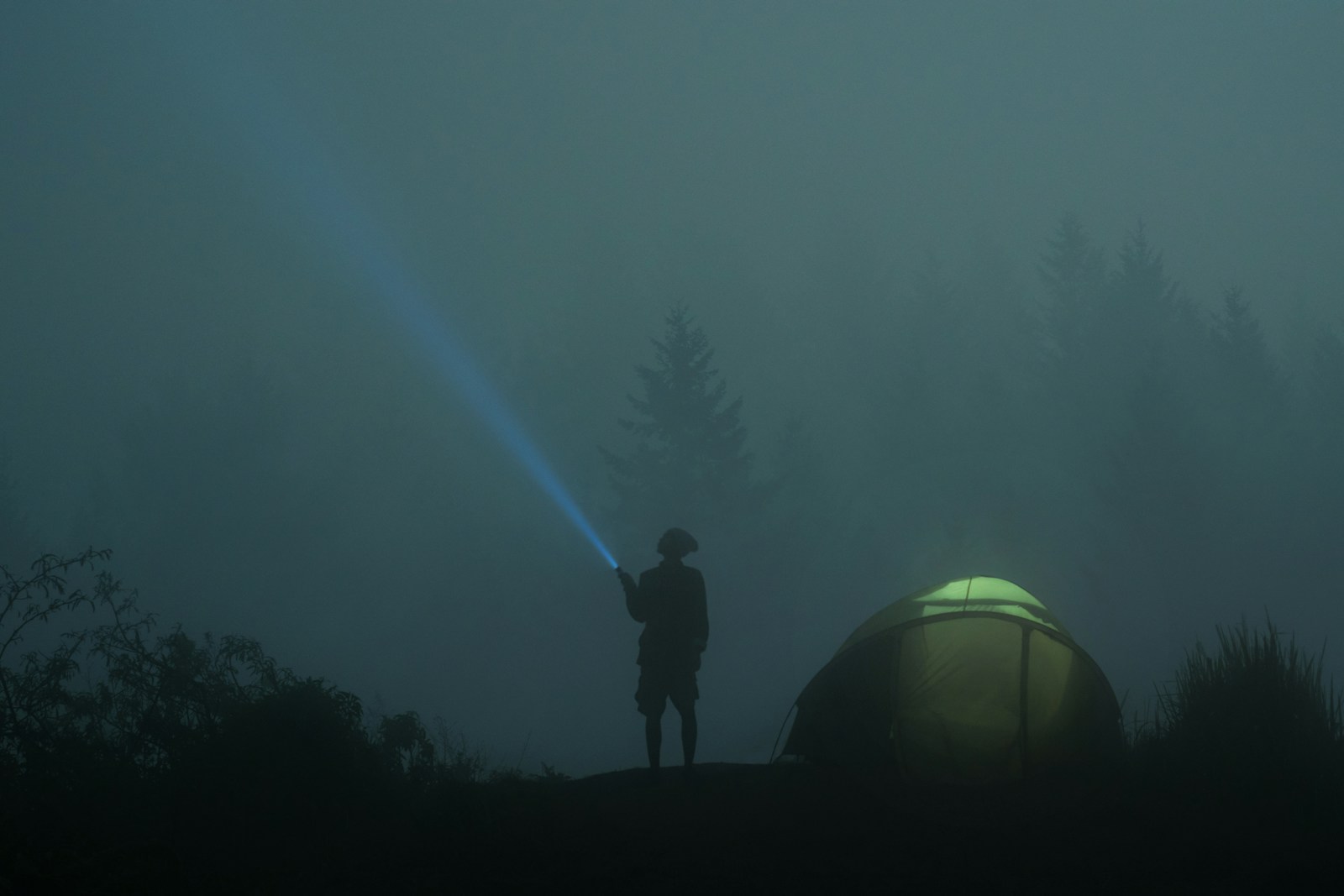
Cold night temperatures surprised many campers across New York. Warm summer days masked sharp evening drops. Sleeping bags often lacked temperature ratings. Condensation worsened nighttime chill. Campfires burned down overnight, reducing warmth. Clothing proved inadequate. Campers woke shivering unexpectedly. These experiences taught preparation lessons quickly. Elevation and proximity to water caused rapid temperature swings, particularly in Adirondack and Catskill regions. Many 1990s campers still recall unexpectedly cold nights during otherwise pleasant trips, shaping long-term habits around layering and sleep system planning.
Limited Emergency Communication
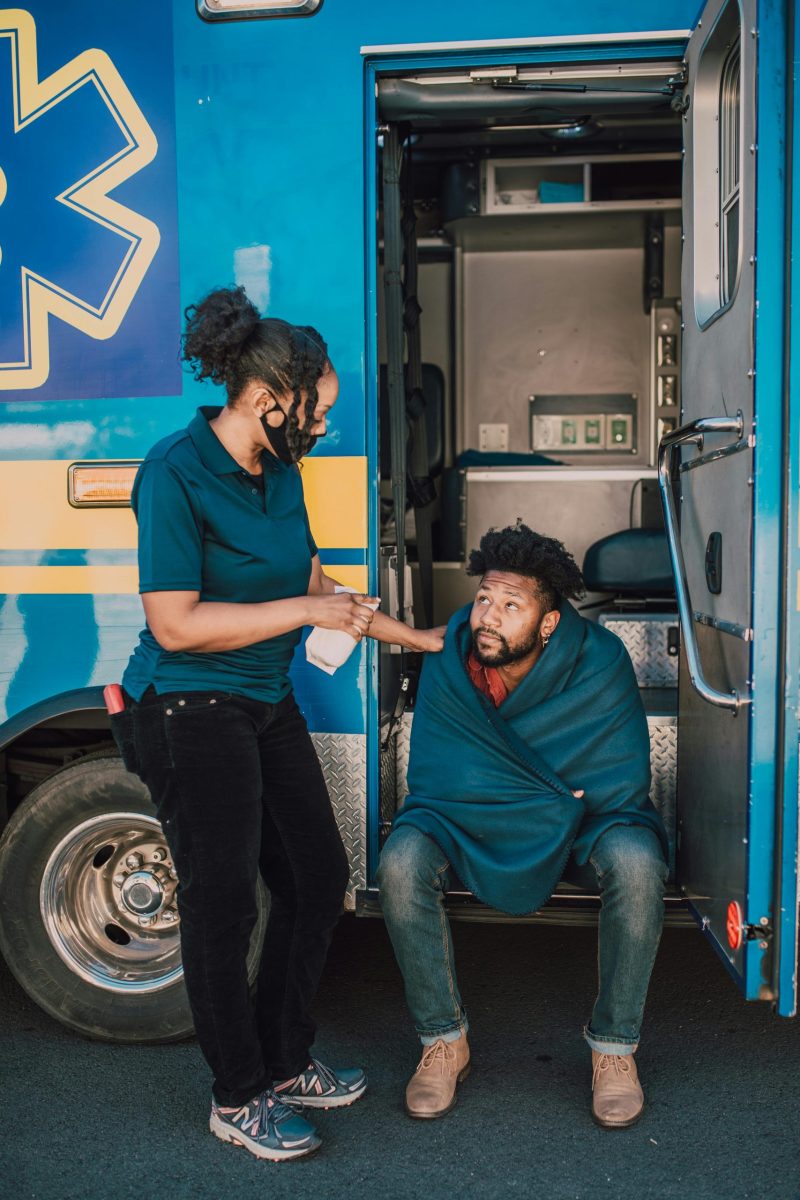
Limited emergency communication increased anxiety during outdoor trips throughout the 1990s. Cell phones were rare, and coverage was essentially nonexistent in wilderness areas. Handheld radios offered limited range and unreliable reception. Injuries often required self-resolution, making even minor accidents stressful. Delays in reaching help felt risky and isolating. Campers relied heavily on group coordination and conservative decision making. Isolation felt real rather than theoretical. In New York wilderness regions, limited communication reinforced preparedness habits, cautious route choices, and strong group reliance long before satellite messengers and smartphones reshaped outdoor safety expectations and reduced uncertainty during emergencies.
Flooded Campsites
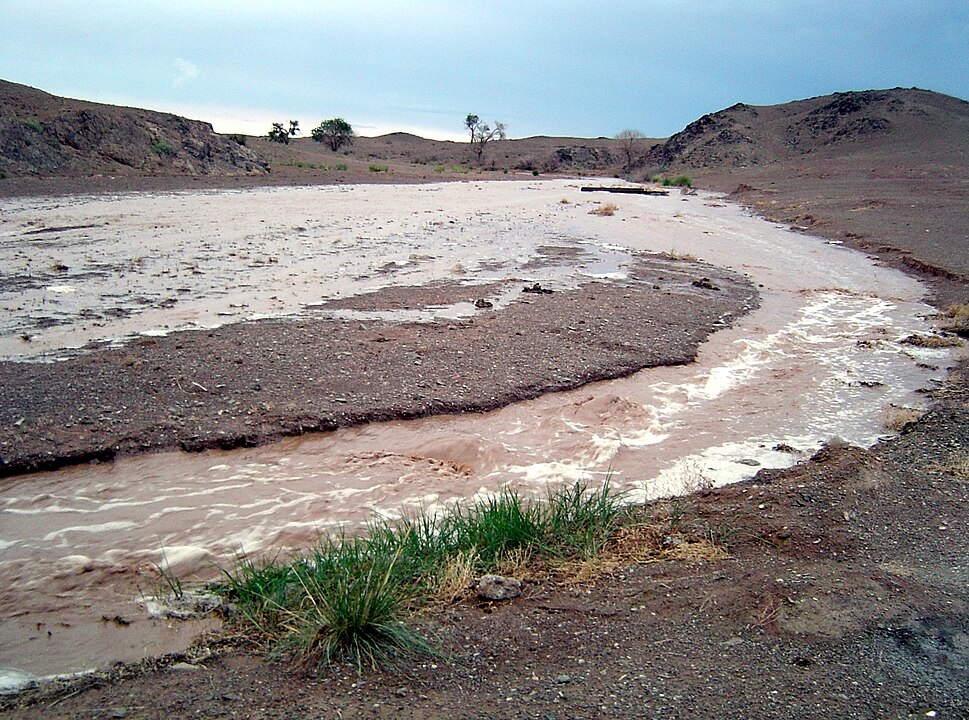
Flooded campsites followed heavy rain events with frustrating regularity. Drainage quality varied widely between locations, even within the same park. Tents often sat in standing water overnight, soaking sleeping bags and gear. Relocation options were limited once campgrounds filled. Campers improvised trenches, elevated bedding, or makeshift shelters. Weather updates arrived late, offering little warning. These experiences tested morale and patience. In New York’s lake-rich regions, inconsistent campsite design during the 1990s left campers with soggy memories and lasting lessons about site selection, slope awareness, and water runoff patterns.
Trail Overgrowth
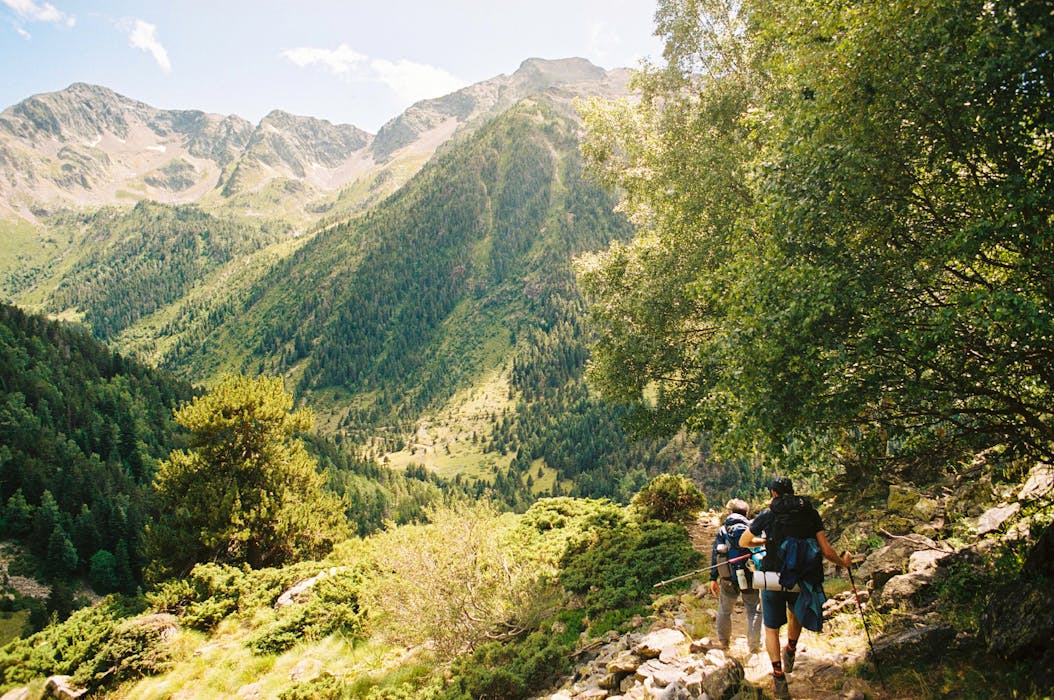
Trail overgrowth complicated hiking routes throughout the decade, especially in less-visited areas. Maintenance cycles lagged due to funding and staffing limits. Brush scratched exposed skin, while poison ivy spread unchecked along narrow paths. Visibility dropped in dense sections, forcing slower travel. Campers lost time and energy navigating unclear routes. Directional confidence suffered. These conditions demanded patience and resilience. In 1990s New York, trail crews struggled to maintain expansive networks, leaving campers navigating wilder, less-defined paths that felt more remote and physically demanding than many carefully maintained trails today.
Inconsistent Park Rules
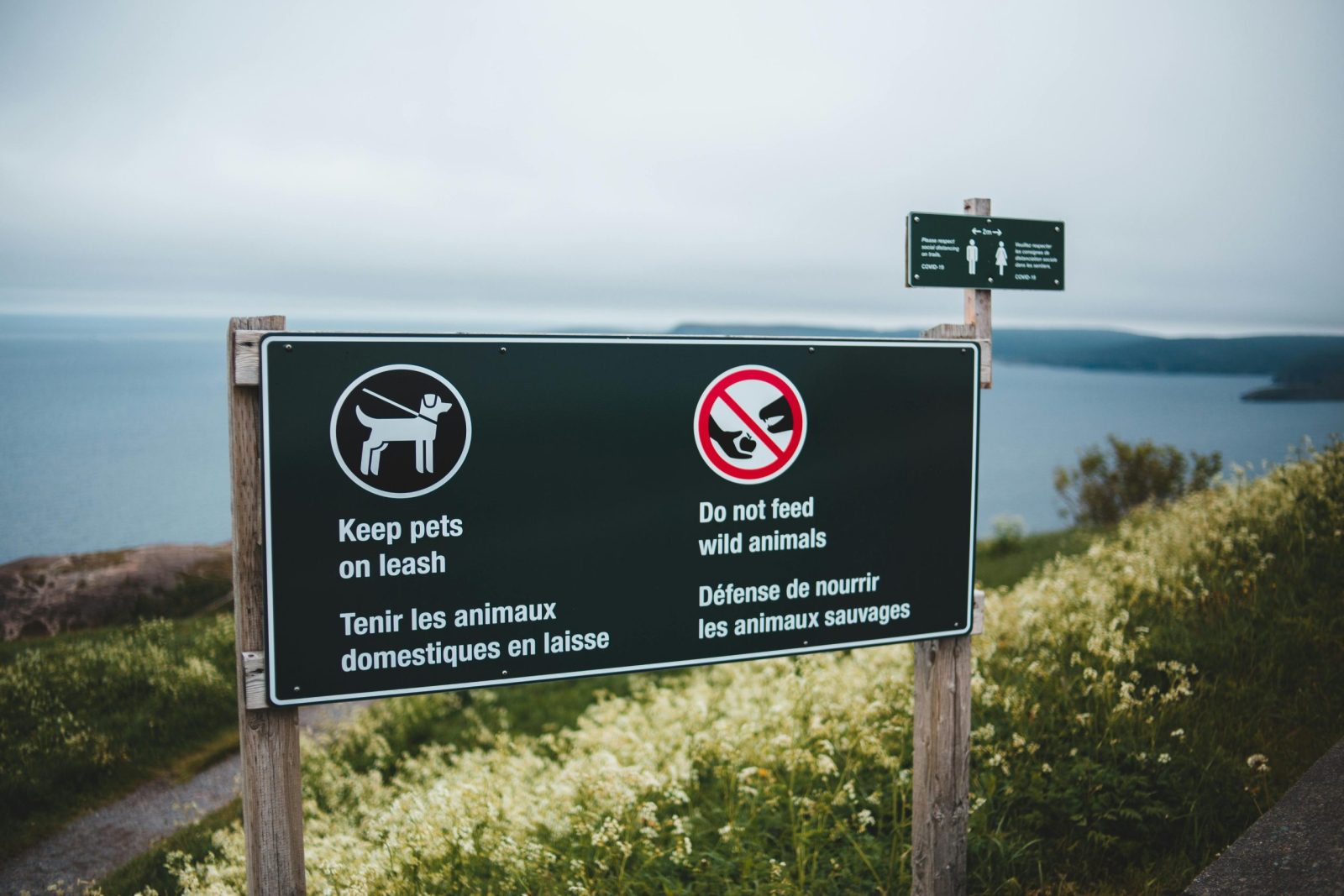
Inconsistent park rules frustrated campers across New York throughout the 1990s. Policies varied between regions and sometimes between nearby parks. Enforcement differed depending on individual rangers. Campers misunderstood regulations around fires, pets, quiet hours, and permits. Rules changed frequently without clear notice. Visitors received conflicting information from signage and staff. These inconsistencies caused tension and confusion. Statewide standardization lagged, leaving campers dependent on posted notices and verbal updates that occasionally contradicted one another, complicating planning and on-site decision making during multi-park or extended trips.
Outdated Safety Information
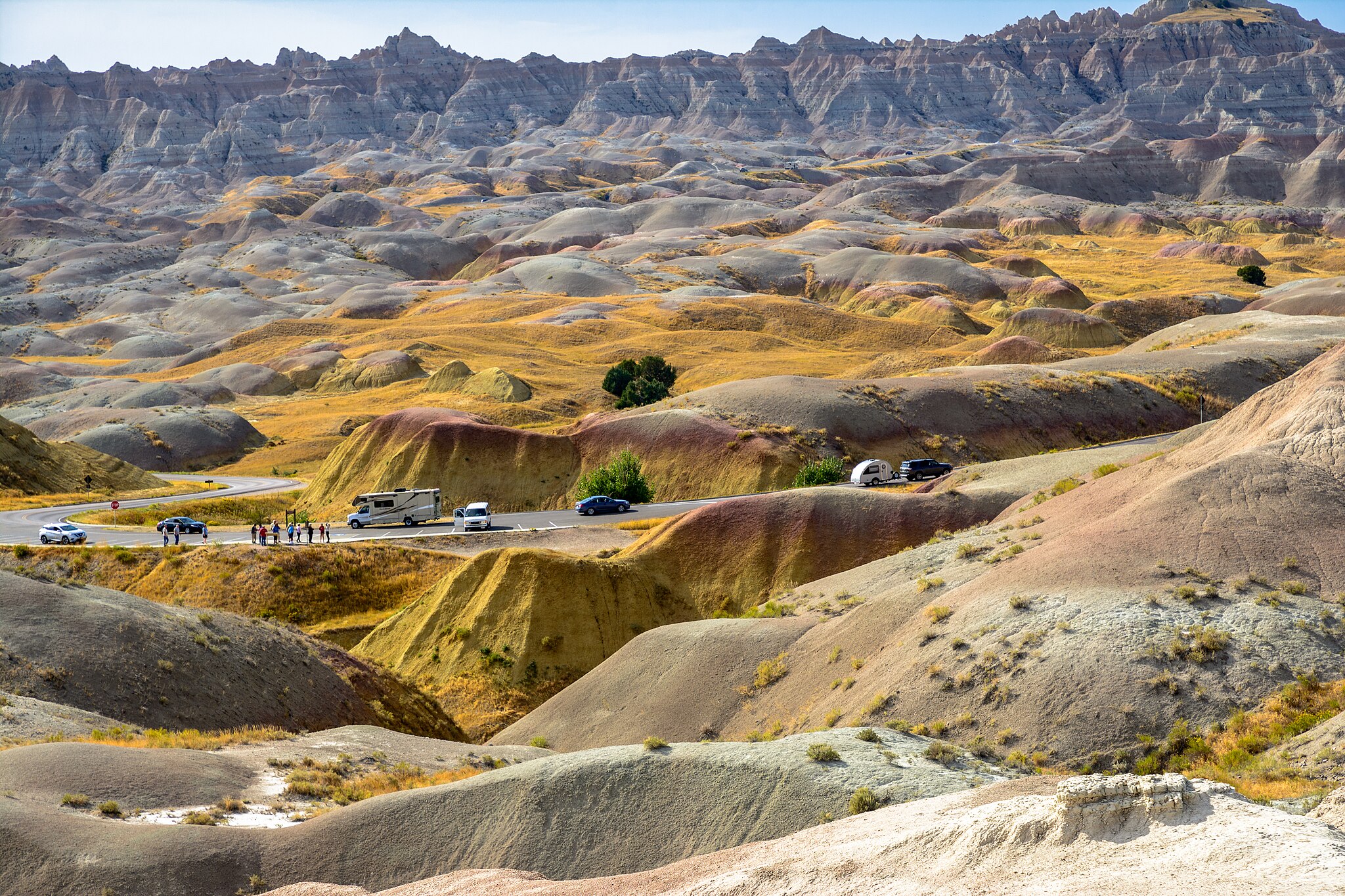
Outdated safety information posed genuine risks for campers during the decade. Signage faded over time, and hazard warnings often lagged behind current conditions. Campers learned through experience rather than reliable guidance. Trail dangers, wildlife behavior, and weather risks were not consistently updated. Accidents sometimes prompted slow revisions. Education relied heavily on ranger talks, which not all campers attended. These gaps shaped awareness unevenly. In New York’s outdoor spaces during the 1990s, evolving safety standards meant campers frequently depended on personal judgment, creating cautionary stories still shared among longtime outdoor enthusiasts today.