Snowshoeing draws hikers who want a quieter winter experience, yet many underestimate how different cold-weather travel feels once the snow deepens. Small errors that seem harmless at the trailhead can quickly grow into real challenges, especially when footing changes or weather shifts without warning. Learning the most common mistakes helps keep your pace steady and your body warm. With better preparation and awareness, snowshoe trips become easier, safer, and far more rewarding.
1. Starting Without Proper Layering
Many snowshoers begin their hike wearing every warm item they brought, which quickly leads to overheating and damp clothing once the trail gets demanding. Starting with too many layers traps heat and sweat, leaving your base layers wet and uncomfortable. When the breeze picks up, that moisture cools your body fast and drains energy. It is better to begin slightly cool, add insulation only when you stop, and keep vents open whenever your pace increases. Proper layering protects warmth while preventing unwanted chill.
2. Ignoring Weather Changes
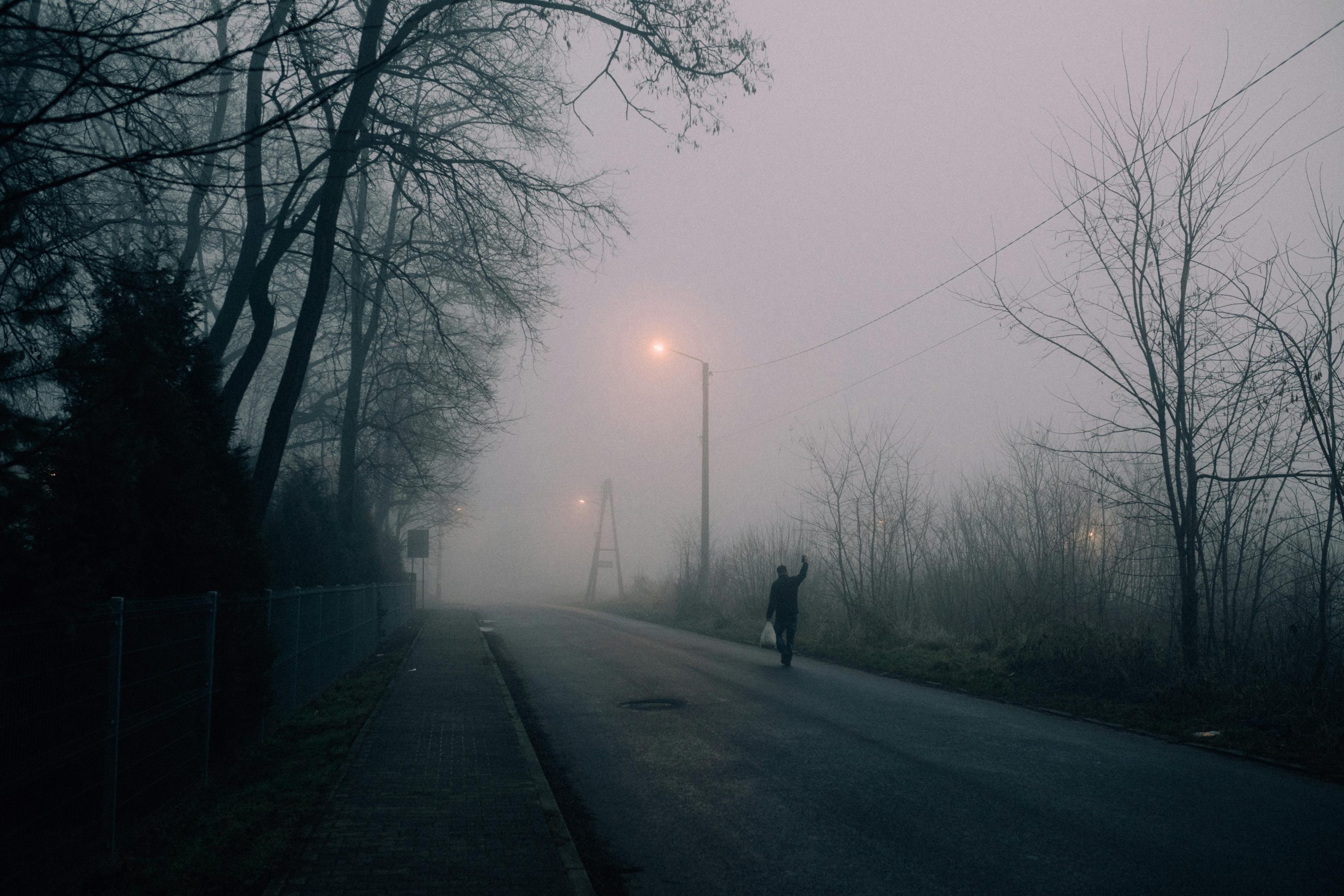
Winter weather can shift with little warning, yet many hikers fail to check hourly forecasts or bring backup layers that handle sudden cold. Clear mornings often turn into windy afternoons, and snow can fall faster than expected. Not planning for these changes affects visibility, trail conditions, and personal comfort. Bringing a lightweight shell, a warm hat, and extra gloves prevents problems that arise when temperatures drop. Staying aware of incoming fronts keeps you prepared for anything the mountain brings.
3. Walking With an Overly Long Stride
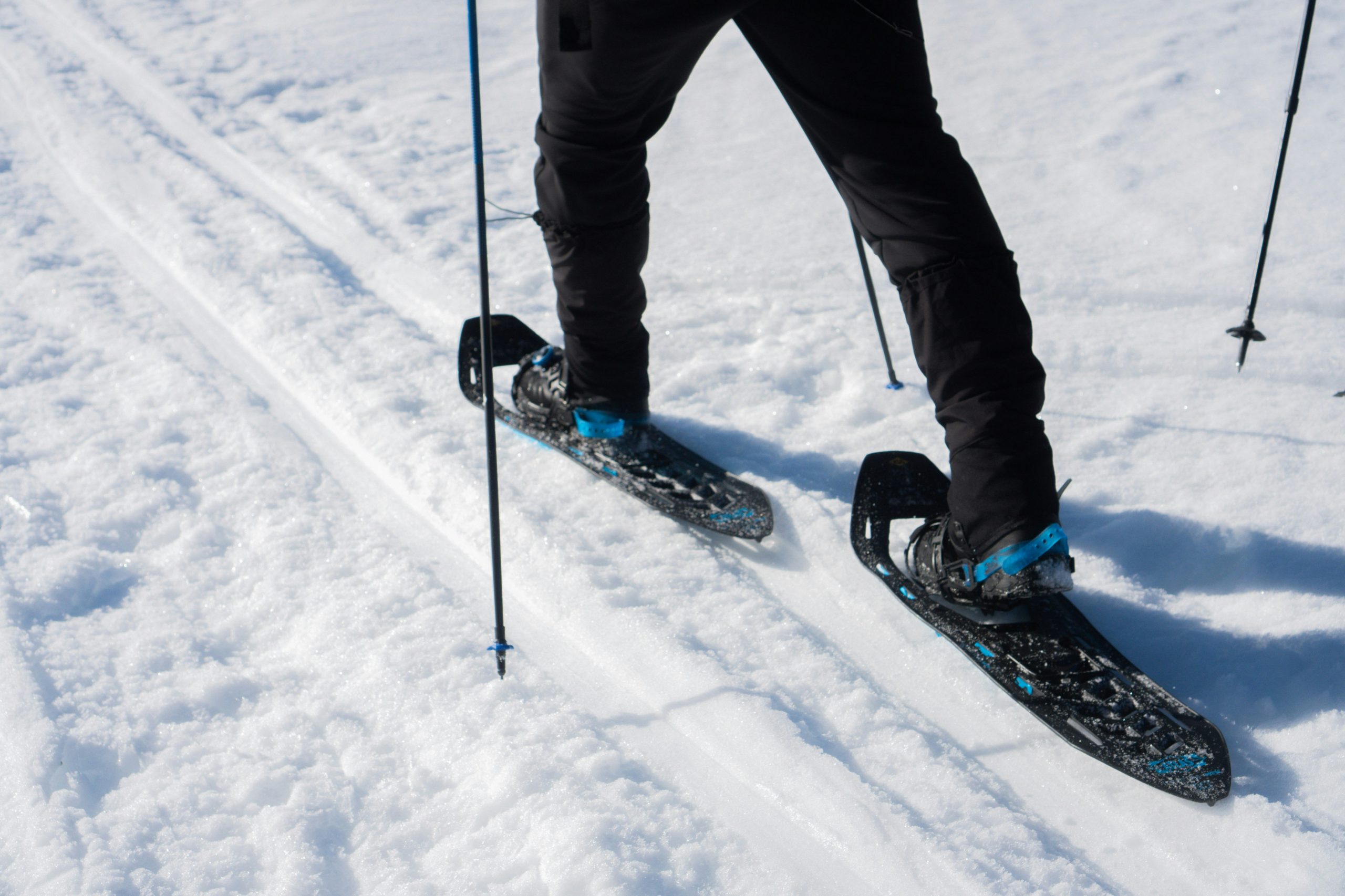
A common mistake among beginners is trying to walk with long steps as if they were on a dry path. Long strides waste energy, reduce balance, and increase the chance of sinking deeper into soft snow. Snowshoes work best when you take short, steady steps that spread weight evenly. This keeps your centre of gravity stable and makes climbing or descending more controlled. A compact stride also helps maintain rhythm and reduces fatigue over longer distances.
4. Forgetting to Hydrate in Cold Weather

Cold temperatures fool many hikers into thinking they do not need to drink as often, but snowshoeing burns significant energy and dehydrates you faster than expected. Dry winter air pulls moisture from your breath, and heavy clothing traps heat that increases sweat. Ignoring hydration leads to fatigue, headaches, and sluggish decision-making. Carry water where it will not freeze, take small sips regularly, and snack often to maintain energy. Consistent hydration keeps your stride strong throughout the day.
5. Leaving Trekking Poles Behind
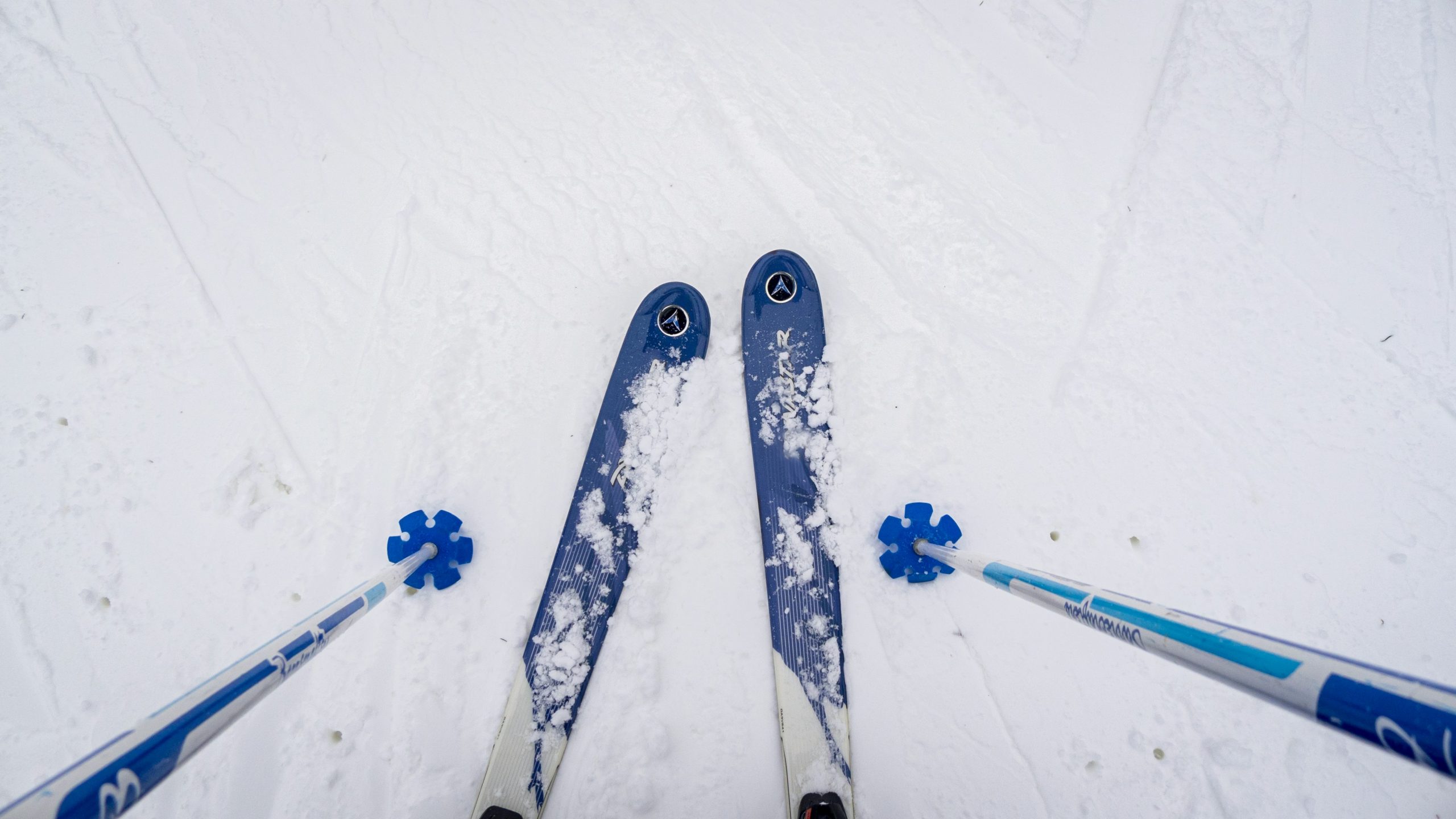
Some hikers believe snowshoes alone provide enough stability, yet trekking poles add valuable balance on uneven or icy surfaces. They help transfer effort from your legs to your arms, reduce slipping risk, and steady your steps when snow depth changes unexpectedly. Without poles, climbing and descending become more tiring and less precise. Adjustable poles with large baskets work best in winter conditions. Carrying them improves efficiency and confidence during challenging stretches of trail.
6. Wearing the Wrong Footwear
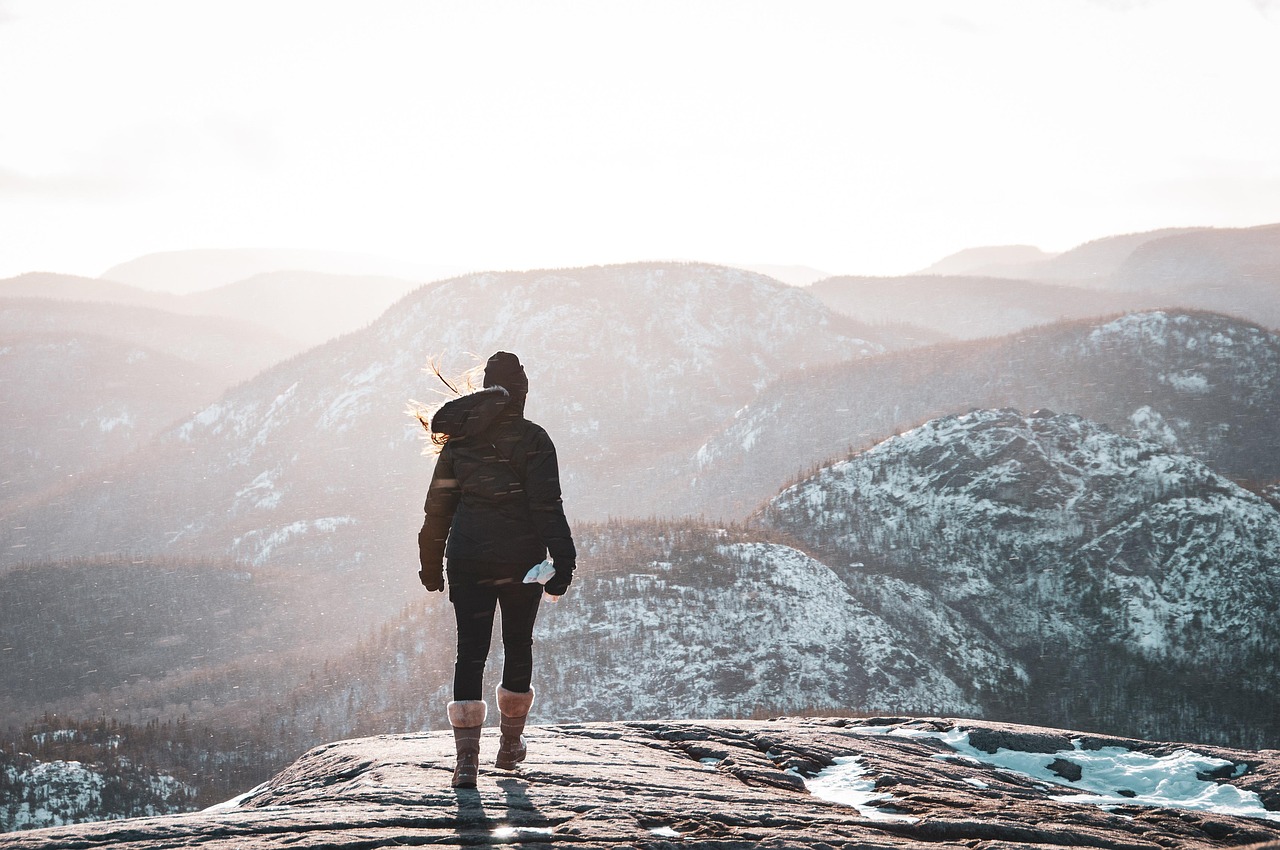
Wearing regular hiking boots with poor insulation or weak waterproofing leads to cold toes and wet socks long before the day ends. Snowshoeing requires footwear that stays warm, sheds moisture, and provides rigid support for snowshoe straps. Boots that flex too much cause rubbing and sore spots, while poor insulation allows cold to creep in steadily. Choose boots that are winter-rated, waterproof, and supportive enough for extended travel through packed and powdery snow.
7. Not Securing Snowshoe Bindings Correctly
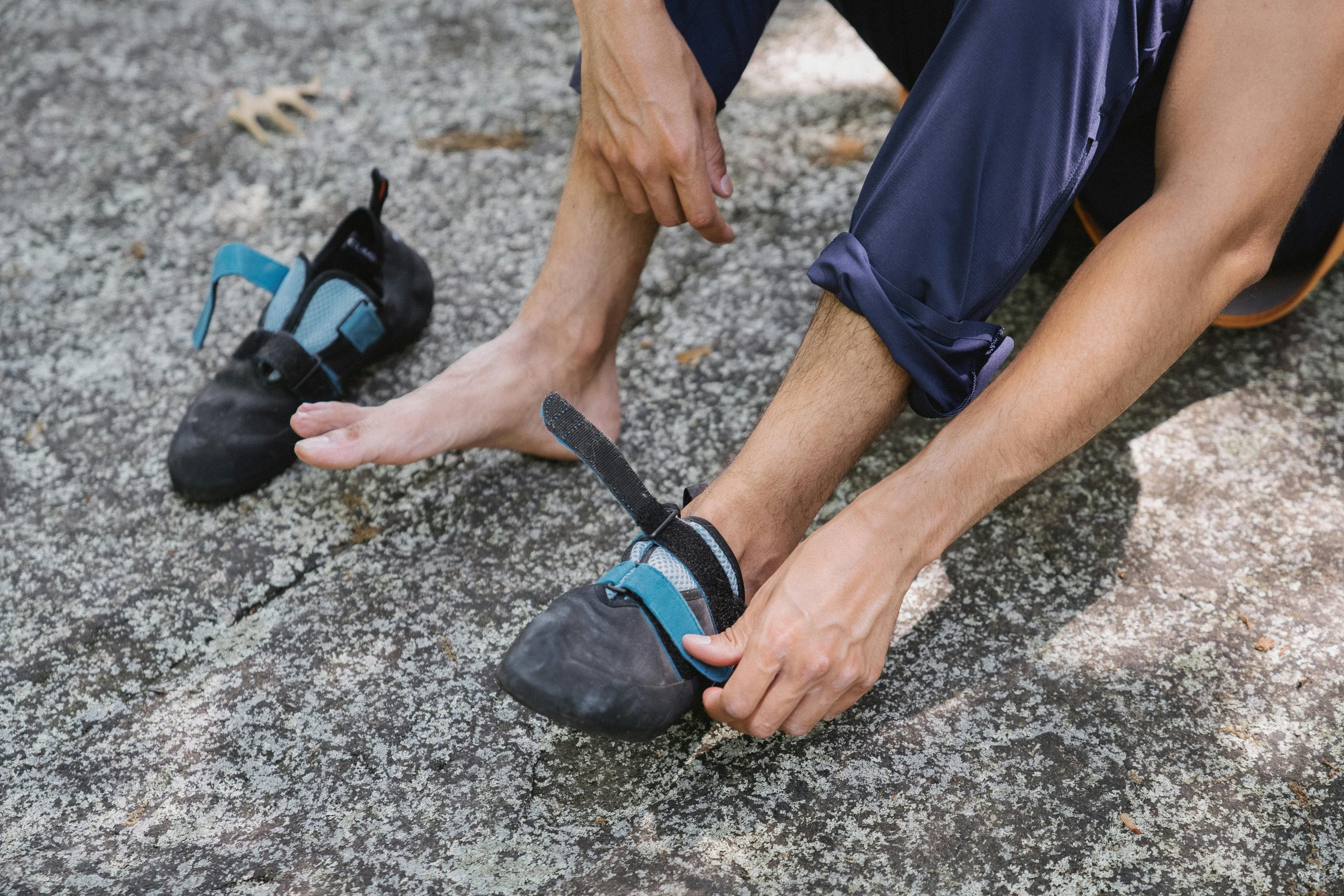
Loose or uneven bindings cause the snowshoe to shift under your foot, throw off your balance, and create awkward pressure points. Many hikers rush through this step at the trailhead, only to stop repeatedly when straps loosen. Taking a moment to tighten each strap evenly ensures proper alignment and responsive movement. Well-secured bindings improve control during climbs, descents, and sidehills. Checking them again after a few minutes of walking prevents later frustration.
8. Overestimating Trail Speed
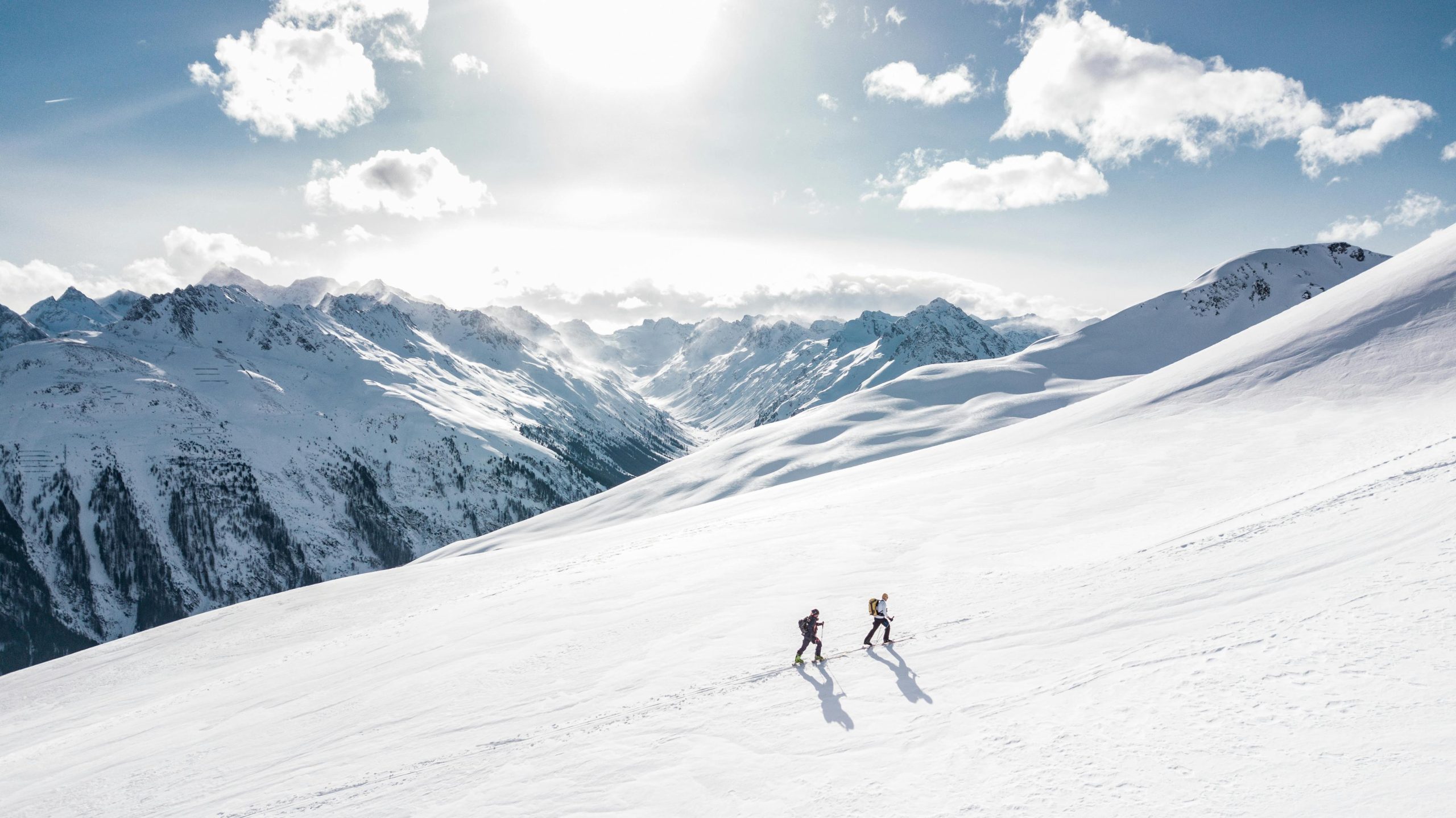
Snowshoeing is slower than regular hiking, especially when the snow is deep or powdery. Many hikers plan routes based on summer travel times, which causes them to run out of daylight or energy before reaching their destination. Moving through snow requires more effort and more frequent breaks. Planning conservative distances, leaving earlier, and checking snow conditions helps set realistic expectations. Accepting a slower pace makes the experience more enjoyable and reduces unnecessary stress.
9. Ignoring Avalanche Awareness
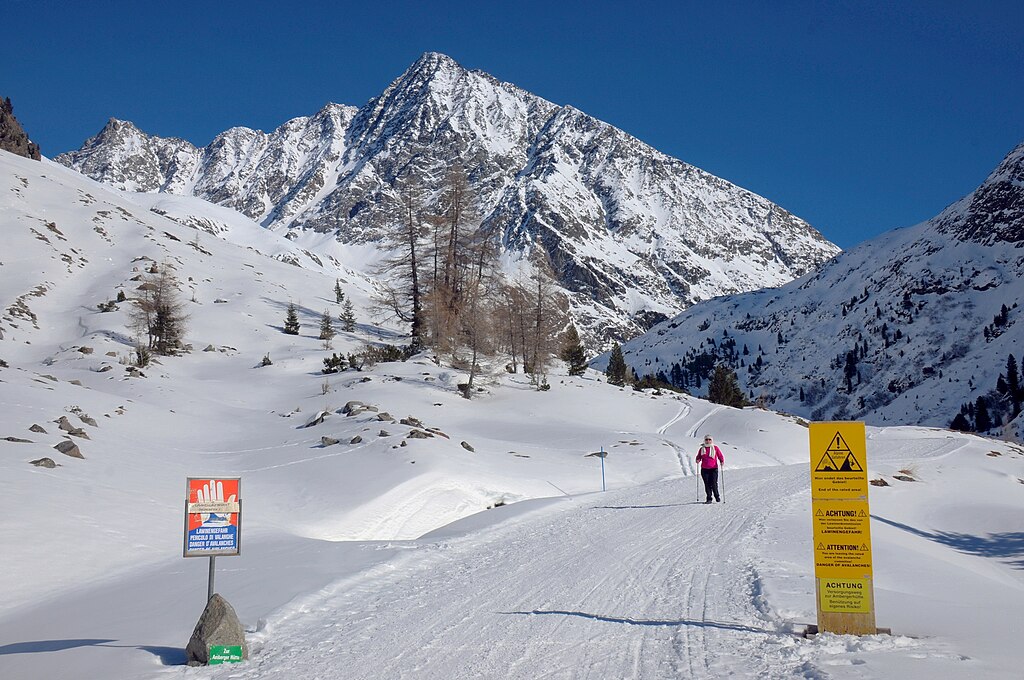
Some hikers assume snowshoe trails are naturally safe from avalanches, yet terrain and snowpack conditions still matter. Travelling near steep slopes without understanding stability increases risk, even on popular routes. Ignoring signs of recent slides, wind-loaded areas, or hollow-sounding snow is dangerous. Taking a basic avalanche course and carrying essential tools provides valuable knowledge even for casual winter outings. Awareness keeps you clear of hazardous zones and improves your overall decision-making.
10. Failing to Follow Marked Routes
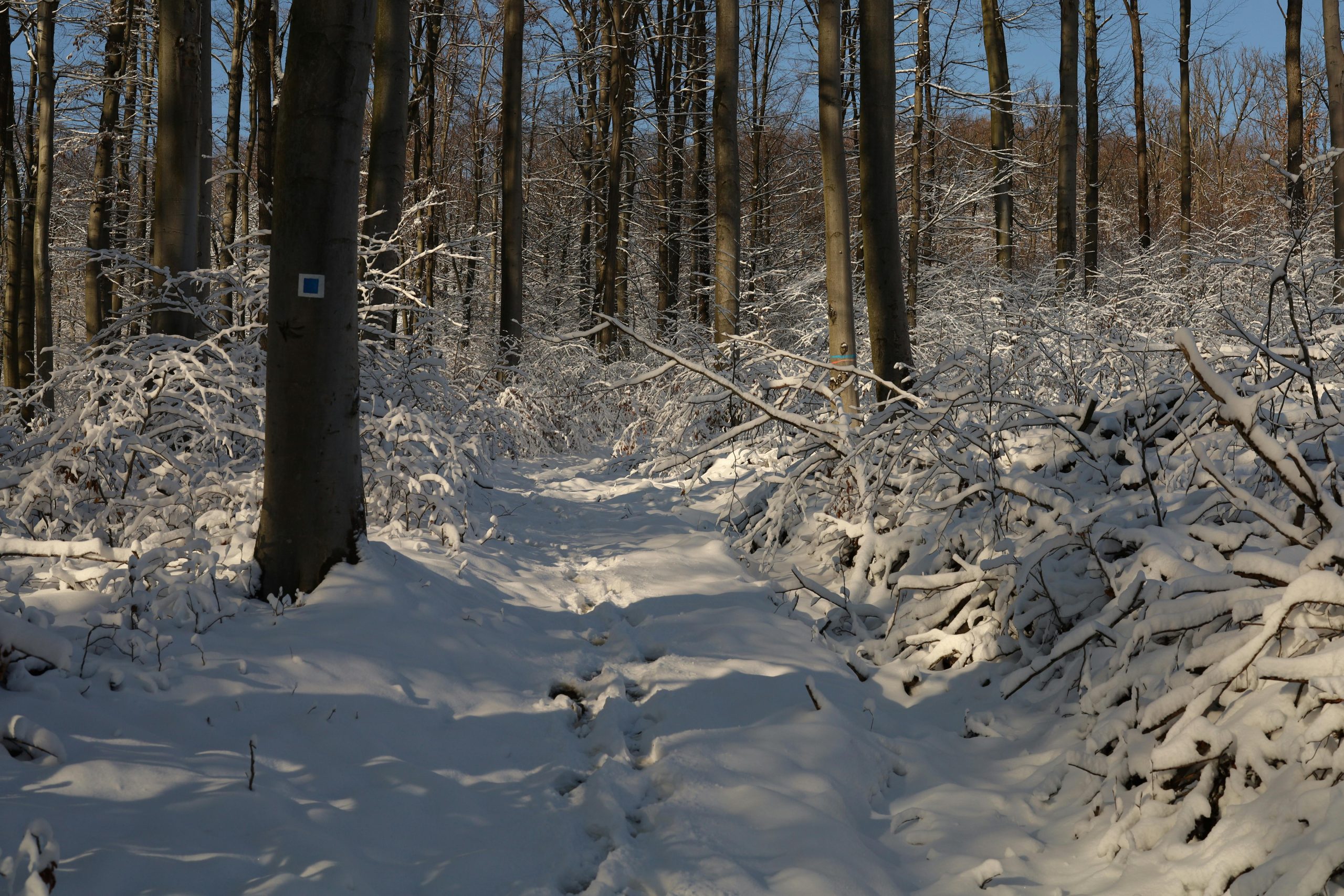
Winter snow often buries familiar trail markers, leading some hikers to wander off course without noticing. Venturing off established paths increases the difficulty of travel and risks getting lost when visibility changes. Staying alert for blazes, reflective markers, or mapped waypoints keeps your route consistent. A GPS or downloaded map provides added reassurance when the trail becomes unclear. Following marked routes conserves energy and reduces surprises along the way.
11. Skipping Pre-Trip Warm Ups
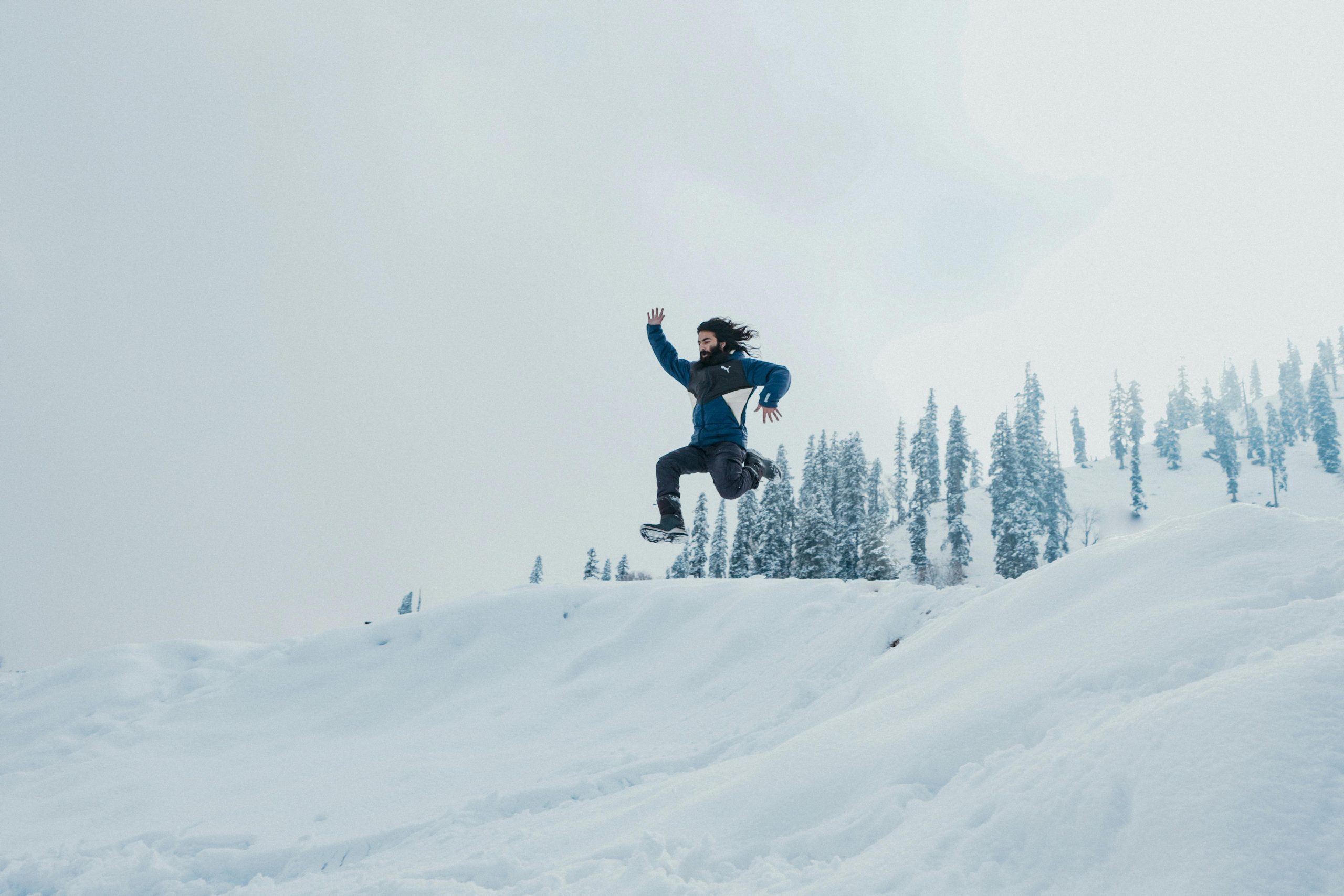
Jumping straight into deep snow without warming up stiff muscles increases the risk of strains and early fatigue. Cold weather makes joints feel tighter and slows circulation, which affects balance and stride control. Simple warm-up movements for hips, legs, and ankles prepare your body for the repetitive motion snowshoeing demands. Spending a few minutes stretching before hitting the trail improves comfort and performance during longer outings.
12. Not Accounting for Deep Snow Sections
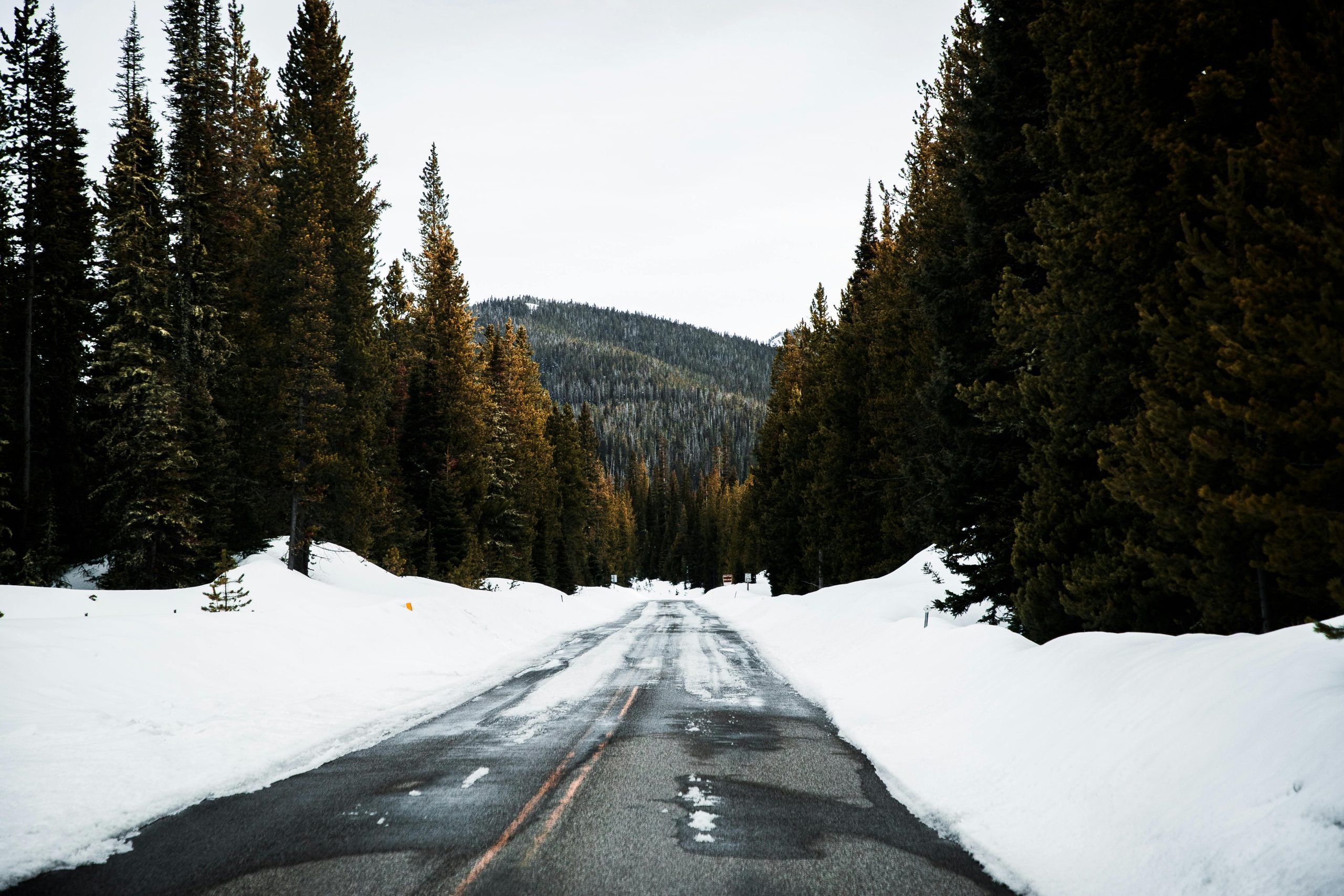
Even well-travelled winter trails can include stretches of untouched or drifted snow that are much harder to cross. Some hikers underestimate how quickly these sections drain energy and disrupt pace. Planning extra time for soft snow, adjusting your stride, and using poles for support make these spots more manageable. Being mentally prepared for slower travel helps keep frustration low and effort steady.
13. Forgetting Sun Protection
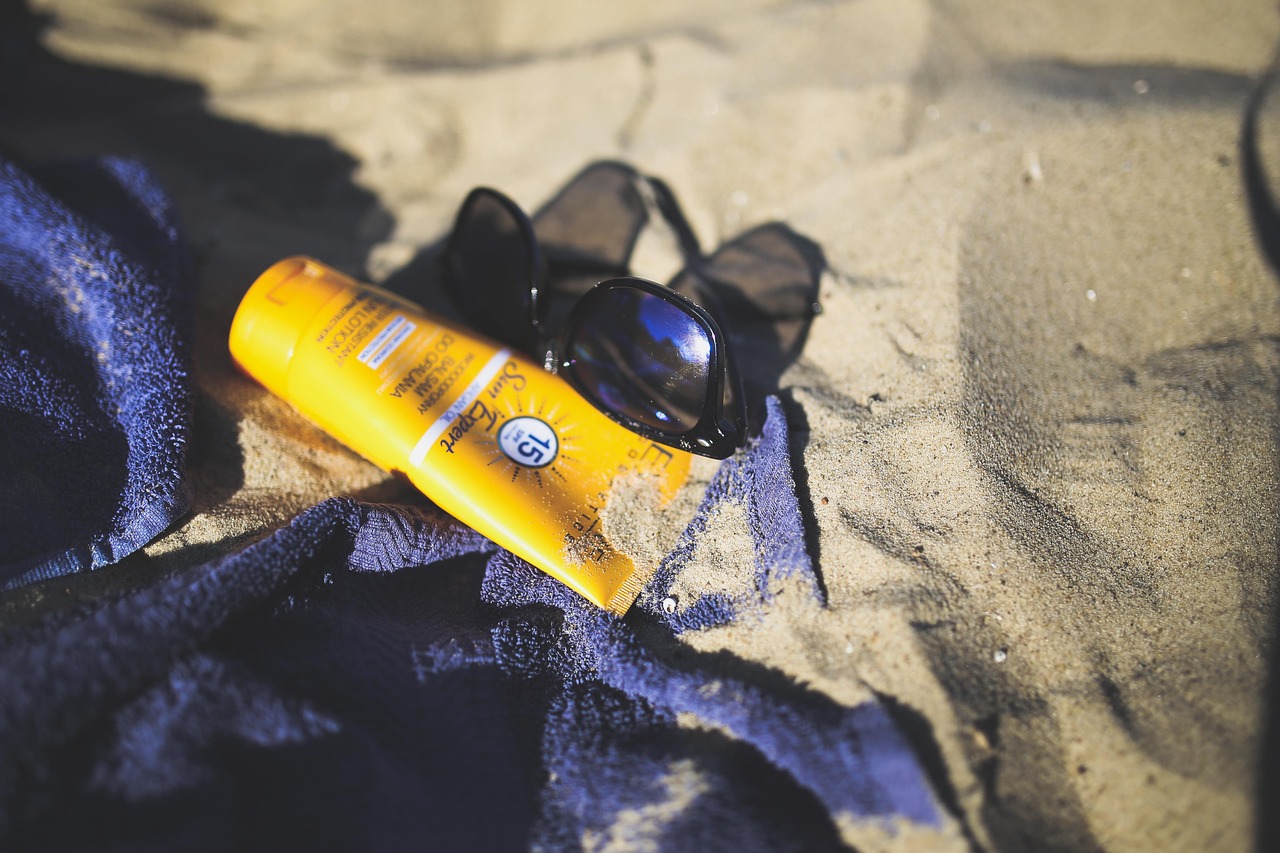
Winter sun reflects off snow and increases exposure, yet many hikers leave sunscreen, sunglasses, or lip balm behind. This leads to sunburn, eye strain, and cracked skin, which become uncomfortable during longer trips. Wearing sunglasses that block glare and applying sunscreen before stepping onto the trail keep you protected all day. Even cloudy conditions can cause sun-related discomfort. Consistent protection improves comfort and reduces winter skin fatigue.
14. Wearing Cotton Layers

Cotton stays wet once you sweat, which chills your body quickly and reduces comfort during winter travel. Many newcomers wear cotton shirts or socks because they seem warm at the start, but moisture builds fast under exertion. Synthetic or wool layers wick sweat and retain warmth even when damp. Choosing proper fabrics ensures better temperature control and prevents the chill that often ends snowshoe trips early.
15. Overpacking Heavy Gear
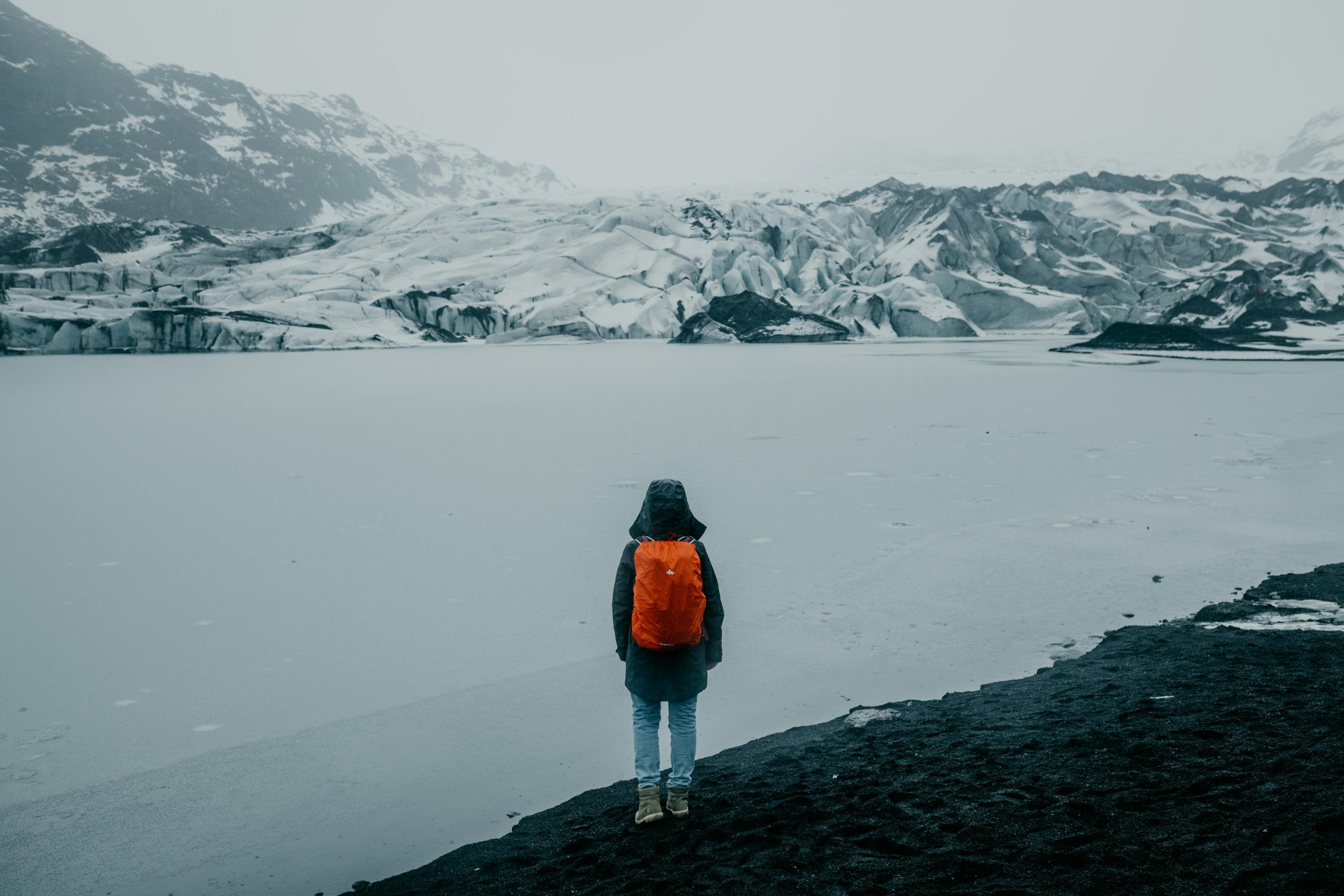
Bringing more equipment than you need makes progress slower and strains your back and legs. Many hikers load their packs with extra clothing, bulky cookware, or redundant items out of caution. A well-planned gear list keeps essentials without unnecessary weight. Carrying only what supports safety and comfort helps maintain energy throughout the day. A lighter pack makes climbs easier and reduces the chance of slipping.
16. Not Bringing Traction for Mixed Terrain
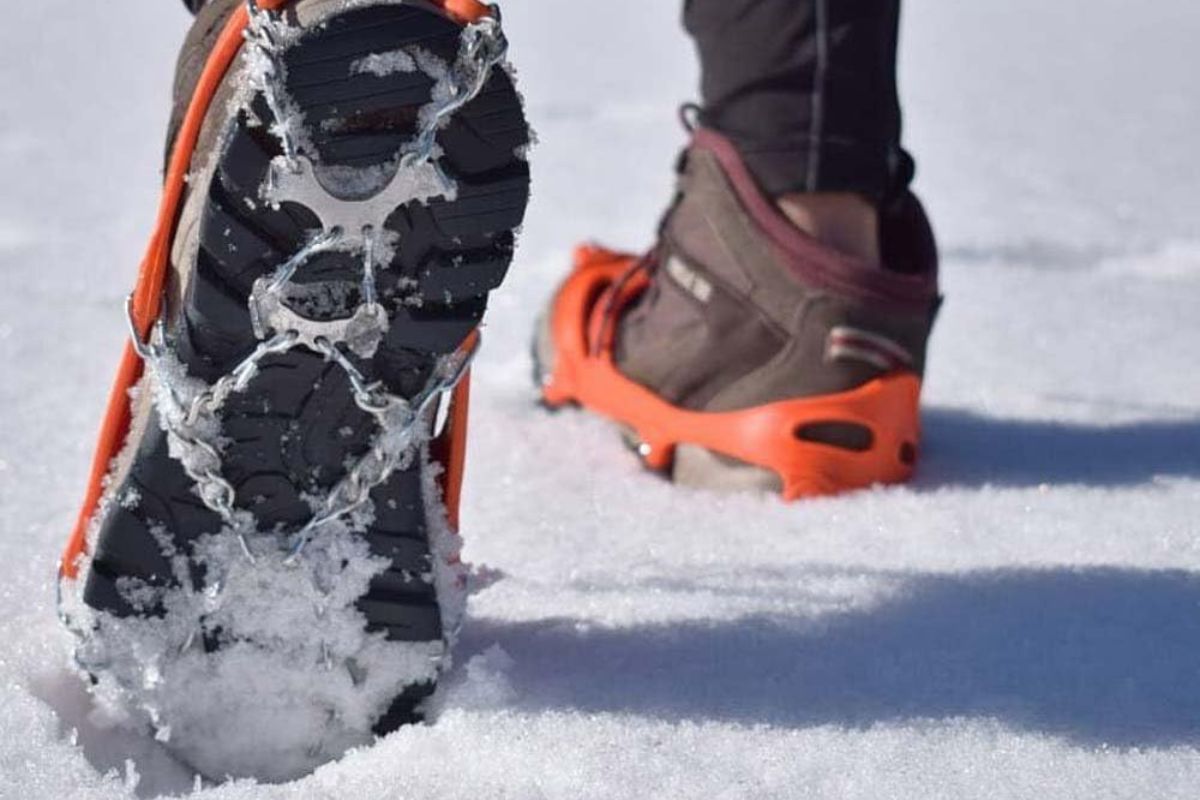
Winter trails sometimes include icy stretches where snowshoes are not the safest choice. Not carrying microspikes or other traction devices forces hikers to navigate slippery ground with poor grip. Switching between snowshoes and traction improves stability and keeps travel smooth when conditions shift. Bringing both ensures you are ready for packed ice, wind-scorched ridges, or hard-crusted trails.
17. Ignoring Signs of Fatigue
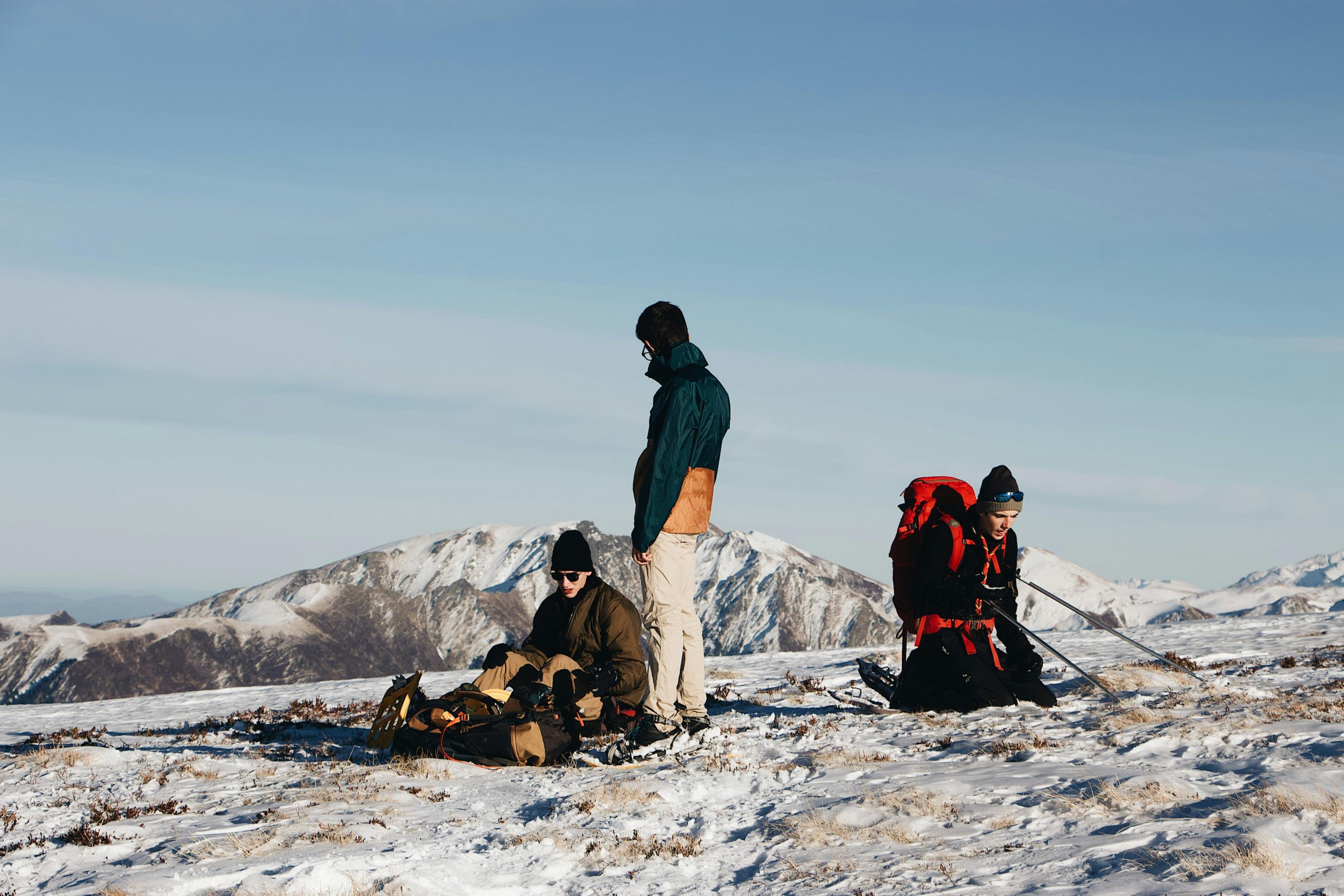
Snowshoeing requires steady effort, yet many hikers push themselves without recognizing early signs of exhaustion. Heavy breathing, slowing pace, or sloppy foot placement all signal that it is time for a short break. Resting for a few minutes helps clear your legs and improves focus. Ignoring fatigue leads to mistakes, slips, and poor judgment. Listening to your body keeps your outing safer and more enjoyable.
18. Returning Too Late in the Day
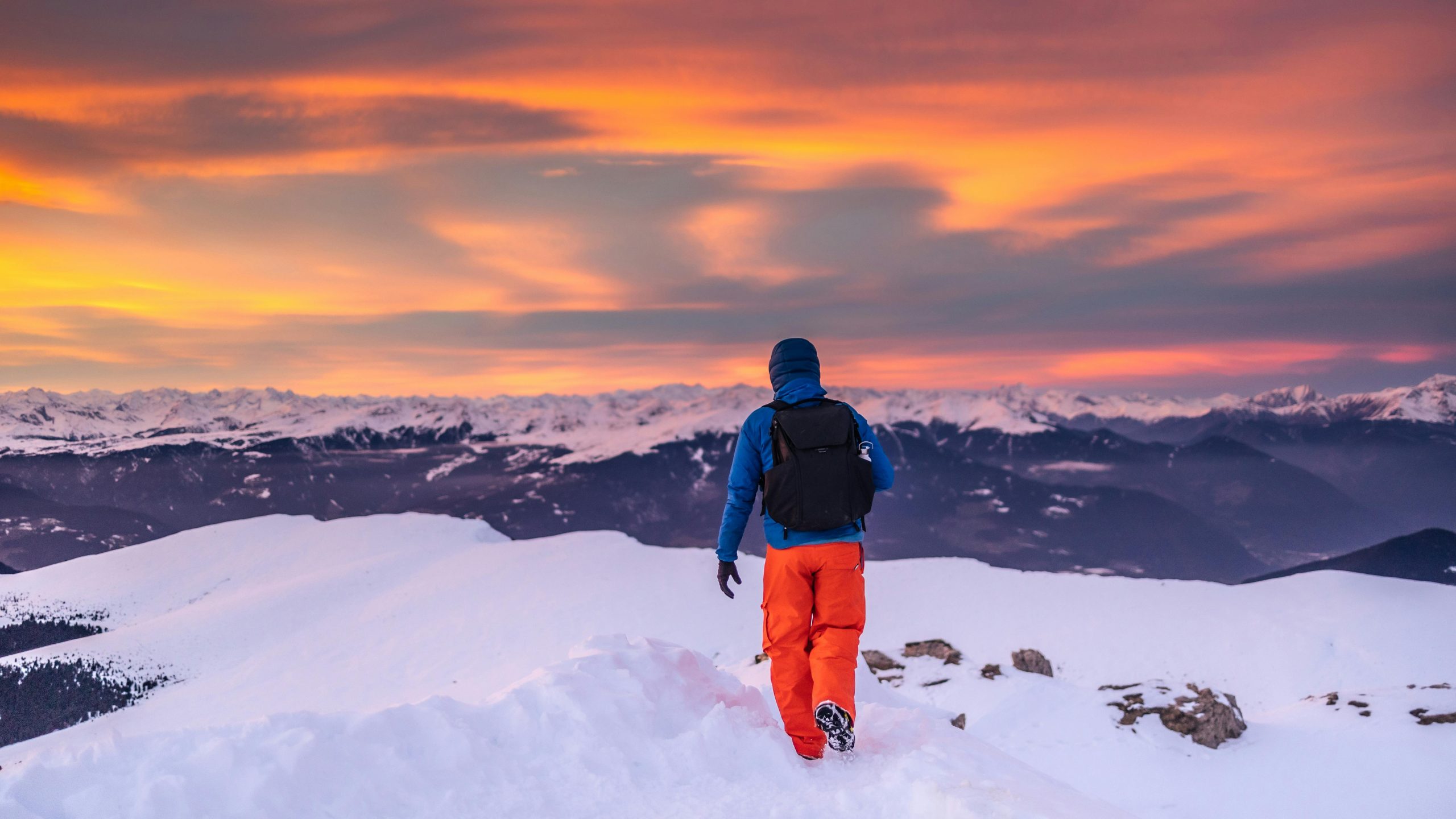
Winter afternoons darken faster than expected, and many hikers underestimate how long a route will take. Trying to finish a trail in fading light increases risk, especially when temperatures drop quickly after sunset. Starting early, turning around at a planned time, and carrying a reliable headlamp prevent problems that arise when daylight disappears. Managing time wisely ensures a stress-free return to the trailhead.