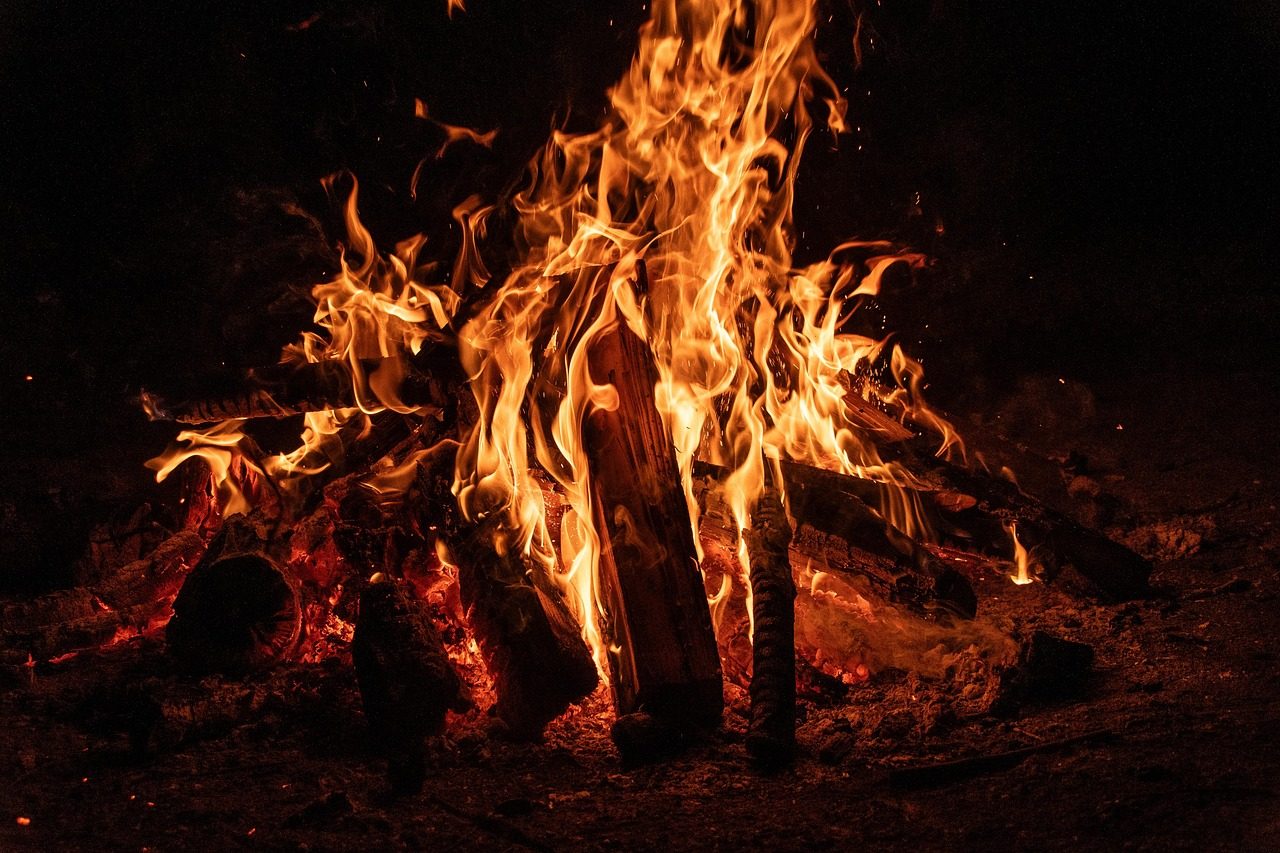
Campfires remain a central part of outdoor tradition, offering warmth, cooking ability, and shared moments. However, how a fire gets built matters as much as where it burns. Certain setups encourage better airflow, more complete combustion, and reduced smoke. Others limit sparks and control flame spread, improving safety. Cleaner burning fires also conserve fuel and reduce environmental impact. This article highlights eighteen specific campfire setups known for burning cleaner and safer when built correctly. Each approach reflects established outdoor practices, emphasizing structure, airflow, and control rather than size or intensity, supporting responsible fire use across varied camping environments and conditions while reducing unnecessary risk.
Teepee Fire
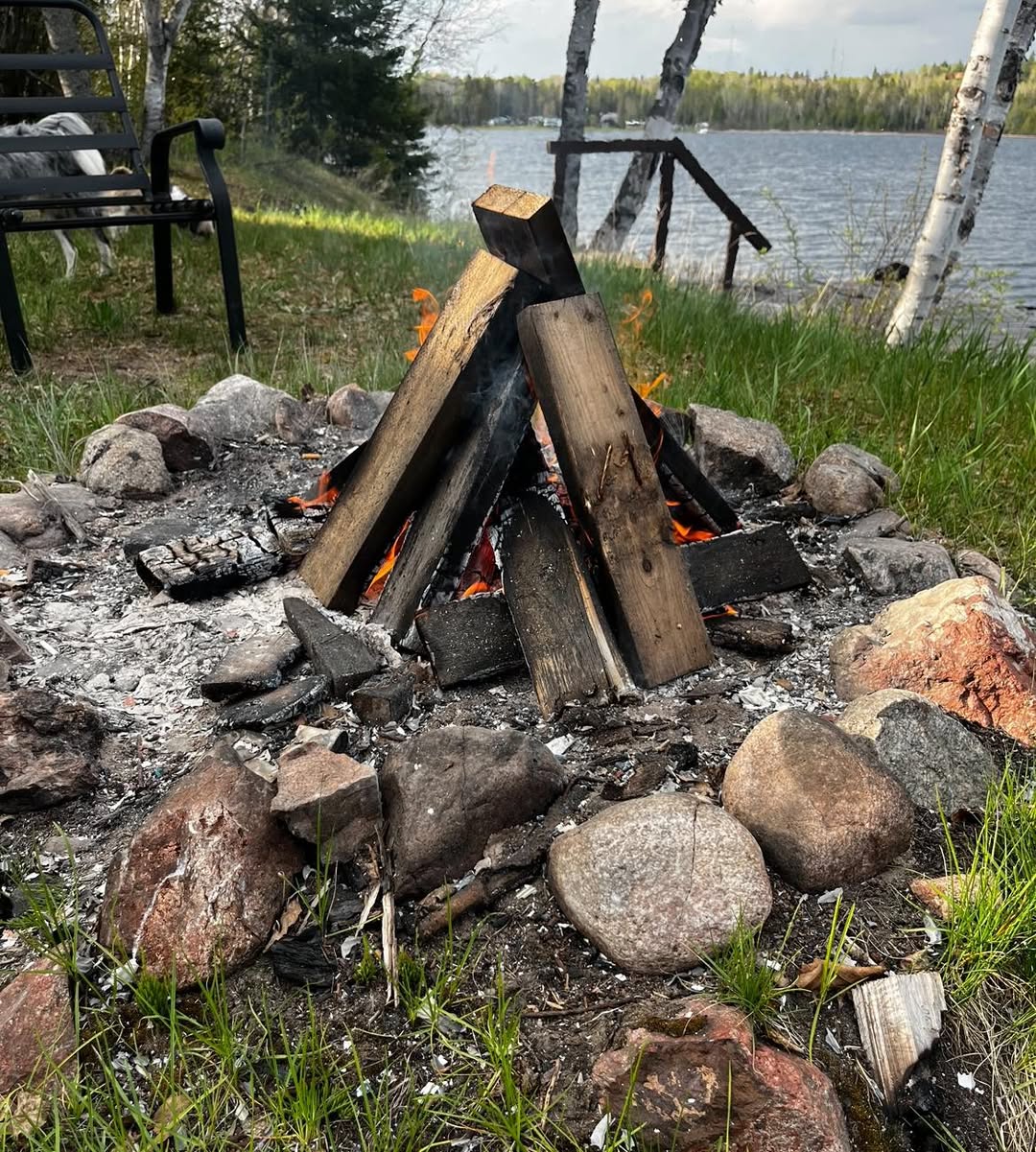
The teepee fire uses small sticks leaned together in a cone shape. This structure allows air to flow upward through the center, feeding flames efficiently. Kindling ignites quickly, producing a hot, focused burn. Smoke reduces because fuel burns more completely. The shape encourages steady flame rise rather than outward spread. Campers often use teepee fires for quick warmth and boiling water. Because fuel collapses inward as it burns, sparks remain limited. Proper spacing and dry wood matter. When built small and controlled, the teepee setup provides a clean, efficient fire suitable for many campsites and short evening use.
Log Cabin Fire
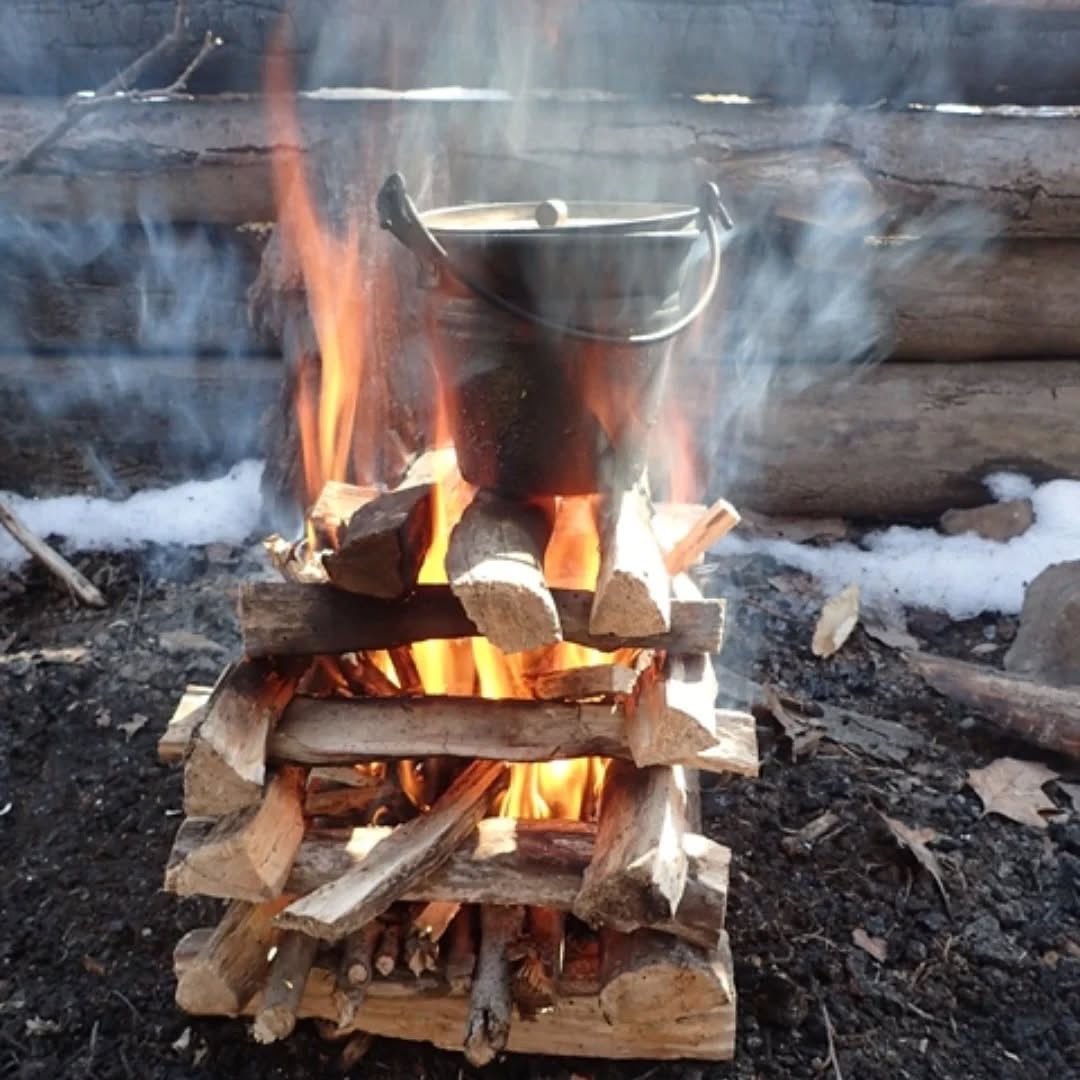
The log cabin fire stacks logs in a square pattern, creating an open structure with airflow channels. Kindling placed in the center ignites evenly. This setup burns steadily rather than rapidly. Flames stay contained within the structure, reducing sparks. The even burn makes it suitable for cooking with cookware placed above. Smoke output remains moderate when dry wood gets used. Log cabin fires also maintain stability, reducing collapse risk. Because logs burn slowly, fuel lasts longer. This setup works well on established fire rings, offering predictable heat and improved safety during longer campfire use in calm conditions over extended meals.
Lean To Fire
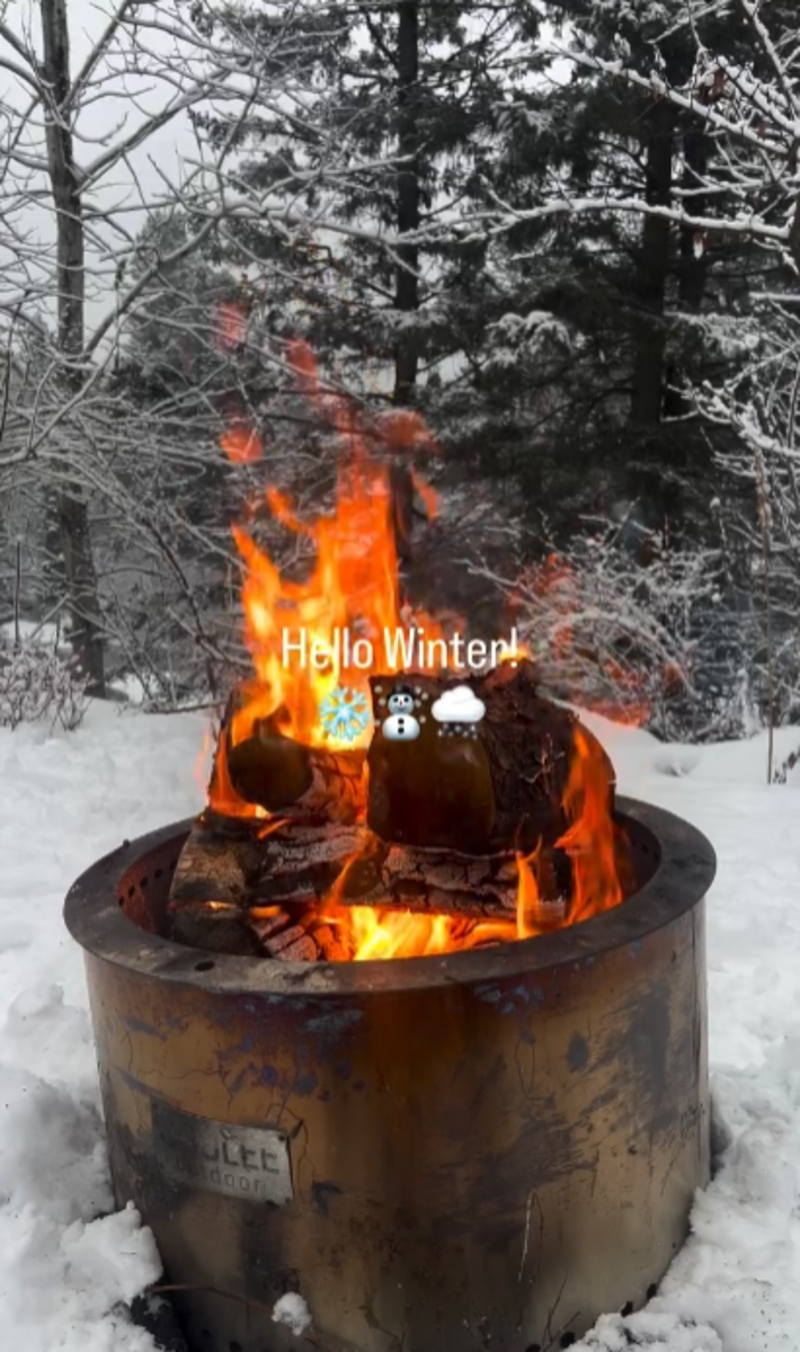
The lean to fire uses a main support log with kindling leaned against it. This design shields flames from wind on one side while allowing airflow from the other. It ignites easily and directs heat outward. Campers often choose this setup for warmth in cool conditions. Cleaner burning occurs when sticks remain small and dry. The structure limits spreading embers and keeps the fire directional. Proper placement prevents heat reflection hazards. Lean to fires remain simple and controlled, making them useful for beginners seeking predictable flames without excessive smoke or instability during short duration campfire needs in sheltered areas.
Dakota Fire Hole
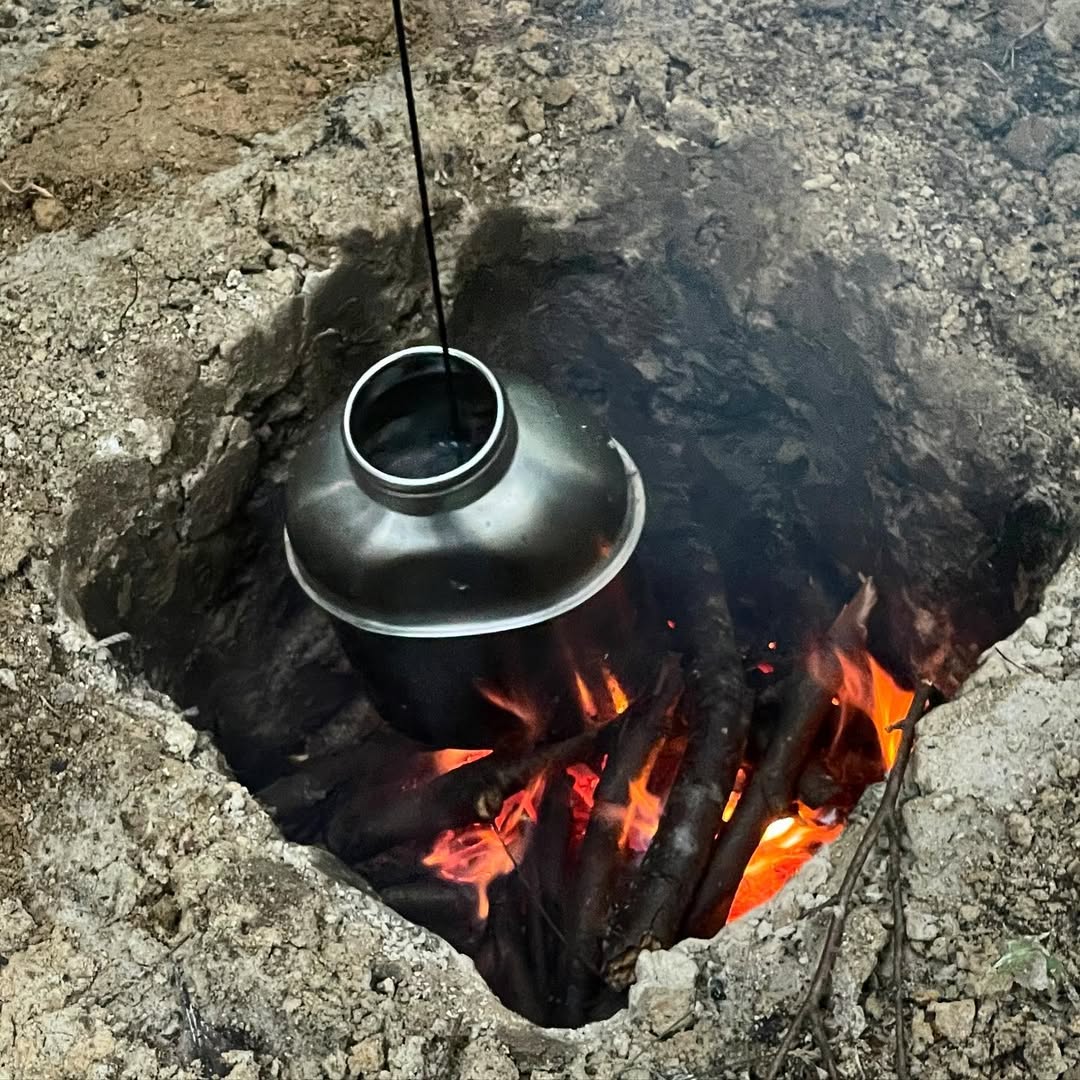
The Dakota fire hole uses two connected pits, one for the fire and one for airflow. This underground setup improves combustion by drawing oxygen efficiently. Flames remain low, reducing wind impact and spark travel. Smoke decreases as fuel burns hotter. The design also conceals light and heat. Campers favor this setup for cooking and stealth. Soil type matters for safety and stability. Proper spacing prevents collapse. When constructed correctly, the Dakota fire hole provides excellent fuel efficiency and minimal smoke, making it one of the cleanest burning campfire methods suitable for environments where low visibility and controlled flames matter most.
Platform Fire
A platform fire elevates fuel slightly above the ground using green logs or stones. This separation improves airflow beneath the fire, promoting complete combustion. Moist ground no longer smothers flames. Smoke decreases as oxygen circulates freely. Platform fires protect soil and roots from excessive heat. Campers often use this setup in damp environments. Stability remains important to prevent collapse. Fuel burns evenly when spaced properly. This setup reduces ash spread and improves control. By lifting the fire, campers achieve cleaner burns and safer heat management, especially in areas with sensitive ground conditions or limited dry surfaces after rainfall.
Star Fire
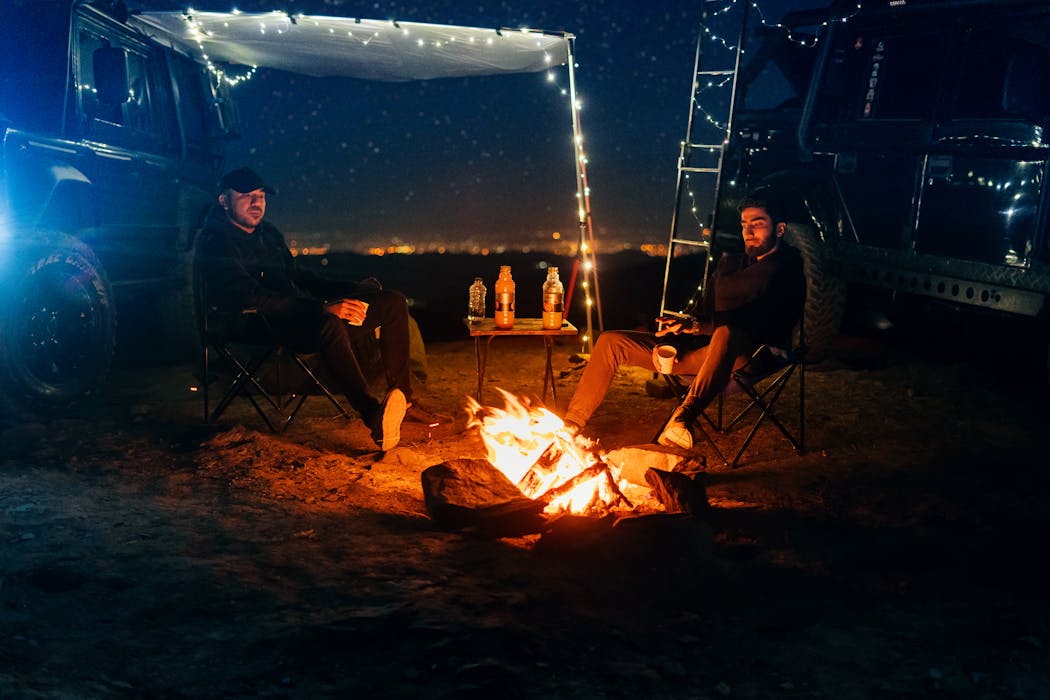
The star fire places long logs radiating inward like spokes. Campers push logs toward the center as they burn. This setup controls fire size precisely. Combustion remains steady because only log ends burn at once. Smoke stays low with dry wood. Sparks remain minimal due to slow fuel consumption. The star fire suits long evenings where constant heat remains desirable. Fuel efficiency improves since logs burn gradually. This setup reduces the need for frequent refueling. With proper spacing and supervision, star fires provide a safe, clean burning option for extended use without large flames or excessive heat output during social camp gatherings.
Keyhole Fire
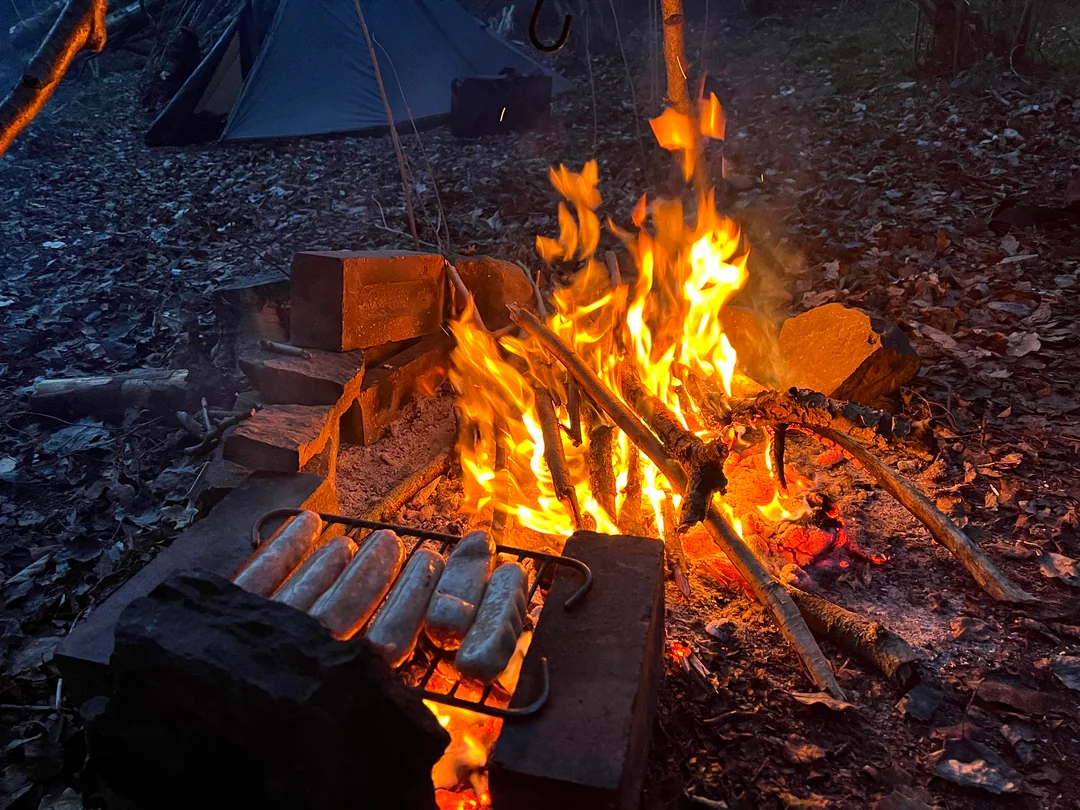
The keyhole fire combines a circular fire pit with a narrow feeding channel. This design allows fuel addition without disturbing the main flame. Airflow improves as heat draws oxygen through the opening. Campers use keyhole fires for cooking because pots remain stable. Smoke decreases due to consistent combustion. Sparks stay controlled within the pit. The channel also directs ash away from cooking areas. This setup requires established ground or careful digging. When built thoughtfully, the keyhole fire supports clean burns, easy management, and safer cooking conditions, making it popular in traditional camp kitchens and long term campsites used repeatedly.
Swedish Torch
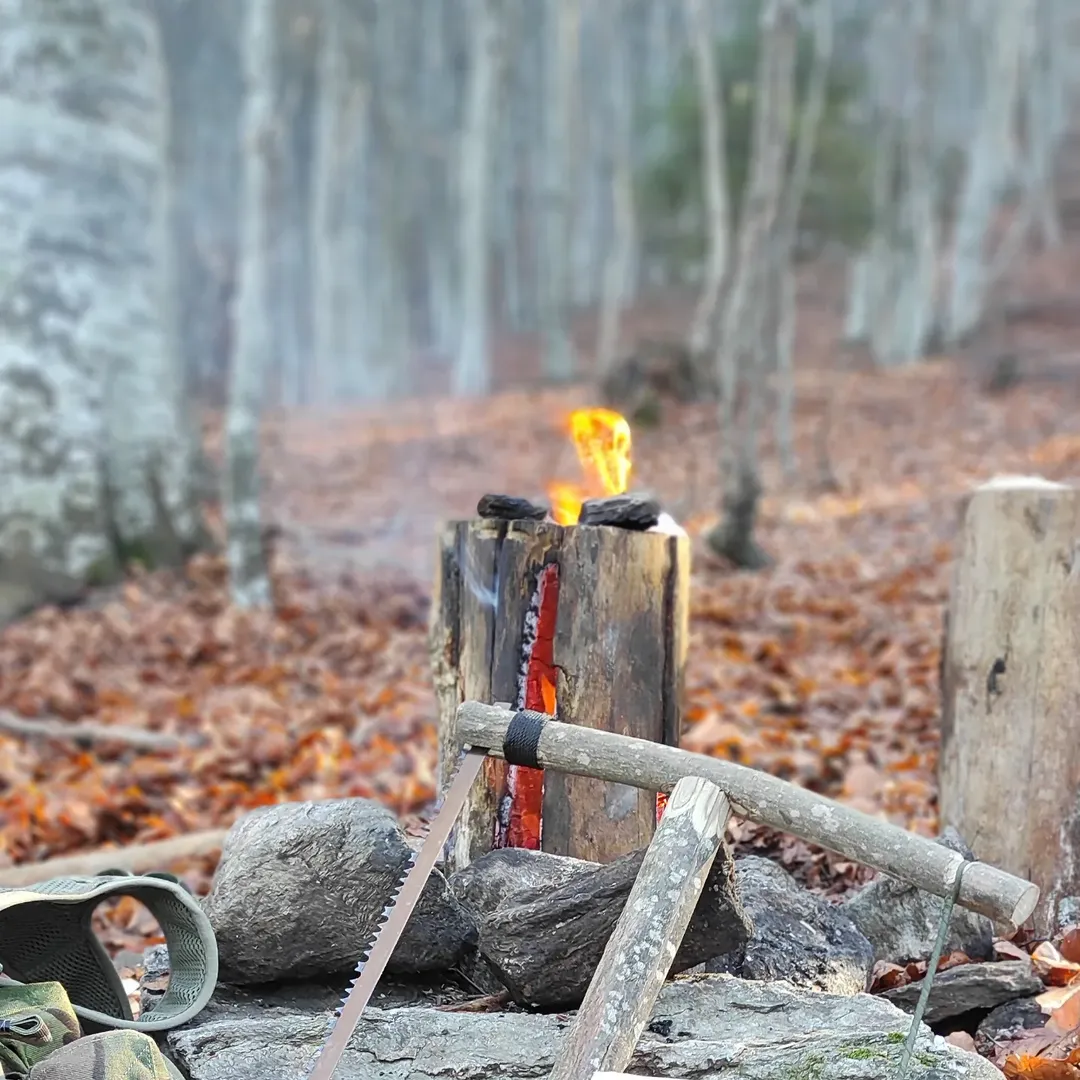
The Swedish torch uses a single log split vertically to create internal airflow. Kindling ignites inside the cuts, drawing oxygen upward. This setup burns from the inside out, producing steady heat and minimal smoke. Flames remain contained within the log. Campers use Swedish torches for cooking or light. The compact design limits ground impact and sparks. Wood selection matters for safety. As the log burns slowly, supervision remains important. This method produces efficient combustion and stable flames, offering a clean, controlled campfire alternative when space or fuel remains limited and portability matters during minimalist trips.
Fire Pan Setup
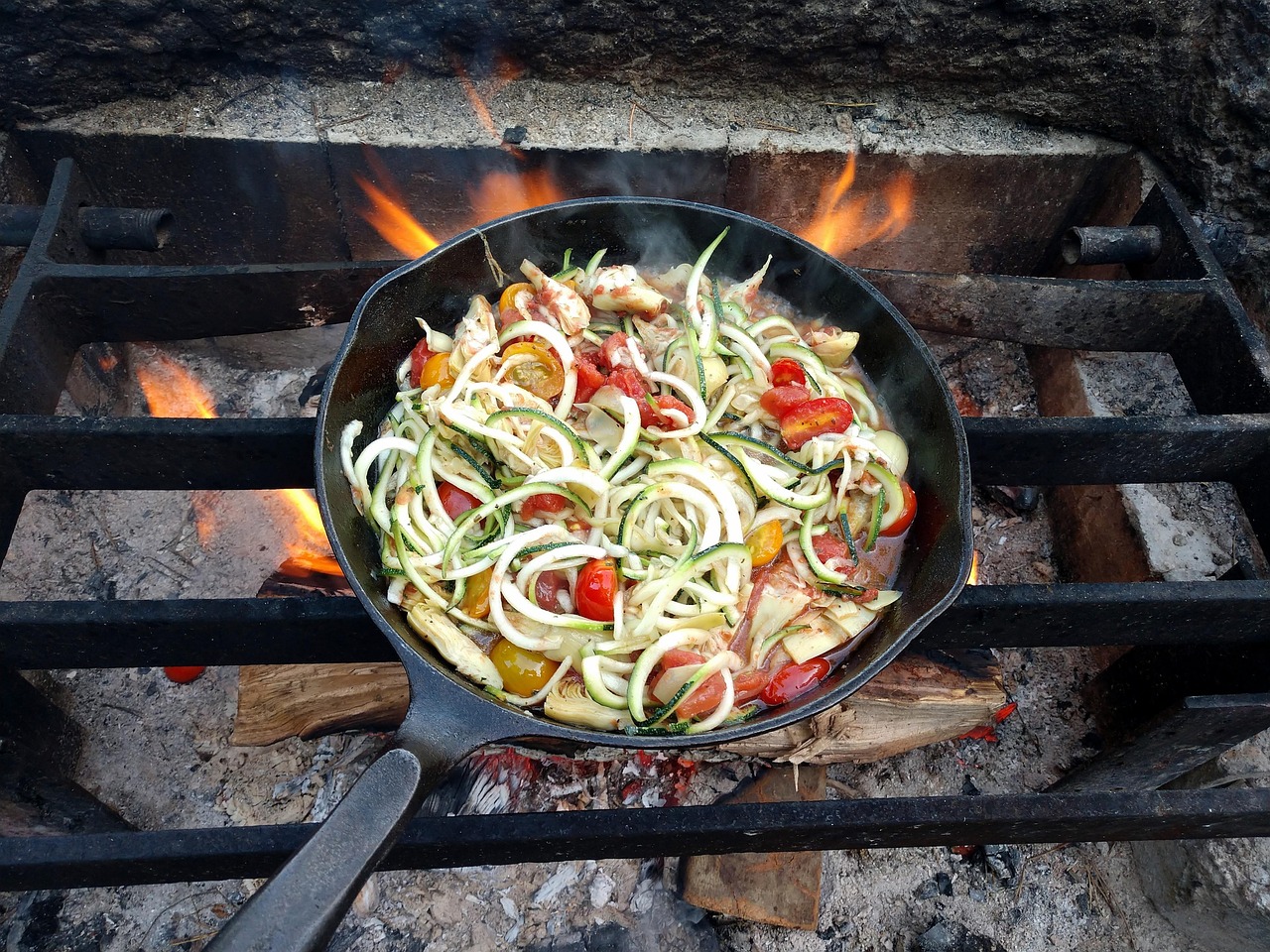
A fire pan setup contains the fire within a metal pan or tray. This containment improves safety by preventing ground contact. Airflow beneath the pan supports efficient burning. Smoke reduces when dry wood gets used. Fire pans protect soil and vegetation. Campers often use them in sensitive environments or regulated areas. Ash remains contained for easy disposal. Stability and heat resistant materials matter. When elevated slightly, fire pans allow complete combustion and controlled flames. This setup offers one of the safest options for clean burning fires, particularly where traditional ground fires remain restricted or discouraged by land management agencies enforcing seasonal fire rules.
Elevated Grill Fire
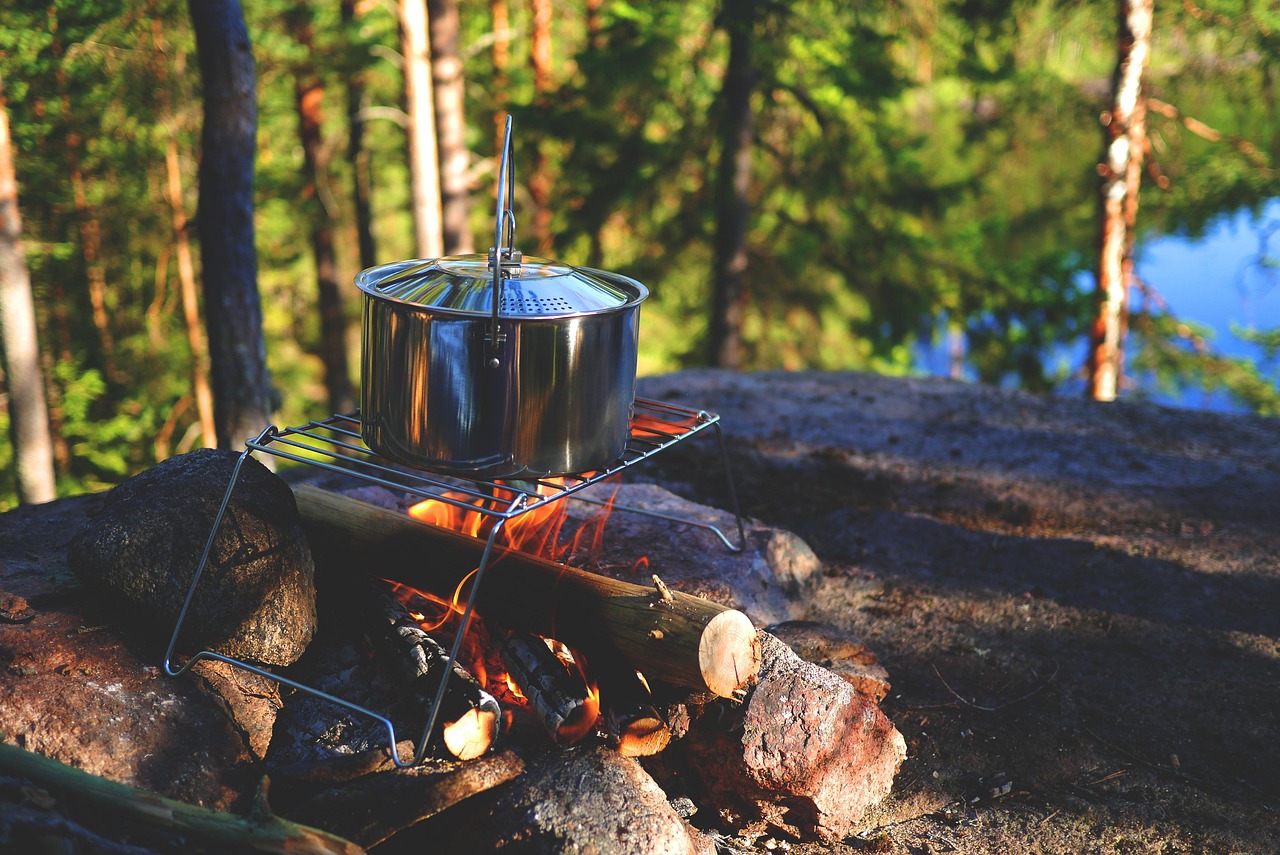
An elevated grill fire uses a grate above a small controlled flame. This setup focuses heat upward while limiting flame spread. Airflow supports even burning beneath the grill. Campers often cook directly without large fires. Smoke decreases because fuel burns efficiently. The grill contains sparks and stabilizes cookware. Using small fuel pieces improves control. This setup reduces ground heat damage. When managed carefully, elevated grill fires provide clean combustion and safe cooking conditions. They work well in established fire rings or portable grills, offering predictable heat and reduced environmental impact during camp meal preparation for groups or families.
Trench Fire
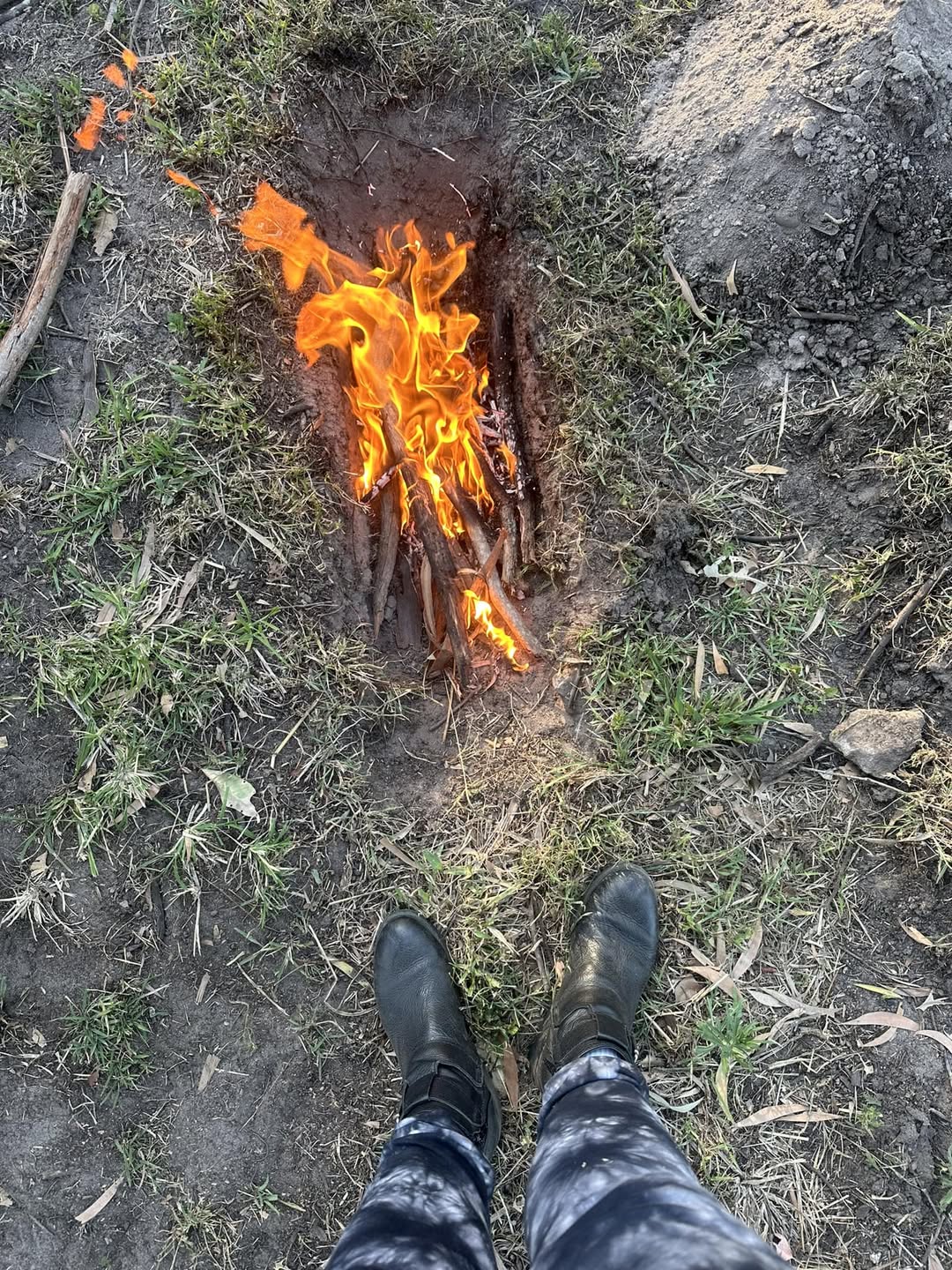
A trench fire uses a shallow, narrow trench aligned with wind direction. This setup channels airflow along the fire, increasing combustion efficiency. Flames remain low and controlled. Smoke reduces as oxygen feeds the fire evenly. Campers historically used trench fires for cooking. The design limits spark spread and heat dispersion. Soil containment improves safety. Proper depth prevents collapse. When used responsibly, trench fires burn cleaner than open fires. They work best in firm soil away from roots. This setup balances airflow and containment, offering a safer, more efficient fire option for cooking and warmth in suitable terrain during extended backcountry stays.
Reflector Fire
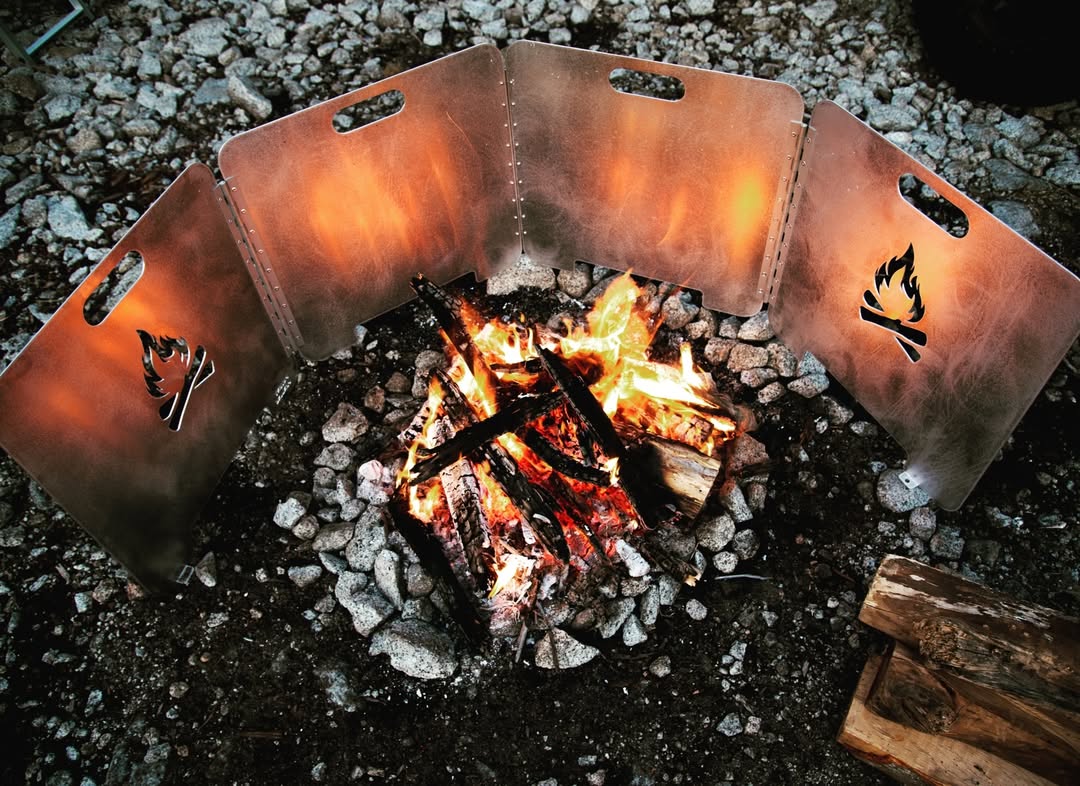
A reflector fire uses a wall of logs or rocks behind the flame. This setup directs heat forward while shielding wind. Improved heat reflection allows smaller fires. Combustion remains efficient with proper airflow. Smoke decreases as fuel burns completely. Reflector fires work well for warmth in cold conditions. The barrier also limits ember travel. Stability of the reflector matters for safety. Campers must ensure materials remain fire resistant. By focusing heat and reducing fuel needs, reflector fires burn cleaner and safer than larger open flames, offering controlled warmth without excessive wood consumption or uncontrolled spread during cold weather camping.
Parallel Log Fire
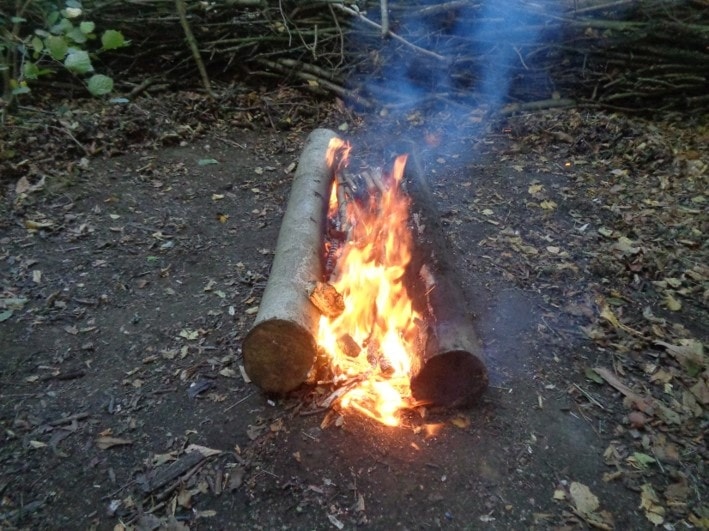
The parallel log fire places two logs side by side with kindling between them. This setup creates a channel for airflow. Flames stay contained between logs. Combustion remains steady and predictable. Smoke reduces with dry fuel. Campers use this setup for cooking with pots placed above. Logs support cookware naturally. The design limits collapse and spark spread. Fuel efficiency remains high because logs burn gradually. Parallel log fires offer controlled heat and clean burns, making them suitable for simple camp cooking tasks where stability, safety, and consistent flame output matter more than large fire displays in shared campsites.
Pyramid Fire
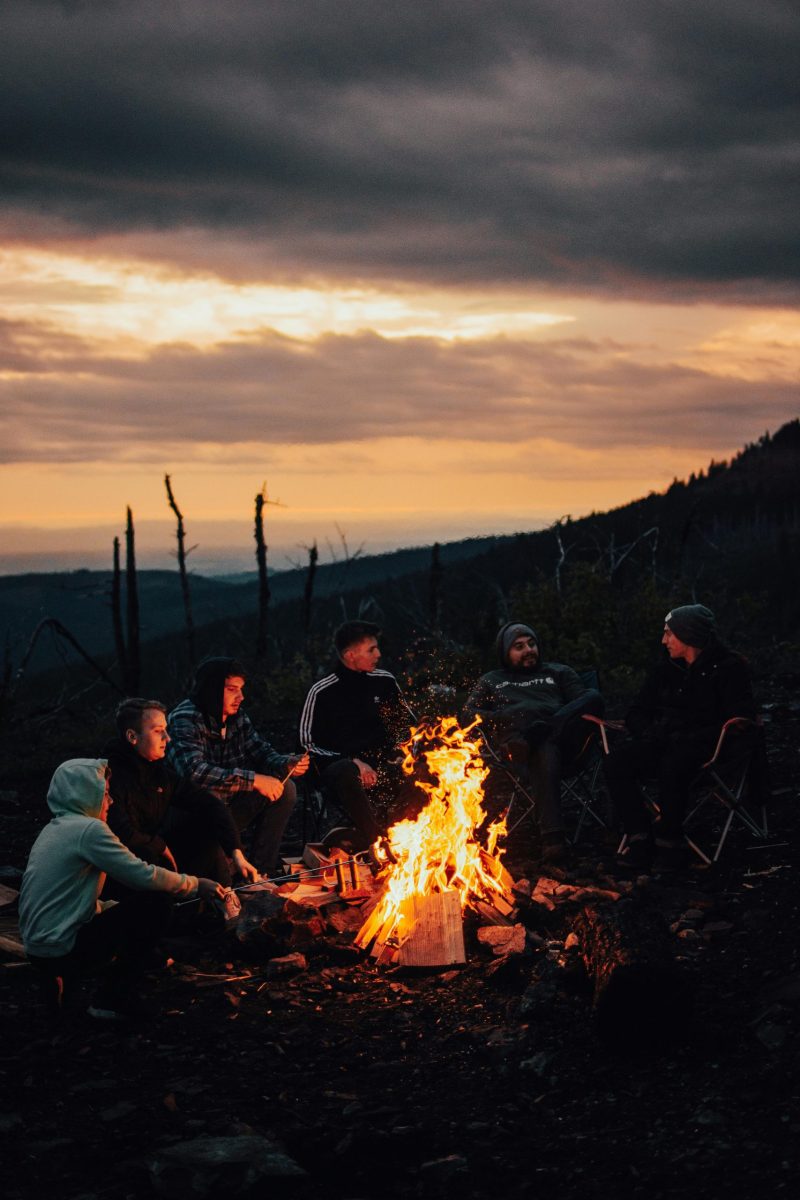
The pyramid fire stacks progressively smaller wood atop larger pieces. This arrangement allows heat to rise and ignite upper layers gradually. Airflow remains balanced throughout the structure. Flames stay centered, reducing outward spread. Smoke decreases as wood preheats before burning. Campers favor pyramid fires for long, steady burns. Stability improves compared to loose piles. Sparks remain limited when dry wood gets used. Proper construction prevents collapse. This setup encourages efficient combustion and controlled heat output, offering a cleaner and safer alternative to random stacking methods commonly associated with smoky or unstable campfires in unmanaged areas.
Top Down Fire
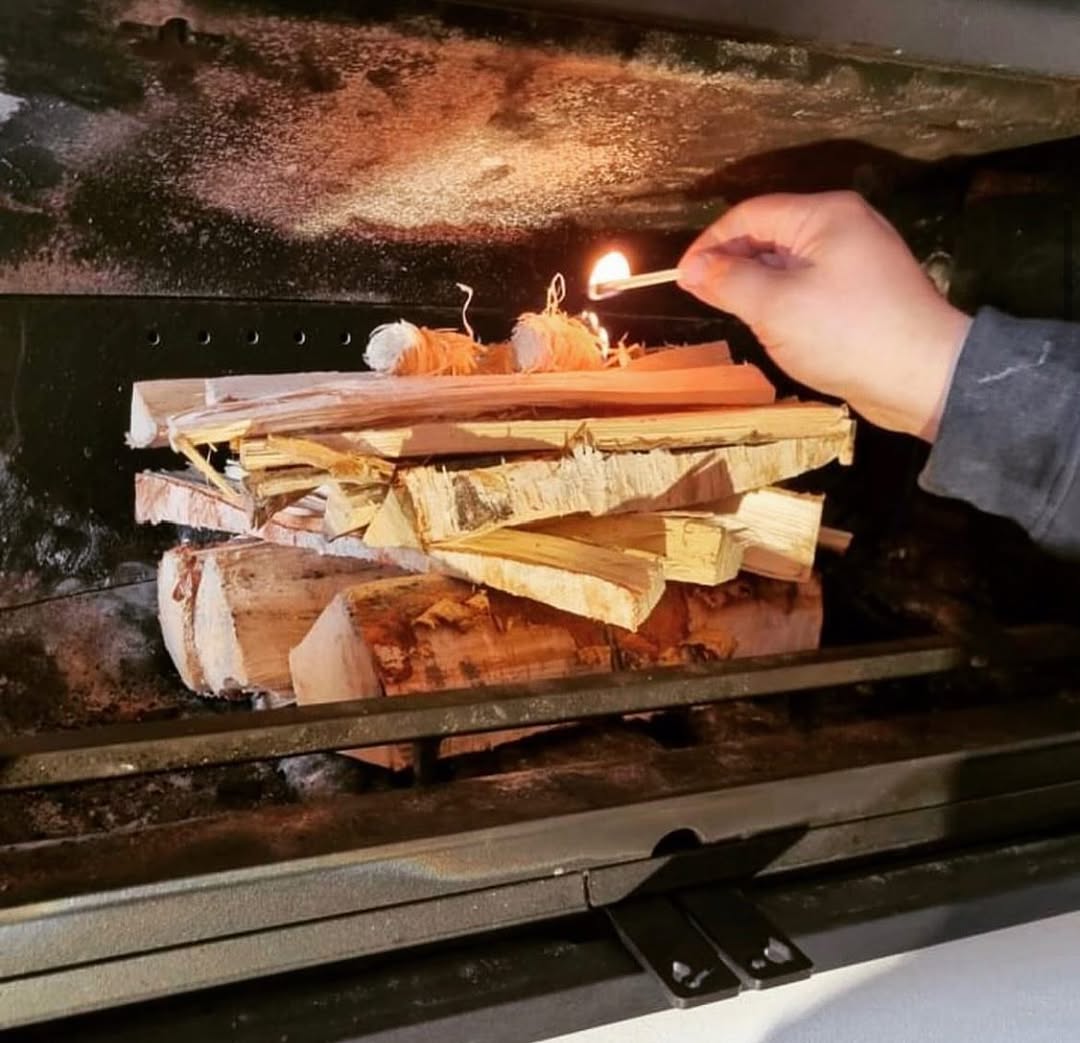
The top down fire places larger logs at the bottom and kindling on top. Ignition begins at the top, allowing flames to burn downward. This method preheats fuel below, improving combustion. Smoke decreases significantly during startup. Campers appreciate the cleaner ignition phase. Flames remain controlled as fuel collapses inward. This setup requires careful stacking for stability. Once lit, minimal tending is needed. The top down fire produces steady heat and less smoke overall, making it a cleaner, safer choice for camps where reduced smoke and efficient fuel use remain priorities throughout the evening.
Rock Ring Fire
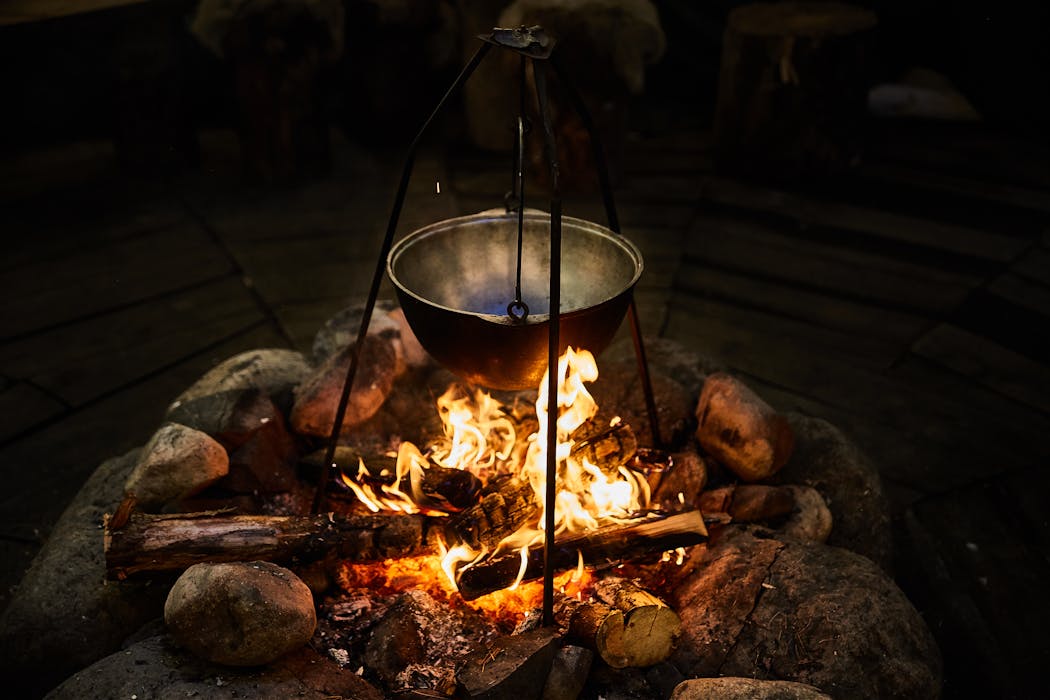
The rock ring fire uses stones arranged in a circle to contain flames. This setup improves safety by limiting fire spread. Rocks absorb and radiate heat evenly. Airflow remains adequate when gaps remain between stones. Smoke decreases with proper fuel. Campers must choose dry, non porous rocks to avoid cracking. The ring stabilizes fuel and cookware. This setup works best in established sites. When built correctly, rock ring fires burn cleaner by focusing heat and preventing fuel scatter, offering a controlled and familiar fire structure used widely in managed camping areas across public lands.
Minimalist Small Fire
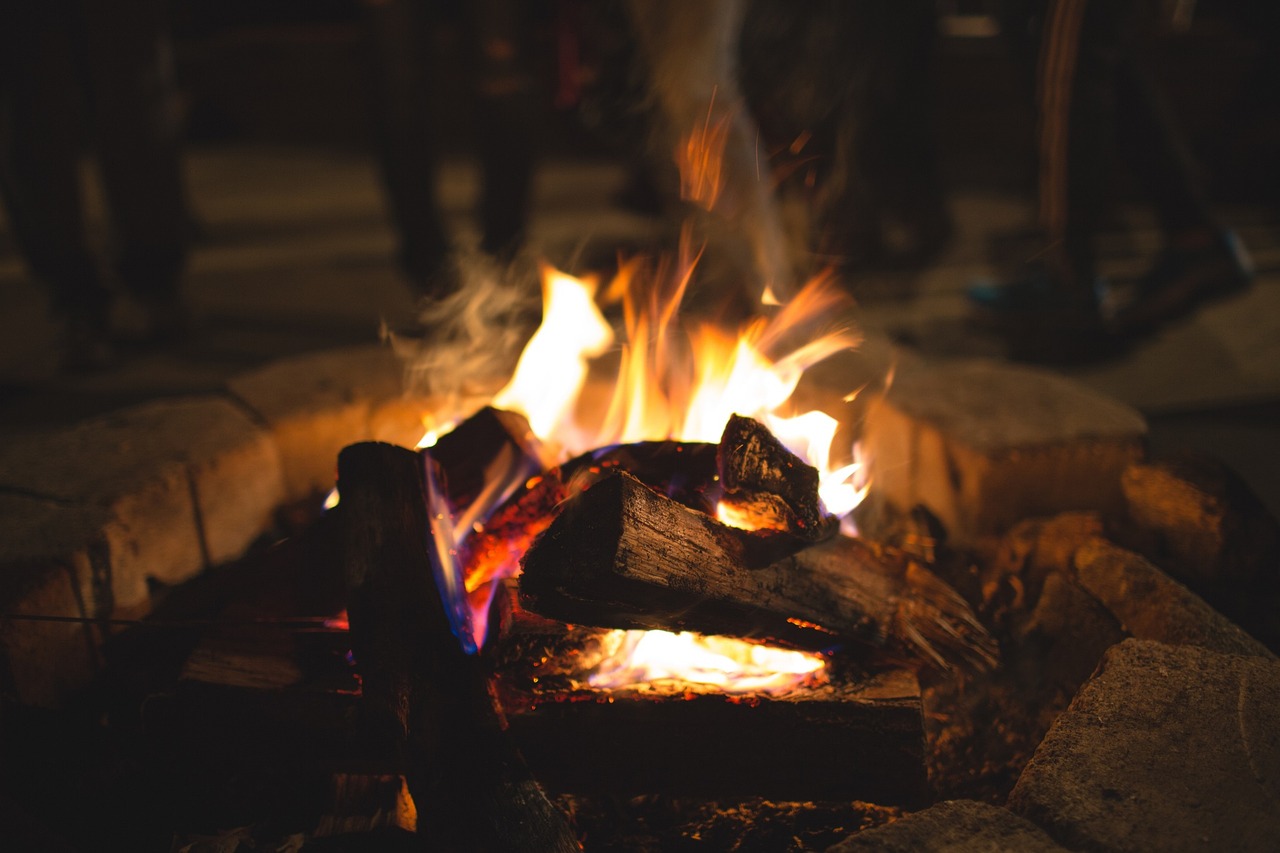
The minimalist small fire uses limited fuel to meet specific needs. This approach emphasizes efficiency over size. Smaller fires burn cleaner because combustion remains complete. Smoke reduces with proper airflow. Sparks decrease due to lower flame intensity. Campers often use this setup for boiling water or warmth. Managing fuel carefully prevents waste. This method aligns with low impact camping principles. By resisting oversized fires, campers improve safety and environmental protection. Minimalist fires demonstrate that effective campfires need not be large to remain functional, clean burning, and safer for surrounding landscapes and fellow campers nearby during quiet nights.
Established Fire Ring Use
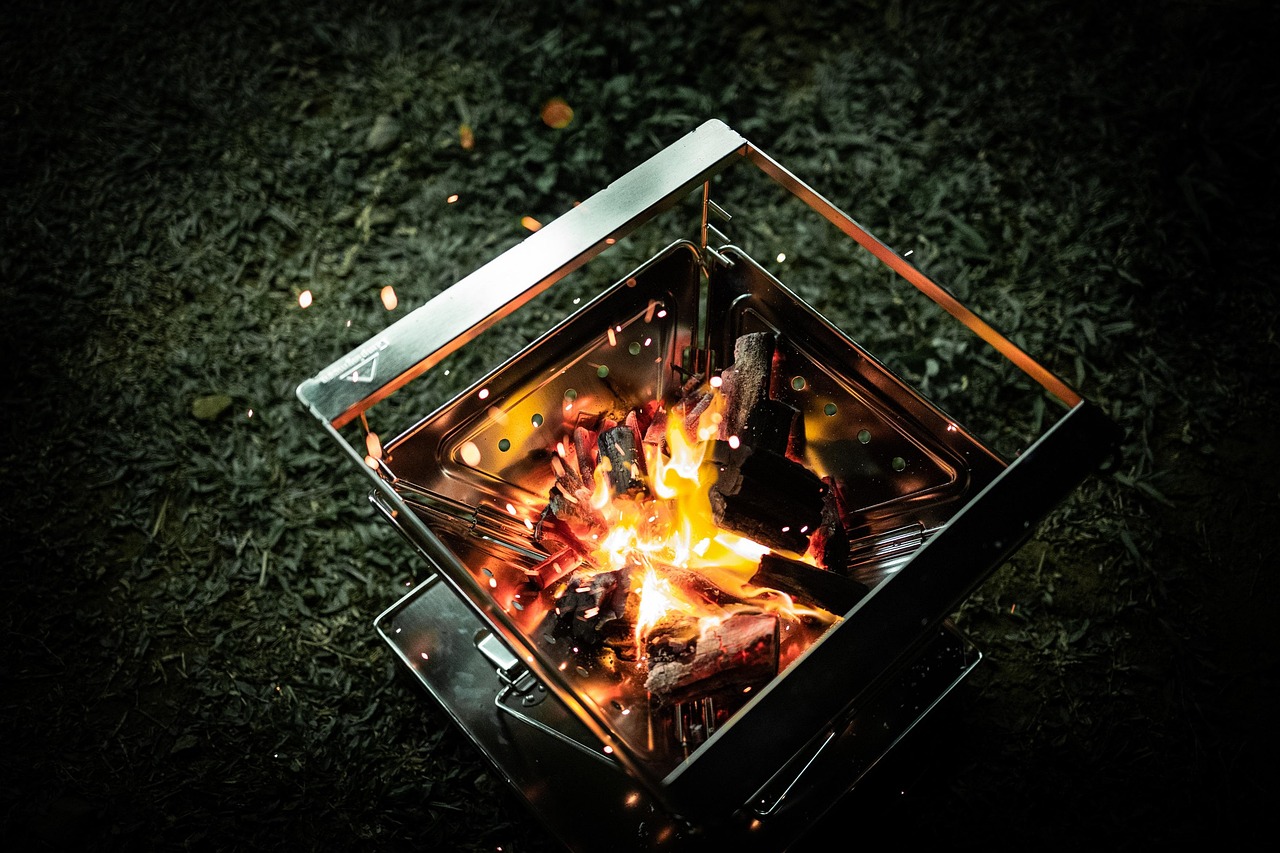
Using established fire rings supports cleaner and safer burns. These rings position fires on cleared ground with controlled boundaries. Airflow and containment improve naturally. Prior use reduces vegetation risk. Campers benefit from proven placement away from hazards. Smoke disperses predictably. Rings also encourage smaller fires. Fuel remains contained, reducing ember spread. Maintenance by land managers enhances safety. This setup minimizes environmental impact while supporting efficient combustion. When combined with proper fire building techniques, established fire rings offer one of the safest ways to enjoy campfires responsibly, aligning with campground guidelines and long standing outdoor practices followed across parks.