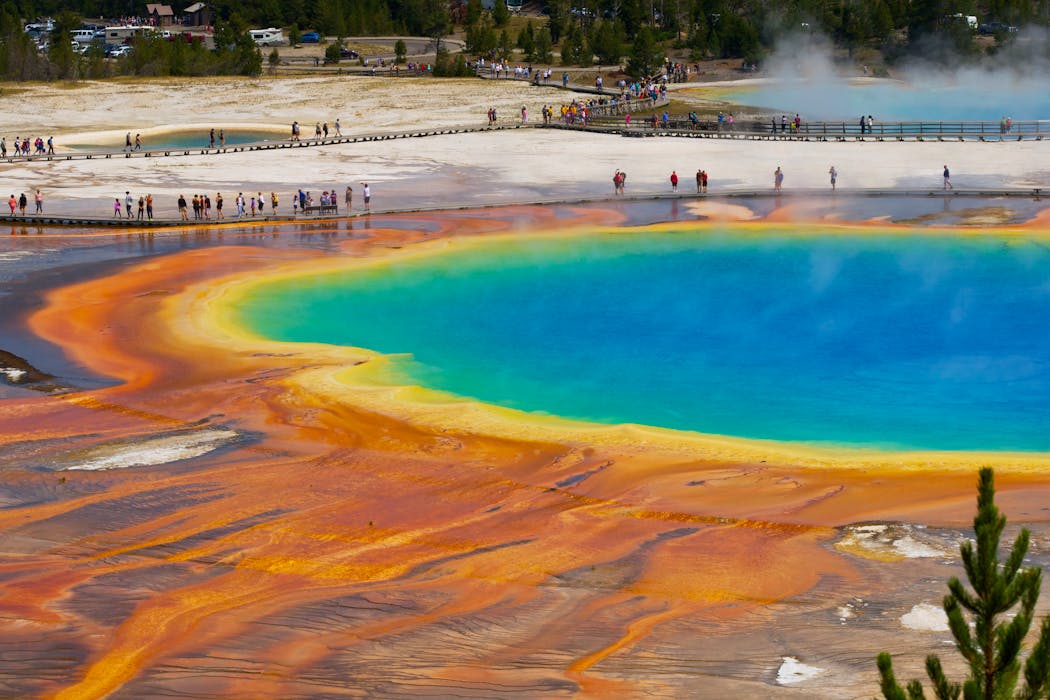
Rising park fees across global destinations are reshaping the experiences of international tourists who travel to explore natural landscapes, cultural sites, and protected environments. As governments and park authorities increase entrance costs to support conservation, infrastructure, and staffing, travelers face new financial considerations that influence everything from trip planning to on-site activities. Many parks have adopted tiered pricing, seasonal surcharges, or special-use permits, creating more complex budgeting decisions for visitors navigating unfamiliar systems. These fees often reflect the need to balance growing tourism demand with the preservation of sensitive ecosystems, yet they also reshape expectations for affordability and accessibility. Understanding how fee increases affect international visitors reveals broader shifts in global tourism, offering insight into how travelers adapt to evolving policies while managing limited time and resources in some of the world’s most cherished destinations.
Higher Overall Trip Budgets
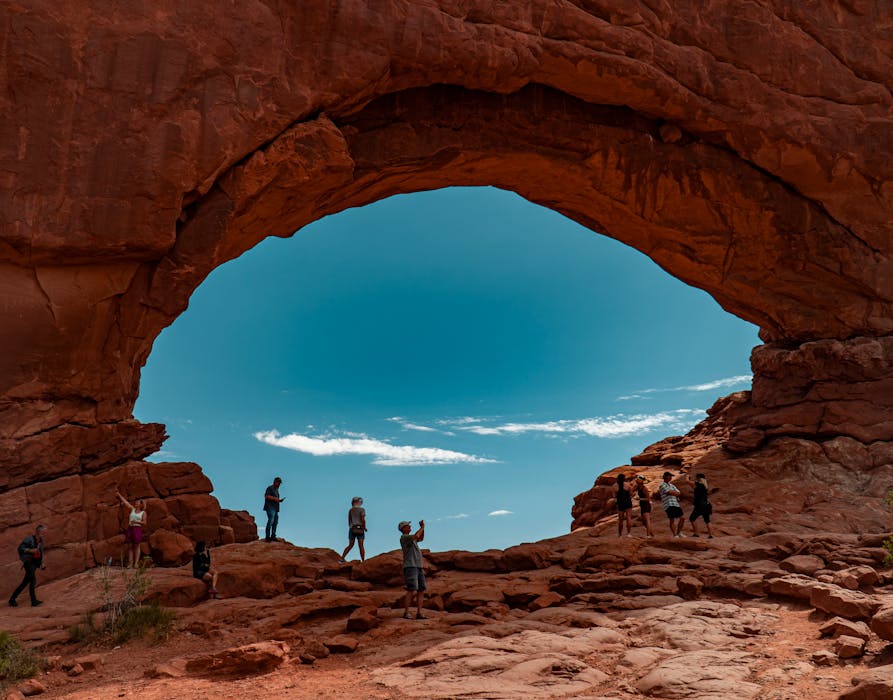
Higher park fees increase the total cost of international travel, requiring visitors to allocate more funds toward entrance passes and permits. This shift can influence decisions about lodging, dining, and transportation as travelers adjust their budgets to accommodate added expenses. In destinations where multiple parks are included in a single itinerary, fee increases may significantly reshape spending priorities. Some tourists choose shorter visits to offset costs, while others reallocate funds from souvenirs or paid excursions. These adjustments demonstrate how rising park fees alter the financial landscape of international travel and challenge visitors to plan strategically while still seeking memorable experiences.
Reduced Access for Budget Travelers
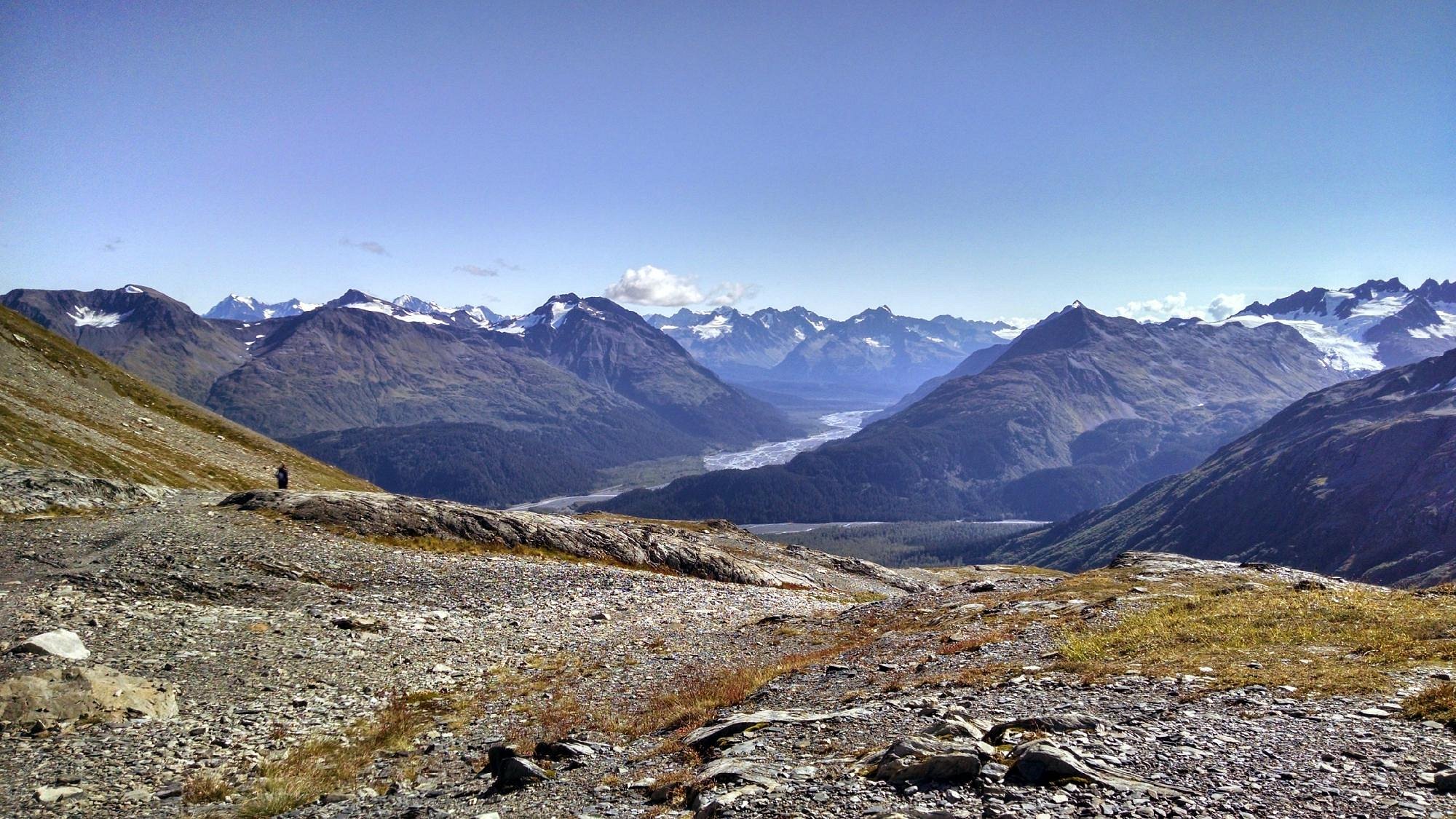
Rising park fees often limit access for budget-conscious international travelers who rely on affordable entrance prices to explore natural and cultural landscapes. When fees climb beyond expected ranges, some visitors may skip parks entirely or reduce the number of sites they visit. This trend disproportionately affects students, backpackers, and long-term travelers who journey across multiple regions. Limited access can also reduce opportunities for cultural exchange and global learning. As fee structures evolve, many travelers face difficult decisions about how to experience iconic destinations without overspending, revealing inequalities in how rising costs shape global tourism opportunities.
Shorter Park Visits
Higher entrance fees can prompt international tourists to shorten the duration of their park visits, reducing time spent on trails, scenic overlooks, and guided programs. Rather than exploring slowly, visitors may race through key locations to maximize value before leaving. This pattern affects local economies that rely on longer stays to support lodging, dining, and activity providers. Shorter visits can also lead to overcrowding at major viewpoints as tourists prioritize easily accessible highlights. This condensed approach reflects how fee changes alter pacing and experience, encouraging faster itineraries that sacrifice deeper engagement with natural and cultural landscapes.
Increased Pressure on Free or Low-Cost Areas

As park fees rise, international tourists increasingly seek free or low-cost alternatives such as public beaches, local parks, and community-managed reserves. These areas often experience increased foot traffic as visitors attempt to balance budgets while still enjoying outdoor experiences. Higher usage can strain local resources, impact trails, and create crowding at sites not designed for heavy tourism. While these destinations offer valuable recreational opportunities, they may lack the infrastructure or conservation funding found in official parks. The shift underscores how rising fees redirect tourism patterns in ways that influence surrounding environments and local communities.
Reduced Participation in Ranger-Led Programs

Ranger-led programs offer educational and immersive experiences, but rising park fees may cause international tourists to opt out. When entrance costs consume larger portions of travel budgets, optional activities become less appealing despite their value. Reduced participation can impact funding for interpretive programs and limit opportunities for cultural exchange between visitors and park staff. These changes also influence how travelers understand ecological systems, wildlife behavior, and cultural history. As fewer international tourists engage in guided programs, parks may struggle to maintain outreach efforts that support conservation awareness and responsible visitor behavior.
More Selective Park Choices
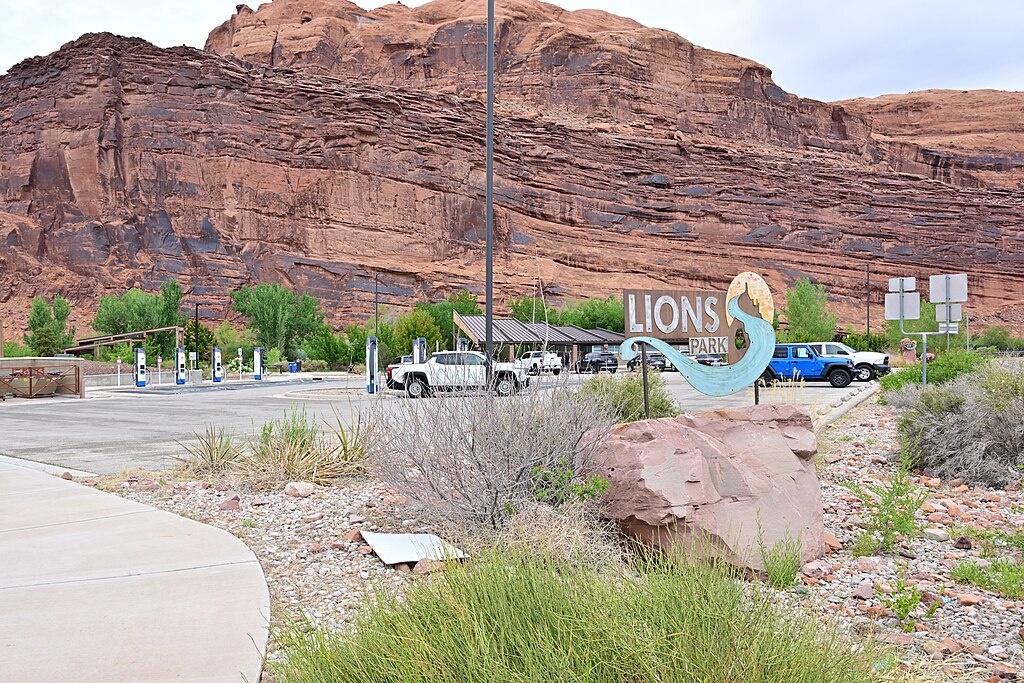
With higher fees, international tourists become more selective about which parks they visit, prioritizing destinations with iconic status or unique features. Lesser-known parks may see declining visitation if travelers concentrate on famous sites perceived as offering greater return on investment. This shift affects regional economies that rely on distributed tourism and places heavier demand on high-profile parks already facing crowding or environmental strain. Selective visitation also shapes the narrative of global travel, reinforcing patterns where only widely recognized locations receive consistent international attention, while quieter parks struggle to attract diverse audiences.
Increased Reliance on Group Tours

Rising park fees encourage some international tourists to join group tours that bundle entrance costs into package rates. These tours often negotiate discounted fees or secure priority access, making them appealing for travelers seeking convenience and predictability. However, increased reliance on tours may limit flexibility for spontaneous exploration or independent decision-making. Group itineraries also concentrate visitors in specific areas, potentially intensifying congestion at popular viewpoints. While organized tours offer efficiency, their growing prominence reveals how fee structures influence travel styles and reshape how international visitors navigate major park systems.
Greater Emphasis on Pre-Trip Research

As park fees rise, international tourists invest more time in researching entrance costs, reservation requirements, and seasonal surcharges. Detailed planning becomes essential to avoid unexpected expenses or missed opportunities. Travelers compare parks within a region to determine which provide the best value for their budget and travel goals. This emphasis on research can improve preparedness but also reduce spontaneity, especially for those crossing long distances with limited days available. The trend demonstrates how rising fees shift travelers toward more structured itineraries driven by cost awareness.
Higher Expectations for Park Quality
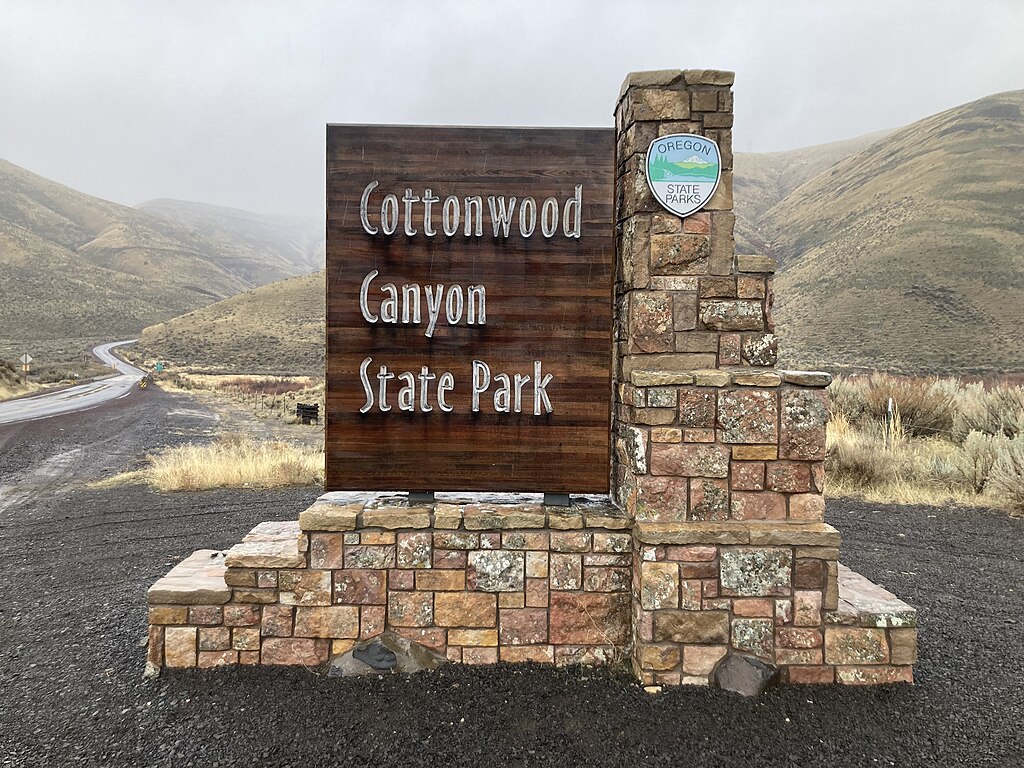
When international tourists pay more for entrance fees, their expectations for infrastructure, cleanliness, signage, and crowd management increase. Visitors anticipate well-maintained trails, informative exhibits, and efficient transportation systems that reflect the price they paid. Higher expectations can lead to disappointment when parks lack resources to meet demand, especially in regions where fees support only basic conservation needs. This dynamic places pressure on park authorities to enhance services even when budget constraints limit upgrades. The alignment between cost and quality becomes a significant factor in shaping international perceptions of destination value.
Increased Interest in Annual Passes

Some international tourists respond to rising park fees by purchasing annual passes, particularly when visiting multiple parks within a single country or region. These passes offer cost savings and streamlined access, reducing the financial burden of individual entrance fees. However, not all travelers qualify or find annual passes practical, especially those visiting only one park during short trips. The trend highlights how rising fees encourage strategic financial decisions and influence the overall structure of travel planning among international visitors, ultimately shaping long-term expectations for affordability and convenience across diverse destinations.
Changes in Visitor Demographics
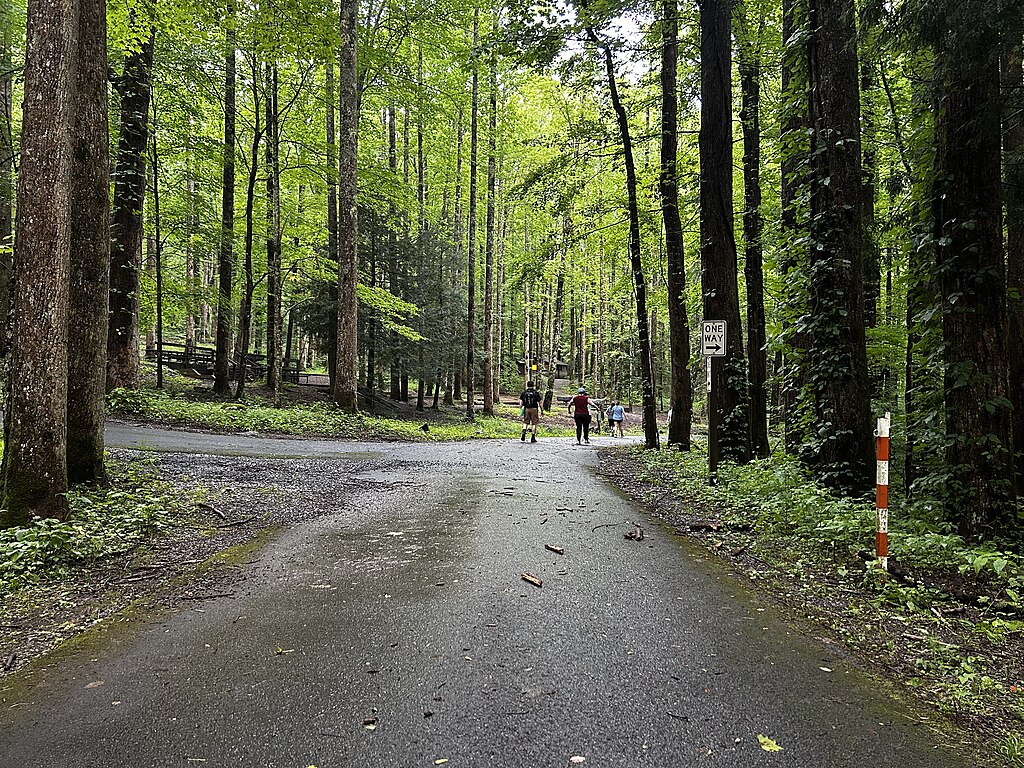
Higher park fees can alter the demographics of international tourists, attracting travelers with greater financial flexibility while discouraging those with limited budgets. This shift reduces diversity among visitors and may influence the types of services parks prioritize. Wealthier tourists may seek premium experiences, while others may feel priced out of iconic landscapes. These demographic changes reshape the social atmosphere within parks and reduce opportunities for cross-cultural interaction. The trend underscores how economic barriers redefine access to shared global natural heritage.
Increased Use of Alternative Transportation
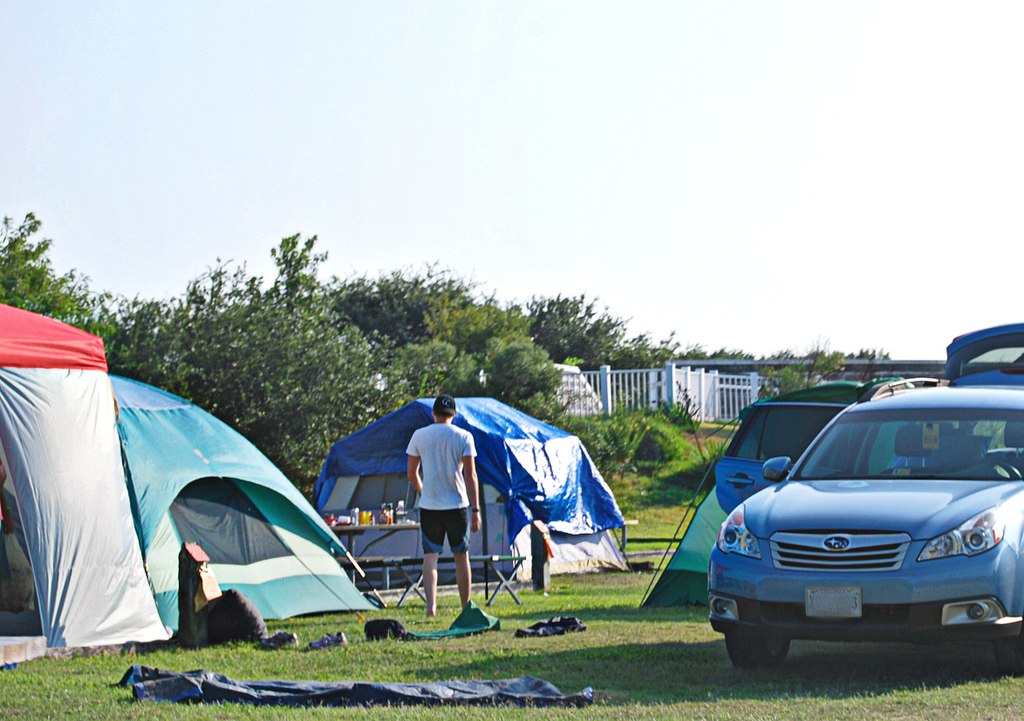
To offset rising park expenses, some international tourists choose lower-cost transportation options such as shuttles, bikes, or carpool systems. These alternatives help reduce fuel costs and avoid additional parking fees often imposed at popular destinations. While this shift supports sustainability goals, it may also limit flexibility for visitors who prefer independent exploration. Increased shuttle use can create crowding during peak hours, influencing the pace and structure of visitor movement. The trend demonstrates how rising fees shape transportation choices and modify how tourists navigate large park systems.
Reduced Spending in Local Communities

When park fees consume larger portions of international travel budgets, visitors may scale back spending in nearby towns. Restaurants, gift shops, and excursion providers feel the impact as travelers prioritize essential expenses. This shift affects local economies that rely on tourism revenue to sustain jobs and community programs. Reduced discretionary spending also limits cultural engagement, as visitors may skip museums, markets, or local performances. Rising park fees thus create ripple effects that extend far beyond park boundaries and influence broader regional tourism ecosystems, ultimately reshaping how communities adapt to fluctuating visitor spending patterns.
Increased Demand for Fee Transparency
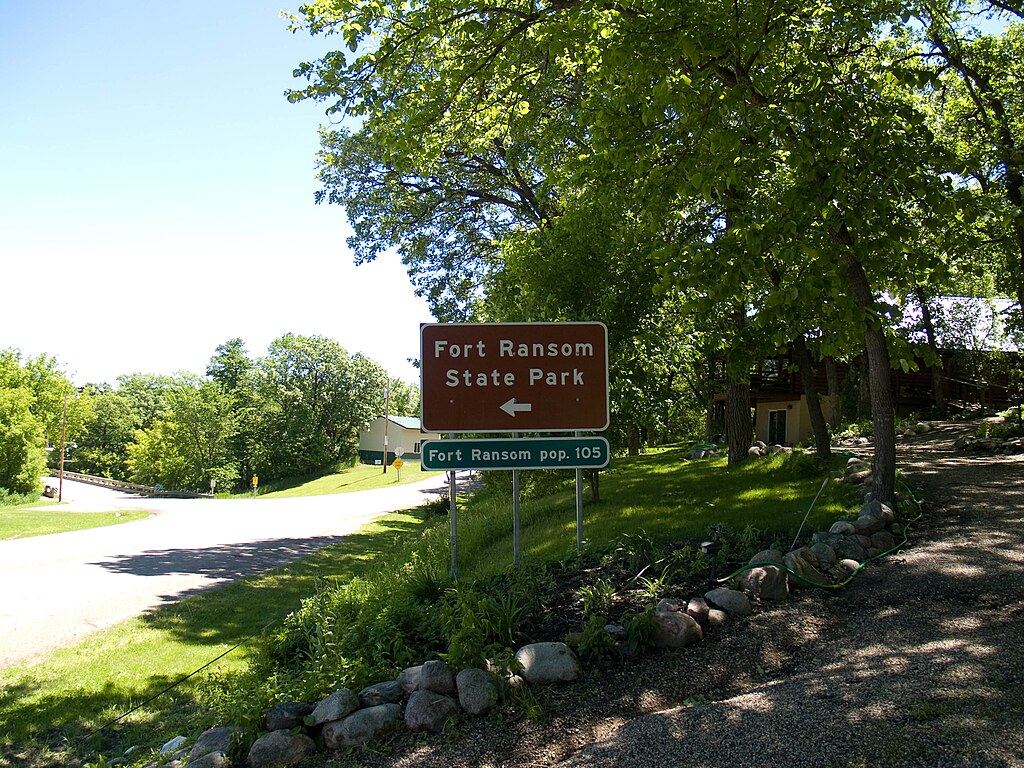
International tourists increasingly expect clear, transparent information about park fees, including how funds support conservation and visitor services. As prices rise, travelers want reassurance that their contributions meaningfully improve the park experience. Lack of transparency can create frustration or skepticism, particularly among visitors unfamiliar with local management systems. Parks that communicate openly about funding allocation often build stronger trust with international guests. This demand reflects a broader global trend toward accountability and ethical tourism practices in publicly managed spaces.
Greater Interest in Off-Peak Travel
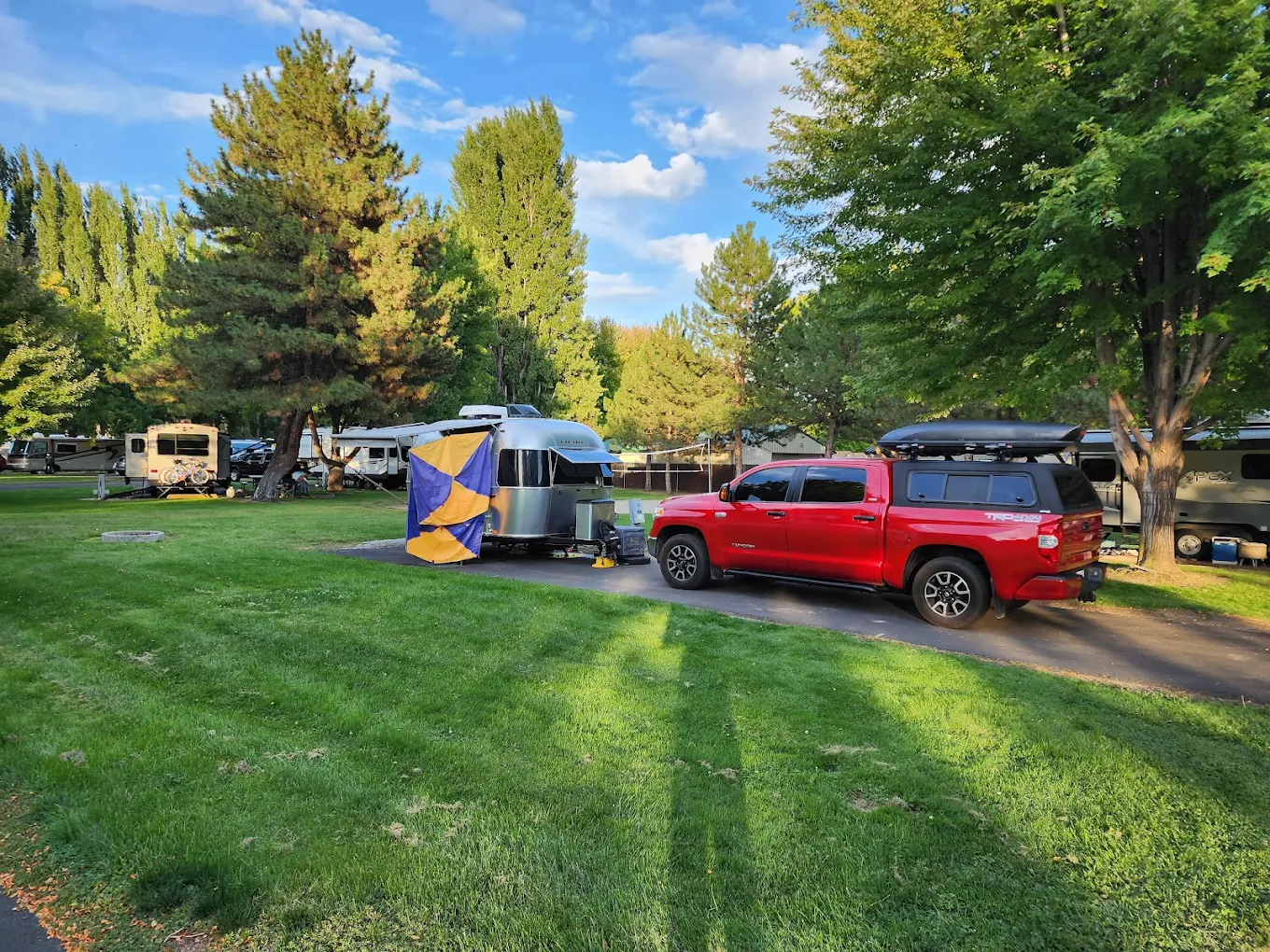
Rising park fees encourage international tourists to visit during off-peak seasons when discounts or reduced surcharges apply. Off-peak travel offers quieter experiences and lower costs, making it appealing for those seeking value and tranquility. However, seasonal weather conditions may affect accessibility, requiring travelers to weigh savings against comfort and safety. Increased off-peak visitation helps distribute tourism more evenly throughout the year, easing strain on popular summer months. The trend illustrates how fee structures influence not only where visitors go, but when they choose to explore major natural attractions.
Shift Toward Volunteer or Conservation Travel

As park expenses rise, some international tourists opt for volunteer programs or conservation-based travel opportunities that provide access in exchange for service. These experiences offer deeper engagement with natural environments and reduce financial barriers. Participants may assist with trail maintenance, wildlife monitoring, or habitat restoration while gaining insight into park management. Although not suitable for all visitors, this shift highlights how rising fees inspire alternative forms of meaningful travel that foster stewardship and long-term connection to protected landscapes.
More Frequent Comparisons Between Parks and Destinations
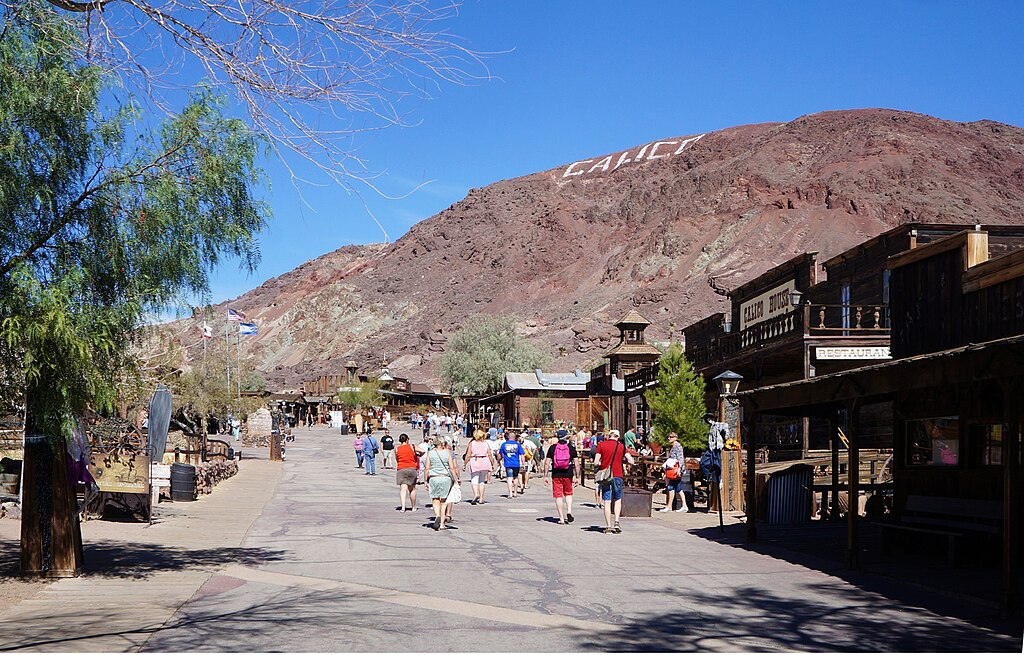
Higher park fees prompt international tourists to compare destinations more carefully, evaluating cost, accessibility, amenities, and environmental impact before committing to a visit. Travelers may choose parks in neighboring countries or regions offering similar landscapes at lower prices. This competitive mindset influences global tourism patterns and encourages parks to maintain high standards to justify rising fees. Comparisons also shape cultural narratives about which destinations offer the best value for international visitors, emphasizing the evolving role of cost in shaping global travel decisions.