Fall in the United States is a magical season for wildlife enthusiasts. Beyond the colorful foliage, fall offers incredible opportunities to witness migrations, mating rituals, and seasonal behaviors. From soaring raptors to powerful mammals and coastal marvels, nature stages some of its most dramatic performances. These sixteen spectacles showcase the best U.S. wildlife events, allowing travelers and photographers to experience nature at its most vibrant and dynamic during the crisp fall months.
1. Monarch Butterfly Migration: Pacific Coast, California
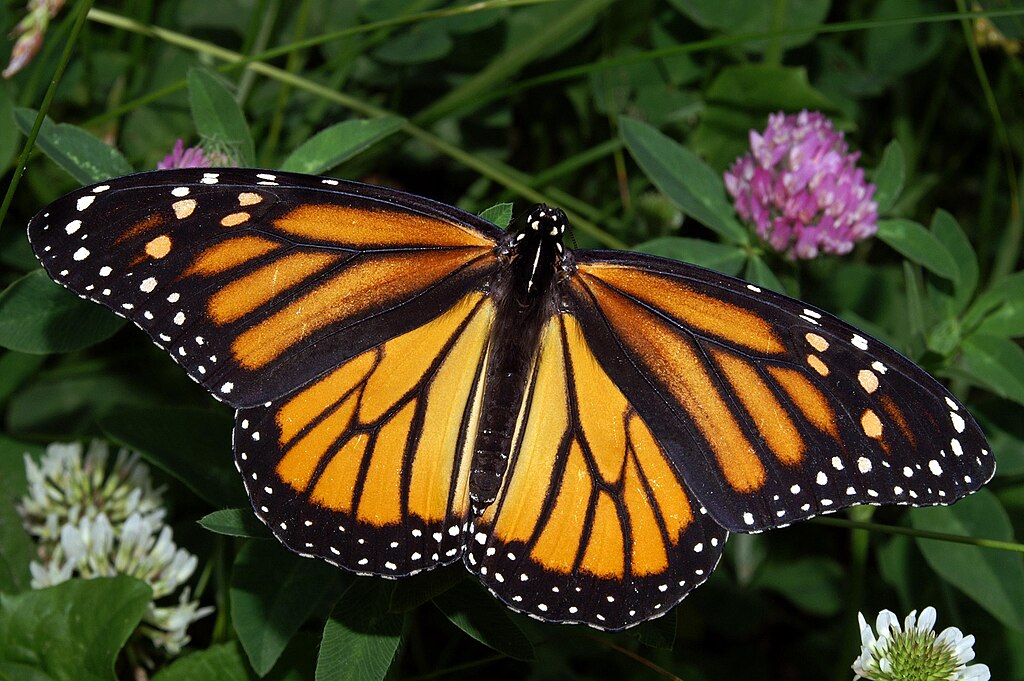
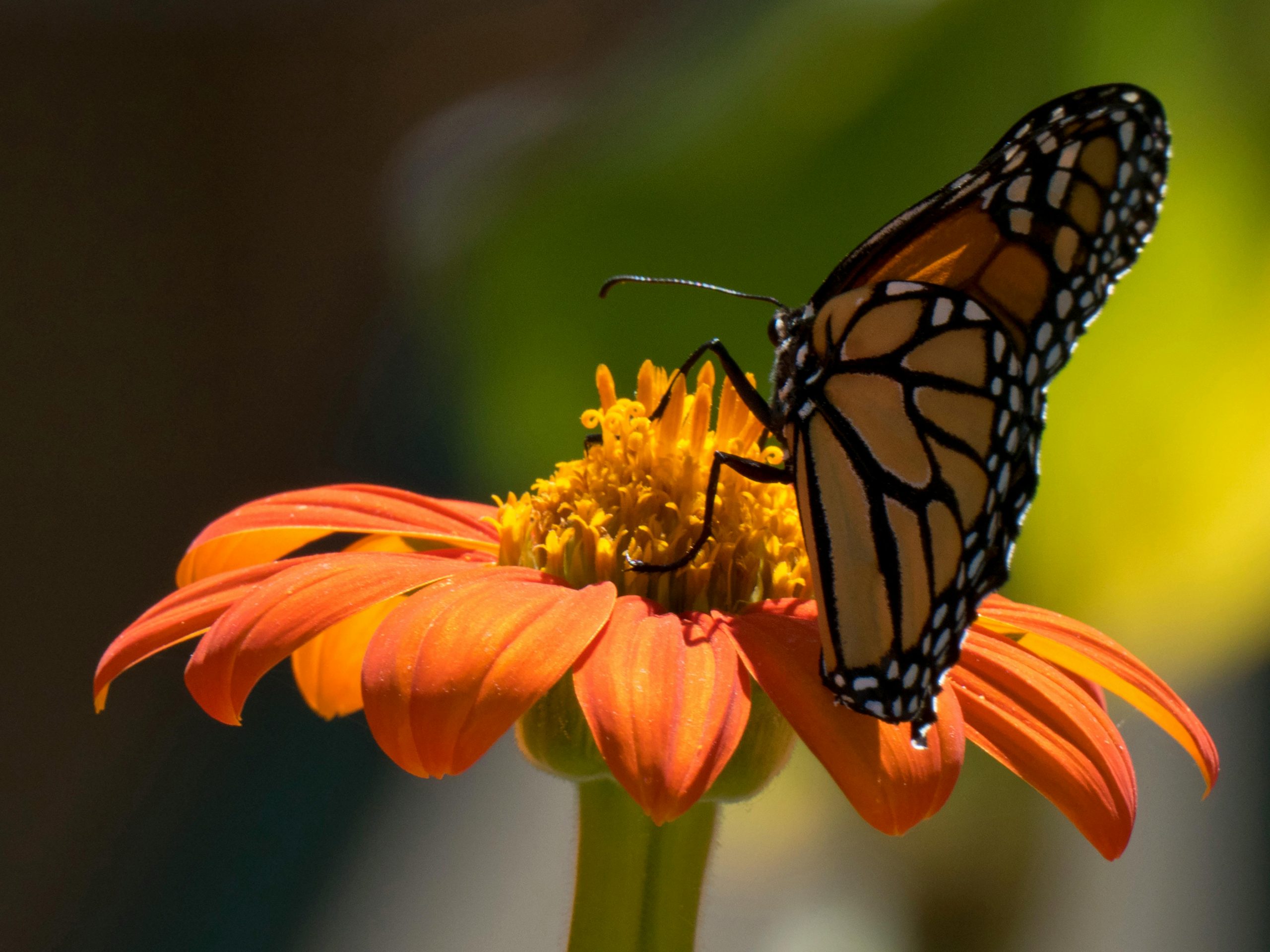
Each fall, millions of monarch butterflies journey from inland habitats to California’s coastal groves. Clustering on eucalyptus and pine trees, their brilliant orange and black wings create breathtaking displays. Observing these delicate insects fluttering en masse is mesmerizing and highlights the species’ resilience. Many locations, including Pacific Grove, provide viewing platforms. The migration not only offers a visual spectacle but also emphasizes conservation, as monarch populations have faced significant challenges in recent years.
2. Sandhill Crane Migration: Platte River, Nebraska
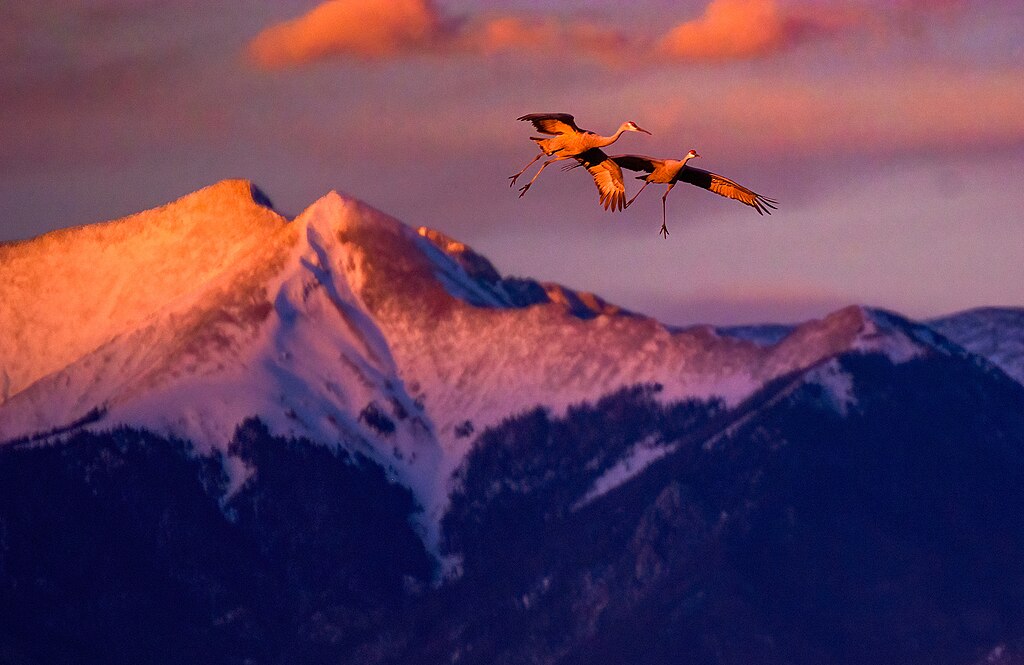
The Platte River Valley hosts over half a million sandhill cranes during their southward migration. Large flocks fill the sky with synchronized calls, while their elaborate dances showcase mating and social behaviors. Early morning and evening are ideal for photography and observation. Guided tours allow safe access to viewing areas, and the spectacle’s scale, hundreds of thousands of birds congregating, is unmatched. The combination of sound, movement, and fall landscapes creates a truly unforgettable wildlife experience.
3. Elk Rut : Rocky Mountains, Colorado
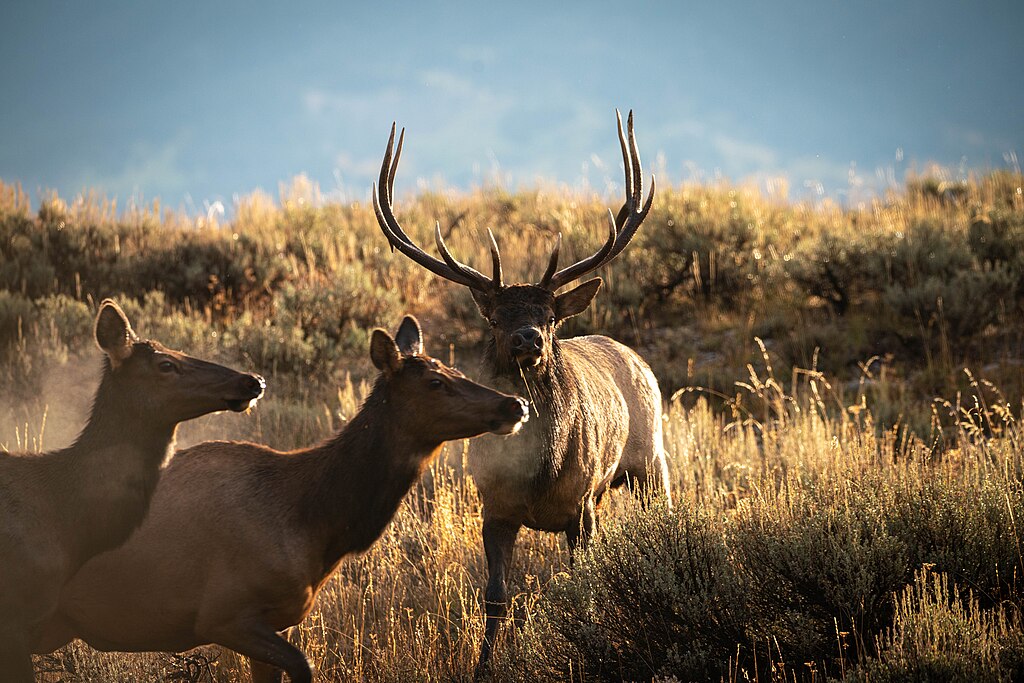
Fall marks the elk rut, where bulls engage in dramatic bugling, antler clashes, and territorial displays across the Rockies. Estes Park and Rocky Mountain National Park offer excellent viewing spots, often in the quiet of golden meadows. The crisp fall air enhances vocalizations, and the scenery amplifies the spectacle. Observing these majestic animals during mating season provides insight into natural instincts and hierarchy. The elk rut is both thrilling and photogenic, capturing the raw energy of wildlife in peak fall colors.
4. American Bald Eagle Migration: Upper Mississippi River, Minnesota
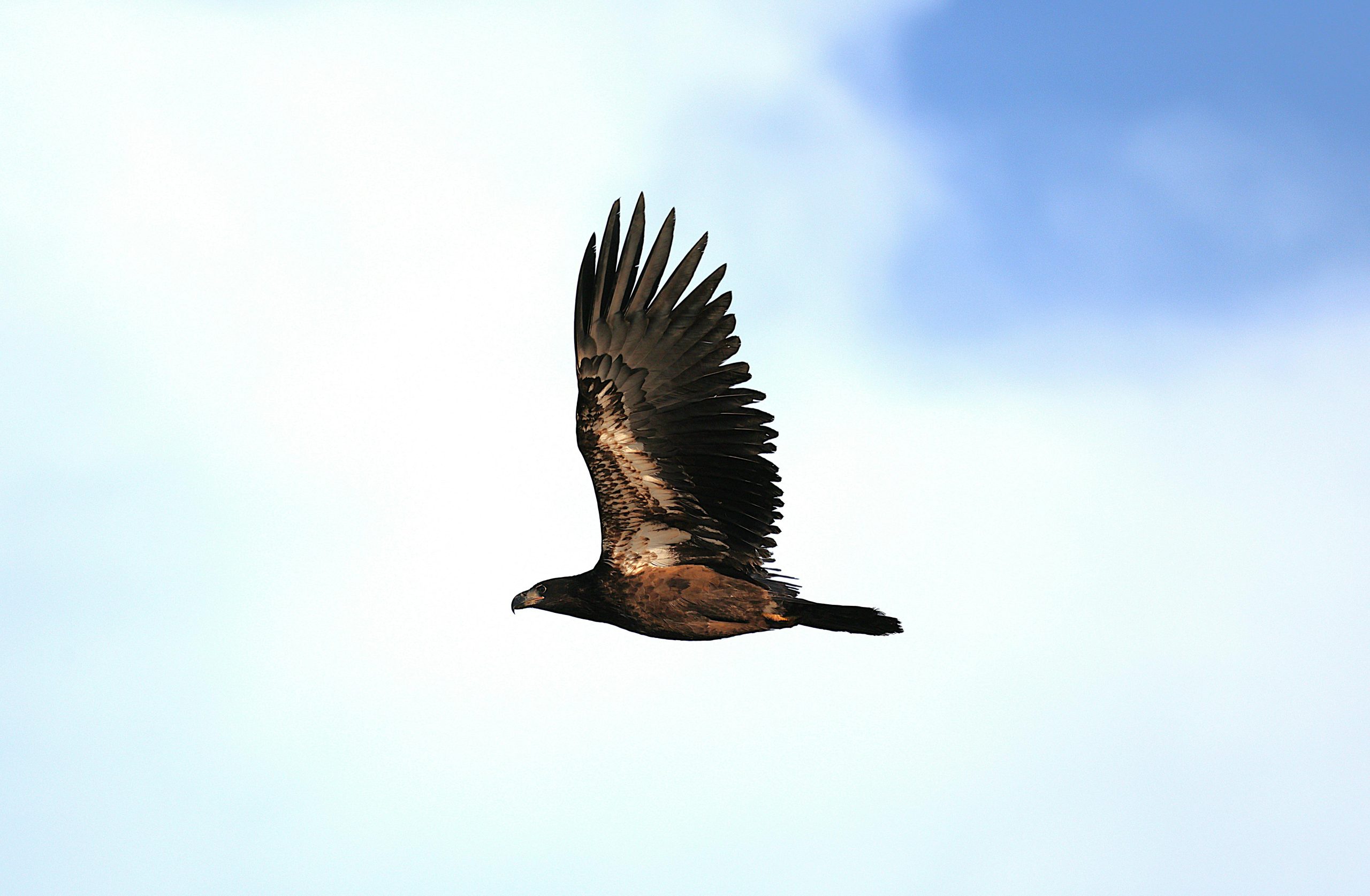
Every fall, the Upper Mississippi River becomes a prime viewing spot for bald eagles as they migrate south. Hundreds gather along riverbanks and wetlands, feeding on fish and resting before continuing their journey. Observers can witness majestic flights, soaring displays, and social interactions. Fall conditions, with colorful foliage and crisp skies, create a perfect backdrop. This spectacular event highlights conservation success and allows photographers and wildlife enthusiasts to see the national bird in action.
5. White Tailed Deer Rut: Midwest Woodlands
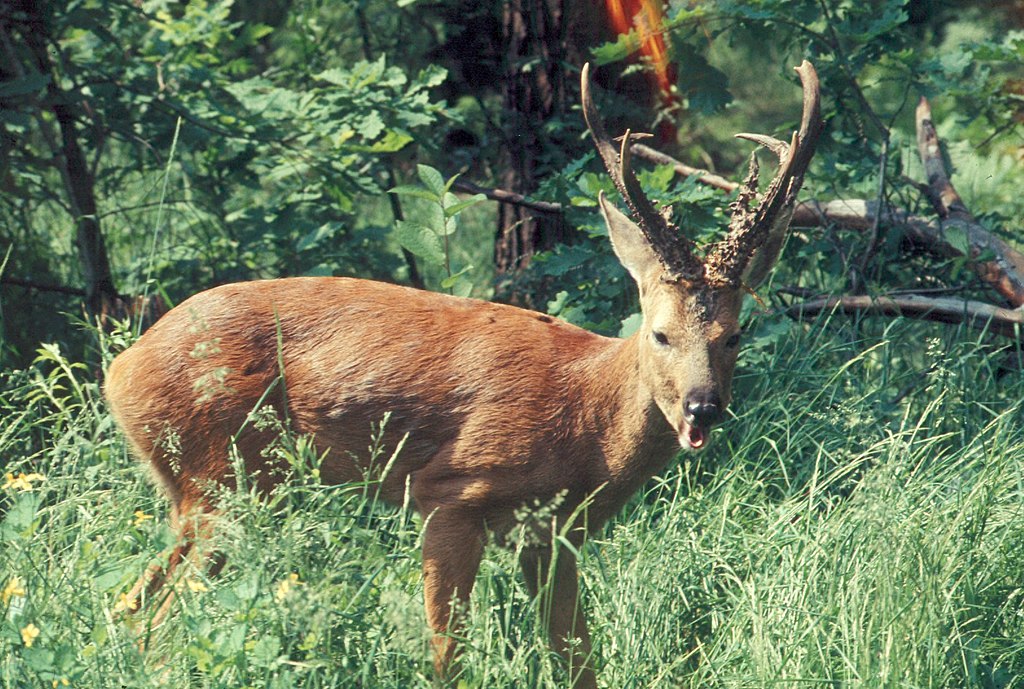
The rut of white tailed deer peaks in fall across the Midwest forests, including Wisconsin and Minnesota. Bucks chase does, engage in sparring, and mark territory with antler rubs and scent. Early mornings and evenings are the best times to observe these behaviors. Fall colors provide a stunning backdrop, making sightings both dramatic and picturesque. The rut allows enthusiasts to witness instinctual mating behaviors and territoriality up close, offering both educational and photographic opportunities during the serene yet lively fall season.
6. Humpback Whale Feeding : Monterey Bay, California
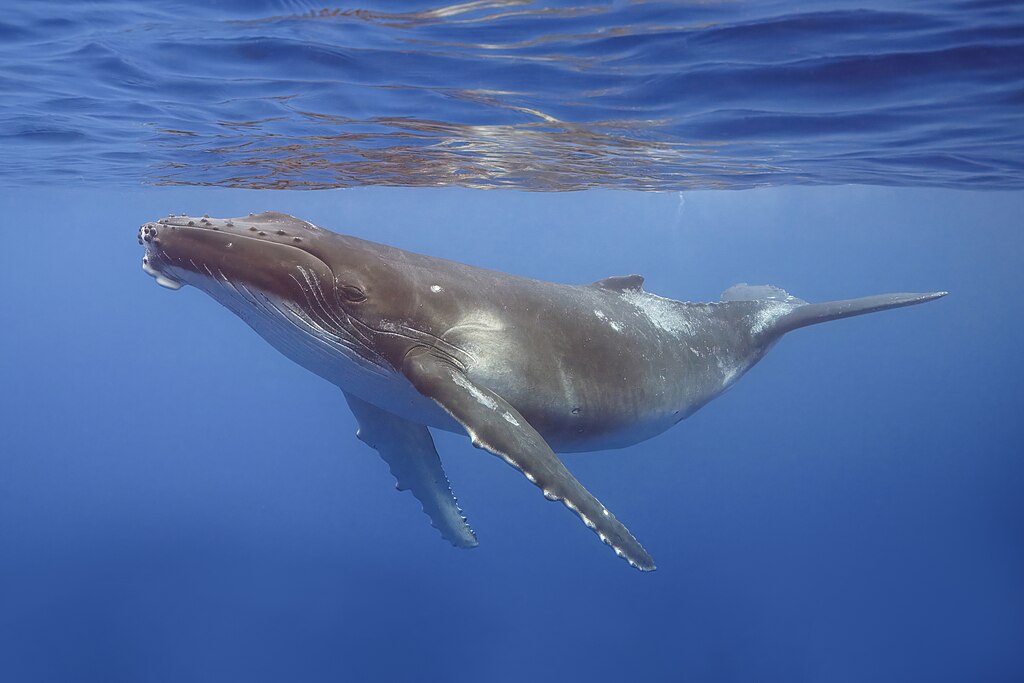
Fall is peak feeding season for humpback whales in Monterey Bay. These marine giants perform breaches, tail slaps, and bubble net feeding while preparing for migration. Whale watching tours provide close observation, combining dramatic action with scenic coastal vistas. Fall weather enhances visibility, and the mild climate allows longer excursions. Watching these massive creatures interact with the ocean and prey offers a unique glimpse into marine ecosystems. The experience is both awe-inspiring and educational, perfect for wildlife enthusiasts and photographers alike.
7. American Bison Rut: Yellowstone National Park, Wyoming
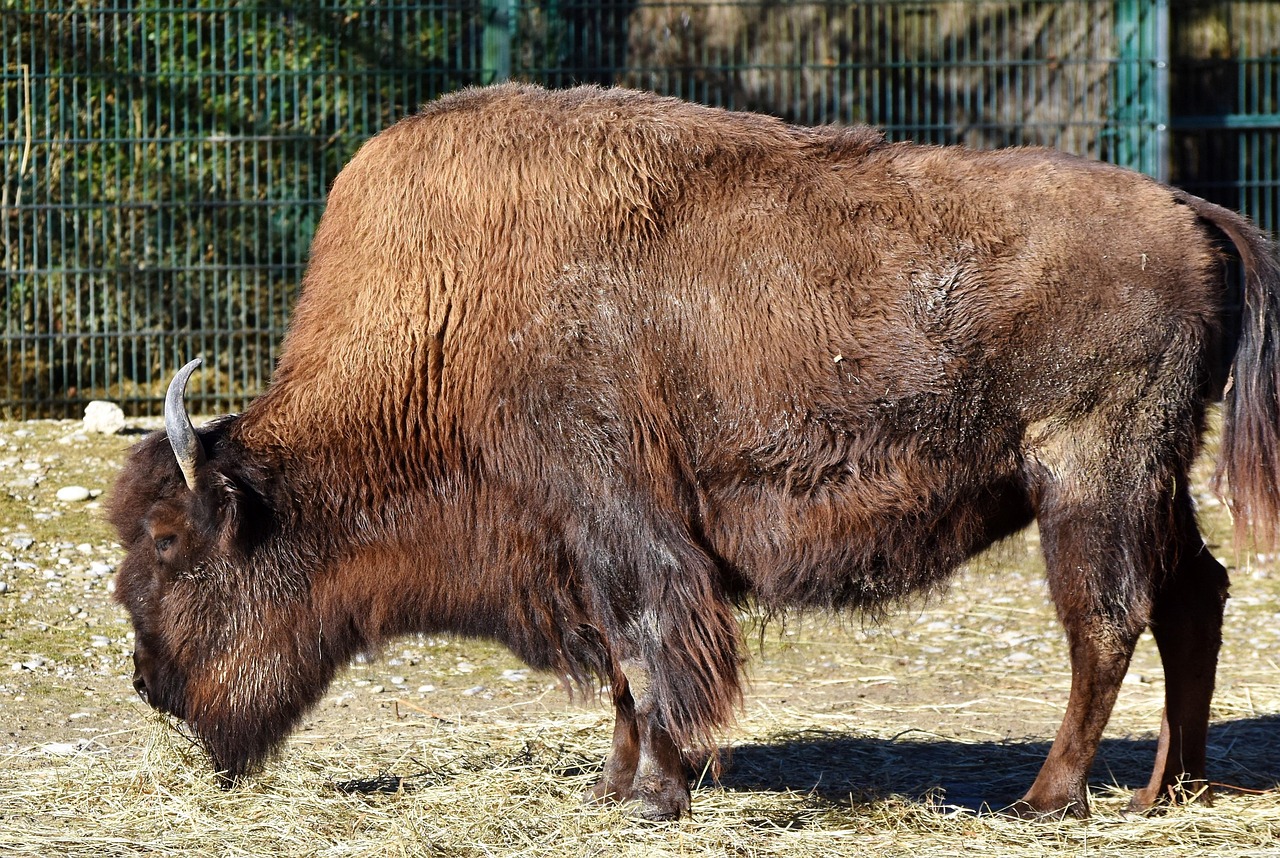
Yellowstone’s bison become highly active during the fall rut. Bulls clash antlers, bellow, and compete for dominance while grazing in open valleys. Visitors can safely observe hundreds of these iconic animals against golden grasses and early snow patches. Fall lighting enhances photographic opportunities, emphasizing their size and strength. The combination of raw animal behavior and dramatic landscapes creates a captivating spectacle. Yellowstone offers easy access while maintaining respect for wildlife, ensuring an unforgettable seasonal experience.
8. Hawk Migration : Hawk Mountain, Pennsylvania
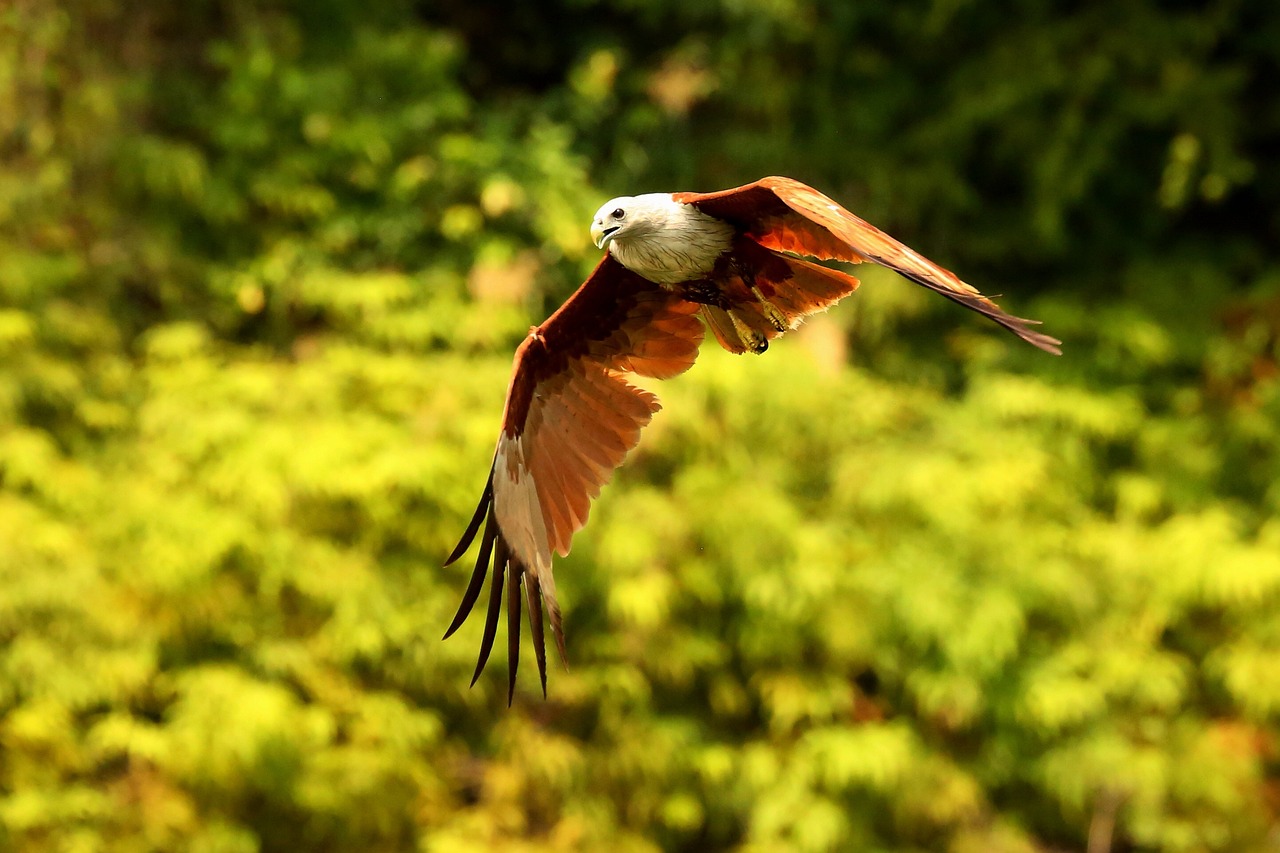
Hawk Mountain is renowned for its raptor migrations, with thousands of hawks, falcons, and eagles passing along ridgelines every fall. Birds ride thermal currents, performing elegant aerial maneuvers. Peak viewing occurs in September and October, and observation platforms allow clear, safe access. Interpretive signage helps visitors understand species and behaviors. Watching hundreds of raptors fill the sky in synchronized flight is a breathtaking experience, highlighting the precision and power of these birds while connecting observers with seasonal wildlife rhythms.
9. Sea Lion Congregations: Channel Islands, California
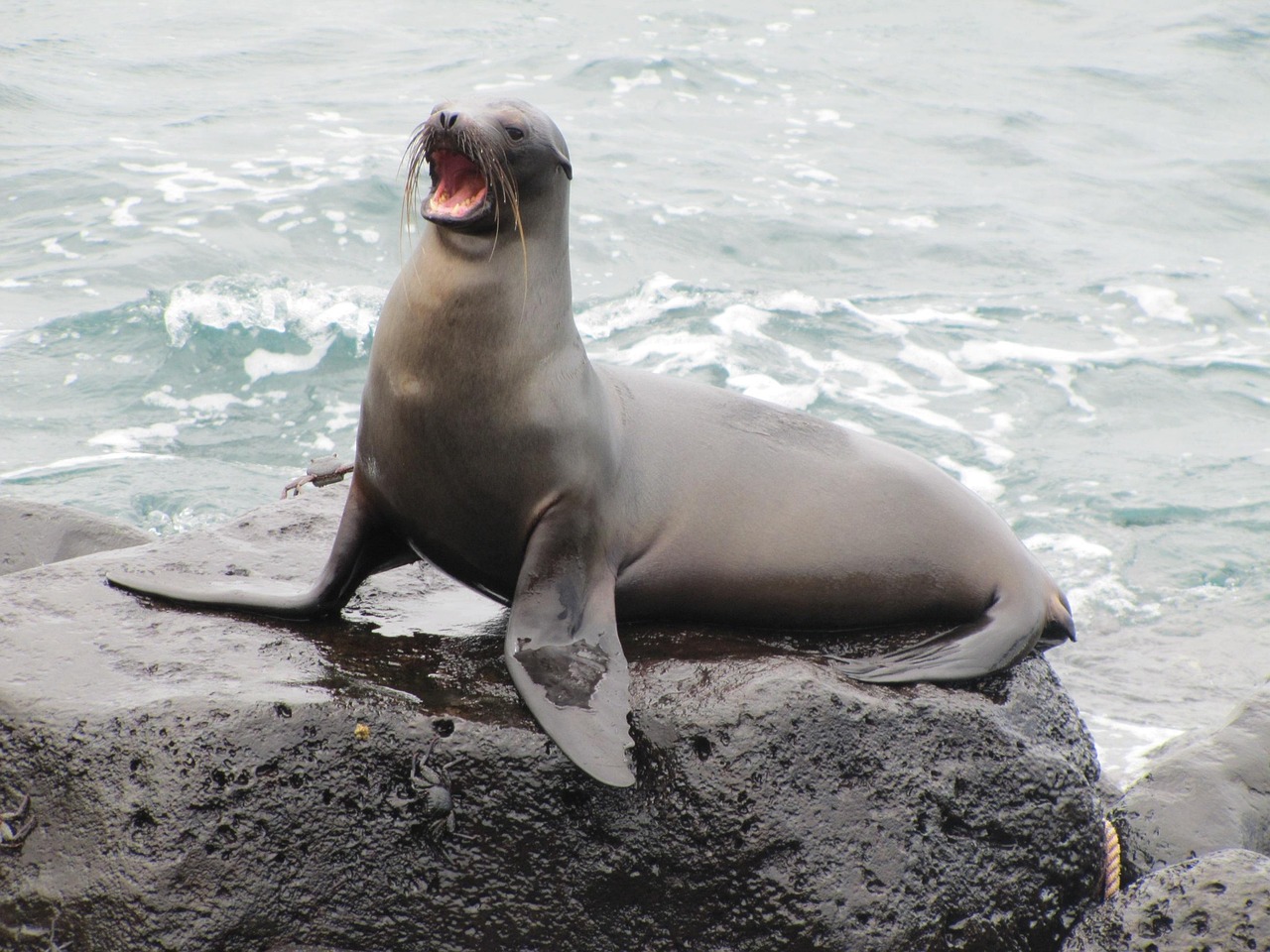
The Channel Islands host large gatherings of California sea lions each fall. Males defend rocky territories while females and pups socialize nearby, creating a lively and noisy spectacle. Kayak tours and boat trips allow visitors to observe behaviors safely. Vocalizations, territorial displays, and playful antics provide both entertainment and insight into social structures. The islands’ rugged coastlines and clear waters enhance the viewing experience. Fall timing offers calmer seas, making wildlife observation comfortable and visually stunning.
10. Cranberry Glades Moose Sightings : West Virginia
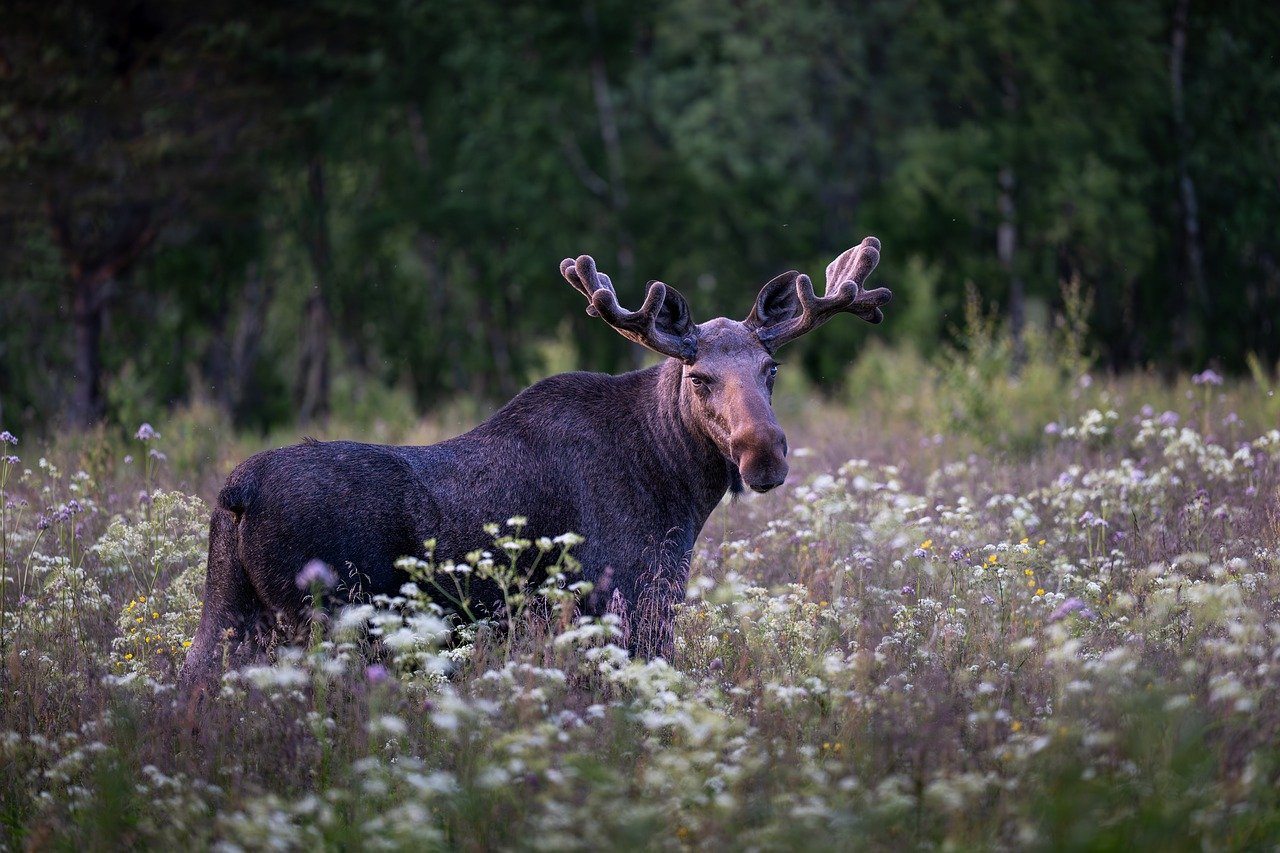
Cranberry Glades wetlands provide an ideal habitat for moose in West Virginia during the fall. These large mammals browse shrubs and wetlands as they prepare for winter. Early morning and dusk are best for sightings when moose are most active. Misty glades combined with colorful foliage create a magical setting for wildlife observation. The experience allows visitors to witness the power, size, and movements of moose up close in their natural environment. These encounters are rare, rewarding, and educational for fall travelers.
11. Canada Goose Migration : Upper Midwest and Great Lakes
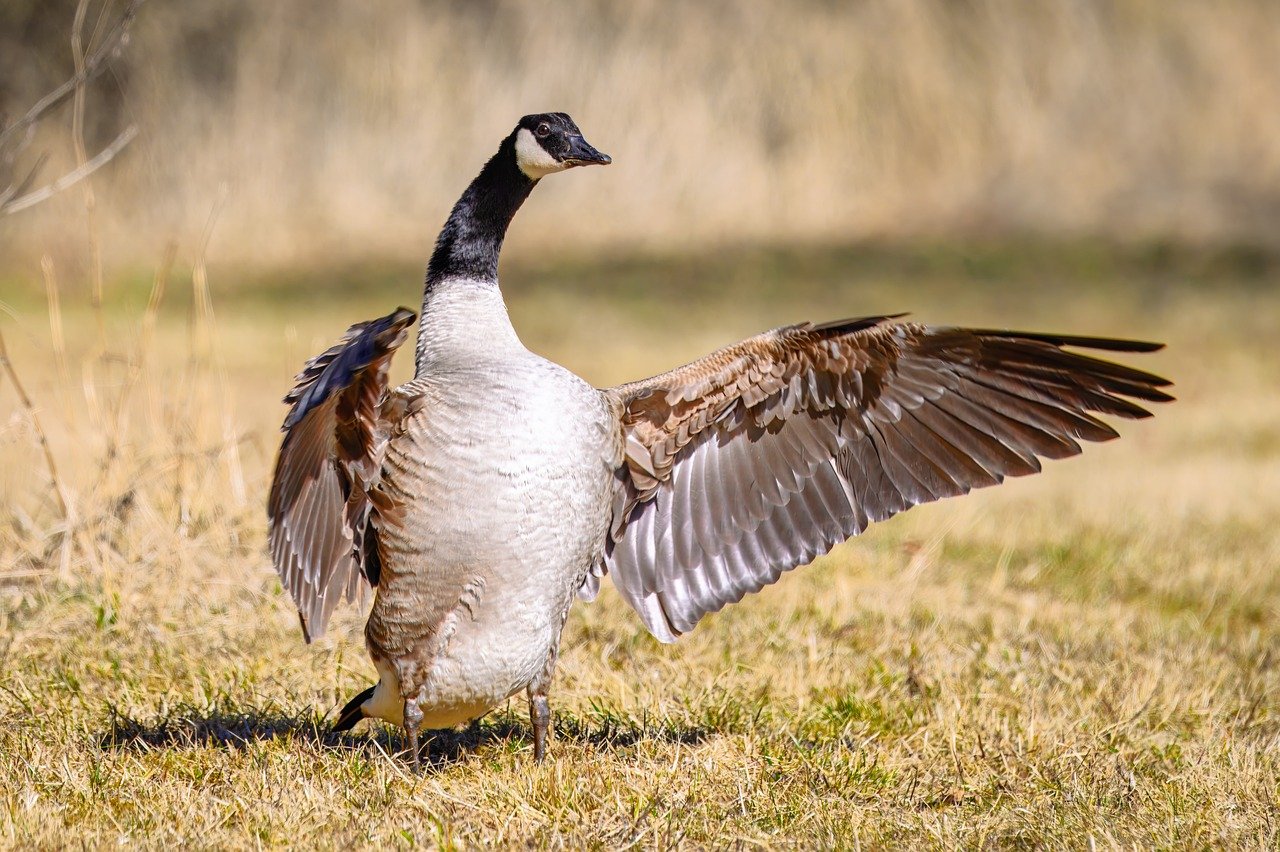
Thousands of Canada geese migrate south across Minnesota, Michigan, and Wisconsin each fall. V-shaped formations and synchronized honking fill the skies and wetlands. Stopover sites provide opportunities to observe feeding, resting, and preening. The spectacle highlights social behavior, group coordination, and seasonal adaptation. Observing geese in wetlands amid fall foliage is visually striking and aurally distinctive. Birders and photographers enjoy capturing dynamic movement and interaction while learning about migratory patterns in a classic fall scene.
12. Moose Rut: Alaska’s Denali and Kenai Peninsula
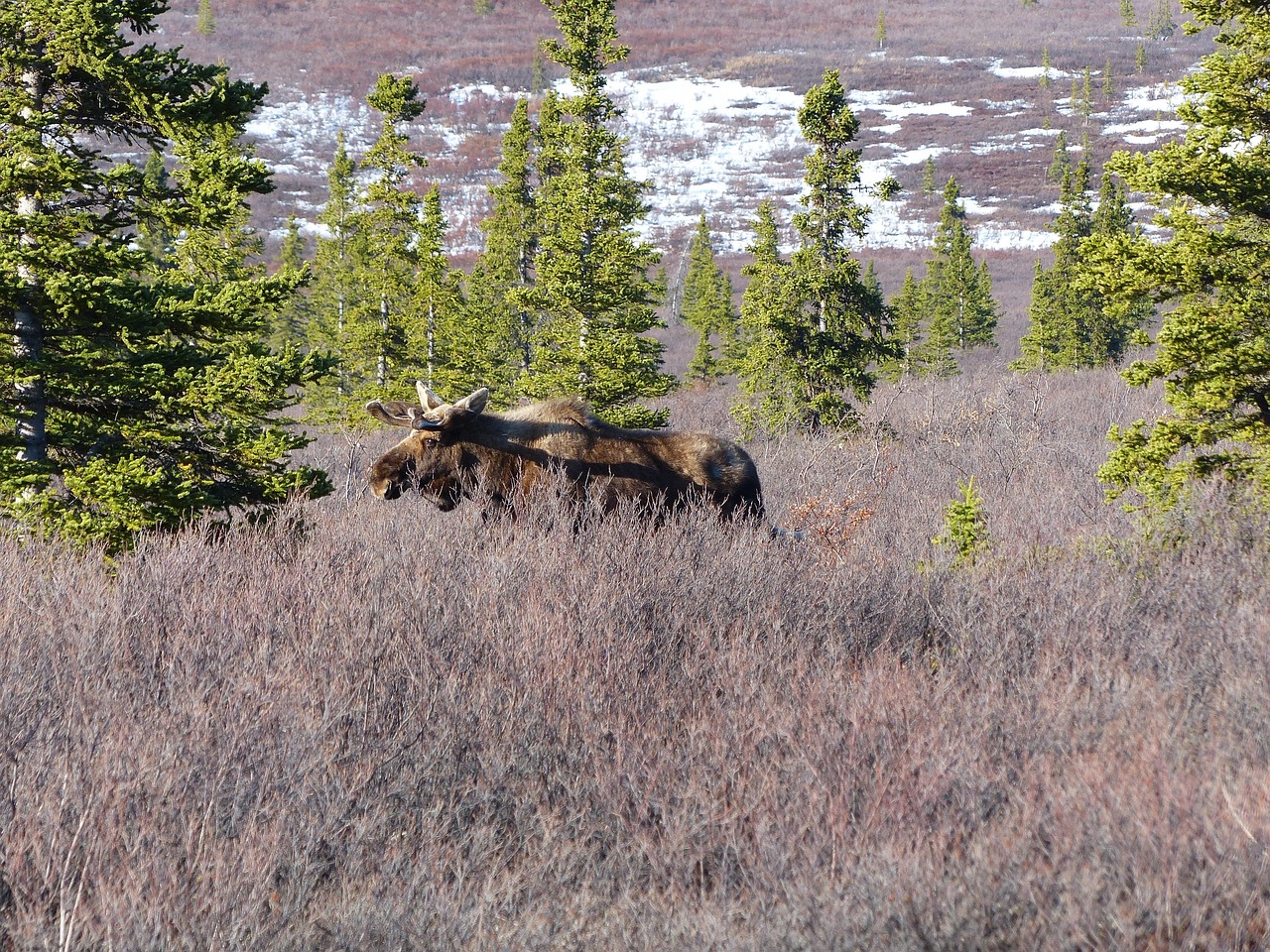
Alaska’s bull moose enter the rut in fall, engaging in vocalizations and sparring contests. Denali and the Kenai Peninsula provide accessible viewing while maintaining safe distances. Fall tundra with early snow adds dramatic contrast. Observers witness dominance displays and mating behaviors in a wild, rugged landscape. Fall conditions, fewer tourists, and crisp air enhance visibility and comfort. Moose rutting showcases seasonal instincts, hierarchy, and strength, making it a thrilling spectacle for wildlife enthusiasts visiting Alaska during the fall.
13. Brown Pelican Feeding: Gulf Coast, Florida
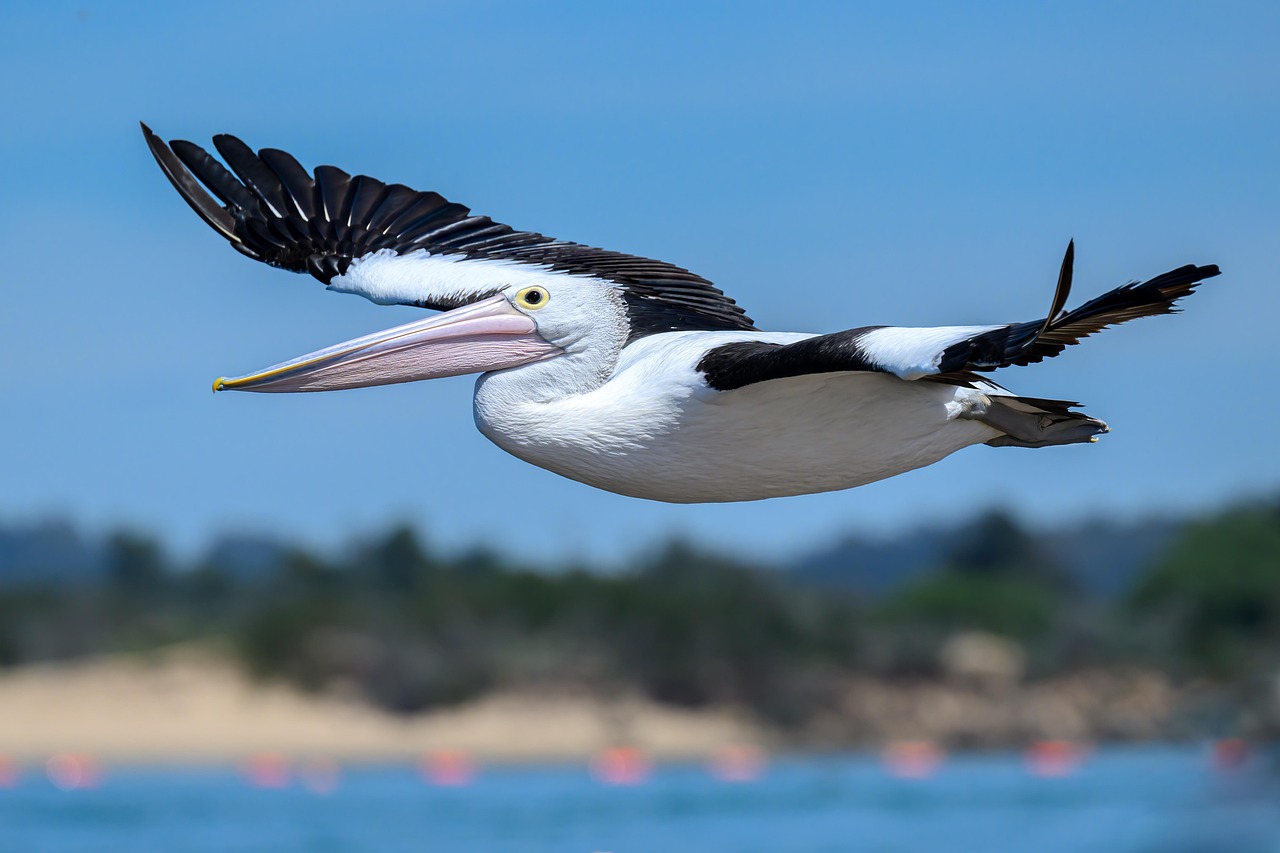
Brown pelicans along Florida’s Gulf Coast remain active in the fall, diving from heights to catch fish. Estuaries and shallow waters provide ideal observation spots. Their social behaviors, cooperative fishing, and dramatic plunges create a dynamic and engaging spectacle. Fall offers calmer waters and fewer crowds, enhancing visibility and comfort. The combination of action, coastal scenery, and rich wildlife interactions makes this event both educational and visually exciting for birders, photographers, and casual observers exploring Florida’s fall waters.
14. Peregrine Falcon Hunting Displays : Grand Canyon, Arizona
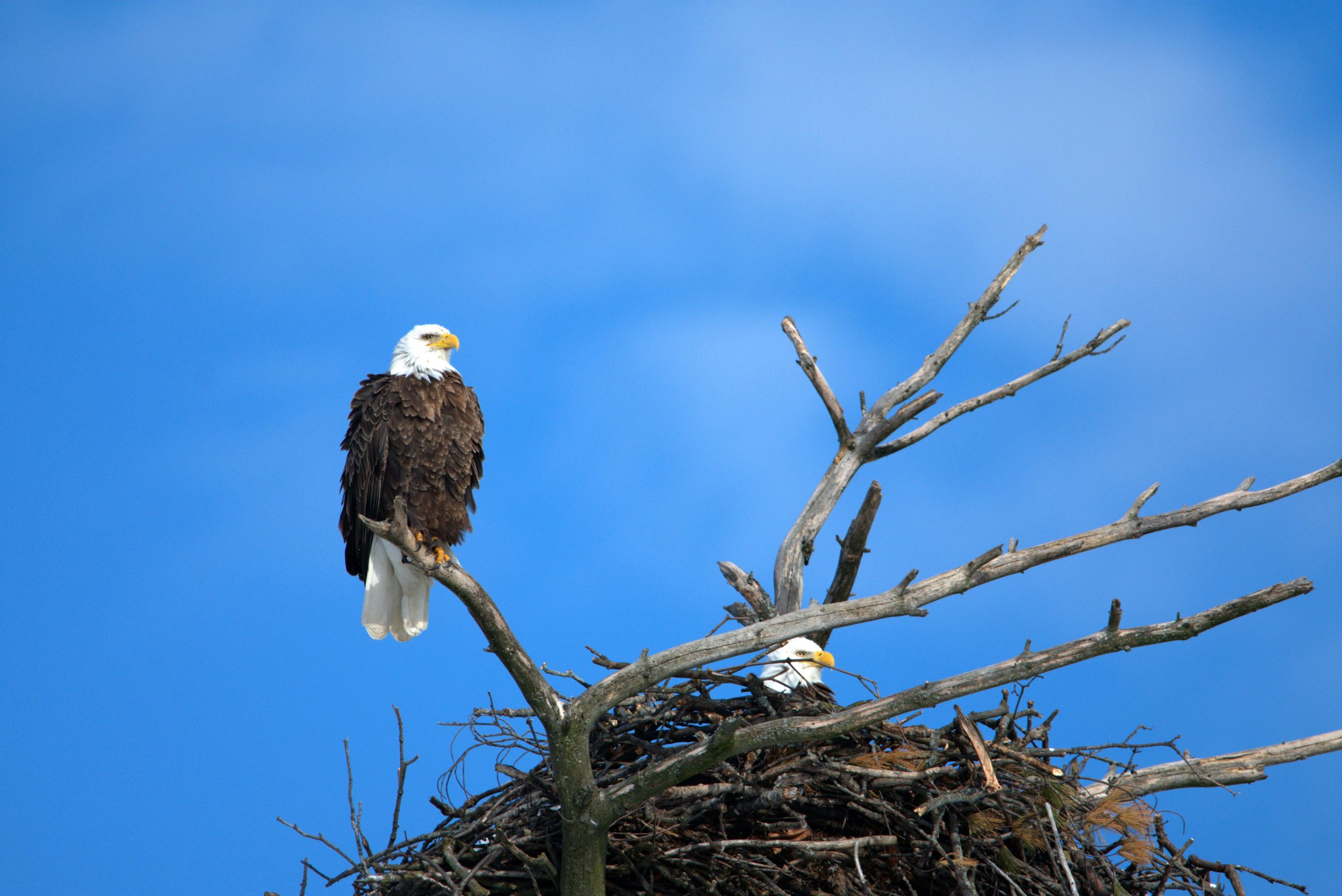
During fall, peregrine falcons soar along the Grand Canyon’s cliffs, displaying incredible speed and aerial agility while hunting. Observers can watch them dive at astonishing velocities to catch prey, often against a backdrop of red rock formations and autumn skies. Early mornings and late afternoons provide the best lighting for photography. This seasonal display highlights the falcons’ remarkable hunting instincts and offers visitors a thrilling glimpse into raptor behavior in one of America’s most iconic landscapes.
15. White Tailed Deer Rut : Eastern Woodlands
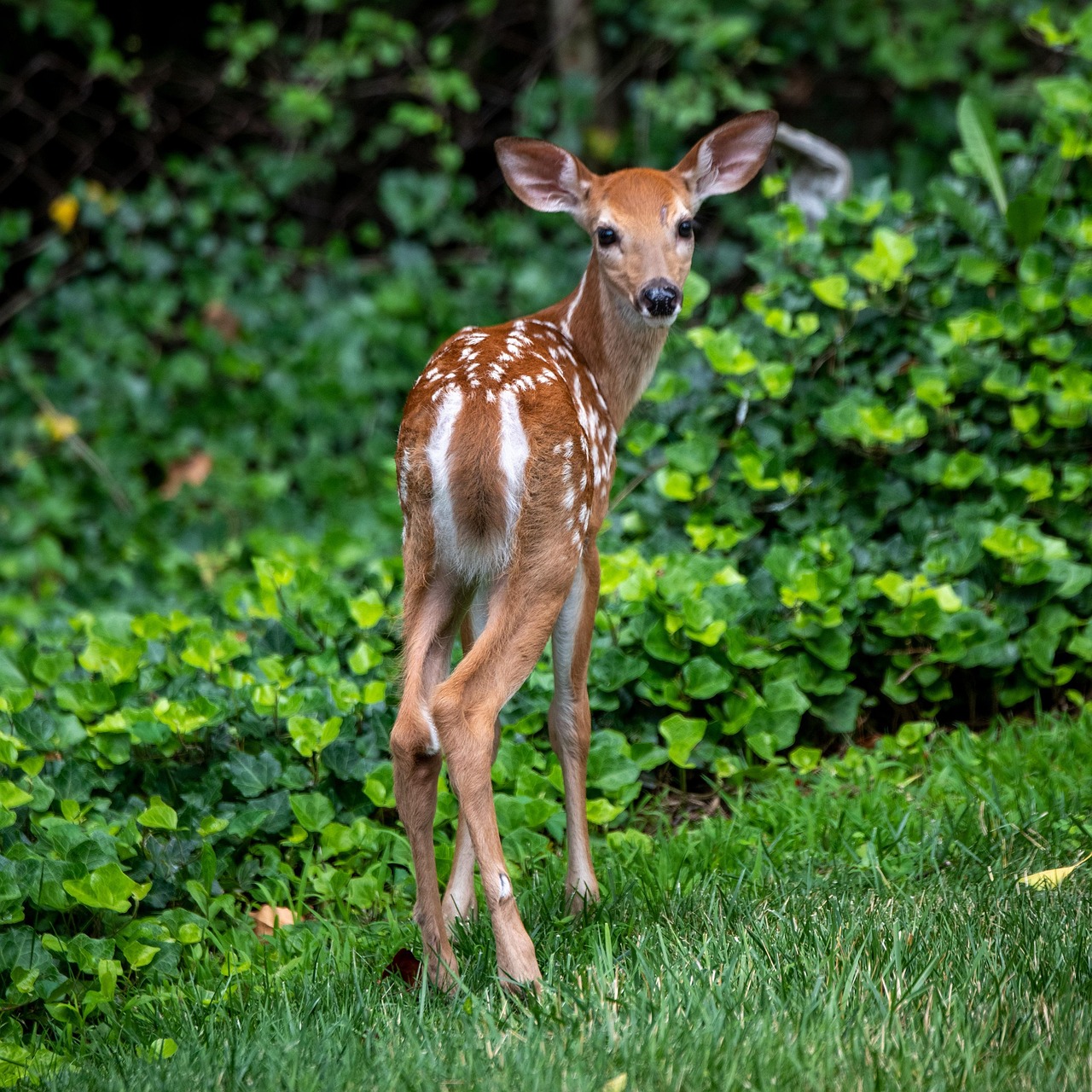
In the Eastern U.S., fall brings the white tailed deer rut, with bucks chasing does and defending territories. Early mornings and evenings offer prime viewing. Forested areas in Pennsylvania, New York, and Appalachia provide vivid fall backdrops. Observing bucks’ displays, antler clashes, and mating rituals is both thrilling and educational. The seasonal behavior of these iconic deer highlights instinct, hierarchy, and agility. Combined with colorful foliage, this natural drama is a quintessential fall wildlife experience for enthusiasts and photographers alike.
16. Salmon Spawning: Pacific Northwest Streams
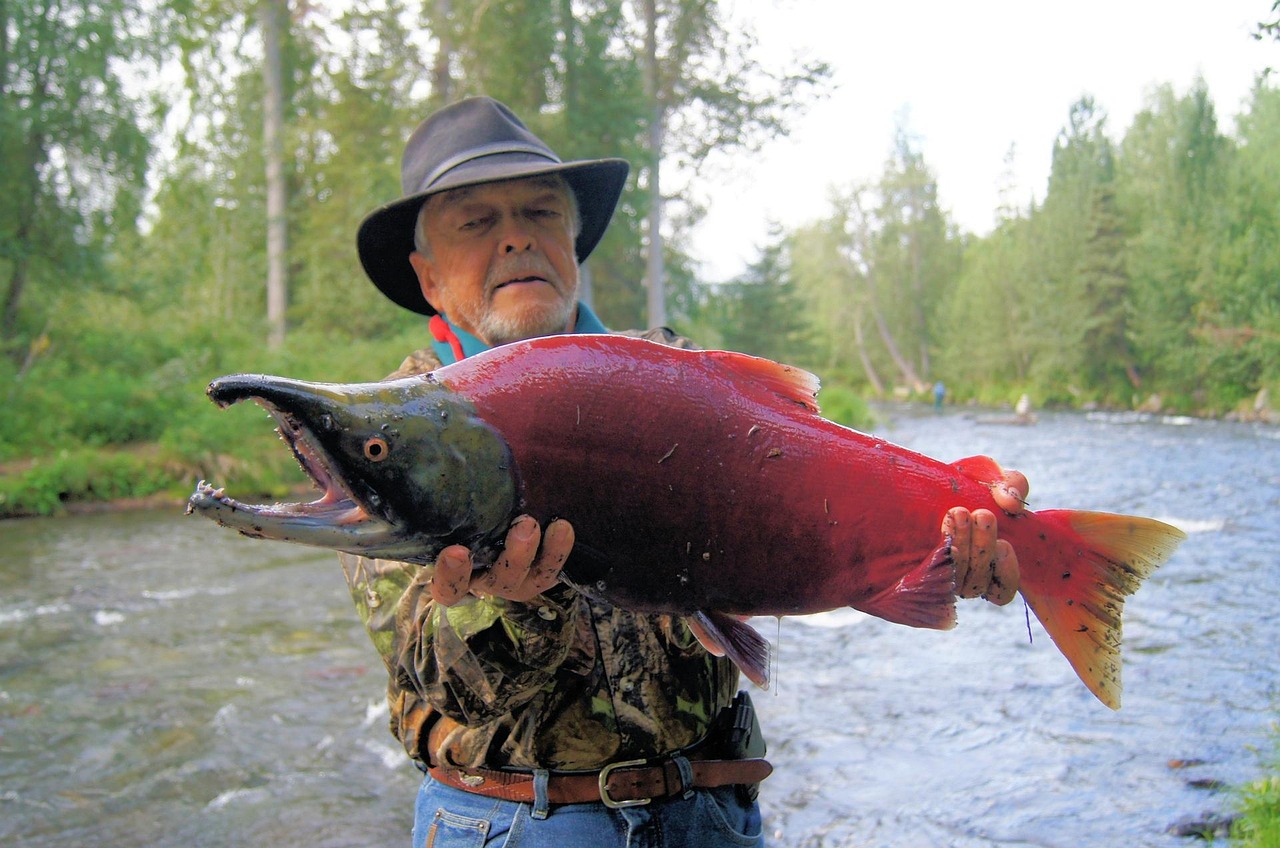
Salmon make their annual journey upstream in Oregon, Washington, and Alaska rivers during the fall. Leaping fish attract eagles, bears, and other predators, creating layered wildlife interactions. Observers can view action from safe streamside platforms. Fall foliage and river conditions enhance visibility and photography opportunities. Watching salmon navigate obstacles highlights endurance and life cycles, while the presence of predators adds dramatic tension. This seasonal spectacle is both educational and thrilling, showcasing the interconnectedness of species and the vibrant energy of U.S. fall ecosystems.