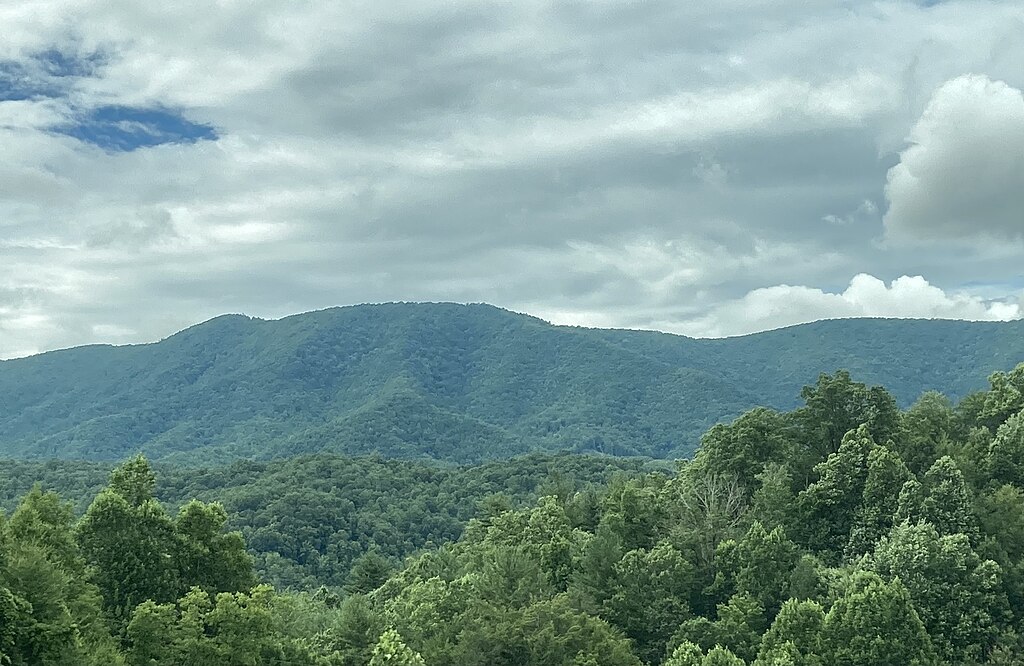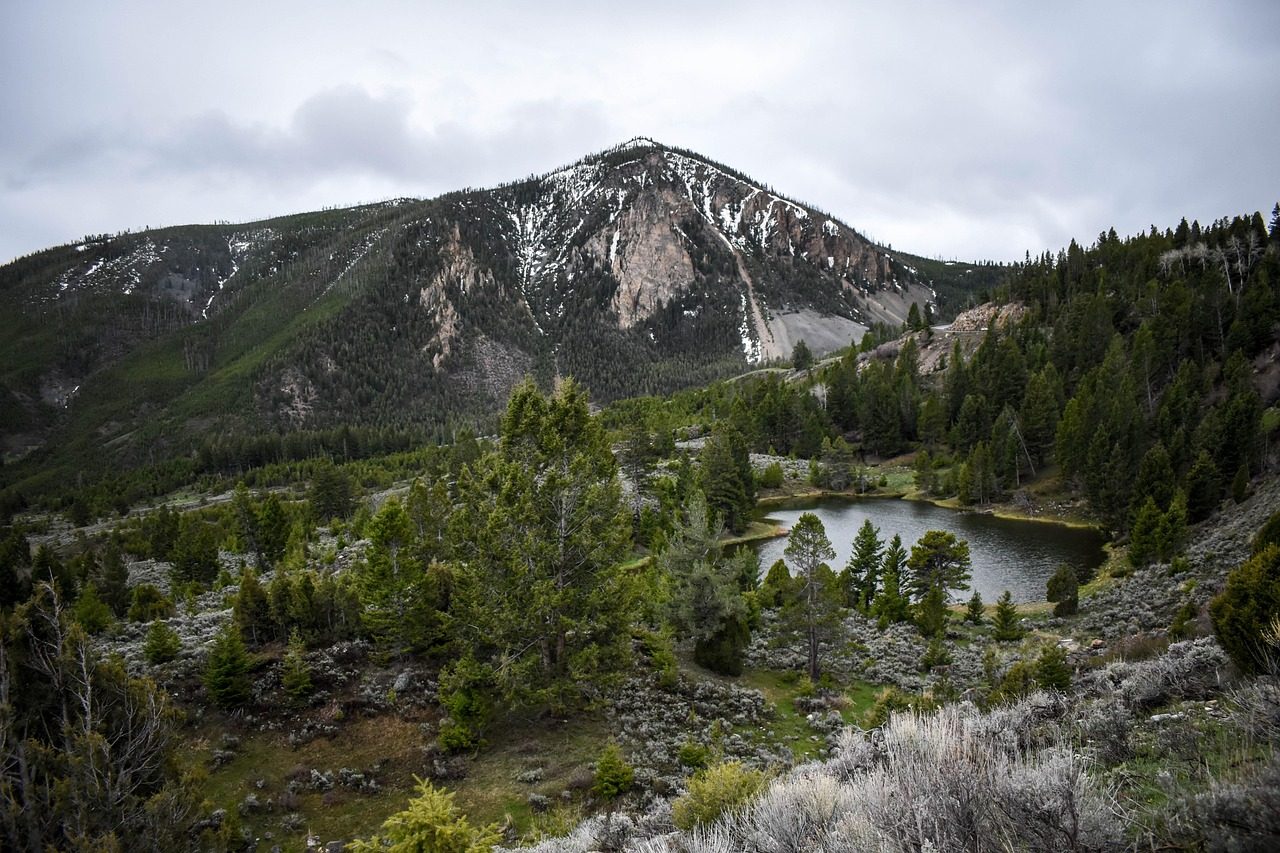
Nature offers countless subtle signals that can guide hikers, campers, and outdoor enthusiasts through unfamiliar environments, yet many of these clues go unnoticed by beginners who are still learning how to read the landscape. Every forest, shoreline, or open plain provides patterns in light, vegetation, animal behavior, and terrain that quietly reveal important information about direction, weather changes, nearby resources, and potential hazards. Understanding these naturally occurring signs builds confidence and deepens awareness of how the environment shifts throughout the day. Observing the land closely transforms an ordinary outing into an opportunity to recognize how ecosystems communicate through movement, sound, and texture. These overlooked clues enrich outdoor experiences and highlight the incredible amount of information present in even the simplest natural surroundings.
Moss Growth Patterns
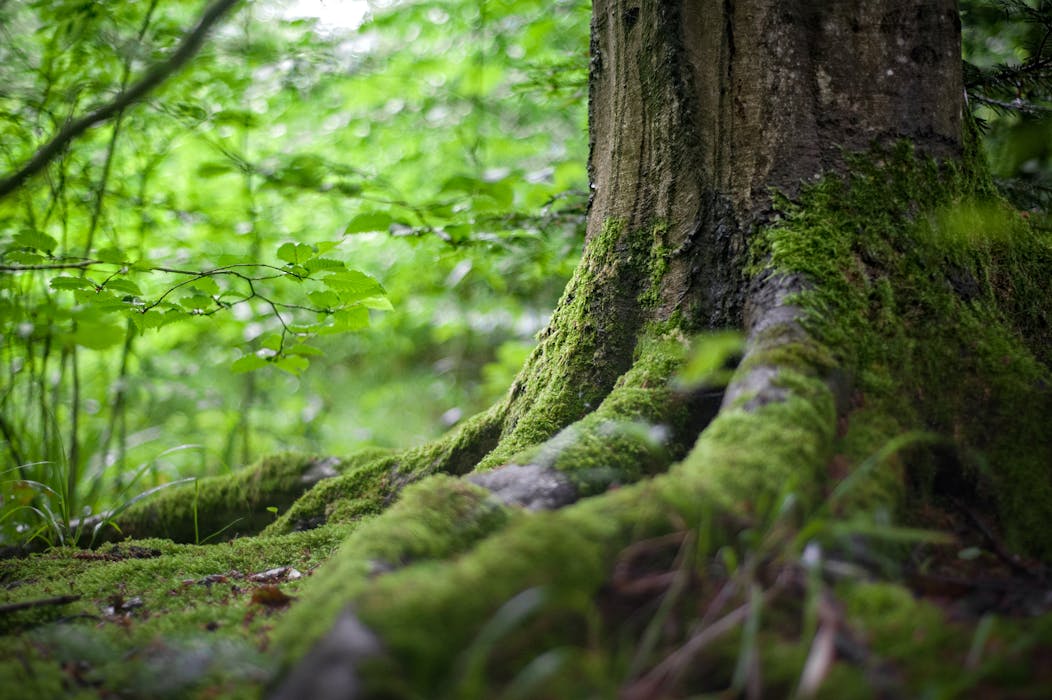
Moss growth patterns offer important clues about moisture levels and directional orientation in shaded environments. Moss commonly grows more thickly on the northern sides of trees and rocks in many regions because these surfaces receive less direct sunlight and retain more moisture throughout the day. This pattern varies depending on local climate, elevation, and forest density, yet it remains a useful guide when combined with other observations. Beginners often overlook how moss distribution reveals drainage patterns and low-lying areas that remain damp after rainfall. Careful attention to how moss forms around tree bases or along stone edges provides insight into both terrain features and subtle differences in exposure. Using moss as a reference encourages thoughtful navigation and helps reveal the natural rhythms shaping forest landscapes.
Animal Track Direction and Freshness

Animal tracks provide valuable information about nearby water sources, recent activity, and potential travel routes across varying terrain. Fresh tracks usually appear sharp-edged and more defined, while older ones show softened outlines from wind, rain, or soil movement. Track direction reveals where animals move during feeding or migration patterns, guiding hikers toward or away from active areas. Many beginners notice footprints but overlook spacing, depth, and gait, which indicate an animal’s speed and behavior at the time. Fresh tracks near streams or open clearings can signal that a water source or resting place lies ahead. Understanding these details transforms tracks into a meaningful navigation tool, offering insight into how wildlife interacts with the environment at different times of day.
Wind-Bent Vegetation

Wind-bent vegetation forms naturally over time as plants consistently grow in the direction of prevailing winds, creating subtle patterns that mark typical weather behavior in a region. Trees bent uniformly, or bushes leaning in a single direction, indicate long-term wind flow, which helps hikers identify exposed ridgelines or sheltered valleys nearby. Beginners often overlook how these formations reveal storm paths or open areas more vulnerable to strong gusts. Wind-shaped vegetation also hints at where camp placement may be safer or more stable in changing conditions. Observing how grasses, young trees, and shrubs bend across a landscape provides valuable orientation and helps create a broader understanding of natural forces shaping the terrain.
Bird Behavior Changes

Bird behavior shifts noticeably with weather changes and environmental cues, offering clues that many beginners miss while moving through natural areas. Sudden quietness in songbirds can indicate the approach of a storm, while increased movement near water sources may suggest changing temperatures or feeding patterns. Birds circling overhead often signal food availability or the presence of larger animals in the area. Observing how flocks gather or disperse throughout the day helps highlight transitions in weather and habitat conditions. Beginners who learn to listen for changes in tone, rhythm, or silence gain meaningful insight into the natural world. These subtle cues enrich outdoor awareness and reveal how wildlife responds to shifting environmental patterns.
Insect Activity Levels

Insect activity offers insight into moisture levels, upcoming weather shifts, and the presence of water or food sources. Mosquitoes, for example, increase activity in humid conditions or near standing water, while ants often move quickly before rainstorms as part of instinctive preparation. Beginners may overlook how insect patterns highlight microenvironments or reveal nearby shelters that animals use for feeding. Flies and bees congregating in specific areas can indicate blooming plants or exposed water, helping hikers identify potential resources. Observing insect behavior not only builds awareness of local ecosystems but also provides early warnings about changing conditions. These subtle signs remind travelers that even the smallest creatures play an essential role in communicating environmental shifts.
Changes in Forest Soundscapes
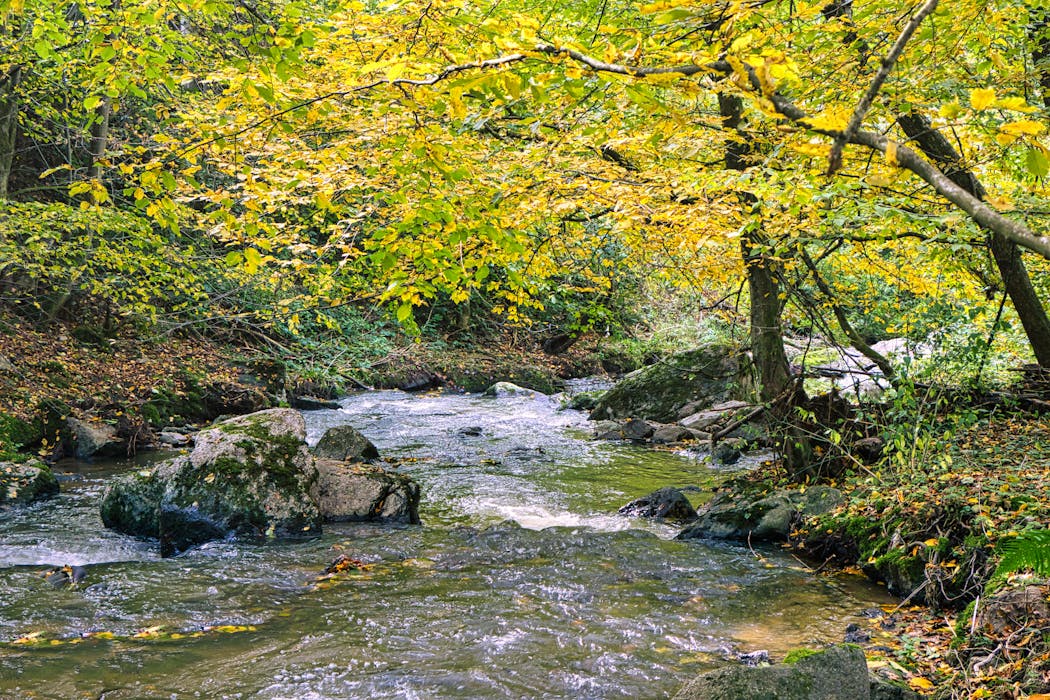
The forest soundscape offers survival clues through shifts in rhythm, volume, and tone that reflect weather, wildlife movement, and environmental balance. Sudden silence often precedes storms as animals seek shelter, while increased rustling may signify wind changes or nearby animal movement. Running water, even faintly audible, can reveal creeks or springs hidden behind vegetation. Beginners often overlook how sound travels differently through dense forests compared to open meadows, providing hints about terrain and distance. Paying attention to natural sound patterns helps hikers identify approaching changes and navigate unfamiliar environments with greater confidence. These auditory cues enrich outdoor experiences and deepen connection to the surrounding landscape.
Cloud Shape and Movement

Cloud shape and movement indicate evolving weather patterns that influence safety and visibility during outdoor exploration. Tall, towering clouds often signal building thunderstorms, while thin, wispy formations may suggest calm conditions ahead. Watching how clouds shift across the sky reveals wind direction at higher altitudes and helps anticipate changes in temperature or precipitation. Many beginners fail to recognize how quickly conditions shift when clouds gather along ridgelines or over open plains. Observing cloud layers, density, and movement provides reliable hints about the timing and severity of upcoming weather. Understanding these visual cues fosters better decision-making and encourages mindful travel through natural environments.
Tree Bark Texture and Damage
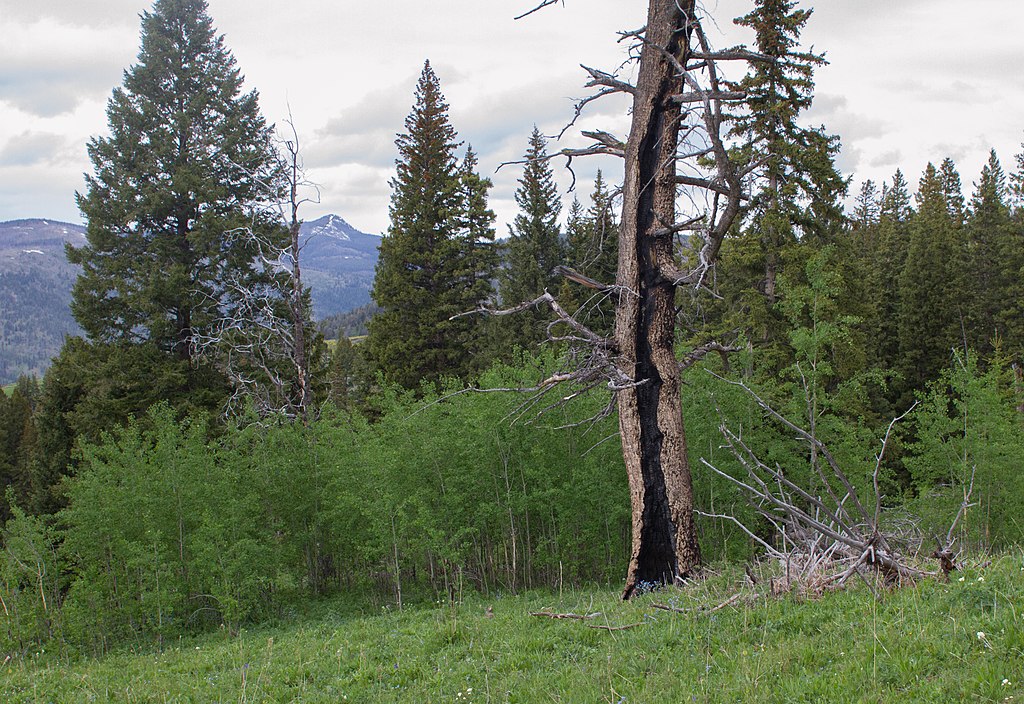
Tree bark texture and visible damage offer clues about animal presence, weather stress, and environmental health. Smooth or freshly scraped bark can indicate recent animal activity, such as deer rubbing antlers or bears marking territory. Rough, cracked bark may point to drought stress, while peeling layers reflect species characteristics or weather patterns. Beginners often overlook how bark coloration and texture reveal water availability in different parts of a forest. Observing bark conditions helps identify wildlife behavior, understand environmental changes, and recognize subtle shifts across seasons. These details enhance familiarity with forest ecosystems and deepen appreciation for the interconnected relationships that shape woodland environments.
Water Flow Patterns
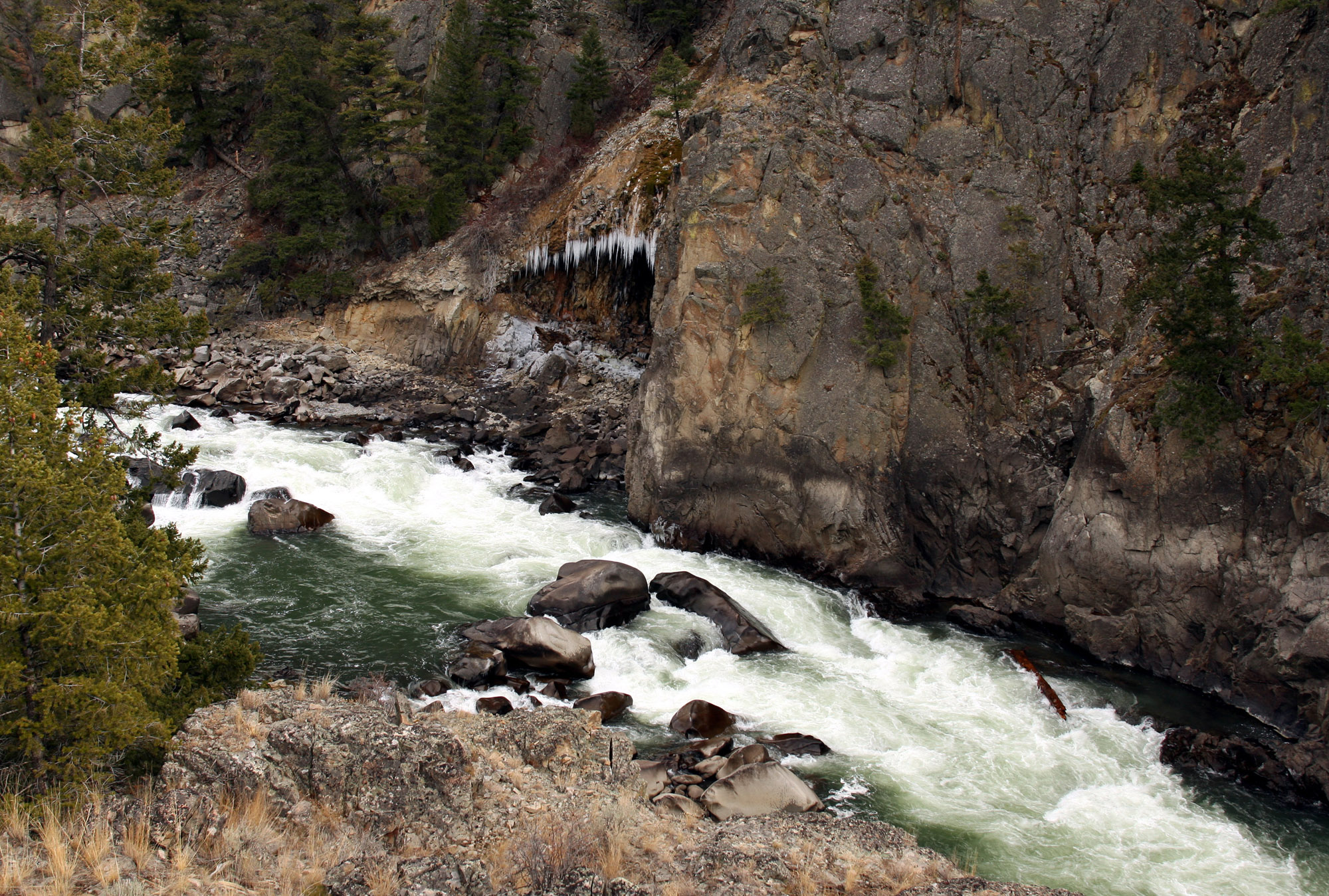
Water flow patterns provide essential guidance when assessing terrain, identifying safe paths, or locating hydration sources. Small channels carved into soil show how rainwater typically travels, revealing natural drainage routes or areas prone to flooding. Clear, steady flow often indicates a reliable spring, while murky or sporadic movement may signal recent rainfall or contamination. Beginners sometimes overlook how soil color, moisture levels, and sediment buildup reflect water frequency. Following water flow lines can lead travelers toward larger streams or away from saturated, unstable ground. Understanding these patterns enhances safe navigation and highlights the connection between landscape shape and water movement.
Rock Weathering Signals
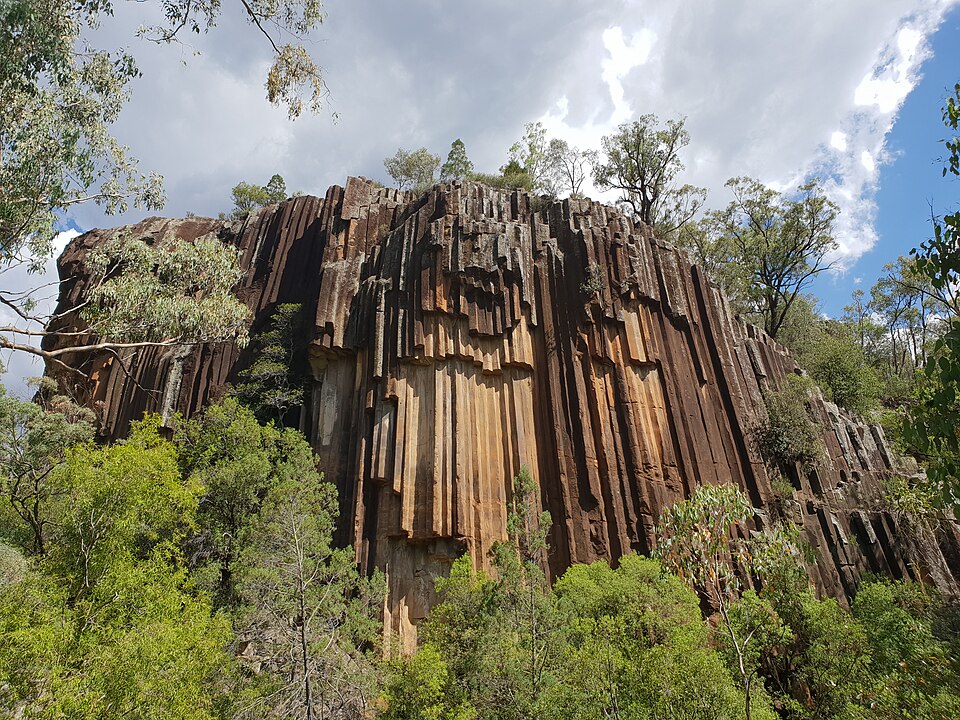
Rock weathering patterns reveal information about wind exposure, water presence, and time along ridge lines or valley floors. Smooth surfaces often suggest long-term water flow, while jagged edges reflect abrupt breakage from freeze-thaw cycles. Beginners may overlook how lichen patches or mineral coloration highlight wet zones or shaded areas. Rock layers tilted at angles offer clues about geological shifts that shaped the region. Observing weathering details helps identify natural shelters, interpret trail stability, and anticipate changes in terrain texture. These subtle stone characteristics provide meaningful insight into the landscapes that hikers and campers explore while illustrating how environmental forces gradually sculpt rocks into recognizable patterns over decades.
Animal Dropping Patterns

Animal dropping patterns help reveal nearby food sources, trail usage, and wildlife habits across different environments. Fresh droppings appear moist and intact, while older material becomes dry and fragmented from sun exposure or insect activity. Beginners often notice presence but overlook placement, which indicates travel routes or feeding sites. Concentrated droppings signal areas of consistent use, while scattered pieces suggest animals passing quickly. Identifying species through shape and size helps hikers understand local wildlife behavior and potential encounters on nearby trails. Reading these patterns strengthens environmental awareness and guides safe movement through natural terrain.
Directional Growth of Trees
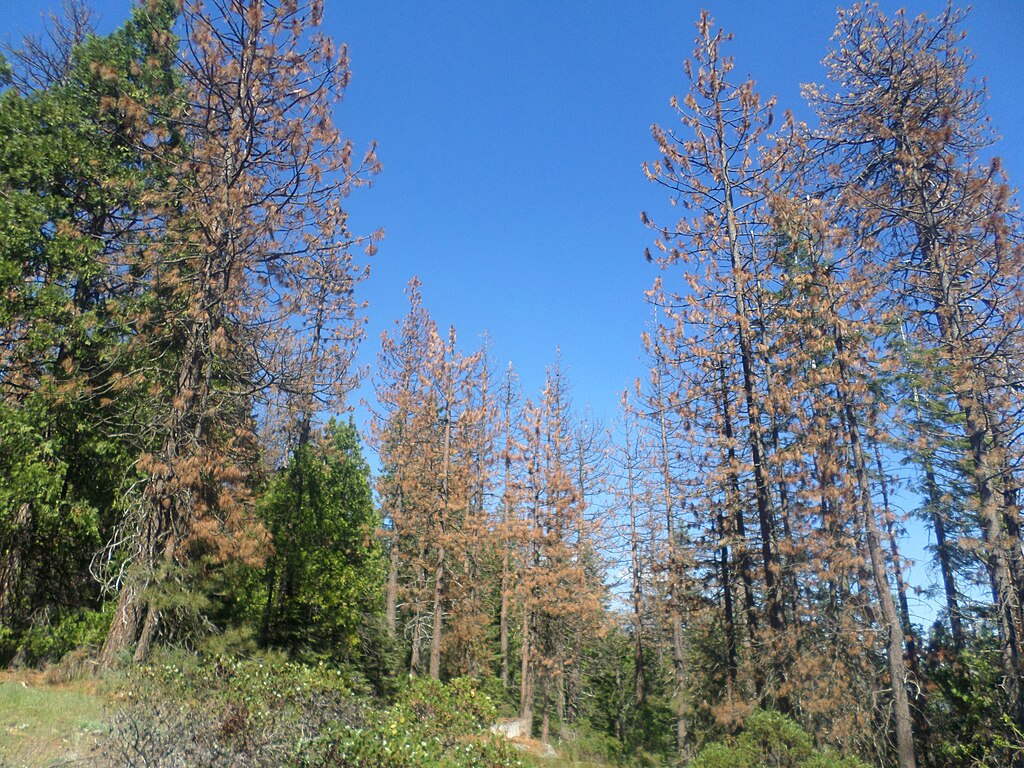
Directional tree growth offers clues about prevailing winds, sunlight patterns, and competition for space within forests. Trees may lean toward consistent light sources or away from strong winds, forming natural indicators of environmental forces. Beginners often overlook how trunk angle or branch density reflects long-term exposure. Trees growing inward along trail edges may indicate former logging routes or animal paths. Observing these growth tendencies reveals subtle navigation aids and deepens understanding of landscape development. Paying attention to directional growth provides insight into environmental conditions that shaped the forest over many seasons while highlighting long-term patterns that demonstrate how trees adapt to shifting environmental pressures.
Bark and Leaf Moisture Retention
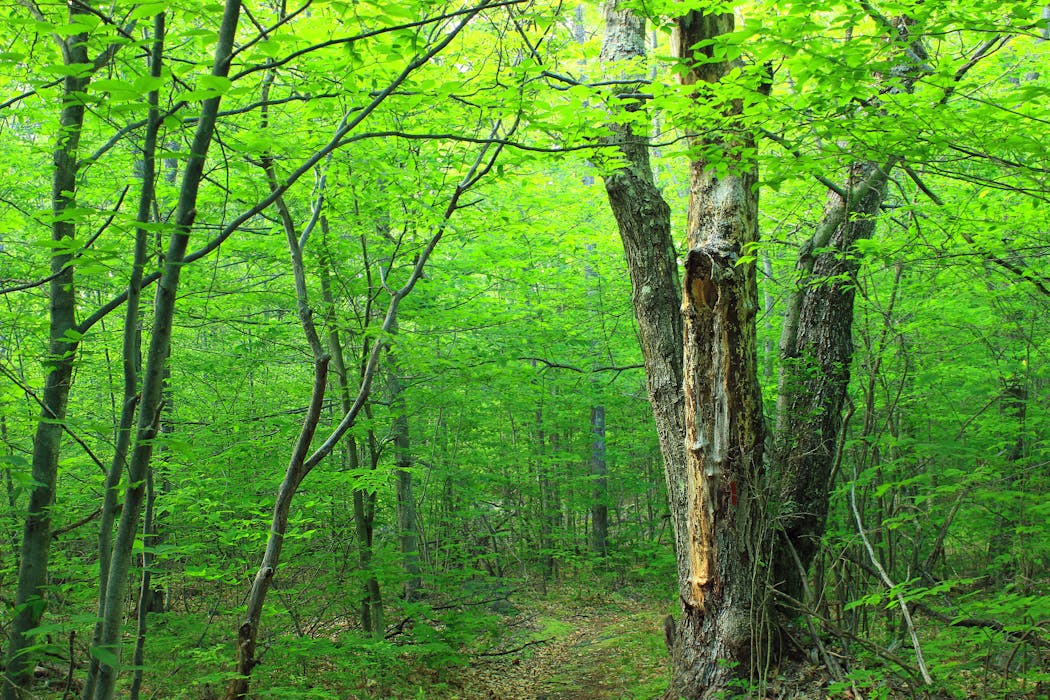
Moisture retention in bark and leaves offers clues about recent weather patterns and upcoming environmental changes. Wet bark suggests recent rainfall or dew, while dry surfaces indicate prolonged sun exposure or wind activity. Leaves with curled edges may show drought stress, while plump, hydrated foliage reflects healthier conditions. Beginners often overlook how moisture distribution varies between shaded and open areas, affecting trail conditions and water availability. Observing these details provides context for understanding forest health, animal presence, and microclimates. Moisture patterns help hikers anticipate slippery surfaces, identify water-rich areas, and adapt comfortably to changing environmental conditions.
Lichen and Fungi Presence
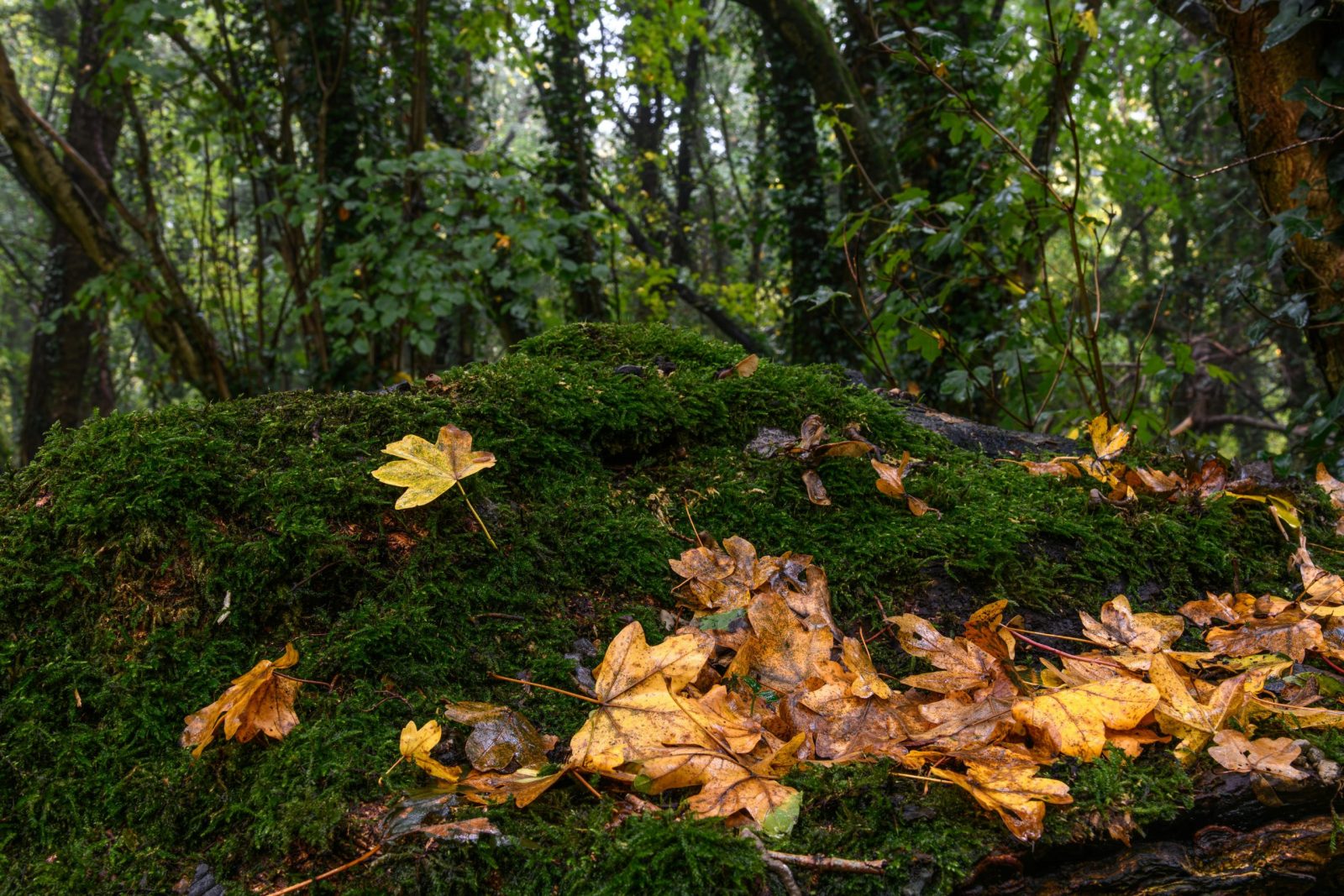
Lichen and fungi growth reveal information about air quality, moisture levels, and ecosystem stability within forests. Lichens prefer clean air and steady humidity, while fungi thrive in decomposing organic matter and shaded habitats. Their presence often indicates nutrient-rich soil and consistent moisture patterns that support diverse plant life. Beginners may overlook how growth clusters highlight areas of decay or fertile ground. Fungal fruiting after rainstorms also signals recent moisture that affects trail slickness and ground stability. Observing these organisms helps hikers interpret environmental health and recognize subtle signs of ecological balance across wooded landscapes.
Shifting Shade and Sunlight Angles
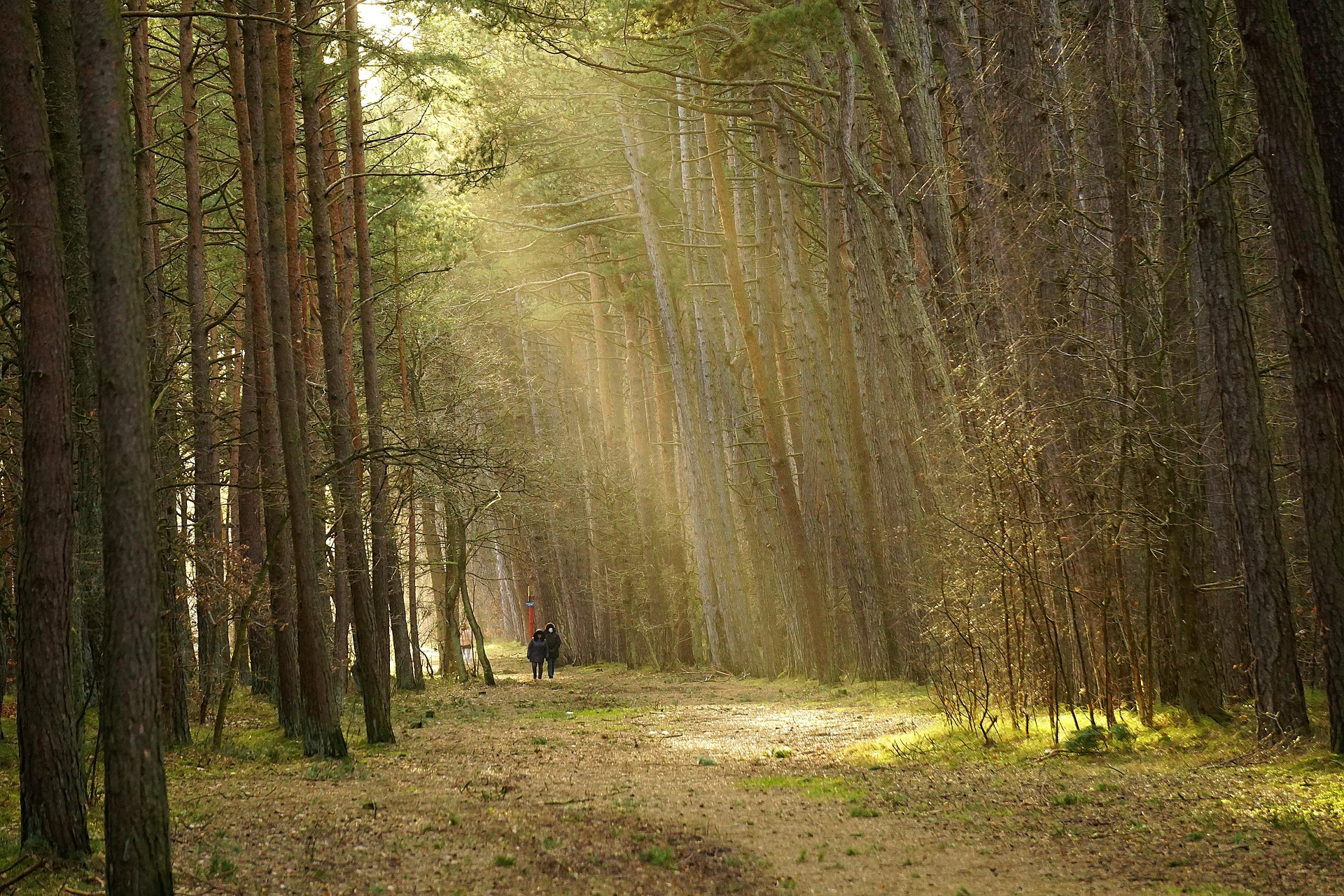
Shifting angles of sunlight and shade throughout the day help reveal direction, elevation changes, and terrain obstacles. Beginners often overlook how morning and afternoon light differ across valleys, ridgelines, and forest floors. Tracking shadow movement helps determine the approximate time of day and orientation when tools are unavailable. Sudden shifts in light intensity may signal approaching weather systems or cloud cover along high peaks. Observing how sunlight filters through trees highlights trail openings, water sources, and safe resting spots. Reading these patterns strengthens natural navigation skills and enhances awareness of how time and terrain interact while offering valuable clues about seasonal changes and evolving environmental conditions.