Not every state offers a rewarding hunting experience, even for skilled and ethical hunters. While wildlife exists everywhere, access, regulations, cost, and opportunity vary wildly across the country. Some states burden hunters with restrictive rules, limited public land, expensive permits, or shrinking game populations that make the effort feel unrewarding. Others create logistical barriers that turn planning into frustration rather than anticipation. Experienced hunters learn quickly that success isn’t just about skill, it’s about choosing locations where effort matches opportunity. These states are often avoided not out of dislike, but because seasoned hunters know their time, money, and preparation are better invested elsewhere.
1. California
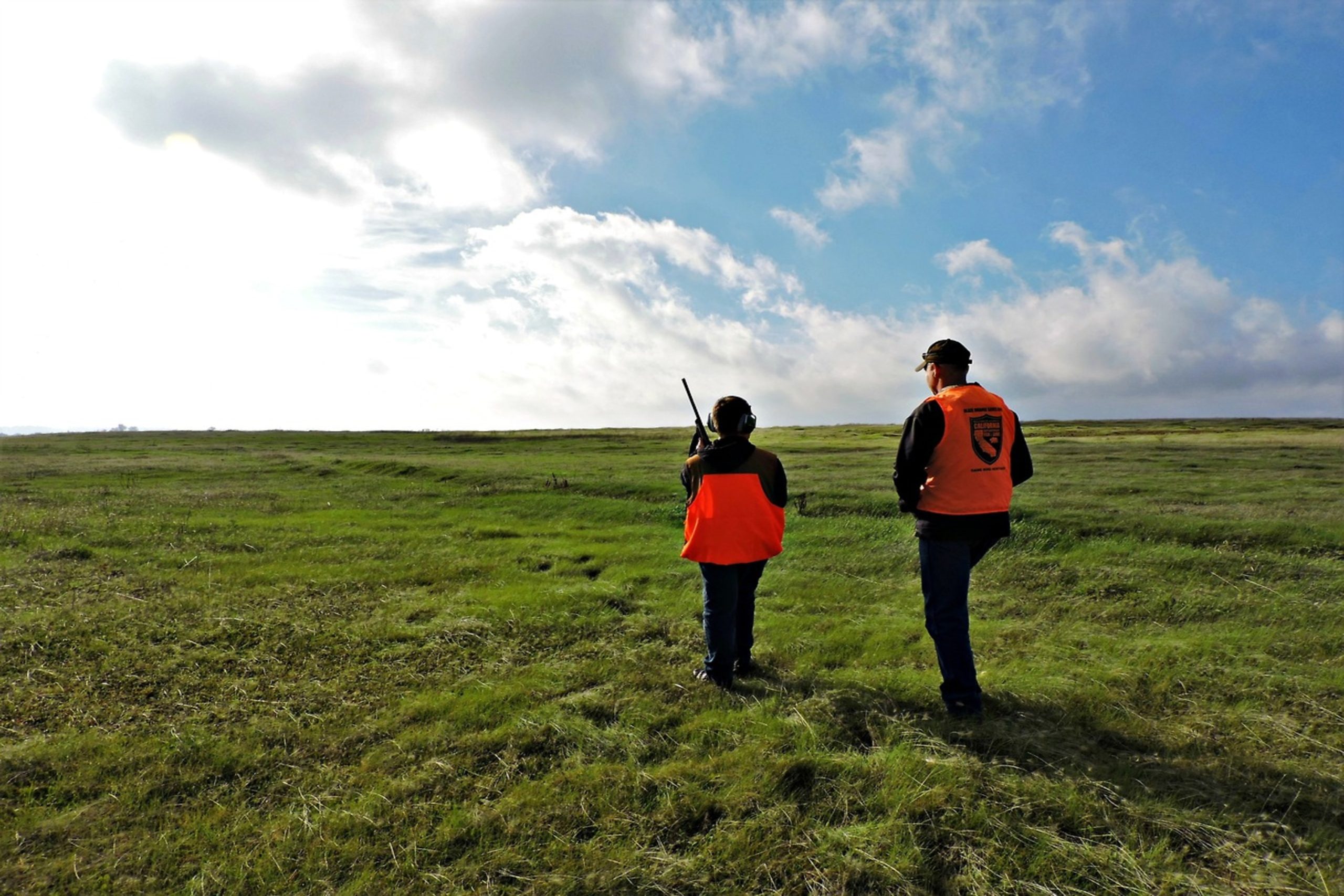
California’s hunting opportunities are heavily constrained by layered regulations that even experienced hunters find exhausting to navigate. Firearm and ammunition rules change frequently, and legal compliance requires constant attention. Public land exists but is often fragmented, crowded, or limited by overlapping environmental restrictions. Tag systems are rigid, seasons are narrow, and permit costs are high. Enforcement presence is strong, increasing pressure on hunters who make honest mistakes. While wildlife populations remain healthy in some regions, the regulatory burden and logistical complexity often outweigh the reward, leading many seasoned hunters to invest their time and resources elsewhere.
2. New Jersey
New Jersey’s dense population and limited open space significantly restrict meaningful hunting access. Public land is scarce and heavily regulated, forcing hunters into small zones with high pressure. Firearm transport and storage laws are strict, and navigating permit requirements can be frustrating. Seasons are short, weapon choices are limited, and compliance is closely monitored. While game populations exist, opportunity depends heavily on location and timing. For experienced hunters used to freedom of movement and flexible planning, New Jersey often feels more restrictive than productive, making it a state many intentionally avoid.
3. New York
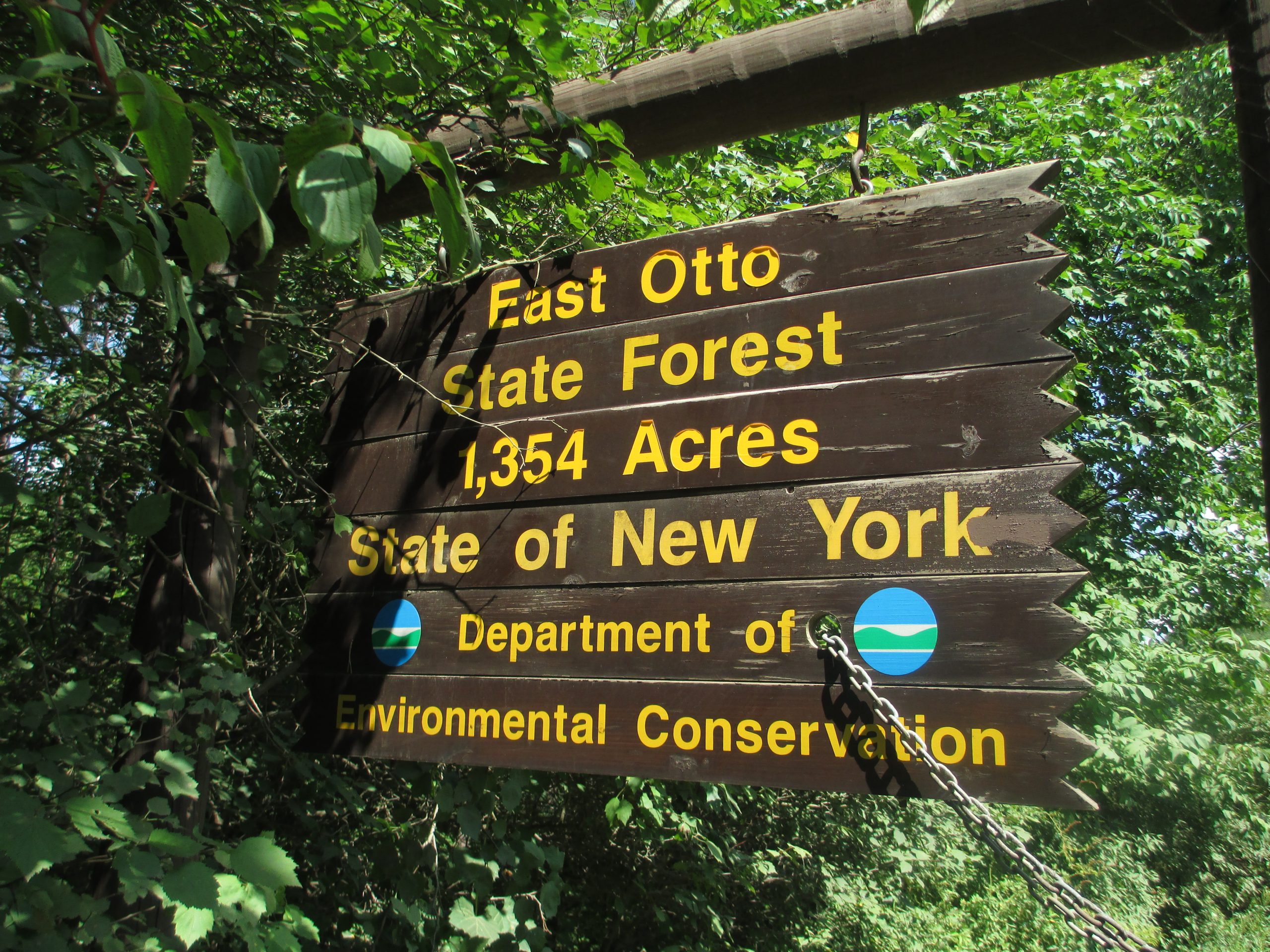
New York offers large tracts of rural land, but hunting is complicated by some of the most intricate firearm laws in the country. Regulations vary by region, season, and weapon type, requiring constant verification. Public land is available yet often overcrowded during peak seasons. Permit systems, zone restrictions, and administrative requirements add friction to planning. Although wildlife populations can be strong, access and compliance challenges discourage many experienced hunters. The time spent navigating rules often outweighs actual time in the field, making other states more appealing.
4. Massachusetts
Massachusetts provides limited hunting opportunities due to its small size and dense development. Public hunting land is scarce, tightly controlled, and often surrounded by residential areas. Firearm and equipment restrictions narrow legal options, while short seasons limit flexibility. Permit processes are rigid, and local opposition to hunting activity can create additional pressure. While the game exists, access and opportunity remain limited. Experienced hunters often find that the effort required to hunt legally and safely exceeds the potential reward, pushing them toward states with fewer barriers.
5. Connecticut
Connecticut’s hunting environment is shaped by limited land access and strict oversight. Public areas are small, heavily regulated, and often require special permissions or lotteries. Firearm laws restrict commonly used hunting equipment, and private land access is increasingly difficult to secure. Game populations are carefully managed, resulting in conservative harvest limits. Administrative requirements add to the burden. For hunters who value flexibility and efficiency, Connecticut often feels overly constrained, making it a state frequently avoided by seasoned sportsmen.
6. Rhode Island
Rhode Island’s small geographic footprint leaves little room for expansive hunting experiences. Public land is limited and tightly regulated, while private access is difficult to obtain. Seasons are short, tags are limited, and equipment rules narrow legal choices. High hunter density increases pressure on available areas, reducing success rates. For experienced hunters accustomed to open access and varied terrain, Rhode Island often feels restrictive and inefficient. The effort required rarely matches the opportunity available, making it a state many hunters choose to bypass entirely.
7. Illinois
Illinois has healthy game populations but presents significant access challenges. Public land is limited relative to demand, leading to overcrowding and intense competition. Many hunters rely on private land leases, which are expensive and increasingly exclusive. Regulations vary by zone and season, complicating planning. While success is possible, opportunity often depends more on access than skill. Experienced hunters frequently avoid Illinois because high costs, pressure, and limited public options reduce the overall quality of the hunting experience.
8. Indiana
Indiana’s hunting regulations are highly specific, with equipment restrictions that limit firearm and caliber choices. Public land exists but is often heavily pressured, particularly during peak seasons. Urban expansion continues to reduce available habitat. Seasons are short, quotas are controlled, and flexibility is limited. While wildlife populations remain stable, access challenges and regulatory complexity discourage many experienced hunters. Those seeking variety and freedom often look to neighboring states with more accommodating rules and greater public land availability.
9. Ohio
Ohio offers solid game numbers but limited public land access. Private land dominates much of the state, often requiring personal connections or paid leases. Equipment rules and seasonal structures restrict flexibility. Public areas become crowded quickly, lowering success rates and increasing safety concerns. While hunting can be productive, opportunity is unevenly distributed. Experienced hunters often avoid Ohio because success depends heavily on land access rather than skill, making the experience less rewarding.
10. Maryland
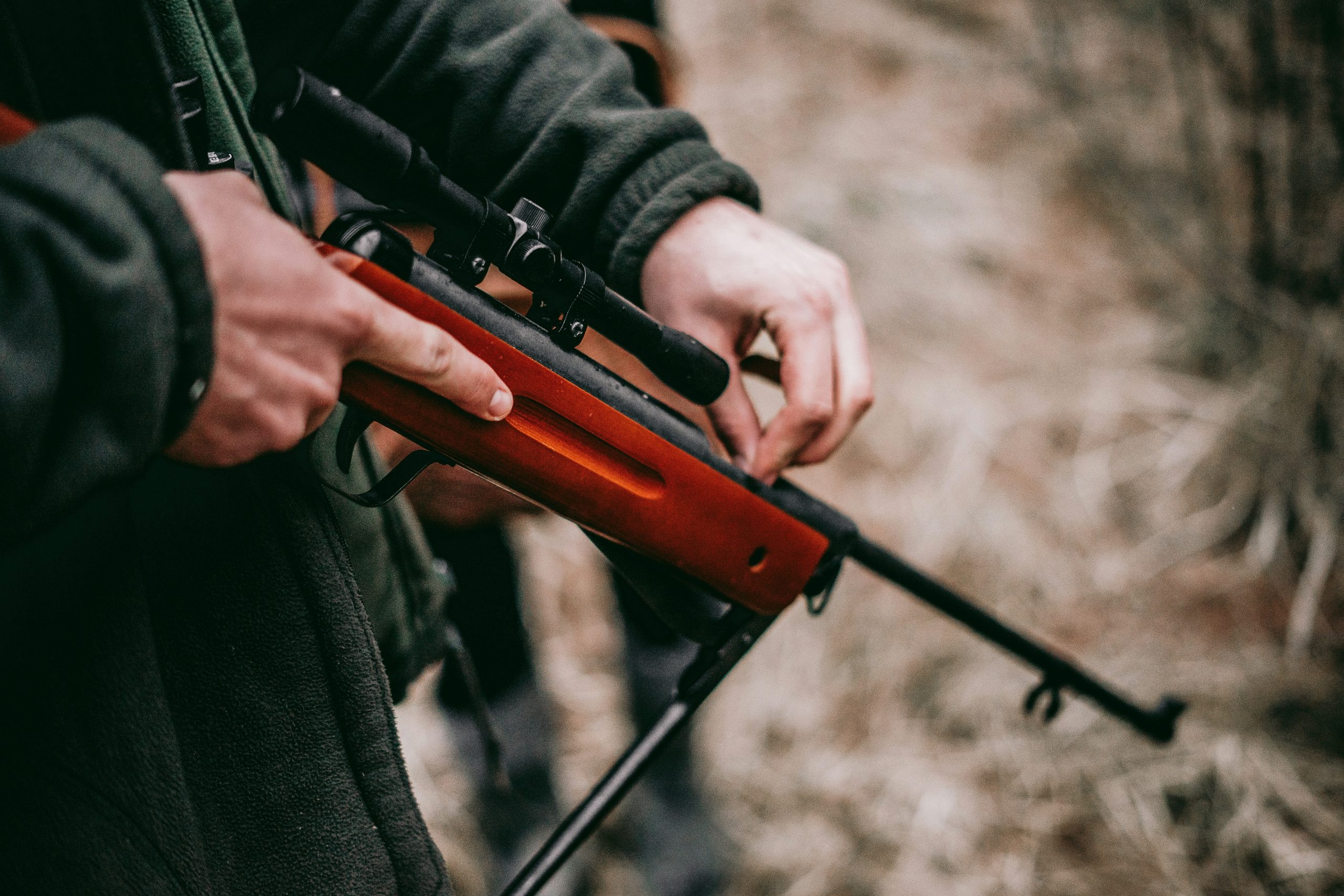
Maryland’s hunting landscape is shaped by dense population and strict regulatory oversight. Firearm laws are restrictive, and public land is fragmented into small parcels. Seasons are tightly controlled, with limited tags and narrow windows. Navigating regional regulations requires careful planning and constant updates. Although game populations exist, access challenges and administrative burdens reduce opportunity. Many experienced hunters find the effort disproportionate to the reward and choose states with fewer constraints.
11. Delaware
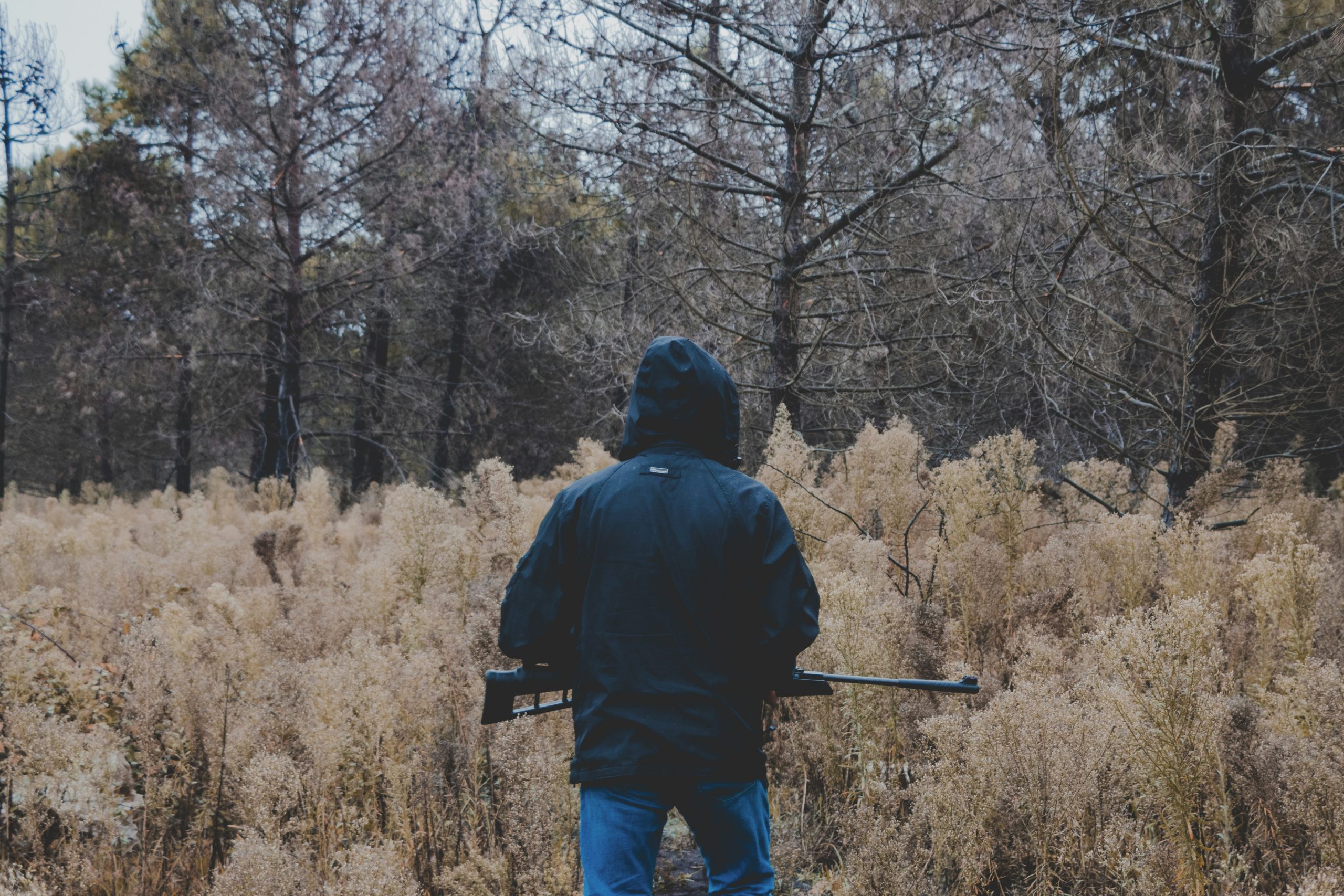
Delaware’s limited land area restricts meaningful hunting access. Public hunting areas are scarce and heavily regulated, while private access is competitive. Permit systems and equipment rules further narrow opportunity. Seasons are short, and harvest limits are conservative. High hunter density increases pressure on available land. For experienced hunters accustomed to broader access and flexibility, Delaware often feels overly constrained, making it a state frequently avoided in favor of more accommodating regions.
12. Hawaii
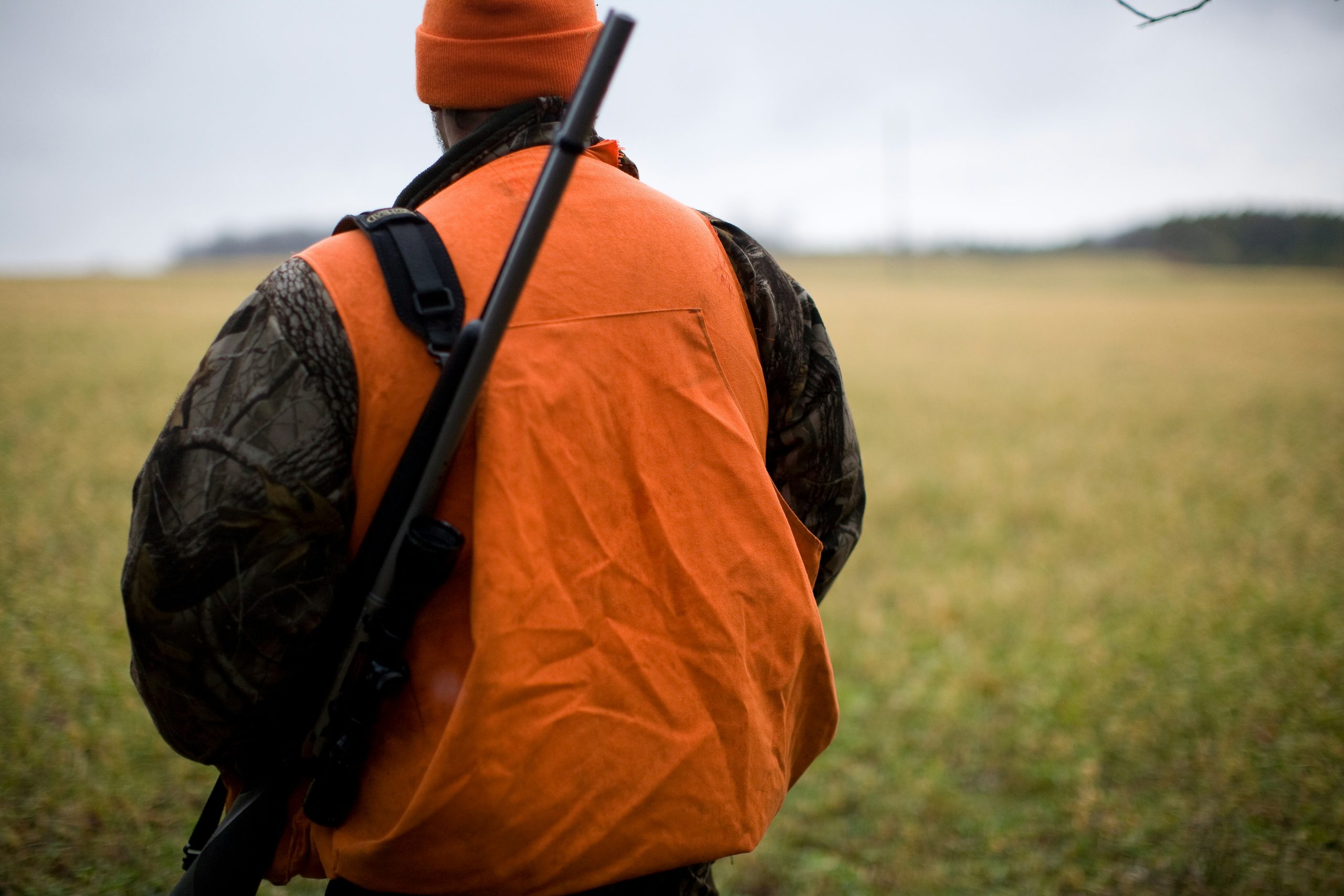
Hawaii offers unique hunting opportunities but presents significant logistical challenges. Travel costs are high, and transporting firearms and equipment requires careful planning. Regulations vary by island, increasing administrative complexity. Access to hunting areas is inconsistent, and opportunity can be unpredictable. While game species exist, the effort and expense required often outweigh the reward. Most mainland hunters avoid Hawaii not due to lack of wildlife, but because of cost, complexity, and limited accessibility.
13. Florida
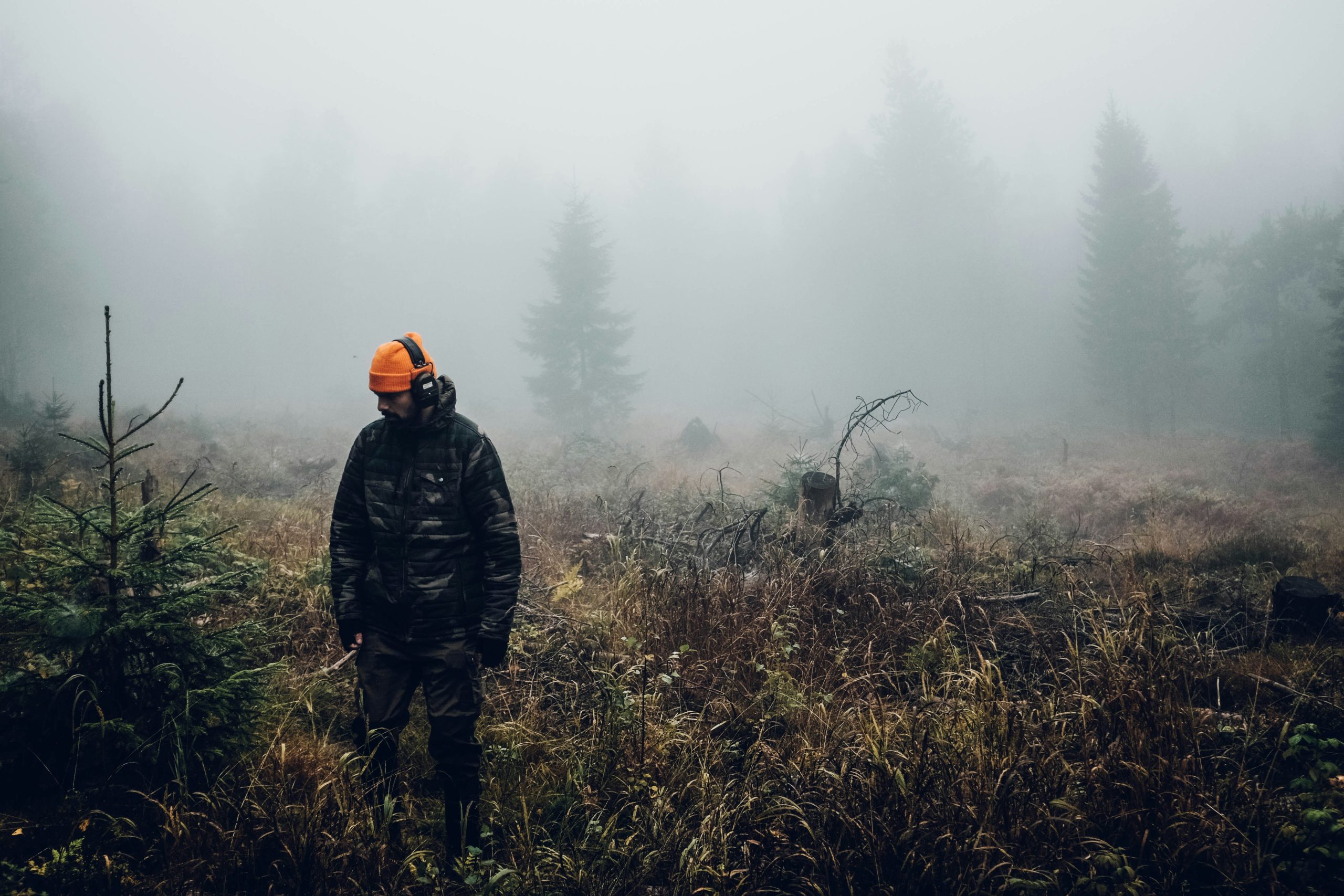
Florida’s hunting opportunities are shaped by limited public land and heavy competition. Dense vegetation, heat, and humidity complicate tracking and recovery. Regulations are detailed, seasons are short, and permit systems are restrictive. Public areas fill quickly, reducing success rates. While game populations exist, access and environmental challenges make hunting demanding. Experienced hunters often prefer states with more open terrain and flexible seasons, avoiding Florida’s crowded and complex hunting environment.
14. New Hampshire
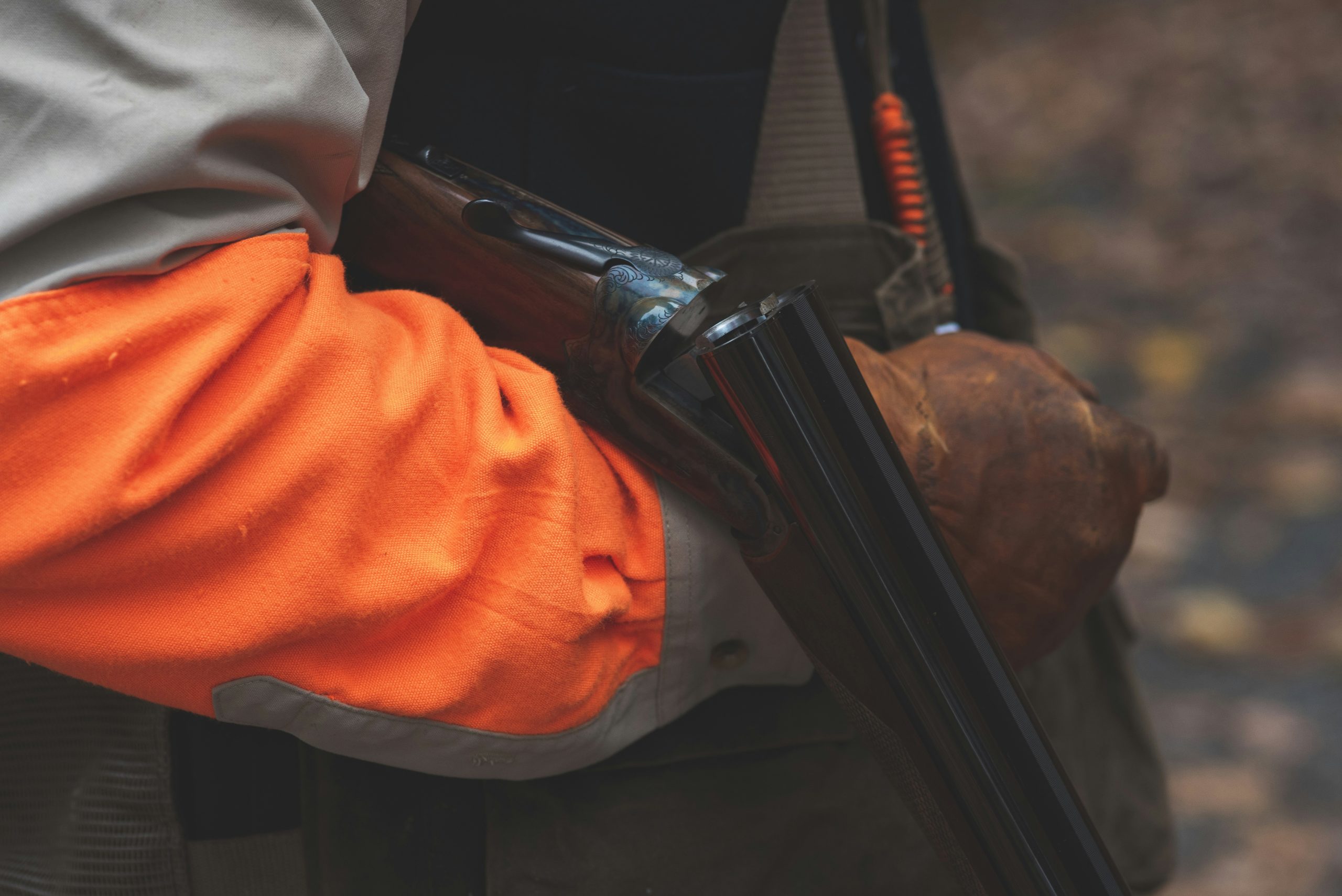
New Hampshire offers scenic terrain but limited public hunting land. Regulations are strict, and seasons are tightly controlled. Game populations are carefully managed, resulting in conservative harvest limits. Access to private land often depends on personal relationships. While rewarding for locals, nonresident and experienced hunters frequently find opportunity limited. The effort required to secure access and comply with regulations often outweighs the payoff, leading many to hunt elsewhere.
15. Vermont
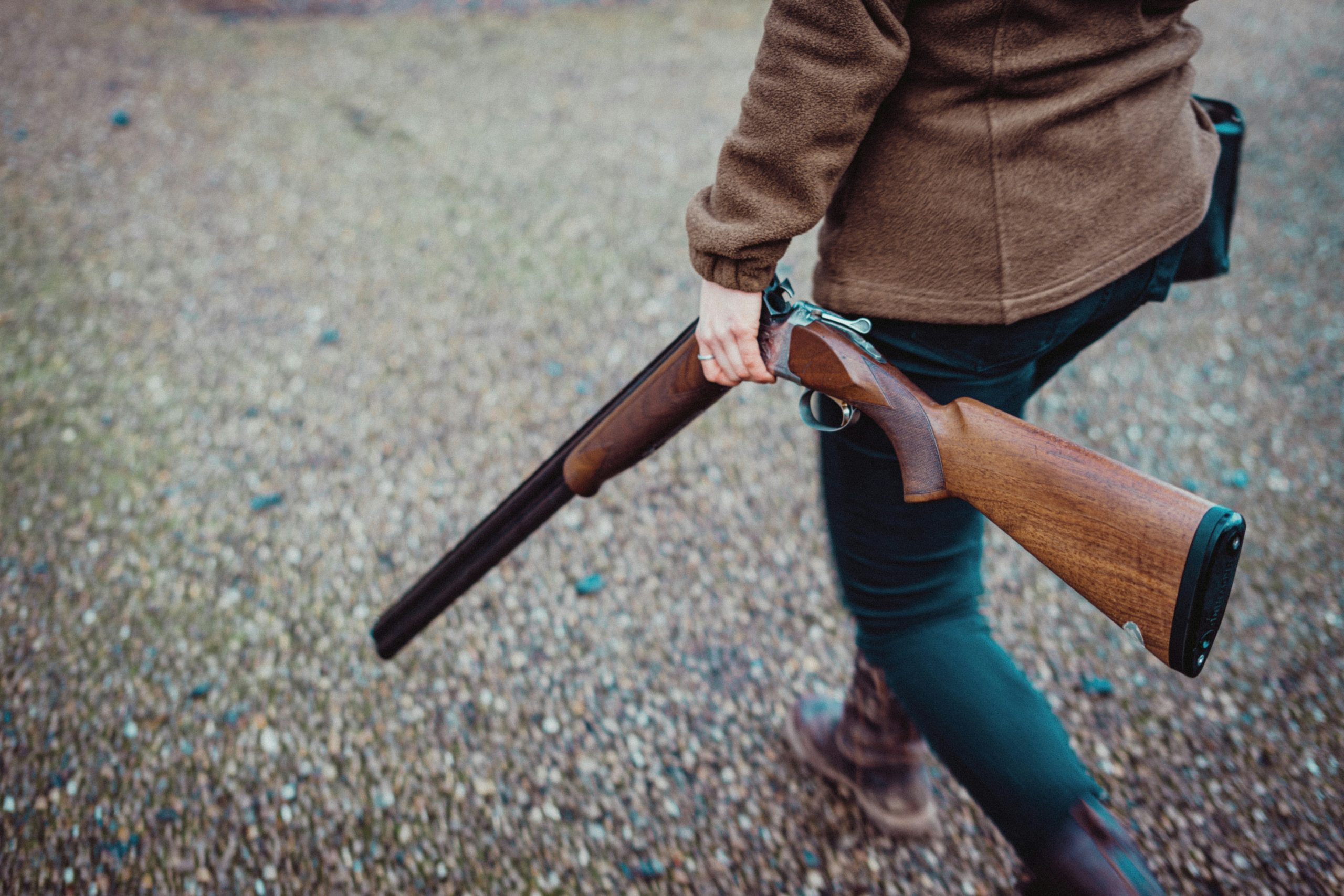
Vermont’s hunting culture is traditional but constrained by access and regulation. Public land is limited, and private land access requires established relationships. Seasons are relatively short, and management practices care onservative. While wildlife exists, opportunity is narrow and timing critical. Experienced hunters seeking flexibility and consistent access often avoid Vermont, choosing states where effort aligns more closely with opportunity and success.