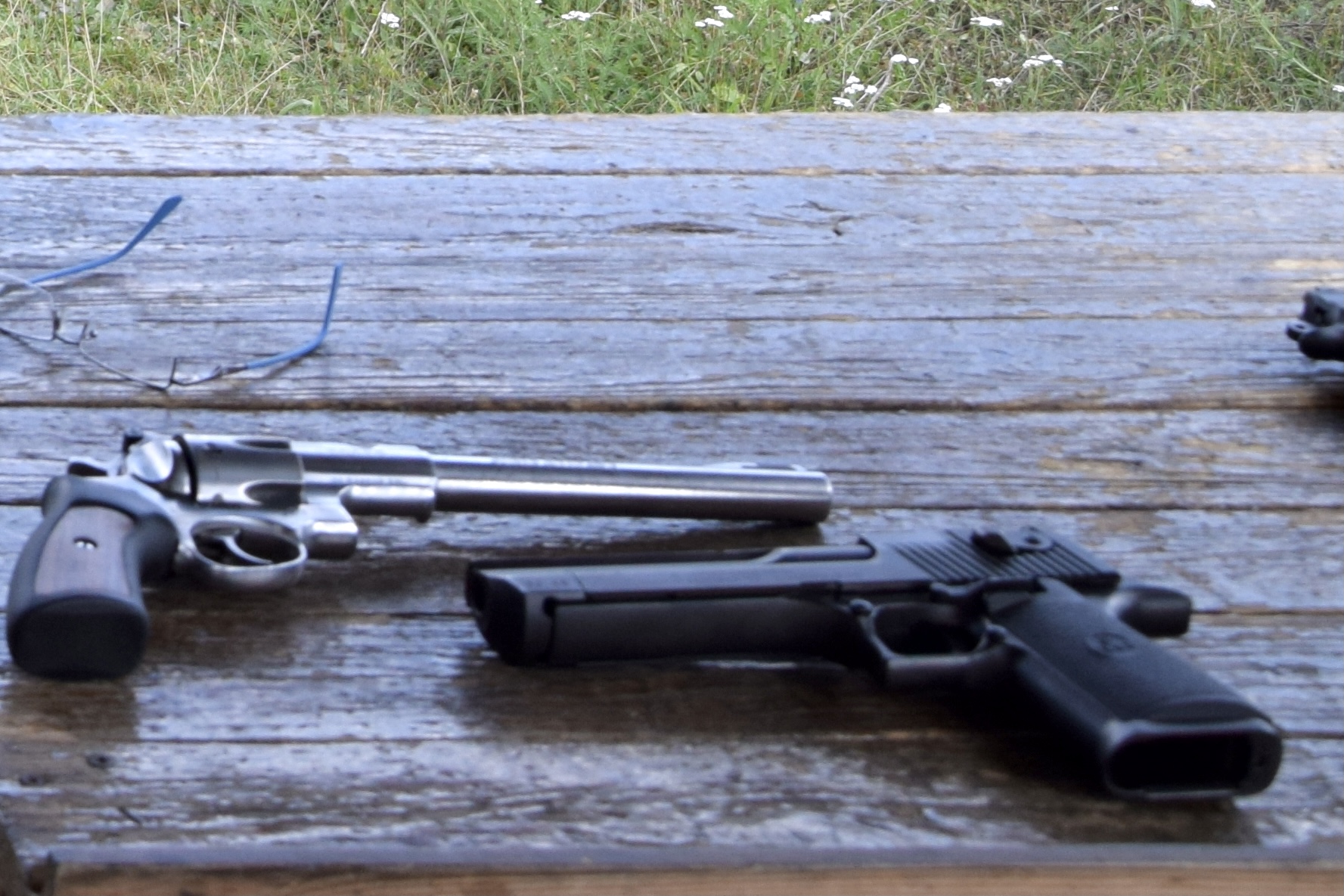
Straight-wall ammunition laws have created spirited debates among hunters across the United States, especially in regions where regulations recently expanded the use of these cartridges for deer and other big game. Although straight-wall ammo offers advantages in safety and accessibility, opinions vary widely based on geography, tradition, and experience in the field. Some hunters praise the cartridges for providing manageable recoil and improved accuracy at moderate distances, while others argue that the rules introduce unnecessary complexity or provide unfair advantages in areas once limited to shotguns and muzzleloaders. These disagreements often reflect deeper questions about evolving hunting practices, modern equipment, and how states balance safety with opportunity. Understanding the most common points of conflict helps explain why straight-wall regulations remain a topic of lively conversation in camps, forums, and hunting communities nationwide.
Different Interpretations of Safety Benefits

Hunters often disagree about whether straight-wall ammunition genuinely improves safety in populated regions. Supporters argue that straight-wall rounds have shorter effective ranges than bottleneck cartridges, reducing the risk of long-distance ricochets. Critics counter that responsible shot placement, backstop awareness, and field judgment matter far more than cartridge design. These conflicting perspectives highlight how hunters prioritize personal experience over theoretical advantages. Some feel safer in the field with lower-velocity straight-wall rounds, while others believe the rules oversimplify complex safety concerns that depend heavily on terrain, vegetation, and visibility. The debate persists because real-world conditions vary dramatically across hunting landscapes, shaping how hunters interpret risk.
Concerns Over Effective Range
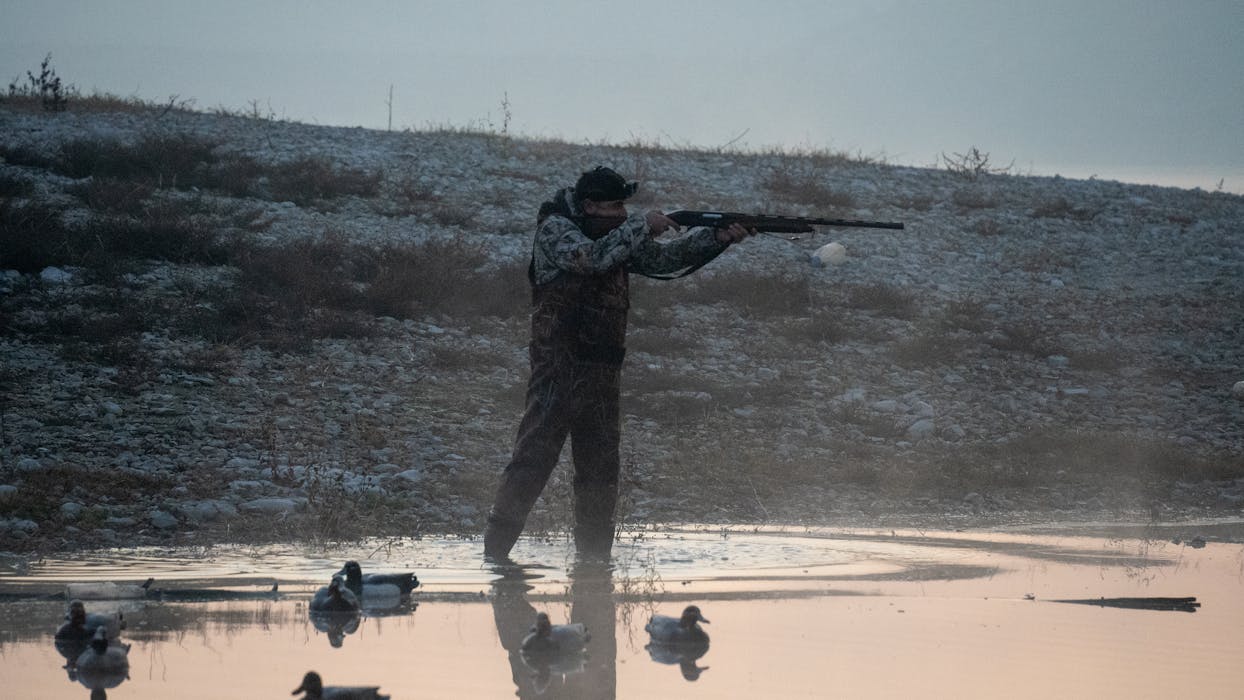
Straight-wall cartridges are typically limited to moderate distances, which some hunters appreciate for encouraging closer, more ethical shots. Others feel restricted by these limitations, arguing that bottleneck cartridges offer more flexibility in open terrain. Disagreements arise when hunters accustomed to long-range shooting feel penalized by range constraints that do not match their hunting environment. Meanwhile, supporters argue that within typical deer-hunting distances, straight-wall ammo performs reliably and humanely. These differing viewpoints stem from varied landscapes, skill levels, and expectations about acceptable shooting distances, making range-related disagreements among the most common in discussions about straight-wall rules.
Perceived Advantages for New Hunters

Some hunters believe straight-wall ammo rules give beginners an easier path into big-game hunting because the cartridges offer manageable recoil, straightforward ballistics, and compatibility with affordable rifles. Critics argue that simplifying equipment does not replace the need for proper training, practice, and field experience. They worry that promoting straight-wall rifles may encourage new hunters to enter the field before developing essential skills. Others welcome increased accessibility as a way to boost declining hunter participation rates. The divide illustrates different philosophies about mentorship, preparedness, and how regulations influence the learning curve for modern hunters entering the sport.
Tradition Versus Modernization
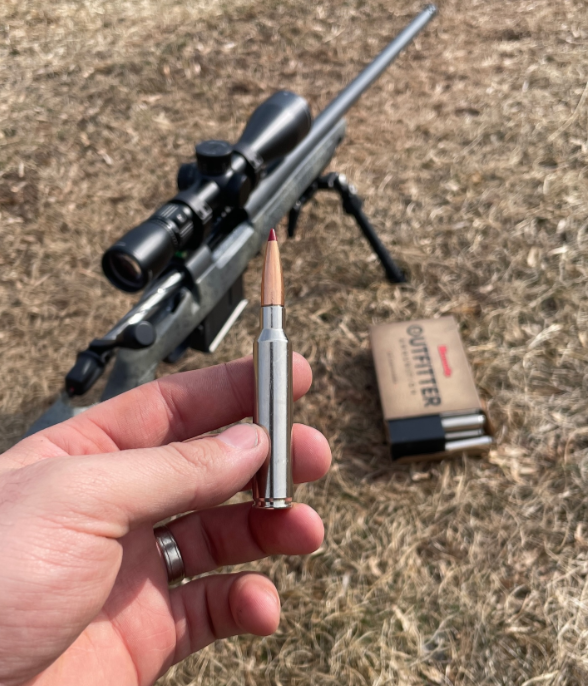
Many hunters who grew up using shotguns or muzzleloaders see straight-wall regulations as a departure from longstanding regional traditions. They worry that expanding rifle use dilutes the cultural identity of shotgun zones where limited-range tools once defined local hunting styles. Supporters argue that evolving technology improves the overall hunting experience and keeps the sport relevant to new generations. These contrasting views create friction between those who value historical continuity and those who embrace modernization. For many hunters, straight-wall rules symbolize broader tensions between heritage and innovation in an increasingly technology-driven outdoor world.
Cartridge Availability and Cost
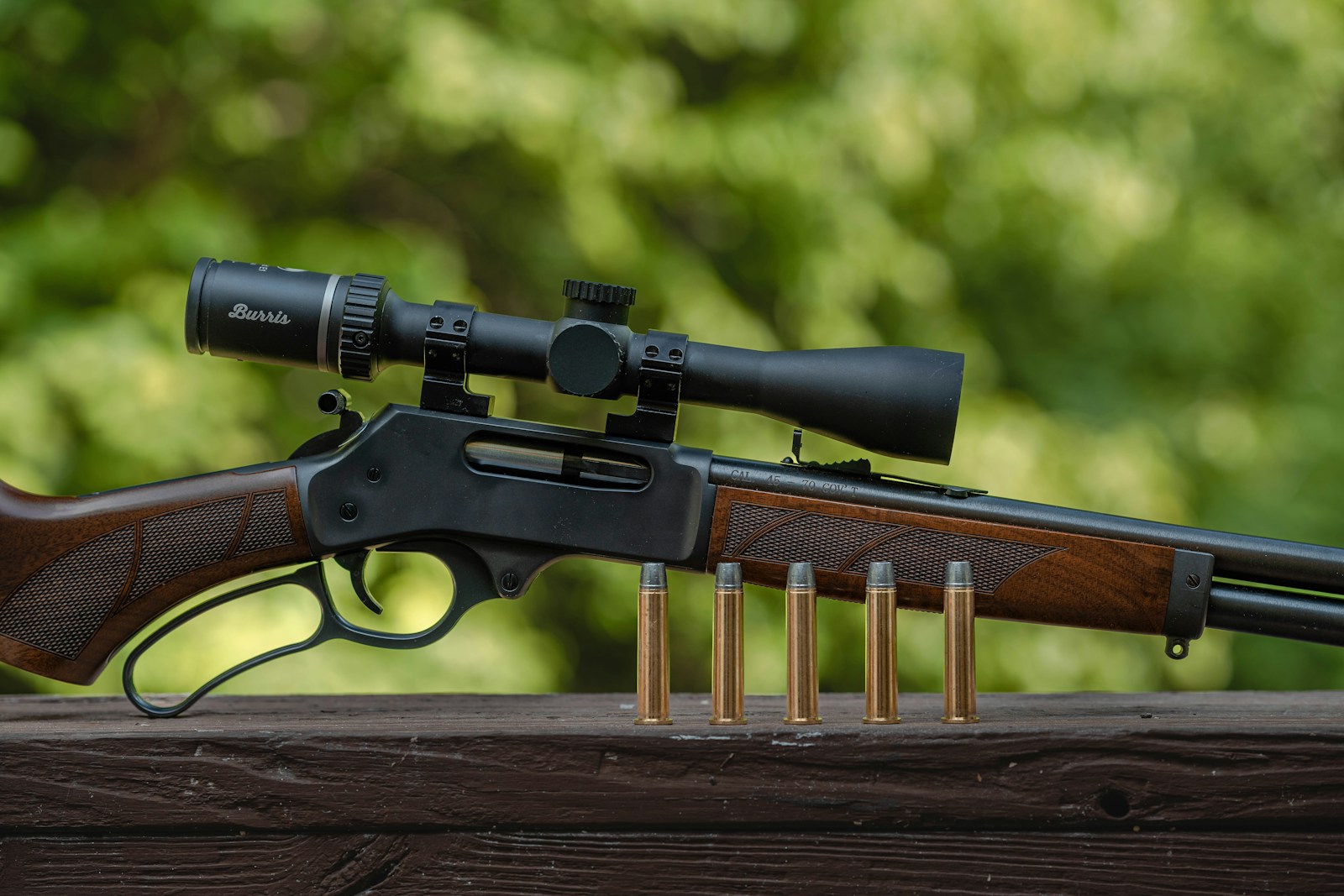
Straight-wall ammunition can be more expensive and less available than traditional bottleneck cartridges, especially during peak hunting seasons. Supporters argue that rising demand will eventually normalize pricing and supply, while critics feel the rules unfairly push hunters toward harder-to-find options. Some rural areas struggle to stock enough straight-wall ammunition, creating access issues for hunters without online purchasing options. Others invest in reloading equipment to offset costs. These financial and logistical considerations fuel disagreements about whether straight-wall regulations place unnecessary economic burdens on hunters in certain regions.
Differences in State-by-State Regulations

States adopt straight-wall rules differently, creating inconsistencies that frustrate hunters who travel between jurisdictions. Some states allow a wide range of calibers, while others restrict case length or specific cartridge types. These variations create confusion and spark debates about fairness, especially when hunters perceive neighboring states as offering more practical or permissive regulations. Supporters argue that each state must tailor rules to its terrain and population density, while critics push for more uniform standards. The patchwork nature of straight-wall laws ensures ongoing disagreements rooted in geography and governance.
Questions About Ethical Shot Placement

Because straight-wall cartridges have limited ballistic performance compared to high-velocity bottleneck rounds, hunters disagree about whether they encourage or discourage ethical shooting. Supporters claim the rounds promote closer shots and thoughtful positioning. Critics argue that a limited range may tempt hunters to take risky shots at distances where terminal performance drops off. Both sides emphasize the importance of discipline, but their expectations differ based on personal experience and confidence with specific calibers. These debates highlight broader conversations about ethical standards and responsible hunting practices in varied field conditions.
Impact on Harvest Success Rates

Hunters disagree about whether straight-wall ammo increases harvest success rates. Supporters believe improved accuracy leads to cleaner, more efficient harvesting compared to shotguns. Critics argue that success depends on hunter skill, scouting effort, and environmental conditions, not cartridge type. Some fear that new rifles may contribute to overharvesting in areas already facing herd management challenges. Others see straight-wall regulations as a way to maintain balanced harvests while offering hunters more effective tools. Conflicting interpretations of data and personal experience keep this debate active, especially when regional hunting traditions strongly influence perceptions of equipment effectiveness.
Recoil Sensitivity Debates
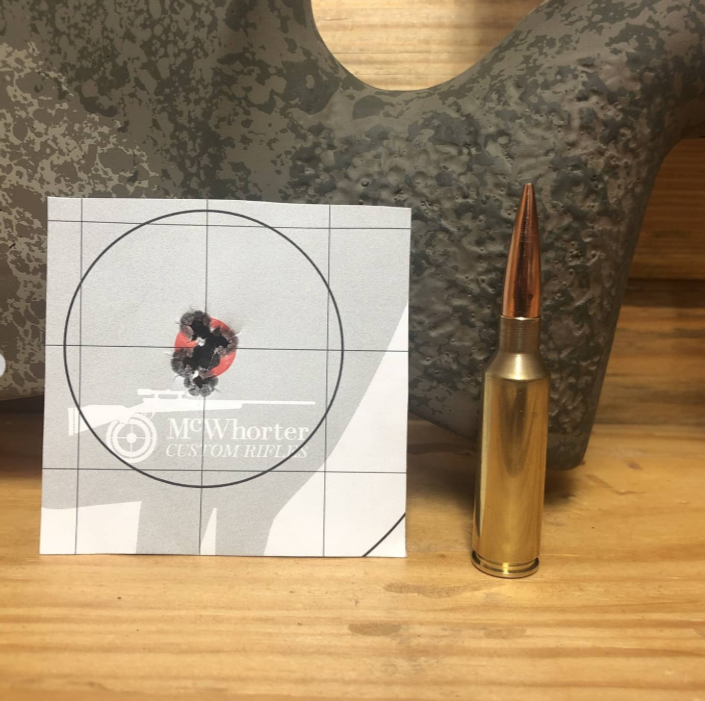
Straight-wall cartridges generally produce lower recoil than many bottleneck rifle rounds, which appeals to hunters seeking comfort and control. However, critics argue that recoil management should come from proper shooting technique rather than cartridge selection. Some believe that emphasizing low recoil may steer hunters away from learning foundational shooting skills. Others appreciate that reduced recoil increases confidence for youth, elderly hunters, or those with physical limitations. These contrasting perspectives reflect broader discussions about inclusivity, accessibility, and expectations for hunter proficiency.
Effects on Firearm Selection

Straight-wall rules influence which rifles hunters purchase, sparking disagreements about the growing popularity of modern sporting rifles and compact lever guns chambered in straight-wall calibers. Traditionalists prefer wood-stocked bolt-action designs, while others embrace lightweight, modular rifles that support accessories. Some hunters fear that evolving firearm trends may shift hunting culture toward more tactical aesthetics. Supporters argue that straight-wall compatibility expands consumer choice and encourages experimentation. These discussions reveal deeply rooted preferences shaped by generational values and familiarity with specific firearm platforms.
Perceptions of Fairness in Former Shotgun Zones
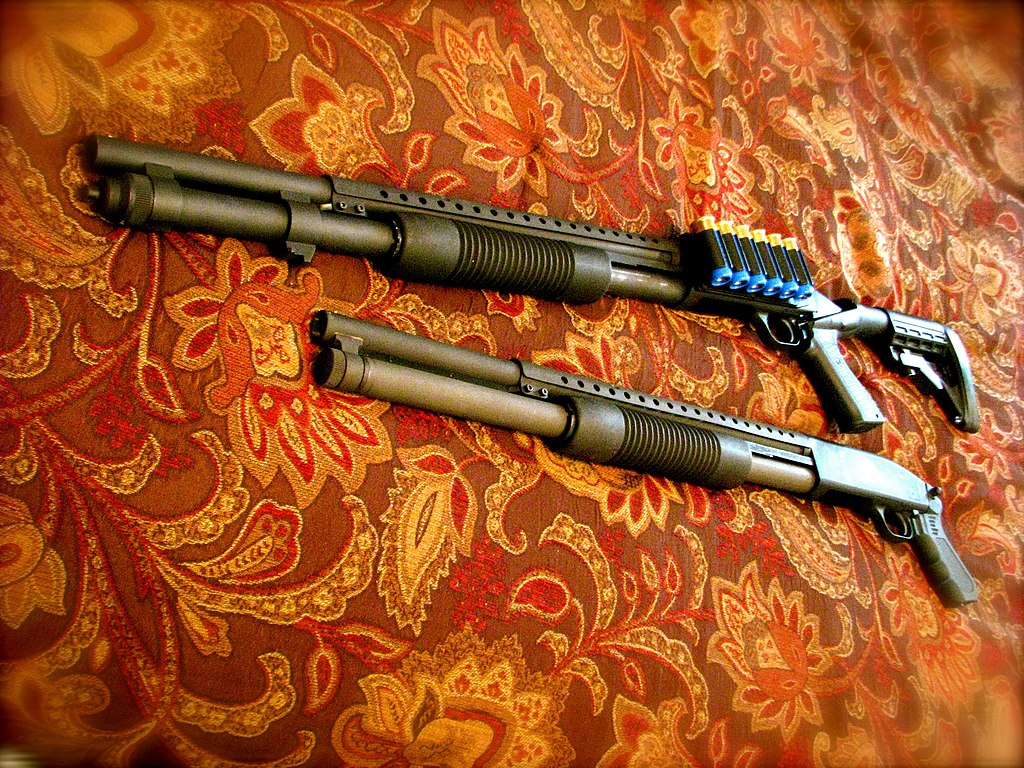
Straight-wall rules often originate in those regions where shotgun-only restrictions once shaped the hunting landscape. Some hunters feel that straight-wall rifles create an uneven playing field by offering greater accuracy and range compared to shotguns. Supporters argue that the regulations modernize outdated restrictions while preserving safety in populated areas. The debate reflects differing beliefs about fairness, opportunity, and how equipment choices influence harvest outcomes. Hunters who built their skills with shotguns may feel disadvantaged, while others welcome the expanded capabilities, further illustrating how evolving regulations reshape long-standing hunting traditions in meaningful ways.
Influence on Youth Hunter Recruitment
Supporters of straight-wall ammunition argue that its manageable recoil and simple ballistics make it ideal for training young hunters. Critics worry that easy-to-shoot rifles may overshadow foundational skills taught through shotgun or muzzleloader hunting. Some believe straight-wall rules encourage more families to participate in the sport, while others fear they produce inexperienced hunters reliant on equipment rather than practice. This tension highlights broader questions about mentorship, skill development, and how tools shape the future of hunting culture, ultimately revealing contrasting priorities within evolving generations of dedicated outdoor enthusiasts.
Concerns About Long-Term Wildlife Management

Wildlife managers monitor how new equipment regulations affect herd sustainability, but hunters hold differing views about straight-wall ammo’s long-term impact. Some argue that improved accuracy may increase harvest pressure, requiring tighter quotas. Others believe that straight-wall cartridges strike an ideal balance between effectiveness and restraint. Disagreements arise when hunters interpret data differently or prioritize distinct management goals. These debates reflect complex relationships between conservation, opportunity, and evolving hunting technologies across diverse ecosystems, emphasizing how regulatory decisions carry lasting consequences for wildlife stewardship.
Economic Effects on Local Gun Shops

Straight-wall rules influence firearm and ammunition sales, creating both opportunities and challenges for local gun shops. Some retailers benefit from increased demand for straight-wall rifles and accessories. Others struggle to maintain inventory when supply chain issues limit available calibers. Hunters disagree about whether these regulations support small businesses or complicate inventory needs. The economic ripple effect highlights how policy changes shape regional retail landscapes and influence long-term consumer trends tied to hunting seasons, ultimately affecting community livelihoods and broader market stability across diverse regions.
Variability in Cartridge Performance

Hunters debate the performance of straight-wall cartridges such as .350 Legend, .450 Bushmaster, and .45-70 Government. Supporters praise their stopping power and manageable recoil, while critics argue that ballistic drop and wind drift limit performance at moderate distances. These disagreements arise from varied experiences in the field, differences in rifle platforms, and contrasting expectations about accuracy. Because cartridge performance depends heavily on environmental conditions and shot placement, hunters interpret their effectiveness through personal successes and failures, reinforcing how subjective results influence long-term opinions within diverse hunting communities.