Some firearms simply refuse to step aside. In a world where manufacturers push out new models every few years, promising better ergonomics, smarter engineering, and lighter materials, a surprising number of older guns continue to outsell, outperform, or outlast their supposed replacements. These are not relics kept alive by nostalgia alone; they earn their place on ranges, battlefields, and nightstands through consistent, proven performance. What makes them remarkable is that they were often designed decades ago, yet they keep showing up in holsters, armouries, and collections worldwide. This list digs into 15 such firearms, exploring why they endure, what makes them mechanically sound, and what the numbers say about their lasting relevance in a competitive and rapidly evolving market.
1. Colt M1911
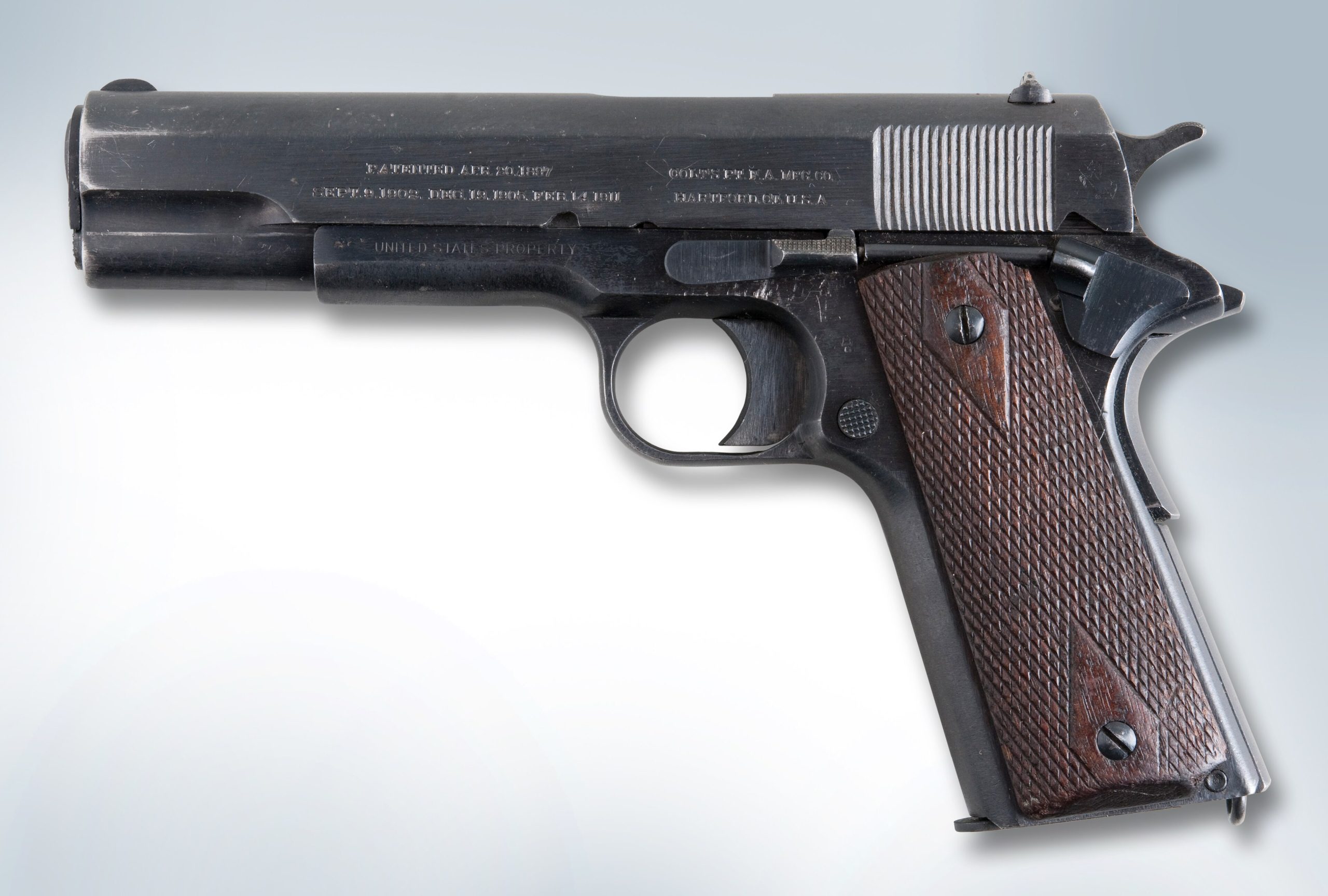
Designed by John Moses Browning and adopted by the U.S. military in 1911, the M1911 served as the standard-issue sidearm for American forces for 74 consecutive years until 1985. Chambered in .45 ACP, it fires a 230-grain bullet at approximately 830 feet per second, delivering around 356 foot-pounds of energy. Despite the Beretta M9 replacing it officially, the 1911 never disappeared. Special operations units, competitive shooters, and civilian carriers kept demanding it. Over 2.7 million were produced for military use alone, and civilian production continues today across dozens of manufacturers. Its single-action trigger, grip safety, and thumb safety combination remains one of the most studied designs in firearms engineering. The 1911 platform has spawned thousands of custom variants and continues generating hundreds of millions in annual sales globally.
2. Glock 17
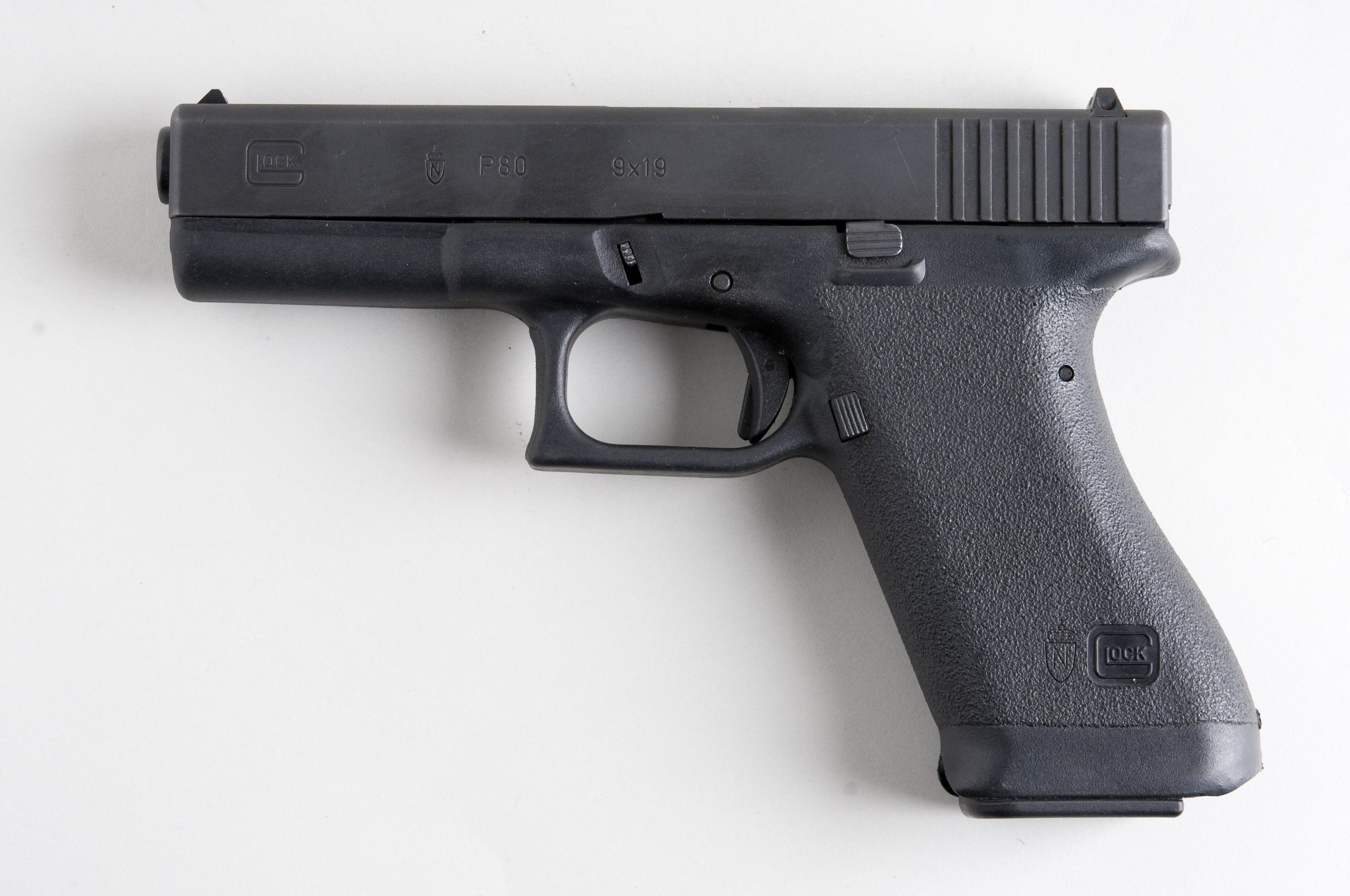
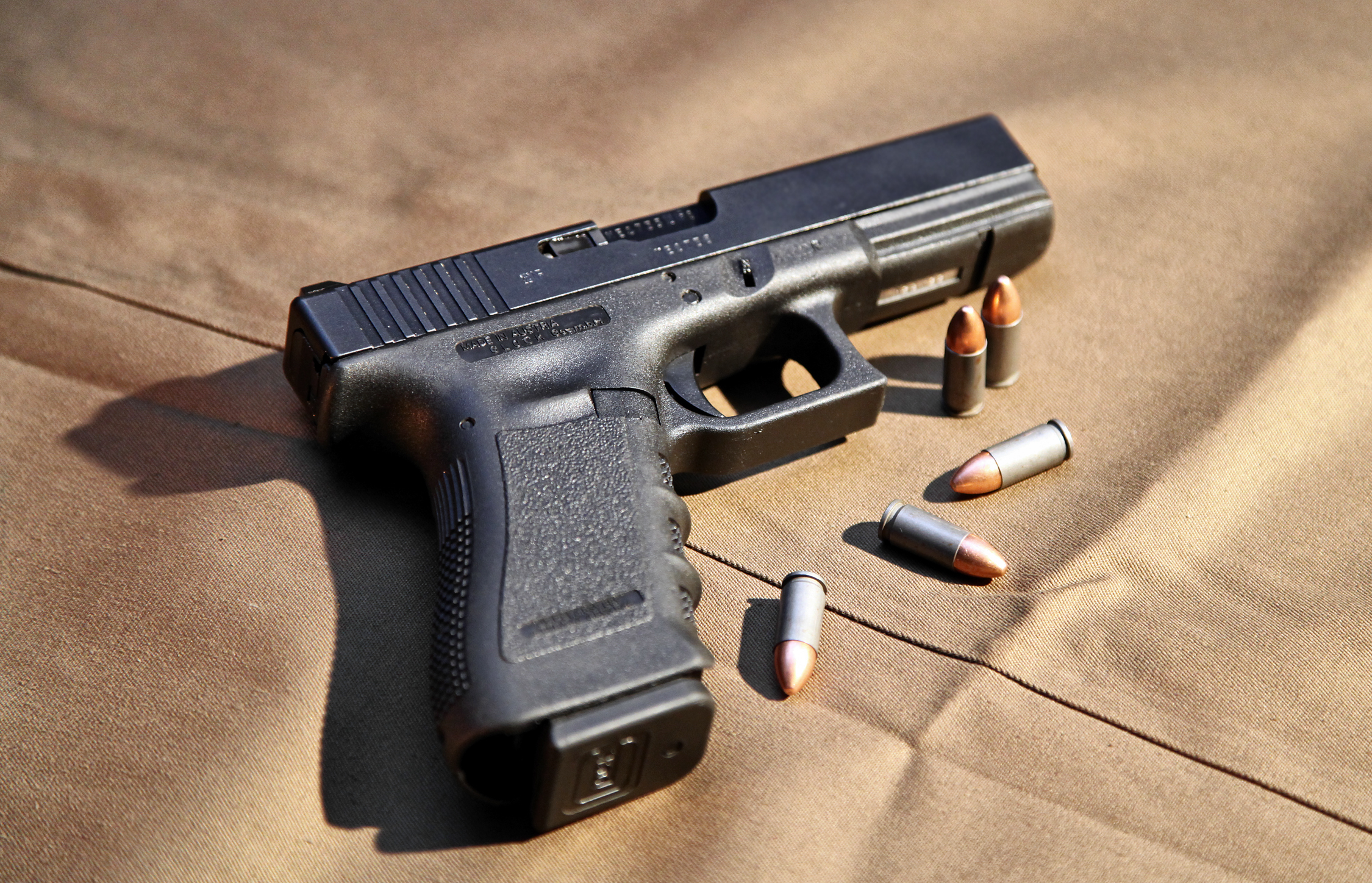
When Gaston Glock introduced the Model 17 in 1982, critics dismissed its polymer frame as a gimmick. Today, it is carried by law enforcement agencies in over 48 countries and remains one of the most purchased pistols in history. The Gen 5 version, released in 2017, introduced a flared mag well and improved barrel, yet the Gen 3, produced since the late 1990s, still sells in enormous numbers due to its parts availability and affordability. The Glock 17 holds 17+1 rounds of 9mm, weighs just 22.05 oz loaded, and has a barrel length of 4.49 inches. Its safe-action trigger system requires no external safety, simplifying operation under stress. More than 20 million Glock pistols have been sold worldwide, with the 17 accounting for a dominant share. Its standardised design also spawned the Glock 19, 26, and 34, yet the original refuses to be overshadowed.
3. AK-47 / AKM
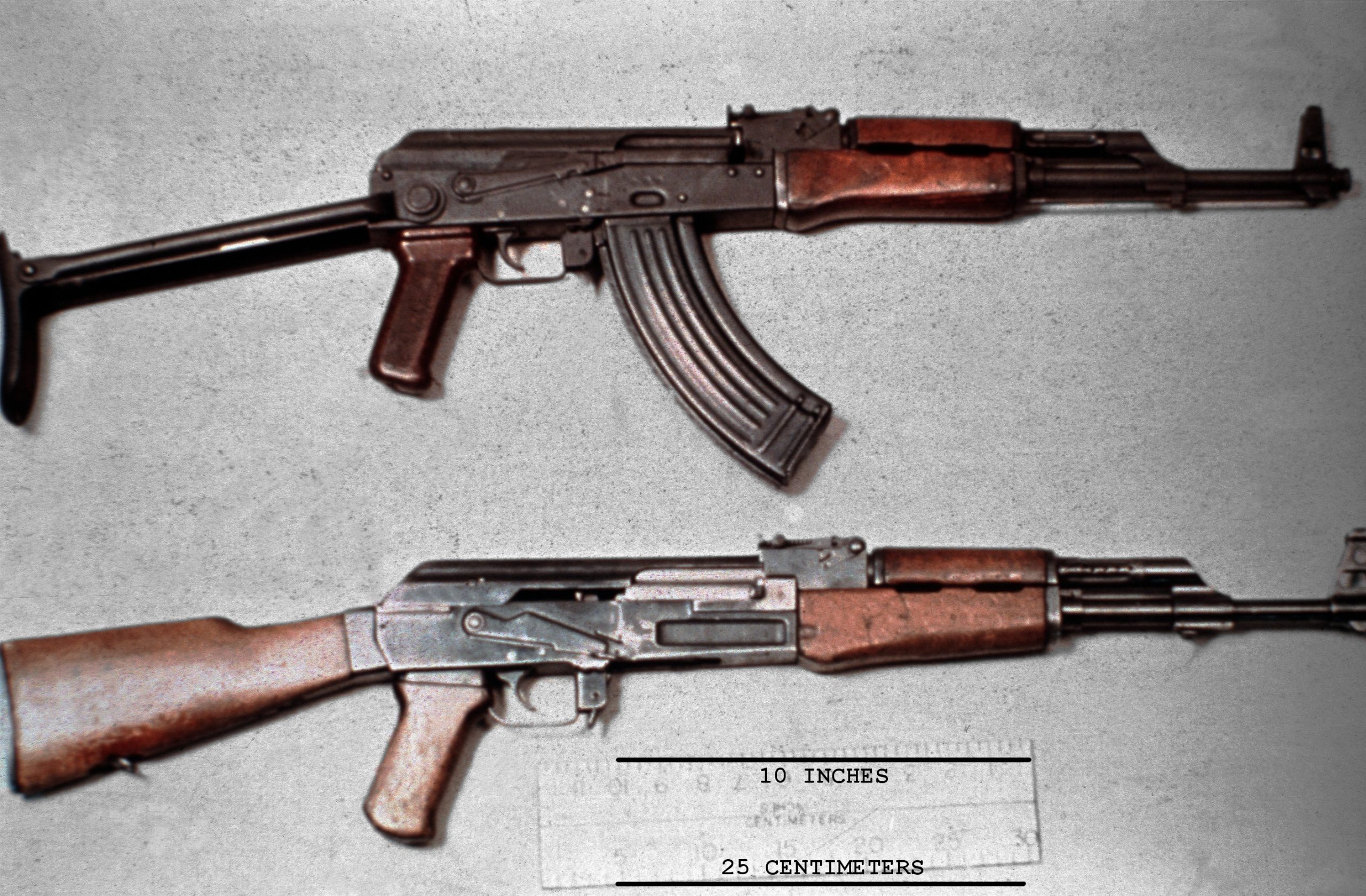
Mikhail Kalashnikov’s 1947 design was never meant to be sophisticated; it was meant to work, always, everywhere. Chambered in 7.62×39mm, the AK-47 and its modernised AKM variant operate on a long-stroke gas piston system that tolerates dirt, sand, and moisture far better than competing designs. Over 100 million units have been manufactured across more than 30 countries, making it the most produced firearm in human history by an enormous margin. Its 30-round magazine, roughly 600 rounds per minute cyclic rate, and effective range of about 300 metres made it a standard across Soviet bloc nations and insurgent forces alike. Despite newer successors like the AK-74 and AK-12, the original platform remains in active service across dozens of militaries and non-state actors. Its sheer parts commonality and durability ensure it will remain relevant for generations, regardless of what replaces it officially.
4. Remington 870
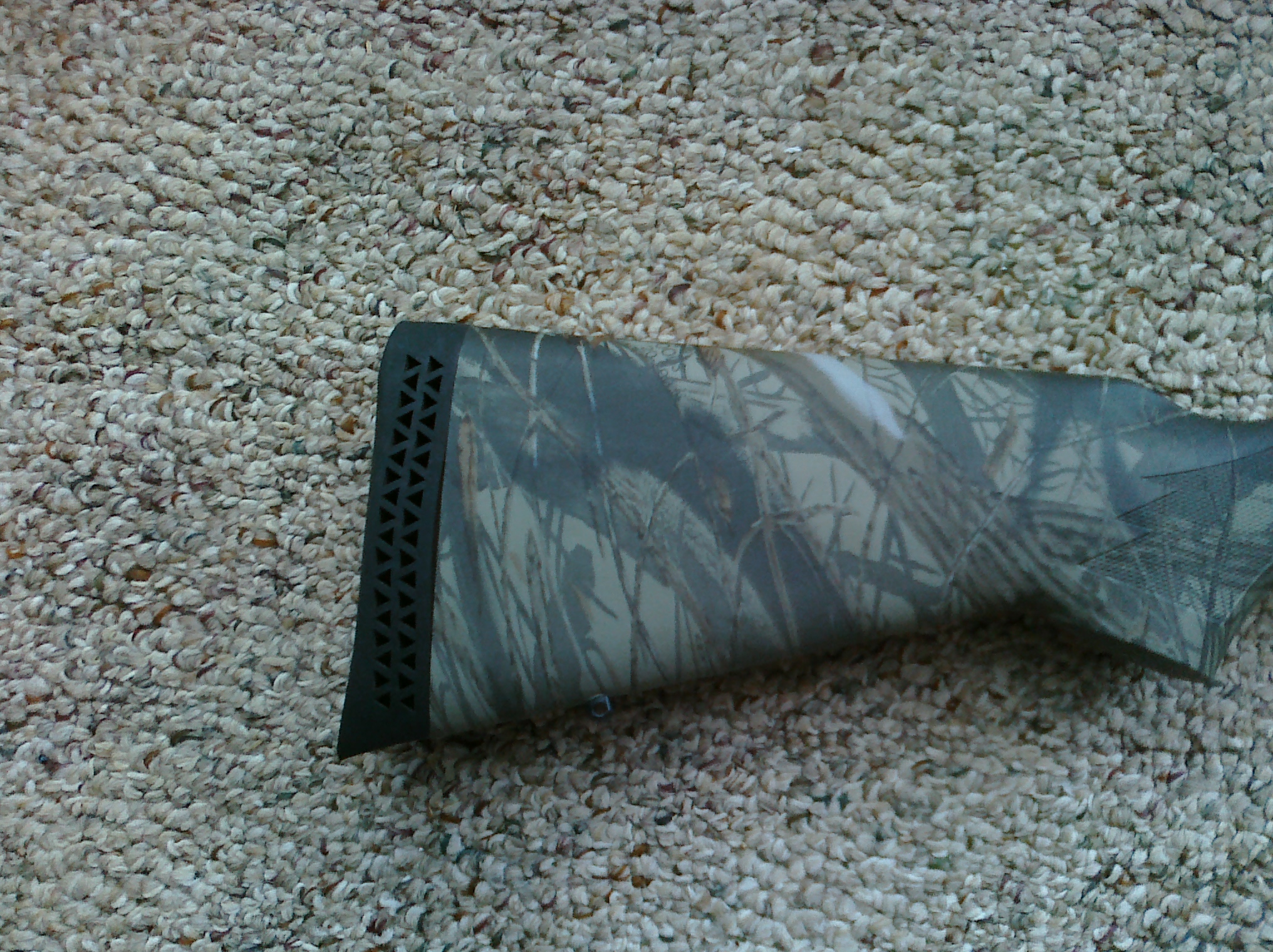
Introduced in 1950, the Remington 870 pump-action shotgun has become the bestselling shotgun in American history, with over 11 million units sold as of recent estimates. Chambered primarily in 12 gauge, it holds 4+1 rounds in its standard tube magazine and can be extended. Its barrel lengths range from 18 inches for home defence to 30 inches for field hunting. What makes the 870 remarkable is how modular it became. Stocks, barrels, choke systems, and magazine extensions are all interchangeable, allowing one base gun to serve dozens of roles. Law enforcement agencies across the United States adopted it en masse through the 1970s and 1980s,s and many still use it. Remington faced bankruptcy in 2020, but the 870 was acquired by new ownership and continued production. No pump shotgun introduced since has consistently displaced it in either law enforcement procurement or civilian preference.
5. Ruger 10/22
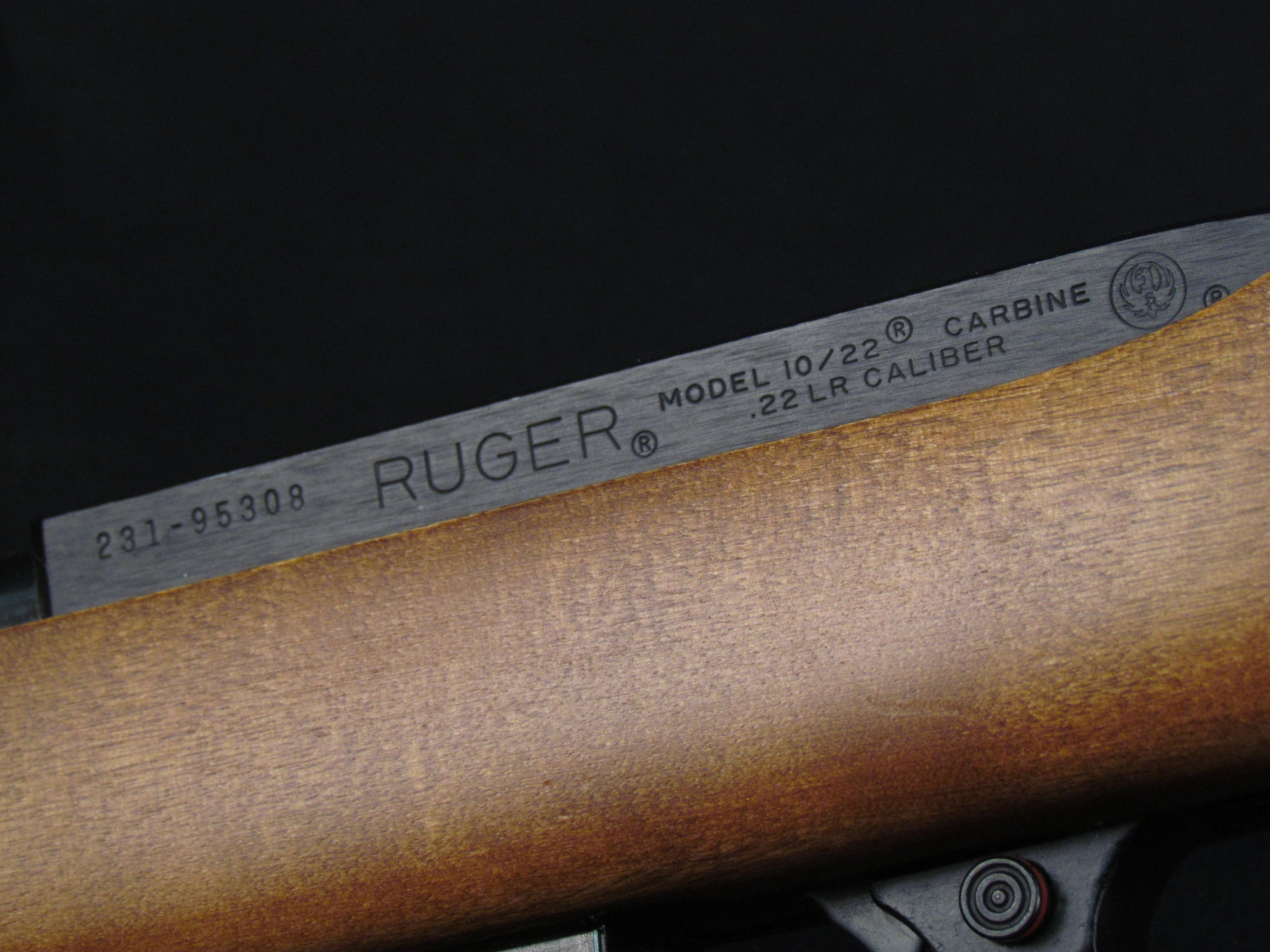
Ruger released the 10/22 in 1964 as an affordable, semi-automatic .22 LR rimfire carbine, and it has never stopped selling since. Roughly 7 million units have been produced over its lifespan. Its detachable rotary magazine holds 10 rounds, and aftermarket capacity goes up to 25 rounds. The action uses a patented cross-bolt safety and a blowback operating system that handles the low-pressure .22 LR cartridge with minimal recoil and near-silent operation compared to centrefire alternatives. What truly cemented the 10/22’s permanence is its aftermarket ecosystem. It’s arguably the most customisable rimfire rifle ever made, with thousands of stock, barrel, trigger, and optic options available. New shooters learn on it, competitive rimfire shooters build extreme versions of it, and surveyors use it for pest control. Despite Ruger producing dozens of newer rifles, the 10/22 outsells virtually all of them year after year.
6. Winchester Model 70
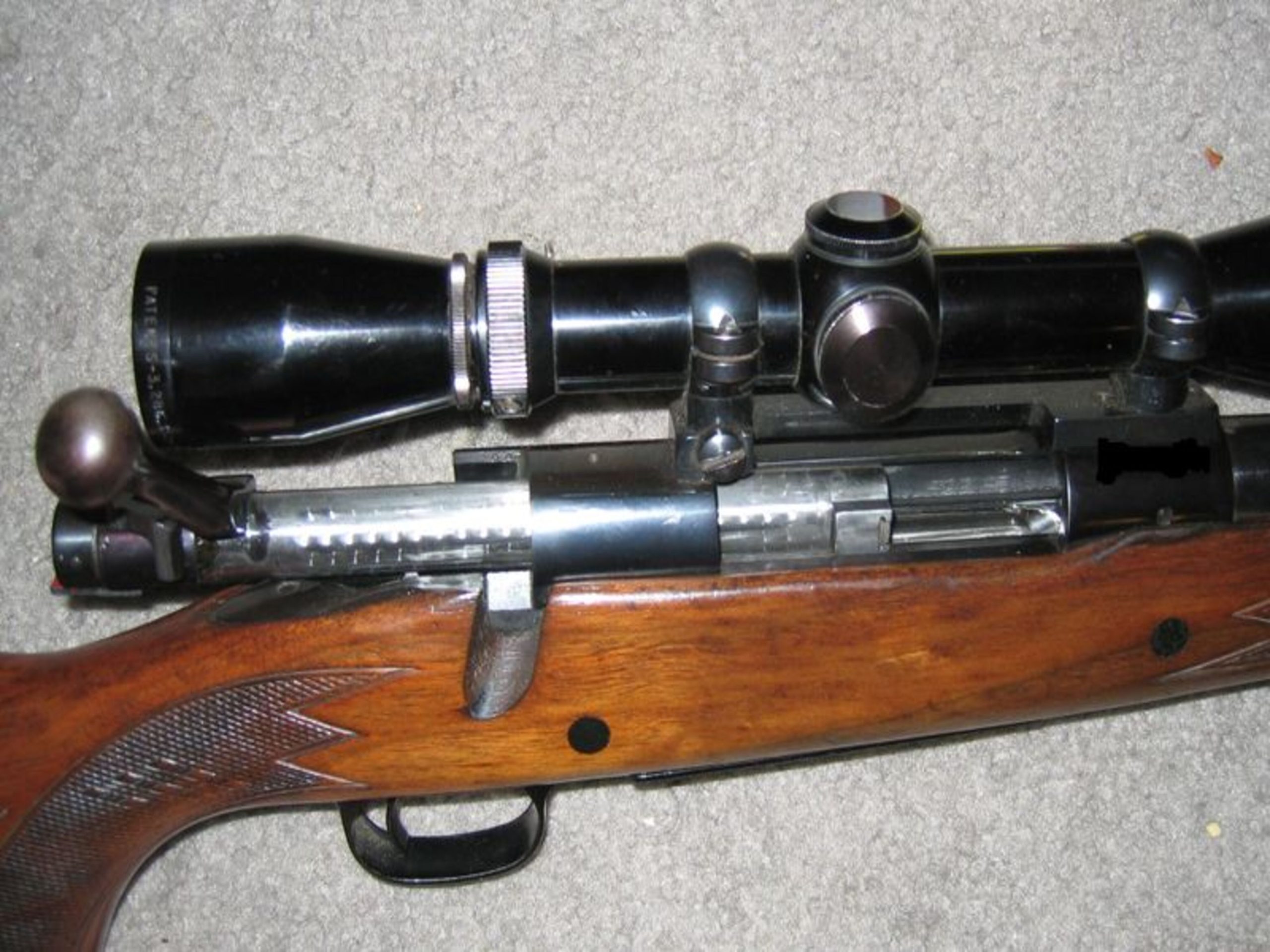
Known as “The Rifleman’s Rifle,” the Winchester Model 70 debuted in 1936 and quickly became the go-to bolt-action for serious hunters and precision shooters. Its controlled-round-feed action, inspired by Mauser’s 98 design, ensures reliable extraction even under adverse conditions, which made it favoured by hunters pursuing dangerous game in Africa and North America. Available in calibres ranging from .22-250 Remington to .375 H&H Magnum, the Model 70 covers virtually every use case a hunter could need. The 1964 redesign nearly killed its reputation, and cost-cutting measures outraged enthusiasts, but Winchester reversed course by 2008, restoring the pre-64 action mechanics. Sales recovered significantly. Today, it remains a benchmark against which modern bolt-actions are judged. While rifles like the Tikka T3 and Browning X-Bolt offer competitive specs, the Model 70’s pedigree and mechanical quality keep it moving off shelves in every major market.
7. Smith & Wesson Model 10
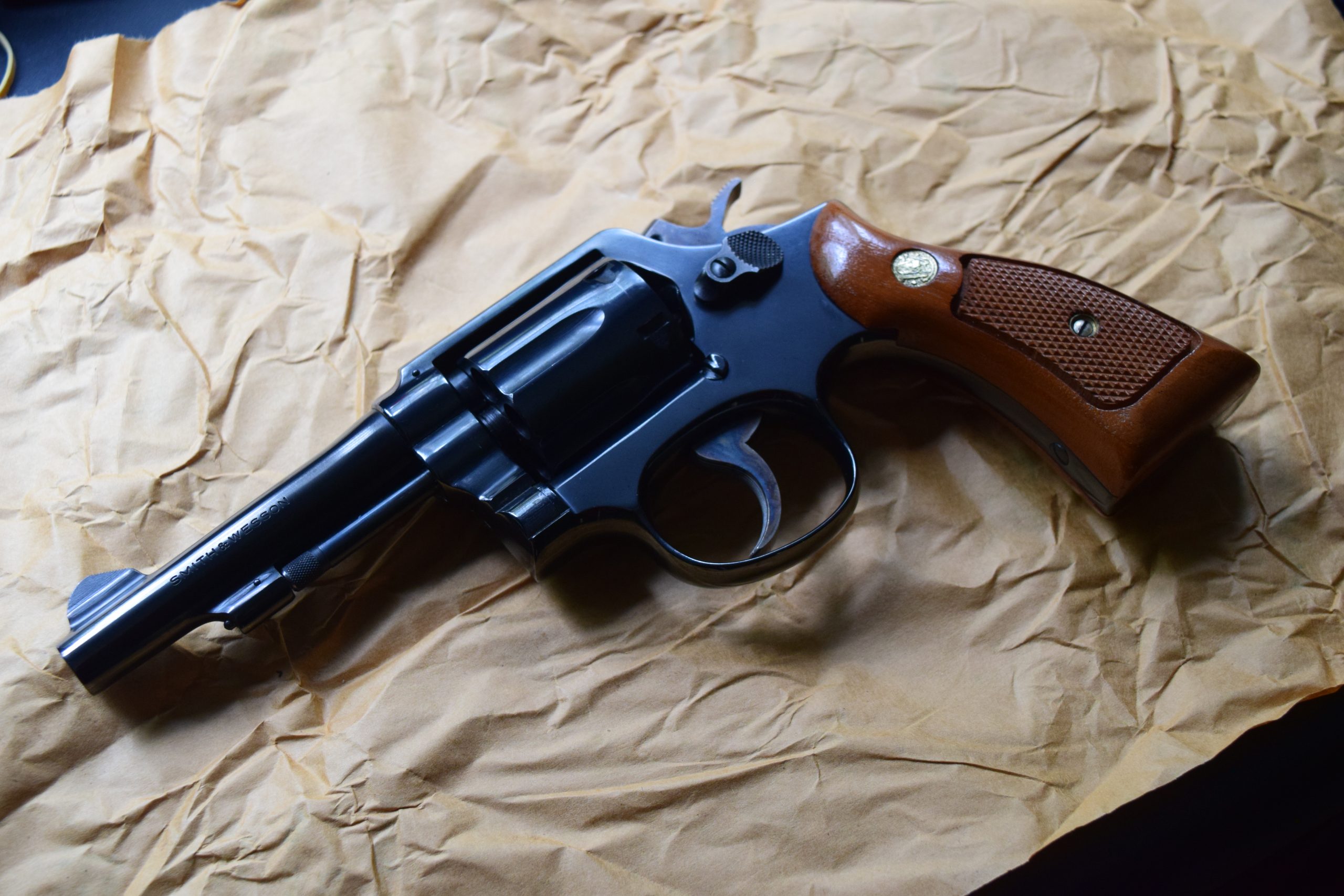
The Smith & Wesson Model 10, originally called the Hand Ejector, dates to 1899 and is the bestselling revolver in history, with over 6 million produced. Chambered in .38 Special, it fires a 158-grain bullet at around 770 fps with manageable recoil, making it approachable for a wide range of shooters. American police carried it as a standard sidearm from the early 20th century through the 1980s, when semi-automatic pistols began replacing revolvers. Despite that transition, the Model 10 never vanished. Brazilian police adopted it widely, and it saw significant military procurement globally. Its double-action/single-action trigger mechanism remains smooth and reliable, and its simplicity means fewer mechanical failures are possible compared to semi-autos with multiple small parts. Collectors, range shooters, and revolver purists continue buying them in steady numbers, and S&W’s production lines never fully stopped despite a century of supposed replacements.
8. Beretta 92FS
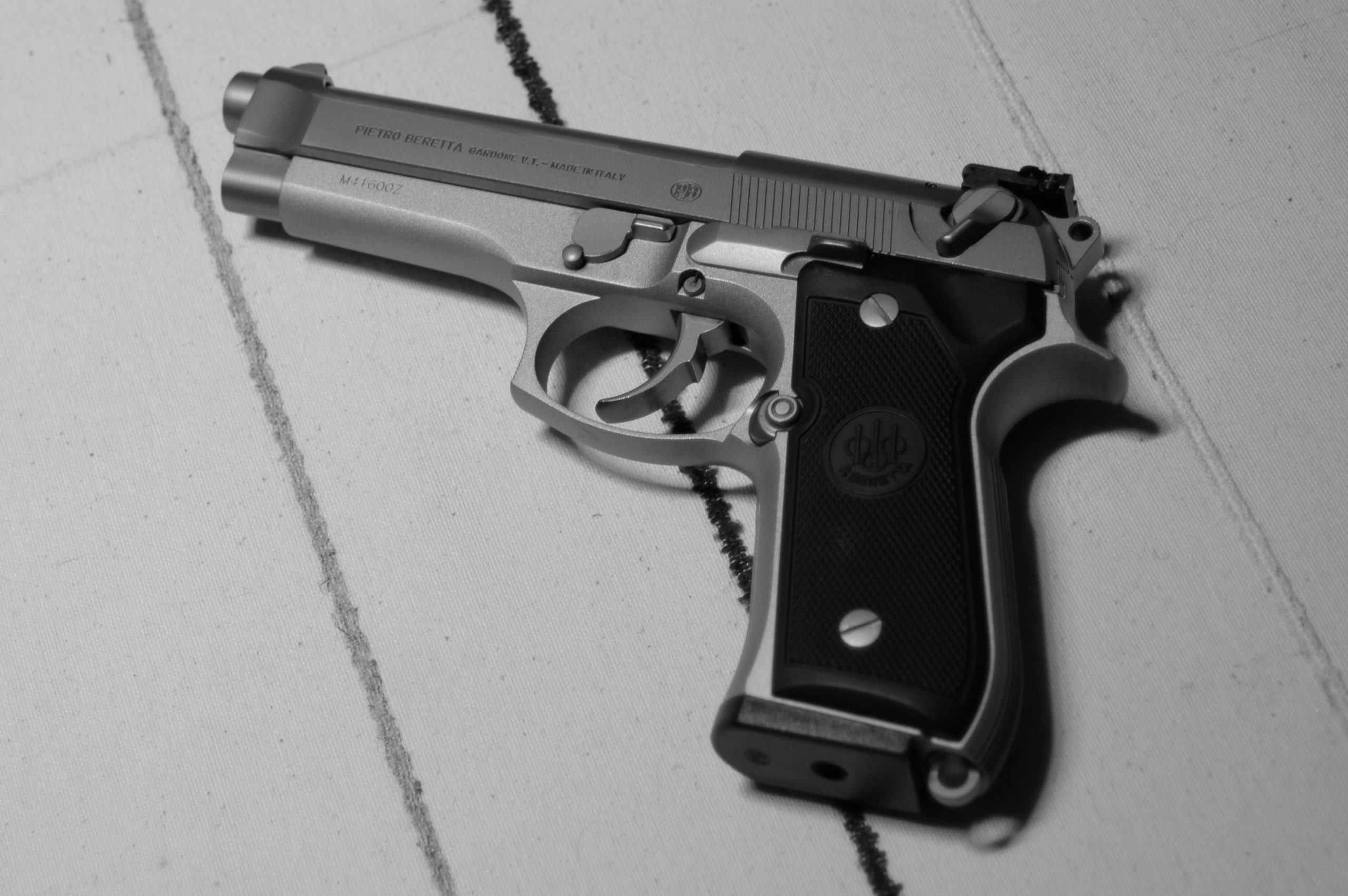
Adopted by the U.S. military as the M9 in 1985, the Beretta 92FS replaced the M1911 after extensive testing and has remained in widespread service ever since, even as the SIG Sauer P320 officially replaced it in 2017. The 92FS chambers 9mm chamber and holds 15+1 rounds in its double-stack magazine. Its open-slide design aids reliability by reducing the chance of stovepipe jams, and its chrome-lined barrel extends service life well beyond 30,000 rounds with regular maintenance. Several U.S. Army and Marine units lobbied to retain it, and many still use it even after the official transition. Italy’s military and police continue to procure it. The 92FS also became a cultural icon through film and television, driving persistent civilian demand. Beretta has released updated variants like the 92X and A1, but the original 92FS remains on store shelves and continues moving in large numbers decades after its introduction.
9. Mossberg 500
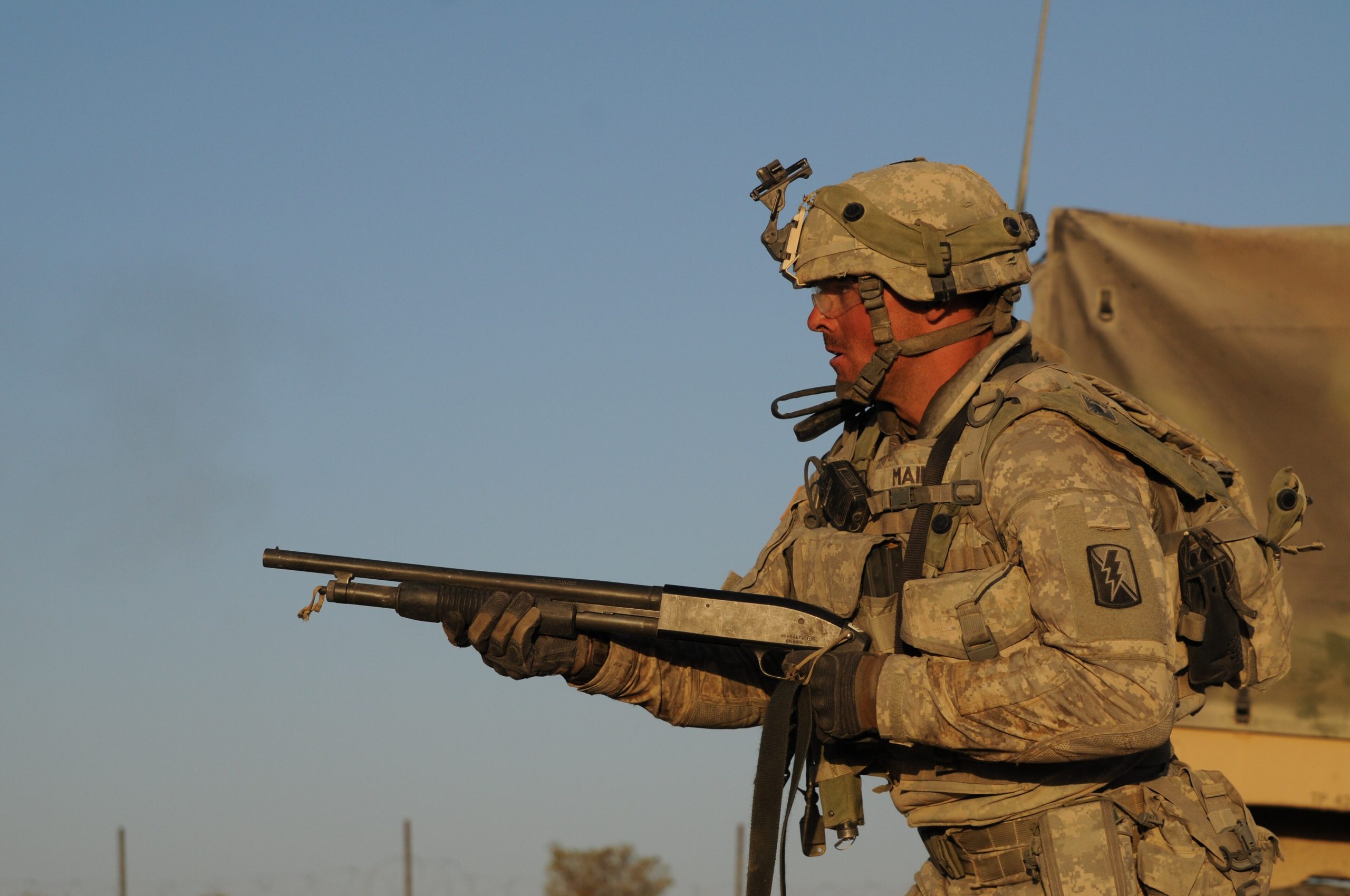
Released in 1961, the Mossberg 500 is the only pump-action shotgun to fully pass U.S. military specifications MIL-SPEC 3443E, making it standard issue in various branches. Over 10 million units have been manufactured. Its ambidextrous tang safety, dual extractors, and anti-jam elevator give it a functional edge in high-stress situations. Available in 12, 20 gauge, and .410 bore, with barrel lengths from 18.5 to 28 inches, it covers home defence, hunting, and tactical applications with equal ease. Unlike many competitors, the Mossberg 500 uses an aluminium receiver rather than steel, reducing weight to around 6.5 lbs without sacrificing durability. Its direct competition with the Remington 870 has been ongoing for over 60 years, yet both continue thriving simultaneously. Budget-friendly pricing often under $400 new makes it a top entry point for first-time shotgun buyers, and its aftermarket rivals the 870’s in terms of available accessories and modifications.
10. SIG Sauer P226
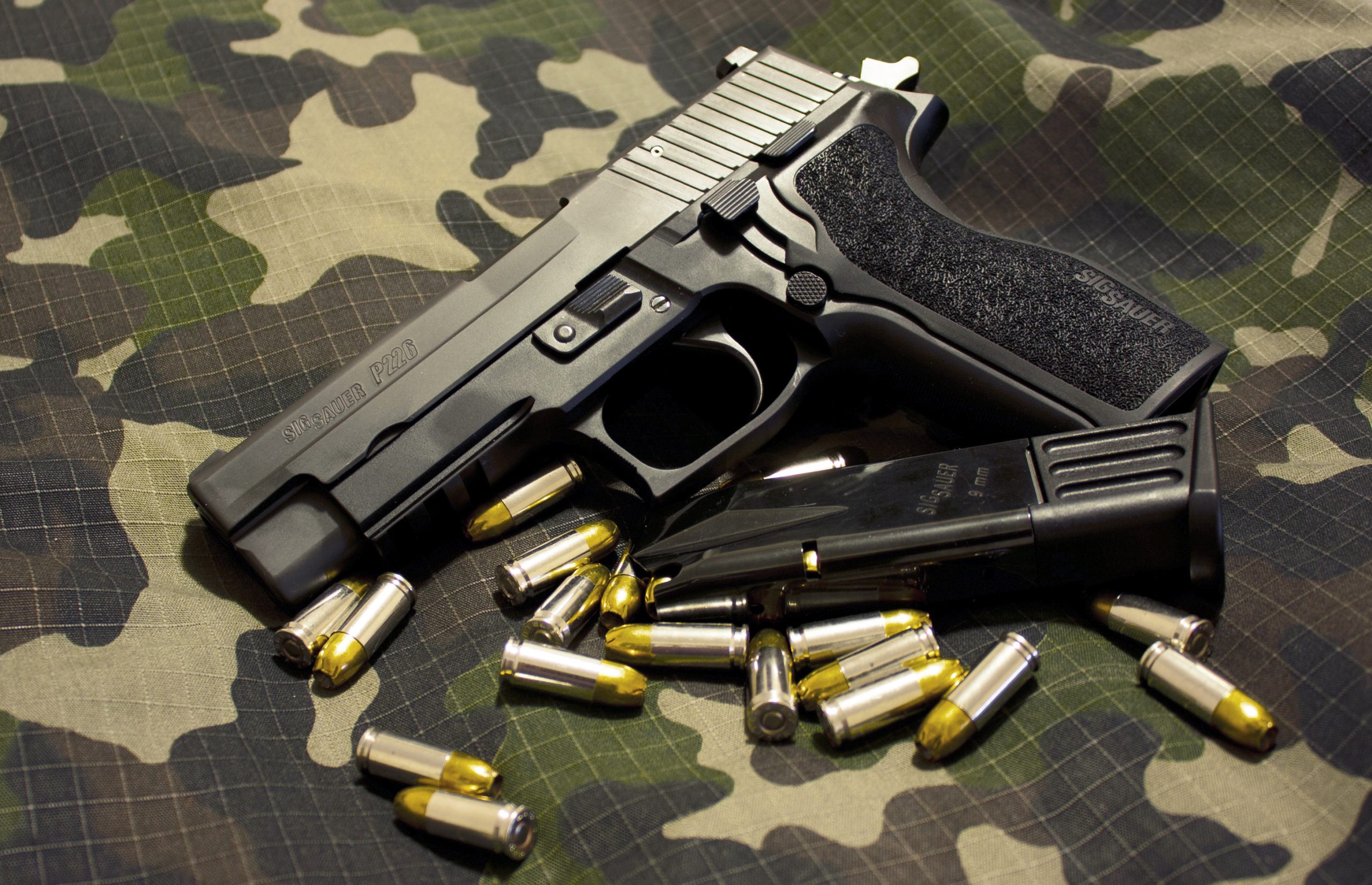
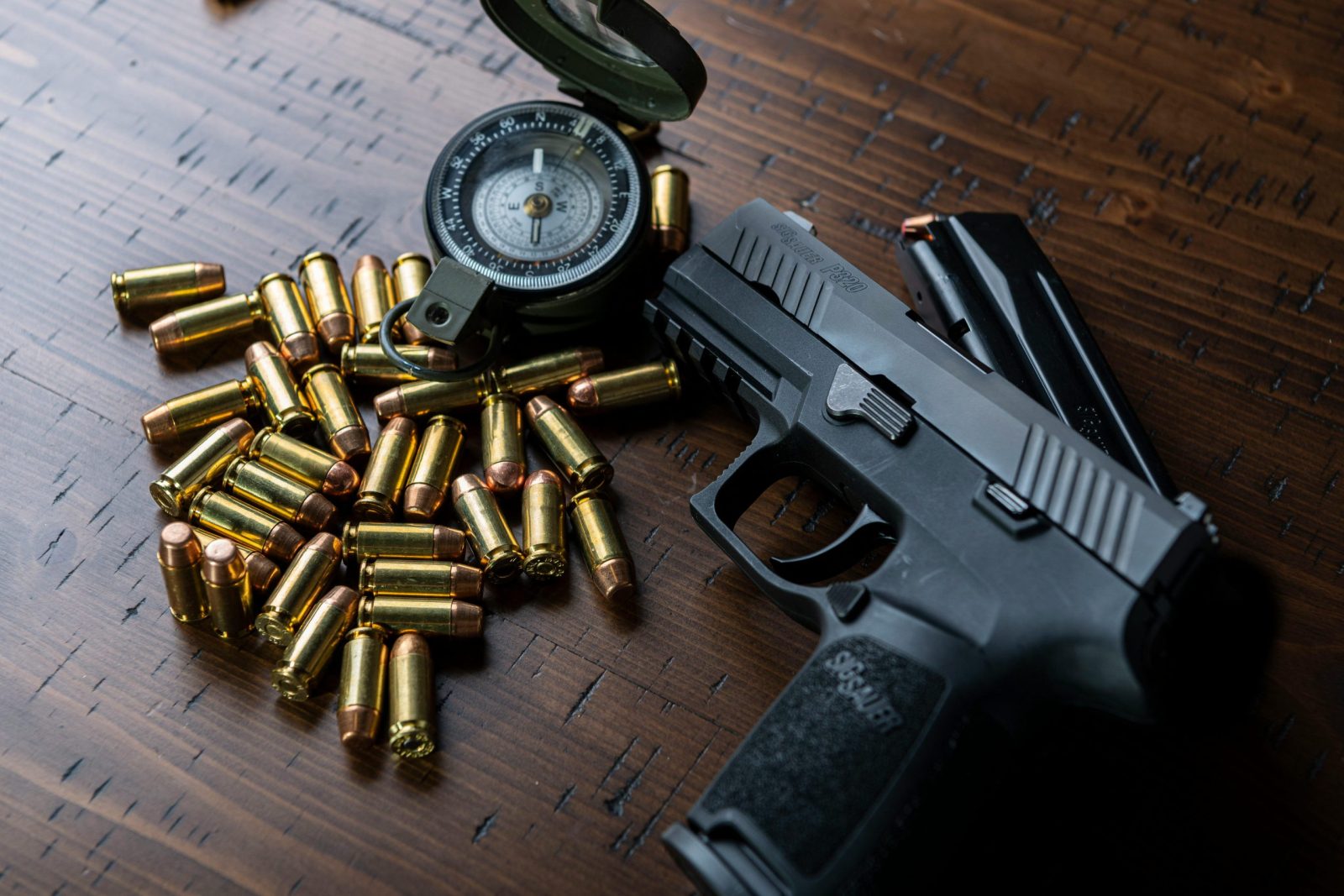
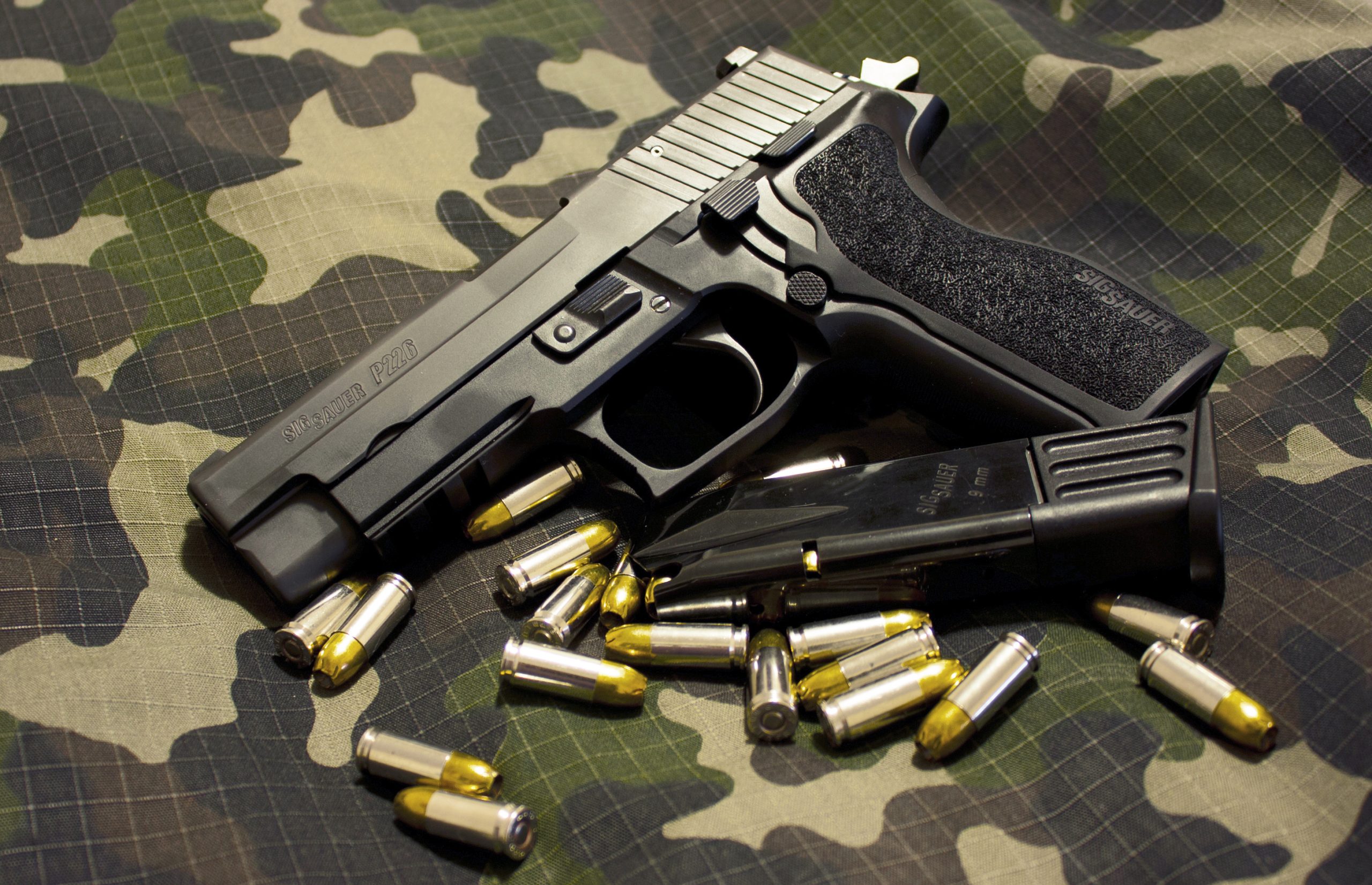
The P226 narrowly lost the U.S. military’s 1984 pistol trials to the Beretta 92FS on cost grounds, not on performance. The U.S. Navy SEALs promptly adopted it anyway, and it became their standard sidearm for decades. Chambered in 9mm, .40 S&W, and .357 SIG, the P226 holds up to 15 rounds in 9mm configuration and features a double-action/single-action trigger that gives shooters both safety and speed. Its all-metal frame, typically aluminium alloy for the receiver, stainless for the slide, provides a substantially different feel from polymer-framed pistols, which many professional shooters prefer. Over 500,000 units have been produced. Despite SIG releasing the P320 and P365, which are newer and modular, law enforcement agencies around the world continue selecting the P226. German and British police units, French GIGN operators, and numerous NATO-affiliated forces carry it actively. It simply performs at a level that makes replacement feel unnecessary.
11. Mauser Model 98
No bolt-action design has been more influential or more copied than the Mauser Model 98, introduced in 1898. Its controlled-round-feed system, dual locking lugs, and claw extractor set the standard that virtually every modern bolt-action, including the Winchester Model 70 and the Remington 700, borrowed directly from. The German military used it through both World Wars, chambered primarily in 7.92×57mm Mauser. Over 14 million were produced for German military use alone. Sporterized versions of civilian hunting conversions of military surplus rifles flooded American and European markets through the mid-20th century and remain prized by hunters today for their ruggedness. Original military examples still function without failure, demonstrating a mechanical longevity that few designs match. Custom gunsmiths continue building high-end hunting rifles on Mauser 98 actions, charging $3,000 or more for finished products. Its relevance in 2025 is not theoretical; it is documented in active sales and professional admiration.
12. Browning Hi-Power
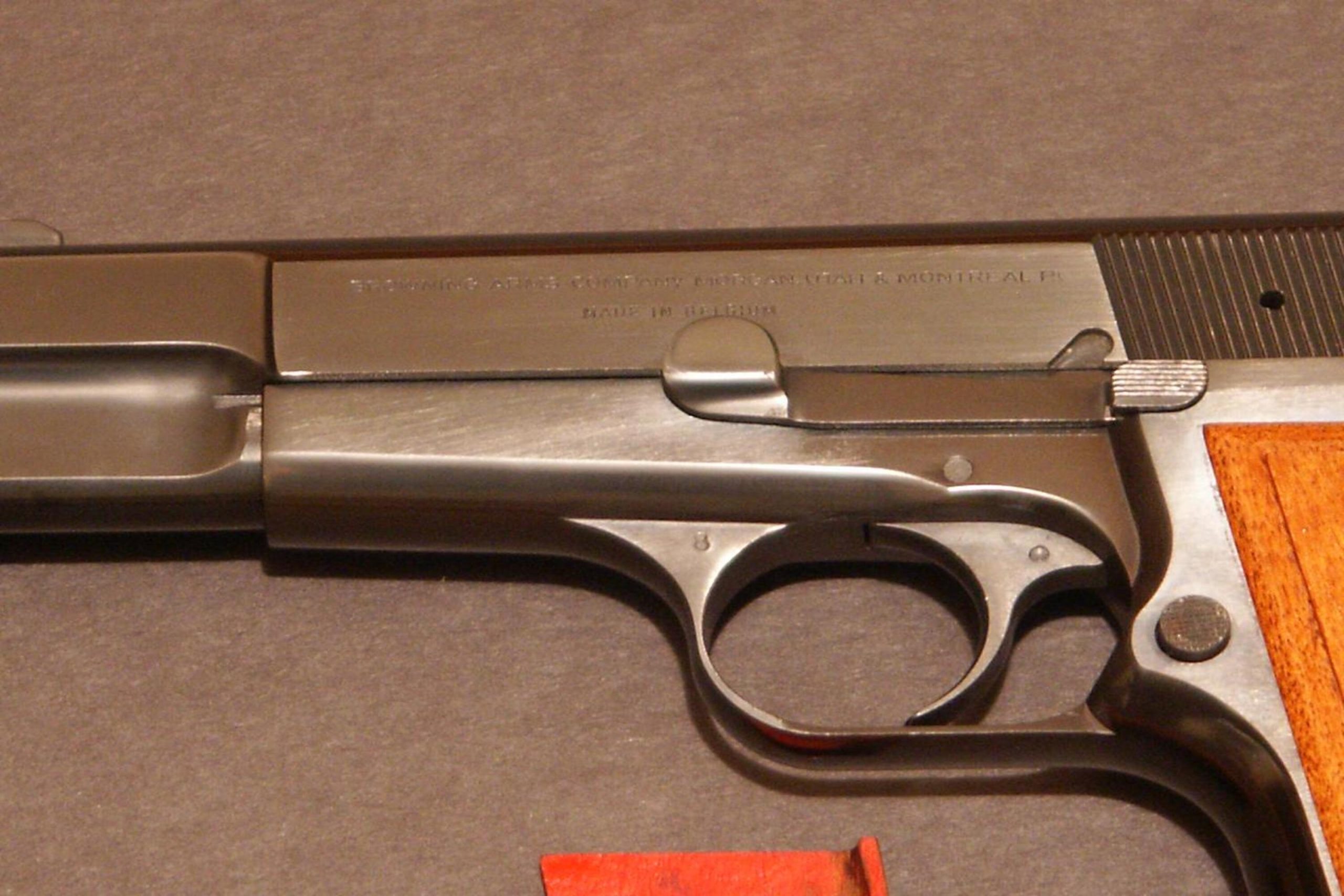
John Browning began designing the Hi-Power in the late 1920s; it was completed by Dieudonné Saive and introduced in 1935. It became one of the most widely adopted military pistols in history, serving over 50 national armed forces during its production run. Chambered in 9mm Parabellum with a 13-round single-stack magazine, it was among the first high-capacity 9mm pistols ever made. Its single-action trigger and slim profile gave it an ergonomic edge that still draws praise today. Belgium’s FN Fabrique Nationale manufactured it until 2018, when production officially ended, and demand pushed Springfield Armoury and other companies to release modern reinterpretations in 2022 and 2023. The fact that the market demanded Hi-Power reproductions within years of FN ceasing production says everything about its enduring appeal. Used examples remain highly sought across auction markets globally, and modern clone versions sell out quickly, proving this 90-year-old design has lost none of its magnetism.
13. Remington 700
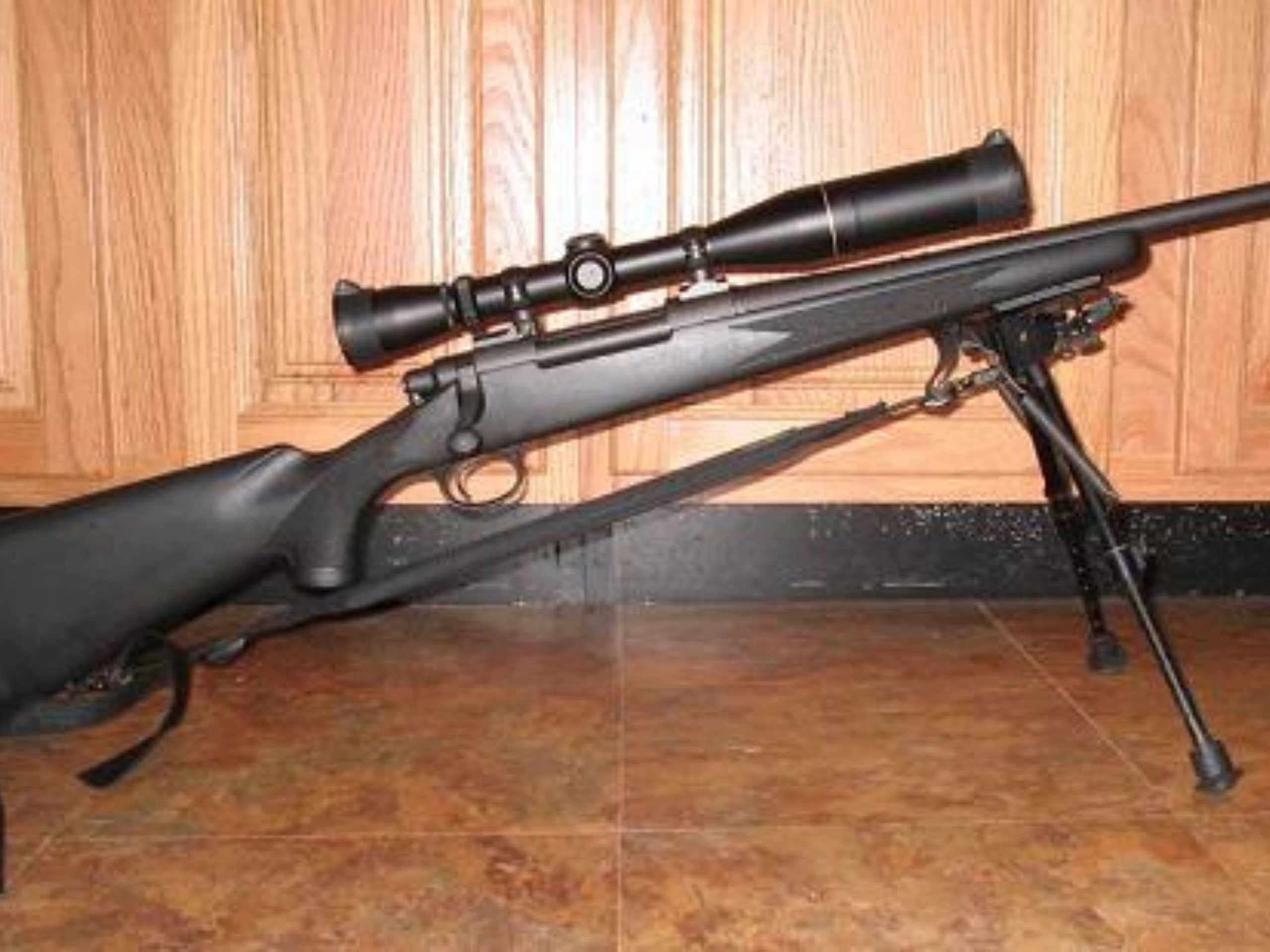
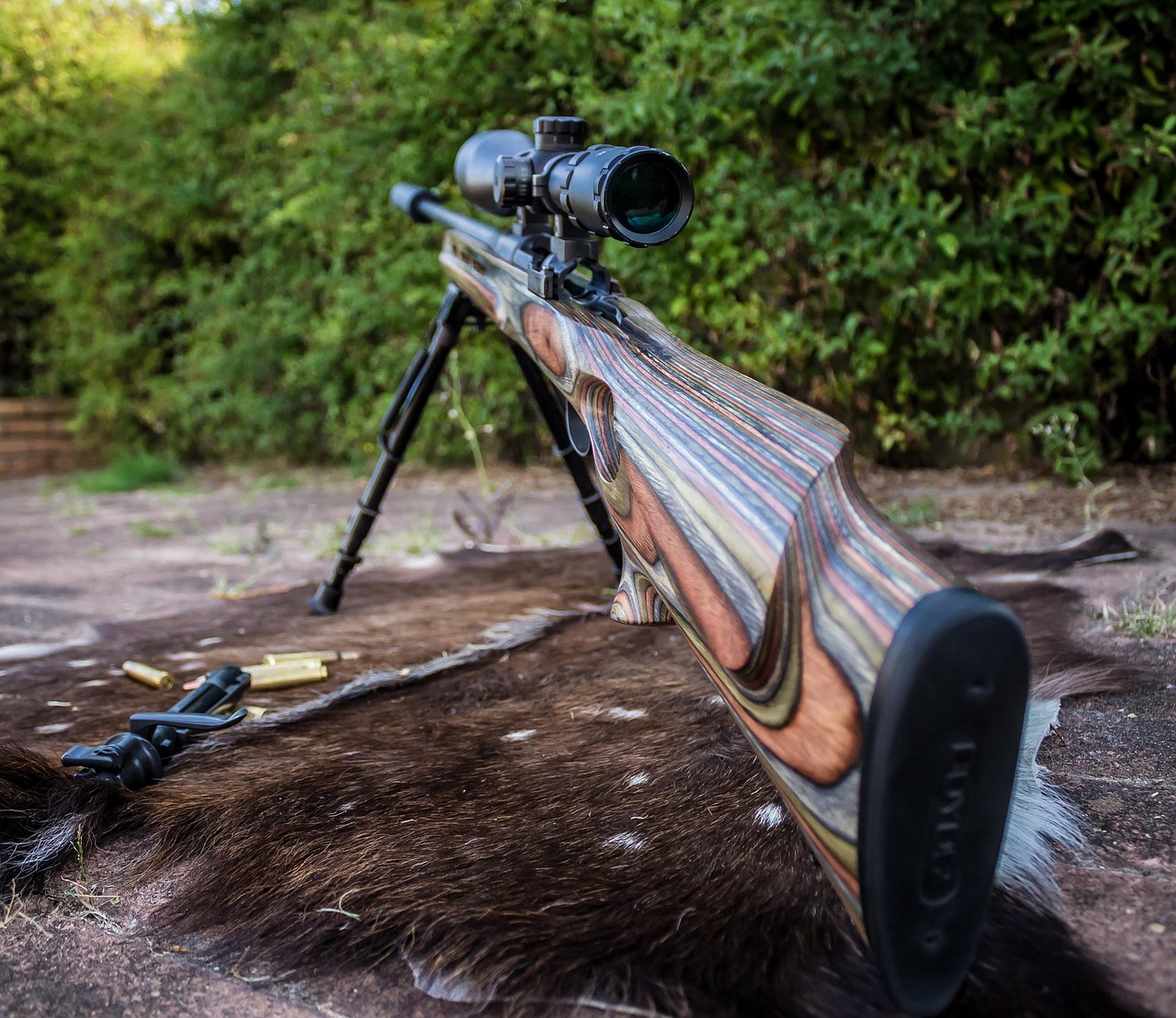
Introduced in 1962, the Remington 700 became America’s bestselling bolt-action rifle, with over 5 million produced. It is the foundation of the U.S. Army’s M24 and M40 sniper rifle systems, a distinction that cemented its reputation far beyond civilian hunting circles. Its push-feed action, three-ring receiver design, and extremely rigid barrel bedding made it a natural choice for precision work. Chambered in dozens of calibres from .223 Remington to .338 Lapua Magnum, it covers everything from varmint hunting to long-range competition shooting. The aftermarket for the Model 700 is one of the largest in firearms history, with stocks, triggers, barrels, and chassis available from hundreds of manufacturers. Despite Remington’s corporate bankruptcy in 2020, production was acquired by RemArms and continued. Competitors like the Tikka T3x and Savage 110 offer legitimate alternatives, but the 700’s action remains the preferred starting point for custom sniper rifle builds among military and competition shooters alike.
14. Colt Python
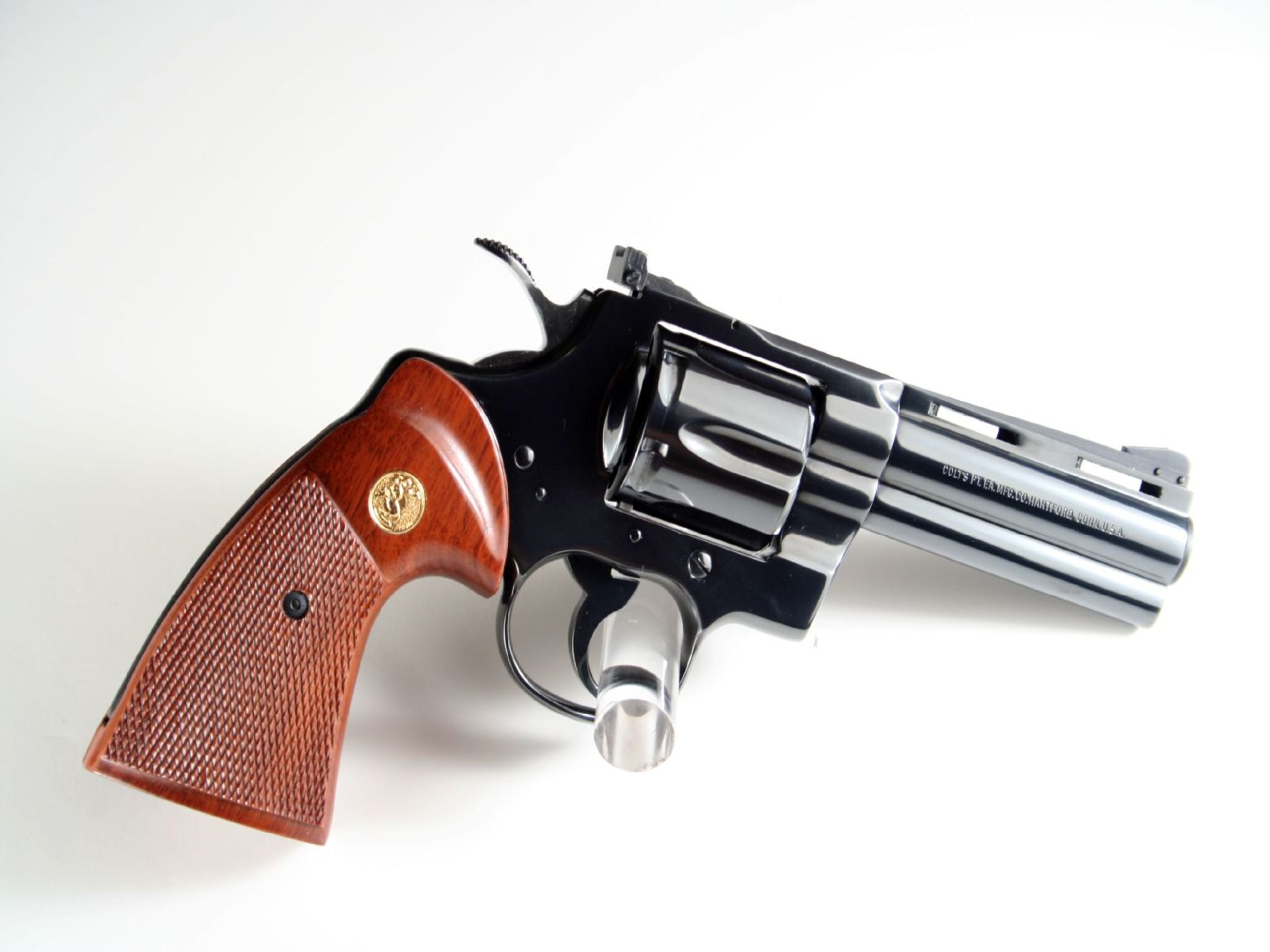
Originally produced from 1955 to 2005 with intermittent gaps, the Colt Python is widely regarded as the finest production revolver ever made. Chambered in .357 Magnum with a 6-round cylinder, it features a full underlug barrel, hand-fitted internals, and a trigger pull that gunsmiths still use as a benchmark. Colt discontinued it, citing manufacturing costs, but collector demand drove prices for used examples past $3,000 to $5,000 on the secondary market. That demand forced Colt to reintroduce it in 2020 with updated stainless construction, and reintroduction sales exceeded projections significantly. The Python’s double-action trigger is described universally as the smoothest available from any production revolver manufacturer, with pull weights averaging 9 to 10 lbs double-action and 3 lbs single-action. Accuracy at 25 yards from a supported position rivals many semi-automatic target pistols. Its return to production after a 15-year absence is perhaps the most dramatic proof on this list that certain guns simply cannot be left behind.
15. Desert Eagle
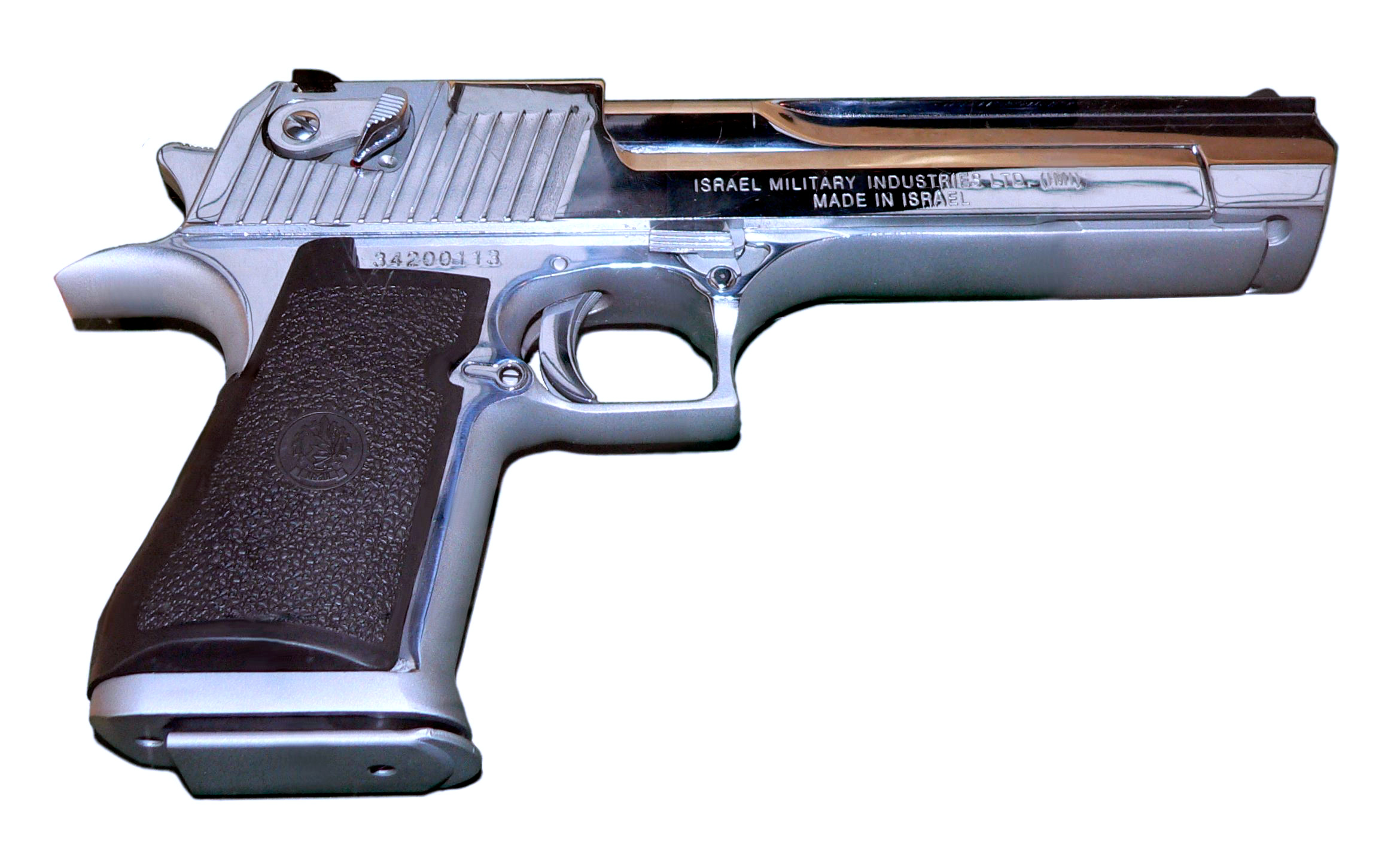
Israeli Military Industries introduced the Desert Eagle in 1983, and it has never stopped being both a conversation piece and a legitimate firearm. Chambered in .357 Magnum, .44 Magnum, and the massive .50 AE, which fires a 300-grain bullet at 1,475 fps, producing over 1,449 foot-pounds of muzzle energy, it is among the most powerful semi-automatic pistols ever produced commercially. Its gas-operated rotating bolt mechanism, borrowed from rifle design principles, is what makes it capable of handling such extreme pressures where standard short-recoil designs fail. Despite weighing 4.5 lbs unloaded in .50 AE configuration, it found niche utility among hunters pursuing large game at close range. It also became one of the most recognisable firearms in cinema history, appearing in over 500 films and video games, sustaining global demand for decades. Magnum Research continues producing it, and new finishes, such as titanium gold, polished chrome, and case-hardened, keep attracting collectors willing to pay $1,800 or more per unit.