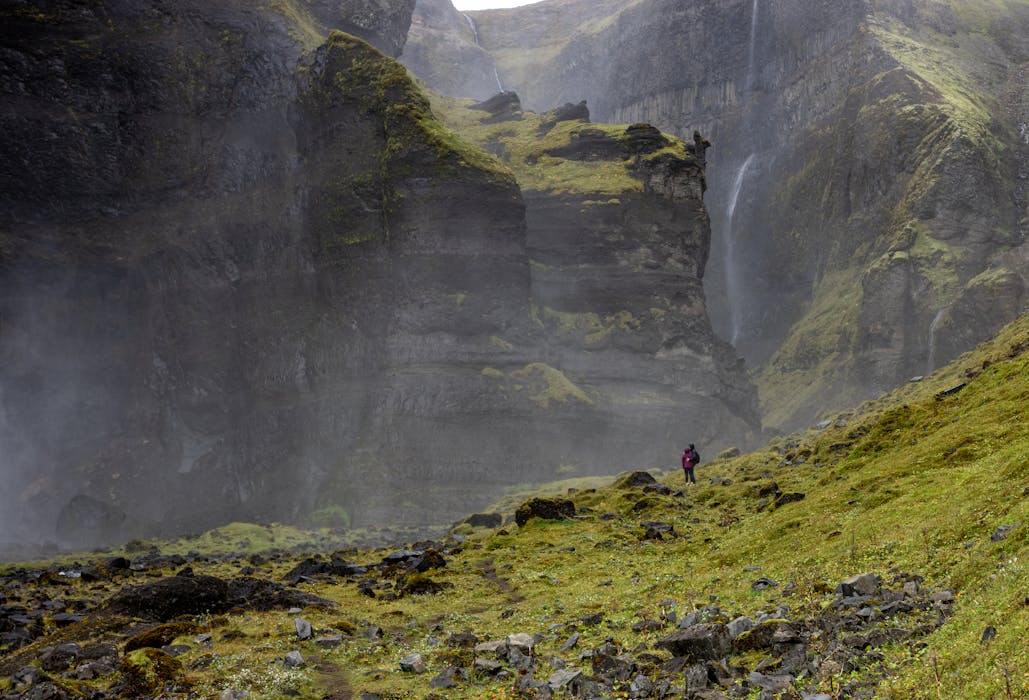
Wet terrain challenges balance, traction, and confidence for hikers, workers, and outdoor travelers. Rain, mud, moss, and slick rock surfaces reduce friction and increase fall risk. Foot placement and movement matter as much as footwear when conditions deteriorate. Simple adjustments in how steps land, roll, and release can significantly improve grip. Learning these techniques encourages safer movement without specialized gear. Each method focuses on body awareness, pressure control, and deliberate motion, offering realistic ways to move more securely across slippery trails, pavement, and natural surfaces during damp or rainy conditions.
Flat Foot Placement
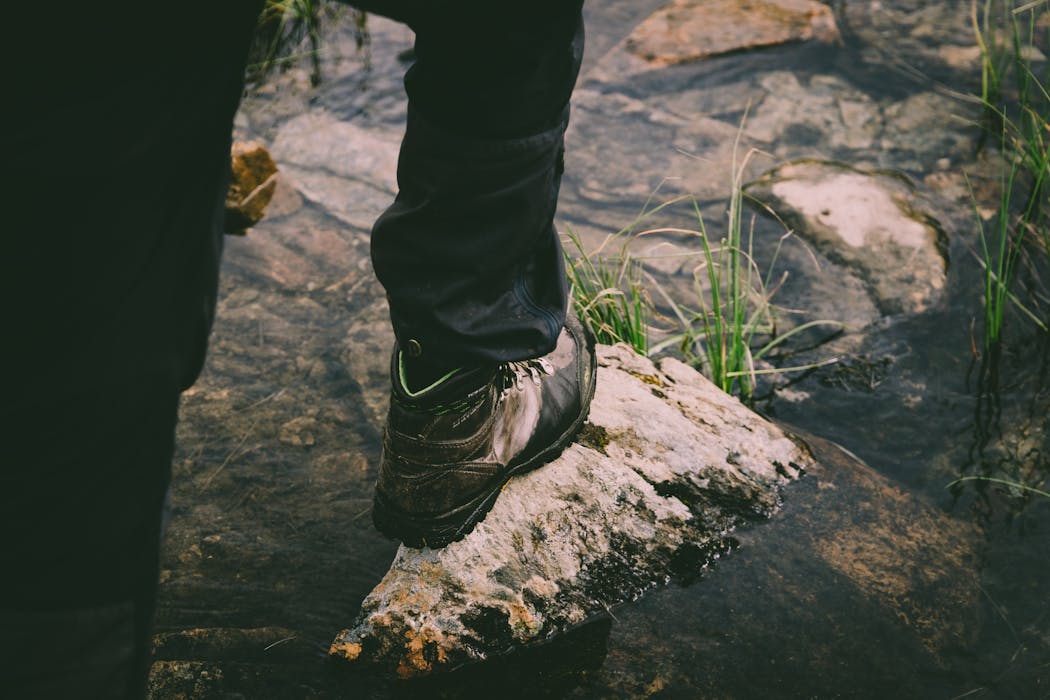
Flat foot placement improves traction by maximizing surface contact. Instead of striking with the heel or toe, the entire sole meets the ground evenly. This distributes weight across a larger area, increasing friction on wet surfaces. Flat placement reduces sudden slips caused by concentrated pressure points. It also improves balance on slick rock and mud. This technique works especially well on gradual slopes and uneven ground. Moving slowly supports accuracy. Flat foot placement encourages deliberate steps and better feedback from the ground, helping the body adjust instantly to changes in texture, slope, and moisture while reducing overcommitment to unstable surfaces.
Shortened Stride
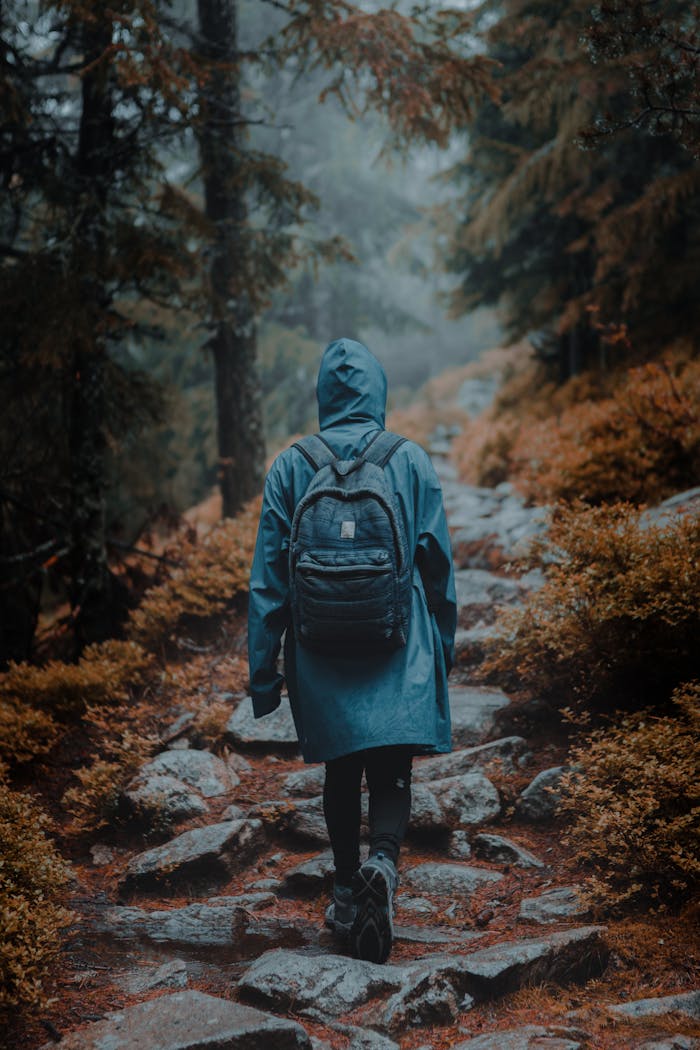
Shortened stride length increases control on wet terrain. Smaller steps reduce momentum, making slips easier to correct. Long strides exaggerate balance shifts and increase braking force on contact. Short steps keep the center of gravity aligned over the feet. This technique proves useful on muddy trails and slick pavement. It also allows quicker adjustments when footing changes suddenly. Shortened strides encourage patience and rhythm. Combined with slower pace, this approach minimizes overextension and helps maintain traction. Maintaining compact movement supports stability, especially when navigating slopes, roots, or polished stone surfaces made slippery by moisture or rain.
Toe First Testing
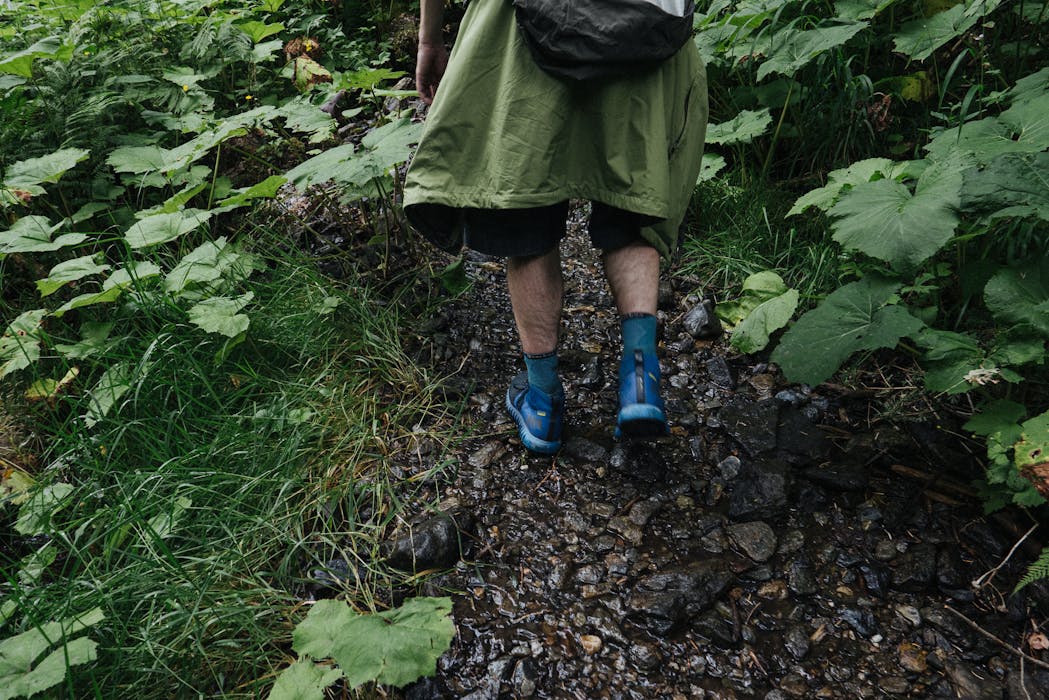
Toe first testing helps evaluate traction before committing weight. Lightly touching the ground with the toe checks slipperiness and stability. This technique allows quick withdrawal if the surface shifts. Toe testing proves valuable on rocks, logs, and puddled ground. It reduces surprises by gathering feedback early. This habit encourages cautious movement and awareness. Toe testing pairs well with slow pace and visual scanning. It prevents sudden full weight slips. Practicing this technique builds confidence when moving across unknown wet surfaces, allowing informed decisions before stepping fully onto areas that may conceal mud, algae, or unstable soil.
Heel Locking On Descents

Heel locking improves grip during downhill movement. Pressing the heel firmly into the ground increases braking friction. This technique reduces forward sliding on wet slopes. Keeping weight slightly back supports control. Heel locking works best with flat or treaded soles. Descents demand extra attention because gravity amplifies slips. Slow, deliberate steps matter. This method also reduces strain on toes and calves. Using heels as anchors provides stability when descending muddy trails, wet grass, or rain soaked soil, helping maintain balance and preventing uncontrolled slides that lead to falls or sudden loss of footing.
Sideways Traversing
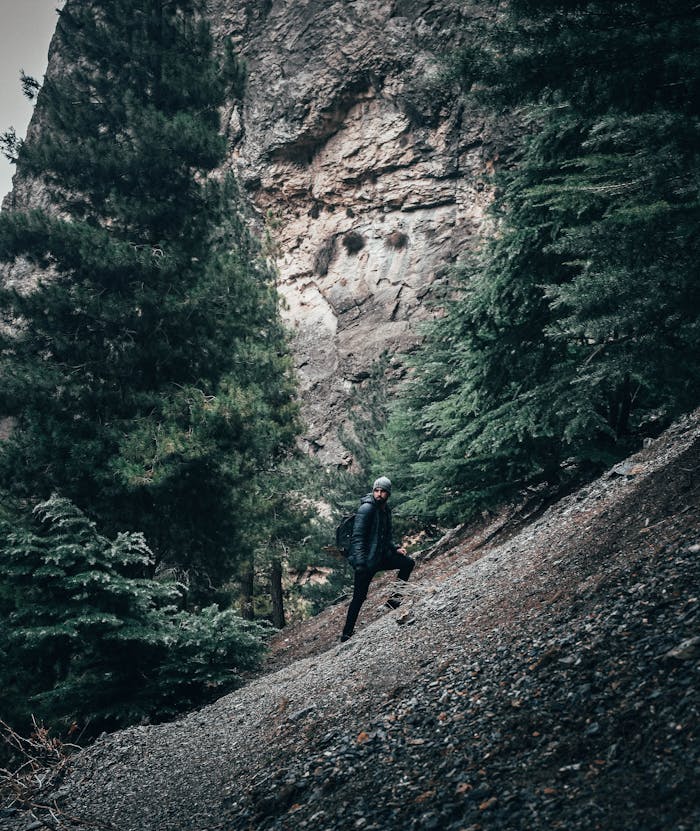
Sideways traversing reduces slip risk on steep, wet slopes. Turning the body sideways lowers the effective slope angle. This position allows feet to bite into the ground more securely. Sideways steps distribute weight evenly and reduce downhill pull. This technique improves control on muddy hillsides and slick grass. It also allows easier retreat if footing fails. Using sideways movement requires slower pace and deliberate placement. Poles or hands can assist. Sideways traversing helps maintain balance by aligning body mechanics with gravity, reducing forward momentum and improving traction where direct ascent or descent feels unsafe.
Edge Stepping
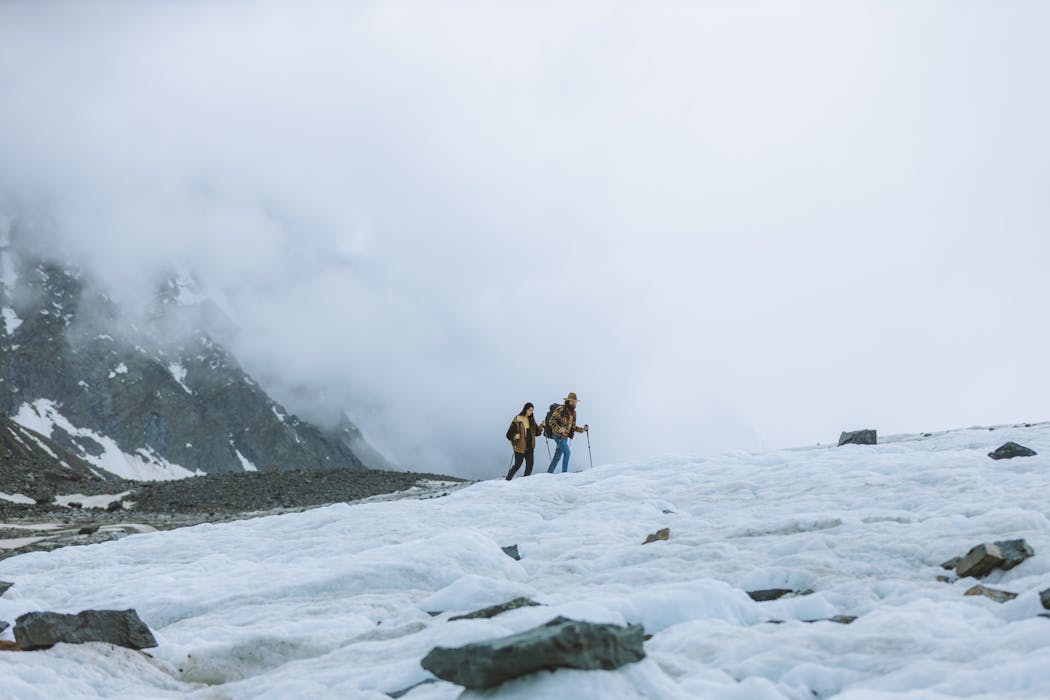
Edge stepping uses the outer edge of footwear to gain traction. Pressing the shoe edge into the ground creates a small ledge. This technique works well on muddy slopes and soft soil. Edge stepping increases resistance against sliding. It requires careful foot angling and controlled pressure. This approach also helps when traversing across slopes. Maintaining balance remains essential. Edge stepping mimics natural mountain movement patterns. Practicing this method builds confidence on unstable surfaces. It allows better grip where flat placement fails, especially on narrow trails, wet clay, or saturated ground where standard steps slide easily.
Weight Shifting Gradually
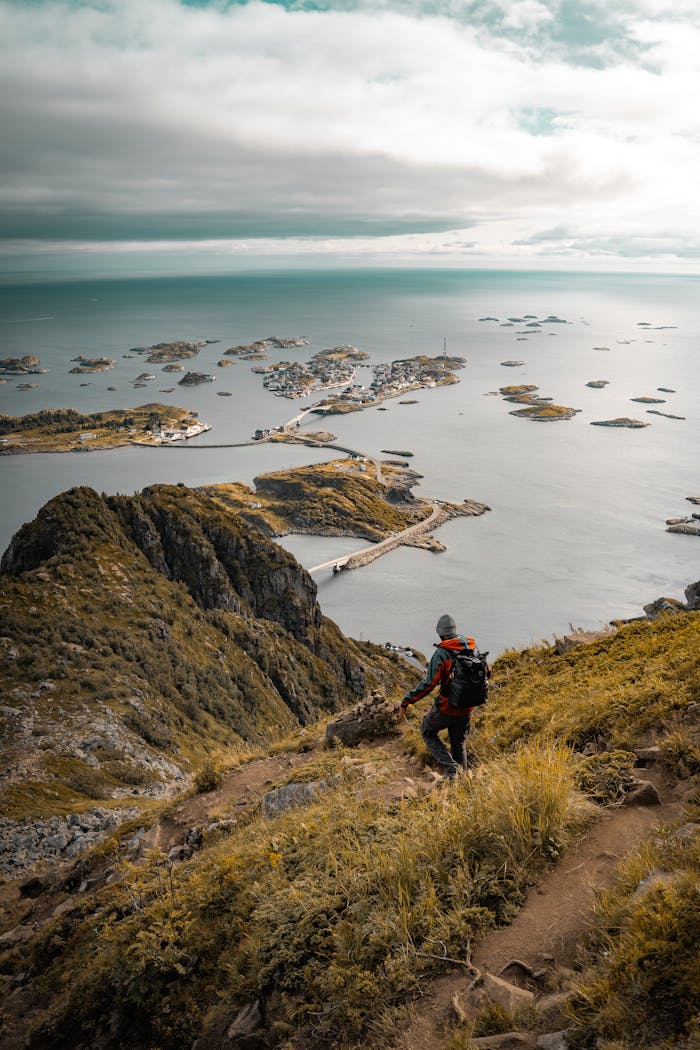
Gradual weight shifting prevents sudden traction loss. Transferring weight slowly allows the foot to settle and grip. Abrupt shifts overwhelm friction, causing slips. This technique emphasizes patience and awareness. It works well on rocks, mud, and wet leaves. Gradual loading gives time to sense movement or instability. If slipping begins, weight can be redistributed quickly. This habit reduces falls caused by rushing. Practicing controlled weight transfer improves coordination. It also conserves energy. Gradual shifting supports safer movement across mixed terrain where surface conditions vary step to step due to moisture and irregular textures.
Keeping Knees Soft
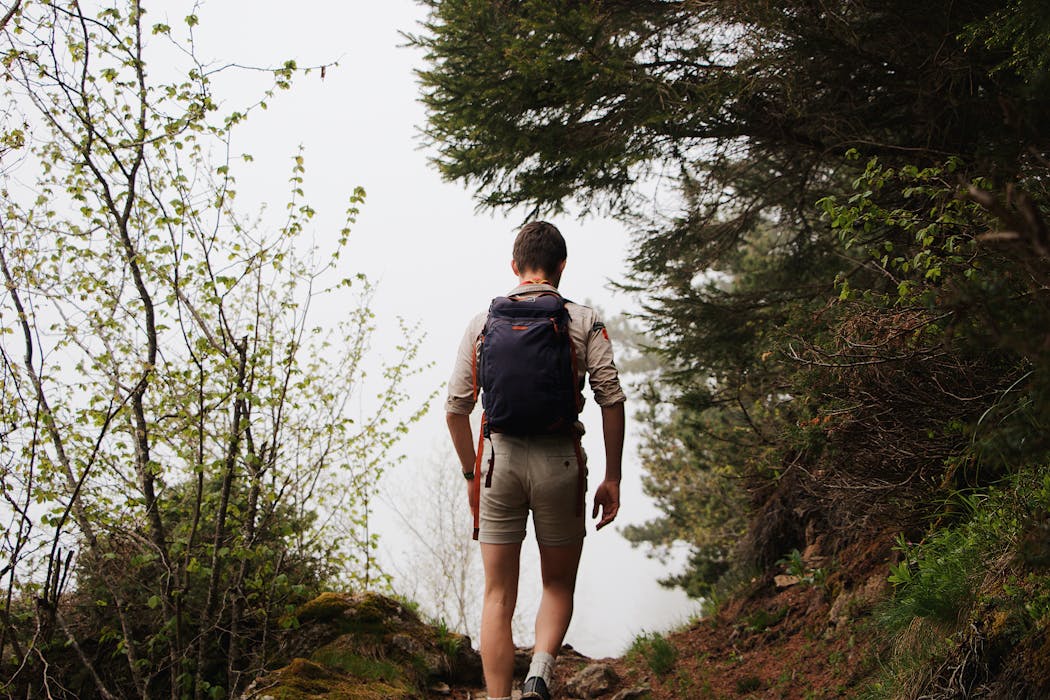
Keeping knees soft improves balance on wet ground. Slight knee flexion absorbs movement and shock. Locked knees transfer instability upward, increasing fall risk. Soft knees allow quick adjustments when footing shifts. This technique lowers the center of gravity, improving control. It also reduces strain on joints during slips. Soft knees support smoother motion and adaptability. Practicing this posture improves reaction time. Combined with slower pace, it enhances grip by maintaining constant contact pressure. Soft knees help stabilize the body across uneven, slick terrain, allowing natural correction when encountering mud, puddles, or slick roots.
Avoiding Polished Surfaces

Avoiding polished surfaces reduces slip risk. Smooth rocks, wet wood, and worn pavement offer little traction. Seeking rougher textures improves grip. This technique relies on visual scanning and route choice. Stepping on gravel, dirt, or textured stone increases friction. Awareness matters in urban and natural settings alike. Polished surfaces often hide moisture. Avoidance requires patience and flexibility. Choosing slightly longer routes may improve safety. Practicing surface selection builds habit. Avoiding polished areas helps maintain stability across wet terrain by prioritizing materials that naturally resist slipping when damp.
Controlled Pivoting
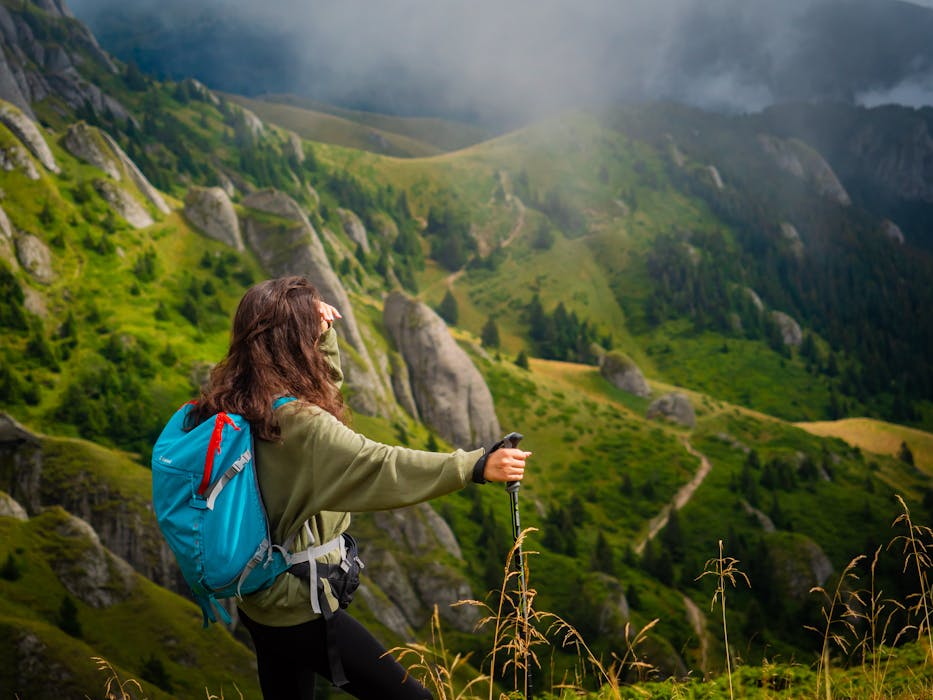
Controlled pivoting minimizes twisting slips. Rotating feet slowly prevents sudden loss of traction. Wet surfaces amplify rotational forces. Pivoting carefully keeps the sole engaged with the ground. This technique helps when changing direction on slick trails. It reduces strain on knees and ankles. Small pivots allow correction mid turn. Practicing controlled turns improves confidence. Avoiding sharp twists protects balance. This approach pairs well with shortened strides. Controlled pivoting supports stability during navigation around obstacles, switchbacks, or narrow paths where sudden turns increase fall risk due to reduced friction.
Planting Before Stepping
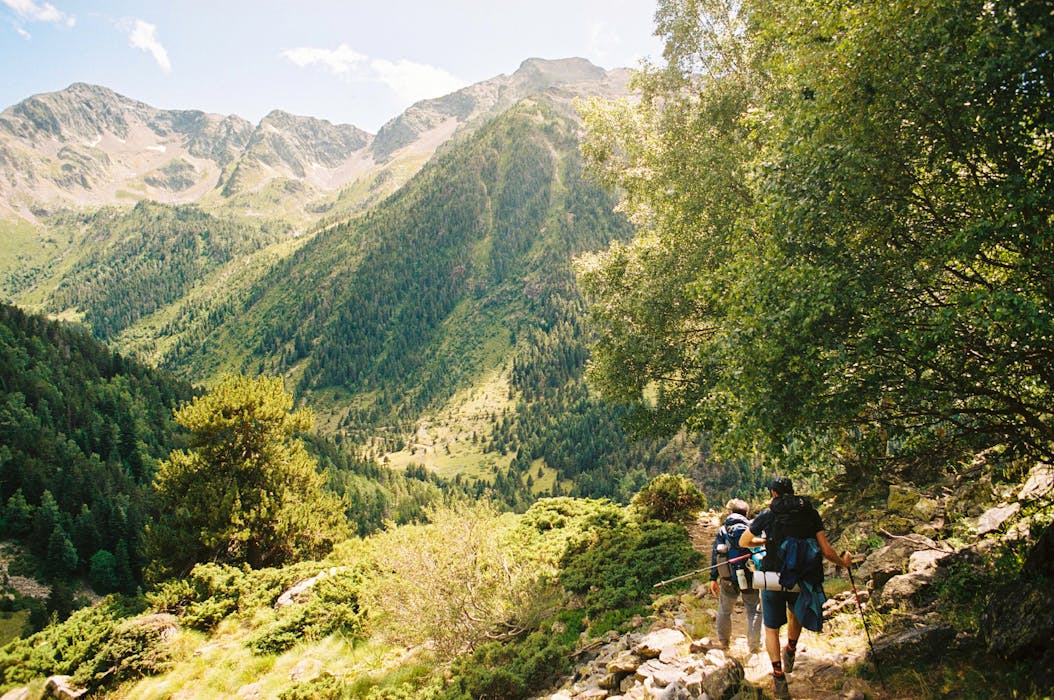
Planting before stepping ensures stable transitions. Pausing briefly allows assessment before committing. This technique encourages deliberate movement. Planting stabilizes balance and prevents rushed steps. It proves effective on uncertain footing. This habit slows pace slightly but increases safety. Visual confirmation supports confidence. Planting allows adjustment of stance and posture. Practicing this method reduces impulsive movement. It works well in rain and mud. Planting before stepping builds rhythm and awareness, helping maintain grip by confirming stability at each point before transferring weight forward across wet terrain.
Using Micro Pauses
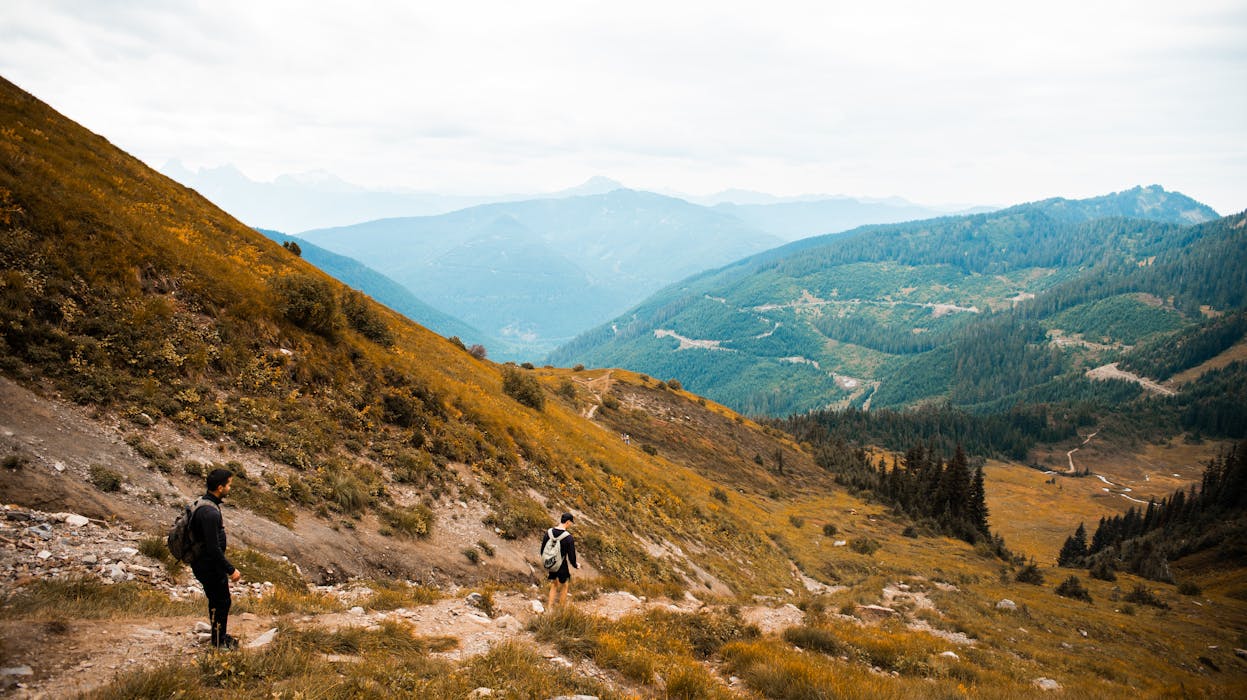
Micro pauses improve grip by resetting balance. Brief stops between steps allow assessment and recovery. This technique prevents fatigue driven mistakes. Micro pauses enhance awareness of footing. They allow breathing and posture adjustment. Pauses reduce momentum that causes slips. This approach works on steep or slippery ground. Practicing micro pauses encourages patience. They blend naturally into cautious movement. Using micro pauses supports stability during prolonged exposure to wet conditions, helping maintain consistent grip by breaking motion into manageable segments and preventing compounding errors from continuous movement.
Scuffing Lightly
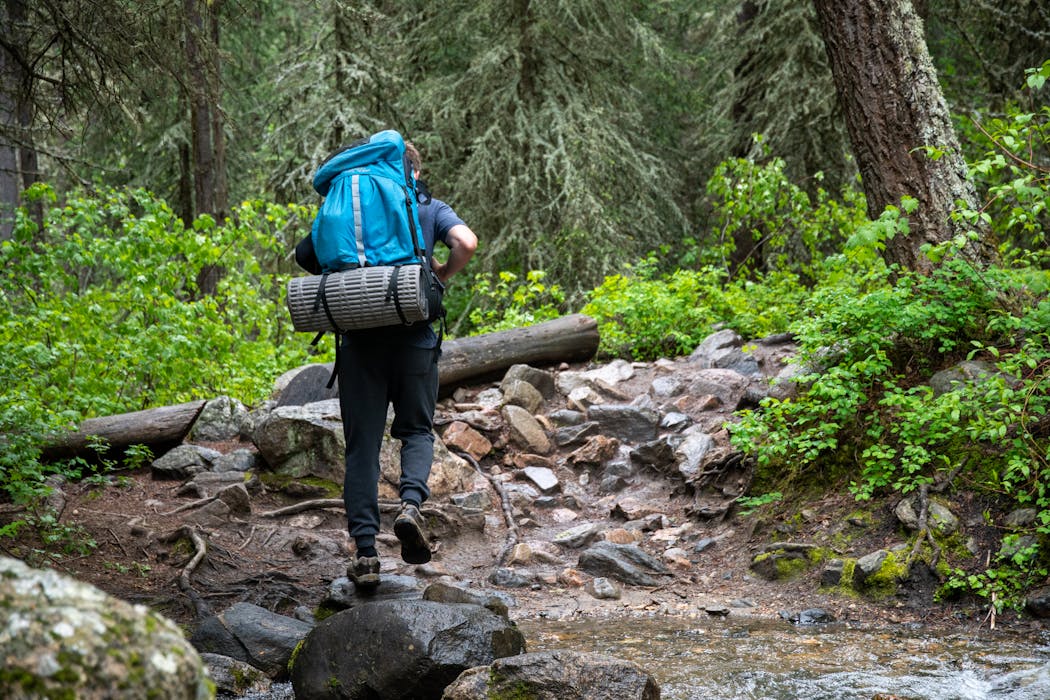
Light scuffing increases friction on slick surfaces. Gently dragging the sole clears water or mud. This technique roughens contact temporarily. Scuffing works well on wet pavement or smooth rock. It must remain light to avoid slipping. Controlled scuffing tests traction. This method pairs with toe testing. Practicing scuffing improves feedback. Avoid aggressive dragging. Light scuffing supports grip by enhancing contact texture momentarily, allowing safer steps across surfaces where water creates a thin, slippery layer that otherwise reduces friction between footwear and ground. This approach benefits hikers workers runners pedestrians outdoors daily everywhere.
Uphill Zigzagging
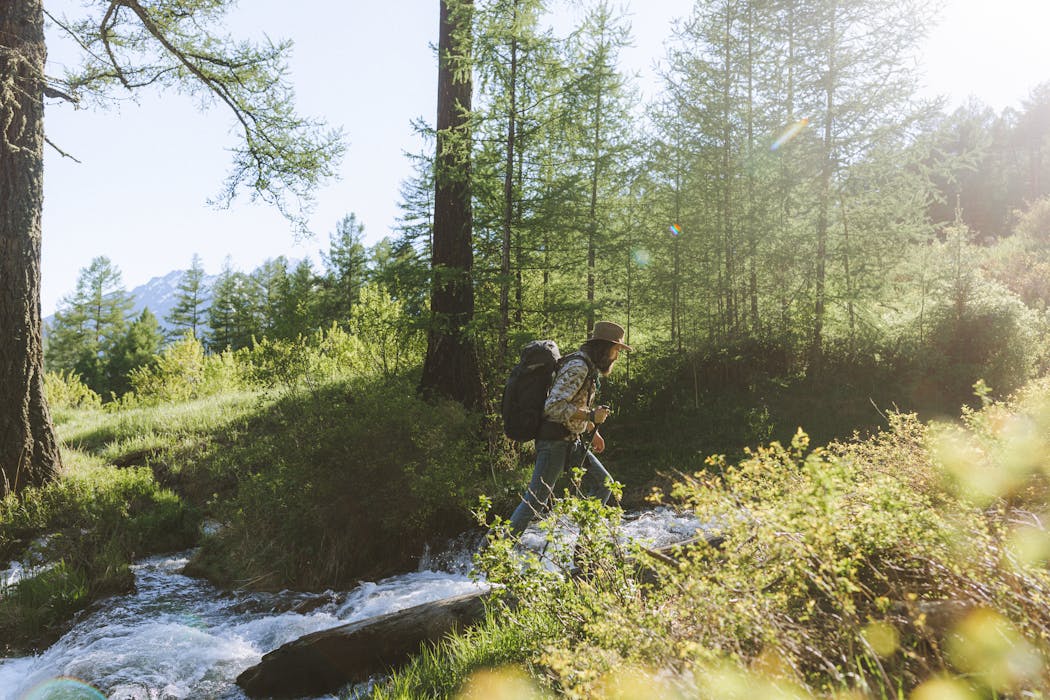
Uphill zigzagging reduces slope steepness. Angled movement decreases direct resistance. This technique improves traction by distributing effort. It reduces backward slipping on wet climbs. Zigzagging also conserves energy. Steps remain shorter and more controlled. Practicing this method improves balance. It works well on muddy hills and slick trails. Zigzagging allows foot placement on more secure patches. This approach mirrors mountaineering practices. Uphill zigzagging helps maintain grip and momentum by aligning movement with terrain conditions rather than fighting gravity directly on wet surfaces.
Relaxed Upper Body
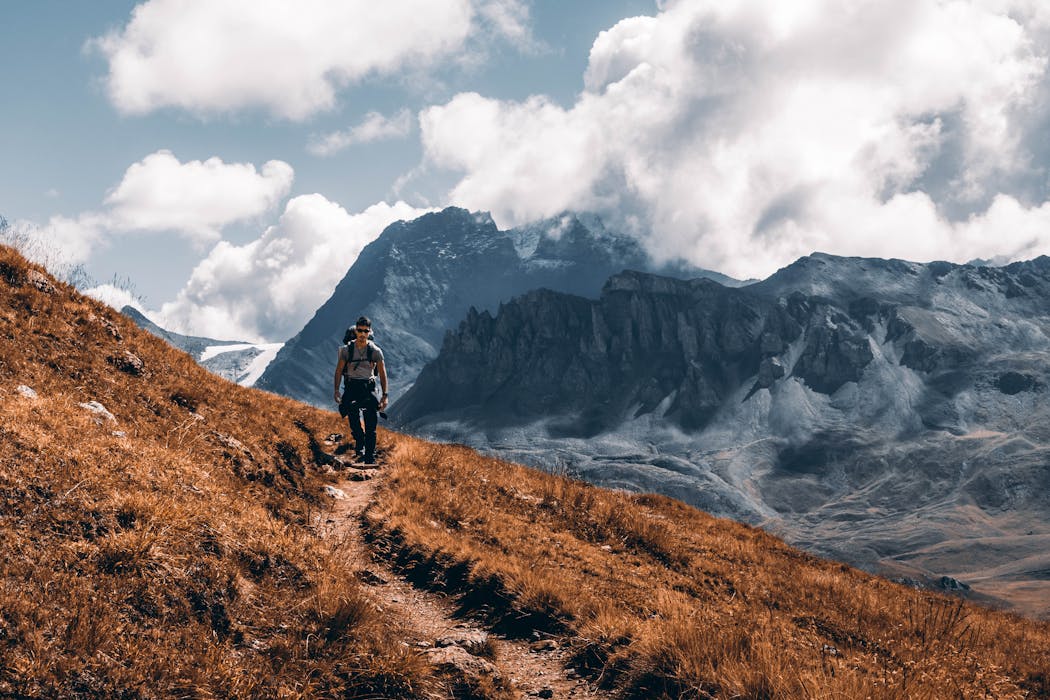
A relaxed upper body improves lower body grip. Tension disrupts balance and coordination. Relaxed arms support natural counterbalance. This technique reduces overcorrection during slips. Keeping shoulders loose improves reaction time. Upper body relaxation supports fluid movement. It prevents rigid posture that worsens falls. Practicing calm breathing helps maintain relaxation. This approach pairs with soft knees and slow pace. Relaxed posture allows feet to respond accurately to terrain. Maintaining upper body ease enhances overall stability, helping preserve grip and balance when navigating wet ground where sudden adjustments become necessary.