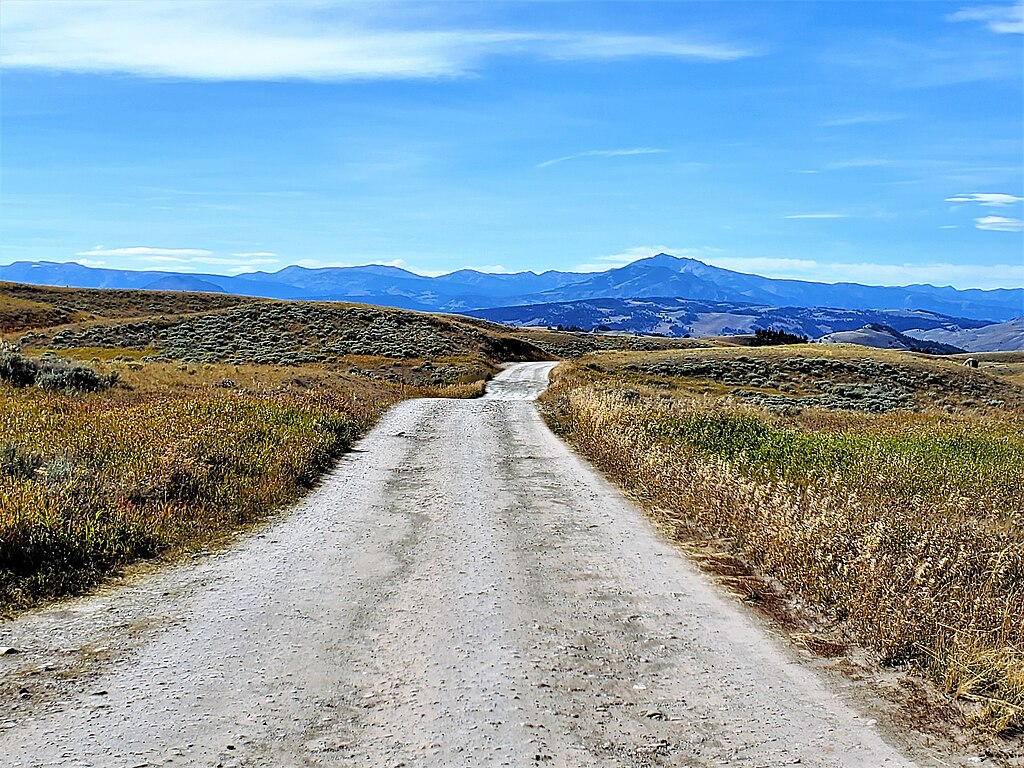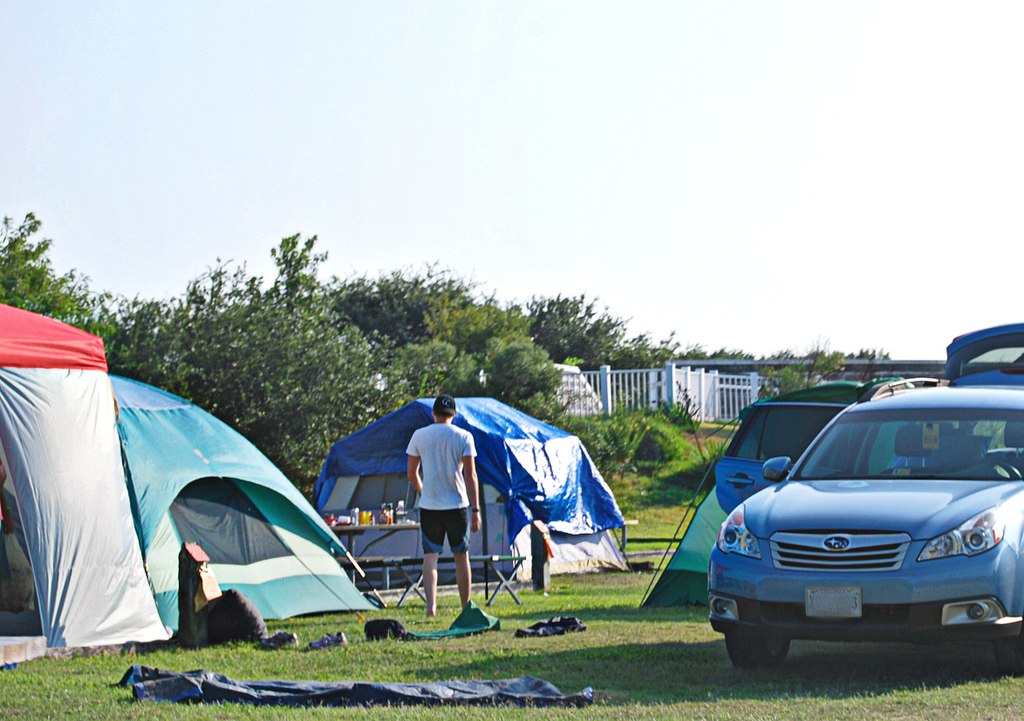
Camping offers meaningful connections to nature, yet careless practices create significant environmental damage that affects soil quality, wildlife behavior, and water stability across heavily visited landscapes. Many problems begin with seemingly small actions such as trampling plants, leaving waste behind, or gathering firewood from living trees. These behaviors accumulate and weaken ecosystems already stressed by climate shifts and expanded recreation. Understanding how these impacts occur highlights the importance of mindful decisions that help protect natural areas for long-term ecological resilience and shared outdoor enjoyment.
Soil Erosion
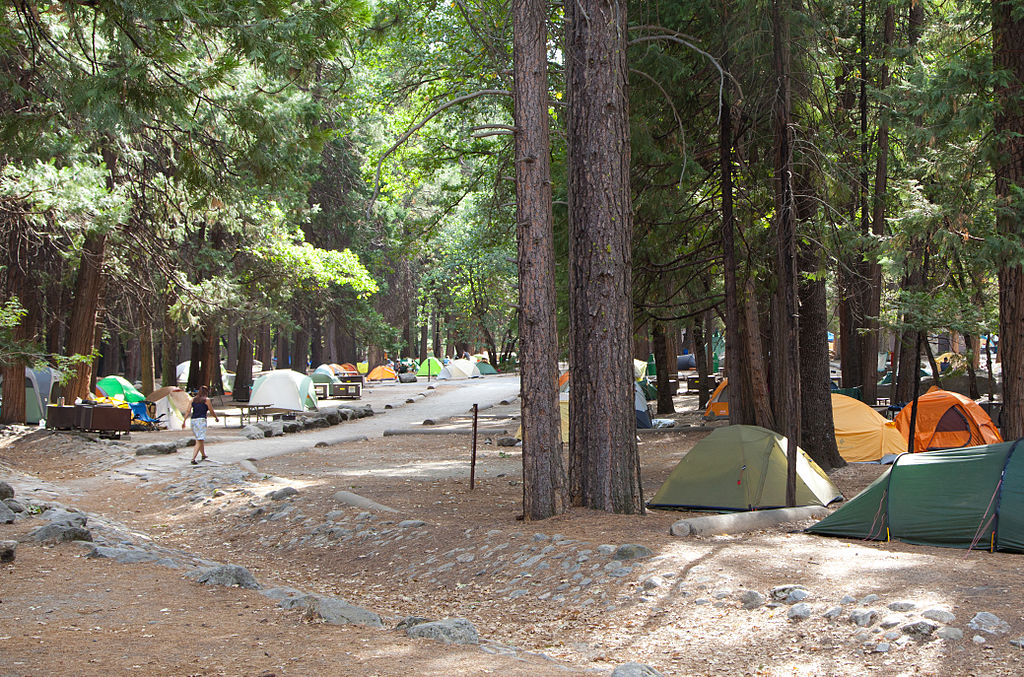
Soil erosion remains a major environmental issue linked to poorly managed campsites where tents, chairs, and repeated footpaths strip protective ground cover. Once soil loosens, rain accelerates runoff that removes nutrients essential for surrounding vegetation. This process weakens plant roots, reduces moisture retention, and creates unstable terrain vulnerable to future weather events. Popular camping corridors experience erosion more quickly, as natural recovery cannot keep pace with repeated disturbance. Careful campsite placement helps preserve the soil layer that supports healthy forest and meadow ecosystems.
Trampled Vegetation
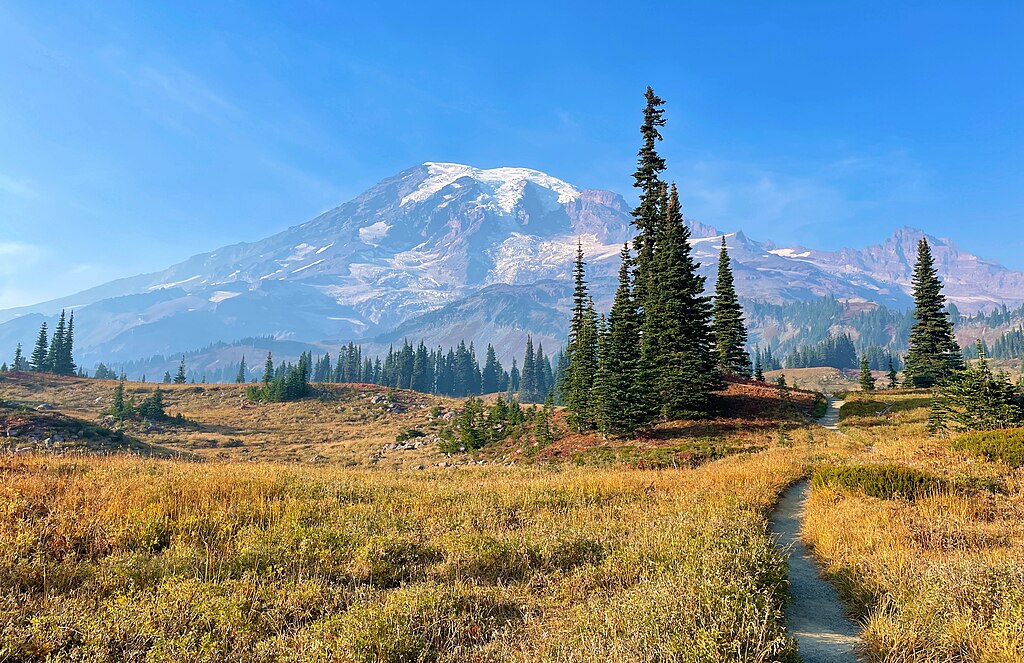
Trampled vegetation results from walking across fragile plants, expanding unofficial trails, or setting gear in dense understory growth. Delicate species struggle to recover from crushed stems or uprooted roots, and repeated impact allows invasive plants to take hold. Wildlife, depending on these plants, loses food and shelter as habitat quality declines. Heavily used forest floors thin rapidly and expose soil to erosion. Maintaining durable travel routes and thoughtful campsite selection reduces long-term vegetation damage and helps support biodiversity in vulnerable regions.
Wildlife Disturbance
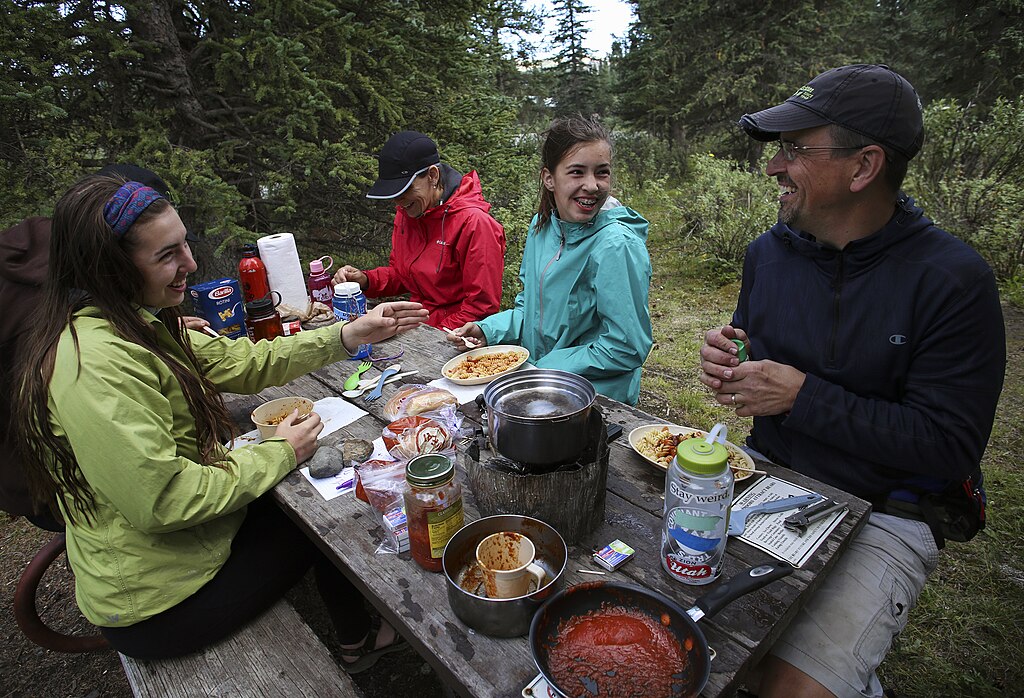
Wildlife disturbance occurs when loud noise, food waste, or close human presence alters natural animal behavior. Disruptions cause stress, nest abandonment, or nighttime movement shifts that drain energy essential for survival. Animals exposed to recurring disturbances become habituated and approach camps to search for food, heightening conflict risks. Reliance on human scraps weakens natural foraging behaviors and destabilizes population health. Responsible food storage and quiet campsite habits help maintain healthy interactions between campers and wildlife in sensitive ecosystems.
Fire Damage
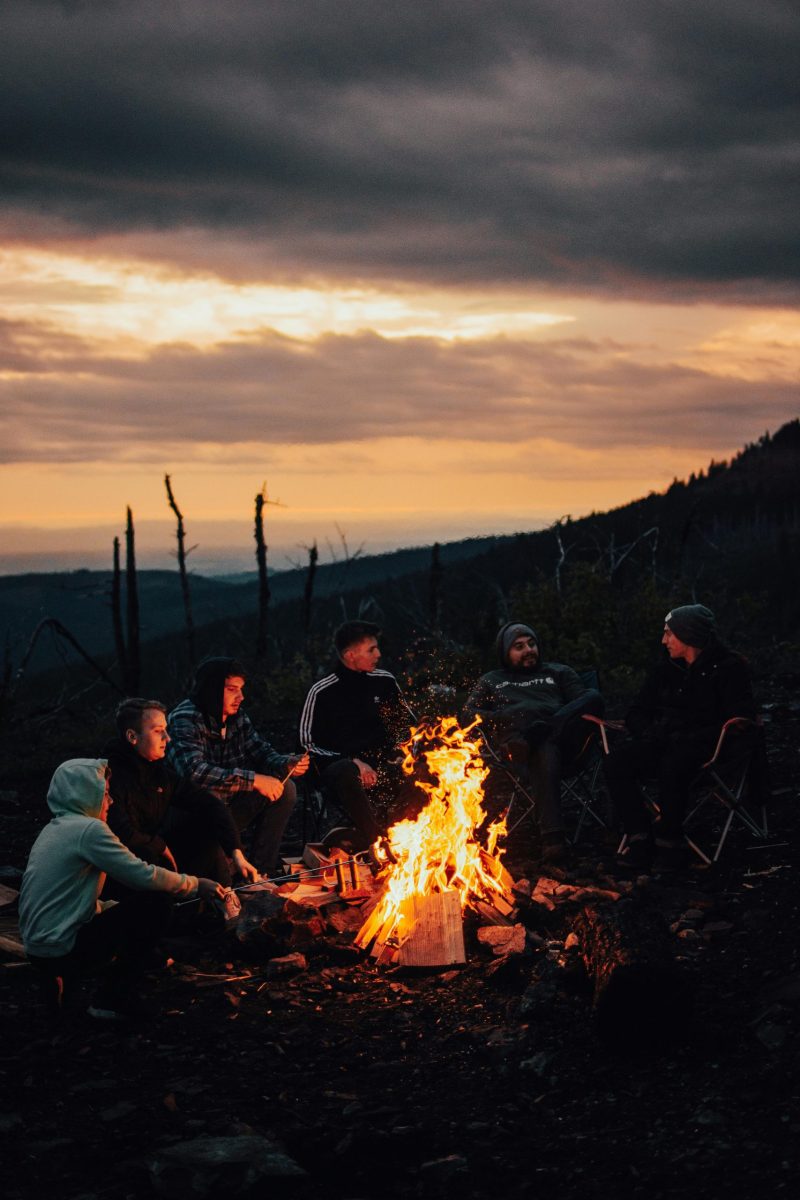
Fire damage occurs when campfires exceed designated boundaries, remain unattended, or ignite dry vegetation. Excessive heat sterilizes soil and destroys nutrients needed for plant regrowth. Wildfires sparked by improper fire control spread quickly through drought-prone landscapes, damaging habitats and threatening nearby communities. Burn scars remain visible for decades as soil rehabilitation occurs slowly in exposed areas. Responsible fire practices, including size control and full extinguishing, significantly reduce the ecological risks associated with outdoor recreation during dry seasons.
Water Contamination
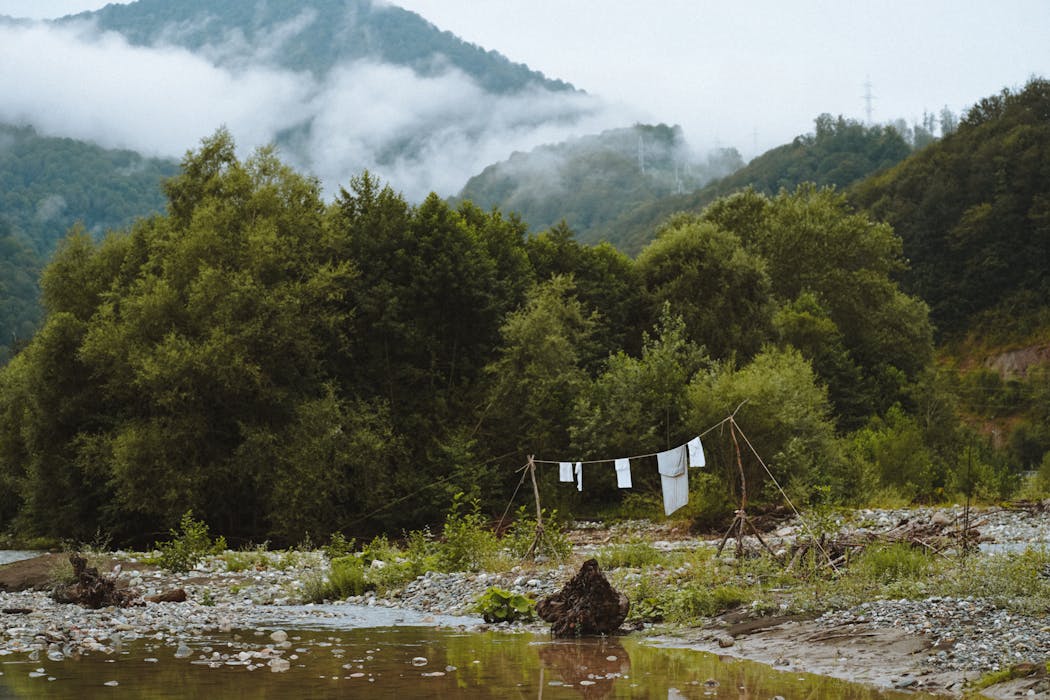
Water contamination arises when dishwasher, soap residue, or discarded waste enters lakes, rivers, or streams. These pollutants affect aquatic organisms sensitive to chemical changes and disrupt natural filtration processes. Increased nutrient loads from food waste promote algal blooms that reduce oxygen and threaten fish populations. Popular shorelines face heightened risk as repeated contamination accumulates over time. Proper waste disposal and distance from water sources help maintain clean water systems that support diverse wildlife and healthy recreational environments.
Litter Accumulation
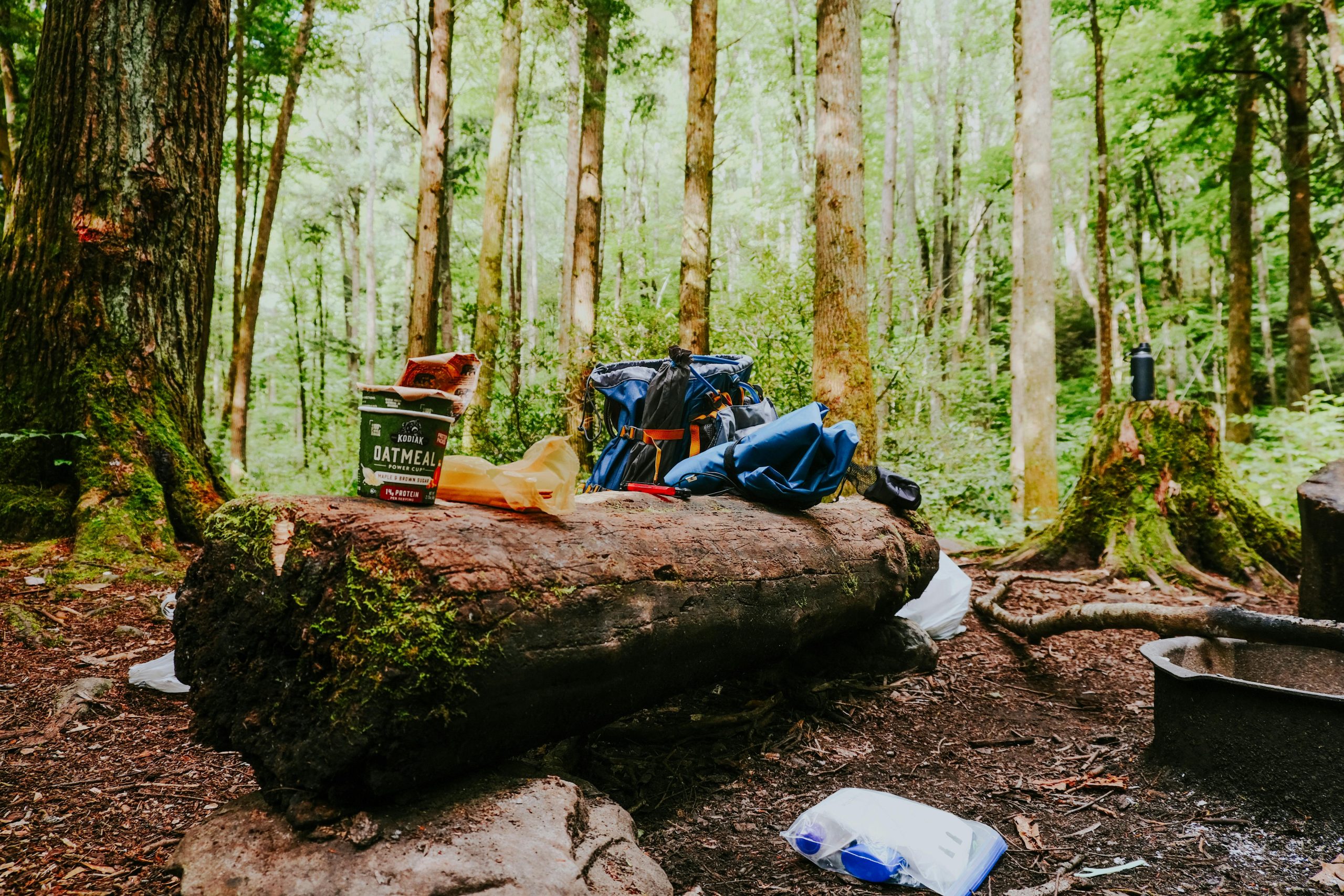
Litter accumulation harms ecosystems by introducing plastics, metal fragments, and packaging that persist for decades in soil and waterways. Wildlife mistakes debris for food or becomes entangled, leading to injury or death. Wind and runoff move litter far from campsites and spread the damage across broader natural areas. Decomposition occurs slowly in cooler climates, compounding long-term impact. Regular cleanup efforts and reduced reliance on disposable items help preserve scenic landscapes and support healthier habitats for plants and animals.
Tree Damage
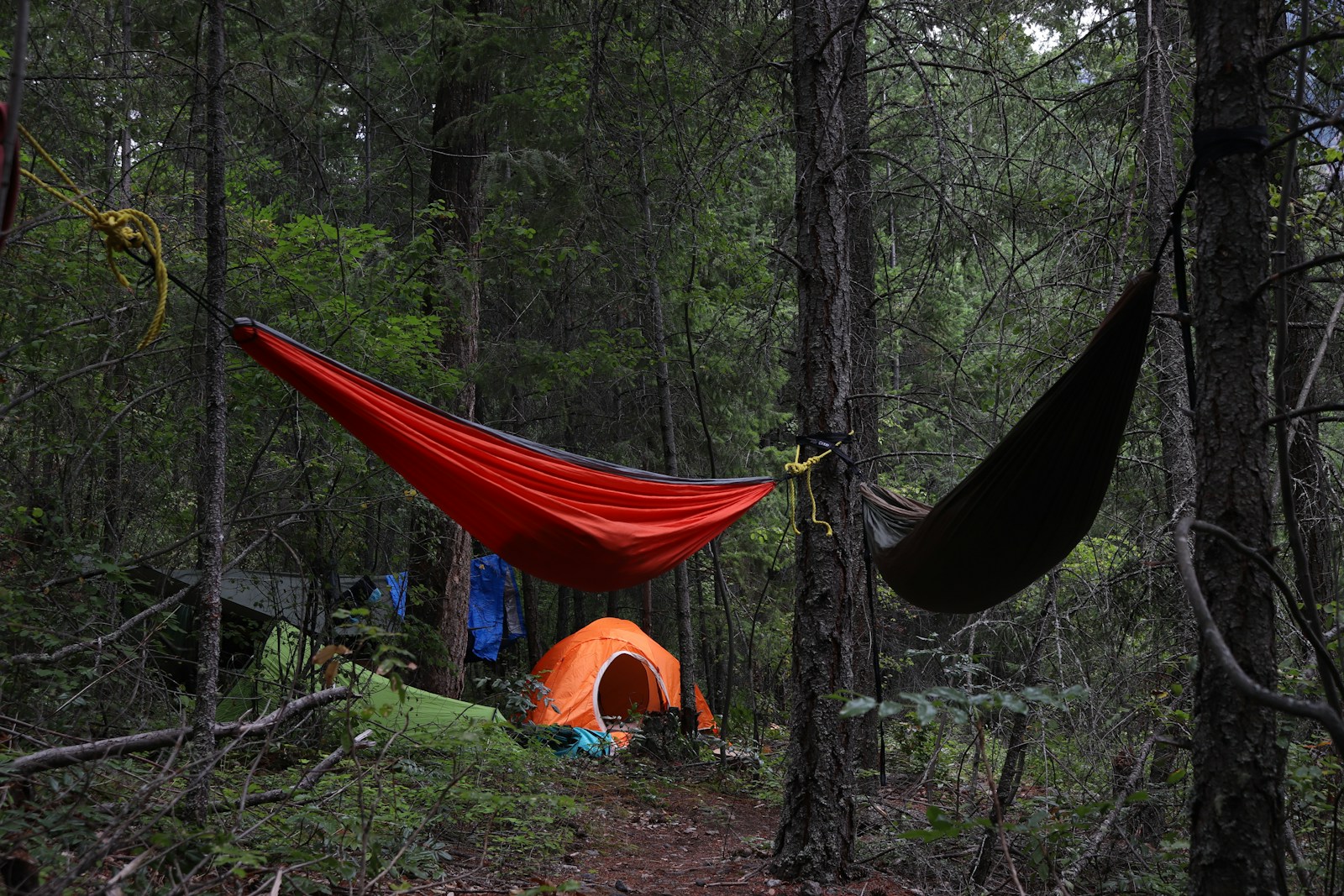
Tree damage results from cutting branches, carving bark, or attaching heavy equipment that stresses trunks and limbs. Bark removal exposes trees to insects, fungi, and diseases capable of spreading through forests. Damaged branches alter canopy structure, reducing shade and changing moisture conditions beneath. Popular campsites experience repeated harm that weakens tree health and shortens lifespan. Avoiding direct-impact activities helps maintain resilient forests that provide erosion control, wildlife habitat, and essential cooling for surrounding ecosystems.
Trail Degradation
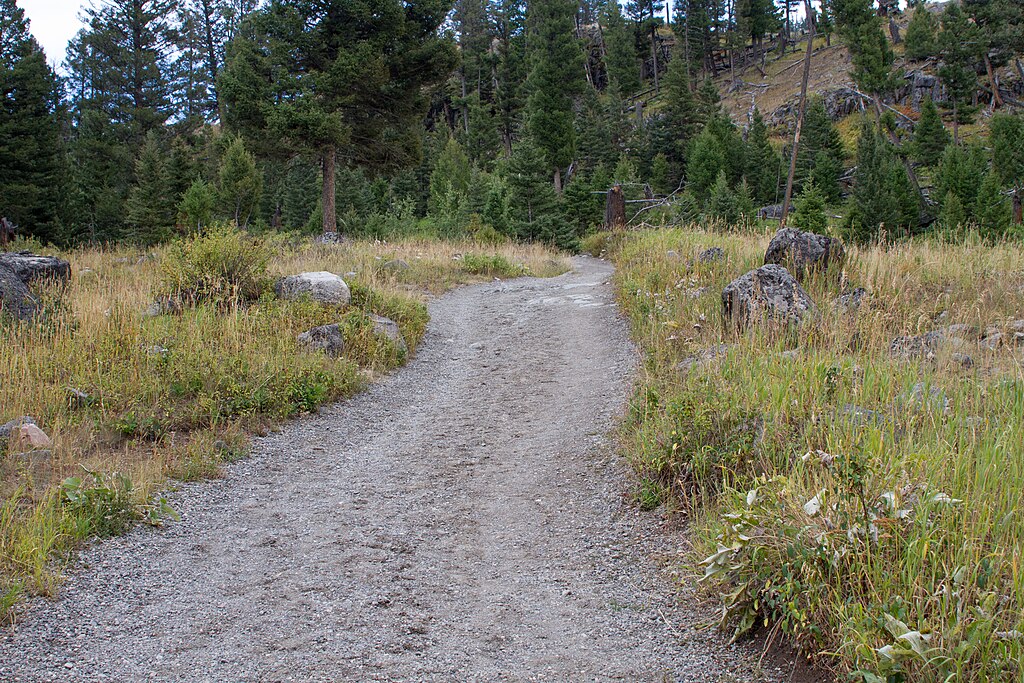
Trail degradation occurs when campers leave designated paths, create shortcuts, or widen existing trails. These actions compact soil, accelerate erosion, and damage vegetation essential for slope stability. Eroded trails require costly maintenance and can force temporary closures that limit access. Degraded paths also disrupt wildlife movement and alter natural drainage patterns. Staying on established routes preserves trail integrity and supports sustainable access for hikers while protecting surrounding natural areas from unnecessary damage and habitat disruption.
Damage from Overused Campsites
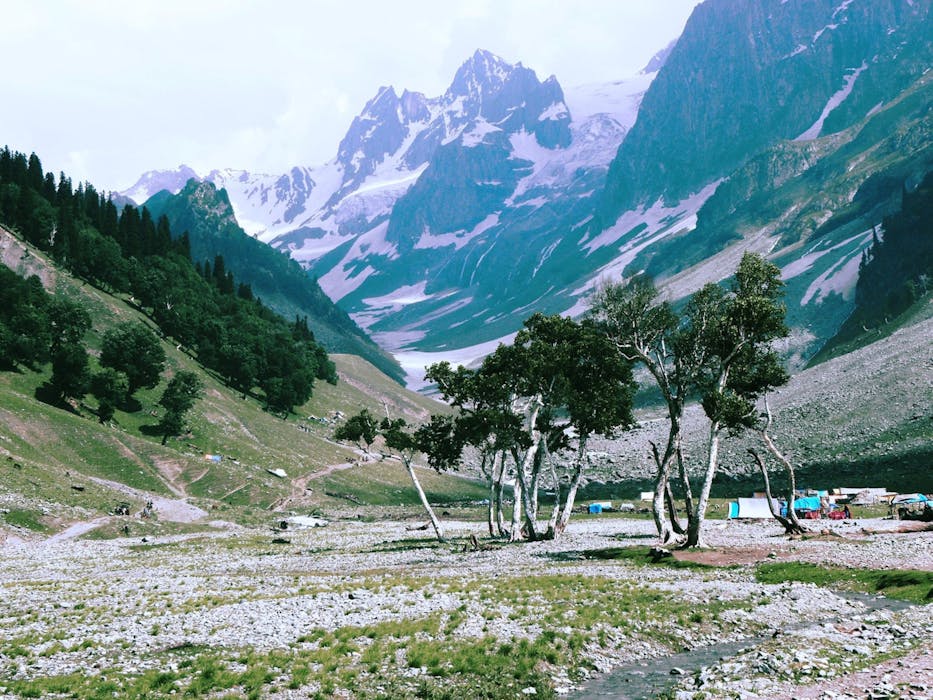
Overused campsites develop compacted soil, bare patches, scattered fire rings, and diminished vegetation as repeated visitation prevents natural recovery. Wildlife becomes accustomed to constant human activity, increasing dependency and altering feeding habits. Restoring these sites requires extended closure and active rehabilitation, including reseeding and soil loosening. Overuse pushes visitors into undisturbed areas and spreads damage farther across landscapes. Rotating use and following designated campsite guidelines help protect ecosystems from long-term degradation and structural decline.
Human Waste Issues
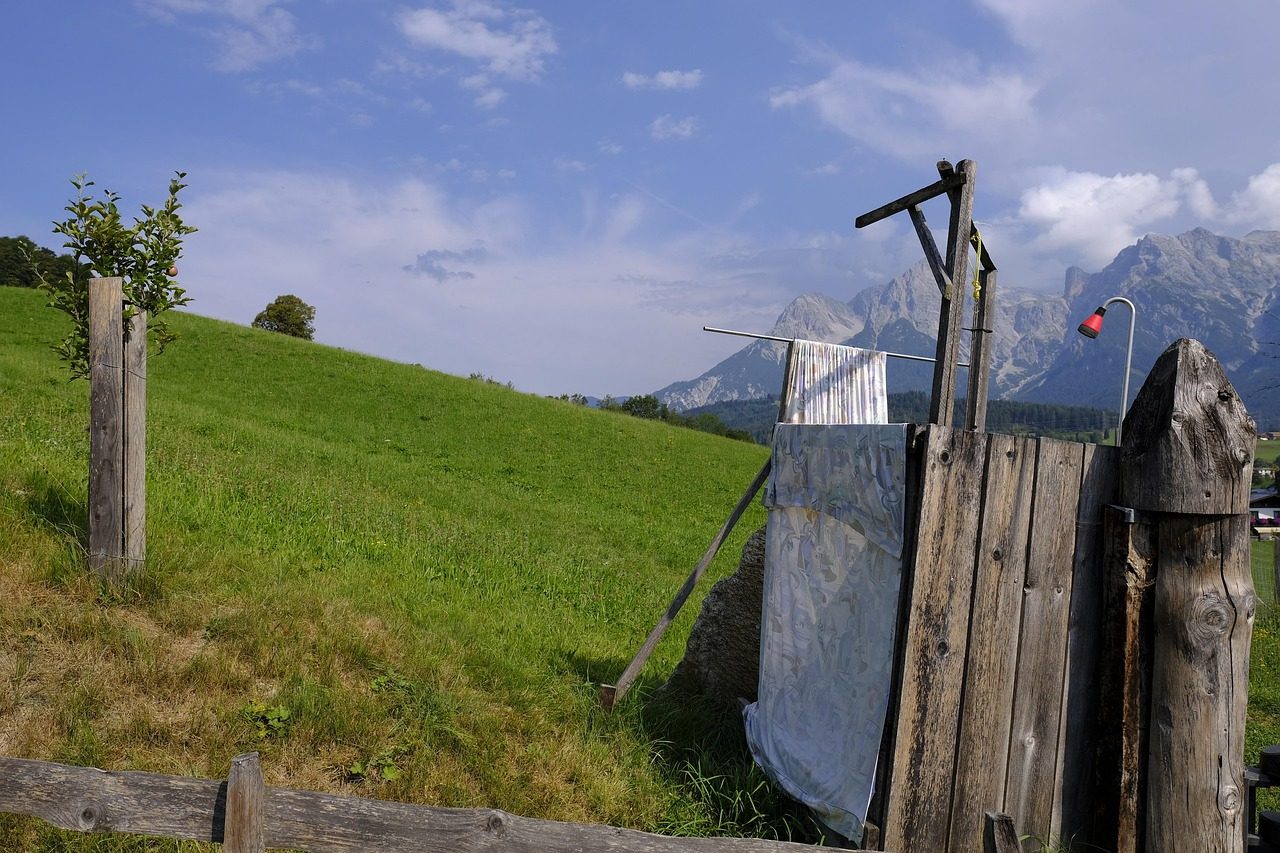
Human waste issues arise when waste is buried too shallowly, placed near water, or left exposed. Pathogens leach into soil and contaminate waterways, threatening wildlife and other visitors. Decomposition rates vary widely with climate, meaning improperly disposed waste may persist for months or years. High-use areas face increased ecological strain when natural processes cannot keep pace. Adhering to proper disposal standards supports sanitation and reduces pollution that affects aquatic species and fragile soil communities in wilderness settings.
Noise Pollution
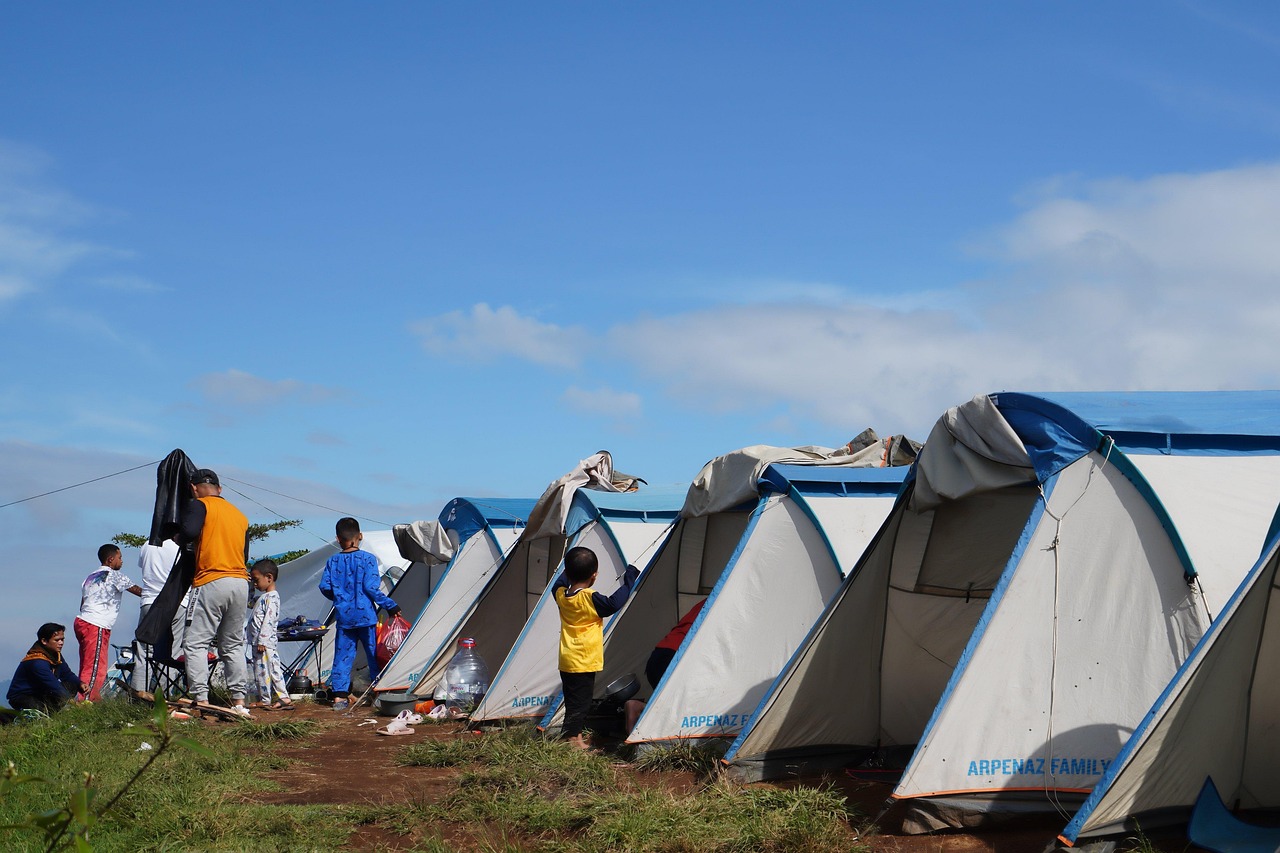
Noise pollution disrupts wildlife communication, migration, and breeding activity by interfering with natural sounds essential for survival. Loud voices, music, and constant campsite activity cause animals to avoid traditional feeding grounds or nesting areas. Sustained noise elevates stress levels and increases energy demands in sensitive species. These disturbances compound when campsites cluster in high-traffic areas. Maintaining low noise levels helps preserve natural acoustic environments that wildlife rely on for orientation, safety, and reproductive success in complex ecosystems.
Overharvesting Natural Materials
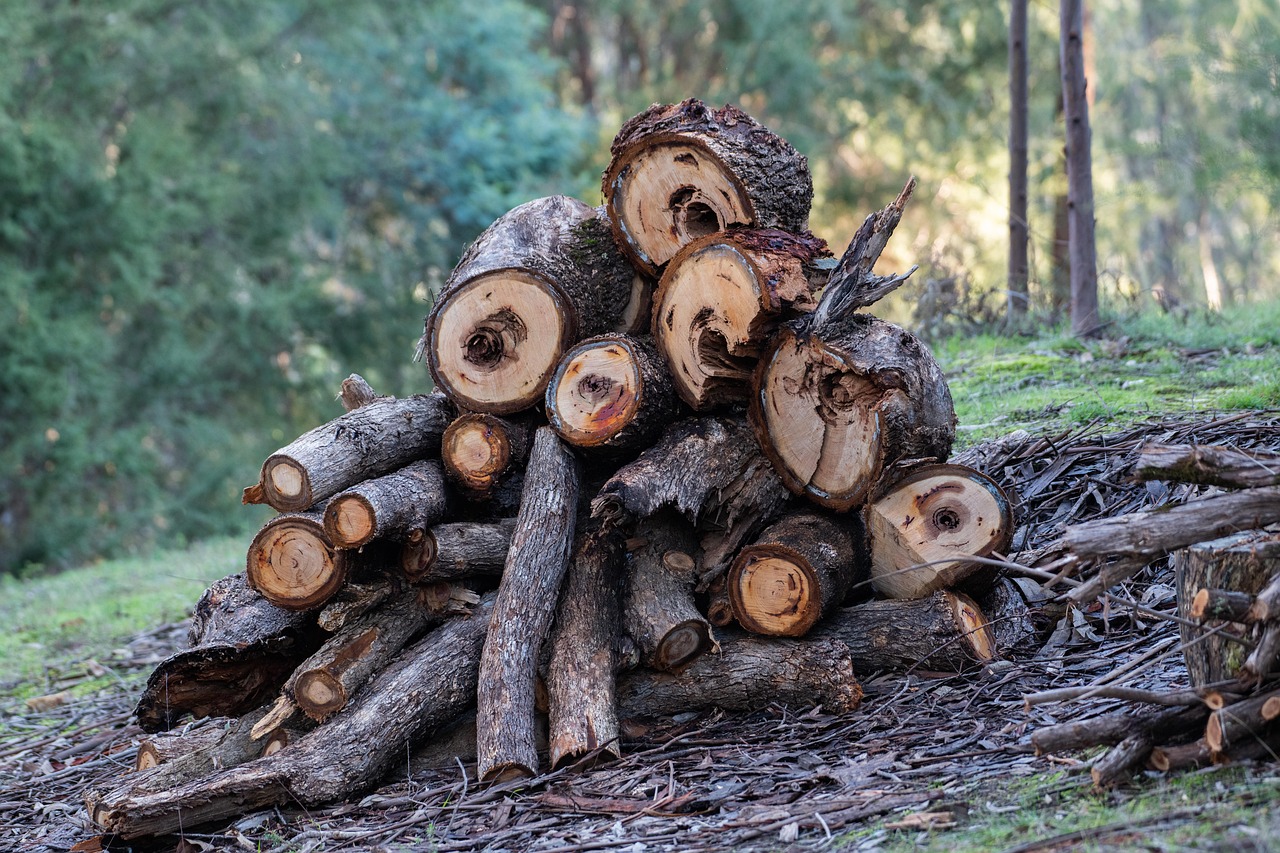
Overharvesting natural materials occurs when campers collect rocks, branches, flowers, or firewood in excessive quantities. Removing these resources destabilizes habitats, exposes soil, and limits shelter availability for insects, birds, and small mammals. Fallen wood plays a key role in nutrient cycling and moisture retention, and its removal slows forest regeneration. Popular camping zones experience rapid depletion that alters the natural structure. Sustainable gathering practices and respect for natural features help protect ecosystems from further depletion and imbalance.
Feeding Wildlife
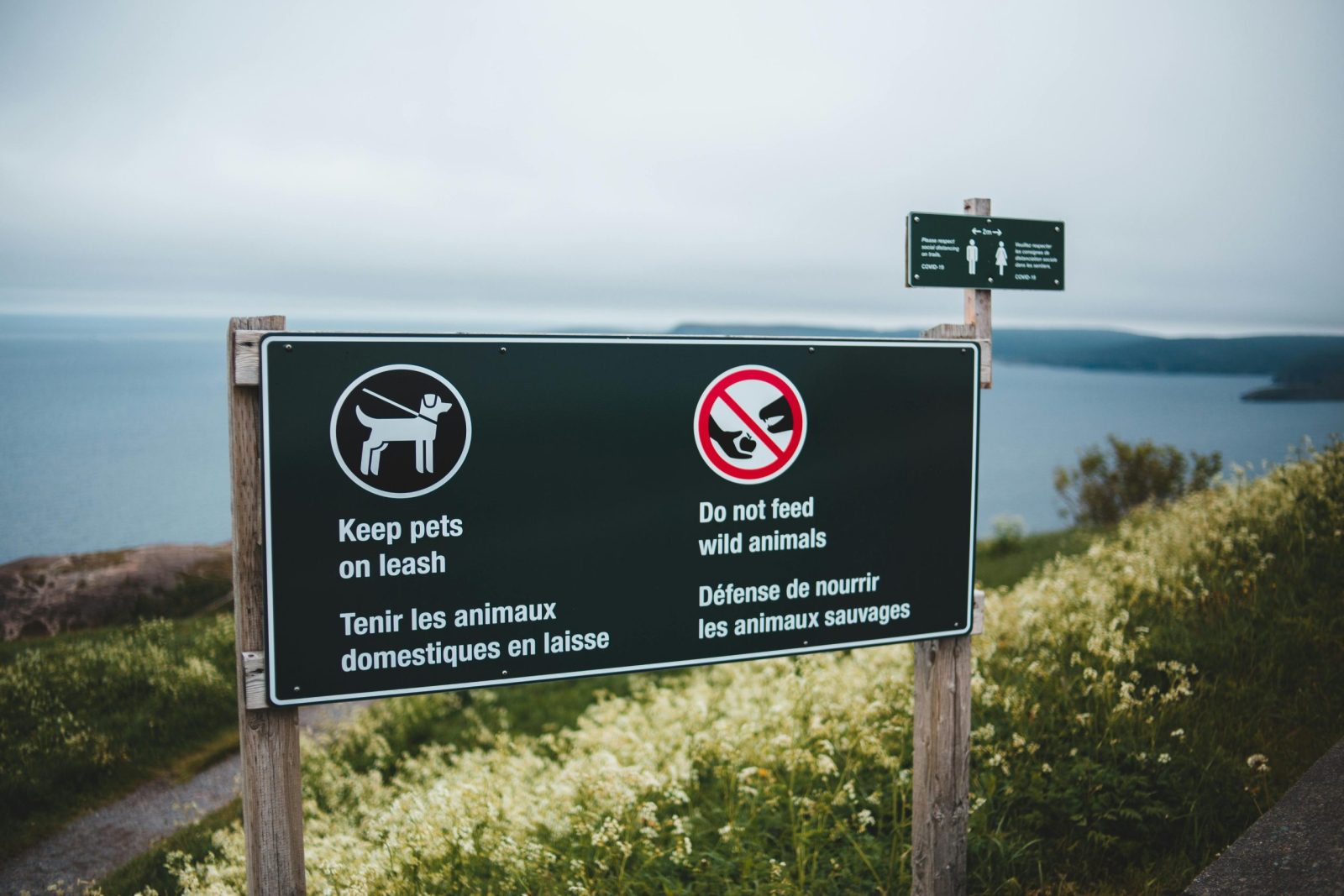
Feeding wildlife creates dependency and disrupts natural diet patterns, causing animals to seek campsites rather than forage in their habitat. Supplemental feeding weakens instincts, promotes aggressive encounters, and increases disease spread within crowded feeding areas. Consistent human-supplied food changes movement patterns and exposes animals to roadways and other hazards. Wildlife populations become imbalanced when natural behaviors shift. Preventing access to food scraps supports stable ecosystems and reduces harmful interactions in vulnerable regions.
Damage to Cultural Sites
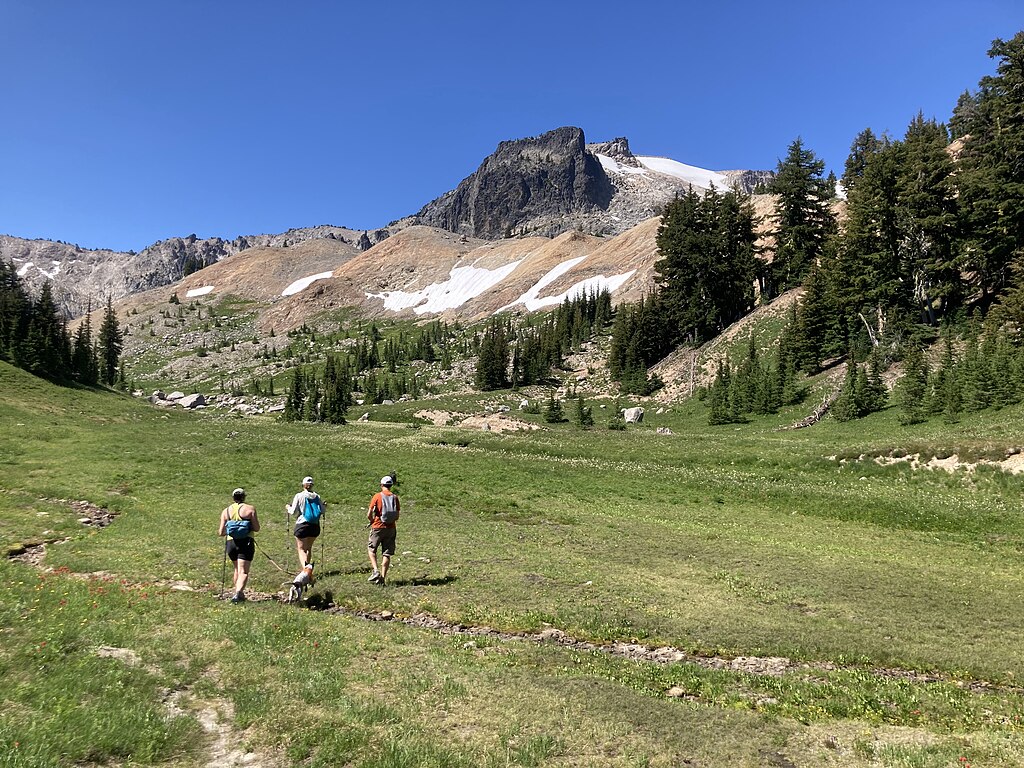
Damage to cultural sites occurs when campers disturb historical structures, rock carvings, or Indigenous heritage areas. Graffiti, artifact removal, and off-trail exploration degrade irreplaceable cultural records. Heavy foot traffic around sensitive landmarks weakens soil and accelerates erosion. Preservation depends on respecting boundaries and minimizing direct contact with fragile surfaces. Protecting cultural sites helps maintain historical continuity and safeguards knowledge passed through generations, ensuring these areas remain accessible for education and research.
Spread of Invasive Species
Spread of invasive species happens when seeds, spores, or small organisms attach to boots, tarps, or equipment and migrate into unaffected regions. These species outcompete native plants, alter soil chemistry, and reshape food webs. Campsites near infested areas face accelerated spread due to repeated human movement. Managing invasive species requires cleaning gear and monitoring high-risk zones to prevent introduction. Limiting spread preserves biodiversity and maintains ecological balance across wilderness environments experiencing increased recreational use.