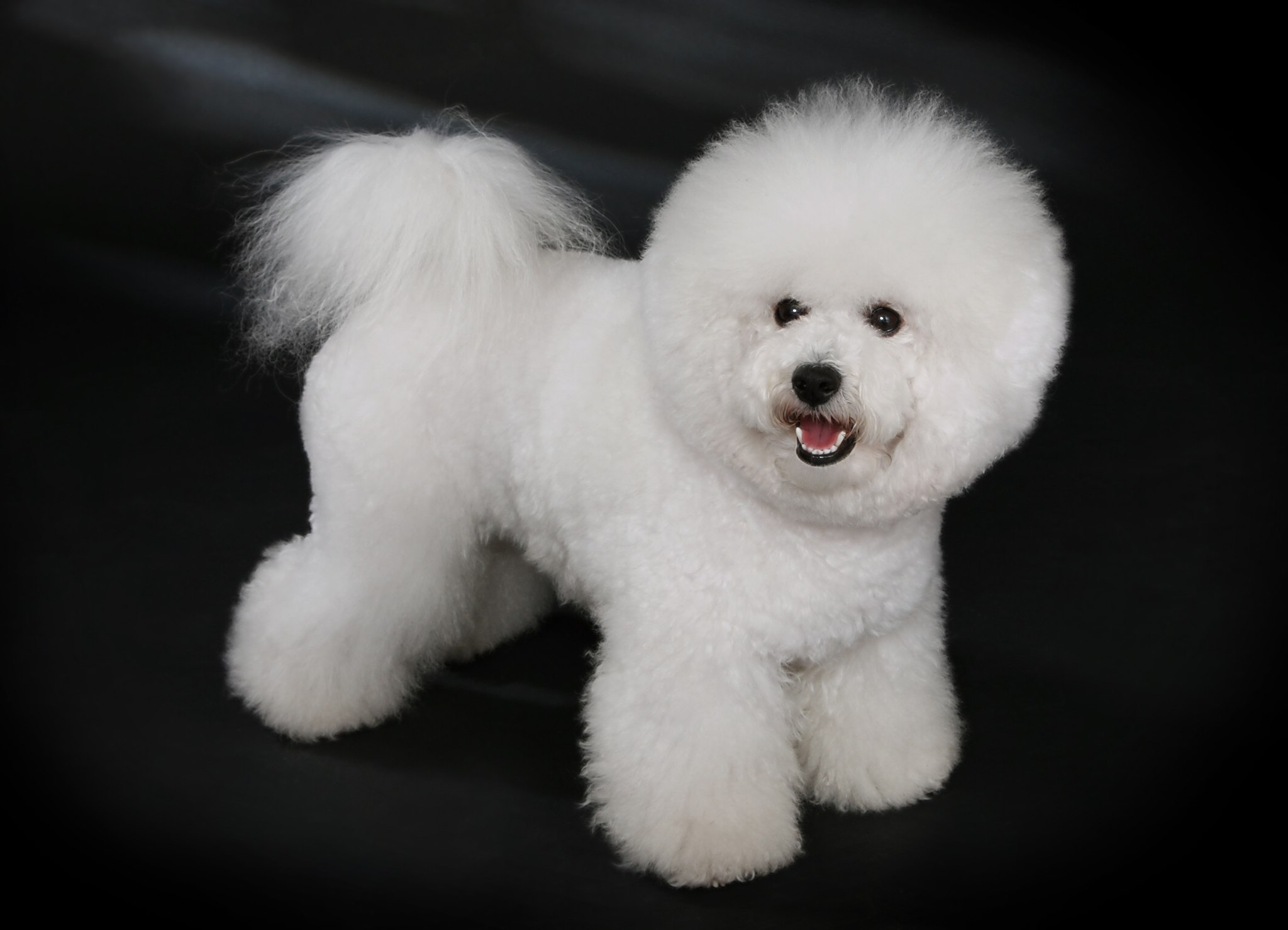
Dogs are deeply social animals, and while every breed can experience loneliness, some form especially intense attachments to their people. These breeds were developed to work closely alongside humans, whether herding livestock, retrieving game, or simply providing companionship. When left alone for long stretches, they may develop separation anxiety, destructive habits, excessive barking, or clear signs of sadness. Understanding which breeds struggle most with isolation helps potential owners make responsible choices. The following fifteen breeds are widely known for craving constant interaction and emotional closeness.
1. Labrador Retriever
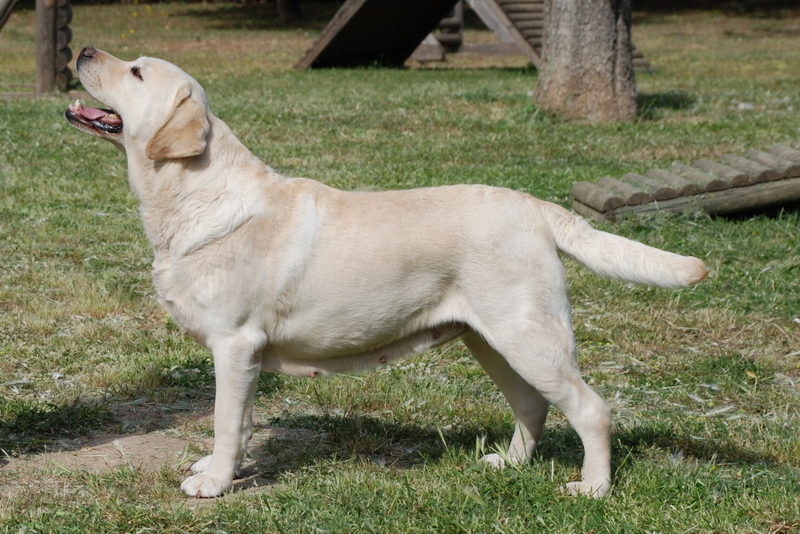
Labrador Retrievers thrive on human companionship and structured activity. Bred to retrieve waterfowl alongside hunters, they naturally look to their owners for direction and engagement. When left alone for long periods, many Labs become restless and anxious. They may chew furniture, dig at doors, or bark excessively as a way of releasing stress. Their high energy levels require both mental stimulation and physical exercise, which isolation does not provide. Without regular interaction, a Labrador can become withdrawn or destructive. These affectionate dogs do best in homes where someone is present most of the day or where reliable enrichment is provided.
2. Golden Retriever
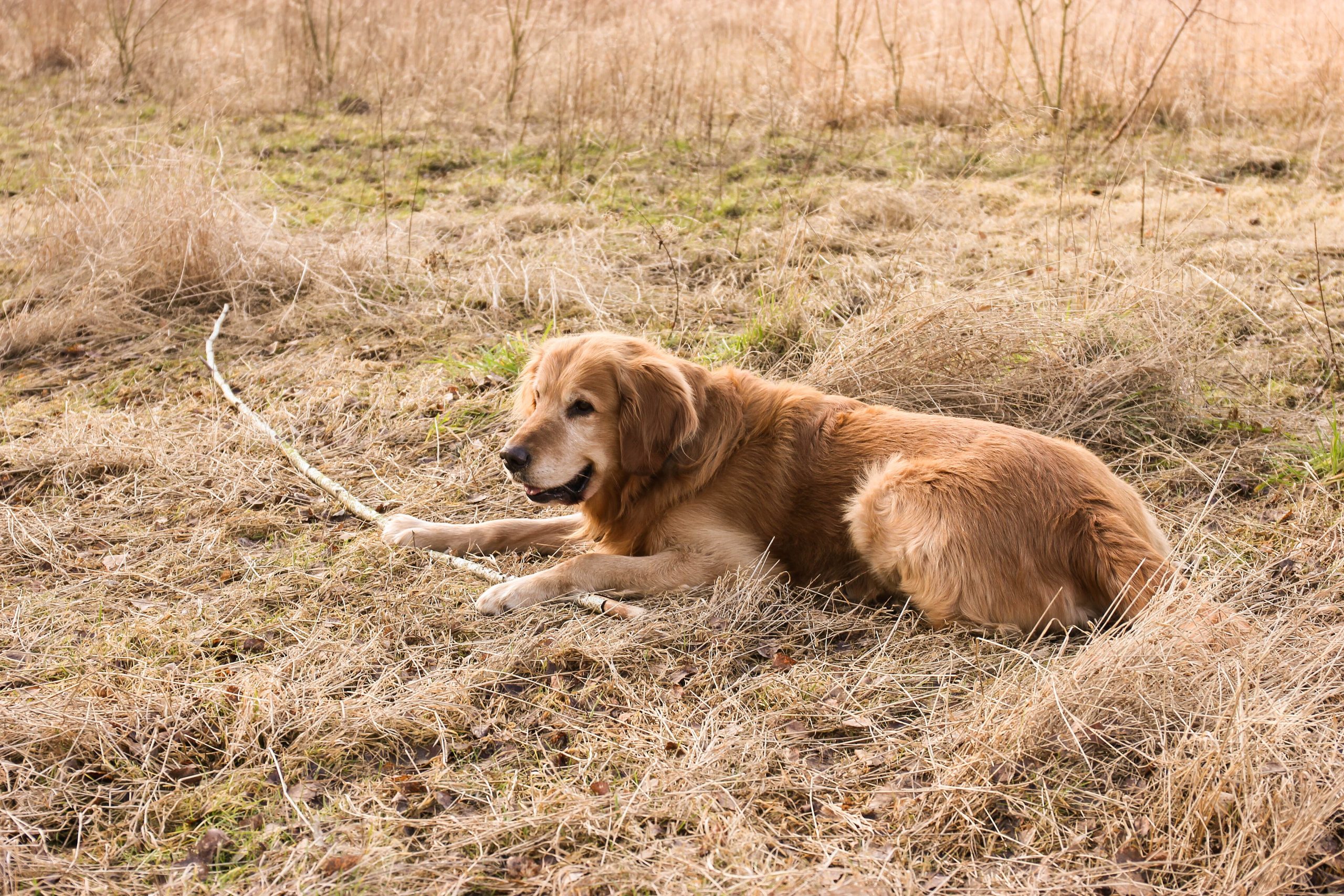
Golden Retrievers are famously gentle and people-oriented. They bond deeply with family members and often follow their owners from room to room. Extended solitude can cause emotional distress that shows through pacing, whining, or loss of appetite. Because they are intelligent and eager to please, they rely heavily on social feedback and shared routines. A lonely Golden may develop chewing habits or dig obsessively in the yard. Their sensitive temperament means harsh corrections worsen anxiety rather than fix it. They flourish in homes with active engagement, predictable schedules, and plenty of affectionate interaction throughout the day.
3. German Shepherd
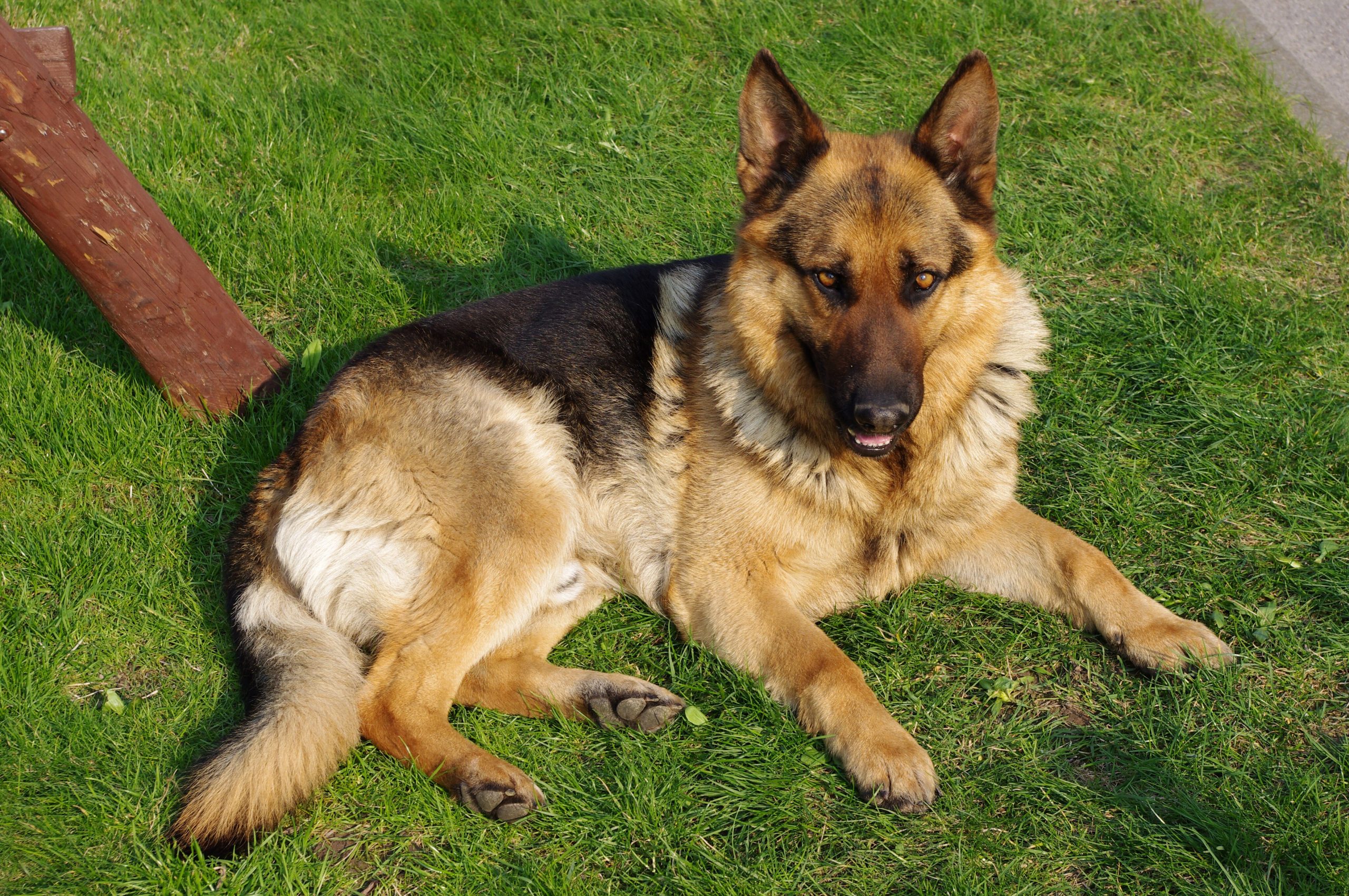
German Shepherds were developed as working partners, not independent backyard dogs. They form strong protective bonds with their families and often take their role seriously. When separated for long hours without stimulation, they can become anxious and even depressed. Boredom may trigger destructive chewing or repetitive behaviors such as pacing. Because of their intelligence, the lack of mental tasks is especially difficult for them. Training sessions, puzzle toys, and structured exercise are critical. A German Shepherd left alone too often may also develop excessive barking habits. They thrive in households that provide both companionship and purposeful activity.
4. Border Collie
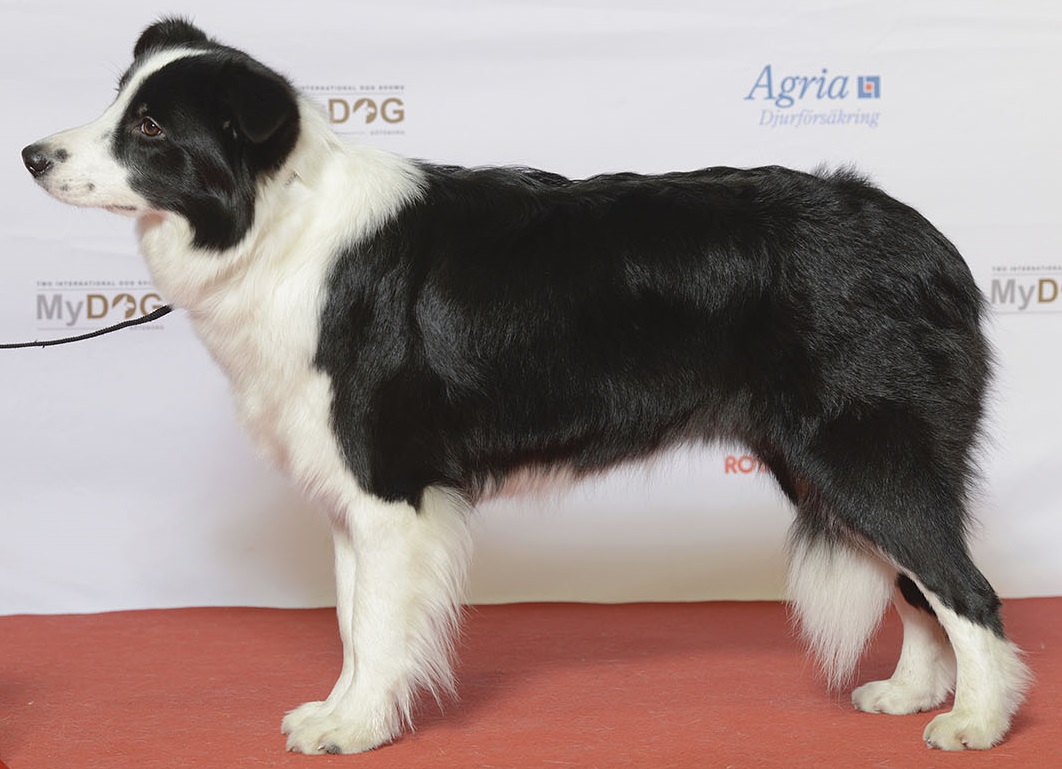
Border Collies are among the most intelligent dog breeds and require constant mental engagement. Originally bred to herd livestock in close coordination with handlers, they depend heavily on human guidance. When left alone for extended periods, their sharp minds turn inward, often resulting in anxiety-driven behaviors. They may chew, spin, or attempt to escape in search of stimulation. Isolation deprives them of both mental challenges and social bonding. Without structured work or interaction, a Border Collie can quickly become frustrated and emotionally unsettled. They are happiest in homes where someone is available to provide daily training and active companionship.
5. Cavalier King Charles Spaniel

The Cavalier King Charles Spaniel was bred purely for companionship, which explains its deep need for human closeness. These small dogs often attach themselves to one person and struggle when that person leaves. Separation may trigger trembling, excessive barking, or clingy behavior upon return. Because of their gentle and sensitive disposition, they do not adapt easily to long periods alone. Even short absences can cause visible distress in some individuals. They are best suited for homes with retirees, remote workers, or families where someone is usually present to provide comfort and reassurance.
6. Australian Shepherd
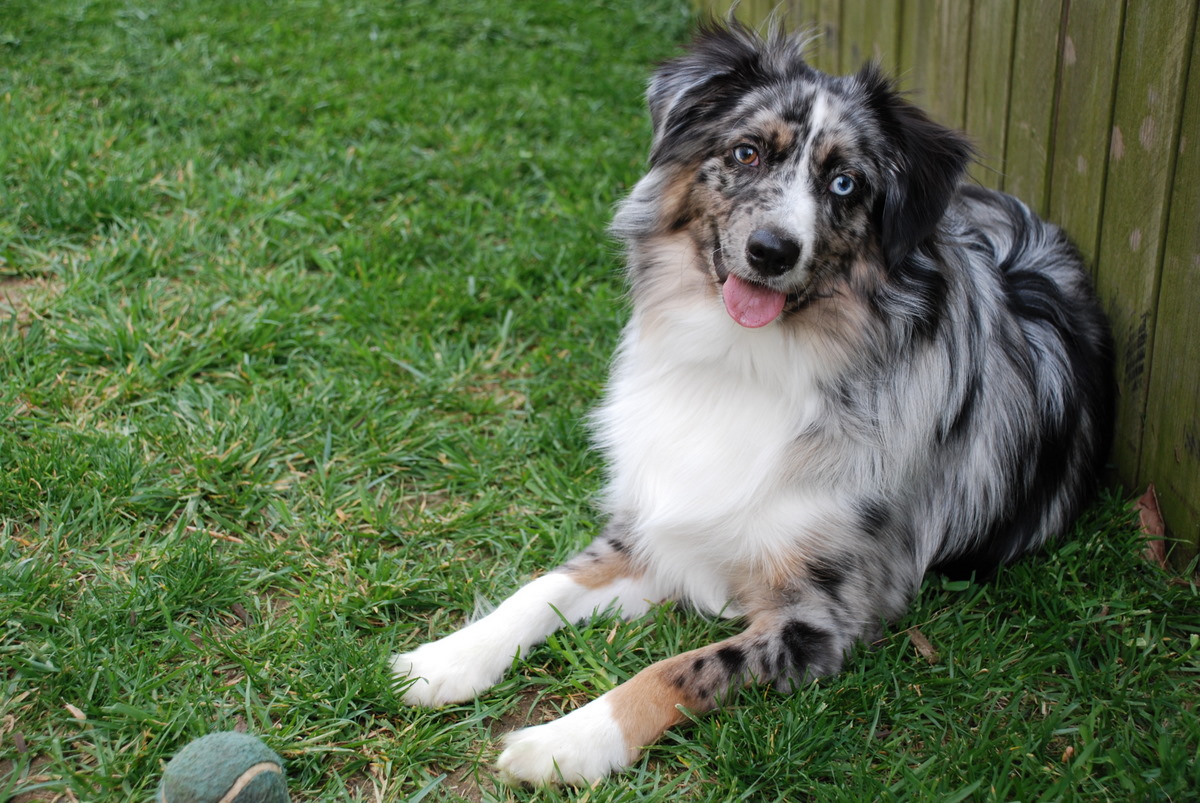
Australian Shepherds are energetic working dogs that crave direction and teamwork. Their strong herding instincts make them highly attentive to their owners. Prolonged isolation often leads to frustration and emotional decline. Without a task or regular interaction, they may herd other pets obsessively or chew household objects. These dogs require structured exercise, advanced training, and social contact to stay balanced. When left alone repeatedly, anxiety can intensify into destructive patterns. An Australian Shepherd thrives in an active household where companionship and purposeful activities are part of daily life.
7. Bichon Frise
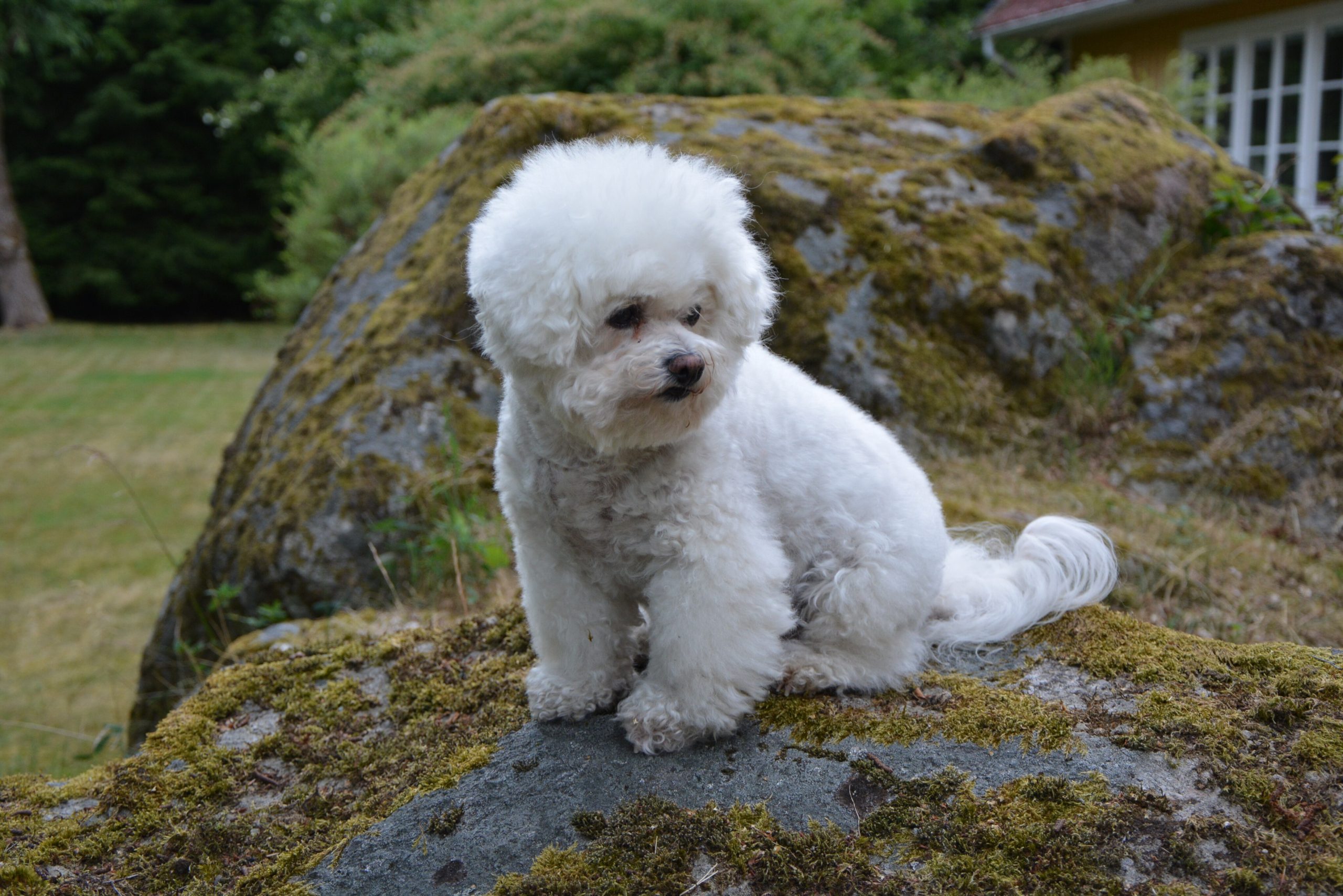
Bichon Frises are cheerful companion dogs that depend heavily on human interaction. Their playful personality fades quickly when they are isolated for long stretches. Owners often report separation anxiety that manifests through barking, house-soiling, or scratching at doors. Because they are small and sensitive, changes in routine can significantly affect their emotional stability. They do not cope well with unpredictable schedules or frequent travel. Regular companionship and interactive toys help, but consistent presence is ideal. A Bichon Frise is happiest in a home where social bonding is a daily priority.
8. Italian Greyhound
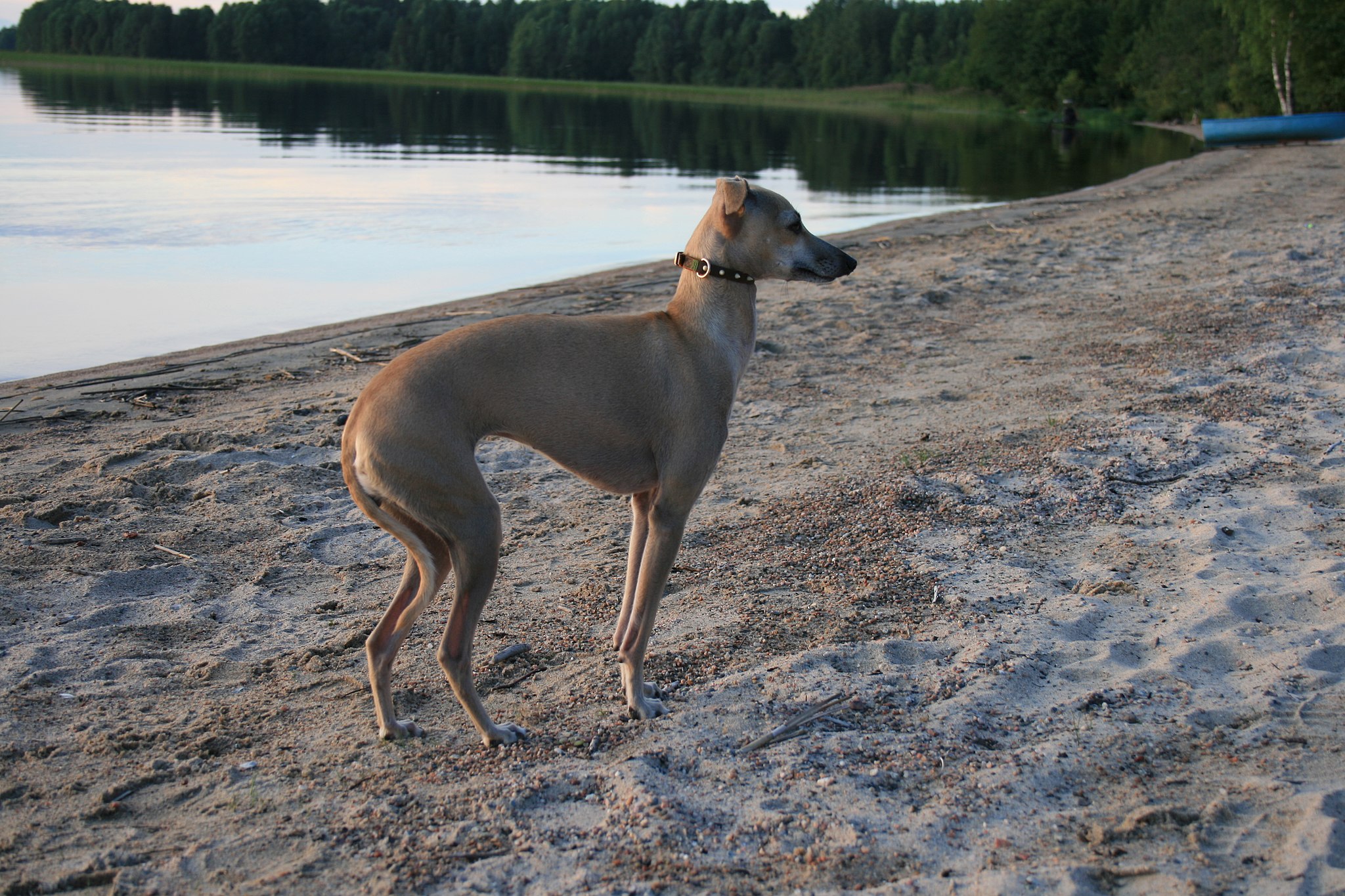
Italian Greyhounds are affectionate and delicate dogs that form strong attachments to their families. They crave physical closeness and often prefer curling up beside their owners. When left alone, they may become anxious and exhibit trembling or vocal distress. Their sensitive nature makes them more prone to emotional shifts than sturdier breeds. Extended isolation can also result in house-training setbacks. Because they thrive on warmth and companionship, they are not ideal for households with long work hours. Regular reassurance and predictable routines help maintain their emotional well-being.
9. Vizsla

Vizslas are sometimes nicknamed velcro dogs because of their intense attachment to their owners. Originally bred as hunting companions, they prefer constant proximity to their people. When left alone frequently, they may become deeply unsettled and develop destructive habits. Chewing furniture or attempting to escape are common signs of distress. Their high energy and need for physical closeness make solitude especially difficult. A bored or lonely Vizsla can quickly lose confidence. They thrive in homes that provide daily exercise, training, and close human interaction throughout most of the day.
10. Poodle
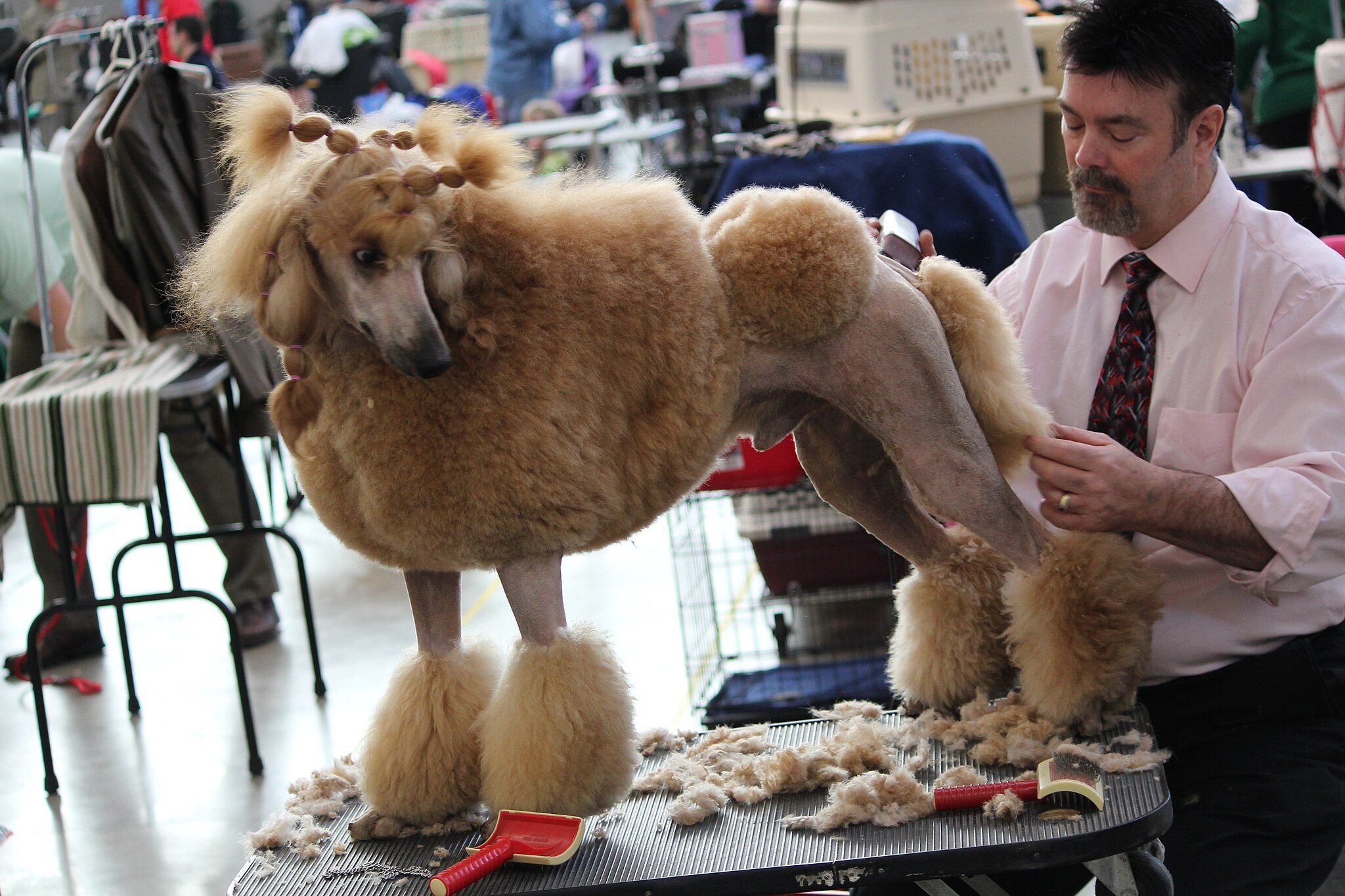
Poodles, whether Standard, Miniature, or Toy, are intelligent and emotionally perceptive dogs. They form tight bonds with their families and often mirror their owners’ moods. Extended isolation can lead to anxiety, destructive chewing, or excessive barking. Because of their intelligence, lack of stimulation feels particularly stressful. They benefit from puzzle toys and structured training but still require regular social contact. A Poodle that spends too much time alone may appear withdrawn or unusually restless. Consistent companionship and mental challenges are essential for keeping them emotionally balanced and confident.
11. French Bulldog
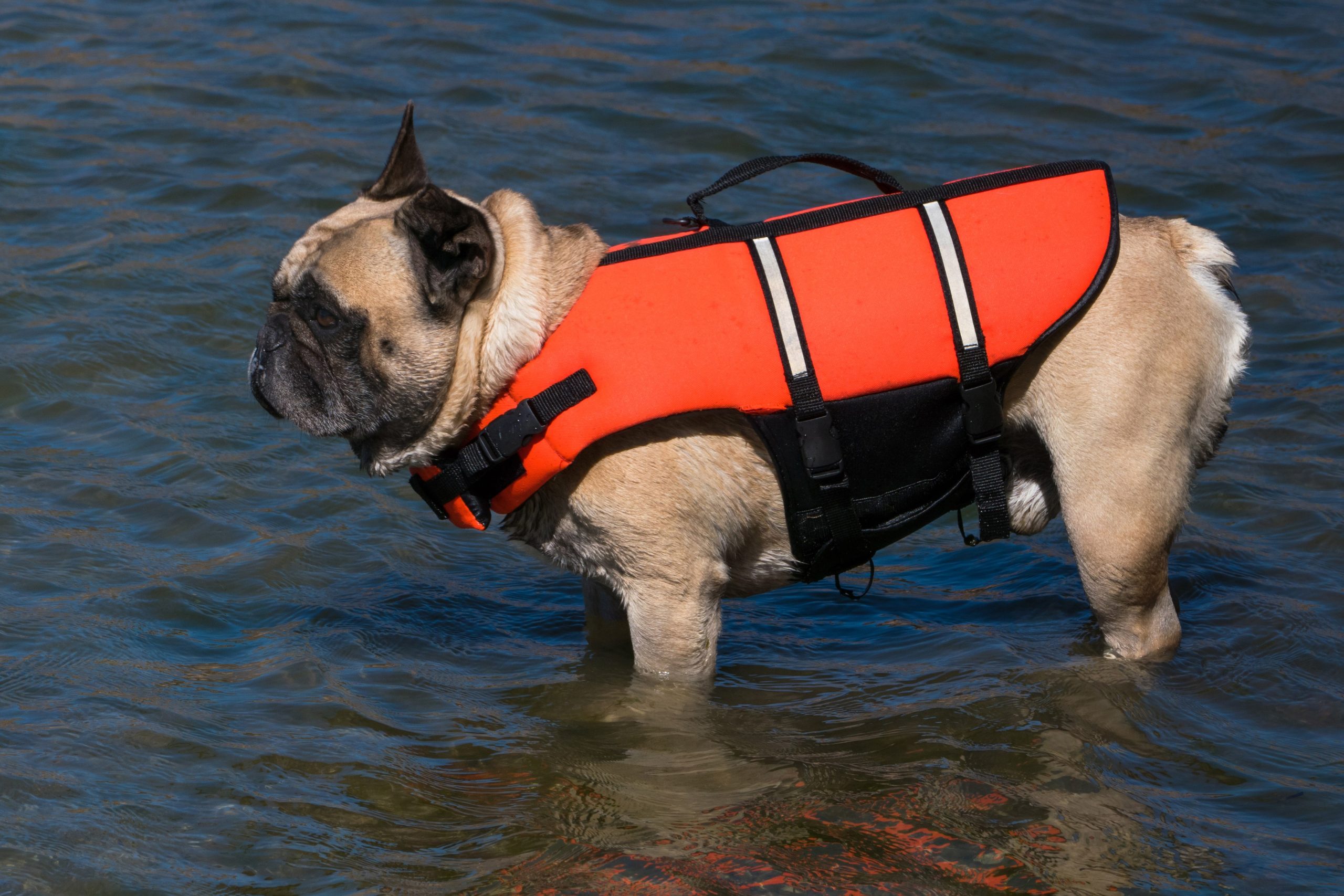
French Bulldogs are affectionate companion dogs that prefer constant company. They often follow their owners closely and dislike being excluded from daily routines. When left alone too long, they may bark persistently or develop anxious habits such as chewing or pacing. Their compact size makes them popular apartment pets, but they still need regular interaction. Because they are highly people-oriented, they struggle with prolonged solitude. Providing interactive toys and short absences helps, but they truly flourish in homes where someone is available most of the time.
12. Cocker Spaniel
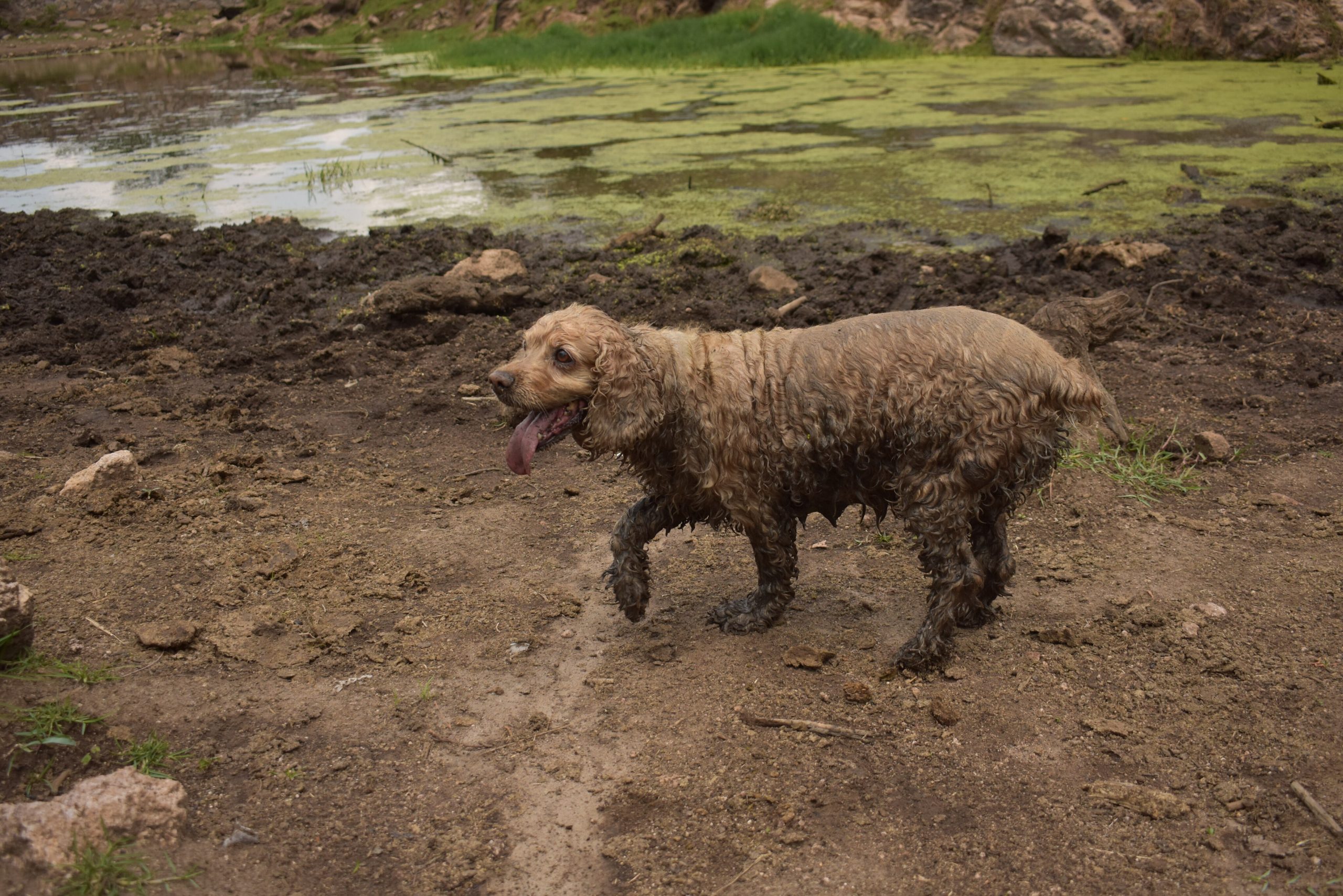
Cocker Spaniels are affectionate and sensitive dogs that bond strongly with their families. Originally bred for close cooperation during hunts, they are not naturally independent. Long hours alone may lead to whining, barking, or destructive chewing. Their gentle temperament makes them especially vulnerable to emotional stress from isolation. Consistent routines and positive reinforcement are important for their stability. A lonely Cocker Spaniel can become clingy or depressed. They do best in environments where companionship is frequent and absences are limited.
13. Shetland Sheepdog
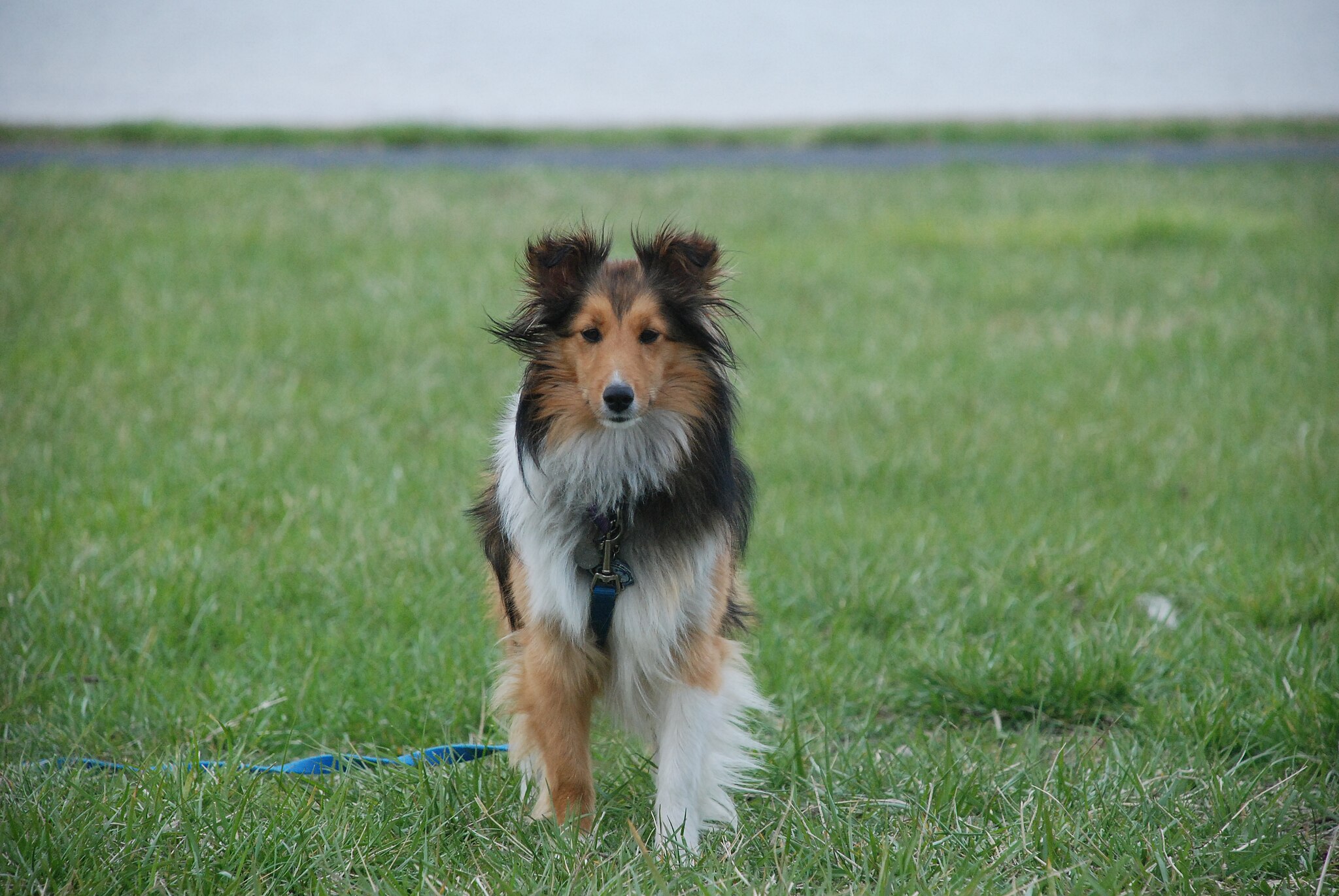
Shetland Sheepdogs are loyal and observant herding dogs that stay closely attuned to their owners. They often position themselves where they can watch family members at all times. When left alone too long, anxiety may show through excessive barking or nervous pacing. Because they are highly intelligent, boredom compounds emotional stress. Structured training and social engagement are essential for maintaining their confidence. A Shetland Sheepdog thrives when included in daily activities and struggles when routinely isolated for extended periods.
14. Doberman Pinscher
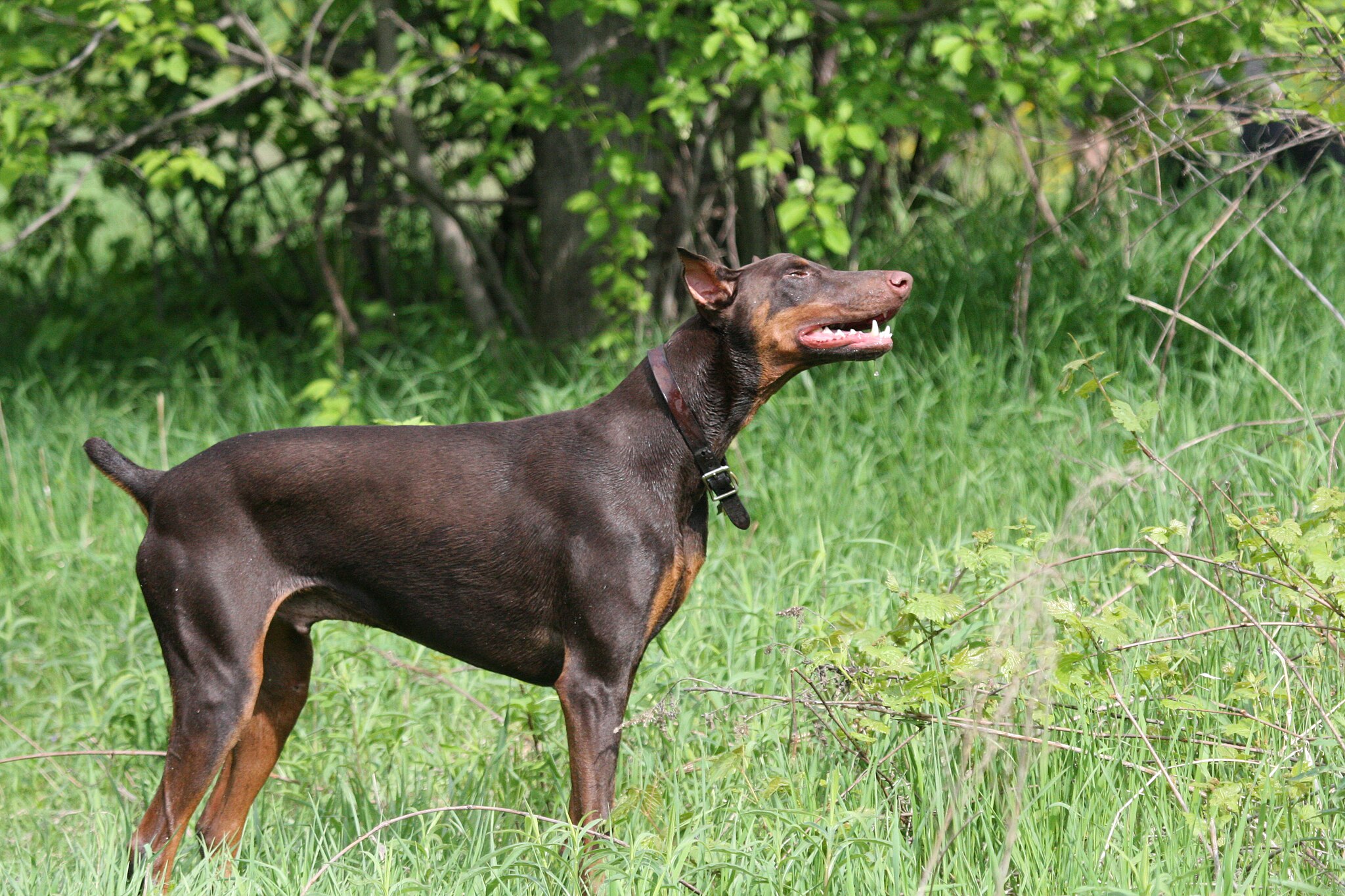
Doberman Pinschers are devoted and protective dogs that form powerful attachments to their households. They prefer being involved in family life rather than left in solitude. Without companionship and mental stimulation, they may become anxious or destructive. Their alert nature makes them sensitive to environmental changes, which can intensify stress during isolation. Proper training and socialization help, but regular presence remains important. A Doberman left alone too often may lose emotional balance. They thrive in homes that provide both leadership and daily interaction
15. Chihuahua
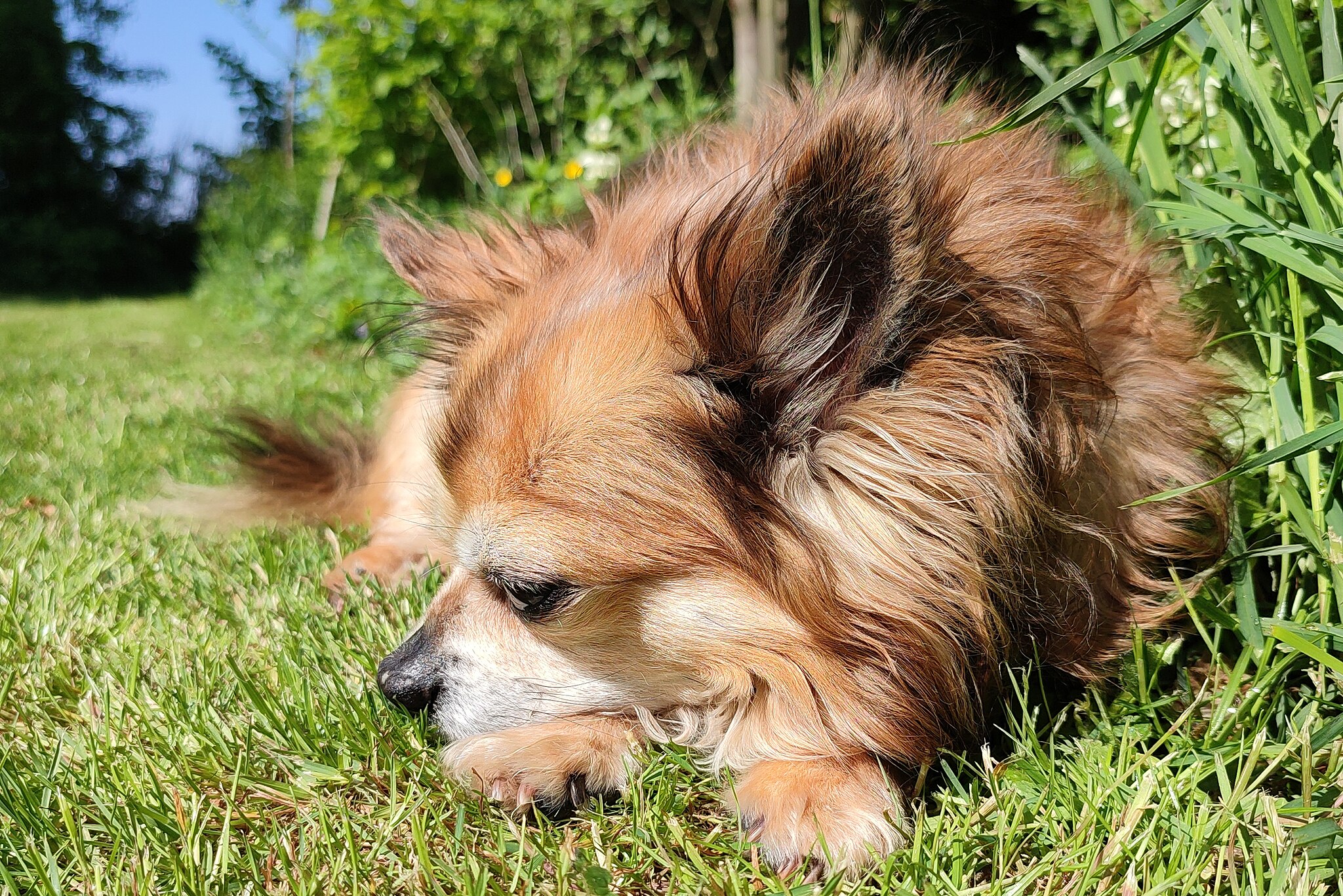
Chihuahuas are tiny dogs with surprisingly strong emotional bonds to their chosen person. They often attach intensely to one family member and may become distressed when separated. Signs of loneliness can include shaking, barking, or refusal to eat. Despite their small size, they require consistent reassurance and social interaction. Extended isolation may lead to clingy or defensive behavior. They adapt best to households where someone is usually present or where absences are brief and predictable. For a Chihuahua, companionship is not optional but essential.