Dog popularity changes over time. Some breeds that were once common companions gradually fade from public attention as trends shift toward smaller apartment-friendly pets or highly advertised modern breeds. Many excellent dogs end up overlooked simply because people are less familiar with them today. In reality, these breeds still offer loyalty, intelligence, and unique personalities that can make them wonderful companions in the right homes. Understanding why they became less popular helps potential owners rediscover their value. The following fifteen breeds are examples of dogs that are rarely chosen today, even though they still possess remarkable traits worth appreciating.
1. Otterhound
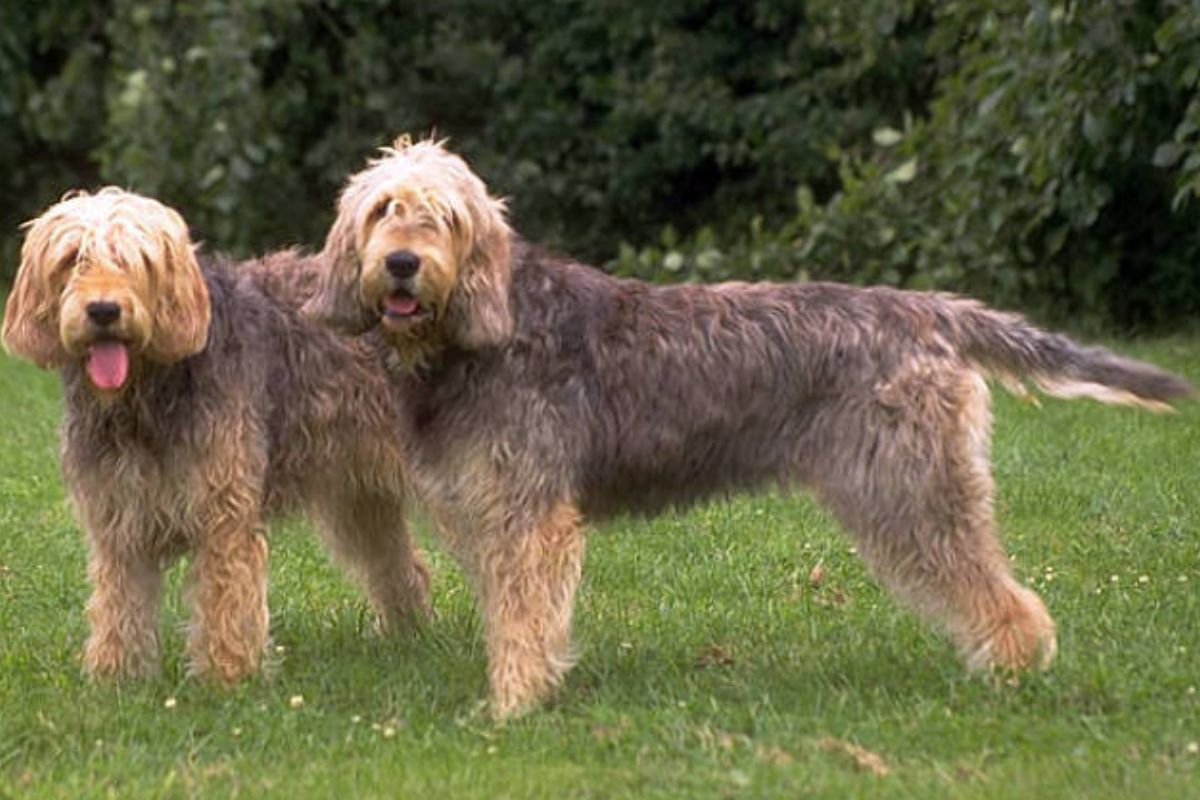
The Otterhound is one of the rarest traditional scent hounds, and many people today have never even seen one in person. Originally bred in Britain to track otters along rivers, the breed developed a powerful sense of smell and strong swimming skills. Despite these impressive traits, modern lifestyles rarely match the needs of this energetic dog. Otterhounds require large outdoor spaces and regular exercise, which limits their appeal in urban environments. Their shaggy coats also demand regular grooming and maintenance. Because of these practical challenges, families often choose easier breeds. As a result, the Otterhound remains a fascinating but rarely selected companion today.
2. Skye Terrier
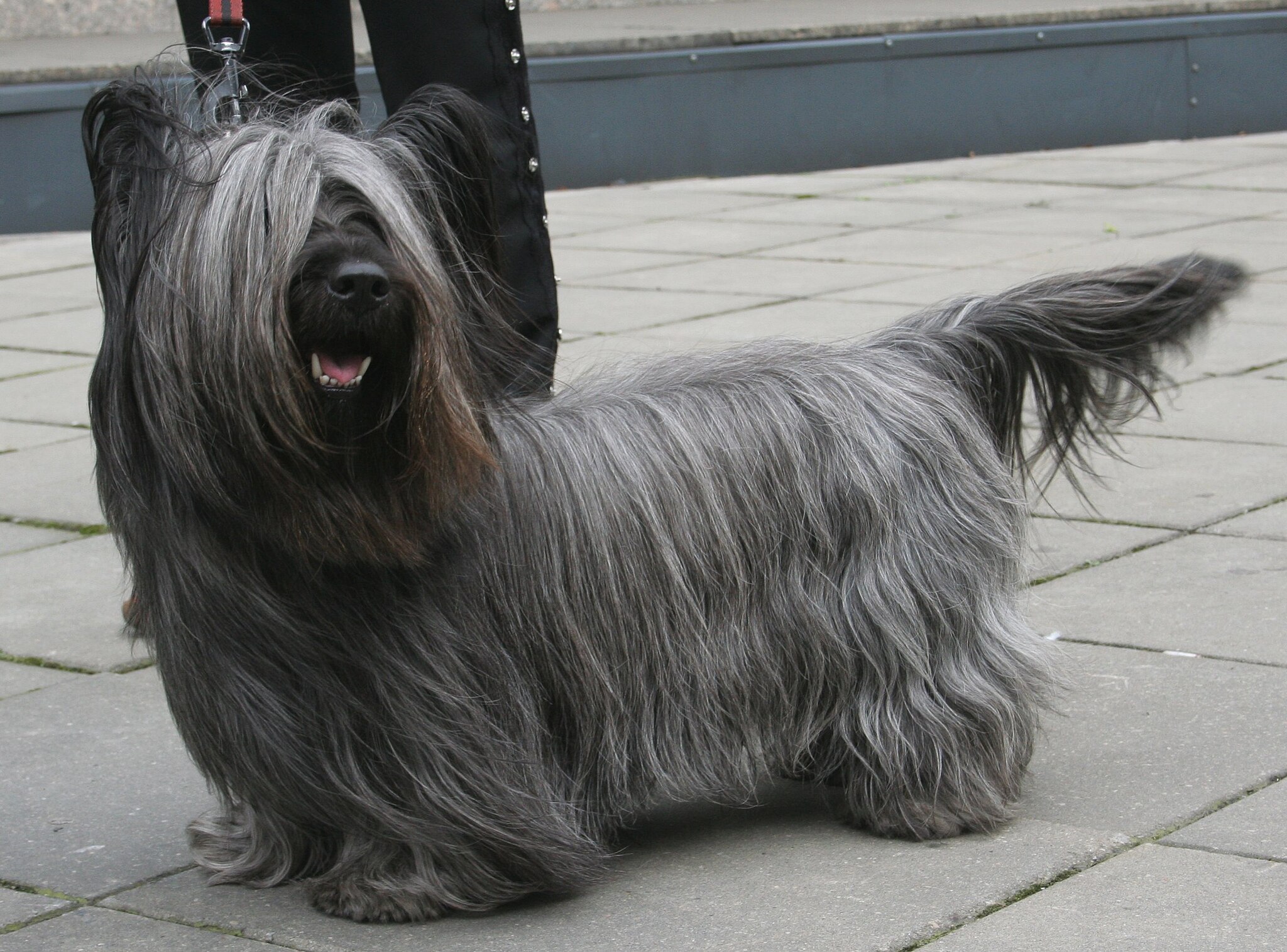
The Skye Terrier once enjoyed royal popularity, especially during the nineteenth century, when it became associated with British aristocracy. Today, the breed is rarely chosen by modern dog owners. One reason is its independent personality, which can make training more challenging compared to highly obedient breeds. The Skye Terrier also requires consistent grooming due to its long, flowing coat. While loyal and affectionate toward family members, it may appear reserved around strangers. Because many families now prefer easygoing companion dogs, this proud terrier often goes unnoticed. Despite its reduced popularity, the breed still offers intelligence and deep devotion.
3. Clumber Spaniel
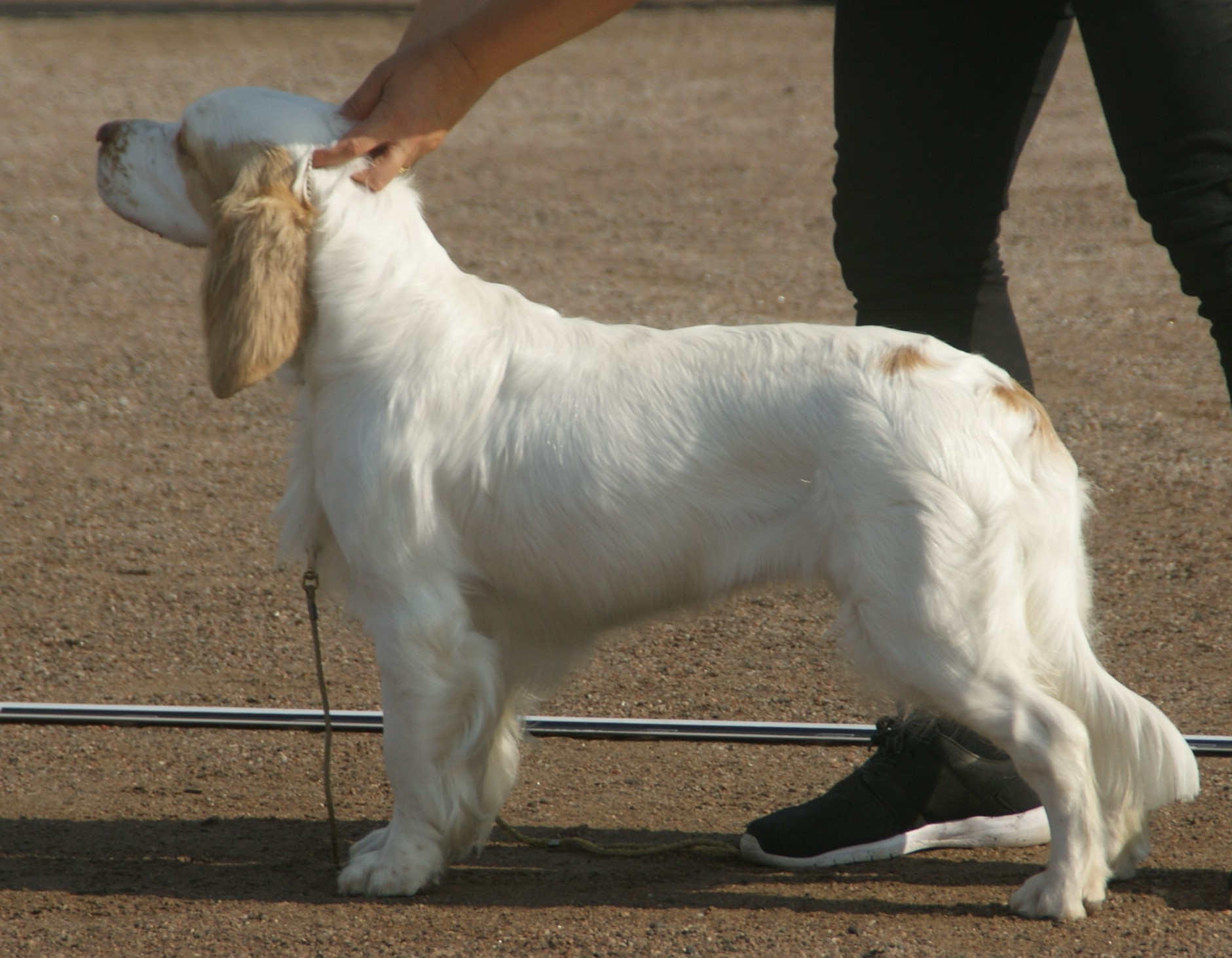
The Clumber Spaniel is a calm and thoughtful sporting dog that rarely appears in typical dog parks today. Originally developed as a hunting companion for flushing birds, it moves more slowly than other spaniel breeds. Modern owners often look for highly energetic sporting dogs or compact apartment pets instead. The Clumber’s heavier build and relaxed pace sometimes make it seem less exciting by comparison. However, those who spend time with the breed often appreciate its gentle temperament and steady loyalty. Its thoughtful personality makes it an excellent companion for quieter households, even though many people rarely consider it anymore.
4. Norwegian Lundehund
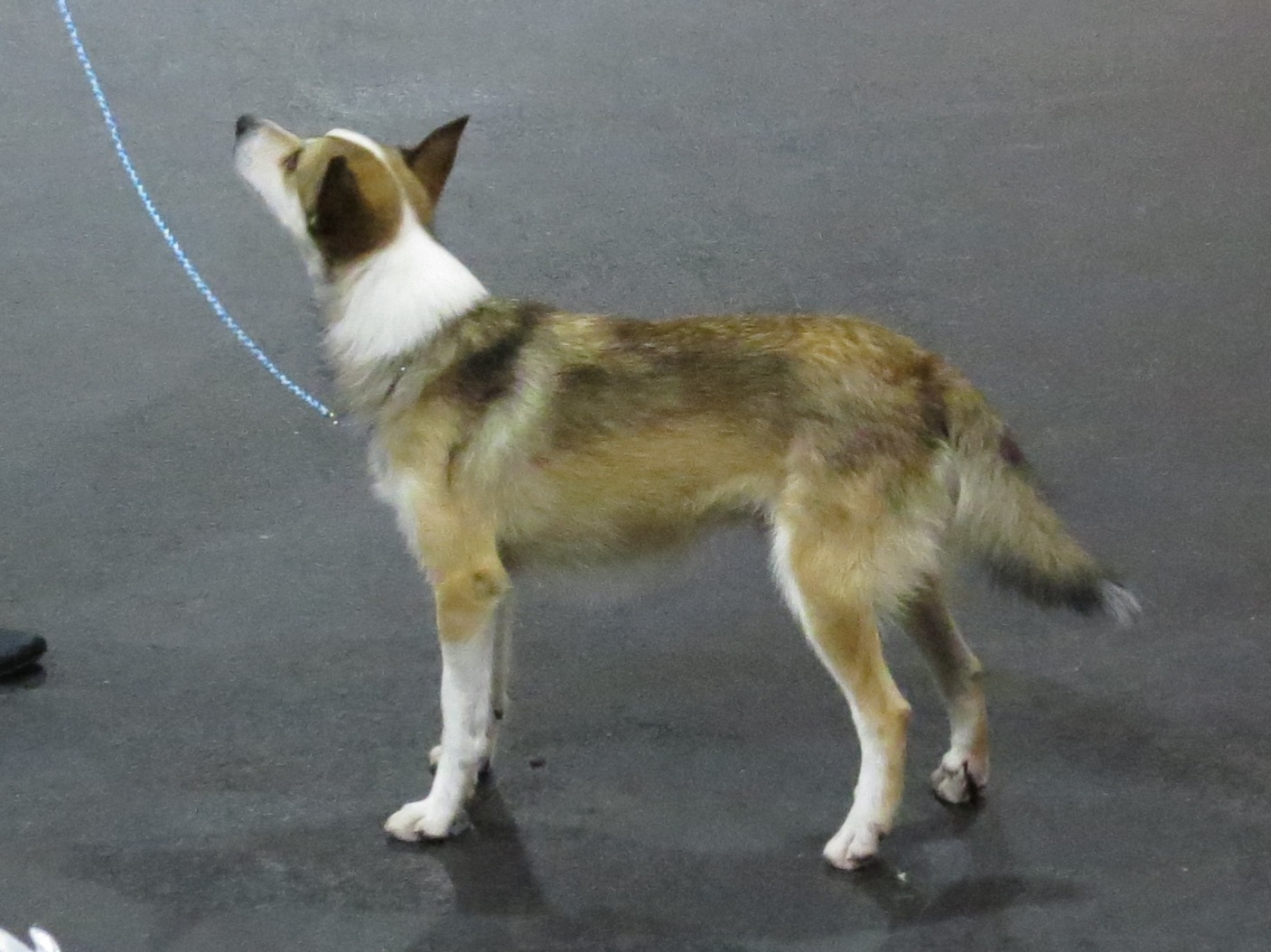
The Norwegian Lundehund is a truly unusual dog with physical traits rarely seen in other breeds. It developed in coastal Norway, where it was used to hunt seabirds along steep cliffs. The breed is famous for having extra toes and extremely flexible joints that help it climb difficult terrain. Despite its remarkable abilities, the Lundehund remains uncommon today. Specialized dietary needs and a somewhat delicate digestive system make ownership more demanding. Because of this, many families hesitate to choose the breed. Even so, enthusiasts continue to admire its unique history and extraordinary physical adaptations.
5. Sussex Spaniel
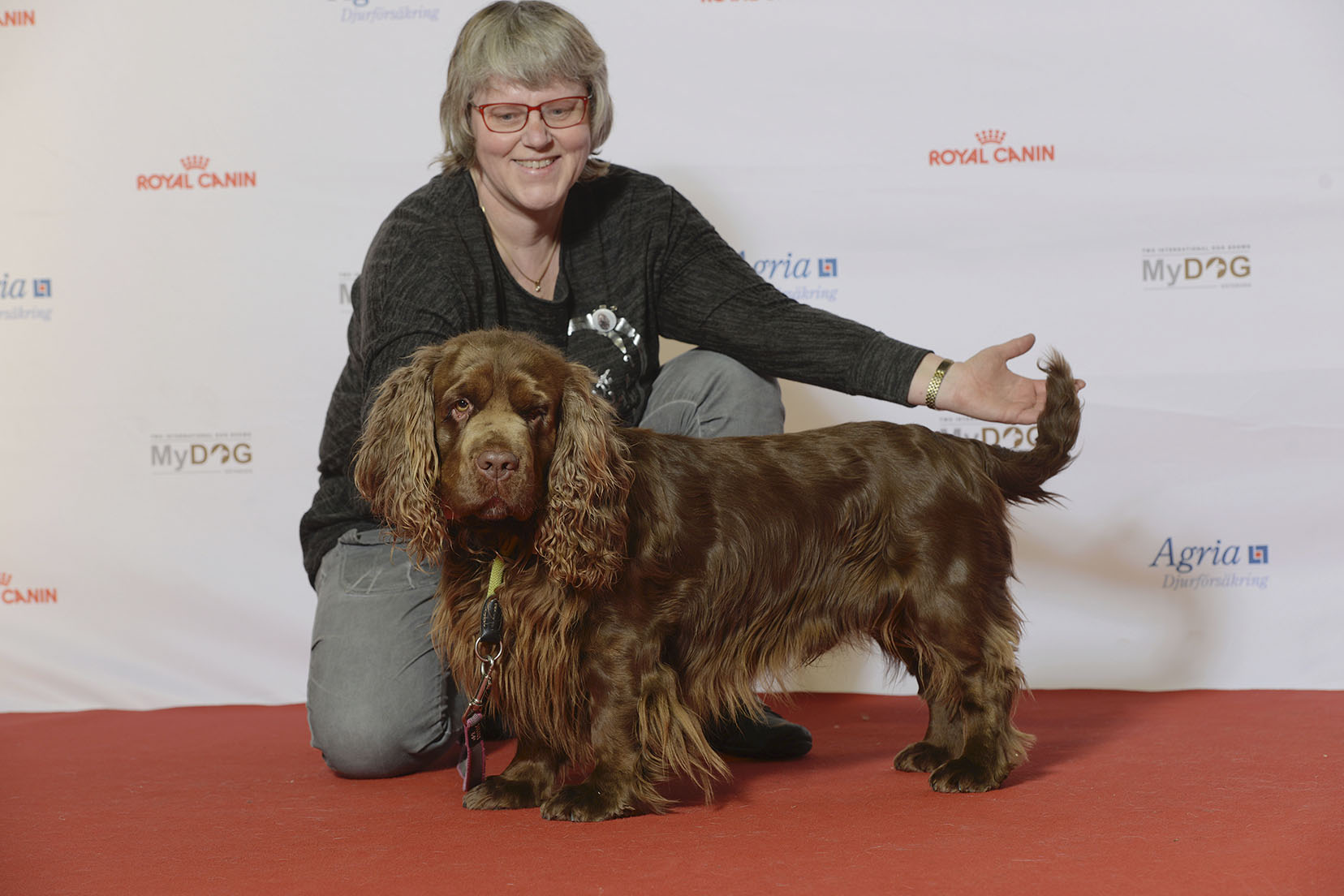
The Sussex Spaniel is another historic hunting dog that has gradually faded from mainstream popularity. Known for its rich golden brown coat and distinctive low build, the breed moves with a deliberate pace compared to other sporting dogs. Modern hunters and families often select faster or more energetic spaniels instead. The Sussex Spaniel’s calm personality sometimes leads people to overlook it when searching for an active companion. However, those who own one often appreciate its affectionate nature and deep loyalty. The breed thrives in patient households that value companionship over high-speed activity.
6. English Foxhound
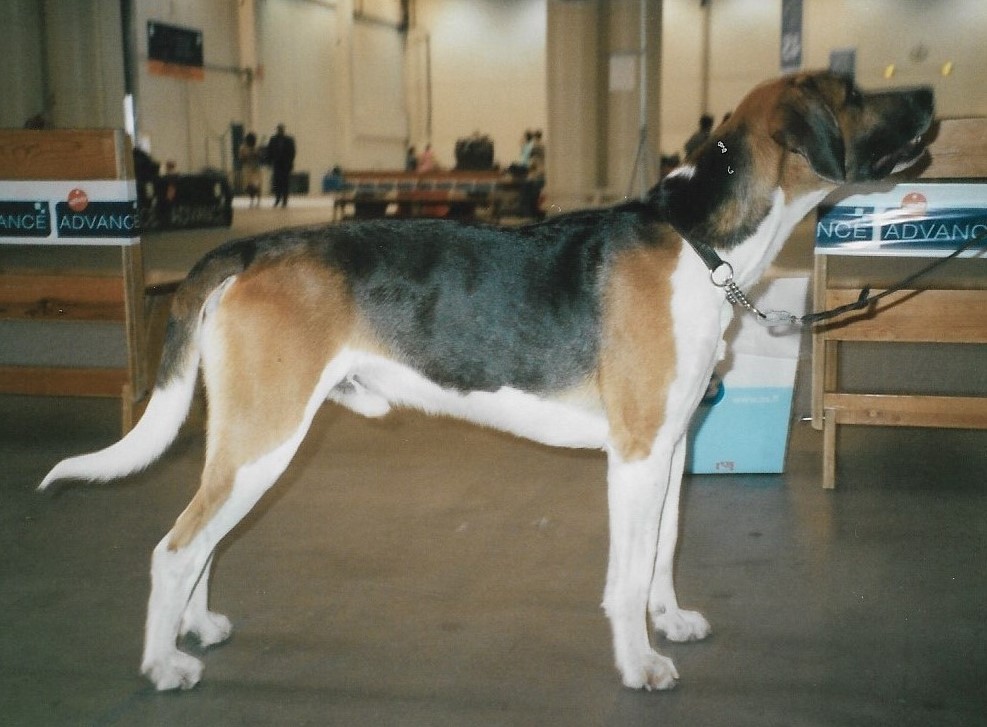
The English Foxhound once played a central role in traditional fox hunting. As hunting practices changed and urban living expanded, demand for this breed declined sharply. English Foxhounds require significant exercise and space to remain happy. Their strong pack instincts also mean they prefer companionship with other dogs. For many modern families, these needs are difficult to meet. Because of that, the breed is rarely selected as a household pet today. Despite its reduced popularity, the English Foxhound remains an energetic and athletic dog that thrives in rural environments where it can move freely.
7. Dandie Dinmont Terrier
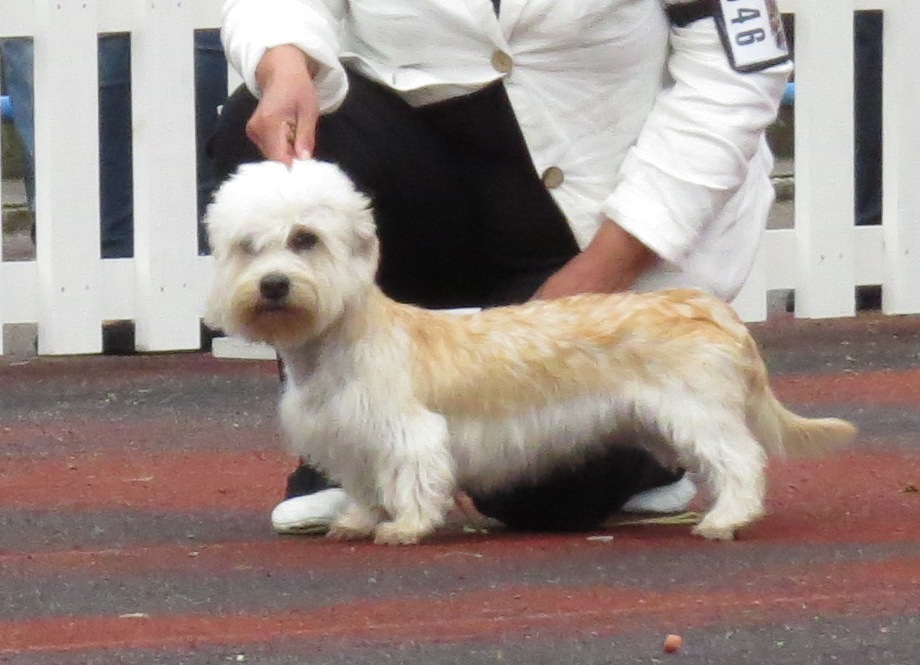
The Dandie Dinmont Terrier has a distinctive appearance that once made it quite recognizable. Its long body, short legs, and fluffy topknot give it a unique look among terriers. Over time, however, newer companion breeds have taken their place in public attention. Dandies are intelligent and loyal, but sometimes stubborn during training. Their grooming needs and limited availability also make them less common in many regions. As fewer breeders remain active, potential owners rarely encounter the breed during their search. Those who do often discover a charming and surprisingly brave small dog.
8. American Foxhound
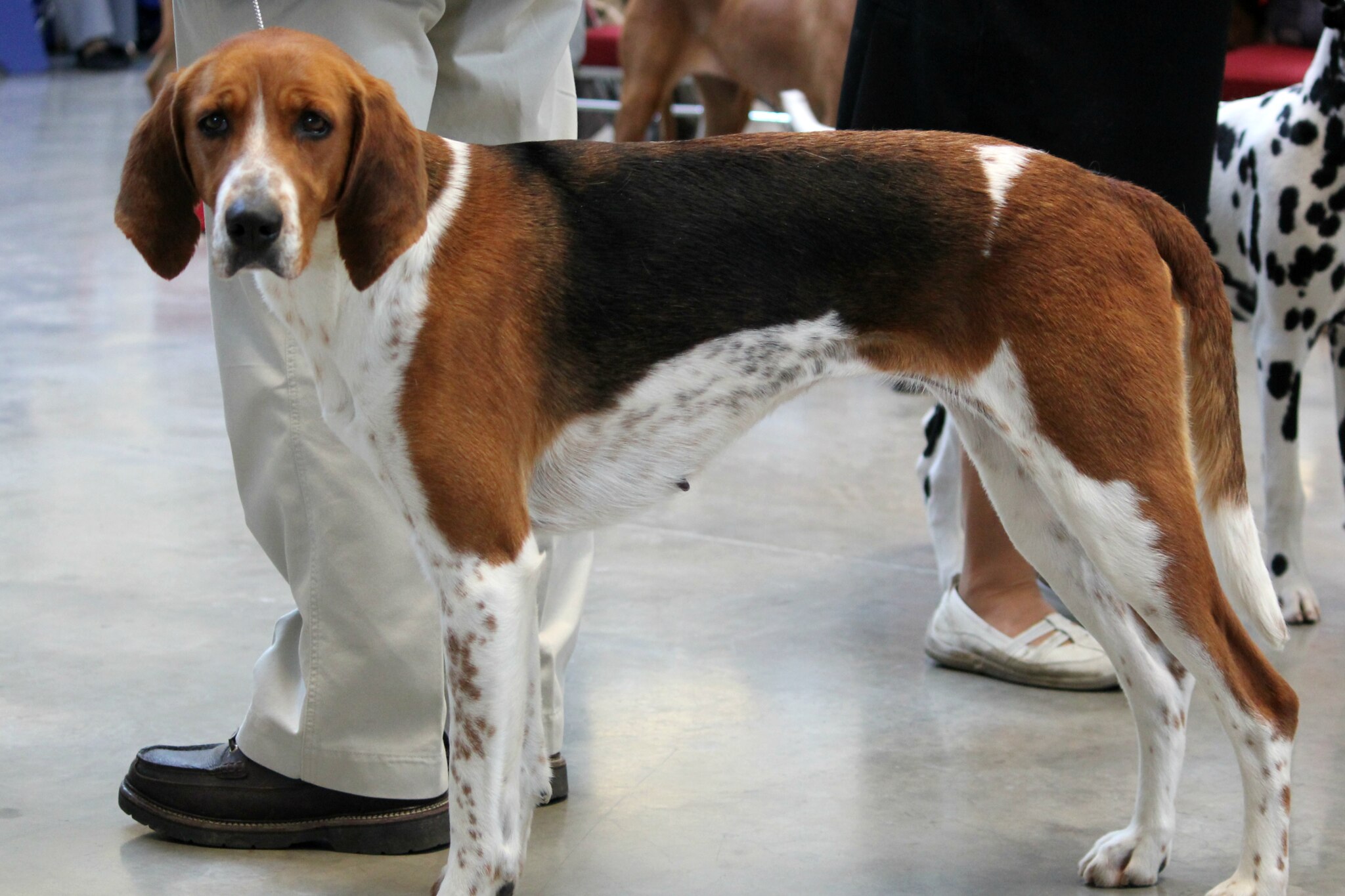
The American Foxhound is closely connected to early American history and was valued for its endurance in long hunts. Today, however, the breed is rarely selected by families looking for a companion dog. It requires extensive exercise and thrives best in large outdoor environments. Apartment living and busy schedules often make these needs difficult to satisfy. Because the breed was developed primarily for hunting packs, it may also appear less attentive than typical companion breeds. Even so, the American Foxhound remains a graceful and athletic dog with impressive stamina anda friendly temperament.
9. Harrier
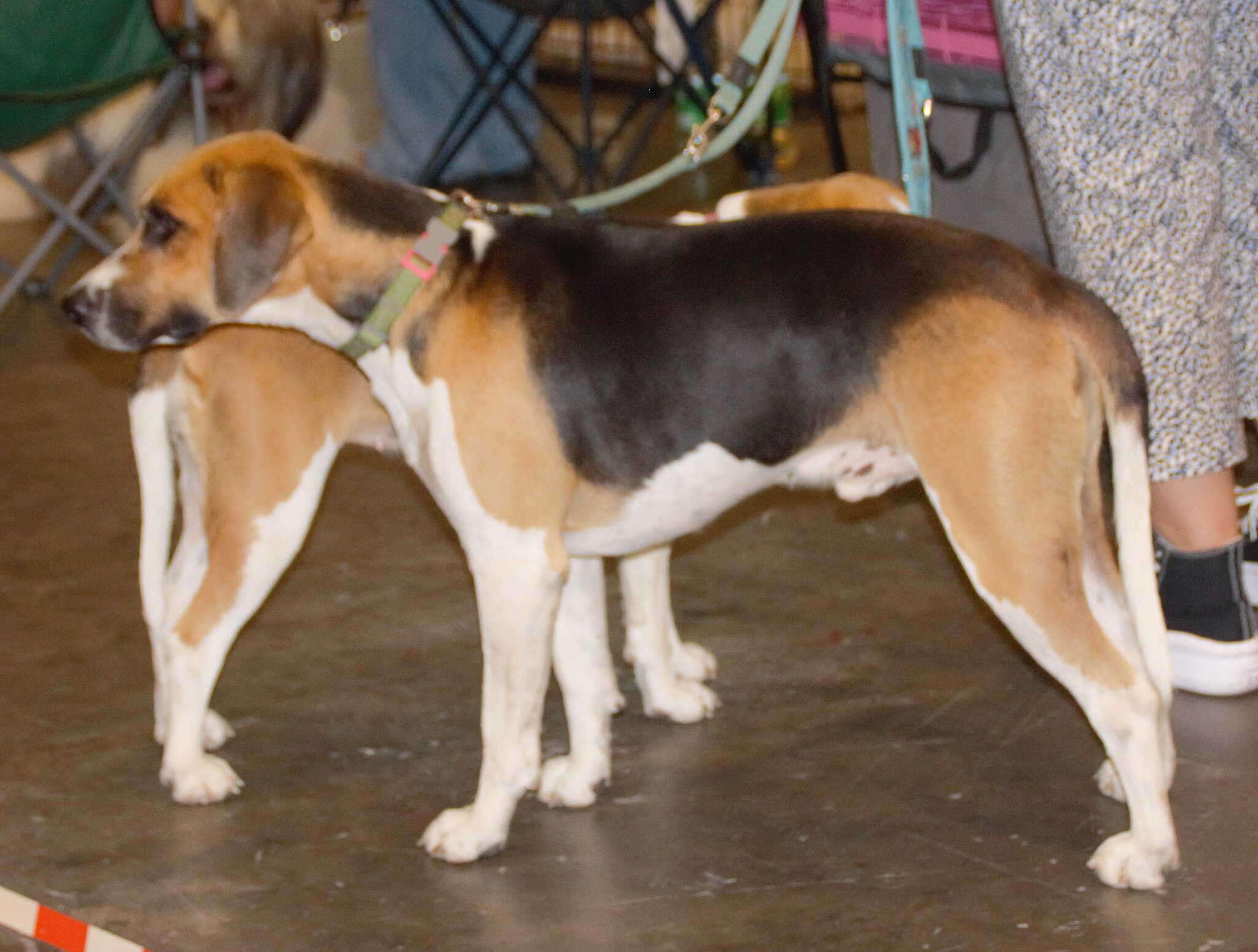
The Harrier resembles a smaller version of the English Foxhound and was traditionally used for hunting hares. Despite its balanced size and cheerful personality, it remains one of the least recognized hound breeds today. Many families simply overlook it because they are unfamiliar with the breed. Harriers need regular exercise and enjoy active lifestyles, which can discourage owners seeking low-energy pets. Their friendly temperament makes them pleasant companions, yet their hunting background requires space and movement. Because modern living often limits those conditions, the Harrier continues to be rarely chosen.
10. Field Spaniel
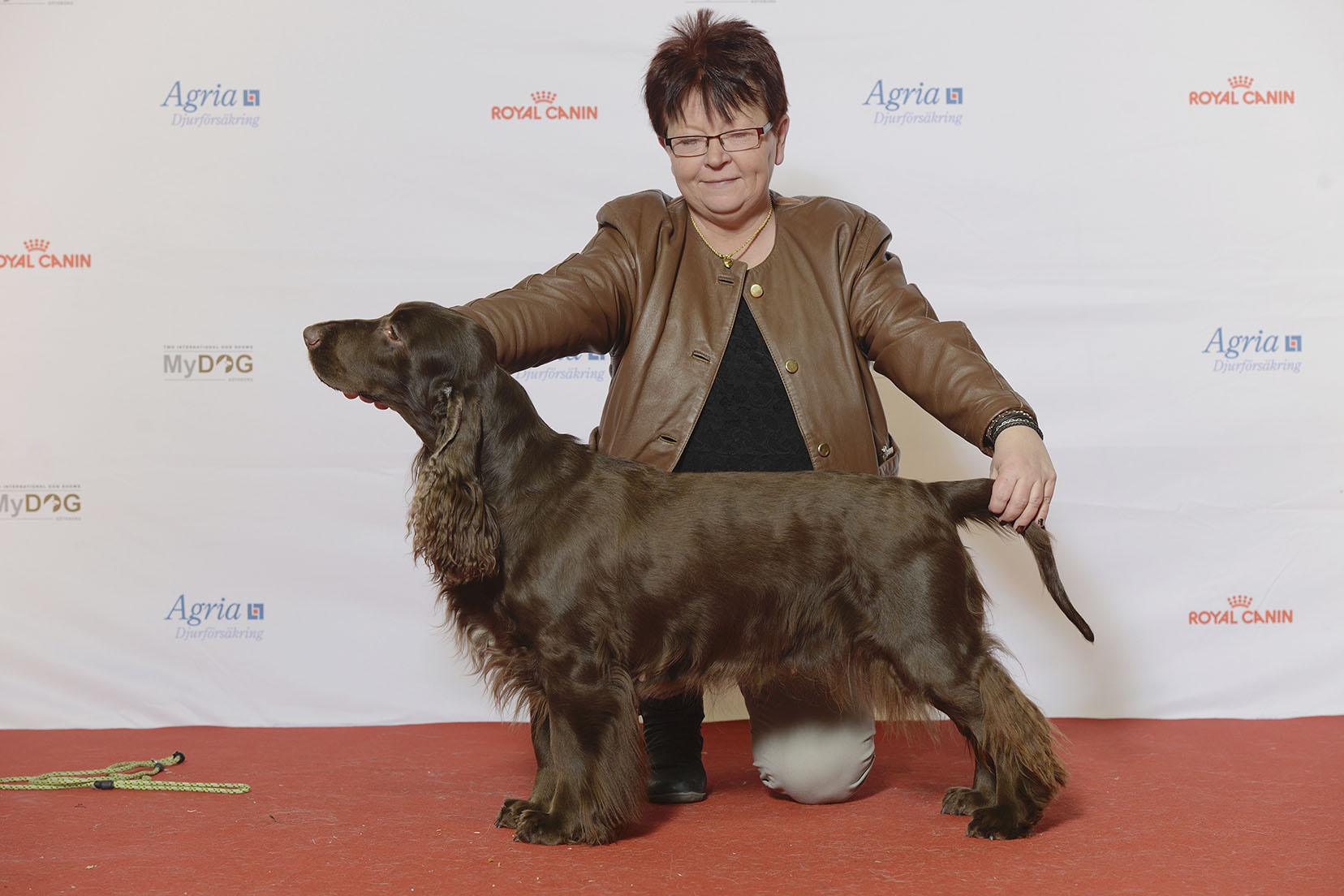
The Field Spaniel once stood alongside other sporting spaniels but gradually lost visibility as more energetic breeds gained attention. It is known for its elegant build and gentle personality. The breed enjoys outdoor activity but also appreciates quiet time with its family. Unfortunately, limited public awareness has reduced its popularity over the years. Many prospective owners simply encounter more familiar spaniel breeds during their search. Those who do discover the Field Spaniel often admire its balanced temperament and intelligence. Even though it remains uncommon today, it still makes a devoted companion in the right home.
11. Irish Red and White Setter
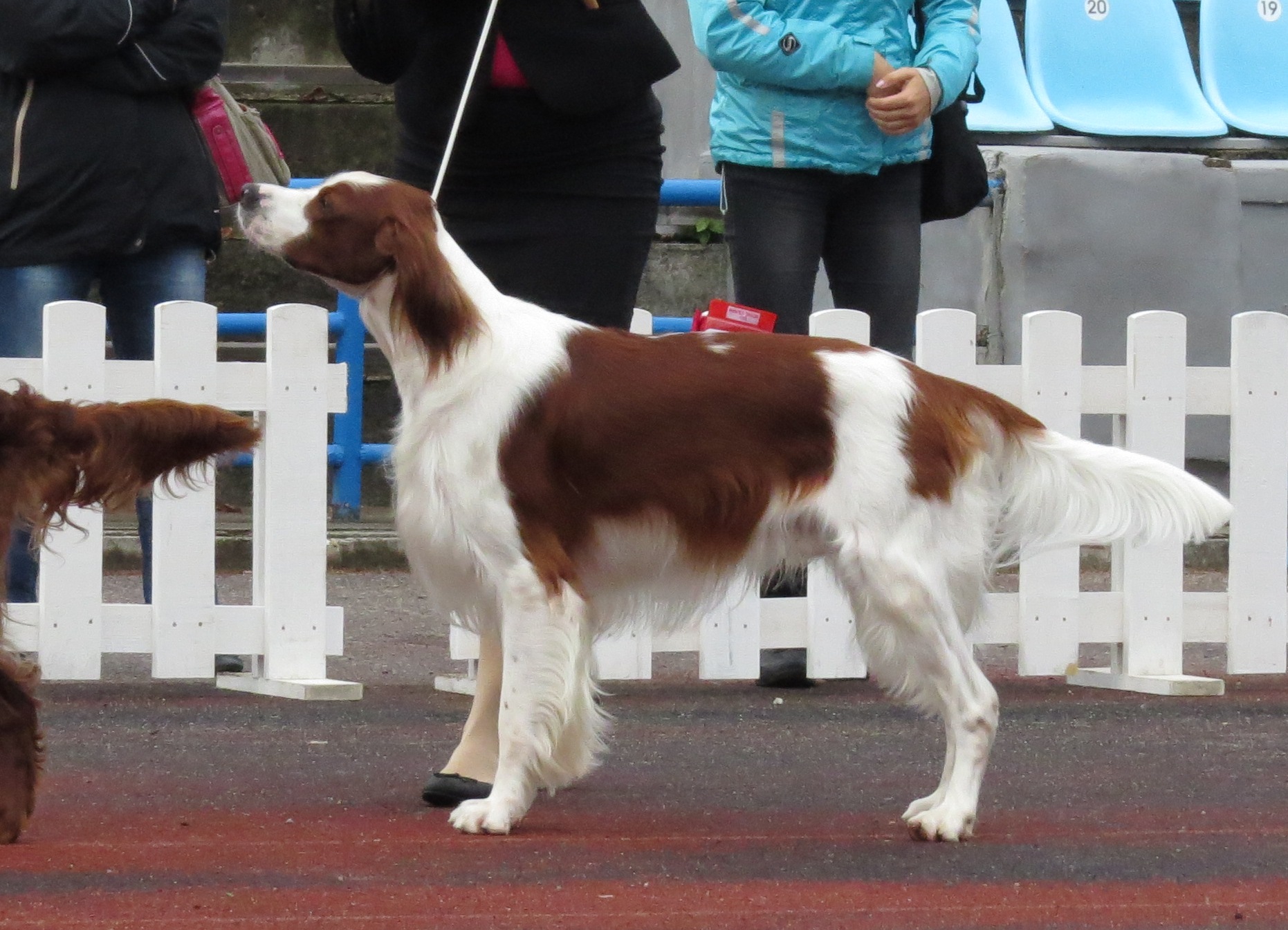
The Irish Red and White Setter is closely related to the more widely recognized Irish Setter. Over time, however, the solid red variety gained greater popularity. This left the red and white version overshadowed despite its strong hunting ability and friendly personality. The breed is energetic and thrives with active families that enjoy outdoor activities. Because it requires space and exercise, urban households often overlook it. Limited breeder availability has also contributed to its reduced visibility. Nevertheless, those who encounter the breed often appreciate its graceful movement and affectionate nature.
12. Cesky Terrier
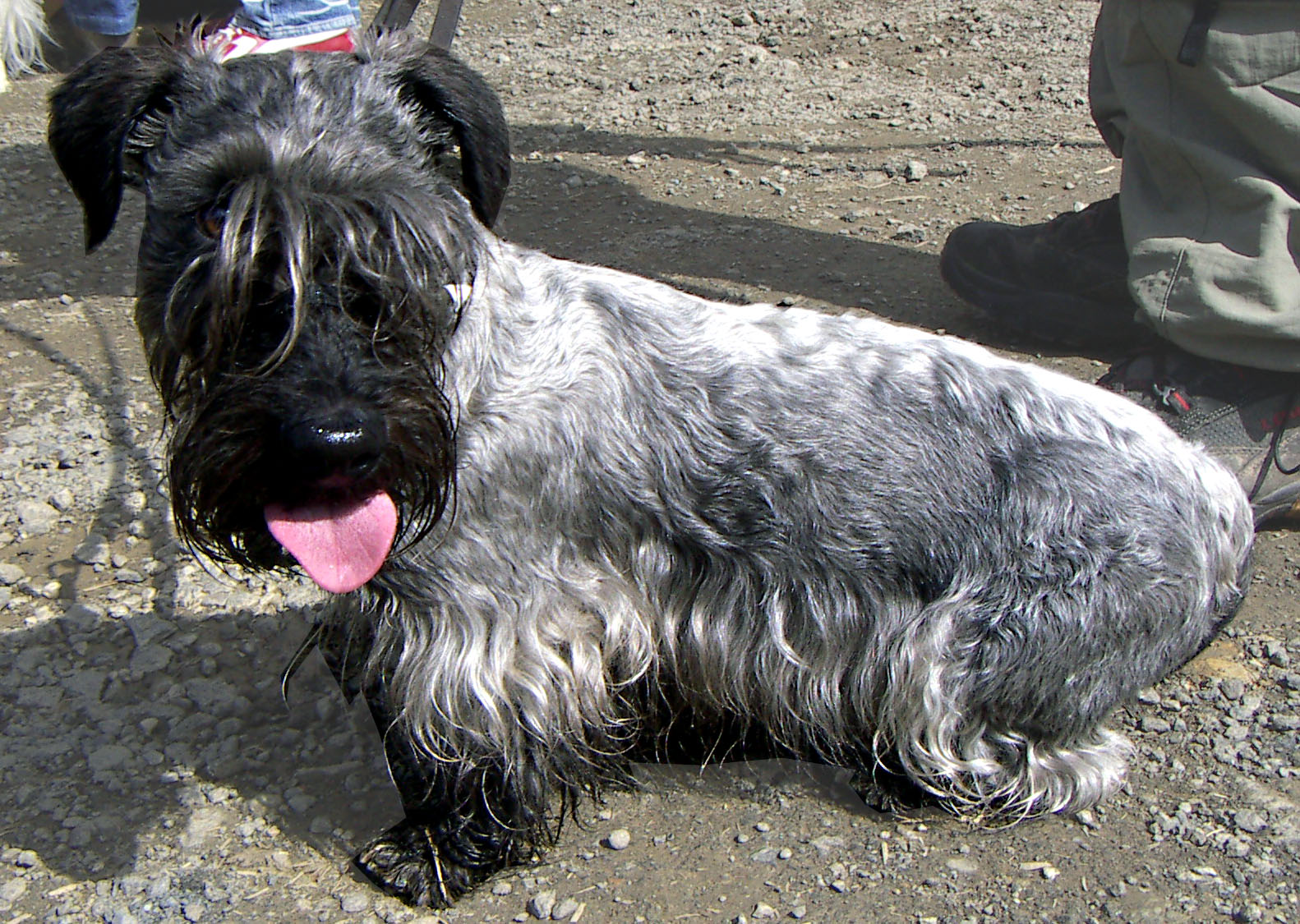
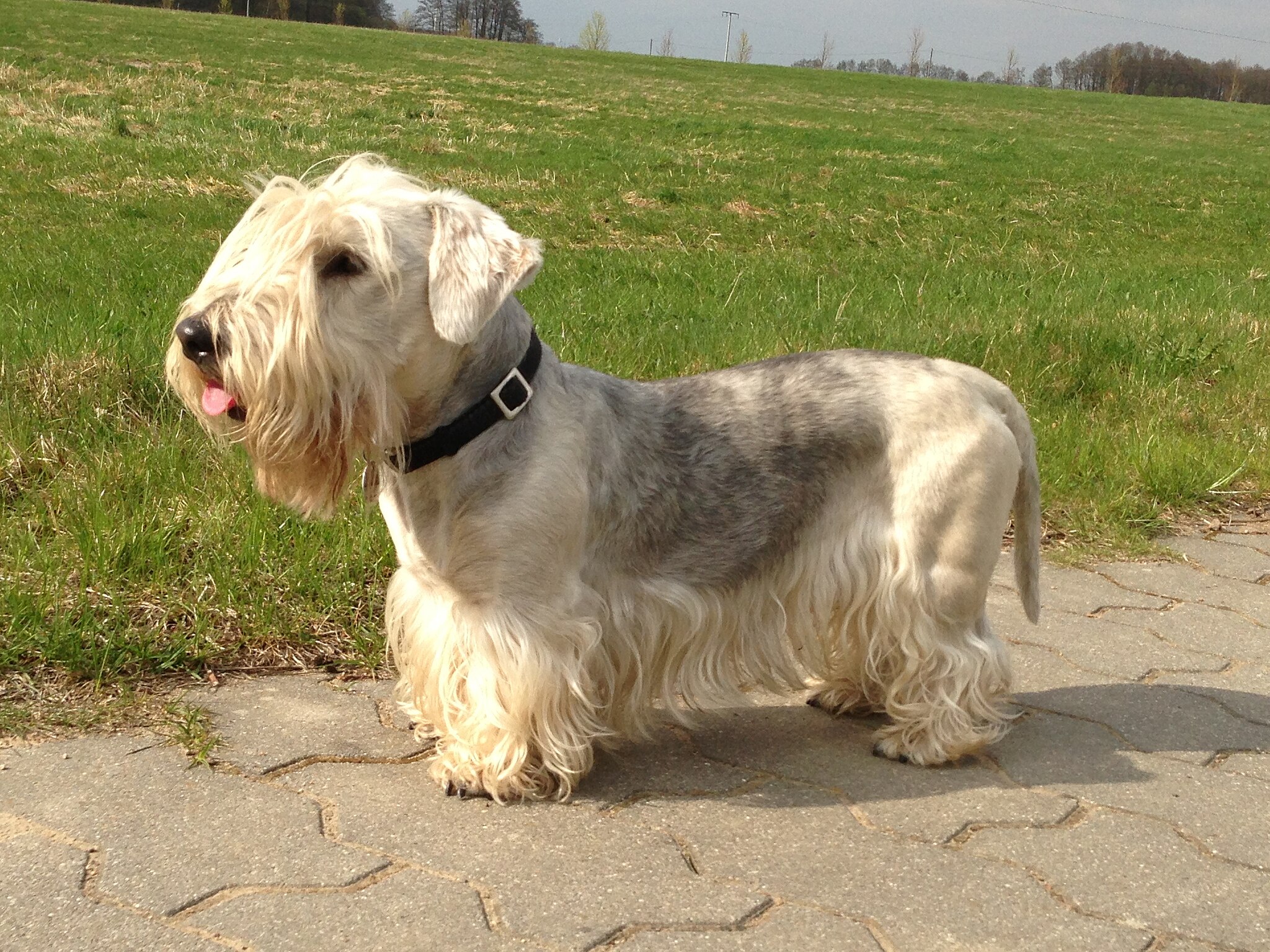
The Cesky Terrier is a relatively young breed developed in the Czech Republic for hunting small game. It combines traits of several terrier types, resulting in a calm and adaptable temperament. Despite these appealing qualities, the breed remains uncommon in many countries. Limited breeding programs and low public awareness contribute to its rarity. Families searching for terriers often choose more familiar breeds instead. Those who know the Cesky Terrier value its intelligence and gentle personality. It tends to adapt well to family life while still maintaining the curiosity typical of terriers.
13. Glen of Imaal Terrier
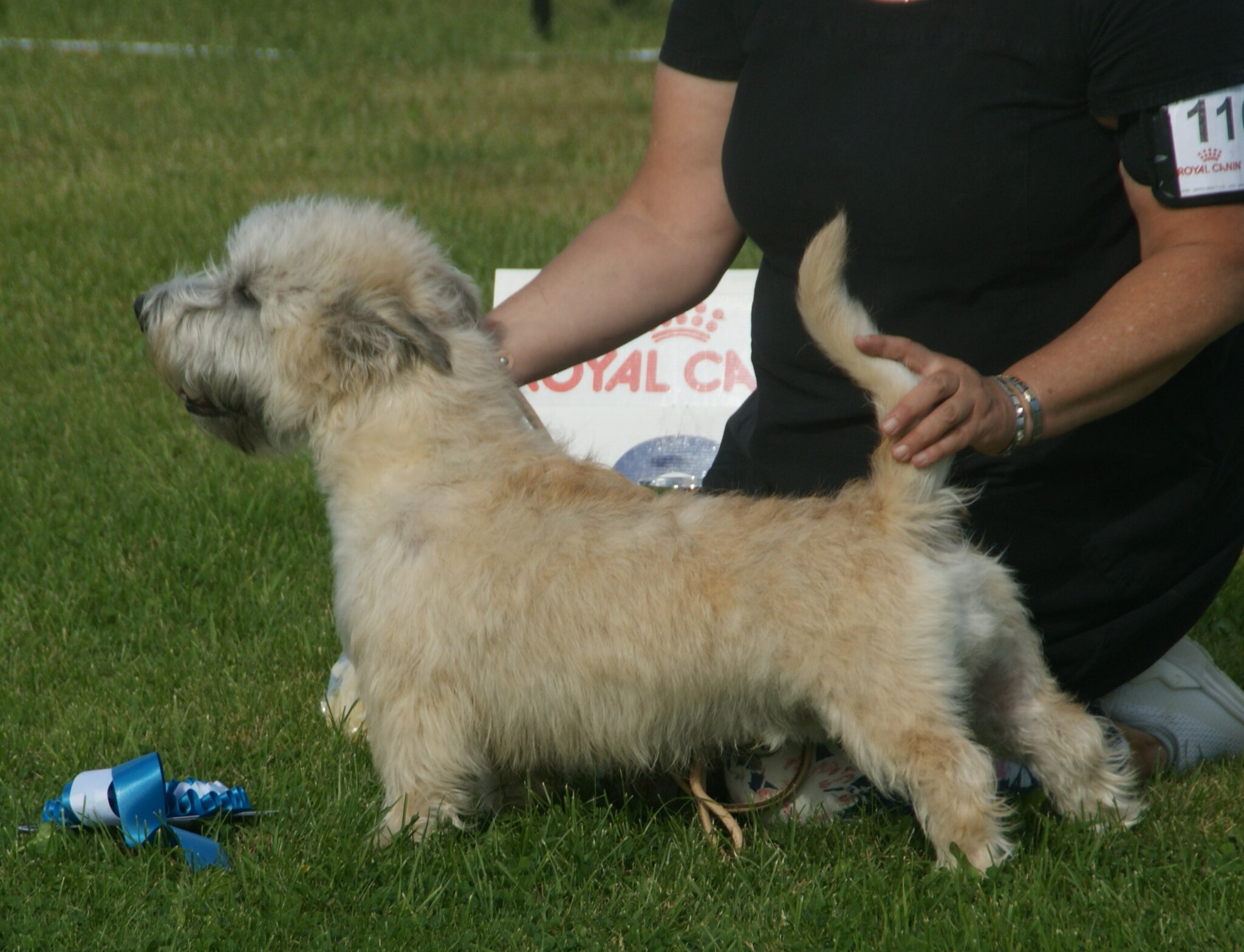
The Glen of Imaal Terrier is a sturdy working dog that developed in Ireland. It was historically used for hunting and farm work, tasks that required determination and strength. Today, the breed is rarely seen outside dedicated enthusiast circles. One reason is that it does not appear as flashy or widely advertised as other terriers. Its calm nature can also be misunderstood as low energy, even though it still enjoys active play. Owners who discover the breed often admire its loyalty and resilience. Despite its impressive background, the Glen of Imaal Terrier remains largely overlooked.
14. Tibetan Spaniel
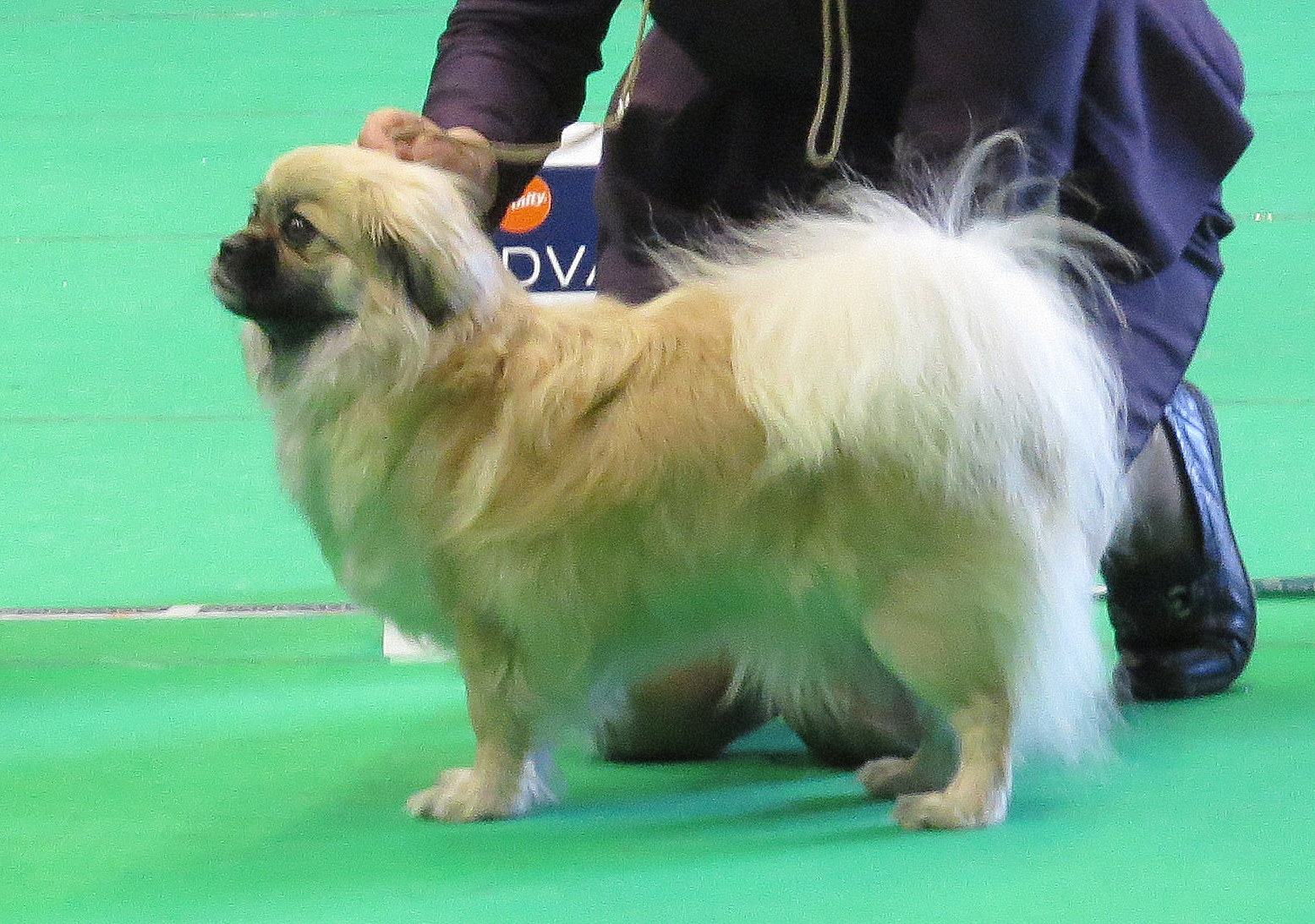
The Tibetan Spaniel has ancient origins and was traditionally kept in monasteries as a companion and watchful guardian. Despite this fascinating history, it remains a rarely chosen breed in modern homes. Many families simply gravitate toward more widely promoted toy breeds. The Tibetan Spaniel offers independence combined with affectionate loyalty toward its family. It enjoys observing its surroundings and often chooses high resting places around the home. Because it is not as widely known as other small dogs, it often escapes attention. Those who do discover it frequently appreciate its calm intelligence and charming personality.
15. Curly-Coated Retriever
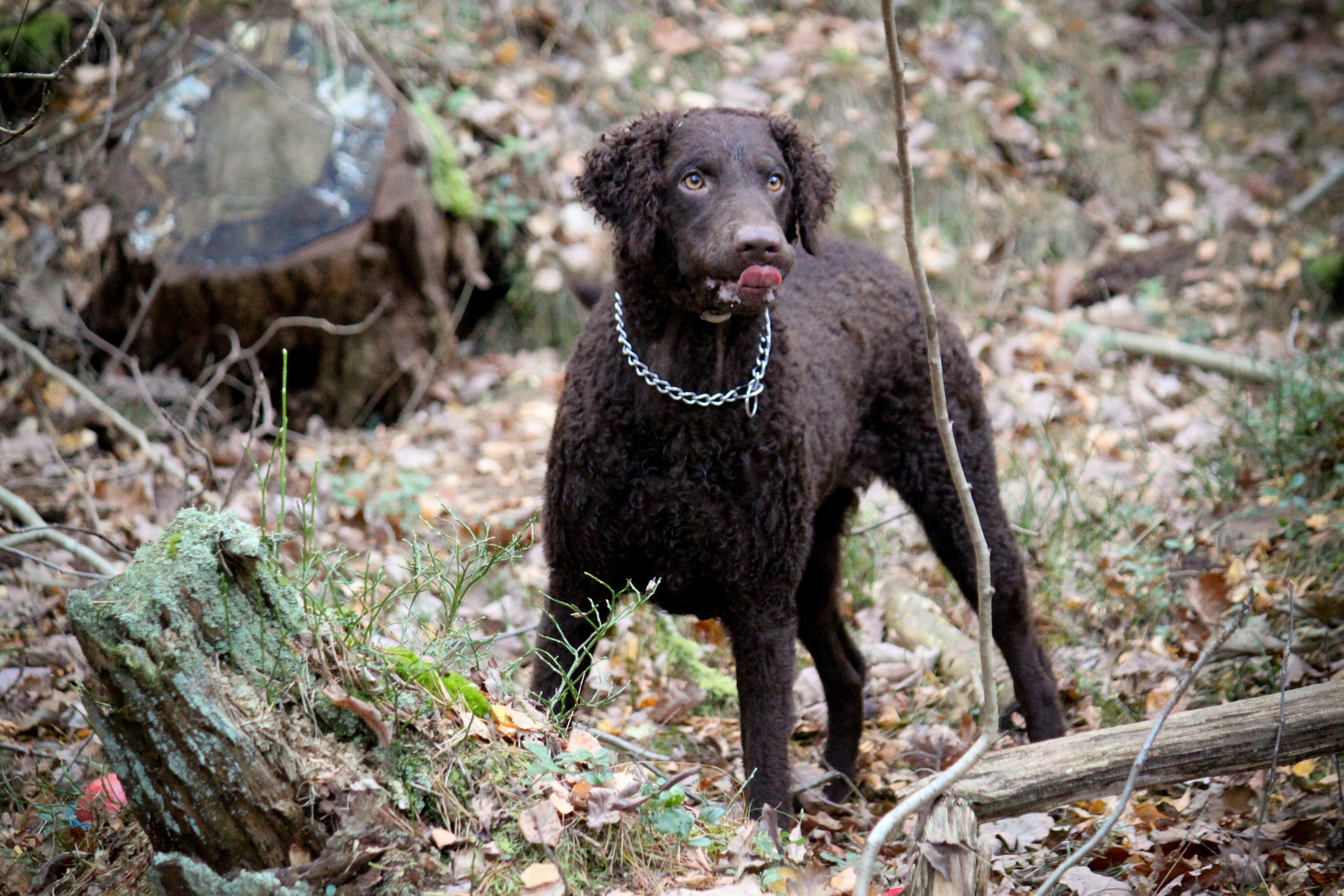
The Curly-Coated Retriever is one of the oldest retriever breeds, yet it remains surprisingly uncommon today. Its distinctive tight curls set it apart visually from other retrievers. While capable and intelligent, it tends to have a more independent personality than the famously eager Labrador Retriever. This difference sometimes leads families to select other retriever breeds instead. The Curly-Coated Retriever also requires regular exercise and training to stay engaged. Those who own the breed often value its confidence and versatility. Despite these strengths, it remains one of the least commonly chosen retrievers in modern times.